
Uppland
Sigtunaskolan Humanistiska Läroverket
high confidence· 6/6 cats · 2.5 avg sourcesEight lakeside boarding houses in Sweden's oldest town anchor the country's longest-running IB Diploma programme.
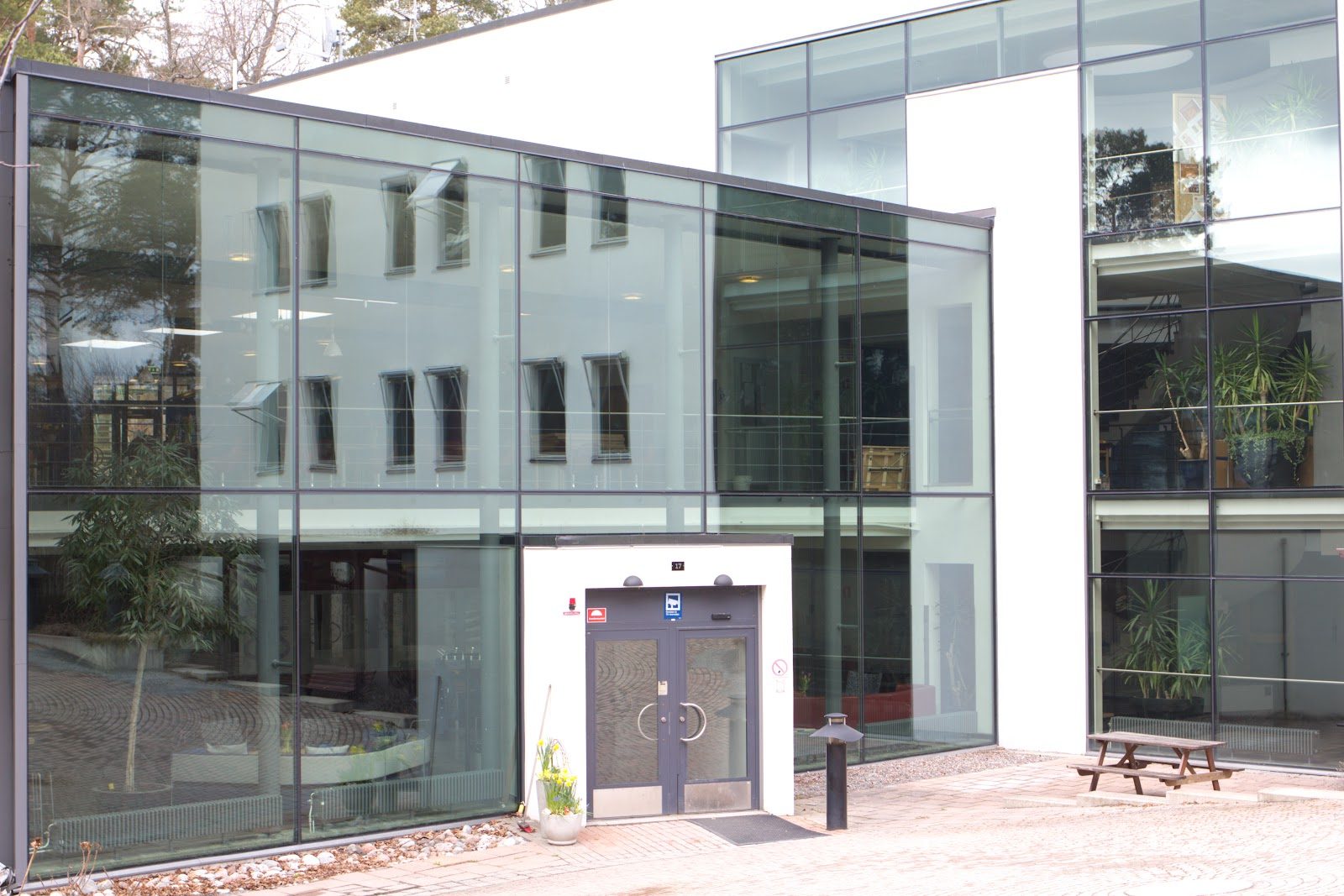
Photo © Jon Buscall via Google Maps
Type
Boarding
Ages
13–19
Curriculum
Swedish National Curriculum · IB Diploma
Ratio
—
The Verdict
Editor's commitment
Right for
Boarders aged 13–19 who want Sweden’s national curriculum or the IB Diploma at an IB World School with 205 boarders.
Wrong for
Families wanting day school, religious ethos or one language only; SSHL is boarding, non-religious, and teaches in Swedish and English.
Watch out for
The headline outcomes are mixed: 91% completed the Swedish gymnasium in 2025, and top destinations cluster at Uppsala, Lund and KTH.
Peer & Industry Review
How Sigtunaskolan Humanistiska Läroverket is regarded in the sector
62
Respected · medium confidence
Sigtunaskolan Humanistiska Läroverket is consistently described in Swedish media (Dagens Nyheter, Svenska Dagbladet) as one of Sweden's oldest and most prestigious private/boarding schools, often nicknamed 'Sweden's Eton', with an alumni network including members of the Swedish business elite and public figures. It has solid recognition within Sweden as a heritage institution but lacks the kind of international specialist-press coverage (Tatler, Good Schools Guide) or global peer-benchmarking seen in top-tier international schools, limiting it to a strong regional rather than globally top-tier reputation.
Evidence sources
- Carl XVI Gustaf — King of Sweden, Monarchy
- Marcus Wallenberg — Banking executive, Finance
- Jacob Wallenberg — Chairman, Finance/Industry
Editors' overview
Sigtunaskolan Humanistiska Läroverket occupies a rare niche in the Nordic market: a full boarding school in Sweden with both the Swedish National Curriculum and the IB Diploma, taught in Swedish and English, for ages 13–19. The draw is not mystery. It is structure, scale and setting. SSHL has 565 pupils, of whom 205 are boarders, enough to sustain real breadth without turning anonymous. It sits in Sigtuna by Lake Mälaren, close to Arlanda, which matters for internationally mobile families. The school also runs on a non-profit foundation model, which gives it a cleaner governance story than many international schools charging premium fees. The headline distinction is its long-running IB offer inside a Swedish boarding framework: that combination is still scarce, and it gives SSHL a strong claim on families who want Swedish university access without giving up an international route.
What puts it on a shortlist is the boarding proposition. This is not a token residence attached to a day school. Boarding is central to the identity, and the school leans into the house system, pastoral care and organised free time. That suits teenagers who want a contained world, a strong social centre and room to grow up away from home without being dropped into a sprawling Anglo-style boarding machine. The published data are useful. The school states 100% qualified teachers and a 91% completion rate in the Swedish gymnasium in 2025, against 81% nationally. That is solid, concrete evidence of competence. The weak point is transparency on top-end academic outcomes. The school does not publish aggregate IB Diploma results or a fuller university destinations profile, so parents looking for hard comparative data against leading UK, Swiss or Dutch boarding schools will find the picture incomplete.
The market position is clear: SSHL is for families who value independence with guardrails, bilingual study, and a distinctly Swedish social environment over polished international-school branding. It fits Swedish families returning from abroad, expatriate families staying in Sweden long enough to want continuity, and ambitious students who benefit from community as much as classroom teaching. It also suits pupils who want a serious boarding experience without an overtly religious frame. This is not the school for a child who needs urban intensity, relentless public league-table signalling or a vast menu of advanced courses. It is for a student who will use the lakeside campus, commit to house life, and thrive in a school where belonging counts, routine matters and adulthood arrives by increments rather than performance.
Academic Performance
SSHL publishes one useful hard measure and leaves the rest in the dark. The useful measure is completion in the Swedish gymnasium: 91% in the latest cited cohort against 81% nationally. That is a clear outperformance on a public benchmark and gives the school a credible claim to steady academic delivery. It also fits the broader picture of a school built around structure and supervision rather than churn. For parents comparing Swedish options, that result puts SSHL in the upper tier of schools that can point to an external outcome instead of relying on atmosphere, heritage and alumni anecdote. The phrase high academic standard is easy to print; this figure gives it some real ballast.
The problem is transparency at the top end. The school does not publish aggregate IB Diploma scores, subject averages, bilingual diploma rates, top-score distribution, or a full destinations list beyond a small set of named universities. That leaves a genuine blind spot for families benchmarking SSHL against stronger-reporting boarding schools in the UK, Switzerland or the Netherlands, where average point scores and selective admissions are standard disclosure. In that peer set, SSHL reads as competent but opaque. The available evidence supports solid outcomes and reliable completion. It does not support claims of elite academic firepower. For a family that values consistency and a contained boarding environment, that may suffice. For a family shopping on published exam data, it will not.
Facilities
The facilities that matter here are the ones tied to boarding life. SSHL runs a proper residential setup, not a token annex, with eight boarding houses spread across a lakeside campus in Sigtuna. That gives the school a physical structure many Nordic competitors do not have: boarders live in houses that function as the centre of daily life rather than as overflow accommodation. The setting by Lake Mälaren adds more than postcard value. It creates a contained, supervised world in which study, free time and social life sit close together. For families comparing Swedish and wider northern European options, that is the main differentiator. The school also points to organised leisure provision and strong pastoral support, which matters because boarding facilities are only as good as the adults and routines that animate them. On scale, 205 boarders inside a school of 565 pupils gives SSHL enough residential mass to sustain real house culture.
Against peer schools, the picture is clear. SSHL offers more authentic boarding infrastructure than most Scandinavian schools and a more grounded, less theatrical campus than many British-style international boarding brands. What it does not advertise is the sort of arms-race hardware some premium competitors use to justify fees: no public push around specialist performing arts centres, elite sports complexes, design labs or research-grade science spaces. We have not seen a detailed facilities inventory. That leaves SSHL strongest on *atmosphere, boarding coherence and setting*, weaker on visible wow-factor. For the right student, that is a strength. For families buying on bricks, branding and specialist spaces, it is a limitation.
SSHL offers a contained adolescence: enough independence to force growth, enough adult structure to stop that freedom curdling into drift
Prestige
SSHL carries real domestic standing in Sweden and a narrower form of international prestige. The domestic part rests on three things: heritage, selectivity by self-conception, and a boarding culture that still reads as socially distinctive in a country with few comparable schools. It occupies a rare space in the Swedish market: an independent school with a substantial residential life, a long-established international track, and a pupil body drawn from 30 countries. That gives it cachet with expatriate families, Swedes returning from abroad, and parents who want a more structured milieu than a standard municipal or day-school route. The non-profit foundation model also helps. It keeps the institutional story cleaner than schools that charge premium fees while reading like straightforward businesses.
That said, prestige here is old-school and networked, not the exam-driven prestige of a top British boarding school or a Swiss finishing ground for the global elite. The alumni signal is credible rather than overwhelming: the verified floor is 10 notable alumni on Wikidata, including 4 from business and finance, and the school’s own alumni features point to reach across diplomacy, science, business and public life. Useful, yes; world-dominating, no. The school’s recent university destinations skew towards strong Swedish institutions rather than a parade of global marquee names, and its weak disclosure on top-end exam outcomes caps its academic lustre. The result is solid prestige with national weight: respected, well connected, and recognisable, but not rarefied.
SSHL has 565 pupils, of whom 205 are boarders, enough to sustain real breadth without turning anonymous
Communications
Parent-facing communication is competent, serviceable and more practical than polished. The website gives clear first-contact routes for admissions, names the relevant staff, and does not hide behind a generic enquiry form alone. That matters. Families can see who handles applications and how to reach them directly. The school also keeps a visible stream of dated news and event notices, including open house promotion, which signals a working communications rhythm rather than a dormant site. The strongest message, though, sits in the school’s use of student and alumni stories. There is a heavy emphasis on lived experience: boarding life, adjustment, friendships, independence, university transition. For anxious parents weighing a residential move, that is useful reassurance and smart editorial judgement. The broad intake from 30 countries also raises the bar: schools serving internationally mobile families need clean, prompt communication.
The weakness is depth. SSHL communicates culture and day-to-day life better than it communicates performance. Parents get a warm, human picture of the school and a clear route in to admissions, but not enough hard reporting on outcomes, comparison points or school-wide measures beyond a few headline statistics such as 100% qualified teachers and 91% completion on the Swedish side. That leaves communication credible but incomplete. For families buying into boarding, community and pastoral structure, the school’s approach will work. For families who expect forensic disclosure on results, destinations and value for money, it falls short.
Uniqueness
What sets SSHL apart is not a single badge but an uncommon combination: a Swedish school with a serious residential core, an international intake drawn from 30 countries, and a social model that treats boarding house life as part of education rather than as accommodation. In most Nordic schools, internationalism sits in the classroom and disperses at the end of the day. Here it extends into evenings, weekends and friendships. That changes the student experience. Teenagers do not just study alongside different nationalities; they live through difference in a shared routine, with the frictions, loyalties and self-management that brings. For internationally mobile families, and for Swedish families returning from abroad, that is a genuinely unusual offer: not a generic international school, not a conventional national school, but a distinctive hybrid with a clear social identity.
The other point of difference is tone. SSHL offers a contained adolescence: enough independence to force growth, enough adult structure to stop that freedom curdling into drift. The school’s own emphasis on house belonging, organised free time and pastoral care gives students a stronger daily framework than many day schools can provide. That brings real gains for the right child: resilience, social fluency, practical independence and a wider sense of home than one household or one passport. It also makes the school less transactional than many premium international options. Students are not just passing through for exam results; they are joining a community that expects participation. That will suit some teenagers perfectly and irritate others. That sharp edge is part of the point.
It sits in Sigtuna by Lake Mälaren, close to Arlanda, which matters for internationally mobile families
Student Profile
The student who fits SSHL wants more than classroom delivery. This school suits adolescents who can handle communal living, accept rules, and gain energy from a close social environment where teachers, house staff and peers all know one another. The intake spans 30 countries, so the social mix is broader than at a standard Swedish school, but the atmosphere is not rootless. It will work best for internationally mobile families, returning Swedes, and pupils who want a stable peer group with a clear daily structure. Students who flourish here tend to value friendship, routine and belonging as much as academic progress. They also need enough confidence to join in, because house life punishes passivity and rewards those who contribute.
This is a good match for teenagers who are ready to grow up in public: sharing space, managing time, coping with difference, and building independence without total freedom. It also suits pupils who have felt out of place in large, impersonal day schools and want a tighter social fabric. It is a weaker fit for children who guard their privacy fiercely, resist institutional routines, or want urban anonymity and endless choice. The school talks a great deal about care, confidence and student life, and that points to a pupil body shaped not only by grades but by temperament. In plain terms, SSHL is for students who want a contained adolescence with real expectations attached, not for those seeking a loose, transactional route through the teen years.
The school also runs on a non-profit foundation model, which gives it a cleaner governance story than many international schools charging premium fees
Co-curricular strengths
Arts & sport, on a separate axis
Overall 8.84/10
Scored 0-10 from the school's own published evidence. This axis is editorial-only — it does not feed the main WTS ranking.
Sports
9/10
Drama
9/10
Dance
8/10
Music
9.2/10
Visual Arts
9/10
Editor first-pass · editor-reviewable · 7/28/2026
Outcomes & destinations
Where students go next
90 graduates
Top destinations
40 placements
- Uppsala University· 8
- Lund University· 6
- KTH Royal Institute of Technology· 4
- Stockholm School of Economics· 4
- Karolinska Institute· 3
- Cambridge· 1
- Oxford· 1
- UCL· 2
- Imperial College London· 2
- LSE· 2
- Bocconi University· 2
- ETH Zurich· 2
- University of Edinburgh· 3
Reported by the school. Confirm with admissions.
Notable alumni · Wikidata
10notable alumni
3 historic (born pre-1930) · 3 modern (born post-1970)wikidata:2026-07-28 How we source this
Strengths
- +Founded in 1926, it is one of the very few genuine boarding schools in Sweden, giving it a long-established residential model rare in the country.
- +Offers the IB Diploma Programme alongside the Swedish national gymnasium curriculum, giving both local and international students a recognised exit qualification.
- +Located in Sigtuna, roughly a 20-30 minute transfer from Stockholm Arlanda Airport, making it relatively convenient for internationally mobile families.
- +Alumni include King Carl XVI Gustaf of Sweden, reflecting the school's long historical association with the Swedish establishment.
- +Coeducational with both day and boarding options, allowing families flexibility on how their child is enrolled.
Considerations
- −Boarding fees are substantial by Swedish standards and represent a significant cost relative to the largely fee-free Swedish state school system.
- −The school's small size and single-site location in a town of around 10,000 people mean a narrower range of extracurricular and social options than large city day schools.
- −Much of daily boarding and community life operates in Swedish, which can be a barrier for newly arrived non-Swedish-speaking families outside the IB track.
- −As a niche boarding option in a country where boarding is uncommon, places and pastoral infrastructure are smaller in scale than at long-established international boarding schools elsewhere in Europe.
Availability
Primary entry gate & tests
Academic Record
Gallery
Photo © Vilhelm Edgren via Google Maps
Photo © Mads Hansson via Google Maps
Photo © Mads Hansson via Google Maps
Photo © Iwan Egerström via Google Maps
Photo © Christopher Karlsson via Google Maps
Photo © Hardi Taimur via Google Maps
Photo © Jon Buscall via Google Maps
Photo © Vinod Thomas via Google Maps
Photo © Vinod Thomas via Google Maps
Parent reviews
Have you sent your child here?
Voice reviews carry the strongest trust badge — we transcribe them for you to tidy up before they go live. Prefer to type? A written review is fine too.
Add your voice
In 60 seconds, tell other parents: what's the best thing about Sigtunaskolan Humanistiska Läroverket, and what surprised you when your child joined?
We ask for a Google sign-in so every review has a real face behind it — no anonymous drive-by attacks on schools, and no faked positive reviews. Your email is never shown publicly.
Send this profile to a friend
International parents rely on word-of-mouth. Share this review with someone weighing the same decision.
Schools with places
Similar schools to Sigtunaskolan Humanistiska Läroverket with places available now.
Availability first, then country, area, curriculum, price, co-curricular
Consider also
Also worth looking at alongside Sigtunaskolan Humanistiska Läroverket.
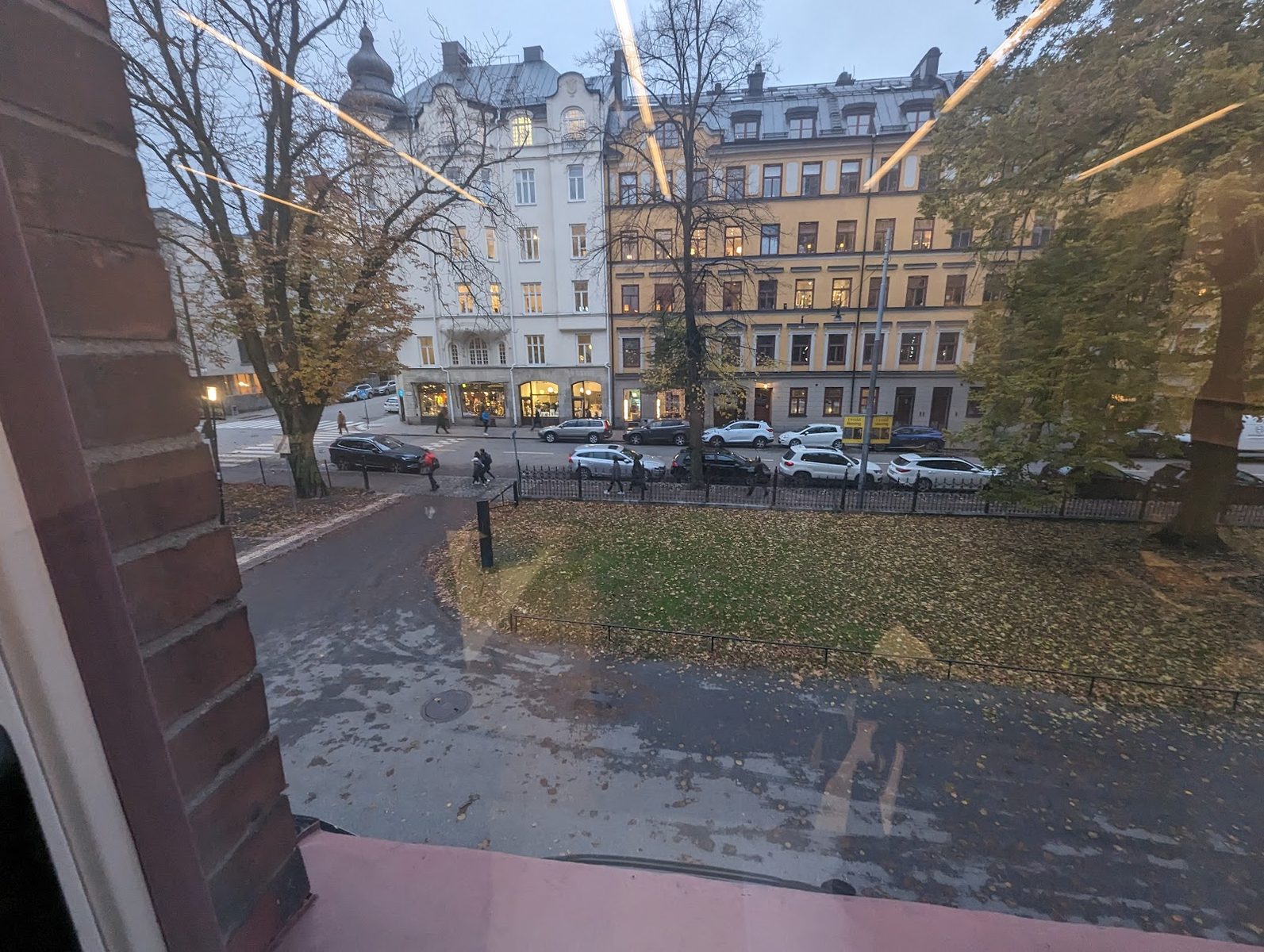
Viktor Rydberg Gymnasium
Stockholm · Sweden
A Stockholm free school where a quarter of classes run in English and natural-science seats demand near-perfect grades.
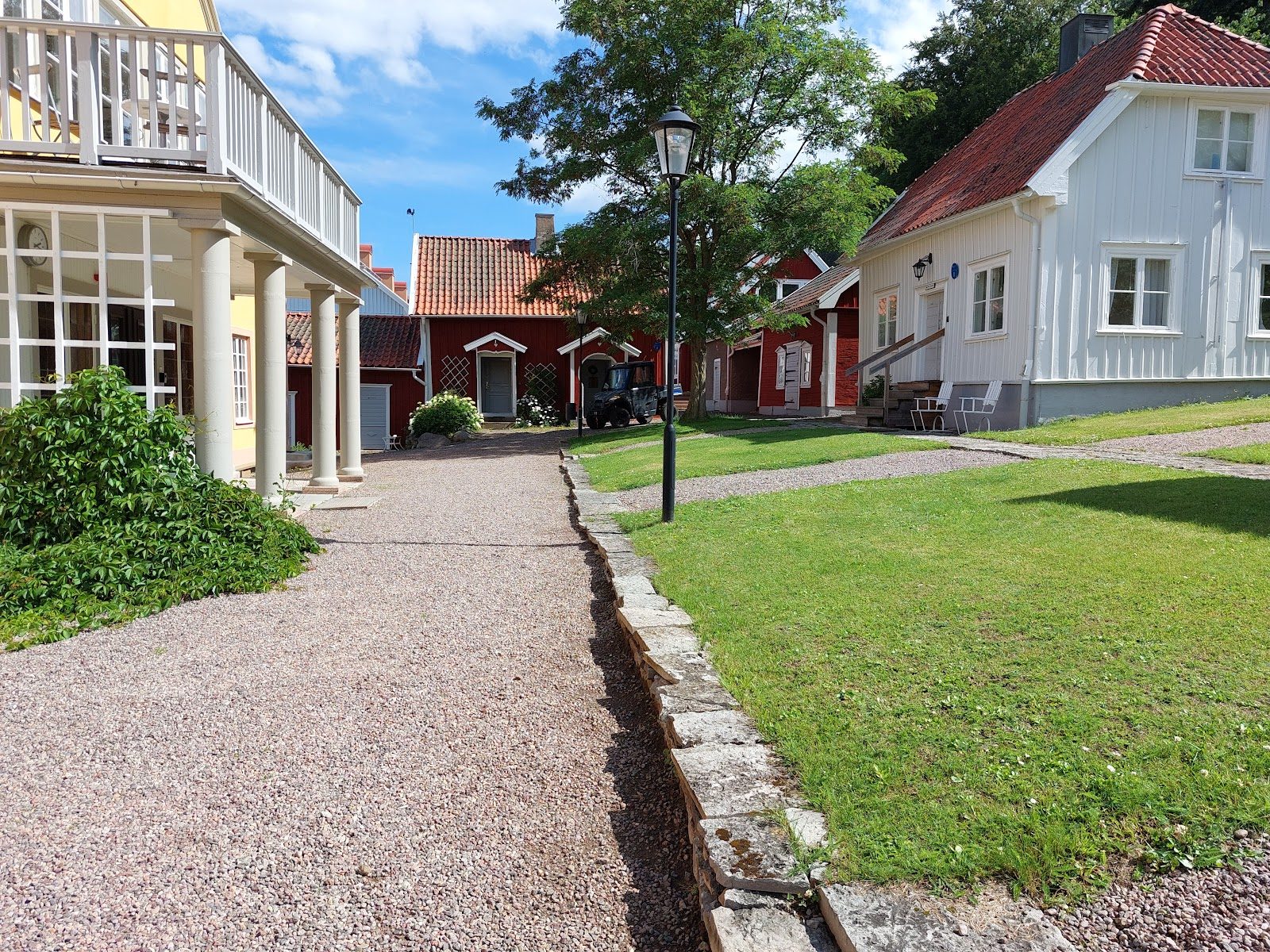
Grennaskolan Riksinternat
Gränna · Sweden
One of Sweden's three historic national boarding schools, set on Lake Vattern, pairing Swedish tracks with the IB Diploma.
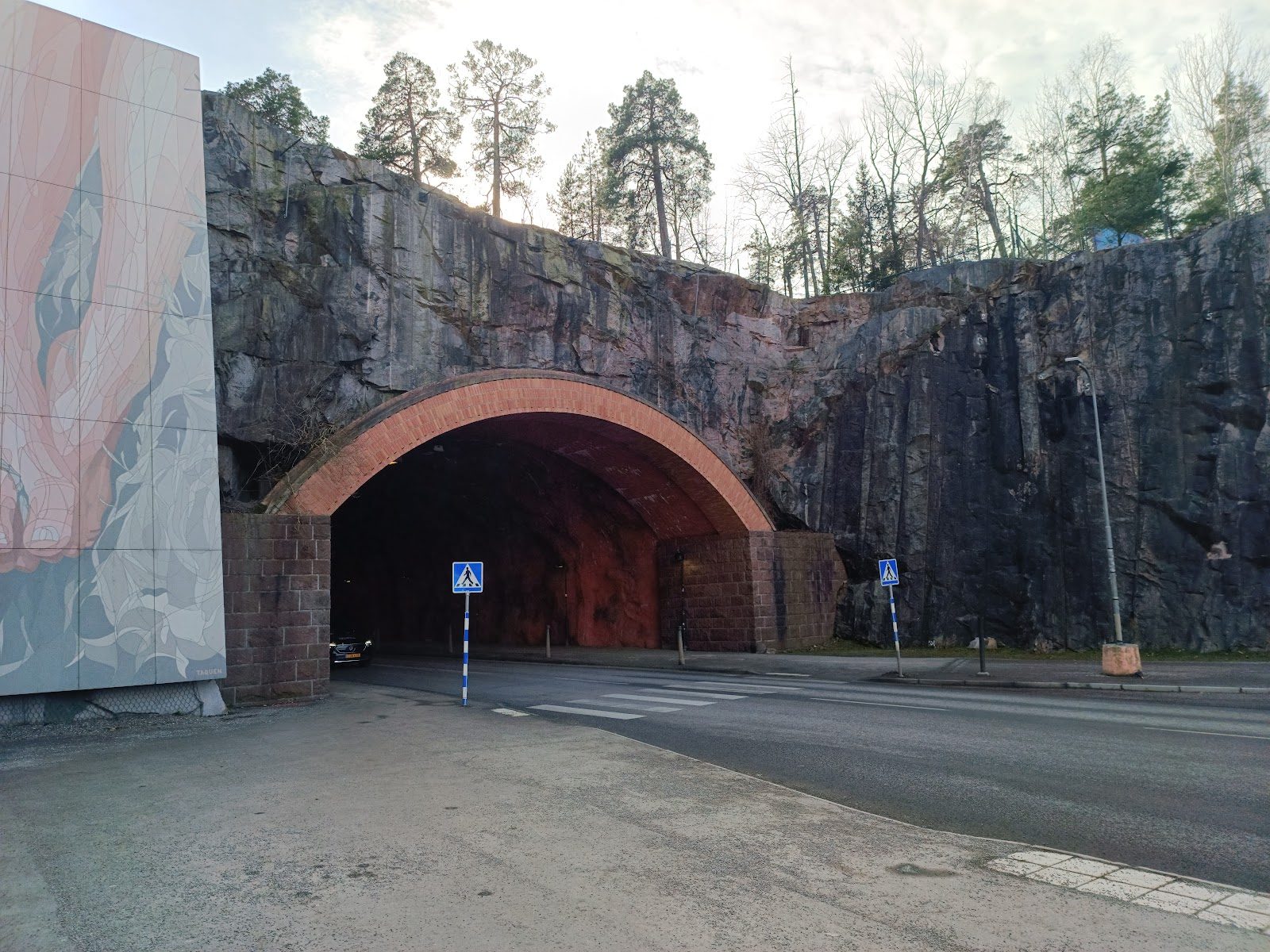
Internationella Engelska Skolan Stockholm
Stockholm · Sweden
Where up to half the school day runs in English, taught by native speakers, inside a house system built on discipline and high expectations.
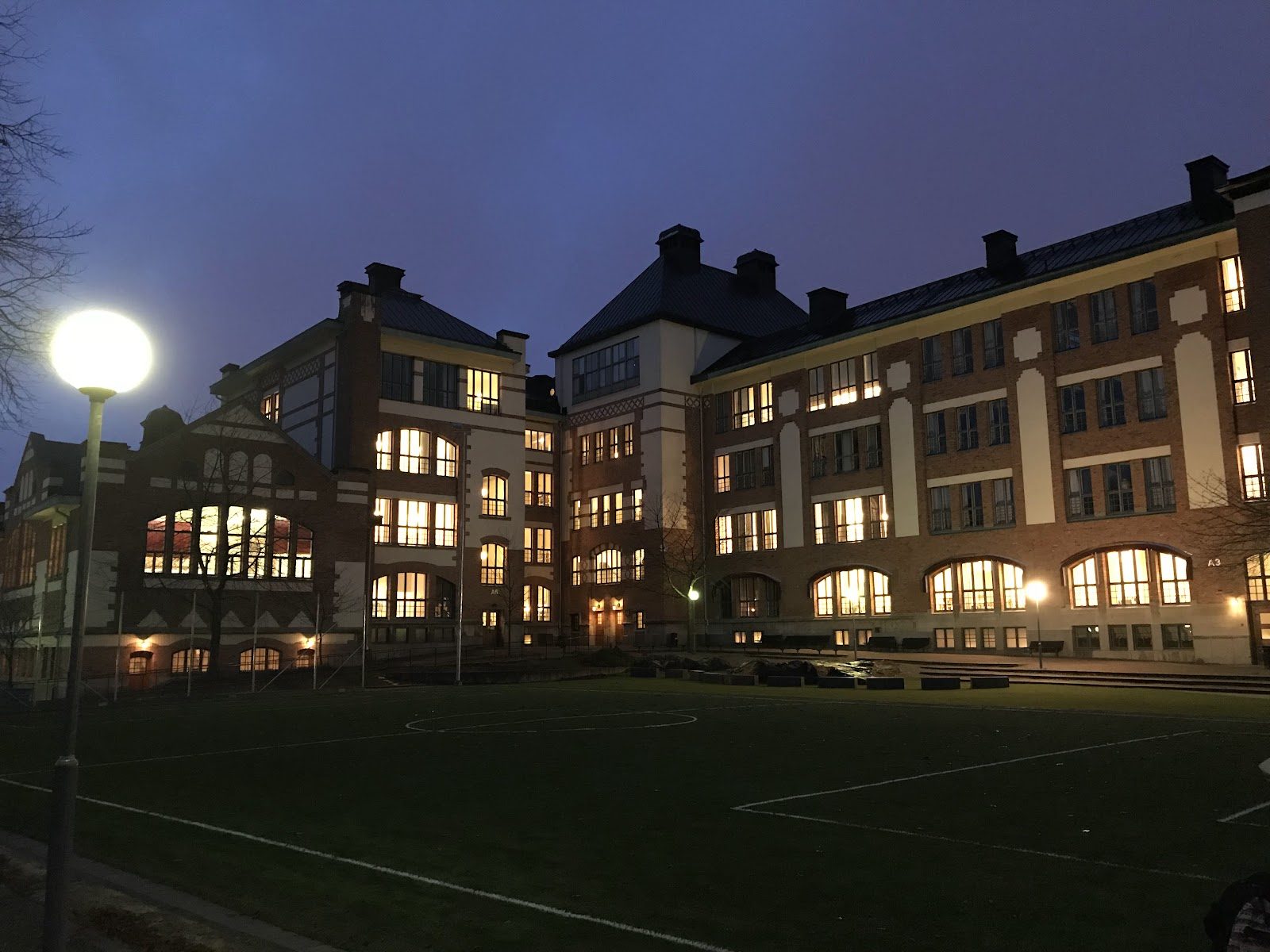
Kungsholmens gymnasium
Stockholm · Sweden
A 1902-founded Stockholm gymnasium pairing tough entry scores with a choral-music track shared with Stockholms Musikgymnasium.
Same country and curriculum — closest matches within ±10 points either way