
Illinois
St. Ignatius College Prep
A Jesuit landmark that survived the Great Chicago Fire, still shaping rigorous college-prep tradition on Roosevelt Road.
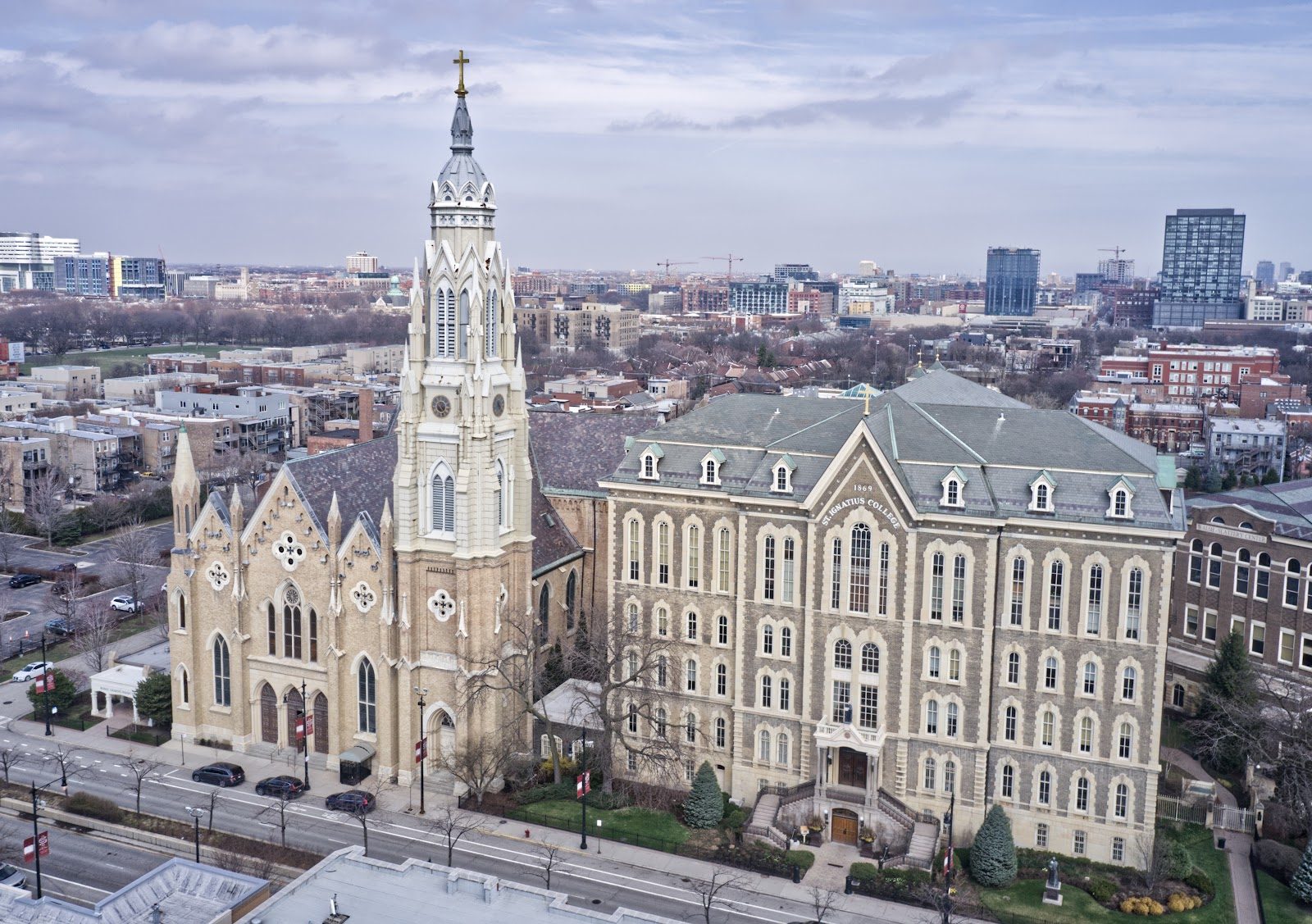
Photo © Jay James via Google Maps
Type
Day
Ages
14–18
Curriculum
American
Qualifications
High School Diploma · AP
Ratio
15:1
The Verdict
Editor's commitment
Right for
Chicago families wanting a Jesuit day school founded in 1869, with American college-prep, ISACS accreditation and a 1:13 student-teacher ratio.
Wrong for
Students aged 14–18 who want boarding, a non-religious culture, or anything other than English-medium American schooling in Chicago.
Watch out for
Average class size is 24, and the school publishes no aggregate exam outcomes here; parents buy reputation, structure and Jesuit formation.
Ranking breakdown
St. Ignatius College Prep · # of 1591
Composite score 60.6. 8 weighted criteria.
By criterion
Academic Outcomes
Weight 20%
#511
of 1529 scored
University Placement
Weight 16%
#516
of 1529 scored
Prestige & Heritage
Weight 12%
#723
of 1571 scored
Alumni Network
Weight 12%
#1355
of 1530 scored
Facilities
Weight 12%
#721
of 1534 scored
Transparency & Communications
Weight 8%
#943
of 1532 scored
Peer & Industry Review
Weight 10%
#1216
of 1548 scored
Admissions Selectivity & Demand
Weight 8%
#547
of 1529 scored
Peer & Industry Review
How St. Ignatius College Prep is regarded in the sector
63
Respected · medium confidence
Among Chicago's Catholic prep tier, St. Ignatius is consistently grouped with Loyola Academy, Latin School, and Walter Payton as an academic leader, reflected in Niche.com's repeated top-5 placement for Illinois private high schools and US News' state rankings, which cite its AP participation and graduation outcomes. As the oldest Jesuit school in the city (founded 1869), it holds standing within the Jesuit Schools Network, where its college-counseling model and service-learning program are referenced as benchmarks by sister Jesuit schools nationally. Admissions offices at Georgetown, Notre Dame, Loyola Chicago, and Big Ten flagships treat an Ignatius transcript as a known, reliable quantity given decades of matriculation history. Local press, notably the Chicago Tribune and Chicago Sun-Times, regularly cite Ignatius alongside Latin and Payton in comparative coverage of the city's most selective secondary options. Coverage remains largely regional rather than international, and independent UK-style reviewers (Good Schools Guide, WhichSchoolAdvisor) do not evaluate US Catholic day schools, limiting cross-border benchmarking data.
- Richard M. Daley — Mayor of Chicago, Politics
- William M. Daley — U.S. Secretary of Commerce, Politics
- John Cusack — Actor, Film
Editors' overview
St. Ignatius College Prep occupies a rare position in Chicago: a Jesuit day school founded in 1869, still operating with the weight of institutional memory and the scale of a major urban school. This is not a boutique college-prep with a narrow catchment. The school draws more than 1,475 students from 245 grammar schools and 130 zip codes, which gives it a breadth of intake few private schools can match. That matters. A large, mixed student body can dilute culture in weak schools; at Ignatius it reinforces one. The central proposition is clear: serious faith formation, a disciplined academic core and a school identity strong enough to hold together a large community. Parents looking for a polished, secular independent school experience should look elsewhere. Parents who want a Catholic education with intellectual backbone and institutional confidence should put Ignatius straight on the shortlist.
What distinguishes the school is the combination of Jesuit formation and metropolitan scale. The language on “care for the whole student” is common across Catholic education; here it sits alongside a fully built-out structure of theology, college counselling, learning support, school counselling, total wellness, extensive clubs and a substantial athletics programme. The student–teacher ratio of 1:13 and average class size of 24 are solid rather than intimate, but they are credible for a school of this size. The point is not exclusivity. The point is reach, structure and seriousness. Ignatius also carries the authority of Chicago’s first Jesuit school, and it uses that history well: not as nostalgia, but as a working framework for faith that does justice, service, leadership and visible tradition. Families need to value that framework. If they do not want religion embedded in the school day and school culture, the fit is wrong.
This school suits students aged 14 to 18 who want a demanding, busy, highly organised secondary experience in English, with Catholicism at the centre rather than the margins. It will appeal to students who thrive in large communities, who are ready to navigate a broad peer group, and who want access to substantial co-curricular choice without sacrificing academic discipline. It is a strong fit for the student with moral seriousness, stamina and appetite for involvement: the pupil who wants theology as part of education, not an optional extra; who can handle expectations; and who values belonging to an institution with a clear code. It is a poor fit for students who need a quiet, small-scale environment or for families seeking a light-touch approach to religion. Ignatius offers urban range, institutional heft and a demanding Jesuit education. In its market, that remains a powerful combination.
Academic Performance
St. Ignatius has the profile of a school whose academic reputation rests on institutional force rather than published score tables. The public case for academic quality is structural: a full departmental spread across the core disciplines, a dedicated college counselling function, learning support, school counselling and a conspicuously large senior cohort moving through a college-prep model. That is a serious platform. It places the school in the upper tier of Catholic day schools that can sustain breadth without slipping into incoherence. But parents should note the limitation with complete clarity: the school does not publish aggregate AP scores, SAT or ACT averages, IB data, or university matriculation breakdowns in the sources we have seen. For a school with this stature, that opacity on outcomes is a weakness.
Relative to peers, that leaves Ignatius easier to place by reputation and scale than by hard comparative exam evidence. The intake breadth — 1,475 students drawn from 245 feeder schools and 130 zip codes — points to a school competing at the top end of the Chicago Catholic market, not a niche operation serving a narrow band of families. Schools with that reach and this level of academic infrastructure usually produce strong university placement, but the absence of published external examination data prevents a sharper verdict. So the editorial judgement is straightforward: academically serious, plainly ambitious and less transparent than it should be on measurable results.
Facilities
The facilities picture is strongest where scale and mission intersect. Ignatius has a full academic infrastructure: separate departments across the sciences, mathematics, English, languages, social studies, theology, fine arts and computer science, backed by a library, college counselling, school counselling, learning support and a “total wellness” function. That matters more than any glossy building claim. At schools in this bracket, parents need spaces that support a long school day and a high-volume student body; Ignatius has the operational architecture for that. The same goes for co-curricular provision. The school lists an unusually extensive range of clubs and activities, from debate, Model UN and media to coding, philosophy, environmental work, cultural societies and performance groups. For a day school drawing from 130 zip codes and 245 feeder schools, that breadth is not decorative; it is core infrastructure for community-building.
Religious and athletic facilities also carry weight. The Church of the Holy Family is part of the school’s identity, which gives faith life a visible physical centre that many Catholic competitors lack. Athletics look substantial too, with a dedicated Wolfpack sports structure, summer athletic camps and a Hall of Fame architecture that points to a serious competitive programme, not a token one. What is missing is just as important: the school does not publish a clean public overview of specialist labs, theatre spaces, music facilities or headline campus assets. Against peer schools, that leaves Ignatius strong on organisational provision and activity range, weaker on public clarity about bricks-and-mortar distinction.
This is Chicago’s first Jesuit school and a flagship within a global Jesuit network, which gives the name weight well beyond one campus
Prestige
St. Ignatius carries real prestige in its market, and not the flimsy kind built on glossy branding or selective statistics. Its status rests on three harder assets: historic standing within Jesuit education, scale, and civic reach. This is Chicago’s first Jesuit school and a flagship within a global Jesuit network, which gives the name weight well beyond one campus. That matters to families who value institutional continuity, Catholic formation and a school identity with teeth. It also matters socially: a school drawing students from 245 feeder schools and 130 zip codes holds a city-wide presence that smaller private schools do not. Prestige here comes from recognition, durability and influence, not exclusivity alone.
That said, prestige at Ignatius has a muscular, old-established character rather than a polished elite one. The school projects institutional confidence and breadth: strong traditions, an extensive clubs list, visible faith life, and a large enough operation to sustain serious activity across academics, service and student leadership. That produces a powerful alumni and parent network over time. The check on that prestige is clear. The school does not publish the kind of hard outcomes data that top-tier college-prep schools now use to prove academic dominance. So the verdict is firm: Ignatius offers high-status Catholic education with deep local authority and broad recognition, but its prestige still rests more on name, history and reach than on public academic disclosure.
The school does not publish the kind of hard outcomes data that top-tier college-prep schools now use to prove academic dominance
Communications
Parent communication looks high-frequency and multi-channel, which is what a large urban day school needs. The site is built for regular traffic from current families, not just admissions theatre: there are dedicated parent pages, calendars, forms and documents, a spirit store, a parent organisation, an e-newsletter, a magazine, an annual report, event listings and a full contact directory. That architecture matters. It tells parents where to go for routine administration, community life and institutional messaging without forcing everything through admissions-style gloss. The school also keeps distinct routes for different audiences — parents, alumni, donors, prospective families — which reduces clutter. For a community spread across 130 zip codes, that degree of digital organisation is not optional; it is basic operational competence.
The stronger point is clarity of identity. Ignatius communicates in a voice that is confident, tradition-conscious and openly religious. Parents are not left guessing what the school stands for. The weaker point is transparency. The public-facing communication machine is extensive, but it serves culture and community better than scrutiny. There is a lot on belonging, events, traditions and engagement; less on hard comparative outcomes and less on practical top-level summaries of academic performance. So the verdict is clear: communications are well structured, institutionally mature and effective at keeping families connected, but they prioritise message discipline over full disclosure. For many parents that will feel reassuring. For analytical ones, it will feel controlled.
Uniqueness
What sets St. Ignatius apart is not novelty but institutional density. Few day schools combine a Jesuit moral framework, a major urban intake and a genuinely elaborate student life without thinning out into slogan or sprawl. Here, the school’s identity is carried through formation, worship, service, leadership and an exhaustive menu of clubs, societies and student organisations. The result for students is a school that asks for more than academic compliance. It asks for allegiance, participation and stamina. That matters. In a community drawing from 245 feeder schools and 130 zip codes, culture does not hold by accident; it holds because the institution has built enough rituals, expectations and structures to make belonging real. Students get the benefits of a large school without the usual anonymity, provided they are willing to step into it.
The other distinctive feature is the pairing of serious Catholic formation with a strikingly wide social mix. This is not a cloistered enclave. Students meet peers from different neighbourhoods, backgrounds and school histories, then move through a common Jesuit vocabulary of justice, service and discernment. That gives the school a civic seriousness many college-prep schools lack. It also gives students a more demanding education in the non-academic sense: how to operate in a large, diverse, rule-bound institution with conviction and purpose. For the right pupil, that is formative in the strongest sense. For the wrong one, it is too total, too structured and too unapologetically religious.
Few day schools combine a Jesuit moral framework, a major urban intake and a genuinely elaborate student life without thinning out into slogan or sprawl
Student Profile
The student who fits St. Ignatius best is high-capacity, community-minded and willing to be known inside a demanding institutional culture. This is not a school for the detached, the casually academic or the student who wants religion kept in the background. The right pupil can handle structure, takes expectations seriously and has the stamina for a full programme that extends well beyond lessons. With students drawn from 245 feeder schools and 130 zip codes, the peer group is wide-ranging and the social environment busy. That suits teenagers who are comfortable meeting people from different backgrounds, joining things early and finding their place in a large, layered community. Students who need a small social field, light supervision or a low-pressure rhythm will struggle.
A good match also values service, leadership and visible participation rather than private achievement alone. The school offers an enormous menu of clubs, identity groups, academic societies and faith-based formation, and students get the most from Ignatius when they use that breadth rather than sit at the edge of it. There is room here for the scholar, the debater, the athlete, the performer and the organiser, but the common trait is engagement with purpose. The culture rewards students with moral seriousness, resilience and a willingness to contribute to something larger than themselves. It is not for the faint-hearted, and that is part of its strength.
The other distinctive feature is the pairing of serious Catholic formation with a strikingly wide social mix
Co-curricular strengths
Arts & sport, on a separate axis
Overall 8.58/10
Scored 0-10 from the school's own published evidence. This axis is editorial-only — it does not feed the main WTS ranking.
Sports
8.8/10
Drama
8.7/10
Dance
8.2/10
Music
8.7/10
Visual Arts
8.5/10
Strengths
- +One of the oldest secondary schools in Chicago, founded in 1869, with a long-established Jesuit Catholic college-preparatory tradition.
- +Coeducational day school offering a broad Advanced Placement and honors curriculum within a structured Jesuit academic framework.
- +Historic campus on Chicago's Near West Side, within an established urban neighborhood with good transit access for city families.
- +Jesuit identity brings a defined mission of academic rigor combined with community service and character formation requirements.
- +Long operating history gives the school an established alumni network and institutional stability within Chicago's private school landscape.
Considerations
- −Religious (Catholic Jesuit) identity and required theology coursework may not suit families seeking a secular curriculum.
- −Entry is competitive and tied to an admissions test and application cycle, adding pressure for prospective families.
- −Day school only, so it does not serve families needing boarding options or those living far outside Chicago.
- −As a private tuition-charging school, costs are a real consideration for relocating families, even where financial aid exists.
Availability
Primary entry gate & tests
ISEE/SSAT + Interview
Gallery
Photo © LCP Media via Google Maps
Photo © LCP Media via Google Maps
Photo © LCP Media via Google Maps
Photo © Sky Dreams via Google Maps
Photo © Sky Dreams via Google Maps
Photo © AmeriLux Livery Services via Google Maps
Photo © Devodare_Chicago via Google Maps
Parent reviews
Have you sent your child here?
Voice reviews carry the strongest trust badge — we transcribe them for you to tidy up before they go live. Prefer to type? A written review is fine too.
Add your voice
In 60 seconds, tell other parents: what's the best thing about St. Ignatius College Prep, and what surprised you when your child joined?
We ask for a Google sign-in so every review has a real face behind it — no anonymous drive-by attacks on schools, and no faked positive reviews. Your email is never shown publicly.
Send this profile to a friend
International parents rely on word-of-mouth. Share this review with someone weighing the same decision.
Schools with places
Similar schools to St. Ignatius College Prep with places available now.
Availability first, then country, area, curriculum, price, co-curricular
Consider also
Also worth looking at alongside St. Ignatius College Prep.
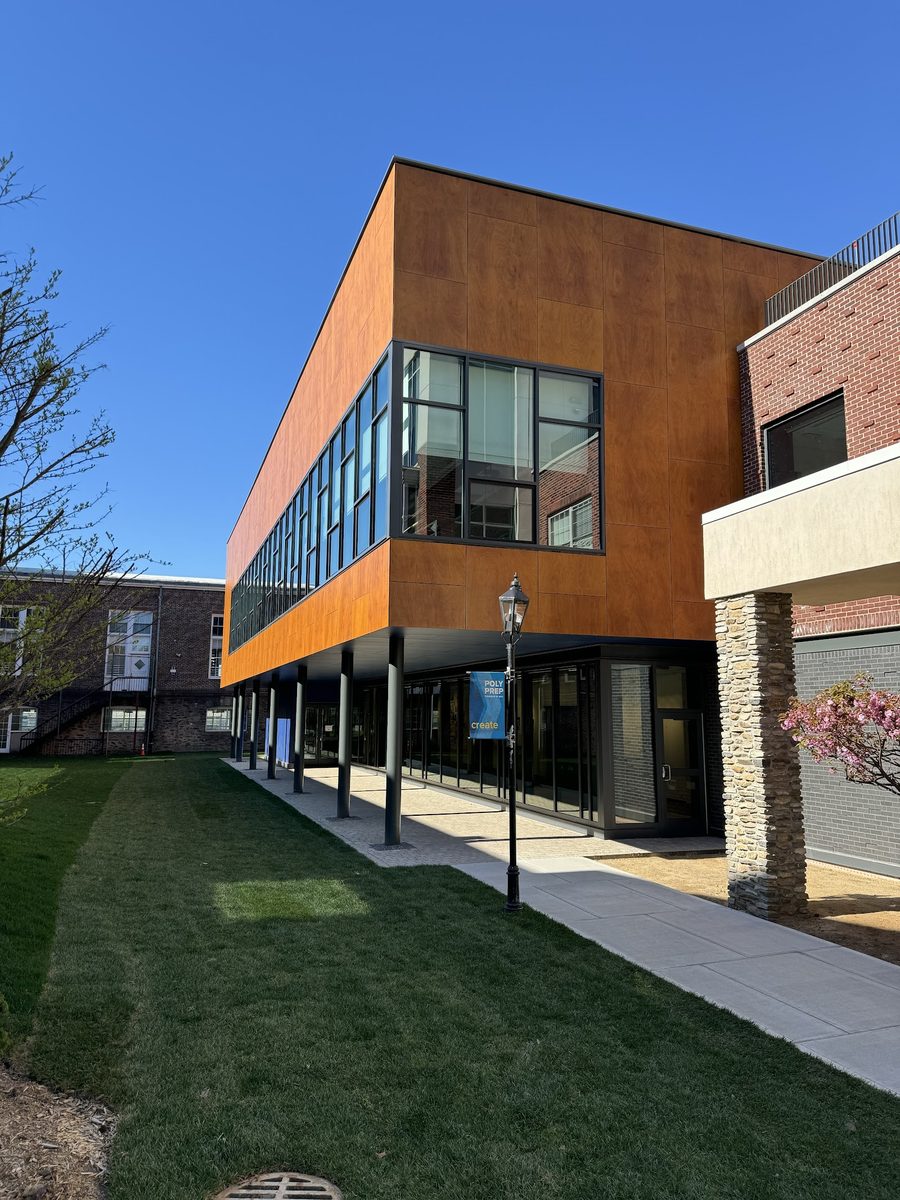
Poly Prep Country Day School
Brooklyn · United States
Founded in 1854 as Brooklyn's first boys' school, this day school pairs a Prospect Park mansion with a 25-acre Dyker Heights campus.

Germantown Friends School
Philadelphia · United States
Rooted in an 1845 Quaker meeting in historic Germantown, where juniors design a month-long independent study of their own.
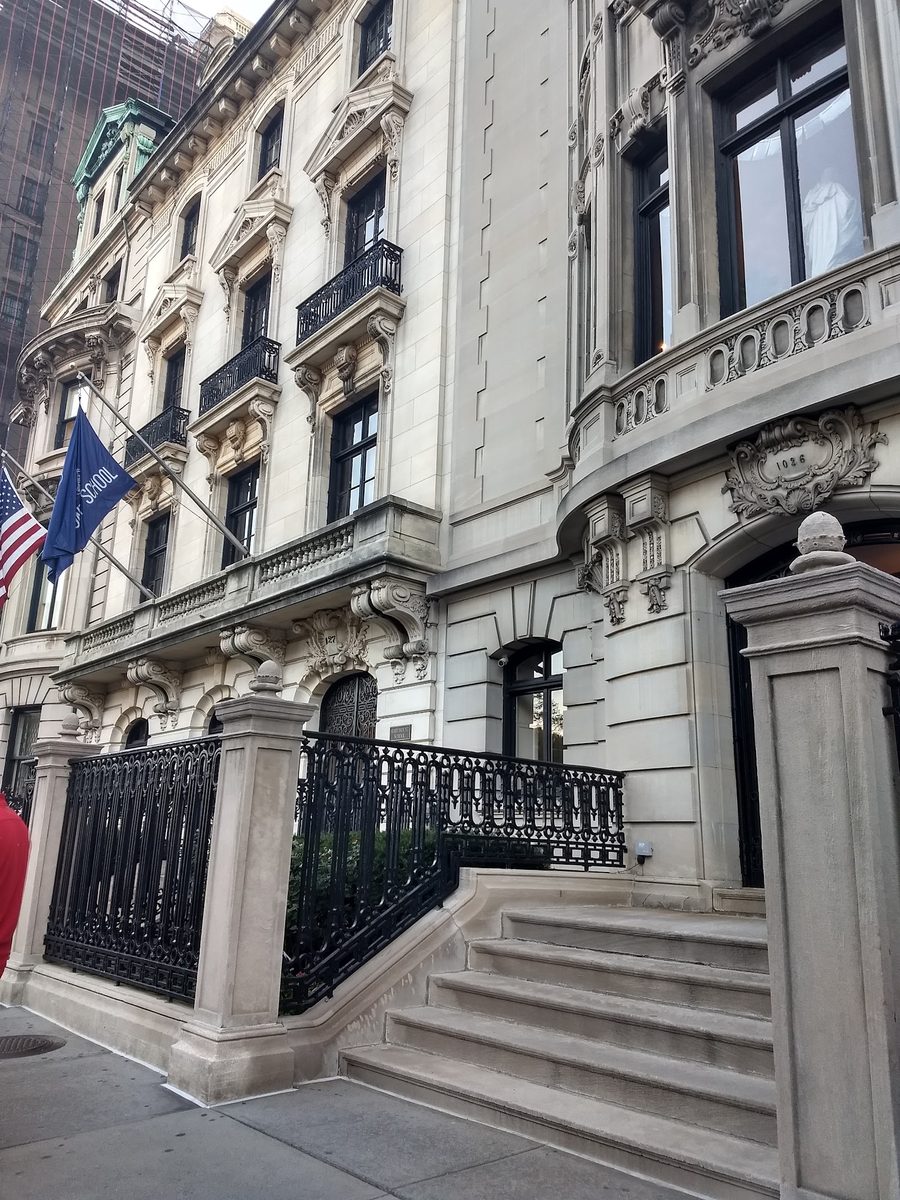
Marymount School of New York
New York City · United States
On Fifth Avenue, landmark mansions give way to Bloomberg terminals and classrooms inside the Met.
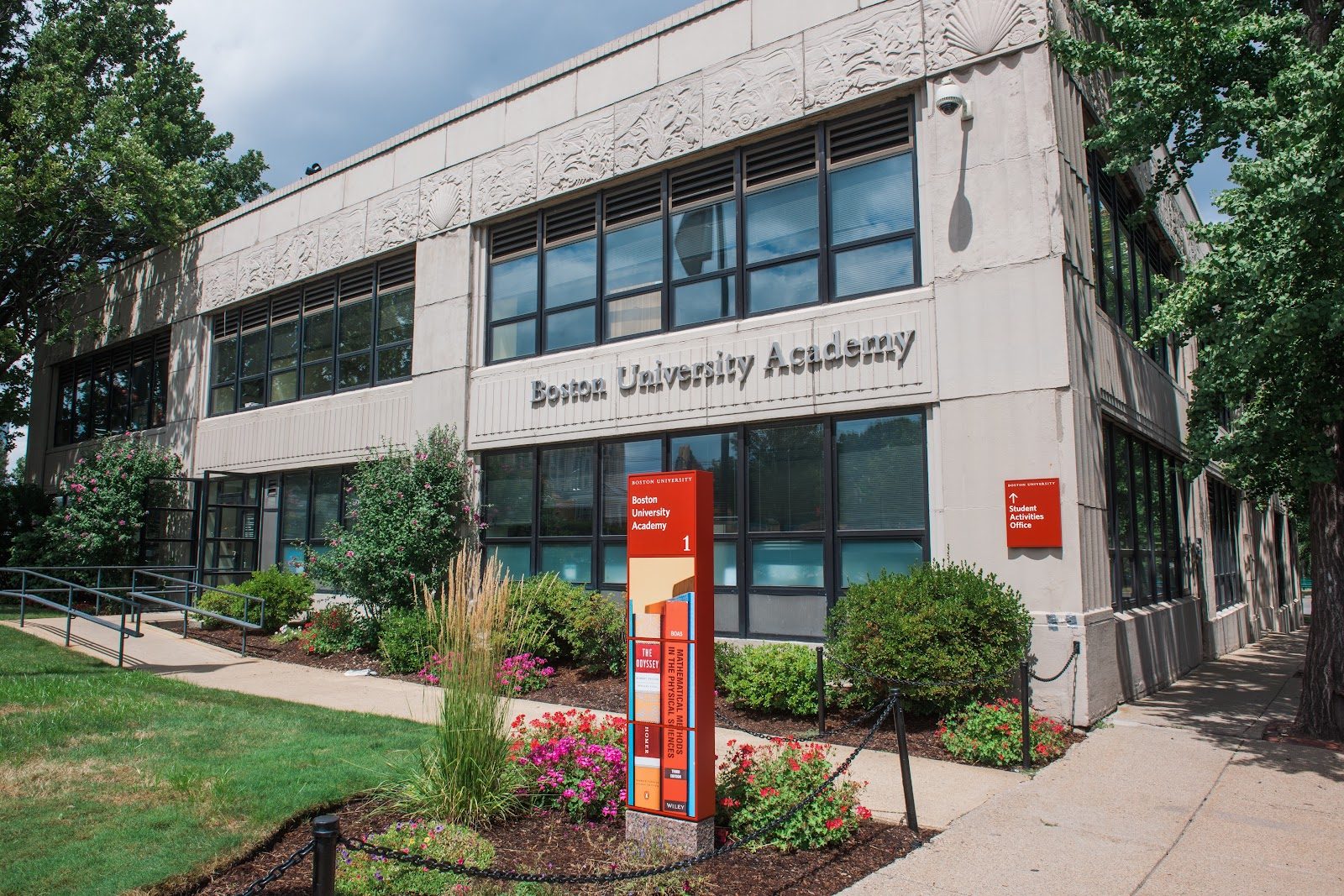
Boston University Academy
Boston · United States
Upperclassmen trade study halls for Boston University lecture halls, banking college credit before graduation.
Same country and curriculum — closest matches within ±10 points either way