
Manitoba
St. John's-Ravenscourt School
low confidence· 6/6 cats · 0 avg sourcesFounded in 1820 on a Red River oxbow, Western Canada's oldest independent school built its name on debate and public speaking.
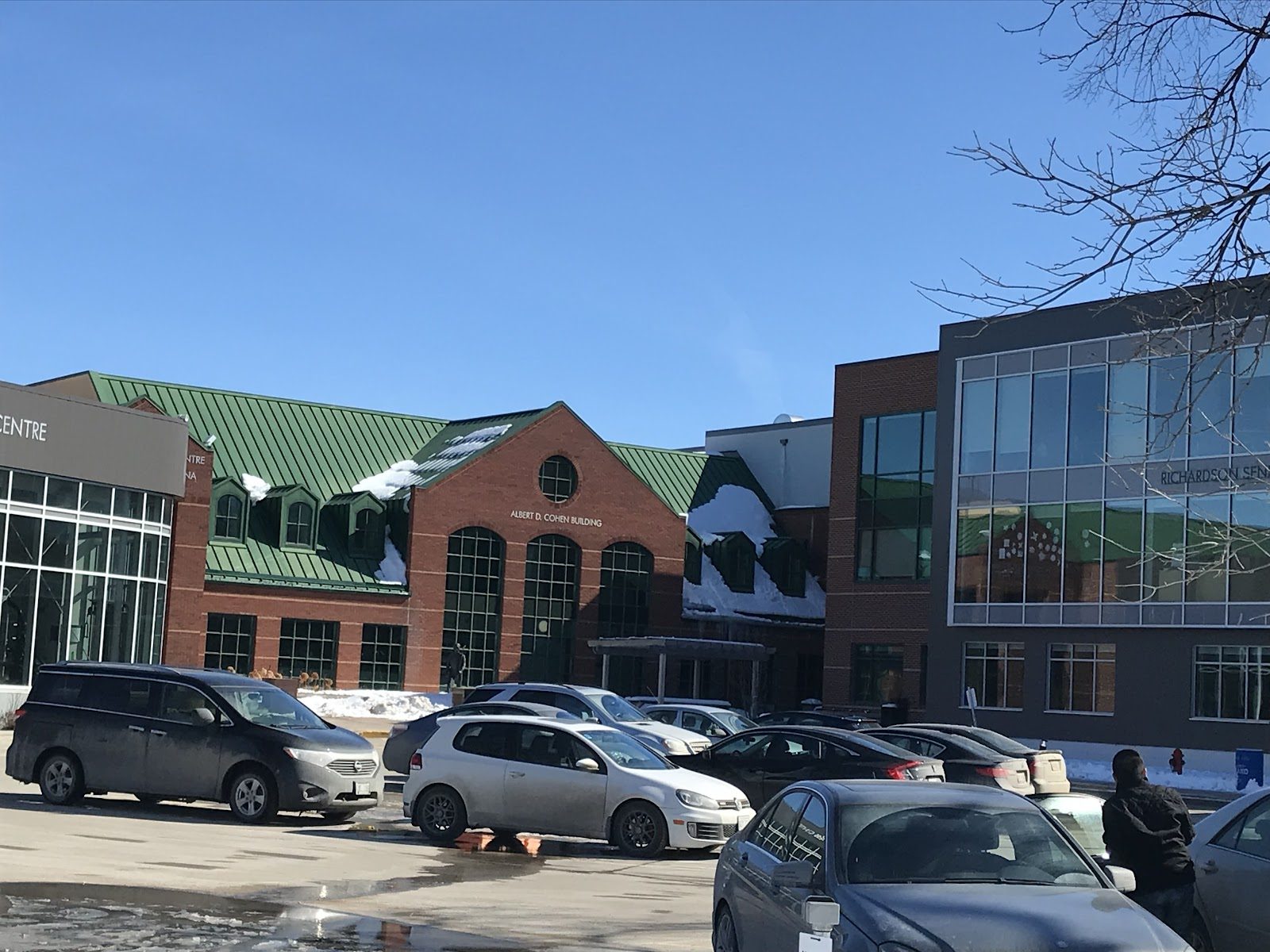
Photo © Sergiy Prymachok via Google Maps
Type
Both
Ages
11–18
Curriculum
Manitoba Provincial High School Diploma · AP
Ratio
8:1
The Verdict
Editor's commitment
Right for
Families who value hard metrics: founded in 1820, ages 11–18, 8:1 ratio, 16 average class size, and serious debating.
Wrong for
Parents wanting religious schooling, non-AP routes, or early years entry; SJR is non-religious, English-medium, and the listed age range starts at 11.
Watch out for
Type 'Both' includes boarding, but boarding detail is thin; check house life, weekend provision and fees before paying Winnipeg independent-school prices.
Ranking breakdown
St. John's-Ravenscourt School · # of 1591
Composite score 72.1. 8 weighted criteria.
By criterion
Academic Outcomes
Weight 20%
#385
of 1529 scored
University Placement
Weight 16%
#398
of 1529 scored
Prestige & Heritage
Weight 12%
#369
of 1571 scored
Alumni Network
Weight 12%
#231
of 1530 scored
Facilities
Weight 12%
#395
of 1534 scored
Transparency & Communications
Weight 8%
#513
of 1532 scored
Peer & Industry Review
Weight 10%
#527
of 1548 scored
Admissions Selectivity & Demand
Weight 8%
#308
of 1529 scored
Peer & Industry Review
How St. John's-Ravenscourt School is regarded in the sector
60
Respected · low confidence
St. John's-Ravenscourt (SJR) is a well-established independent school in Winnipeg with a long history, but it has limited visible presence in major third-party 'best schools in Canada' rankings or specialist education press compared to top-tier national institutions like Upper Canada College or Branksome Hall. It is generally regarded regionally as a solid, respected private school choice in Manitoba, with some alumni network visibility and inclusion in Canadian independent school directories (e.g., CAIS membership), but lacks the frequent cross-border or international press mentions seen for truly top-tier Canadian schools.
Evidence sources
Editors' overview
St. John’s-Ravenscourt earns attention for three hard facts: it was founded in 1820, it is Western Canada’s oldest independent school, and it has kept a clear institutional identity instead of drifting into generic college-prep language. Debate and public speaking sit near the centre of that identity. For parents who want a school that trains students to think on their feet, argue in public and handle scrutiny without flinching, that matters. The academic offer combines the Manitoba Provincial High School Diploma with AP, which gives families a local credential plus added stretch for students who want a more demanding course load. The published student-teacher ratio of 8:1 and average class size of 16 point to close adult attention rather than mass delivery. This is a school with a voice.
Its market position is clear. SJR sits in the premium end of the Winnipeg market: established, academically serious, co-educational, non-religious and old enough to trade on deep tradition without needing to invent one. The boarding option widens its catchment beyond the city and makes it relevant to domestic and international families who want a Canadian school with structure and a settled reputation. Parents should also note the governance signals: a named Board of Governors, an annual report, and a school that states financial oversight as a core responsibility. That does not make it flawless, but it does indicate institutional discipline. *The mood is polished, adult and exacting.* Families looking for progressive looseness or a breezy, casual culture will find a poor fit.
The student who thrives here is articulate, resilient and willing to be known. Quiet students can do well here too, but they need to tolerate a culture that values expression, participation and intellectual poise. Strong readers, capable writers, ambitious debaters, committed athletes and students who benefit from direct teacher access all fit the profile. So do boarders who want a structured school day rather than a loose sixth-form atmosphere. There is real substance here. St. John’s-Ravenscourt belongs on a shortlist because it offers something rarer than glossy facilities or inflated claims: a long-standing school culture built around scholarship, performance and disciplined self-presentation. *For the right child, that is a serious advantage.*
Academic Performance
St John’s-Ravenscourt does not publish the exam data that would let parents judge academic performance properly. We have not seen aggregate AP results, score distributions, pass rates, mean scores, subject-by-subject outcomes, university destination tables tied to attainment, or comparative Manitoba diploma data. That is a real weakness in a school that trades on intellectual seriousness. Strong schools do not need to publish every internal metric, but they do need to show enough external evidence to support the pitch. Here, the public case is thin where it matters most. Parents comparing SJR with other high-fee independent schools will find less hard performance data than they need.
That does not place the school in a weak academic bracket; it places it in an opaque one. The combination of advanced courses, small classes and an 8:1 staffing ratio gives students the conditions to do well, and the school’s long-standing emphasis on debate and public speaking points to strong training in analysis, writing and verbal discipline. Those are serious advantages in AP subjects and in university admissions interviews. But without published outcomes, SJR sits below the most transparent peer schools on academic accountability. In plain terms: the school offers a credible academic platform, but parents must ask direct questions before treating it as a proven examination powerhouse.
Facilities
The school’s facilities profile is clearest in the areas it chooses to foreground: athletics, debating, the arts, archives and boarding. The named Dutton Memorial Arena and the Tom Bredin Athletic Centre sit at the heart of that picture, which tells parents something useful. SJR has invested in sport infrastructure with enough seriousness to make athletics part of daily school life, not an afterthought squeezed into shared municipal space. That puts it ahead of many smaller independent schools whose sports offer relies on convenience rather than purpose-built provision. Debate also has dedicated visibility in the school’s public structure, and at this school that matters; rooms for coaching, practice and competition need acoustic control, staff attention and timetable priority more than grand architecture. The archives are an unusual extra. They reinforce a strong sense of institutional memory and give the campus more intellectual texture than the standard premium-school formula.
Against direct peers, the picture is solid rather than spectacular. We have not seen the kind of published facilities inventory that would let parents assess specialist science labs, performing arts venues, design technology space or library scale in detail, and that gap matters in a school charging at the top end of its market. What is visible points to a campus with real functional depth in sport and co-curricular life, plus boarding that extends the school day beyond lessons. Families who prize elite, showpiece campuses packed with headline architecture will find more expansive physical plants elsewhere. Families who care more about whether facilities serve a disciplined school culture will find SJR purposeful, well-weighted and serious.
The school does not publish the academic evidence that would lift it into the top tier of fully validated prestige
Prestige
St John’s-Ravenscourt carries real prestige in the Canadian independent-school market, but it is a specific kind of prestige. This is not a school that dominates public discussion through published exam trophies or mass-market brand recognition. Its status rests on age, continuity, selective social reach and a reputation for producing students who speak well, think under pressure and handle formal settings with confidence. In Winnipeg, that counts for a great deal. The school’s debate culture sharpens that identity further: public speaking is not an ornamental extra here but part of the institution’s public face. The result is a school with old-establishment weight rather than fashionable heat.
That distinction matters. SJR has the standing of a serious local institution, with the governance structure, alumni continuity and university-preparatory framing that affluent families recognise at once. The published 8:1 ratio and average class size of 16 reinforce the premium positioning because they signal individual access, not volume education. Still, prestige has limits when outcomes stay private. The school does not publish the academic evidence that would lift it into the top tier of fully validated prestige. So the rating here is high, but not untouchable: SJR offers deep-rooted status and a polished social and intellectual training, yet stops short of the strongest schools on proof.
Debate and public speaking sit near the centre of that identity
Communications
St John’s-Ravenscourt communicates with parents in the way established independent schools often do when they take governance seriously: through named leadership, formal structures and clear points of contact. The school publishes a Board of Governors page with identified officers and members, names an interim head for the current year, provides direct email and telephone contact, and makes its annual report easy to find. That matters. Parents do not need to hunt for who is in charge, and the presence of an annual report signals a school willing to put its institutional stewardship into public view. The website navigation also gives parents a usable map of school life — admissions, academics, student life, boarding, parents’ association, archives and giving all sit in plain sight. This is orderly, adult communication, not the breathless churn of a school trying to market itself into credibility.
The weakness is depth. For a school with an 8:1 staffing ratio and premium positioning, public communication is too controlled and too light on proof where parents need substance most. Governance is visible; academic accountability is not. We have not seen the kind of routine parent-facing disclosure that sharpens trust: aggregate exam outcomes, richer reporting on teaching and learning, or detailed explanation of how the school measures success beyond broad institutional claims. So the verdict is mixed but clear. SJR communicates competently and with institutional discipline, but not with the level of candour that would make it a communications leader.
Uniqueness
What sets St John’s-Ravenscourt apart is not novelty but continuity with a point. Plenty of schools claim to build confidence; SJR has built a reputation around students speaking in public, arguing in public and being judged in public. That is a different proposition. Debate has visible status in the life of the school, not the token status it holds at many academically ambitious independents. Combined with an average class size of 16 and a low staffing ratio of 8:1, that creates a culture in which students do not disappear into the back row. They are expected to answer, defend, perform and recover. For articulate children, that is a real engine of growth. For guarded or passive ones, it is demanding by design.
The benefit is clear. Students leave with more than grades: they get practice in verbal control, quick thinking, formal self-presentation and the habit of handling scrutiny without collapse. Those traits travel well into university seminars, interviews, competitive applications and leadership roles. The school’s age also gives that culture institutional depth rather than a freshly branded veneer; traditions, archives and governance all reinforce the sense that pupils are joining something established and socially exacting. The risk is just as clear: families wanting anonymity, looseness or a low-pressure adolescent experience will find SJR too exposed and too polished. Its distinctiveness lies in turning poise into a discipline.
For parents who want a school that trains students to think on their feet, argue in public and handle scrutiny without flinching, that matters
Student Profile
The best fit at St John’s-Ravenscourt is a student who can tolerate visibility. This is not a school for children who want to drift through the day unnoticed or keep every opinion private. The school’s public identity gives debate unusual weight, and that shapes the student body: articulate, verbally confident pupils will find status here, and intellectually competitive students will find a culture that rewards quick thinking, composure and formal self-presentation. The low staffing ratio of 8:1 and average class size of 16 also suit students who benefit from direct adult attention and cannot hide when work slips. That can be energising for disciplined adolescents and exposing for those who rely on anonymity.
The social fit is just as important as the academic one. Students who do well here tend to accept structure, respect institutional formality and cope with high expectations around conduct, contribution and polish. Ambitious athletes, committed debaters and pupils who enjoy representing their school in public all sit comfortably in that environment. So do boarders who want a tightly run school with a clear sense of standards. The weaker fit is easy to identify: teenagers who dislike scrutiny, resist correction, or want a looser, more casual atmosphere. Quiet students can succeed, but they need inner resilience. This is a *demanding social and intellectual culture*, and it rewards students who are ready to be known.
The published student-teacher ratio of 8:1 and average class size of 16 point to close adult attention rather than mass delivery
Co-curricular strengths
Arts & sport, on a separate axis
Overall 7.98/10
Scored 0-10 from the school's own published evidence. This axis is editorial-only — it does not feed the main WTS ranking.
Sports
8.6/10
Drama
8.3/10
Dance
6/10
Music
8.5/10
Visual Arts
8.5/10
Strengths
- +Founded in 1820, St. John's-Ravenscourt is an independent, co-educational, university-preparatory school, giving it one of the longest institutional histories in Western Canada.
- +St. John's-Ravenscourt School has produced 18 Rhodes Scholars, a notable long-run indicator of academic outcomes among its alumni.
- +The school has the most World Individual Debating and Public Speaking Championships of any school, with their most recent first place overall finish at WIDPSC 2014.
- +Class sizes average 22 students, ensuring personalized learning and individual attention across the K-12 range.
- +For students applying to Grades 6 through 12, financial aid can provide up to 50% of the cost of tuition, assessed through an independent service, Apple Financial.
Considerations
- −Boarding school tuition is $26,262 for Manitoba residents, $57,200 for other Canadian residents, and $72,500 for international students, plus an application fee of $3,000 for new Canadian students and $11,000 for new international students - a significant cost barrier for relocating families.
- −The SJR boarding program provides a tightly knit, family-like environment with a maximum of 20 students each year, meaning the boarding cohort and international peer group are small compared to larger dedicated boarding schools.
- −The school's stated curriculum track is the Manitoba Provincial High School Diploma with Advanced Placement; it does not offer the IB Diploma Programme, which narrows the academic-pathway choice for families who specifically want IB.
- −Winnipeg is a mid-size prairie city with a harsh winter climate and less international connectivity than Canada's largest metropolitan hubs, a practical consideration for expat families weighing lifestyle and travel access.
Availability
Primary entry gate & tests
SSAT + Interview
Gallery
Photo © Sergiy Prymachok via Google Maps
Photo © Julia Florek via Google Maps
Photo © Ryan Cormack via Google Maps
Parent reviews
Have you sent your child here?
Voice reviews carry the strongest trust badge — we transcribe them for you to tidy up before they go live. Prefer to type? A written review is fine too.
Add your voice
In 60 seconds, tell other parents: what's the best thing about St. John's-Ravenscourt School, and what surprised you when your child joined?
We ask for a Google sign-in so every review has a real face behind it — no anonymous drive-by attacks on schools, and no faked positive reviews. Your email is never shown publicly.
Send this profile to a friend
International parents rely on word-of-mouth. Share this review with someone weighing the same decision.
Schools with places
Similar schools to St. John's-Ravenscourt School with places available now.
Appleby College
Oakville · Canada
- 2026-27
- CLOSEDRegular cycle closed
- 2027-28
- OPENS SOONOpens Sept '26
Ridley College
St Catharines · Canada
- 2026-27
- WAITPOOLLimited Lower/Middle day
- 2027-28
- PLACES OPENActive now
St. George's School
Vancouver · Canada
- 2026-27
- CLOSEDRegular cycle
- 2027-28
- OPENS SOONOpens Sept '26
The York School
Toronto · Canada
- 2026-27
- CLOSEDRegular cycle closed
- 2027-28
- PLACES OPENActive now
Availability first, then country, area, curriculum, price, co-curricular
Consider also
Also worth looking at alongside St. John's-Ravenscourt School.
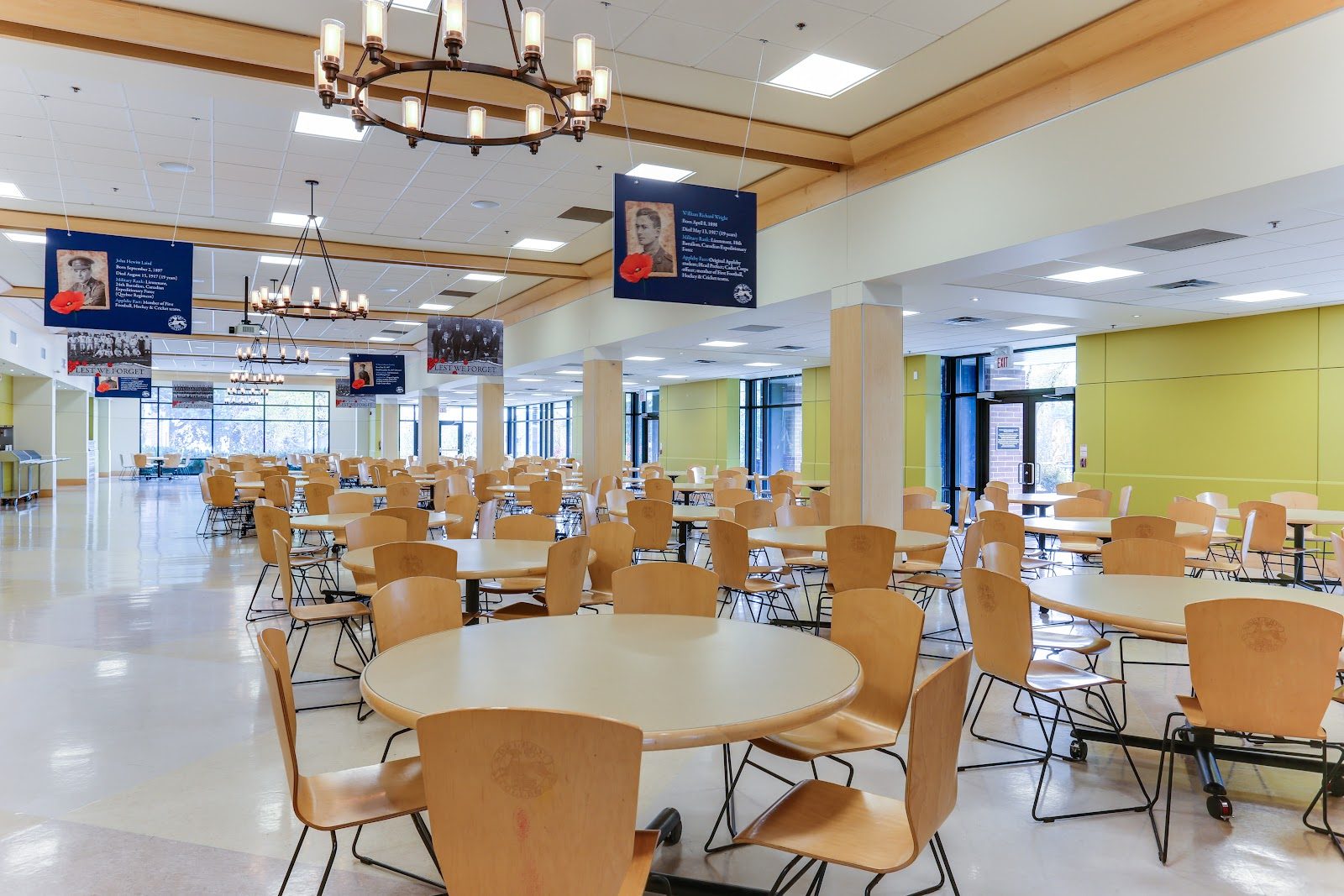
Appleby College
Oakville · Canada
A lakeside Oakville campus where every senior boards by tradition, and leadership training unfolds on a private island in Temagami.
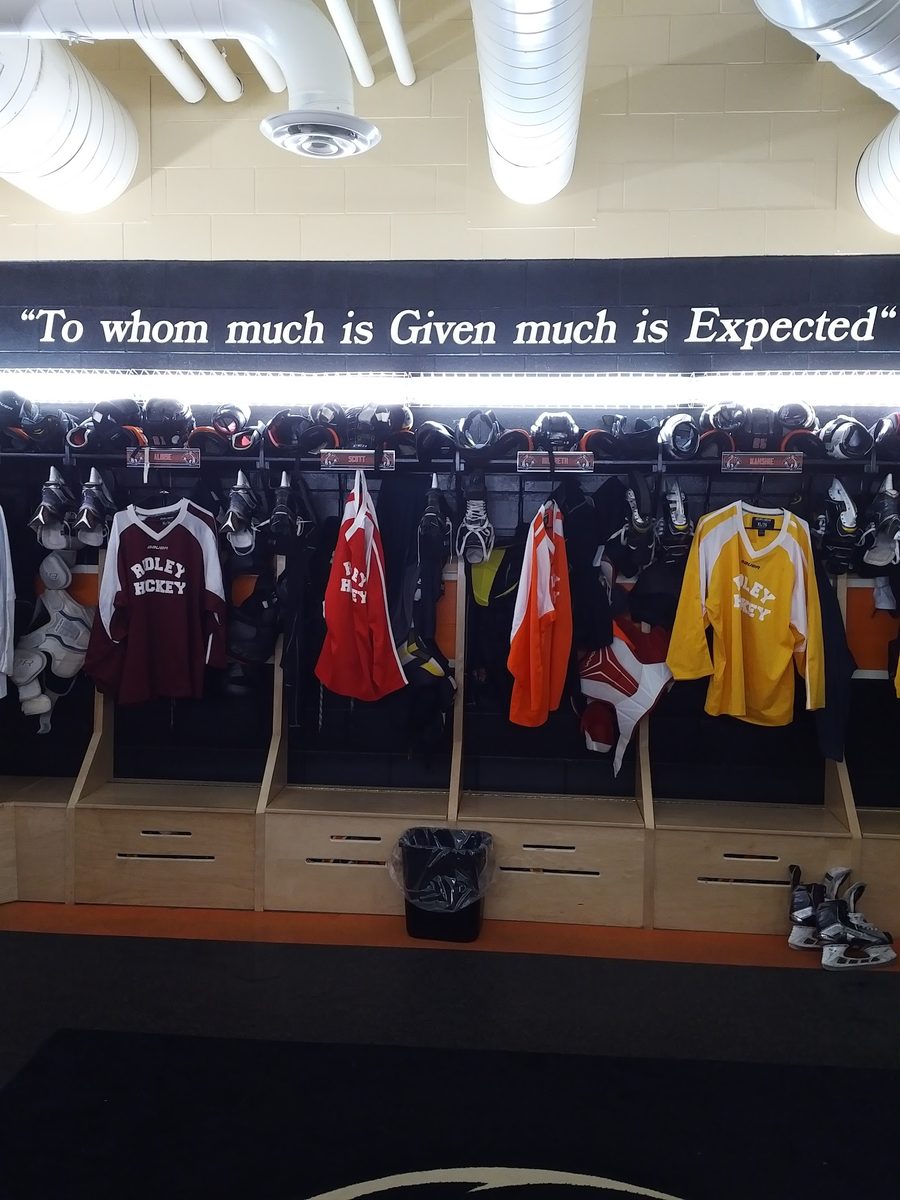
Ridley College
St Catharines · Canada
St Catharines day-and-boarding school blending Ontario's OSSD with the full IB continuum
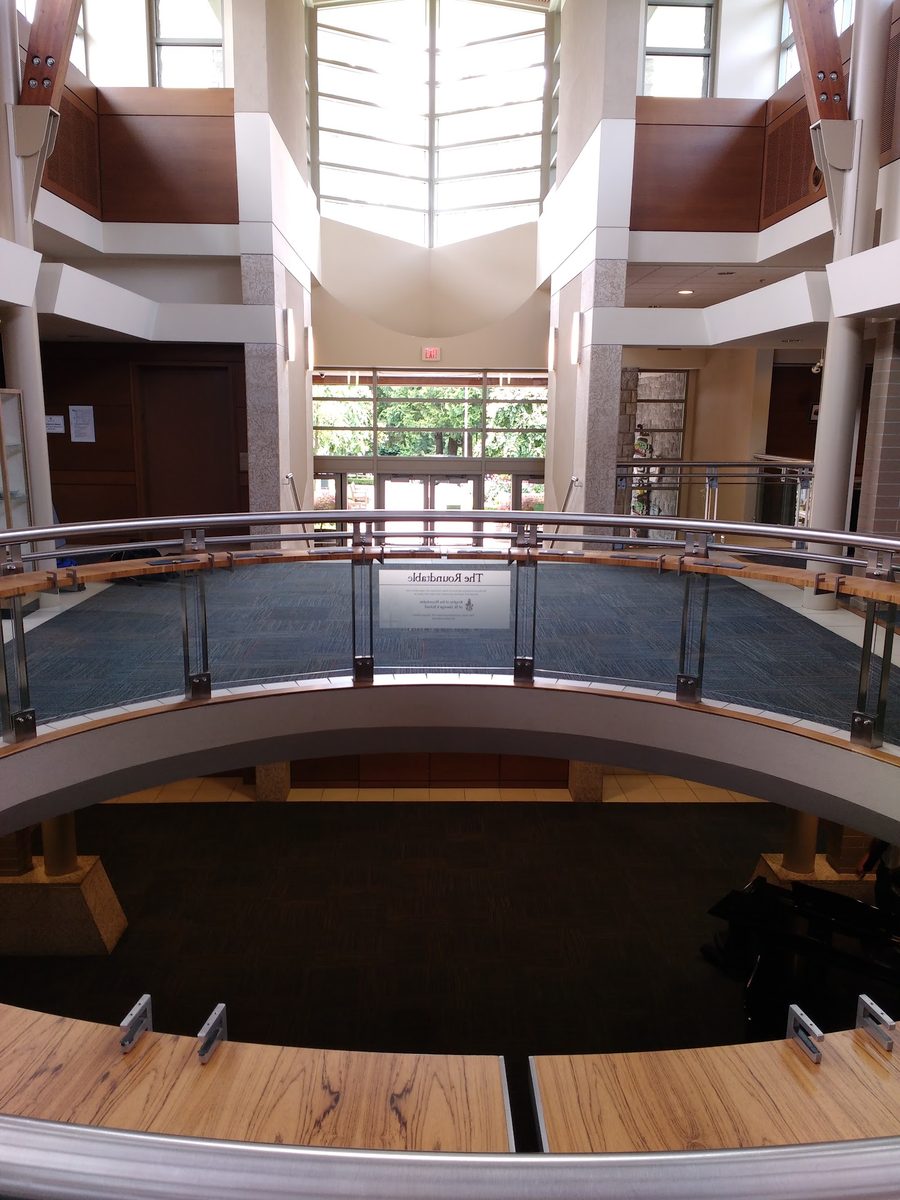
St. George's School
Vancouver · Canada
Vancouver's only boys' boarding house pairs BC's diploma with IB and AP courses, then swaps desks for weeks in the backcountry.
The Bishop Strachan School
Toronto · Canada
Founded in 1867 in Forest Hill, this Anglican school remains Canada's oldest continuously operating girls' day and boarding institution.
Same country and curriculum — closest matches within ±10 points either way