
Singapore
St. Joseph's Institution International
low confidence· 6/6 cats · 0 avg sourcesSingapore day school pairing IGCSE with the IB Diploma.
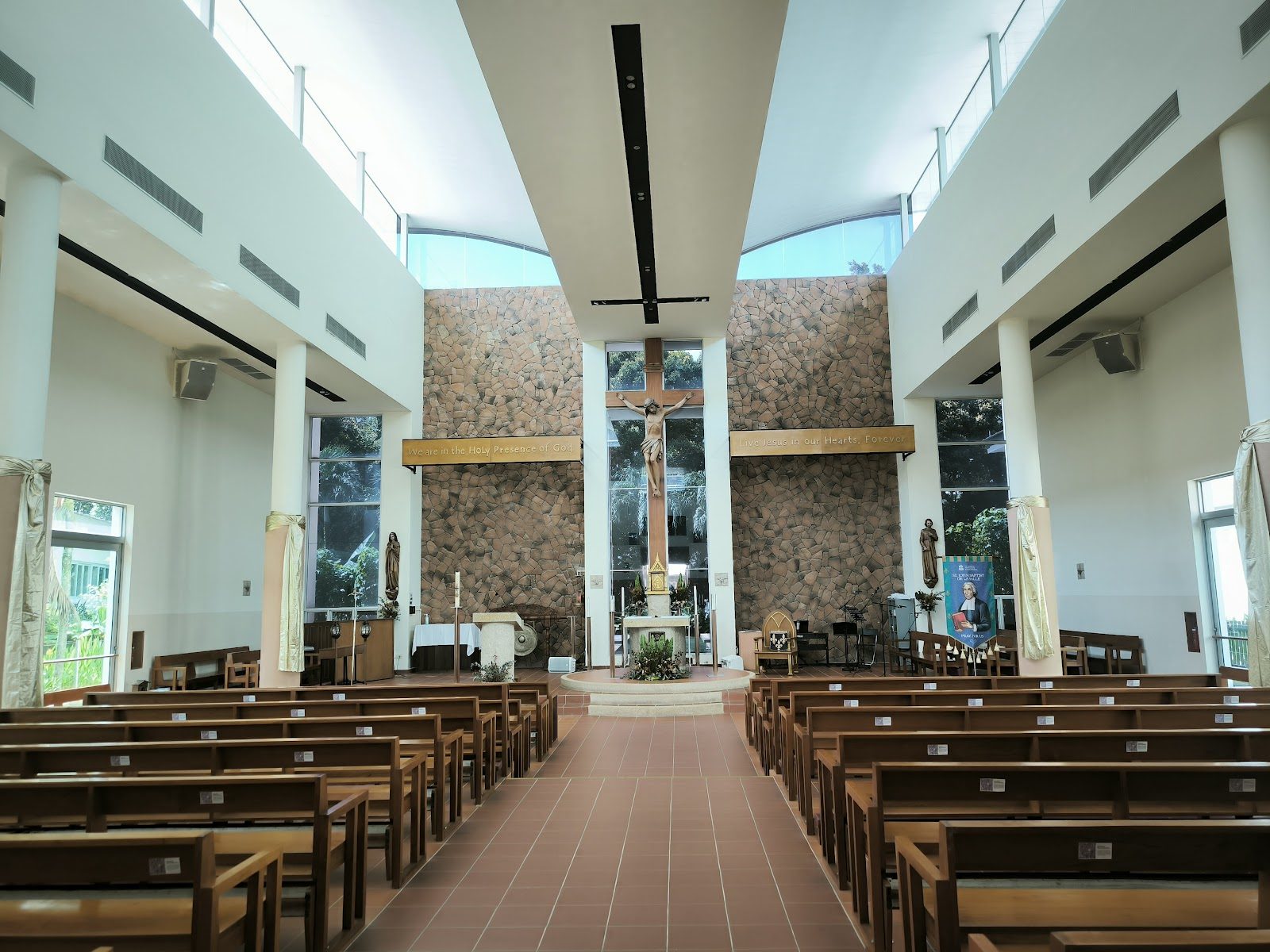
Photo © Alan Wee via Google Maps
Type
Day
Ages
3–18
Curriculum
IB (Diploma) · IGCSE
Ratio
11:1
The Verdict
Editor's commitment
Right for
Singapore families wanting a day school from ages 3–18 with IGCSE then IB Diploma, 11:1 staffing and average classes of 22.
Wrong for
Parents wanting a secular culture should look elsewhere: despite the non-religious listing, the school states Catholic roots and 1 of 7 Lasallian schools.
Watch out for
Founded in 2007 and now over 2,100 students with 380 staff, it is no boutique school; intimacy is not the offer.
Ranking breakdown
St. Joseph's Institution International · # of 1591
Composite score 72.1. 8 weighted criteria.
By criterion
Academic Outcomes
Weight 20%
#147
of 1529 scored
University Placement
Weight 16%
#263
of 1529 scored
Prestige & Heritage
Weight 12%
#953
of 1571 scored
Alumni Network
Weight 12%
#750
of 1530 scored
Facilities
Weight 12%
#188
of 1534 scored
Transparency & Communications
Weight 8%
#123
of 1532 scored
Peer & Industry Review
Weight 10%
#322
of 1548 scored
Admissions Selectivity & Demand
Weight 8%
#547
of 1529 scored
Peer & Industry Review
How St. Joseph's Institution International is regarded in the sector
68
Respected · medium confidence
SJI International holds a solid, well-established place among Singapore's local international schools, prized for offering IB and IGCSE rigour at a lower fee point than the fully international set. WhichSchoolAdvisor's review notes it occupies a distinctive place within Singapore's education landscape, combining a structured academic pathway with an emphasis on character, service and community, while highlighting the stability of its school community, with particularly high student retention. The Good Schools Guide's independent verdict praises a school that combines strong academics with a clear sense of purpose, and separately describes its elementary arm as a nurturing, international elementary school with a strong family community and values-based ethos which parents love. It is a respected, credible name rather than a headline-grabber on the city's very top tables, with peer coverage solid but not exceptional.
Editors' overview
St. Joseph’s Institution International occupies a clear niche in Singapore: a non-profit day school with a Lasallian backbone, an IGCSE-to-IB Diploma route, and enough scale to feel established without tipping into anonymity. Founded in 2007, it has grown fast; the school now states that it has over 2,100 students and 380 staff. The appeal rests on a combination that parents do not find everywhere in one package: a full 3–18 age range, English-medium teaching, a stated student-teacher ratio of 11:1, and a values framework that has substance rather than slogan. This is not a secular school in ethos, whatever the context label says about religion. Catholic and Lasallian traditions run through the institution’s history, rituals and language. For some families, that heritage is a serious draw; for others, it is a point to inspect carefully rather than wave away. Either way, the school’s identity is well defined, morally serious and not dressed up to please everyone.
What puts it on a shortlist is coherence. The school has a recognisable philosophy, a long-rooted connection to one of Singapore’s historic education traditions, and a structure that serves both local and expatriate families. There is also breadth: the school says its community includes children from over 40 nationalities, and the age spread gives families continuity from preschool through to sixth form. Average class size sits at 22, which is workable rather than boutique. This is not the place for parents chasing a tiny, intensely curated enclave. It is for those who want a substantial school with systems, scale and a stable sense of self. The non-profit status matters too. It does not guarantee excellence, but it does signal an institution built around stewardship rather than franchise expansion or glossy positioning. That lends the school a grounded and purposeful character.
The strongest fit is a student who thrives in a structured environment, responds to clear expectations, and can use the school’s pastoral and ethical framework as more than background wallpaper. SJI International suits children who are academically capable, community-minded and comfortable in a school where service, reflection and personal conduct carry weight. It also fits families who want the international-school pathway without the social tone of a luxury lifestyle brand. Students who need a radically progressive culture, a deliberately informal atmosphere, or a school that keeps faith at arm’s length will find a mismatch here. Students who value belonging, steadiness and a school culture with conviction will find much more to work with.
Academic Performance
Academic performance is the one area where SJI International needs more public candour. We have not seen aggregate IGCSE outcomes, IB Diploma averages, top scores, pass rates, or subject-by-subject breakdowns in the public domain. For a school of this scale, that absence matters. In Singapore’s international-school market, serious academic operators publish at least headline diploma data and place those figures in context. SJI International does not do that here, which leaves parents judging academic strength through institutional cues rather than hard outcomes. Those cues are respectable: the school has grown into a substantial operation with over 2,100 students and 380 staff, and it runs an academic route that sits squarely inside the mainstream university-prep market. But respectable infrastructure is not the same thing as published attainment.
Relative to peers, that places the school in an opaque middle ground. It is not in the camp of schools that use weak results to hide behind vague language; there is no sign of that here. Nor is it in the top tier of transparency, where schools release clear annual exam data and let parents compare performance directly. The implication is straightforward: families can take some confidence from the school’s scale, longevity and disciplined institutional identity, but they cannot verify where SJI International sits academically against Singapore competitors without asking the admissions team for current cohort results. Until the school publishes them openly, its academic standing remains under-evidenced rather than demonstrably elite.
Facilities
Facilities do not dominate SJI International’s public case in the way they do at the more showroom-driven end of Singapore’s market. The school talks far more about ethos, heritage and community than about signature buildings or specialist kit. That restraint cuts both ways. On one hand, it reads as refreshingly unflashy in a sector crowded with schools that treat architecture as a proxy for substance. On the other, parents looking for a clear public account of science labs, performing arts venues, sports provision or design and technology spaces will find the picture thinner than it ought to be for a school serving over 2,100 students. We do know the school has a chapel and that faith life has a physical place on campus, which matters because it confirms that the Lasallian-Catholic identity is built into daily school life rather than left at the level of branding.
Against peers, that puts SJI International in a practical rather than theatrical bracket. The scale of the operation and staff body points to a campus with the essentials to run a full through-school effectively, and the opening of a separate preschool site adds another layer of provision for younger children. But this is not a school trading on a resort-style campus narrative, and it does not publish enough detail to rank with the most transparent operators on facilities. Parents who care about hardware need a tour and direct questions. Parents who care more about whether facilities serve a coherent school culture than whether they photograph well will find the balance more convincing.
We have not seen aggregate IGCSE outcomes, IB Diploma averages, top scores, pass rates, or subject-by-subject breakdowns in the public domain
Prestige
SJI International carries solid, second-tier prestige in Singapore’s international-school market: respected, established, and taken seriously, but not operating in the rarefied bracket where a name alone settles the argument. Its standing comes from three things. First, it has genuine institutional lineage through the Lasallian and SJI connection, which gives it more depth than the many schools built from scratch for fee-paying demand. Second, scale matters. A community of over 2,100 students and 380 staff signals permanence, organisational muscle and broad recognition among local and expatriate families. Third, the school is non-profit and governed by SJI alumni, which gives it a stewardship model that reads as credible rather than commercial.
That prestige has limits. The school’s identity carries weight with families who value moral seriousness, structure and a Catholic-rooted education that still serves an international intake from over 40 nationalities. It does not carry the same automatic cachet as the most globally branded names in the sector, nor does it publish the kind of headline academic outcomes that convert respect into unquestioned academic prestige. So the rating sits in a clear middle position: this is a school with real standing, a recognisable heritage and a loyal following, but its reputation rests more on character, continuity and community trust than on elite social signalling or publicly proven exam dominance.
Nor is it in the top tier of transparency, where schools release clear annual exam data and let parents compare performance directly
Communications
SJI International’s parent communication reads as institutionally coherent and values-led rather than slick. The public-facing message is consistent: this is a school that talks first about heritage, community, faith life and pastoral intent, not sales copy. That gives parents a clear sense of what the school stands for. The history page is detailed, the school explains its governance and non-profit structure, and it does not bury the Catholic-Lasallian dimension behind neutral language. That directness counts in its favour. Families can see, in plain terms, that this is a school with a defined moral framework, an active parent community, weekly Mass, catechism options and a Religious Education programme that has a serious place in school life. For a community drawn from over 40 nationalities, that kind of clarity matters.
Where communication loses marks is in operational and academic transparency. The school communicates identity far better than performance. Parents get a strong feel for ethos, but a weaker public account of day-to-day academic outcomes, facilities detail and practical evidence of school effectiveness. That imbalance does not make communication poor; it makes it selective. The tone is measured and adult, and there is none of the inflated triumphalism common in the sector. But families making a hard comparison between schools need more than culture and history. They need published results, sharper practical detail and fewer gaps. As it stands, SJI International communicates conviction clearly and evidence less well.
Uniqueness
What sets SJI International apart is not novelty. It is the opposite: a modern international school built on an old Singapore education tradition, with governance that still traces back to the SJI community rather than a global operator or investor. That gives it a different centre of gravity from many competitors. The school’s non-profit structure, alumni oversight and place within a network of Lasallian schools create an institution with real inheritance, clear internal logic and a strong moral frame. The Catholic element is not decorative. It has visible expression in worship, religious education and school life, while the intake remains international and mixed in faith background. That combination is unusual in this market. Plenty of schools talk about values; fewer tie them to a durable tradition and daily practice.
For students, that brings both benefits and boundaries. The benefit is a school culture with more substance than slogan: service, reflection, conduct and community carry weight, and children grow up in an environment that asks for more than academic compliance. The broad mix of families from over 40 nationalities prevents the culture from becoming narrow or parochial, while the stated 26% Catholic community confirms that the school does not operate as a confessional enclave. The boundary is just as clear. Families seeking a faith-neutral, ideologically loose, anything-goes atmosphere will not get it here. Students who respond well to structured belonging, ethical seriousness and a school identity that is confidently not generic get something distinct.
Founded in 2007, it has grown fast; the school now states that it has over 2,100 students and 380 staff
Student Profile
The best fit here is a student who can live comfortably inside a school with clear moral architecture. This is not a place for children who need a loose, highly negotiable culture or who bridle at shared rituals, conduct expectations and explicit values language. It suits pupils who do well with structure, who can take pastoral guidance without cynicism, and who are willing to contribute to a community larger than their immediate friendship group. The mix of more than 40 nationalities matters: students need enough social confidence and cultural literacy to move across different backgrounds without turning difference into drama. Catholic families will find real substance rather than token heritage, but the school also works for non-Catholic families who want a serious-minded, ordered environment and do not treat faith presence as a problem to be managed away.
Socially, this school fits children who are community-facing rather than relentlessly self-styled. The atmosphere favours steadiness over performance, participation over posturing. Students who thrive here tend to have a service instinct, a workable level of self-discipline, and the resilience to function in classes that are not tiny, with an average size of 22. The low staffing ratio supports individual attention, but this is still a substantial institution, not a hand-held micro-school. Families chasing a hyper-progressive culture, social exclusivity or a luxury-brand international school will find a mismatch. Families who want scale, continuity and a school identity with real backbone will find a better fit.
This is not a secular school in ethos, whatever the context label says about religion
Co-curricular strengths
Arts & sport, on a separate axis
Overall 8.52/10
Scored 0-10 from the school's own published evidence. This axis is editorial-only — it does not feed the main WTS ranking.
Sports
8.8/10
Drama
8.5/10
Dance
8/10
Music
8.8/10
Visual Arts
8.5/10
Strengths
- +In 2025, 195 students completed the full IB Diploma with an average score of 38 points, well above the global average of around 30.
- +Curriculum runs continuously from age 4 to 18, moving from the International Primary Curriculum and IMYC through IGCSE into the IB Diploma Programme.
- +Community of over 2,000 students drawn from more than 40 nationalities, giving a genuinely mixed local-and-expatriate cohort rather than a single dominant nationality.
- +Merit-based scholarship schemes exist, including Lasallian, Foreign and Local scholarships plus a football-specific award with the Lion City Sailors.
- +Part of the Lasallian Catholic school network dating to 1852, giving the school an established institutional heritage and values framework.
Considerations
- −Annual tuition rises steeply by grade, from roughly SGD 35,876 in the early years to about SGD 47,000-51,000 in Grade 11, on top of non-refundable application and enrolment fees and a SGD 6,000 security deposit.
- −As one of Singapore's 'local international schools', at least half the student body must be Singaporean, reducing the proportion of places available to purely expatriate applicants.
- −Elementary and High School admissions run on separate timelines with limited places, and families are advised to apply up to two years ahead for elementary entry.
- −The school's Lasallian Catholic identity, while inclusive of other faiths, remains a distinguishing cultural feature that will not suit every secular or non-Christian household.
Availability
Primary entry gate & tests
Academic Record + Assessment
Gallery
Photo © Rossa Vicci via Google Maps
Photo © Greg Cinco via Google Maps
Photo © mohsin ahmed via Google Maps
Photo © Maroof Ahmad via Google Maps
Photo © jia jun shen via Google Maps
Photo © Satya Prakash via Google Maps
Photo © Satya Prakash via Google Maps
Photo © chuttersnap via Google Maps
Photo © Satya Prakash via Google Maps
Parent reviews
Have you sent your child here?
Voice reviews carry the strongest trust badge — we transcribe them for you to tidy up before they go live. Prefer to type? A written review is fine too.
Add your voice
In 60 seconds, tell other parents: what's the best thing about St. Joseph's Institution International, and what surprised you when your child joined?
We ask for a Google sign-in so every review has a real face behind it — no anonymous drive-by attacks on schools, and no faked positive reviews. Your email is never shown publicly.
Send this profile to a friend
International parents rely on word-of-mouth. Share this review with someone weighing the same decision.
Schools with places
Similar schools to St. Joseph's Institution International with places available now.
Singapore American School
Singapore · Singapore
- 2026-27
- WAITPOOLGrade-specific / Waitpools
- 2027-28
- PLACES OPENRolling
Tanglin Trust School
Singapore · Singapore
- 2026-27
- CLOSEDNo late apps
- 2027-28
- PLACES OPEN
United World College of South East Asia
Singapore · Singapore
- 2026-27
- CLOSEDStandard route
- 2027-28
- OPENS SOONOpens 1 Sept '26 (Closes 2 Nov)
NUS High School of Math and Science
Singapore · Singapore
- 2026-27
- CLOSEDStandard route
- 2027-28
- PLACES OPENYr 3 active (12-26 Aug); Yr 1 DSA
Availability first, then country, area, curriculum, price, co-curricular
Consider also
Also worth looking at alongside St. Joseph's Institution International.
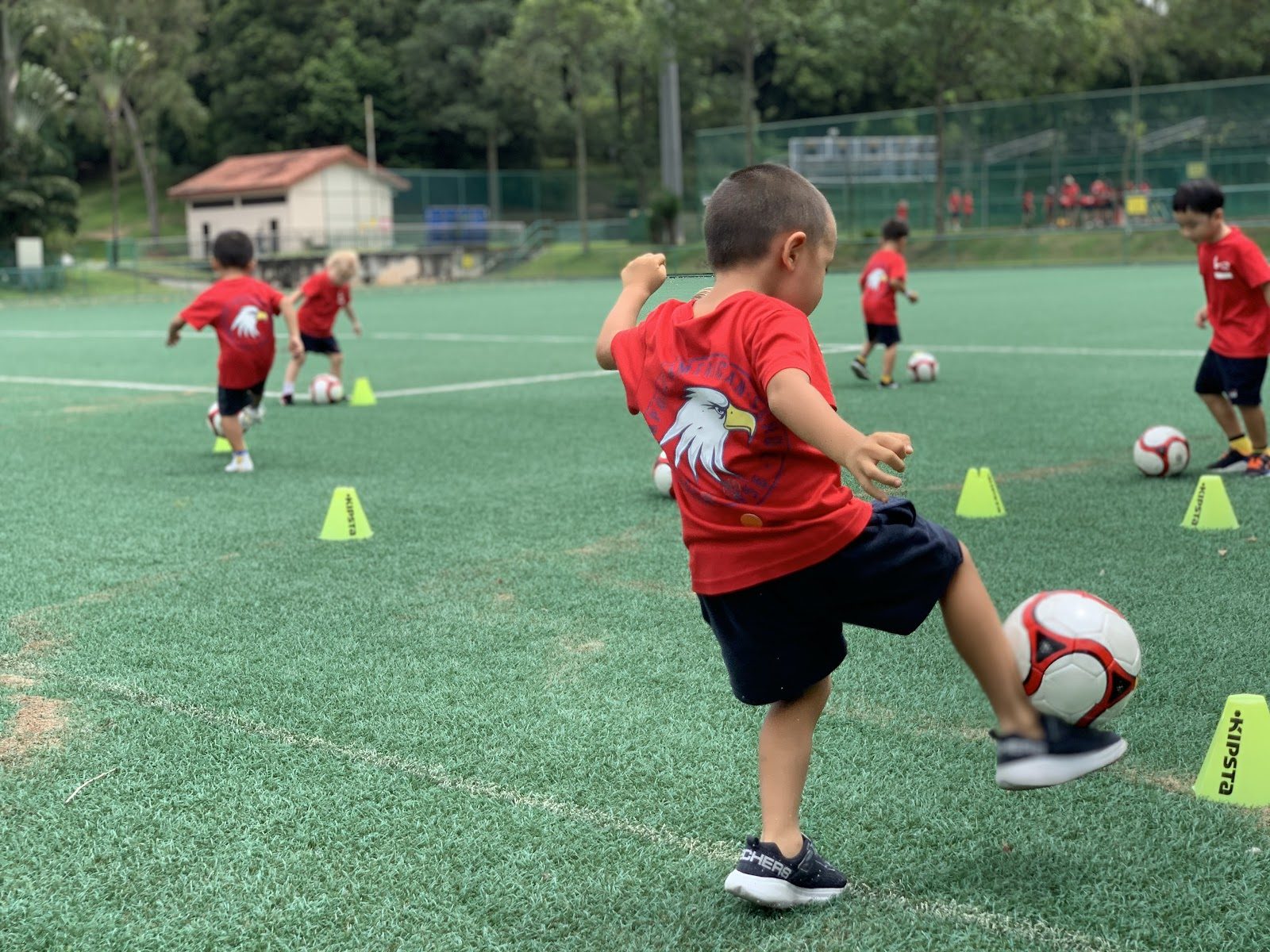
Singapore American School
Singapore · Singapore
A 36-acre Woodlands campus with a rainforest classroom and AP breadth, run on an American blueprint with IB rigor at the edges
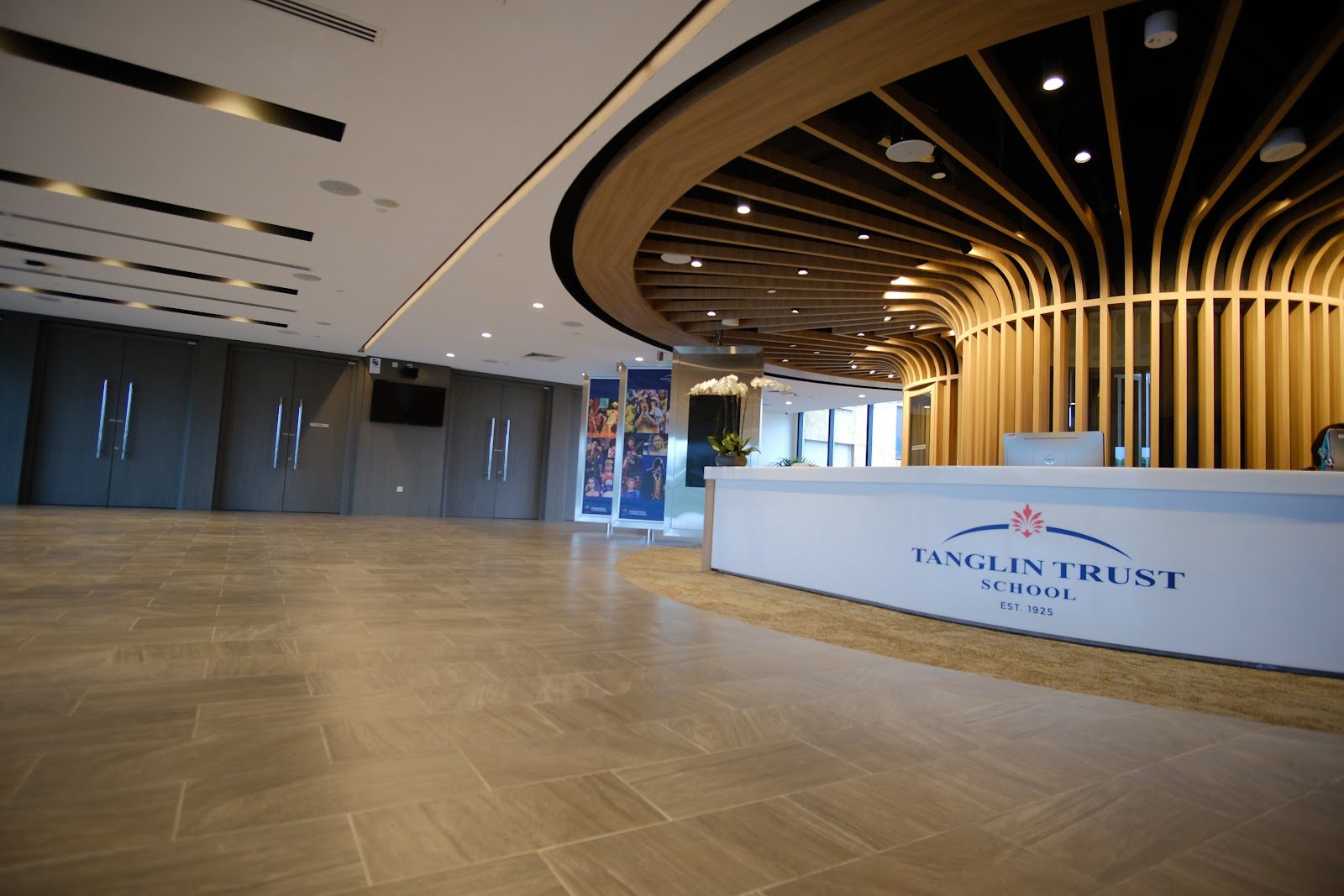
Tanglin Trust School
Singapore · Singapore
Southeast Asia's oldest British school pairs IB with A-Levels, then sends every Year 9 to the Australian bush for five weeks.
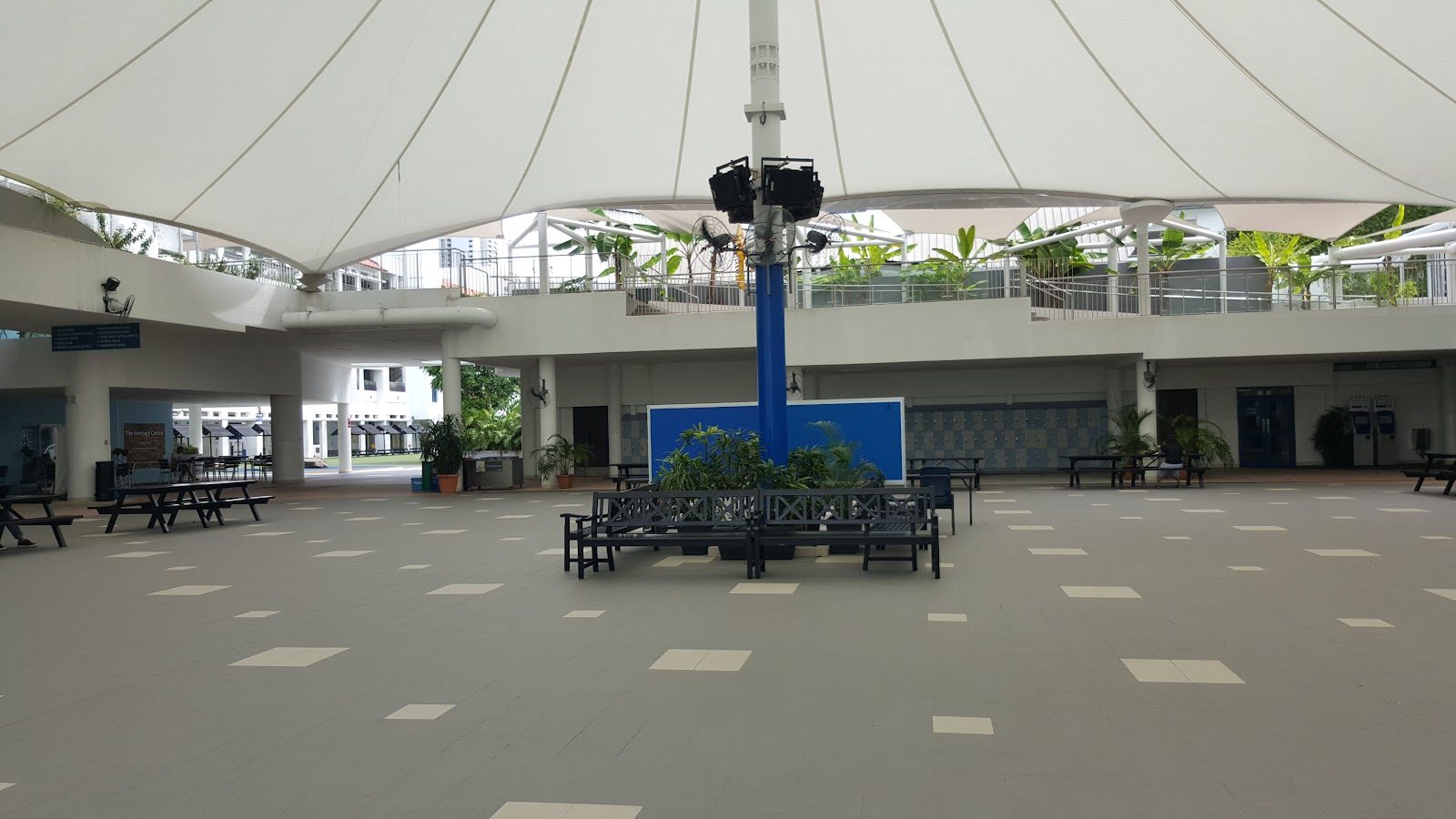
United World College of South East Asia
Singapore · Singapore
Across two Singapore campuses, service learning anchors an IB path capped by a rare Systems Transformation course for change leadership.
NUS High School of Math and Science
Singapore · Singapore
Six years, no O-levels, no A-levels -- just a bespoke diploma built around university-level math and science modules.
Same country and curriculum — closest matches within ±10 points either way