
Singapore
St. Joseph's Institution (Local)
Singapore's first Catholic school, founded in 1852 by the De La Salle Brothers, now runs parallel O-Level and IB diploma tracks.
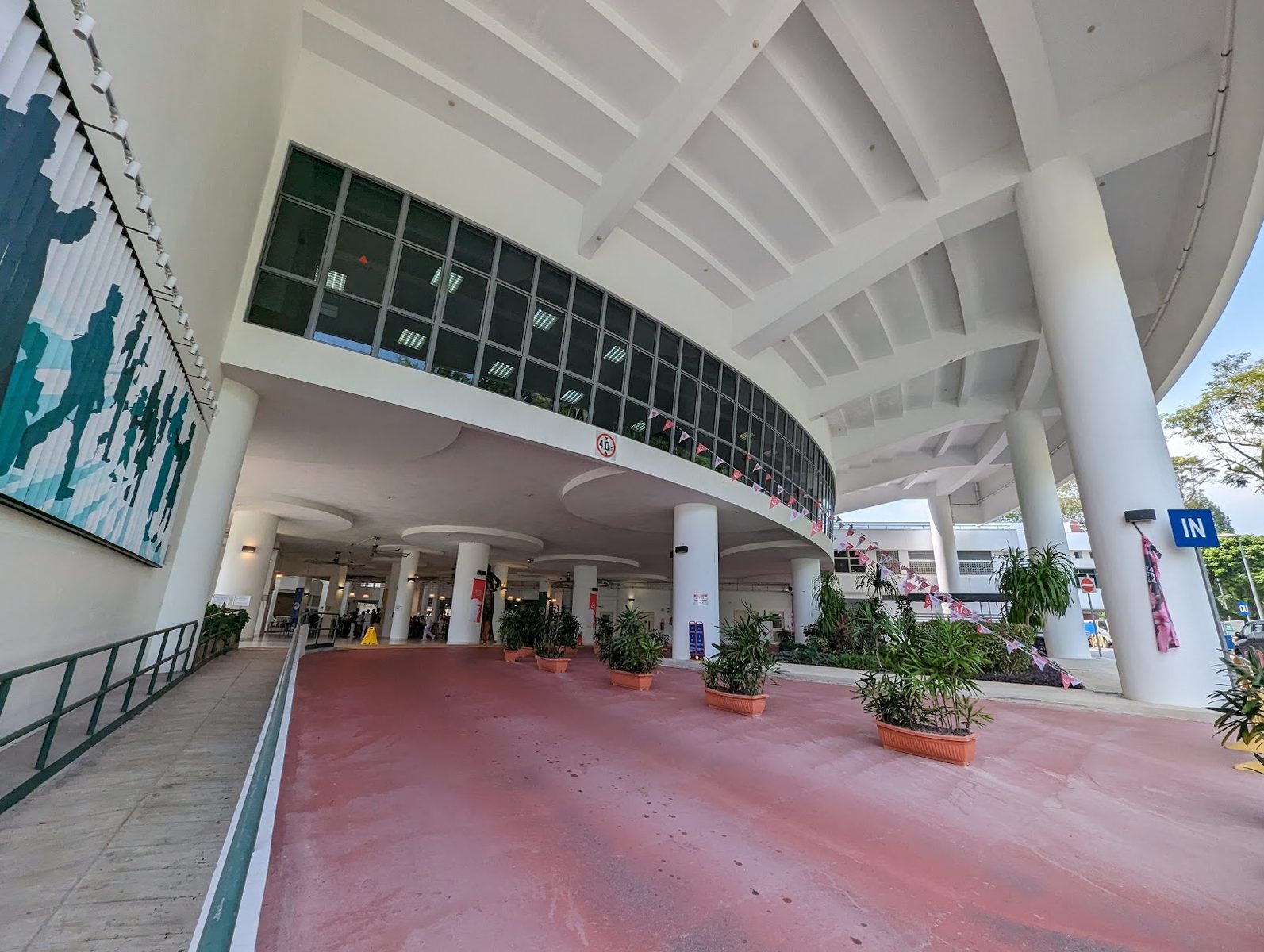
Photo © Flo Y. via Google Maps
Type
Day
Ages
13–18
Curriculum
Singapore National
Qualifications
GCE O-Level · GCE A-Level
Ratio
—
The Verdict
Editor's commitment
Right for
Families wanting a Singapore MOE day school, founded in 1852, with English instruction and a clear route to Year 3 IP entry.
Wrong for
Parents seeking boarding, a girls' school, or a religious education programme; this 13–18 school is day-only and listed as non-religious.
Watch out for
SJI runs on the Singapore National curriculum and publicises milestones, but the school does not publish aggregate academic outcomes on its website.
Peer & Industry Review
How St. Joseph's Institution (Local) is regarded in the sector
72
Respected · medium confidence
Within Singapore, SJI sits in the informal 'top tier' bracket alongside Raffles Institution, ACS (Independent) and Hwa Chong Institution, a grouping repeatedly referenced in Straits Times and TODAY coverage of IB results day, since MOE stopped publishing official school league tables in 2004. SJI is one of the few heritage boys' schools to have dropped GCE A-Levels entirely in favour of the IB Diploma (from 2007), a move local commentators and rival principals cite when discussing curriculum differentiation among elite schools. Its IB averages are consistently reported near the top of the national field, feeding matriculation into NUS, NTU, SMU and a steady stream of Oxbridge and Ivy League offers, which admissions counsellors in Singapore treat as a credible feeder-school signal. International directories such as Good Schools Guide and WhichSchoolAdvisor focus on Singapore's international-curriculum schools (including sister school SJI International) rather than local MOE schools, so independent Western press coverage of SJI (Local) itself is thin; its standing rests mainly on domestic press, alumni (Josephian) networks, and its 1852 De La Salle heritage rather than international ranking bodies.
- Wee Cho Yaw — Chairman Emeritus, United Overseas Bank - Finance/Banking
- David Marshall — First Chief Minister of Singapore - Politics
- Lim Kim San — Cabinet Minister and businessman - Politics/Business
Editors' overview
St. Joseph’s Institution occupies a rare position in Singapore: a historic boys’ day school founded in 1852, with the weight of a long Catholic tradition, yet operating inside the mainstream national system and running parallel O-Level and IB Diploma routes. That combination matters. Parents are not choosing a boutique international school or a generic government secondary; they are choosing an institution with a deep alumni culture, an entrenched identity and a clear academic fork in the road for older students. The school’s age is not a decorative fact. It signals institutional memory, ritual, and a house style that has had generations to harden into something durable.
What puts SJI on a shortlist is that dual-track structure. A school that offers Singapore National curriculum pathways alongside the IB gives families range without requiring a change of school at a sensitive stage. For able boys who thrive in a disciplined environment but do not all fit one academic mould, that is a serious advantage. The public face also points to a school that keeps one foot in tradition and one in current student life: 175 years of education is central to its self-understanding, while newer initiatives such as Athlete Friendly Education Centre status signal practical flexibility for students balancing school with high-level sport. This is not soft prestige or borrowed glamour; it is a long-established local school with enough scale and confidence to offer multiple routes.
The caveat is equally clear. SJI is not for families who want a loose, progressive, highly personalised school with minimal hierarchy. Its appeal rests on structure, belonging, competitive energy and a strong sense of collective identity. Some students flourish in that atmosphere; others feel boxed in by it. The school does not trade on pastoral softness. It trades on continuity, standards and the force of an old institution that knows what it is. For the right boy, that is deeply motivating. For the wrong one, it is constraining.
The best fit is a student aged 13–18 who wants academic choice inside a clearly defined school culture, values tradition rather than novelty, and is comfortable in an established boys’ environment. He does not need to be conventional, but he does need to tolerate expectations, ceremony and a visible communal ethos. Families who want English-medium education, Singapore system credibility and a school with earned gravitas have a strong reason to look closely.
Academic Performance
SJI sits in the top tier of Singapore secondary schools by selectivity and by the calibre of students it attracts, but the school does not publish the kind of aggregate examination data that would let parents test that status cleanly against direct peers. No school-wide O-Level profile is in the public domain here, and we have not seen consolidated IB Diploma outcomes for the local school in the way some internationally minded competitors release averages, top scores or pass rates. That opacity matters. A school with a serious academic reputation should publish external results with precision, not rely on institutional prestige and scattered student achievement stories.
Even so, the broad position is clear. This is not a middling academic school trying to borrow sheen from its history; it is a high-attaining, high-expectation institution operating in one of the world’s most competitive education systems. The parallel exam routes widen its academic reach and keep it in the conversation with strong government and independent peers, rather than only with schools built around a single pathway. For families comparing top Singapore options, SJI belongs on the academic shortlist. The limitation is disclosure, not status. Parents who care about hard comparison need more than headlines about student achievements and anniversary branding; they need subject outcomes, score distributions and year-on-year trends. Until the school publishes that data, its academic standing rests on elite local standing, entrance competitiveness and long-established reputation rather than transparent result reporting.
Facilities
The school’s public messaging gives only a partial view of its facilities, and that in itself is instructive. The one concrete specialist provision it pushes hard is sport support: SJI holds Athlete Friendly Education Centre status, which signals timetable and schooling adjustments for serious athletes rather than a standard “we value sport” claim. Among Singapore peers, that is a useful differentiator for families managing training loads, competition travel and academic continuity. Beyond that, the school foregrounds procurement notices, publications, anniversary activity and student achievement stories more than it sets out its physical plant. There is no clear public inventory of laboratories, performing arts spaces, design workshops, library provision or dedicated sixth-form study areas. For a school with this profile, that level of facility disclosure is thin.
That does not mean the campus is weak; it means parents cannot benchmark it cleanly against local rivals that publish sharper detail on specialist spaces and student use. In Singapore’s top-school market, strong facilities are no longer a bonus. They are a baseline. SJI’s edge rests less on flash infrastructure than on an established school environment with enough operational confidence to support multiple student pathways, including high-level sport. Families who want proof of standout science, arts or innovation provision need more than celebratory homepage rotation and repeated news tiles. On facilities, SJI reads as function-first, institution-led and less transparent than the best-documented competitors.
For families comparing top Singapore options, SJI belongs on the academic shortlist
Prestige
An SJI education carries real local prestige. This is not the flimsy status that comes from glossy branding or imported school theatre; it comes from a name embedded in Singapore education across generations. In practical terms, that matters in three ways: admissions draw strong students, the alumni network has weight, and the school’s public identity has enough confidence to trade on history rather than reinvention. The prominence of its 175-year anniversary messaging underlines that point. SJI treats longevity as a central asset because it is one. In Singapore, where families know the difference between old institutional capital and new-market positioning, that heritage gives SJI earned authority.
The prestige rating stays below the absolute top band for one reason: transparency. A school with this level of standing should publish cleaner academic outcome data than it does. Prestige built on legacy, selectivity and name recognition is still prestige, but it is institution-led prestige, not fully evidence-led prestige. That distinction matters for hard-headed parents. There is also a social dimension to the school’s status: SJI carries the cachet of an established boys’ school with a strong internal culture, which sharpens loyalty among those who fit and narrows appeal among those who do not. That makes the school respected, well-connected and culturally durable rather than universally aspirational.
In Singapore’s top-school market, strong facilities are no longer a bonus
Communications
Parent communication looks competent but tightly institutional. The homepage functions first as a noticeboard: admissions updates, anniversary messaging, publications, procurement and rotating news tiles all sit up front. That gives families a clear route to formal information, and the site carries the standard Singapore government-domain signals that reassure users on legitimacy and security. There is also evidence of an organised publication rhythm, with LUMEN and year-in-review style updates, plus a visible “my sji story” portal. The impression is of a school that communicates through official channels, structured updates and public-facing announcements rather than through a warm, conversational parent narrative.
That works for families who value order and clarity. It works less well for parents who want granular day-to-day visibility into school life, teaching practice or leadership thinking. The public-facing communication is serviceable and disciplined, but also thin on texture. Repetition on the homepage does not help: the same anniversary and athlete-support items recur, which gives prominence but not depth. Nor does the school publish much that helps a parent test operational detail quickly — for example, richer guides to pastoral systems, academic reporting rhythms or specialist provision. In short, SJI communicates like an established institution with a strong internal culture and no need to court families aggressively. That is confident communication, but not especially transparent or intimate.
Uniqueness
What marks SJI out is not novelty but institutional density. Few schools combine a long-settled identity, a selective boys’ intake and enough internal breadth to let students move through materially different senior pathways without leaving the institution. That gives boys continuity at the point when many families elsewhere face a disruptive reset. It also produces a school culture with real force: rituals matter, belonging matters, and the idea of becoming a “Josephian” carries social weight beyond the classroom. The homepage’s fixation on 175 years of education is not decorative branding; it tells you the school trades on inheritance, continuity and an old-school collective ethos that newer schools cannot manufacture.
For students, that distinctiveness brings both advantage and pressure. The advantage is a deep-rooted sense of membership in something larger than a single exam cycle, backed by a visible alumni tradition and a school community that treats service, faith-inflected values and shared identity as lived commitments rather than optional extras. The Athlete Friendly Education Centre designation adds a second layer of distinctiveness: SJI is not only tradition-bound, it also makes room for serious competitors whose training schedules do not fit a standard timetable. That mix — historic gravitas plus practical flexibility for elite sport — is rare. The cost is obvious. Boys who dislike ceremony, strong group identity or a high-pressure communal culture will feel the constraint quickly.
The prestige rating stays below the absolute top band for one reason: transparency
Student Profile
The boy who fits SJI is motivated by structure rather than self-expression for its own sake. He can handle a school where identity carries weight, expectations are public and belonging is not casual. This suits students who like clear standards, organised routines and the charge that comes from being surrounded by able, competitive peers. It also suits boys who respond to collective discipline better than to loose personal freedom. A student who wants constant individual tailoring, soft edges or a low-pressure social atmosphere will grind against the culture. The age span of 13–18 matters here: these are formative years, and SJI asks boys to grow inside a defined institutional frame rather than invent their own from scratch.
There is room inside that frame for more than one type of student, but not for every temperament. Serious athletes have a credible route through school life without being treated as administrative inconvenience, which strengthens the case for boys balancing training and study. Students with a sense of service, loyalty and community duty will also find the school’s ethos deeply legible. The harder fit is the boy who dislikes ceremony, resists group identity or needs frequent emotional hand-holding from adults. SJI rewards boys who are self-commanding, thick-skinned and willing to buy into something larger than themselves. For the right student, that is energising. For the wrong one, it is claustrophobic.
For students, that distinctiveness brings both advantage and pressure
Co-curricular strengths
Arts & sport, on a separate axis
Overall 7.84/10
Scored 0-10 from the school's own published evidence. This axis is editorial-only — it does not feed the main WTS ranking.
Sports
9.2/10
Drama
8.5/10
Dance
4.5/10
Music
9/10
Visual Arts
8/10
Strengths
- +Founded in 1852 by the De La Salle Brothers, making it the first Catholic school and the third-oldest secondary school in Singapore, giving it deep institutional history and alumni networks.
- +Offers a dual academic track since 2013 combining the GCE O-Level Programme and a six-year Integrated Programme that leads directly into the International Baccalaureate Diploma without sitting O-Levels.
- +Direct School Admission route accepts students on academic, sporting, arts, leadership or community-service merit, giving families an alternative to a pure PSLE-score application.
- +Formal affiliation with feeder primary schools such as St. Joseph's Institution Junior, St. Anthony's Primary, St. Stephen's School and De La Salle School gives priority admission chances to their pupils.
- +Indicative PSLE cut-off points are competitive relative to the wider secondary school field, reflecting a consistently strong academic intake for both the IP and O-Level streams.
Considerations
- −The school is single-sex for its four-year secondary programme, admitting only boys from Year 1 to Year 4.
- −Girls are only able to join the school community at the IBDP stage (Year 5), after completing GCE O-Levels elsewhere, so it offers no co-educational option lower down.
- −Entry is overwhelmingly merit-based on PSLE scores at Secondary 1; boys who miss the cut can only appeal, and places are offered solely if vacancies happen to exist.
- −As an independent school, Singapore Citizens and PRs can apply for the MOE Independent School Bursary, implying fee levels above those of standard government-funded secondary schools; exact current fee figures were not verified here.
Availability
Primary entry gate & tests
PSLE / O-Level / DSA (Boys)
Gallery
Photo © Flo Y. via Google Maps
Photo © Sakthivel Nachimuthu (Sakthi) via Google Maps
Photo © CY NG via Google Maps
Photo © Blue BB via Google Maps
Photo © SIVODAYAN DAMOHDARAN (Sivo) via Google Maps
Photo © St. Joseph's Institution via Google Maps
Photo © Flo Y. via Google Maps
Parent reviews
Have you sent your child here?
Voice reviews carry the strongest trust badge — we transcribe them for you to tidy up before they go live. Prefer to type? A written review is fine too.
Add your voice
In 60 seconds, tell other parents: what's the best thing about St. Joseph's Institution (Local), and what surprised you when your child joined?
We ask for a Google sign-in so every review has a real face behind it — no anonymous drive-by attacks on schools, and no faked positive reviews. Your email is never shown publicly.
Send this profile to a friend
International parents rely on word-of-mouth. Share this review with someone weighing the same decision.
Schools with places
Similar schools to St. Joseph's Institution (Local) with places available now.
Availability first, then country, area, curriculum, price, co-curricular
Consider also
Also worth looking at alongside St. Joseph's Institution (Local).
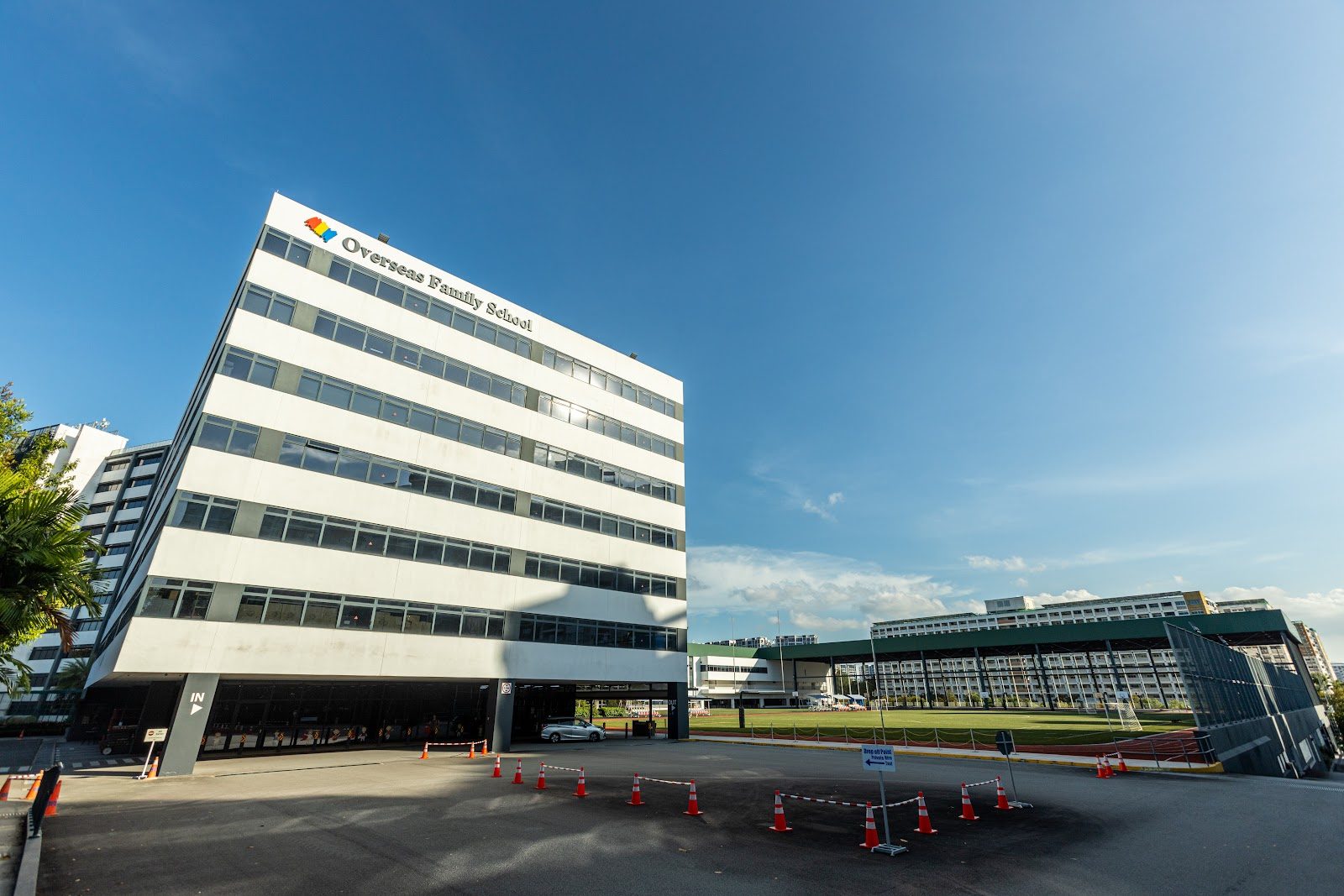
Overseas Family School
Singapore · Singapore
Open-access IB Diploma policy admits every student, no preselection, inside a 70-nation Pasir Ris campus.
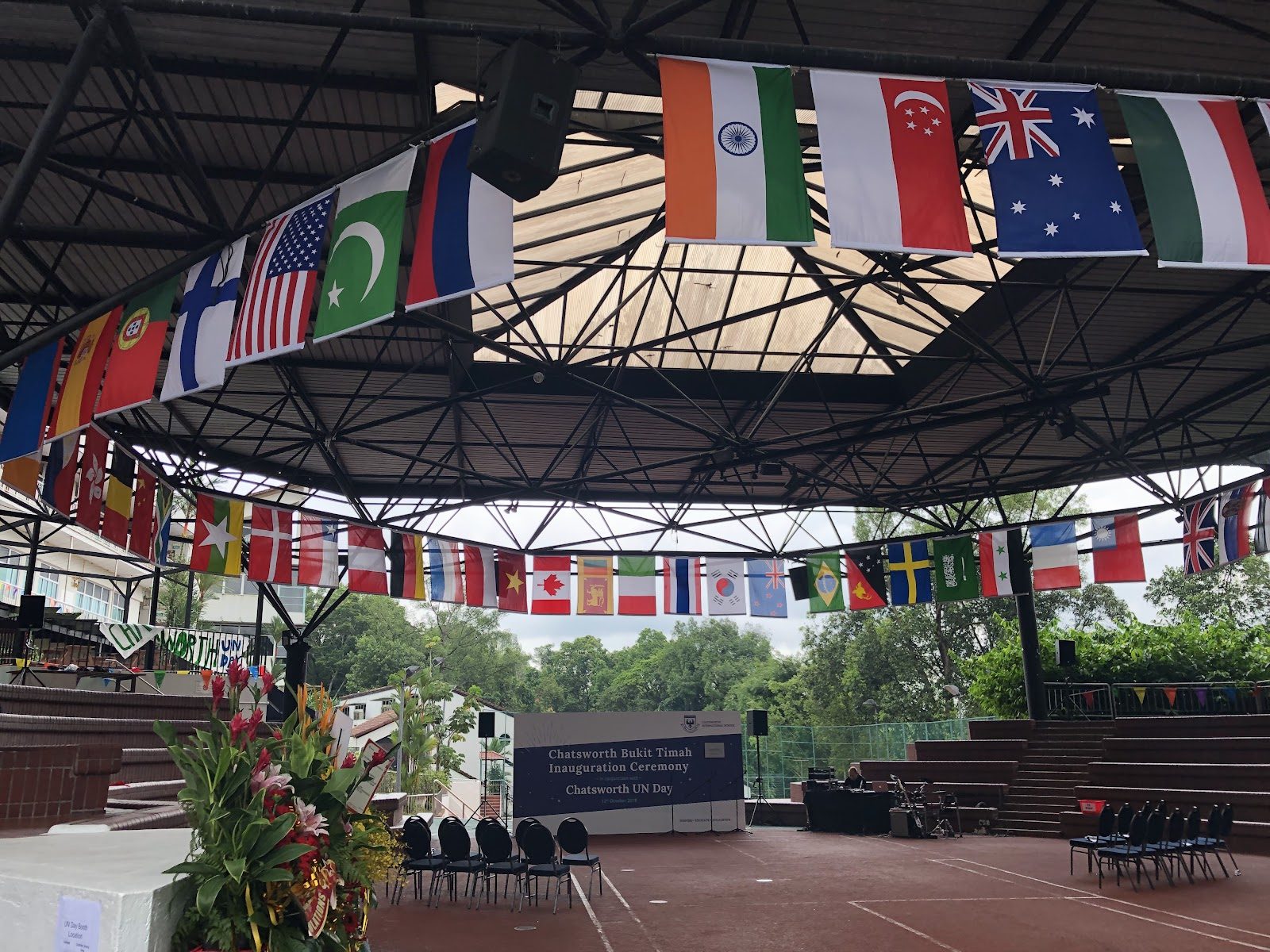
Chatsworth International School
Singapore · Singapore
Set beside Singapore's only tropical rainforest, a non-selective full IB continuum runs through a close-knit, village-like community.
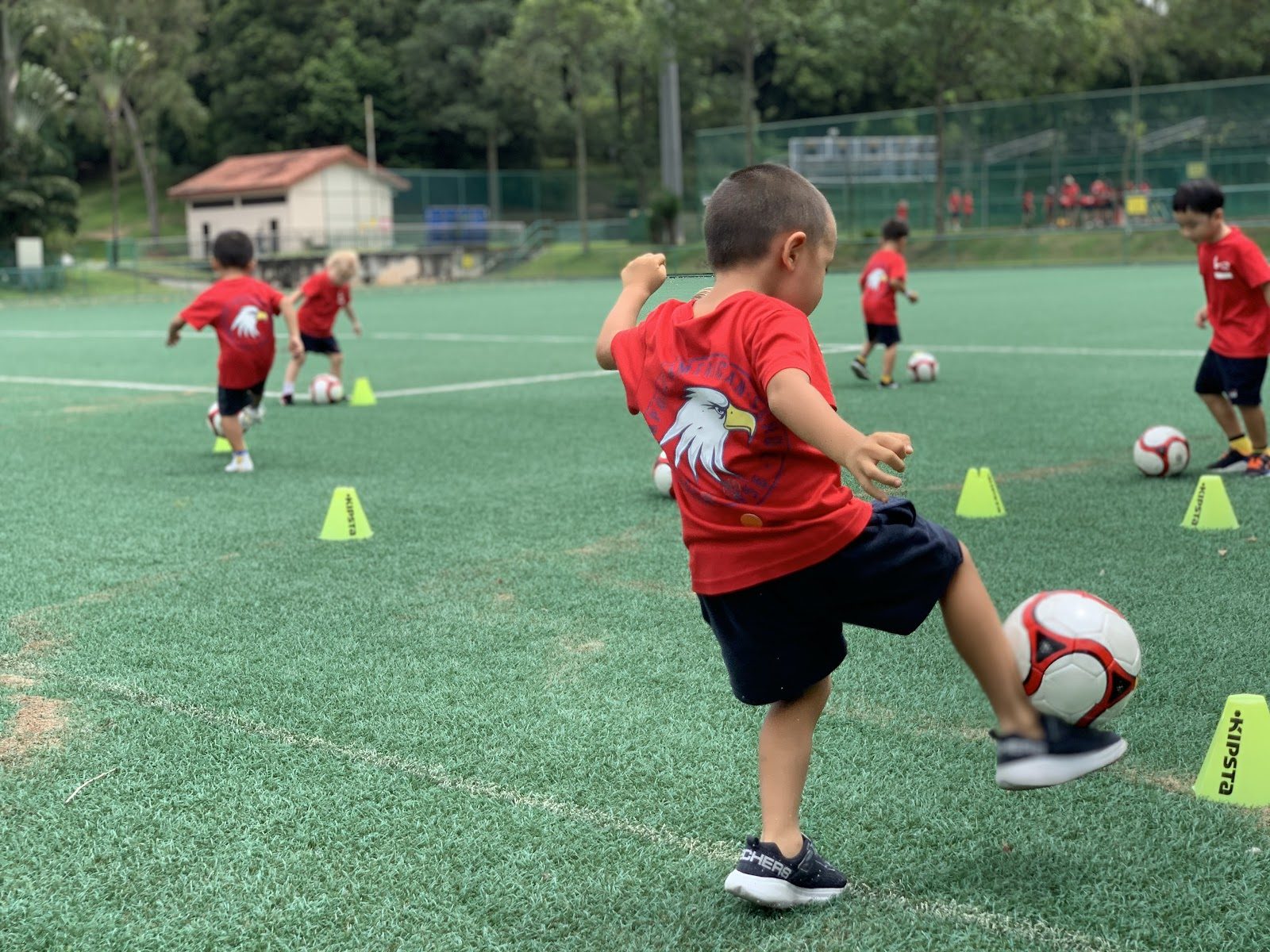
Singapore American School
Singapore · Singapore
A 36-acre Woodlands campus with a rainforest classroom and AP breadth, run on an American blueprint with IB rigor at the edges
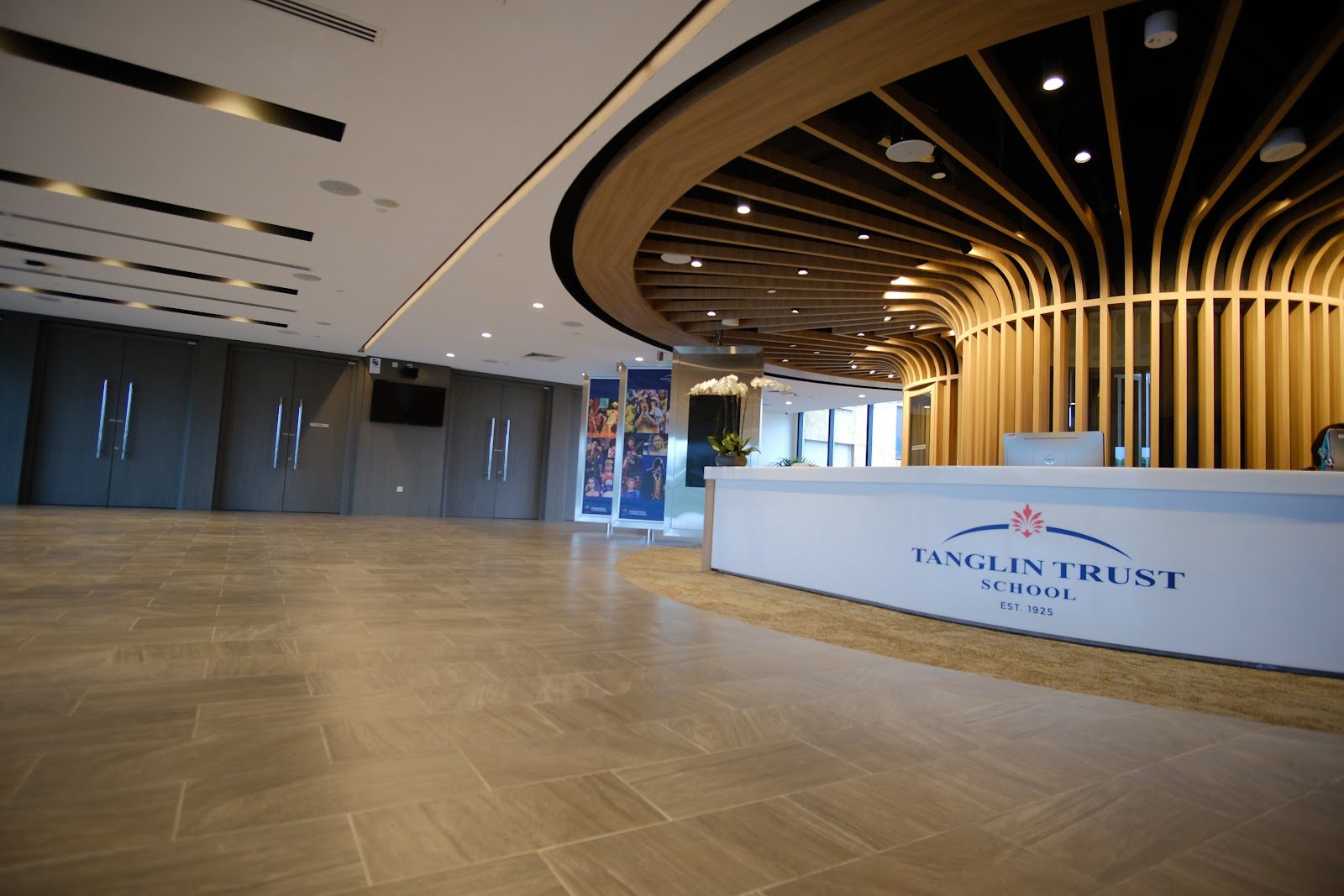
Tanglin Trust School
Singapore · Singapore
Southeast Asia's oldest British school pairs IB with A-Levels, then sends every Year 9 to the Australian bush for five weeks.
Same country and curriculum — closest matches within ±10 points either way