
West Bengal
St. Xavier's Collegiate School
low confidence· 6/6 cats · 0 avg sourcesFounded on Park Street in 1860, this Jesuit day school ties a 'Nihil Ultra' ethos to rare annual exchanges with Ireland and China.
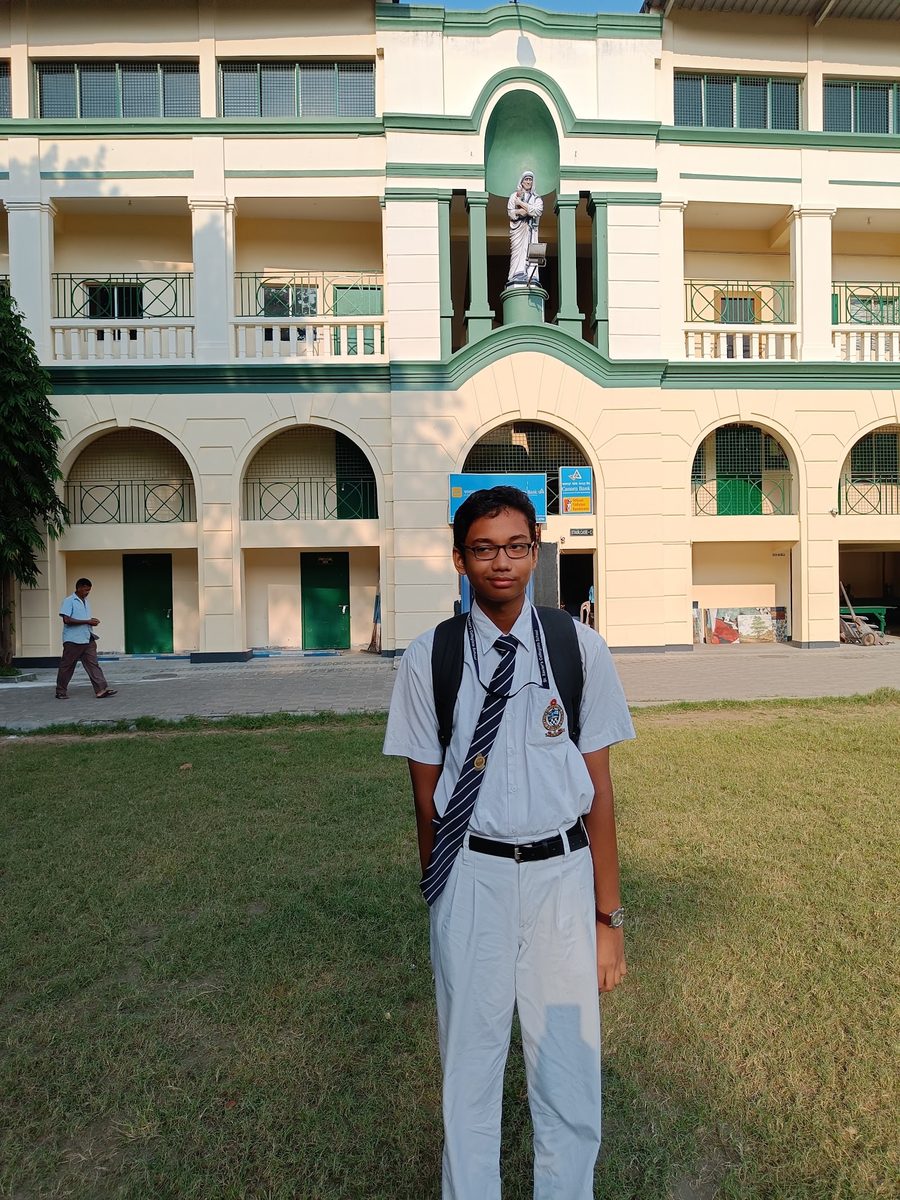
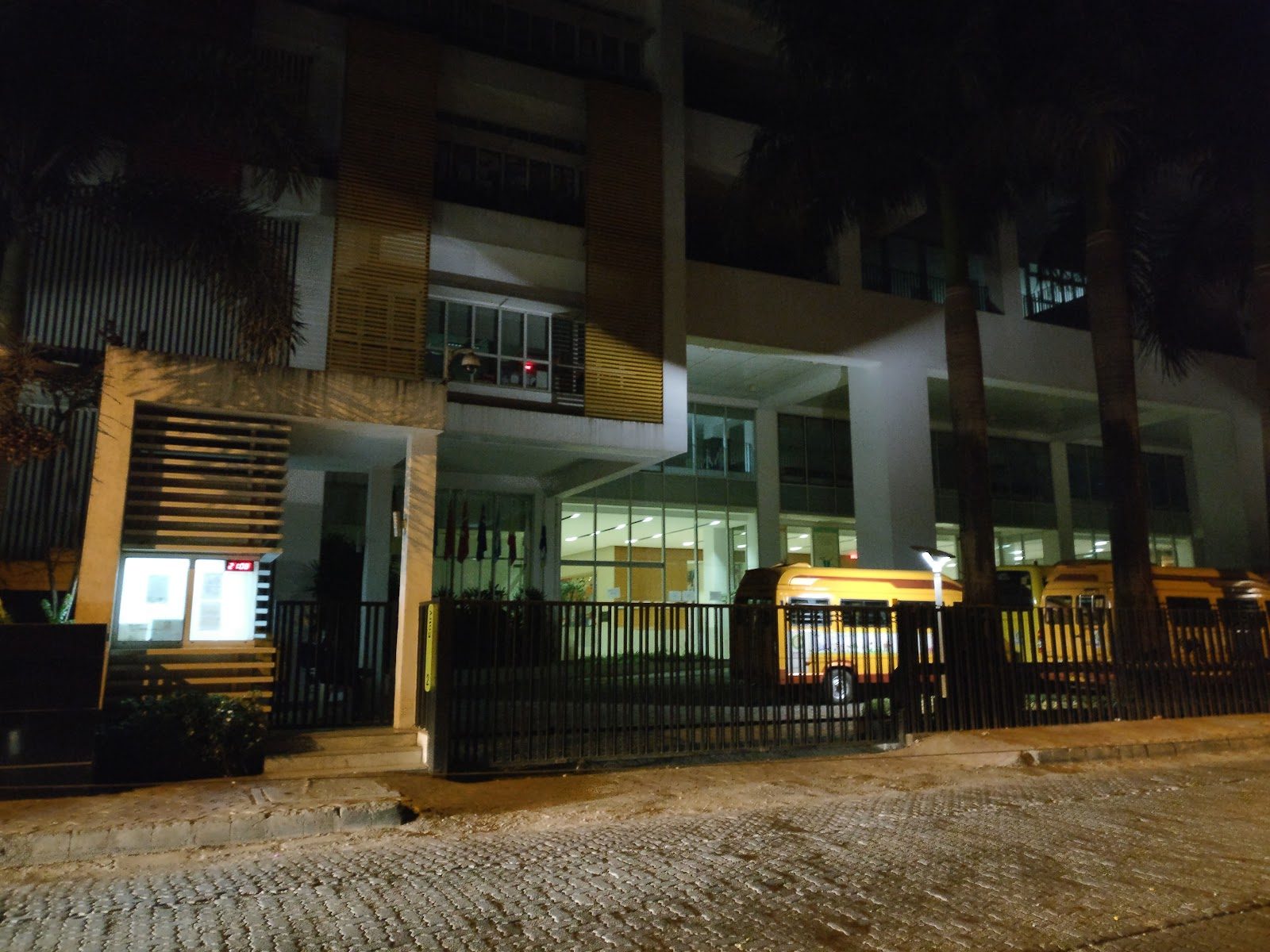
Photo © SOURAV PAL via Google Maps
Type
Day
Ages
5–18
Curriculum
ISC (CISCE)
Ratio
20:1
The Verdict
Editor's commitment
Right for
Boys who want a day school with real history: founded in 1860, 2,300 students, English-medium, and ISC under CISCE.
Wrong for
Girls, families wanting boarding, or anyone expecting a progressive small-school feel: this is boys-only, day-only, with 40 pupils per class.
Watch out for
The 20:1 ratio and average class size of 40 tell the story: scale matters here, and individual attention is not the selling point.
Ranking breakdown
St. Xavier's Collegiate School · # of 1591
Composite score 72.2. 8 weighted criteria.
By criterion
Academic Outcomes
Weight 20%
#335
of 1533 scored
University Placement
Weight 16%
#354
of 1529 scored
Prestige & Heritage
Weight 12%
#373
of 1580 scored
Alumni Network
Weight 12%
#230
of 1530 scored
Facilities
Weight 12%
#647
of 1540 scored
Transparency & Communications
Weight 8%
#512
of 1547 scored
Peer & Industry Review
Weight 10%
#524
of 1564 scored
Admissions Selectivity & Demand
Weight 8%
#266
of 1529 scored
Peer & Industry Review
How St. Xavier's Collegiate School is regarded in the sector
88
Strong · medium confidence
St. Xavier's Collegiate School Kolkata is one of India's oldest and most consistently referenced elite schools, regularly appearing in national media (Times of India, Telegraph India) 'best schools in Kolkata/India' rankings, and is widely cited for its distinguished alumni network including business leaders, scientists, and politicians. Its Jesuit heritage and century-plus history give it strong peer and press recognition within Indian education circles, though it lacks the international directory presence (Tatler, Good Schools Guide) that would place it in the absolute top global tier.
Evidence sources
Editors' overview
St. Xavier’s Collegiate School occupies rare ground in Kolkata: an old, high-status boys’ day school with real institutional memory and none of the imitation grandeur that newer campuses try to manufacture. Founded in 1860 on Park Street, it belongs to the city’s educational establishment and has the confidence that long survival brings. The school runs the ISC (CISCE) curriculum in English for ages 5 to 18, with around 2,300 students and a stated student–teacher ratio of 20:1. Parents need to read one detail clearly: this is a large, traditional school, not a boutique operation. Average class size sits at 40, which sets limits on individual attention but also signals a culture built around independence, pace and self-management. Old-school seriousness, institutional weight and a hard-earned academic identity define the place.
What sets it apart is not novelty but pedigree. St. Xavier’s has the pull of a school that has mattered for generations, and that still carries a recognisable internal code: discipline, competition, public standards and the expectation that boys rise to them. The editorial tagline’s “Nihil Ultra” ethos matters here; the appeal lies in high expectations without fuss. This is not the school for parents shopping for therapeutic hand-holding, hyper-curated personal pathways or lavish campus theatre. It is the school for families who value discipline with purpose, established reputation and the social confidence that attaches to a long-standing Jesuit institution, even if the listing here identifies the school’s religion as non-religious. The annual exchanges with Ireland and China add a useful international note, but they are a complement, not the core offer.
Why shortlist it? Because in a crowded market, St. Xavier’s offers something difficult to replicate: prestige with history, durable academic credibility and the network effects of one of Kolkata’s best-known schools. It suits boys who can thrive in a structured, competitive environment and do not need constant pastoral choreography to stay on course. The right student is bright, resilient, comfortable in large classes, and willing to earn his place rather than be endlessly reassured into it. For that child, St. Xavier’s offers a serious education in a serious setting.
Academic Performance
St. Xavier’s trades on academic reputation, but reputation is not the same as published performance data. The school does not disclose aggregate board results, subject averages, top-score distributions or university destinations in the public domain. That matters. In a market where many schools use exam outcomes as their sharpest proof point, this level of opacity leaves parents relying on legacy status and local word-of-mouth rather than hard comparative evidence. The academic proposition still reads as serious, exam-facing and demanding: a large boys’ school, around 2,300 students, with classes averaging 40, does not manufacture results through boutique coddling. It depends on pace, competition and a culture in which boys are expected to keep up.
Relative to peers, St. Xavier’s sits in the bracket of old-guard academic schools whose standing rests on long-established credibility rather than glossy data dashboards. That gives it cachet, but it also invites scrutiny. Parents comparing it with more transparent ISC competitors will find less to audit. The school’s scale and entrenched reputation point to a substantial pool of able pupils and a strong internal academic hierarchy; they do not, on their own, prove current top-tier board performance. The honest conclusion is clear: St. Xavier’s retains institutional academic heft, but its external-results story is under-published and harder to verify than the market leaders that publish numbers openly.
Facilities
Facilities are not St. Xavier’s main sales pitch, and parents should read that correctly. This is a long-established urban school, not a landscaped edge-of-city campus built to impress on an open day. Publicly available detail on specialist spaces is sparse, which itself tells you something: the school trades on teaching, discipline and institutional culture, not on a catalogue of premium amenities. With a student body of around 2,300 and average classes of 40, the practical test for facilities is capacity. In schools at this scale, the important question is not whether there is a glossy makerspace or black-box theatre, but whether core classrooms, assembly areas, sports provision and circulation spaces function efficiently enough for a large daily operation. St. Xavier’s reads as functional rather than showy, high-traffic and tradition-bound.
Against peer schools in the upper tier of Kolkata’s independent day market, that puts it at a clear contrast with newer campuses that use expansive grounds, airier sports complexes and purpose-built arts blocks as part of the offer. St. Xavier’s advantage lies elsewhere: centrality, institutional density and a school plant geared to routine rather than spectacle. Families wanting polished contemporary infrastructure or broad, resort-style co-curricular space will find stronger options among newer competitors. Families content with a workmanlike physical environment, where facilities serve a serious academic day rather than define it, will not see that as a flaw. The likely reality is solid essentials, limited flourish, and less physical glamour than the school’s reputation might imply.
The school does not disclose aggregate board results, subject averages, top-score distributions or university destinations in the public domain
Prestige
St. Xavier’s carries real prestige. Not the new-money version built on glass atriums and branding, but the older, more durable kind that comes from deep civic recognition, selective social pull and generations of families who treat the name as a marker of attainment. In Kolkata, this is a school title people know without explanation. That matters. Prestige in schooling rests on who wants in, who stays loyal, and how far the name travels in professional and social circles. On that test, St. Xavier’s ranks high. Its Jesuit origins add further weight: Jesuit schools still command respect in India because they have a long record of discipline, academic seriousness and institutional continuity. A pupil body of around 2,300 also gives the school scale and alumni reach that smaller rivals cannot match.
That prestige is not spotless. The school’s public case relies heavily on history, reputation and inherited standing. It does not publish the kind of outcome data that would let parents test whether its present-day performance fully matches its elite reputation. So the rating here is high, but not unqualified. St. Xavier’s offers *status that is earned socially before it is evidenced statistically*. For many families, that remains enough: the badge still carries old-calibre authority, and the school retains the pull of an institution that has shaped male educational ambition in the city for a very long time.
Founded in 1860 on Park Street, it belongs to the city’s educational establishment and has the confidence that long survival brings
Communications
Parent communication reads as institution-first rather than parent-first. The school has the profile and confidence of an old major boys’ institution, and schools in that mould tend to communicate on their own terms: notices, schedules, requirements and instructions, delivered clearly but without much softening or explanatory packaging. That fits the broader culture here. With a student body of about 2,300 and classes of 40, communication needs to be orderly and standardised; there is no practical route to highly personalised messaging at that scale. Parents who want frequent reassurance, rich progress dashboards or polished narrative updates on every aspect of school life will find the model spare, formal and unindulgent.
Effectiveness depends on what a family expects. For operational matters, the school’s communication is strong when it is direct: large traditional schools survive on routine, and routine requires messages that are timely, legible and authoritative. The weakness lies in transparency. The school does not publish enough hard academic outcome data, and that same reserve carries into the parent-facing picture. Communication here is built to inform and instruct, not to court or charm. Some families will value that old-school clarity. Others will read it as opaque and distant. The right conclusion is that St. Xavier’s communicates adequately for administration, but less well for the modern parent demand for visibility, context and evidence.
Uniqueness
What marks St. Xavier’s out is the combination of Jesuit institutional discipline with a school listing that calls it non-religious, inside one of the city’s most socially recognisable boys’ schools. That produces a distinctive culture: high expectations, ritual, hierarchy and collective identity without the softer, lifestyle-led framing now common in many independent schools. The motto-driven “Nihil Ultra” idea is not decorative branding; it points to a school that prizes endurance, standards and earned standing. For students, that brings a clear benefit: boys learn to operate in a system bigger than themselves, where self-command, punctuality and public accountability matter. With roughly 2,300 pupils, that culture also has reach. It gives students access to a large peer network and the confidence that comes from belonging to an institution with real civic weight.
The annual exchanges with Ireland and China add a second point of difference. They do not turn the school into an international campus, but they do puncture the inwardness that old urban boys’ schools can drift into. That matters. In a setting this tradition-bound, even limited overseas engagement broadens horizons and tests adaptability. The result is a school that offers more than academic sorting: it socialises boys into discipline, competition and institutional loyalty, while giving them occasional contact with lives beyond their own immediate milieu. For the right student, that mix is formative, demanding and hard to imitate.
The school runs the ISC (CISCE) curriculum in English for ages 5 to 18, with around 2,300 students and a stated student–teacher ratio of 20:1
Student Profile
The boys who do well here are the ones who do not need school to revolve around them. This is a large, socially visible institution with average classes of 40 and a clear pecking order. A child who needs constant affirmation, heavy pastoral cushioning or endless negotiation with authority will grind against the culture. A boy who can absorb pressure, read expectations quickly and take his place in a competitive group will fit. The school suits students who are comfortable being one among many, who can recover from sharp correction, and who do not confuse firmness with hostility. It is not for the fragile, not built around hand-holding, and strong on self-command.
There is also a distinct social type that thrives here: boys with stamina, humour, appetite for rivalry and enough confidence to handle a public culture where standards are visible and comparison is unavoidable. The Jesuit inheritance still matters in tone, even with the listing’s non-religious designation; the school rewards discipline, punctuality and respect for institutional rules. Families who want a hard-edged traditional schooling for sons who can earn standing inside a demanding system will find a strong match. Families seeking a softly personalised environment, expansive emotional scaffolding or an explicitly progressive culture should look elsewhere. The best fit is the boy who is resilient, competitive and unflustered — and who will treat the school’s demands as fuel rather than friction.
Parents need to read one detail clearly: this is a large, traditional school, not a boutique operation
Co-curricular strengths
Arts & sport, on a separate axis
Overall 7.36/10
Scored 0-10 from the school's own published evidence. This axis is editorial-only — it does not feed the main WTS ranking.
Sports
7.5/10
Drama
7.8/10
Dance
6.5/10
Music
7.5/10
Visual Arts
7.5/10
Strengths
- +Founded in 1860 by Belgian Jesuits led by Fr. Henri Depelchin, making it one of the oldest continuously run schools in eastern India.
- +Alumni include Nobel laureate Rabindranath Tagore, physicist Jagadish Chandra Bose, former West Bengal Chief Minister Jyoti Basu, diplomat-politician Shashi Tharoor, and cricketer Sourav Ganguly.
- +Runs international student exchange programmes with Irish and Chinese partner institutions, unusual among CISCE day schools in Kolkata.
- +Offers a full range of sports and extracurricular infrastructure, including cricket, football, basketball and volleyball facilities alongside a library, science and computer labs.
- +Affiliated to CISCE for ICSE and ISC examinations, giving continuity of curriculum from the primary years through Class XII.
Considerations
- −Boys-only institution, so it is not an option for families with daughters or those seeking co-education.
- −Regular admission is effectively restricted to LKG and UKG; entry into Classes 1-8 depends on rare vacancies, and Class XI placement is at the Principal's discretion based on prior academic record.
- −Average class size is around 40 students, larger than many international-curriculum peers.
- −Single national curriculum track (ICSE/ISC) rather than an internationally transferable framework such as IB or Cambridge, which may matter for families expecting to relocate again.
Availability
Primary entry gate & tests
Entrance Test (Boys)
Gallery
Photo © Sanchari Ghosh via Google Maps
Photo © Ahtesham Alam via Google Maps
Photo © Daya Sagar Rao via Google Maps
Photo © Indradip Roy via Google Maps
Photo © Kumarjeet Atarthy via Google Maps
Photo © Nikhil Anthony Tesra via Google Maps
Photo © Subhadip Poddar via Google Maps
Photo © Subhadip Poddar via Google Maps
Photo © Rajdeep Dutta via Google Maps
Parent reviews
Have you sent your child here?
Voice reviews carry the strongest trust badge — we transcribe them for you to tidy up before they go live. Prefer to type? A written review is fine too.
Add your voice
In 60 seconds, tell other parents: what's the best thing about St. Xavier's Collegiate School, and what surprised you when your child joined?
We ask for a Google sign-in so every review has a real face behind it — no anonymous drive-by attacks on schools, and no faked positive reviews. Your email is never shown publicly.
Send this profile to a friend
International parents rely on word-of-mouth. Share this review with someone weighing the same decision.
Schools with places
Similar schools to St. Xavier's Collegiate School with places available now.
UWC Mahindra College
Pune · India
- 2026-27
- CLOSEDStandard route closed
- 2027-28
- WAITPOOLVaries by National Committee
Dhirubhai Ambani International School
Mumbai · India
- 2026-27
- WAITPOOLVacancy-dependent
- 2027-28
- WAITPOOLEnquiry/app live (Dates TBC)
American Embassy School
New Delhi · India
- 2026-27
- WAITPOOLSpace-dependent
- 2027-28
- PLACES OPENRolling
Oberoi International School
Mumbai · India
- 2026-27
- WAITPOOLSpace-dependent
- 2027-28
- PLACES OPENRolling
Availability first, then country, area, curriculum, price, co-curricular
Consider also
Also worth looking at alongside St. Xavier's Collegiate School.
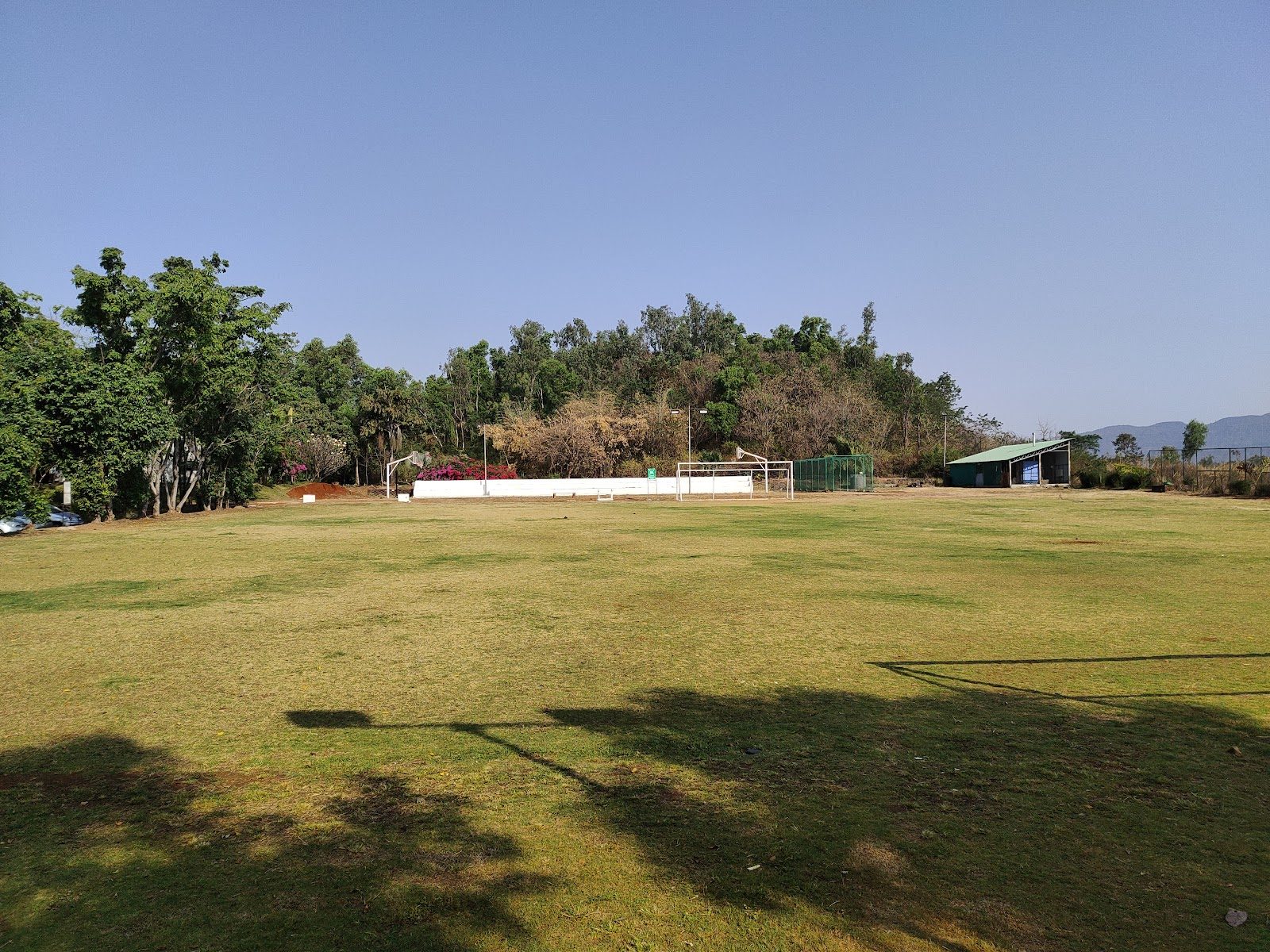
UWC Mahindra College
Pune · India
South Asia's only United World College, its 170-acre Western Ghats campus reforested tree by tree by its own students.
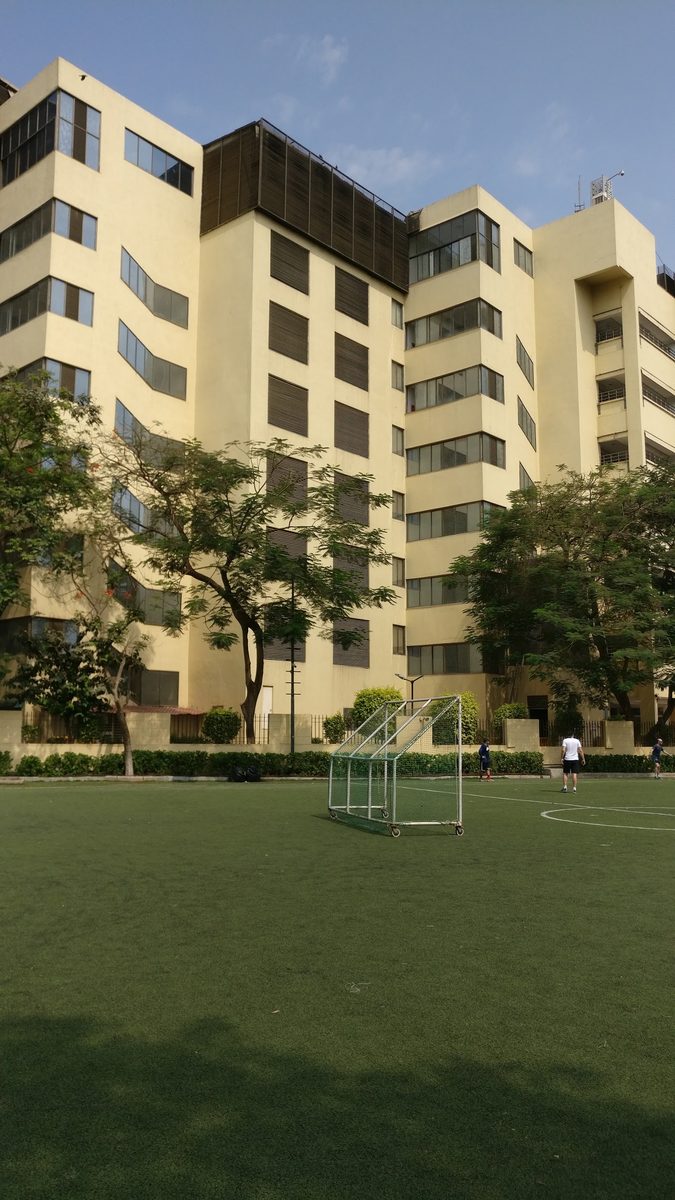
Dhirubhai Ambani International School
Mumbai · India
In the heart of Bandra-Kurla Complex, three curricula converge to produce some of India's highest IB Diploma averages.
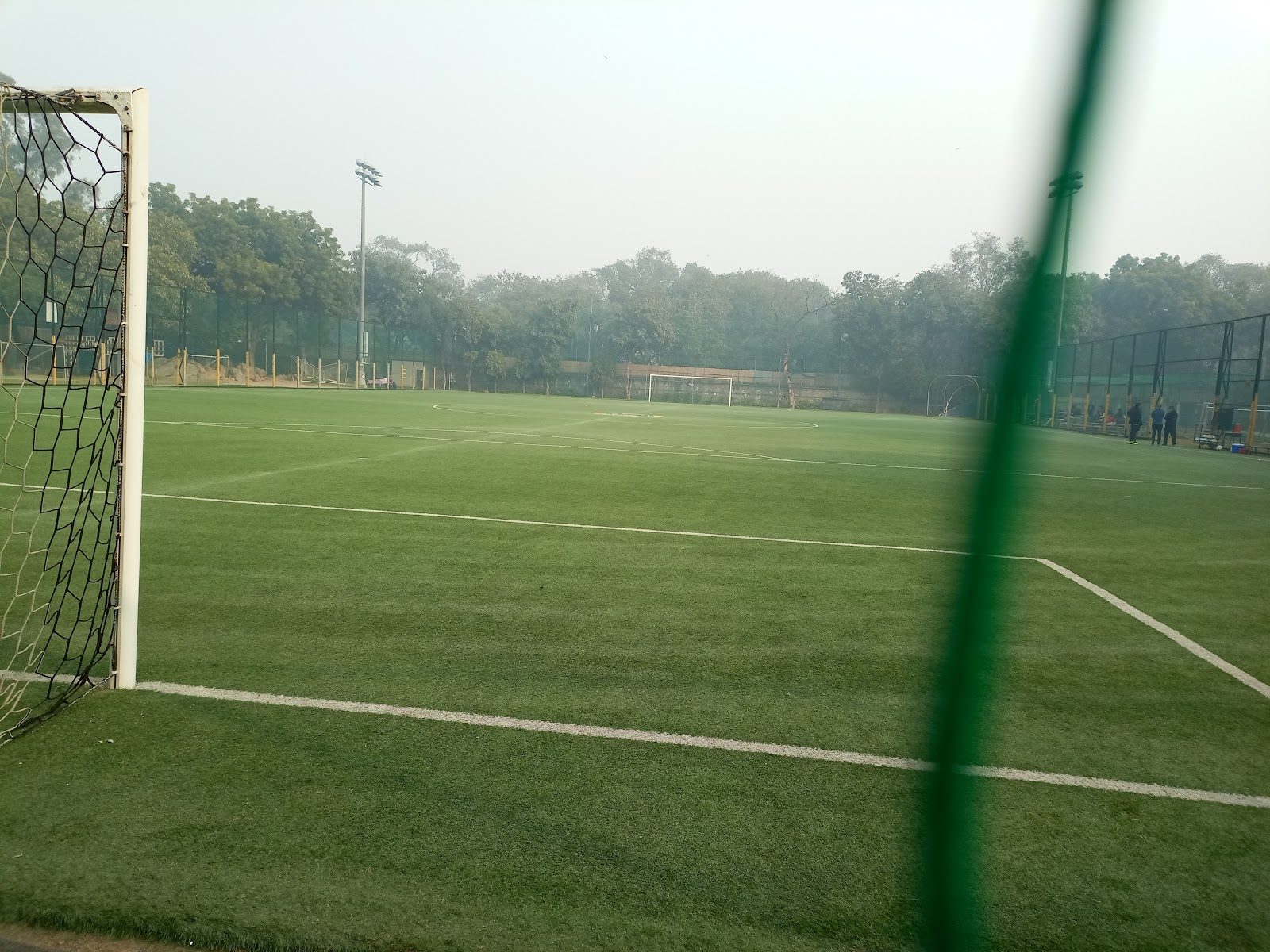
American Embassy School
New Delhi · India
Beside the U.S. Embassy in Chanakyapuri, a Joseph Stein-designed campus mixes American college prep with IB rigor for over 70 nationalities.
Oberoi International School
Mumbai · India
A full IB continuum from Nursery to Diploma, spread across twin Goregaon campuses inside Mumbai's Oberoi Garden City enclave.
Same country and curriculum — closest matches within ±10 points either way