
California
A century-old Irving Gill campus steps from the Pacific, where tradition still bars the quad before noon.
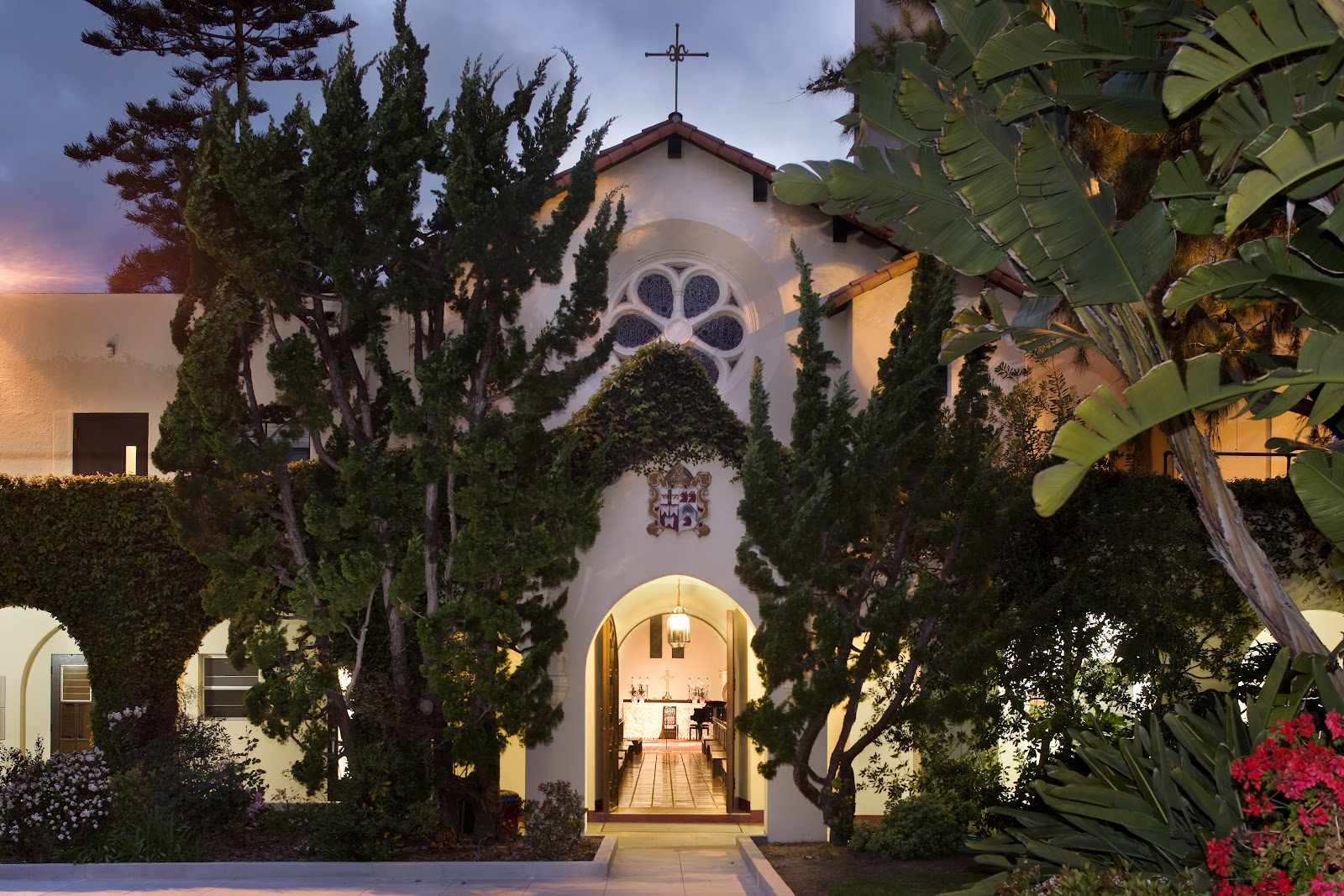
Photo © The Bishop’s School via Google Maps
Type
Day
Ages
11–18
Curriculum
American
Qualifications
AP
Ratio
9:1
The Verdict
Editor's commitment
Right for
Families who want a serious 11–18 American day school with a 9:1 ratio, NEASC and NAIS accreditation, and a La Jolla address.
Wrong for
Parents seeking boarding, religious formation or lower-cost private schooling; Bishop's is non-religious, day-only, and averages $52,500 a year.
Watch out for
Founded in 1909, Bishop's trades on old-school discipline; the quad-before-noon rule captures a culture some teenagers will reject.
Ranking breakdown
The Bishop's School · # of 1591
Composite score 77.1. 8 weighted criteria.
By criterion
Academic Outcomes
Weight 20%
#147
of 1529 scored
University Placement
Weight 16%
#136
of 1529 scored
Prestige & Heritage
Weight 12%
#206
of 1571 scored
Alumni Network
Weight 12%
#139
of 1530 scored
Facilities
Weight 12%
#246
of 1534 scored
Transparency & Communications
Weight 8%
#153
of 1532 scored
Peer & Industry Review
Weight 10%
#234
of 1548 scored
Admissions Selectivity & Demand
Weight 8%
#180
of 1529 scored
Score history
The Bishop's School · 2026
Movement across 2024–2026. Peer average overlaid.
Overall — 2024–2026
77.1/ 100
▲ +22.8 vs 2025
year on year
Peer & Industry Review
How The Bishop's School is regarded in the sector
68
Respected · medium confidence
The Bishop's School is consistently ranked among the top private high schools in California and San Diego by Niche.com and Best Colleges rankings, and is noted in regional 'best schools' coverage for its rigorous academics and strong college matriculation record. It has a recognizable regional reputation and notable alumni (including Hollywood figures and scientists), but it lacks the broader national or international press coverage seen in top-tier lists like Tatler or Sunday Times School of the Year.
Evidence sources
Editors' overview
The Bishop’s School trades on something rarer than glossy innovation: institutional confidence. This is a day school for ages 11 to 18, founded in 1909, on a La Jolla campus with real architectural and geographic pull. It sits in the American college-prep tradition, teaches in English, and runs at a 9:1 student-teacher ratio. That ratio matters, because Bishop’s sells close adult attention as much as academic ambition. The school’s own language leans hard on well-being, belonging and faculty care; stripped of the sentiment, the proposition is clear enough. Bishop’s wants high-performing adolescents who can handle pressure, contribute in class and respond to a culture of serious expectations without needing constant hand-holding.
What puts it on a shortlist is the combination of age, setting and selectivity of feel. A century-old independent school near the Pacific has an advantage that newer American day schools cannot manufacture: ritual, continuity and a built-in sense of place. The tagline’s detail that tradition still bars the quad before noon tells you a lot. Bishop’s values order, inherited custom and a visible code of conduct. For some families that reads as civilising structure; for others it will feel austere. Either way, this is not a loose, progressive campus where teenagers negotiate every boundary. It is a school with old-school discipline in the bloodstream, backed by NEASC and NAIS accreditation and a fee level that places it firmly in the US private-school top tier: an average of $52,500 a year across the full age range.
The right student for Bishop’s is bright, articulate, organised and socially adept. The head’s account of senior advisory lunches puts unusual weight on discussion, candour, collaboration and disagreeing without drama. That points to a school that prizes polished classroom behaviour and verbal confidence, not just raw scores. Children who want anonymity, reinvention through scale, or a more experimental educational style will find the atmosphere tight-grained. Children who want strong adult oversight, a compact community and a high-control, high-support environment will thrive. The alumni floor in Wikidata — 30 notable names, including writers, actors/directors and elite athletes — adds one useful signal: Bishop’s has produced graduates with range, not just a conveyor belt of conventional academic winners.
Academic Performance
Bishop’s does not publish aggregate AP, SAT or ACT results in the public domain, and that matters. For a US college-prep school charging at this level, outcome reporting is part of the job. The absence of a clear results dashboard leaves parents without the hard comparative data that many peer independents use to prove academic strength. That does not indict the teaching, but it does make external scrutiny weaker and forces families to lean on reputation, selectivity and university placement rather than published score distributions. In a market crowded with schools eager to advertise medians, subject distinctions and matriculation lists in detail, Bishop’s keeps its academic hand close to its chest.
Relative to peers, that places the school in an opaque category on exam disclosure, not in a weak one. The available signals still point to a demanding academic culture: a low staffing ratio, a long-entrenched college-prep model, and a student body trained to speak with confidence and intellectual control. That profile fits a school that expects students to perform strongly in advanced coursework and to convert classroom discipline into selective college admissions. But until Bishop’s publishes school-wide external results, parents cannot test that proposition against the bluntest benchmark. For academically ambitious families, this is the central caveat: the school projects high standards; it does not publicly quantify them.
Facilities
The physical asset here is the campus itself: an Irving Gill school by the Pacific, with the kind of architectural coherence and location that most American day schools cannot buy after the fact. That matters because setting shapes atmosphere. Bishop’s gains a ceremonial gravity from its historic fabric and from routines that treat the grounds as ordered space rather than casual hangout. For families comparing polished urban independents or large suburban campuses, this will read as distinctive rather than expansive. The trade-off is clear. You do not choose Bishop’s for sprawling acreage, agricultural land, forest-school theatrics or a resort-style sports village. You choose it for a compact, high-prestige campus with genuine identity.
Against peers, that places Bishop’s in a strong but narrow facilities bracket. The school benefits from small-school intimacy and close adult access, backed by a 9:1 ratio, but parents should not expect the sheer volume of specialist buildings that the biggest US prep schools use to impress on tours. What counts more here is fit and finish, day-to-day usability and the advantage of a campus that already carries cultural weight before a lesson starts. That can be hugely effective for adolescents who thrive in ordered, tradition-conscious surroundings. Families hunting for maximal scale, endless playing fields or a long menu of purpose-built centres will find richer hardware elsewhere. Bishop’s wins on character, not on brute facilities arms-race terms.
For families comparing polished urban independents or large suburban campuses, this will read as distinctive rather than expansive
Prestige
Bishop’s carries real social and academic cachet in the American independent-school world, and not by accident. Prestige here rests on three things: age, selectivity of atmosphere and the kind of students the school trains itself to produce. The school’s own messaging circles back to articulate, self-possessed seniors who can discuss, disagree and hold themselves well in a room. That is not empty varnish. In fee-charging college-prep circles, schools build status by turning out adolescents who are polished under pressure and legible to top universities, and Bishop’s fits that model squarely. The campus’s architectural pedigree and coastal setting add another layer of old-money confidence that many newer schools cannot imitate.
The prestige rating also draws strength from the alumni floor: 30 notable former pupils catalogued in Wikidata, spanning writing, screen and elite sport. That spread matters. It points to a school with cultural reach beyond pure test-taking. There is, though, a limit to the shine. Bishop’s does not publish the kind of aggregate external-results data that would let parents separate inherited reputation from measurable current performance. That weakens the case for top-tier academic prestige in hard statistical terms. So the judgement is clear: this is a high-status school with strong social recognition, a cultivated brand of seriousness and an alumni record that carries weight, but with *less academic transparency than the best operators in its bracket*.
That weakens the case for top-tier academic prestige in hard statistical terms
Communications
Bishop’s communicates in a controlled, top-down register that mirrors the school’s wider culture. The public voice is polished, coherent and unmistakably adult-led: the head’s letter sets the tone, foregrounding advisory lunches, faculty care and a tightly managed account of student experience. That gives parents a clear read on values and behavioural expectations. It also tells you what the school wants families to hear. What is missing is just as important. There is no hard public dashboard for academic outcomes, and that weakens communication where high-fee schools most need precision. For a school charging an average of $52,500 a year, warmth without metrics is not enough.
Effectiveness, then, is split. On ethos, Bishop’s is disciplined, self-possessed and consistent. Parents who want a school to articulate standards, tone and community norms will find the message crisp and easy to decode. On accountability, the communication is thinner. The school talks fluently about belonging, support and adolescent development; it says less in public about quantifiable performance. That imbalance matters because strong parent communication is not only about reassurance. It is about disclosure. Bishop’s handles the human side of the story well, but the informational side remains too guarded for a school with this profile and this price.
Uniqueness
What marks Bishop’s out is not novelty but institutional self-belief. Plenty of affluent day schools talk about care, belonging and student voice; Bishop’s ties those ideas to a highly codified adolescent culture in which conversation itself is a performance standard. The head’s account of senior advisory lunches is revealing. Students are expected to speak plainly, listen properly, disagree without theatrics and carry themselves with social polish. That is a specific educational product. Combined with the school’s unusually low 9:1 ratio and compact age range, it gives pupils sustained adult scrutiny during the years when habits harden fast. For the right child, that brings real gains: sharper judgement, better self-command and fluency in formal discussion long before university.
The other point of difference is the marriage of old-guard tradition with a very local sense of place. This is not a sprawling American prep machine insulated behind gates; it is a school whose architecture, routines and coastal setting create a high-control, high-status atmosphere with unusual force. The rule about the quad before noon captures that neatly. Small customs like that teach students that space carries meaning and that institutions can demand visible discipline. Some teenagers will find that tightened frame clarifying and even liberating: fewer ambiguities, clearer expectations, stronger communal rituals. Others will chafe. That divide is the point. Bishop’s has a distinct identity, and students benefit when a school knows exactly what it is.
Bishop’s communicates in a controlled, top-down register that mirrors the school’s wider culture
Student Profile
The pupils who fit Bishop’s best are adolescents with self-command, verbal confidence and a high tolerance for being known well by adults. This is not a campus built for coasting, hiding in the middle, or testing every rule on principle. The school’s own account of senior life puts weight on candour, collaboration and disagreeing with restraint; that points to students who can speak up without grandstanding, take criticism without melodrama and contribute to a room in a measured way. The low staffing ratio — 9:1 — sharpens that dynamic. Children who prefer distance from teachers, messy self-invention or a more anonymous social life will find the atmosphere close-textured and, at times, constricting.
The social fit matters as much as the academic one. Bishop’s suits families who want a high-expectation peer group and who do not mind a school culture that prizes poise, organisation and visible buy-in. It will reward students who are intellectually able, well mannered and ready to live inside a clear code, including traditions that carry real symbolic force. That does not require bland conformity; it requires judgement. Teenagers with edge, humour and independence can thrive here if they know when to deploy them. Pupils who need a looser environment, more room for eccentricity, or a less status-conscious adolescent culture will hit friction. In plain terms, Bishop’s works best for the composed, the coachable and the socially fluent.
Combined with the school’s unusually low 9:1 ratio and compact age range, it gives pupils sustained adult scrutiny during the years when habits harden fast
Co-curricular strengths
Arts & sport, on a separate axis
Overall 8.5/10
Scored 0-10 from the school's own published evidence. This axis is editorial-only — it does not feed the main WTS ranking.
Sports
9.2/10
Absolute athletic powerhouse in Southern California; fields historically dominant varsity water polo, tennis, and coastal sports squads.
Drama
8.5/10
High-quality seasonal theater tracker utilizing the comprehensive venues inside their performance complexes.
Dance
7.5/10
Offered as a dedicated afternoon co-curricular activity, providing strong choreography tracking for school events.
Music
8.5/10
Deeply institutionalized choral and string tracking modules feeding active regional touring groups and seasonal events.
Visual Arts
8.8/10
Highly structured fine art layout leaning heavily toward technical drawing, fine oils, and advanced portfolio mastery.
Editor-verified · 8/6/2026
Notable alumni · Wikidata
30notable alumni
5 historic (born pre-1930) · 13 modern (born post-1970)wikidata:2026-07-28 How we source this

WTS 300 badge
2025/26 editionThe Bishop's School is one of the World's Top 300 Schools for 2025/26. Claim your listing to add it to your site →
Strengths
- +Founded in 1909 by philanthropist Ellen Browning Scripps, giving the school over a century of institutional history in La Jolla.
- +Reported student-teacher ratio of 7:1 to 8:1 across roughly 800 students in grades 6-12, allowing for small class sizes.
- +Wall Street Journal recognized Bishop's in 2007 for high matriculation rates into a group of selective American colleges.
- +Historic 11-acre campus includes original buildings designed by noted architect Irving Gill, a pioneer of modern architecture.
- +Allocates more than $5.2 million annually in financial aid and ancillary support to about 20 percent of the student body.
Considerations
- −Day tuition sits in the high-$40,000s per year, placing it among the more expensive independent day schools in the San Diego area.
- −Mid-50% standardized test bands (SAT roughly 1360-1550) point to a competitive applicant pool, not a fit for average-achieving students.
- −Boarding was discontinued after the 1982-83 school year, so relocating or international families must arrange independent local housing.
- −Single urban campus with no satellite sites, meaning families outside easy commuting range of La Jolla face daily transport logistics.
Availability
Primary entry gate & tests
ISEE/SSAT + interview
Gallery
Photo © The Bishop’s School via Google Maps
Photo © The Bishop’s School via Google Maps
Photo © The Bishop’s School via Google Maps
Photo © The Bishop’s School via Google Maps
Photo © The Bishop’s School via Google Maps
Photo © The Bishop’s School via Google Maps
Photo © The Bishop’s School via Google Maps
Photo © The Bishop’s School via Google Maps
Photo © The Bishop’s School via Google Maps
Parent reviews
Have you sent your child here?
Voice reviews carry the strongest trust badge — we transcribe them for you to tidy up before they go live. Prefer to type? A written review is fine too.
Add your voice
In 60 seconds, tell other parents: what's the best thing about The Bishop's School, and what surprised you when your child joined?
We ask for a Google sign-in so every review has a real face behind it — no anonymous drive-by attacks on schools, and no faked positive reviews. Your email is never shown publicly.
Send this profile to a friend
International parents rely on word-of-mouth. Share this review with someone weighing the same decision.
Schools with places
Similar schools to The Bishop's School with places available now.
Castilleja School
Palo Alto · United States
- 2026-27
- CLOSEDRegular cycle
- 2027-28
- OPENS SOONOpens 1 Sept '26
Marlborough School (LA)
Los Angeles · United States
- 2026-27
- CLOSEDRegular cycle
- 2027-28
- OPENS SOONOpens Early Sept '26
Cate School
Carpinteria · United States
- 2026-27
- CLOSEDRegular cycle
- 2027-28
- PLACES OPEN
The Thacher School
Ojai · United States
- 2026-27
- CLOSEDRegular cycle
- 2027-28
- OPENS SOONOpens 1 Sept '26
Availability first, then country, area, curriculum, price, co-curricular
Consider also
Also worth looking at alongside The Bishop's School.
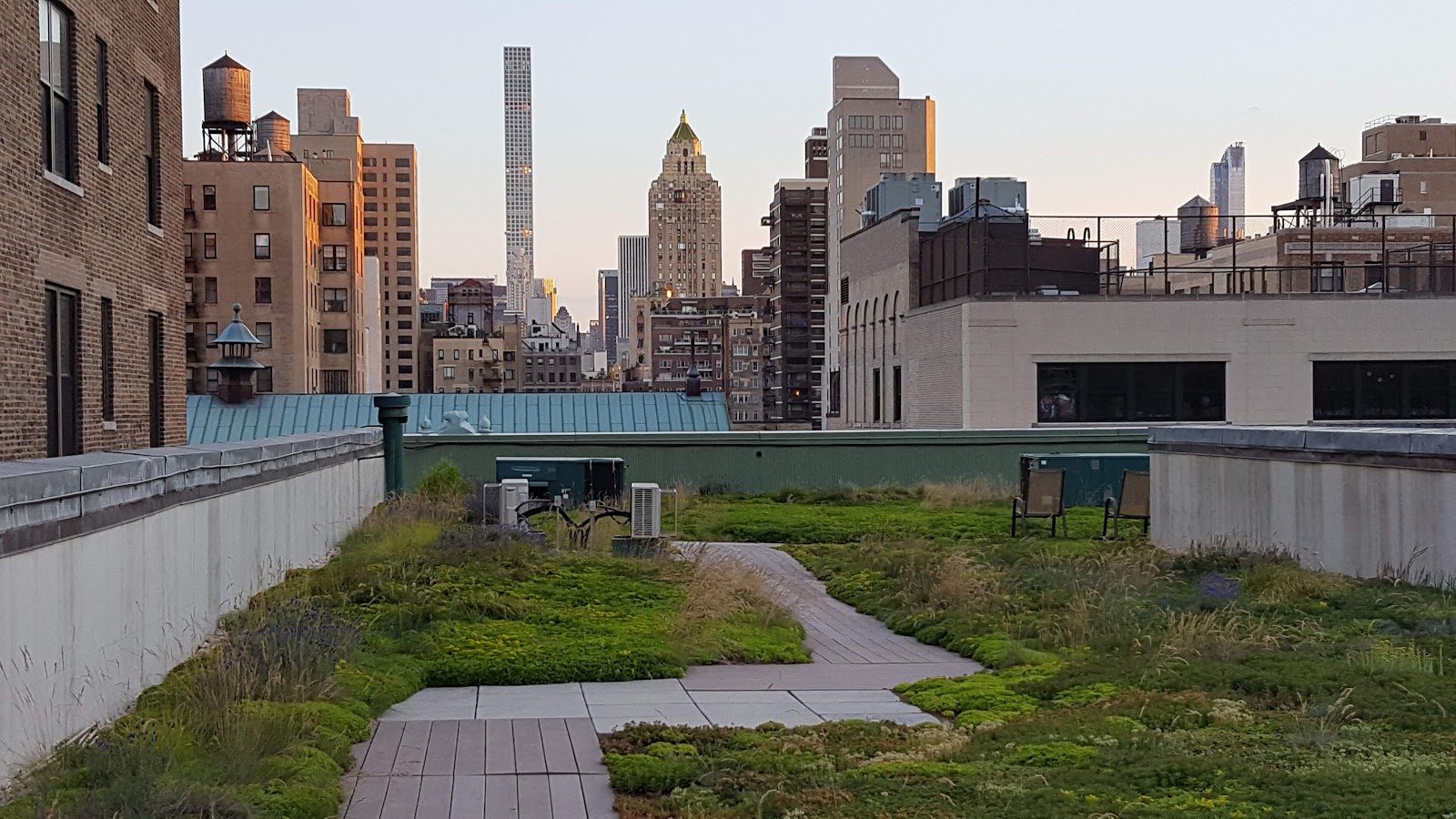
Regis High School
New York City · United States
The only tuition-free Jesuit high school in America, drawing scholarship boys from across New York for a merit-based education.
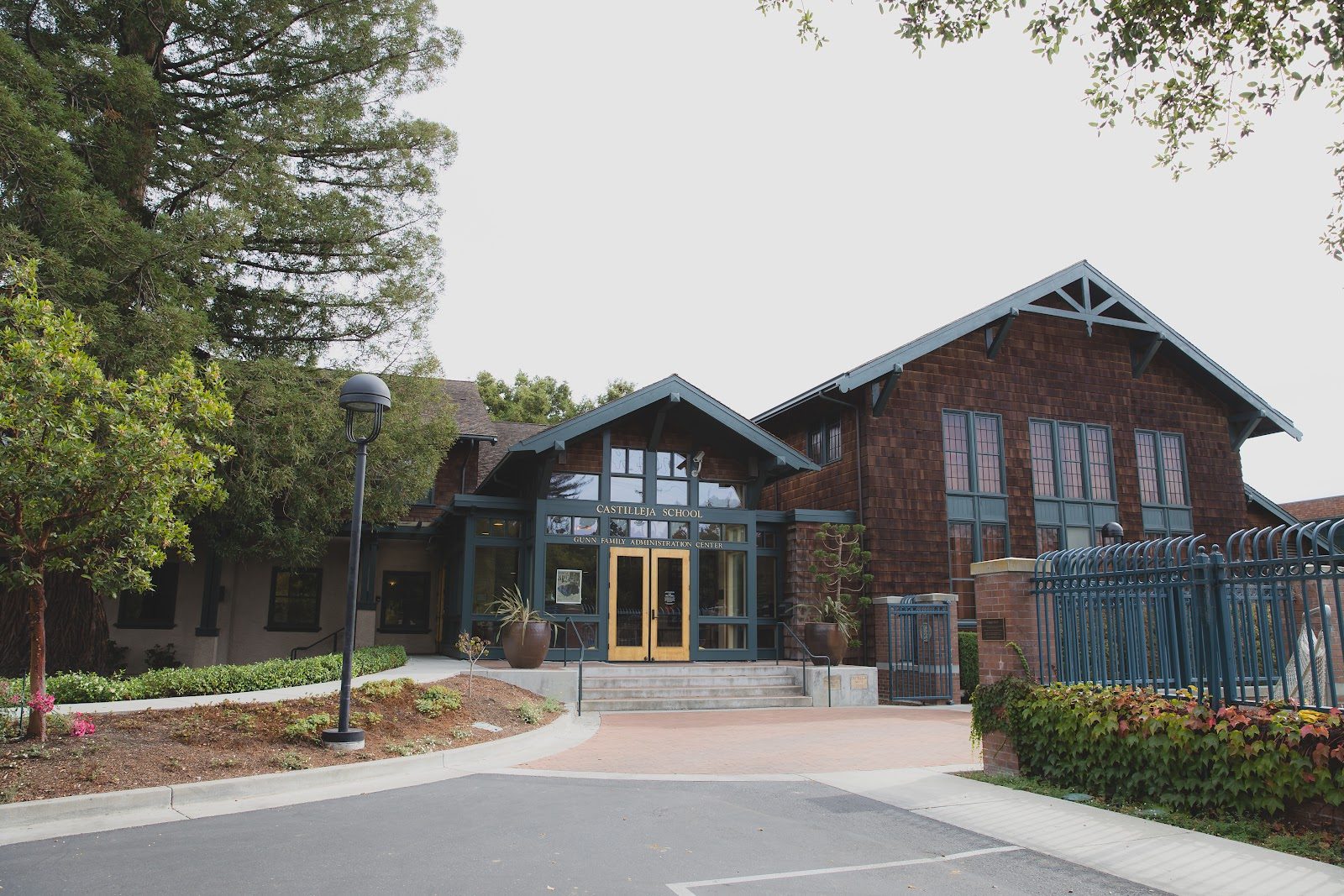
Castilleja School
Palo Alto · United States
The only nonsectarian all-girls campus in the Bay Area, pairing Stanford's front yard with a century-old leadership creed.
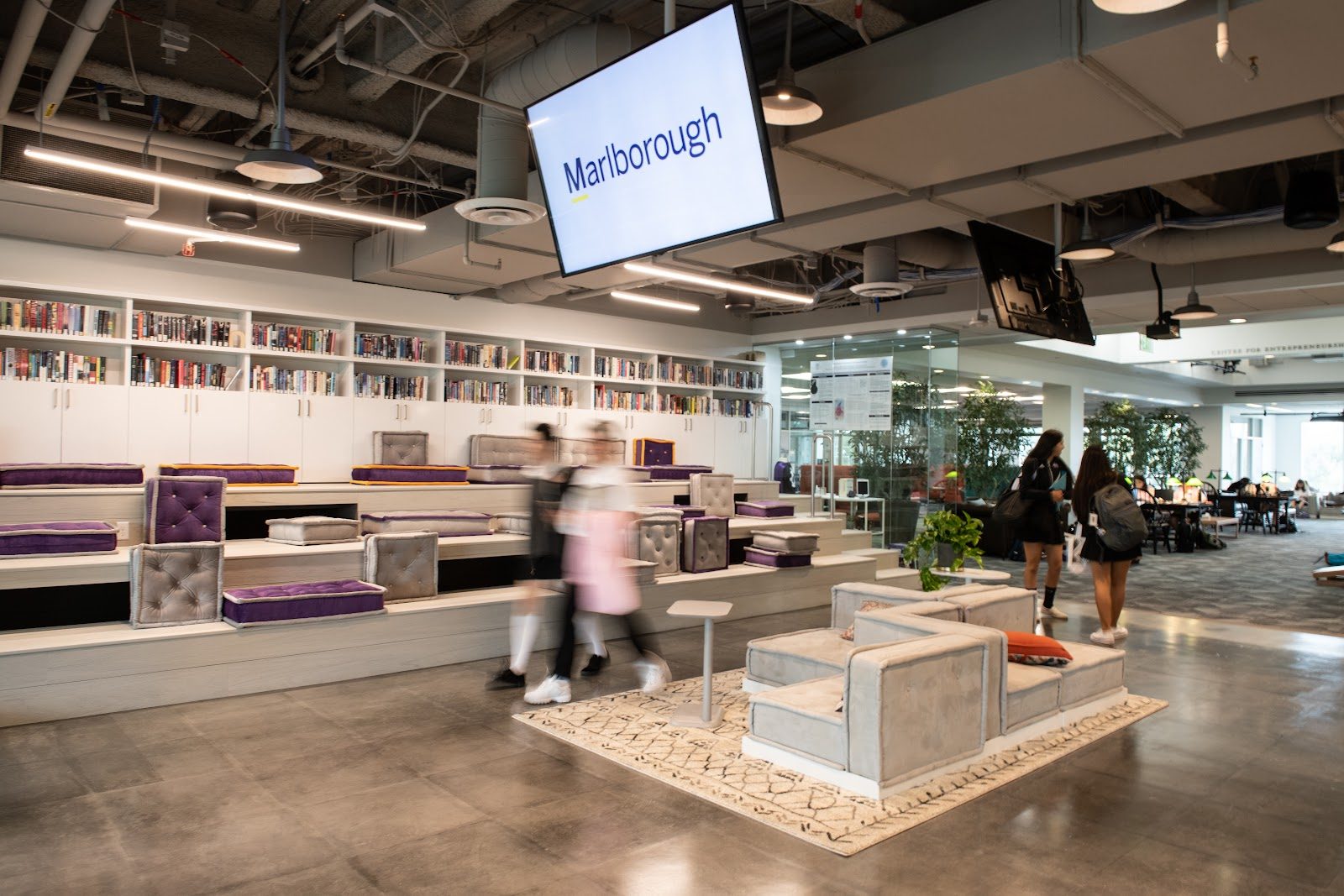
Marlborough School (LA)
Los Angeles · United States
Since 1889, this Hancock Park all-girls campus has paired a nationally recognized debate program with a first-of-its-kind Global Futures diploma.
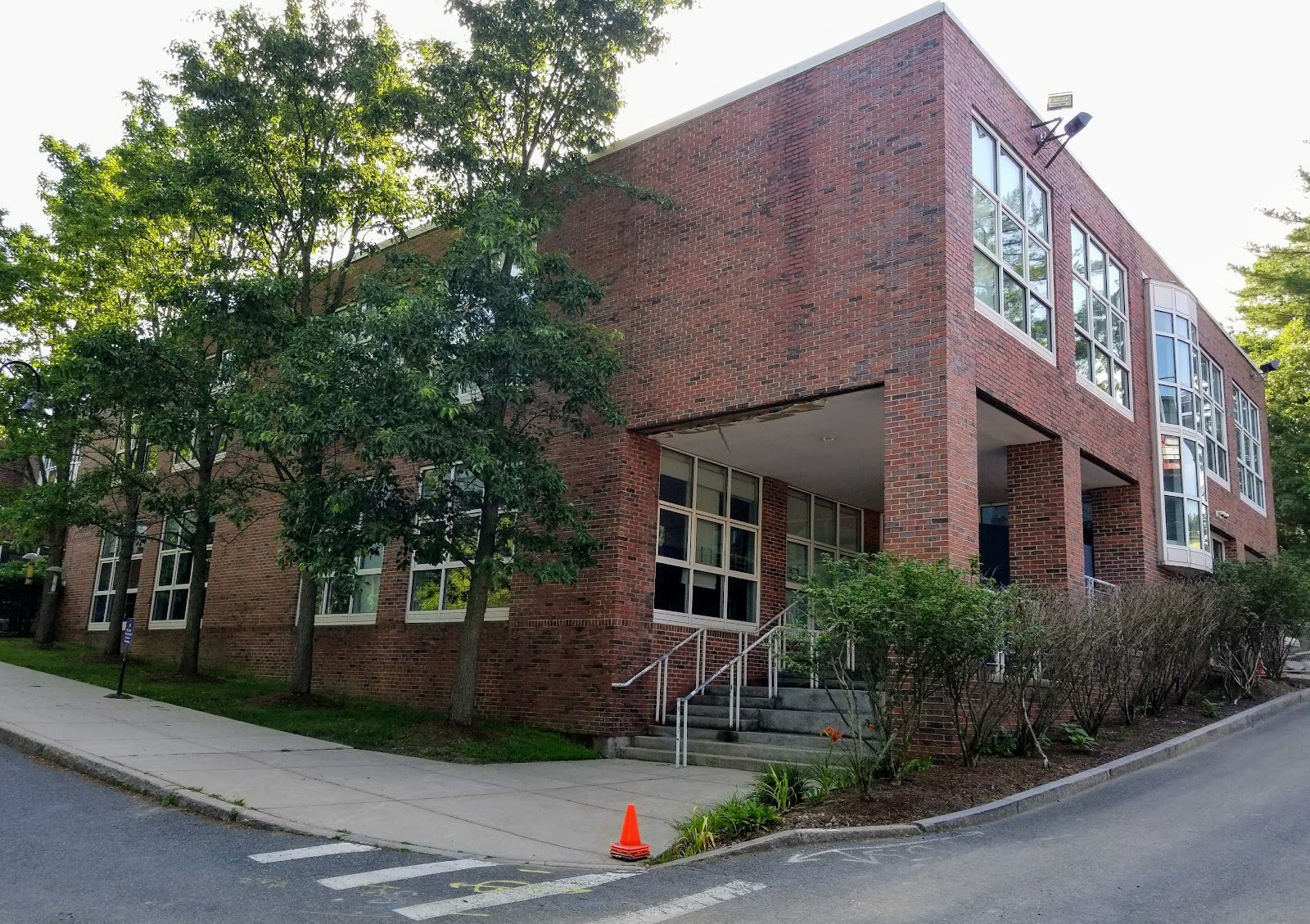
Noble and Greenough School
Dedham · United States
Founded in Boston in 1866, this Charles River campus pairs rigorous academics with hands-on EXCEL leadership training.
Same country and curriculum — closest matches within ±10 points either way