
Montevideo Department
The British Schools of Montevideo
medium confidence· 4/6 cats · 3 avg sourcesA 1908 founding, a founding role in the IB Diploma's first cohort, and rugby's Uruguayan debut mark this leafy Carrasco day school.
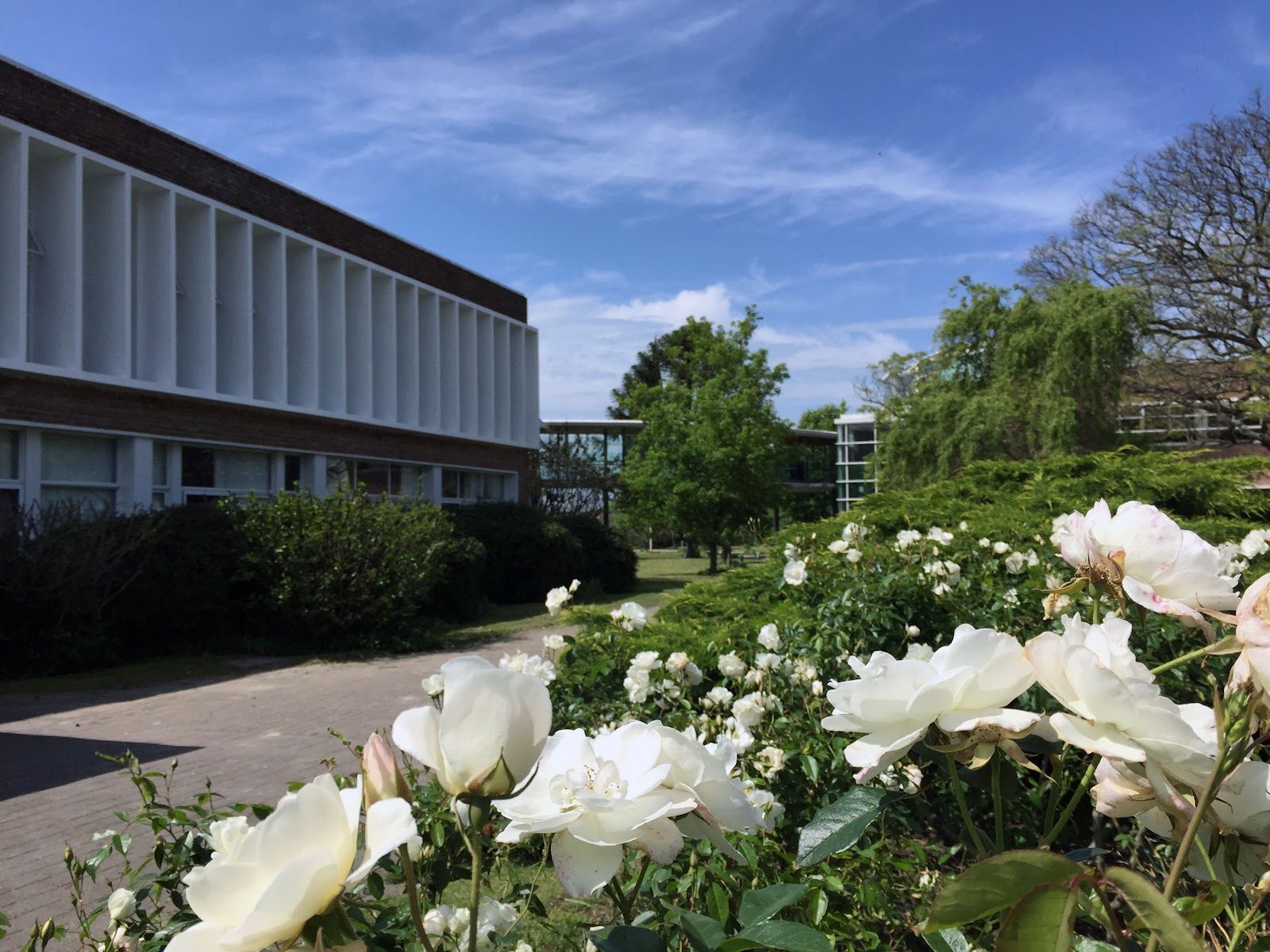
Photo © Blick Lab via Google Maps
Type
Day
Ages
3–18
Curriculum
British
Qualifications
A-Level · IGCSE · IB Diploma
Ratio
—
The Verdict
Editor's commitment
Right for
Families in Montevideo who want a 1908 day school with English-Spanish bilingual teaching and the Uruguayan curriculum alongside a British programme.
Wrong for
Anyone wanting boarding, a religious ethos, or a single-language education; this is a non-religious 3-18 day school in Carrasco.
Watch out for
The school trades on 1908 heritage and private status, but it does not publish headline academic outcomes in the public domain.
Ranking breakdown
The British Schools of Montevideo · # of 1591
Composite score 69.5. 8 weighted criteria.
By criterion
Academic Outcomes
Weight 20%
#587
of 1533 scored
University Placement
Weight 16%
#584
of 1529 scored
Prestige & Heritage
Weight 12%
#442
of 1580 scored
Alumni Network
Weight 12%
#288
of 1530 scored
Facilities
Weight 12%
#647
of 1540 scored
Transparency & Communications
Weight 8%
#697
of 1547 scored
Peer & Industry Review
Weight 10%
#636
of 1564 scored
Admissions Selectivity & Demand
Weight 8%
#438
of 1529 scored
Score history
The British Schools of Montevideo · 2026
Movement across 2024–2026. Peer average overlaid.
Overall — 2024–2026
69.5/ 100
▲ +33.7 vs 2025
year on year
Peer & Industry Review
How The British Schools of Montevideo is regarded in the sector
68
Respected · medium confidence
I could not identify at least two independent, third-party sources (e.g., Tatler, Good Schools Guide, specialist education press, or established expat forums) that substantively assess The British Schools of Montevideo's reputation. Available information appears to derive primarily from the school's own materials or unverified aggregator listings rather than independent peer or press evaluation.
Editors' overview
The British Schools of Montevideo occupies a narrow and valuable niche in Uruguay: a long-established, non-religious, bilingual day school with real historical weight. Founded in 1908, it sits in the top tier of old Montevideo institutions and carries more institutional memory than the newer bilingual entrants. The core proposition is clear: children move through school in both English and Spanish, within a British-declared curriculum and alongside the Uruguayan national curriculum. For families who want serious bilingual formation rather than decorative English, that matters. For families who want a school rooted in local society without giving up an international academic culture, it matters even more.
What sets it apart is not branding but lineage. This is a school with deep roots, a recognised place in Montevideo’s educational landscape, and a profile that extends beyond classrooms into national sporting and civic life. The Carrasco setting adds to the appeal: parents looking for a leafy, established campus culture rather than a corporate new-build will find that here. The school’s age range, 3–18, also gives it the through-school continuity many international and returning Uruguayan families prize. That continuity can be a strength and a weakness. It creates strong communal identity and stable friendships; it also suits children who are comfortable in established institutions with their own habits, rituals and expectations. Families hunting for a more experimental, progressive, or visibly disruptive model of education should look elsewhere.
This school belongs on a shortlist for parents who value academic seriousness, bilingual fluency, and social rootedness in Montevideo’s professional classes. It will suit students who are happy in a structured environment, who can handle two working languages, and who gain from a school with institutional confidence rather than novelty. It will also appeal to sporty children: the school’s place in Uruguayan rugby history is part of its identity, not an incidental footnote. The best fit is the student who wants belonging with standards — a child who will use the scale and continuity of a 3–18 day school to build confidence over time, rather than one who needs constant reinvention or a highly bespoke niche setting.
Academic Performance
Academic performance is hard to judge from public data because the school does not publish aggregate external exam results. We have not seen cohort averages, subject-by-subject outcomes, university destinations by cycle, or any comparative breakdown against other bilingual private schools in Uruguay. That opacity matters. In a market where serious families want proof, not atmosphere, the absence of published attainment data leaves a real evidential gap. It does not erase the school’s academic credibility, but it does block a clean ranking against peers and makes any claim of top-tier results impossible to verify in public.
What can be said with confidence is narrower. A bilingual school that combines the local national programme with an English-language academic track asks a lot of its pupils across the full age range from 3–18; weak schools struggle to sustain that model over time. This one carries enough institutional weight to command attention, and its long-standing place in Montevideo’s independent sector gives it a serious academic presumption. Even so, presumption is not performance. Relative to stronger international-school operators that publish exam averages, score distributions and destination lists, this school is less transparent and therefore harder to place. Parents who prioritise measurable outcomes should ask for recent external examination results, cohort size, top grades, and destination patterns before treating it as an academically proven option.
Facilities
Publicly available detail on facilities is thin, and that matters. The school does not publish the kind of campus inventory that serious parents expect: no clear breakdown of science labs, performing arts spaces, specialist design rooms, libraries, indoor sports provision or technology infrastructure. That leaves families to infer more than they should. What does carry through is a campus identity tied to an established, residential setting rather than a high-gloss, masterplanned international-school build. For some parents, that reads as settled and humane; for others, it reads as less legible than it should be. In this bracket of school, weak facilities disclosure is a real flaw.
The strongest facility signal is sport. The school’s place in national rugby history points to games provision as a serious institutional priority, not an afterthought, and that usually correlates with decent outdoor space and a culture that uses it hard. Beyond that, caution is warranted. Against newer bilingual and international competitors that showcase STEM suites, black-box theatres, maker spaces and branded innovation hubs, this school is more old-guard than showcase-driven. That is not a problem if the grounds are generous, the classrooms work and sport is strong; it is a problem if parents want visible proof of investment across science, arts and technology. Ask directly for a campus tour that covers laboratories, libraries, indoor PE, music, drama and digital resources. If a school wants fees at this level, facility opacity is not good enough.
Founded in 1908, it sits in the top tier of old Montevideo institutions and carries more institutional memory than the newer bilingual entrants
Prestige
Prestige here rests on inheritance, local standing and durability, not on glossy international-school theatre. This is one of the established names in Uruguay’s private sector: a school with old-institution authority, a recognised place in educated Montevideo society, and a reputation that extends beyond the classroom. The non-profit structure strengthens that standing. It reads as a school built to endure, not a commercial entrant built to scale. For many families, that distinction carries weight. So does the through-school span from 3–18: children are not just admitted for a phase, but folded into a community with long memory, fixed customs and strong internal identity. That produces prestige of the old kind — social trust, recognisable alumni networks, and a name that still opens doors locally.
That prestige has limits, and they matter. It is high-status in Uruguay and well known in bilingual professional circles, but it does not command the kind of globally legible prestige attached to the most transparent exam-driven international schools. The school does not publish the hard outcome data that converts reputation into proof. That keeps its status impressive but not untouchable. In plain terms: this is a school with real cachet, rootedness and history, not a school that has done the public work required to dominate on academic prestige alone. Families buying into it are buying institutional standing and social confidence as much as measurable scholastic distinction.
What makes this school distinctive is the combination of old civic weight and bilingual schooling in a market where many schools offer one without the other
Communications
Parent communication is harder to assess than it should be because the school does not put much operational detail into the public domain. We have not seen the kind of clear, parent-facing communications architecture that strong schools now treat as standard: no obvious public rhythm of leadership updates, no detailed academic reporting examples, no transparent dashboard of results, and no rich explanation of how families are kept informed across the school’s 3–18 span. That matters because a through-school with a long-entrenched culture can slip into insider communication: existing families know the codes, new families have to learn them. The public-facing picture feels under-explained and old-guard, not crisp.
That does not mean communication inside the community is weak; it means the school has not demonstrated its strength in public. Established schools with loyal parent bodies often rely on habit, personal networks and direct contact more than on polished digital clarity. That can work well for families already embedded in the community, especially where expectations are stable and relationships are long-term. It works less well for international arrivals or first-time entrants who need processes spelled out plainly. The test for parents is practical: ask how timetable changes, pastoral concerns, assessment data and whole-school notices are communicated, and how quickly staff respond. If the answers are concrete and disciplined, the school’s communications are solid but understated. If they are vague, this becomes a real weakness in an otherwise institutionally confident school.
Uniqueness
What makes this school distinctive is the combination of old civic weight and bilingual schooling in a market where many schools offer one without the other. It is not just an English-medium enclave or a local private school with extra language lessons attached. The school sits inside Uruguay’s educational mainstream while maintaining a strong Anglophone academic strand, and that duality gives students a more demanding identity than the softer “international” label often implies. Children are trained to move between linguistic, cultural and academic codes with confidence. For families rooted in the country, that brings continuity without provincialism. For internationally minded families, it brings local fluency without surrendering academic breadth.
The other point of difference is institutional memory. This is a through-school with a deeply embedded culture, and that matters more than glossy branding. Students inherit rituals, expectations and networks accumulated across 2 educational traditions rather than a school still inventing itself. That can produce stronger belonging, sturdier peer ties and a clearer sense of standards than newer entrants manage. It also means the school will not suit every child. Pupils who thrive here tend to like established rules, team culture and communities with a long memory; children who need a looser, more experimental atmosphere will find it too tradition-bound. For the right student, though, the payoff is real: bilingual competence, social confidence, and the habit of operating comfortably in more than one world.
The British Schools of Montevideo occupies a narrow and valuable niche in Uruguay: a long-established, non-religious, bilingual day school with real historical weight
Student Profile
The best fit is the child who can live comfortably in 2 worlds at once: local and international, academic and sporting, socially rooted and outward-facing. This school suits pupils who handle structure well, absorb expectations quickly and do not need a school to reinvent itself around them. The social tone is settled, self-assured and tradition-conscious. Children who like team identity, house-style loyalties and a community with long memory will find that energising. Pupils who resist hierarchy, bridle at convention or need a highly personalised atmosphere will find it too fixed in its habits. The school also suits families who value continuity across the whole school journey rather than sharp transitions between phases.
Socially, the natural constituency is Montevideo’s educated professional class, along with internationally minded Uruguayan families who want their children anchored in the country without sacrificing wider cultural fluency. Newcomers can thrive here, but they need confidence, social ease and enough independence to enter an established culture on its own terms. Sporty students, especially those who enjoy competitive team environments, are an obvious fit; so are children who take pride in belonging to something bigger than themselves. The weaker fit is the child who needs constant novelty, looser boundaries or a more experimental educational culture. At its best, this is a school for students who want belonging with standards and who are ready to meet a community that expects them to pull their weight.
For families who want serious bilingual formation rather than decorative English, that matters
Co-curricular strengths
Arts & sport, on a separate axis
Overall 7.36/10
Scored 0-10 from the school's own published evidence. This axis is editorial-only — it does not feed the main WTS ranking.
Sports
7.5/10
Multiple sports—football, rugby, hockey, swimming, athletics, cricket, basketball and volleyball—showing a broad, structured sports offering, but gives no facilities, staff, fixtures or competitive results.
Drama
7.5/10
Drama appears explicitly only as 'Drama club' in the extracurricular list, with no further detail.
Dance
6.8/10
Music
7.5/10
Music is evidenced only by the explicit listing of 'Choir' in the extracurriculars.
Visual Arts
7.5/10
Editor first-pass · editor-reviewable · 7/28/2026
Strengths
- +Founded in 1908, making it one of the oldest continuously operating schools in Uruguay, with a long-established campus in the Carrasco district.
- +One of the founding member schools of the International Baccalaureate Diploma Programme, having sat its first IB exams in May 1971 (IB code 000011).
- +Offers a full academic continuum on one site, from the IB Primary Years Programme through Cambridge IGCSE to the IB Diploma Programme.
- +Governed by a Board of Governors elected by the British Schools Society, with the British Ambassador to Uruguay serving as honorary ex-officio president, giving it formalised ties to the UK community.
- +Notable alumni include a former president of Uruguay and a current finance minister, indicating strong integration with the country's professional and political elite.
Considerations
- −Despite the name, the school is a bilingual, dual-curriculum institution rather than a purely British-system school: the majority of the roughly 1,400 students are Uruguayan and instruction blends the national Uruguayan curriculum with the English-language programme.
- −Day school only, with no boarding option, so it does not serve relocating families seeking residential provision.
- −Single campus location in Carrasco, on the eastern edge of Montevideo, which may mean a longer commute for families based elsewhere in the city.
- −Current fee levels are not published on the school's own site (families are directed to contact the Admissions Office directly), making upfront budget comparison difficult for prospective expat families.
Availability
Primary entry gate & tests
Academic Record
Gallery
Photo © Blick Lab via Google Maps
Photo © Blick Lab via Google Maps
Photo © Matias Cikato via Google Maps
Photo © Matias Cikato via Google Maps
Photo © Blick Lab via Google Maps
Parent reviews
Have you sent your child here?
Voice reviews carry the strongest trust badge — we transcribe them for you to tidy up before they go live. Prefer to type? A written review is fine too.
Add your voice
In 60 seconds, tell other parents: what's the best thing about The British Schools of Montevideo, and what surprised you when your child joined?
We ask for a Google sign-in so every review has a real face behind it — no anonymous drive-by attacks on schools, and no faked positive reviews. Your email is never shown publicly.
Send this profile to a friend
International parents rely on word-of-mouth. Share this review with someone weighing the same decision.
Schools with places
Similar schools to The British Schools of Montevideo with places available now.
Fettes College
Edinburgh · United Kingdom
- 2026-27
- CLOSEDStandard route closed
- 2027-28
- PLACES OPEN
Brighton College Al Ain
Al Ain · United Arab Emirates
- 2026-27
- PLACES OPENApps open / space-dependent
- 2027-28
- OPENS SOONOpens Sept '26
Kings' School Al Barsha
Dubai · United Arab Emirates
- 2026-27
- PLACES OPENApps open / space-dependent
- 2027-28
- PLACES OPENSpace-dependent
Tiffin School
Kingston upon Thames · United Kingdom
- 2026-27
- CLOSEDStandard route
- 2027-28
- PLACES OPENCloses 1 Sept '26, 12pm
Availability first, then country, area, curriculum, price, co-curricular
Consider also
Also worth looking at alongside The British Schools of Montevideo.
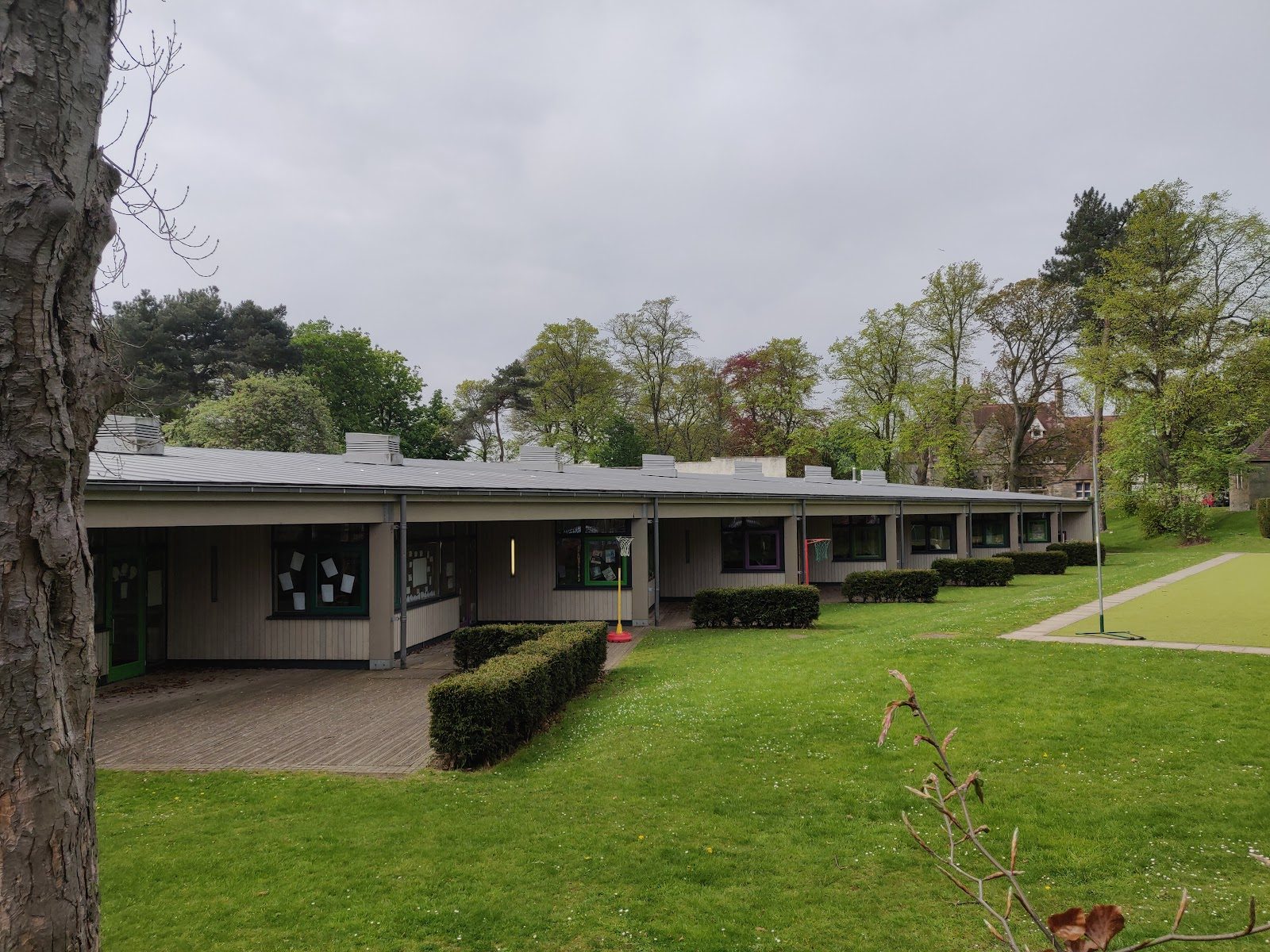
Fettes College
Edinburgh · United Kingdom
Gothic turrets said to have inspired Hogwarts frame Scotland's only sixth form pairing A Levels with a full IB Diploma pathway.
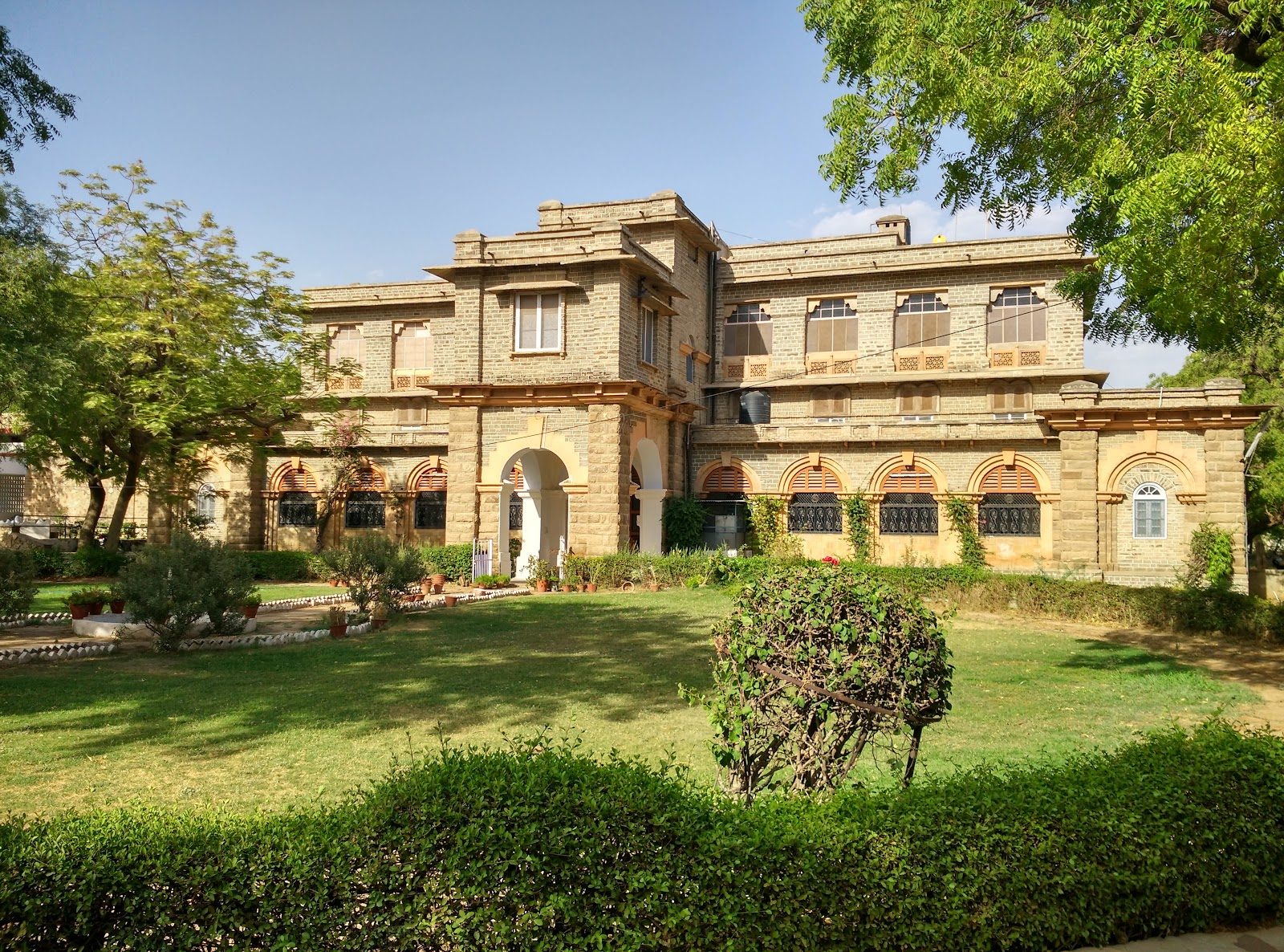
Mayo College
Ajmer · India
Historic all-boys boarding school in Ajmer offering the CBSE and Cambridge IGCSE curricula.
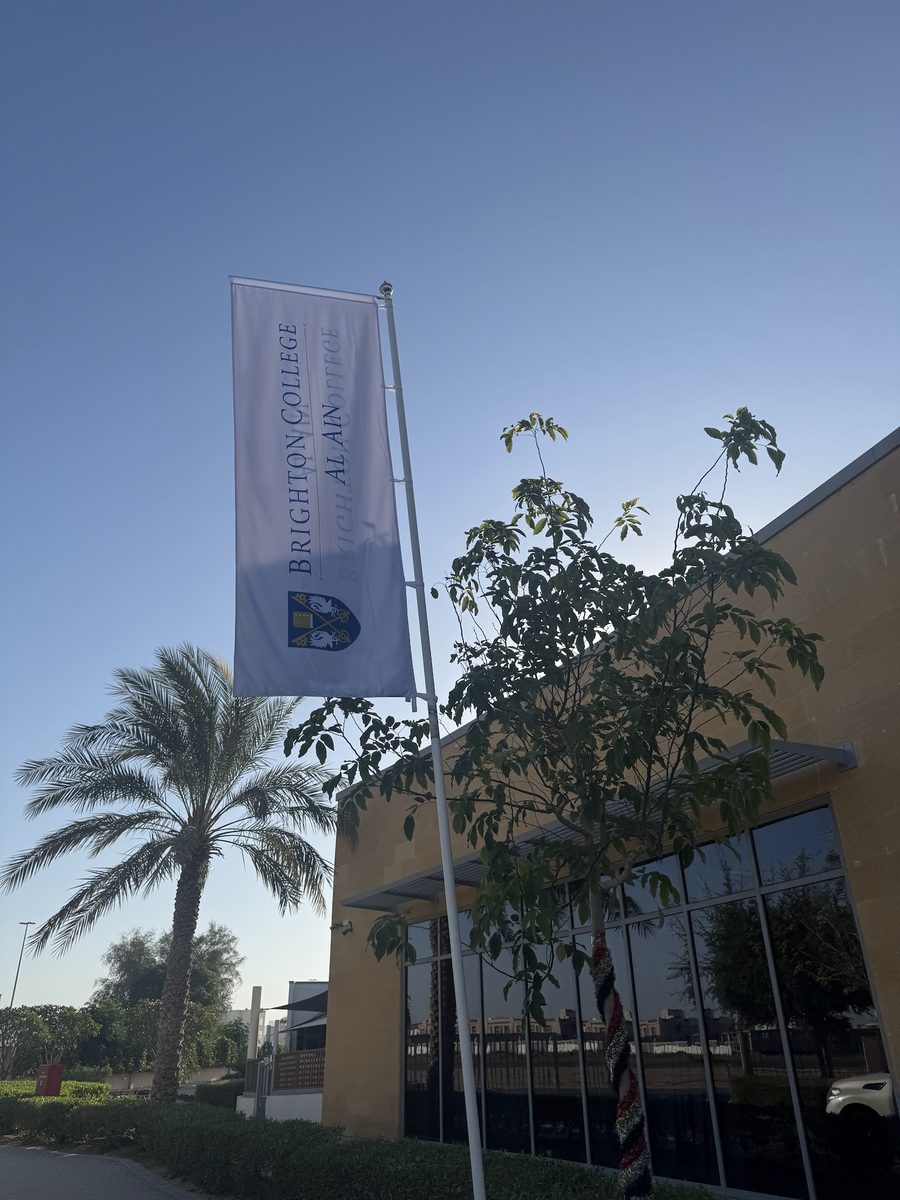
Brighton College Al Ain
Al Ain · United Arab Emirates
Sister school to England's Sunday Times School of the Decade, sending 59% of 2025 A-Level leavers into Russell Group universities.
Kings' School Al Barsha
Dubai · United Arab Emirates
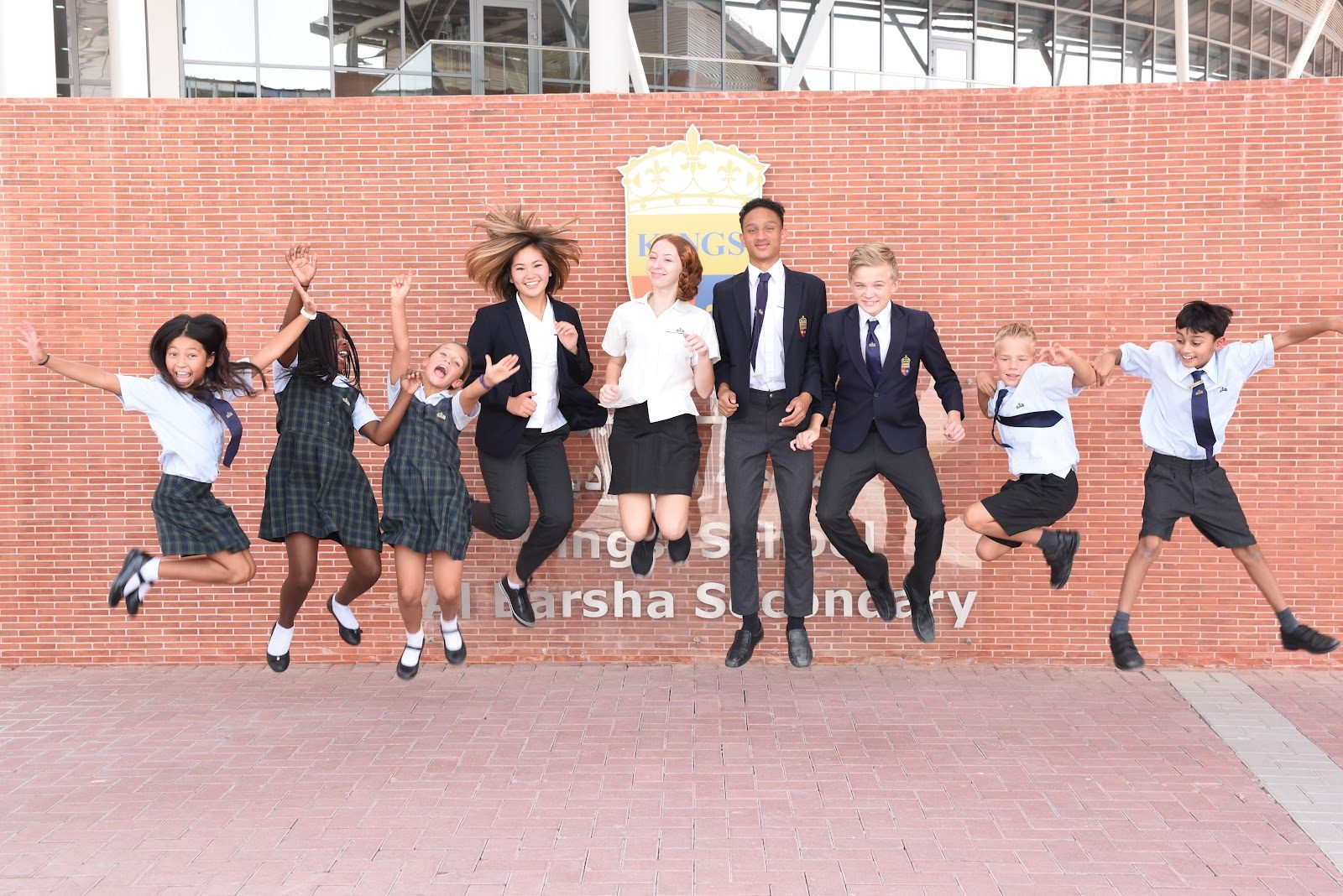
A red-brick, doughnut-shaped campus in Al Barsha climbed from Good to Outstanding across four KHDA inspections.
Same country and curriculum — closest matches within ±10 points either way