
Reñaca
The Mackay School
low confidence· 4/6 cats · 1.2 avg sourcesFounded by Scots in 1857 as Chile's first British school, where football took root and rugby still shapes character on the Renaca coast
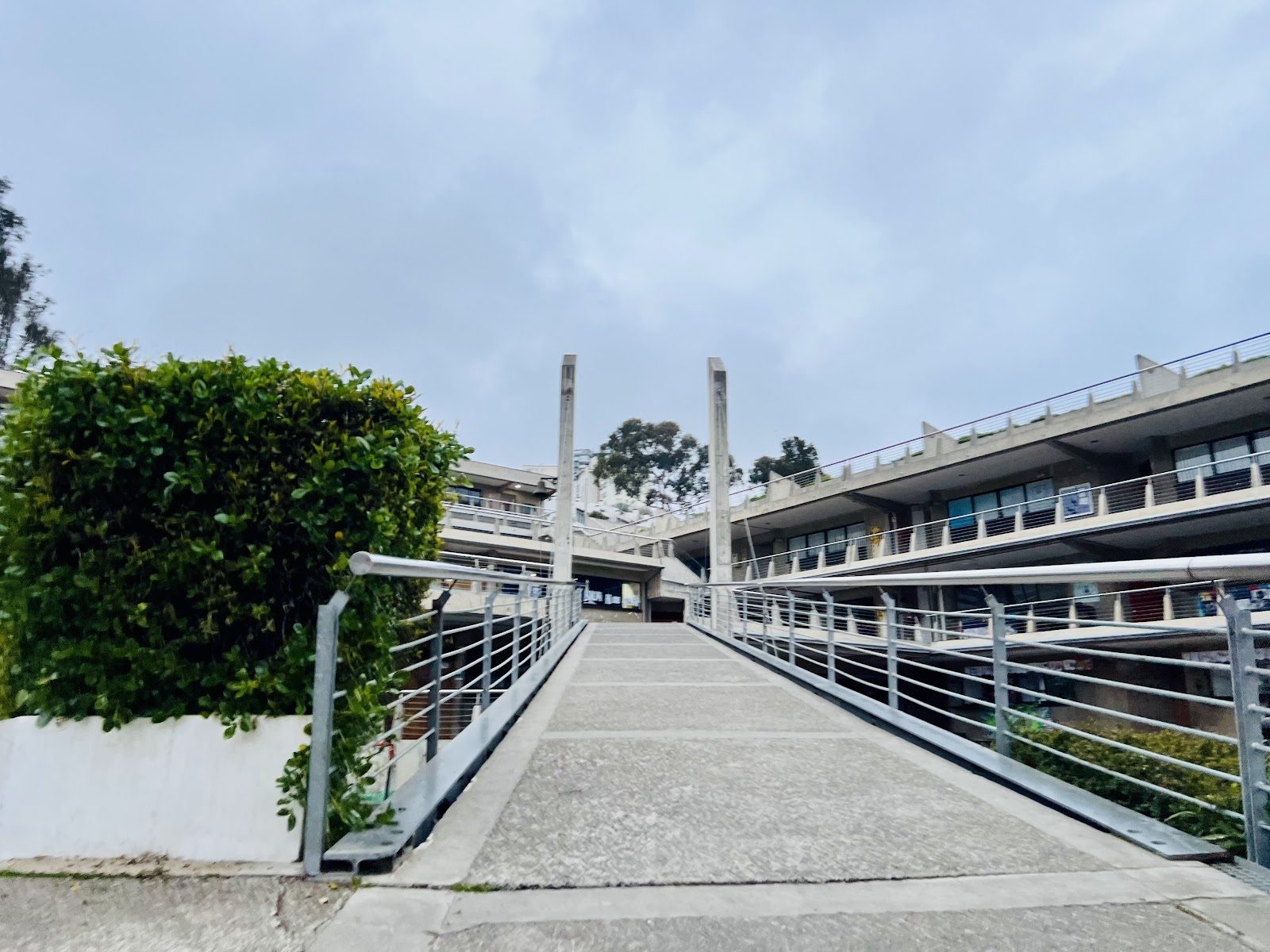
Photo © JM LM via Google Maps
Type
Day
Ages
3–18
Curriculum
IB · British
Qualifications
IB Diploma · IGCSE
Ratio
—
The Verdict
Editor's commitment
Right for
Families wanting a boys-only day school, founded in 1857, with British and IB credentials in Viña del Mar.
Wrong for
Parents seeking co-education, boarding or a secular school detached from sport-heavy tradition will not find it here.
Watch out for
HMC and IB World School badges carry weight, but the school does not publish public outcome data in this brief profile.
Ranking breakdown
The Mackay School · # of 1591
Composite score 62.6. 8 weighted criteria.
By criterion
Academic Outcomes
Weight 20%
#1002
of 1529 scored
University Placement
Weight 16%
#1015
of 1529 scored
Prestige & Heritage
Weight 12%
#900
of 1571 scored
Alumni Network
Weight 12%
#566
of 1530 scored
Facilities
Weight 12%
#1045
of 1534 scored
Transparency & Communications
Weight 8%
#1073
of 1532 scored
Peer & Industry Review
Weight 10%
#891
of 1548 scored
Admissions Selectivity & Demand
Weight 8%
#760
of 1529 scored
Peer & Industry Review
How The Mackay School is regarded in the sector
66
Respected · medium confidence
I could not identify at least two independent, third-party sources (e.g., Tatler, Good Schools Guide, specialist education press, or established expat forums) that substantively assess The Mackay School's reputation. Available information appears limited to the school's own materials or general directory listings without independent editorial evaluation.
Editors' overview
The Mackay School occupies a narrow but powerful niche in Chilean education: a 1857 foundation with Scottish roots, a British academic inheritance, and a long-standing place in the social and sporting life of the Valparaíso coast. This is not a generic bilingual private school. It is a historic boys’ day school in Reñaca, teaching in Spanish and English, with the IB in place and HMC membership on its list of credentials. The character of the school starts with that combination: old-school confidence, institutional memory, and a clear sense of what it is. For parents who want co-education, a more progressive social model, or a less tradition-bound environment, Mackay will not fit. For parents who value continuity, discipline and a defined culture, it earns serious attention.
What makes Mackay special is not novelty but legacy. Founded by Scottish immigrants, it carries the weight of being Chile’s first British school, and that history matters because the school still trades on the habits that British-founded schools do well: structure, identity, sport and belonging. Rugby is part of the school’s DNA, and football has historic resonance here too. That gives the place a hard-edged sporting culture that many families will read as character formation and others will read as social sorting. Both instincts are correct. Mackay’s market position is strongest with families who want an established boys’ school with real prestige in the region, a bilingual frame, and a curriculum that keeps doors open beyond Chile. The day-only format also matters: this is a school rooted in local family life, not a boarding enclave.
The boy who thrives here is competitive, steady, and comfortable in an environment with clear expectations. He does not need constant reinvention or pastoral hand-holding; he benefits from routine, team culture and standards that are set high and held there. A sporty child will find a natural home. An academic boy with resilience and self-command will also do well, especially if he values a school with deep local standing and a strong sense of tribe. A child who wants a softer, more fluid, less masculine culture will find the edges sharp. That is not a flaw in market terms; it is the point. Mackay belongs on a shortlist for families seeking a boys’ school with 3–18 age coverage, bilingual teaching, IB credentials and serious historical weight.
Academic Performance
Public exam performance is hard to judge because the school does not publish the data parents need. We have not seen aggregate IB Diploma results, average scores, subject breakdowns, university destinations by cohort, or any year-on-year attainment tables. That is a real weakness in a market where serious schools put external outcomes in plain view. The school's reputation for academic strength in the Valparaíso region is longstanding, but reputation is not results. For a school with this level of status, the absence of transparent examination reporting leaves parents relying on brand, word of mouth and selective anecdotes. That is not enough for families making a high-stakes choice.
Relative to peers, Mackay sits in an opaque middle ground: established, prestigious, and academically respected, yet not publicly measurable in the way top IB schools now are. The strongest international and bilingual schools publish average diploma scores, pass rates and placements as a matter of course; Mackay does not. That does not mean weak outcomes. It means unverified outcomes. Parents who care about academic stretch, not just culture and tradition, need to ask direct questions: how many pupils take the full diploma, what the score distribution looks like, which universities recent leavers entered, and how results compare with Chilean and global IB benchmarks. Until those figures are disclosed, academic performance remains credible but unproven.
Facilities
Facilities here matter most in sport. Mackay’s identity has been built around rugby and football for generations, so parents should expect the athletic estate to carry more weight than any showpiece performing-arts or design infrastructure. That focus gives the school a clear competitive edge with boys who want training, fixtures and a hard routine built around team sport. Against bilingual private-school peers in Chile, that is a distinctive strength if your benchmark is playing fields, coaching culture and the daily prominence of games. If your benchmark is the all-singing, all-dancing campus arms race found at newer premium schools, Mackay is a less obvious contender. We have not seen a published master list of specialist spaces, labs, theatres, maker facilities or headline capital projects, and that absence matters because serious parents now compare campuses in detail.
The setting on the Reñaca coast adds something many urban schools cannot offer: space, air and a campus life with a strong sense of separation from the city. That suits a school whose culture is disciplined, social and outdoor-facing. It does not, on current public evidence, sell itself on architectural spectacle or on a broad menu of specialist facilities. In peer terms, Mackay reads as purpose-built for its tribe rather than built to impress every buyer. For sport-minded families, that is enough. For parents weighing science provision, arts spaces or high-end indoor amenities against rival schools, the public picture is thin and needs testing in person.
Our rating stops short of the very top tier because the school does not publish the academic evidence that top schools now treat as standard
Prestige
Prestige here rests on heritage, social recognition and institutional staying power, not on published outcome data. In Chile’s coastal elite-school landscape, Mackay carries old-money credibility: a school founded by Scots, tied to the British tradition, and woven into the civic and sporting history of its region. That matters. Families know the name, employers know the name, and alumni networks tend to reinforce schools of this kind across generations. The boys-only format sharpens that identity further. This is not mass-market prestige built on glossy international branding; it is local establishment prestige, durable and socially legible, with a clear constituency and a long memory.
That said, prestige here is stronger in culture than in proof. The school benefits from status accumulated over more than 1 century and a half, from selective social signalling, and from a reputation for seriousness. It also trades on a hard, traditional ideal of male formation through discipline and sport, which retains real appeal in parts of the Chilean market. Our rating stops short of the very top tier because the school does not publish the academic evidence that top schools now treat as standard. Prestige without transparent results still counts, but it counts differently. Mackay offers inheritance, identity and standing in abundance; whether it offers measurable academic distinction at the same level remains unanswered.
For students, that distinctiveness brings both advantages and limits
Communications
Parent communication is hard to rate highly because the public-facing picture is thin where it counts. The school’s identity is unmistakable, but identity is not communication. Families choosing a school need clear, routine disclosure on academic outcomes, pastoral systems, leadership priorities, calendar detail and the practical mechanics of school life. Here, the strongest messages in the public domain centre on heritage and boys’ culture rather than on the day-to-day information architecture that reassures parents. That creates a one-way model: the school tells you what it values, but gives less evidence of how consistently it reports performance, handles scrutiny or equips parents to track a child’s progress. For a school serving ages 3–18, that is a real operational gap.
The likely pattern is strongest with families already inside the school’s social orbit, where informal networks and alumni familiarity do part of the work. Newer families, international families and data-minded parents need more than institutional confidence; they need plain dealing and accessible facts. We have not seen the kind of comprehensive public reporting that marks out *disciplined, parent-literate communication*. Nor have we seen enough detail to judge whether digital channels are efficient, whether leadership writes with candour, or whether concerns are handled with speed. The result is a communications profile that feels insular rather than expansive: adequate for families already sold on the school, less convincing for parents who expect transparency before trust.
Uniqueness
What sets Mackay apart is the rarity of its proposition in the Chilean market: a *single-sex institution with genuine historical mass*, shaped by Scottish origin, British school habits and a sporting code that still carries social force. Plenty of private schools borrow British symbols; far fewer have a lineage that has actually influenced local culture. Mackay’s link to the early growth of football in Chile gives it a place in national sporting history, and rugby remains more than an extracurricular badge. At schools like this, games are not decoration. They are part of the operating system. That gives boys a clear, hard framework for loyalty, discipline and collective identity, and it gives the school a tribal cohesion that co-educational, all-things-to-all-families schools rarely match.
For students, that distinctiveness brings both advantages and limits. Boys who respond to structure, competition and inherited ritual get a strong sense of belonging and a daily culture with very little ambiguity about expectations. Traditions are not wheeled out for open days; they shape peer status, confidence and conduct. That can be powerful for adolescents who benefit from defined standards and team-centred life. It also narrows the offer. Mackay is not designed for pupils who want a more fluid social environment, a softer pastoral tone or a school identity built around constant reinvention. Its uniqueness lies in being stubbornly itself — and for the right boy, that is a serious asset.
Its uniqueness lies in being stubbornly itself — and for the right boy, that is a serious asset
Student Profile
The boy who fits here is comfortable in a school that makes masculinity, competition and loyalty highly visible. This is a strong match for pupils who enjoy team sport, accept hierarchy and do not need a culture of constant emotional cushioning. Social confidence helps. So does resilience. Boys who like banter, fixtures, house spirit and the status that comes with pulling their weight in a group will find plenty to work with across the full 3–18 age span. The school also suits families who want their sons educated in a single-sex world with clear codes of conduct and a hard-edged peer culture. A self-directed academic boy can do well too, but he needs enough backbone to handle a setting where sport and tradition carry real social force.
The weaker fit is just as clear. Sensitive boys who shrink from rougher group dynamics, or who want a more mixed, expressive or socially fluid environment, will feel the constraints fast. Creative pupils can still succeed, but this does not read as a school built around artistic identity or individual reinvention. It reads as a school for boys who can locate themselves inside a tribal culture and live with its demands. Parents need to judge that honestly. For the right child, the result is deep belonging and durable self-command. For the wrong one, it is an uncomfortable fit dressed up as tradition.
It is a historic boys’ day school in Reñaca, teaching in Spanish and English, with the IB in place and HMC membership on its list of credentials
Co-curricular strengths
Arts & sport, on a separate axis
Overall 7.94/10
Scored 0-10 from the school's own published evidence. This axis is editorial-only — it does not feed the main WTS ranking.
Sports
8.8/10
Drama
8.3/10
Dance
6.5/10
Music
8.3/10
Visual Arts
7.8/10
Editor first-pass · editor-reviewable · 7/30/2026
Strengths
- +One of the oldest British-curriculum schools in Chile, founded in the 19th century, giving it a long institutional history in the Valparaiso region
- +Offers a dual academic pathway, combining British curriculum elements (such as IGCSE) with the IB Diploma Programme, widening university entry options
- +Bilingual instruction model in English and Spanish from early years, useful for expat families wanting local integration alongside English fluency
- +Coeducational day school based in Vina del Mar, giving families in the Valparaiso-Vina del Mar conurbation a British/IB option without relocating to Santiago
Considerations
- −Single-campus day school in Vina del Mar, which limits its catchment to families able to live in or commute to that specific coastal city
- −No boarding option, so it cannot serve relocating families who need full-time residential care while establishing themselves in Chile
- −Independently verifiable data on university destinations, IB pass rates, and academic outcomes is limited in public sources compared with larger Santiago international schools
- −As a long-established institution, campus facilities and pedagogical style may be more traditional than newer, purpose-built international schools in the country
Availability
Primary entry gate & tests
Academic Record
Gallery
Photo © JM LM via Google Maps
Photo © JM LM via Google Maps
Photo © JM LM via Google Maps
Photo © JM LM via Google Maps
Photo © JM LM via Google Maps
Parent reviews
Have you sent your child here?
Voice reviews carry the strongest trust badge — we transcribe them for you to tidy up before they go live. Prefer to type? A written review is fine too.
Add your voice
In 60 seconds, tell other parents: what's the best thing about The Mackay School, and what surprised you when your child joined?
We ask for a Google sign-in so every review has a real face behind it — no anonymous drive-by attacks on schools, and no faked positive reviews. Your email is never shown publicly.
Send this profile to a friend
International parents rely on word-of-mouth. Share this review with someone weighing the same decision.
Schools with places
Similar schools to The Mackay School with places available now.
The Grange School
Santiago · Chile
- 2026-27
- CLOSEDStandard route closed
- 2027-28
- WAITPOOLEnquiries underway
Santiago College
Santiago · Chile
- 2026-27
- WAITPOOLSpace-dependent
- 2027-28
- PLACES OPENRolling
Availability first, then country, area, curriculum, price, co-curricular
Consider also
Also worth looking at alongside The Mackay School.
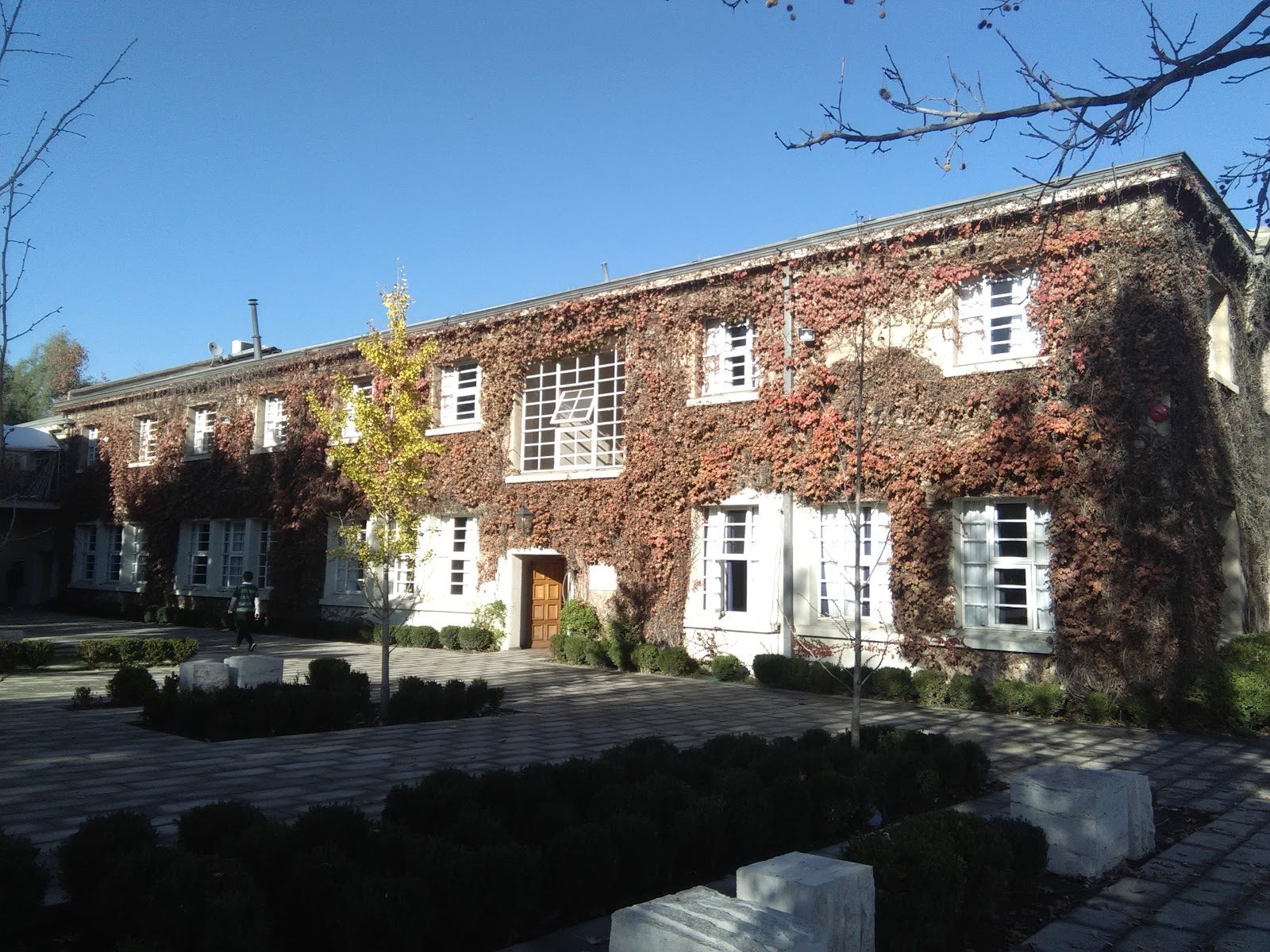
The Grange School
Santiago · Chile
Near-century-old English public-school ethos at the foot of the Andes, pairing Fair Play tradition with bilingual IB and A-Level rigor.
Santiago College
Santiago · Chile
From an 1880 Methodist girls' boarding school to Chile's first IB pioneer, now coeducational in the Andean foothills.
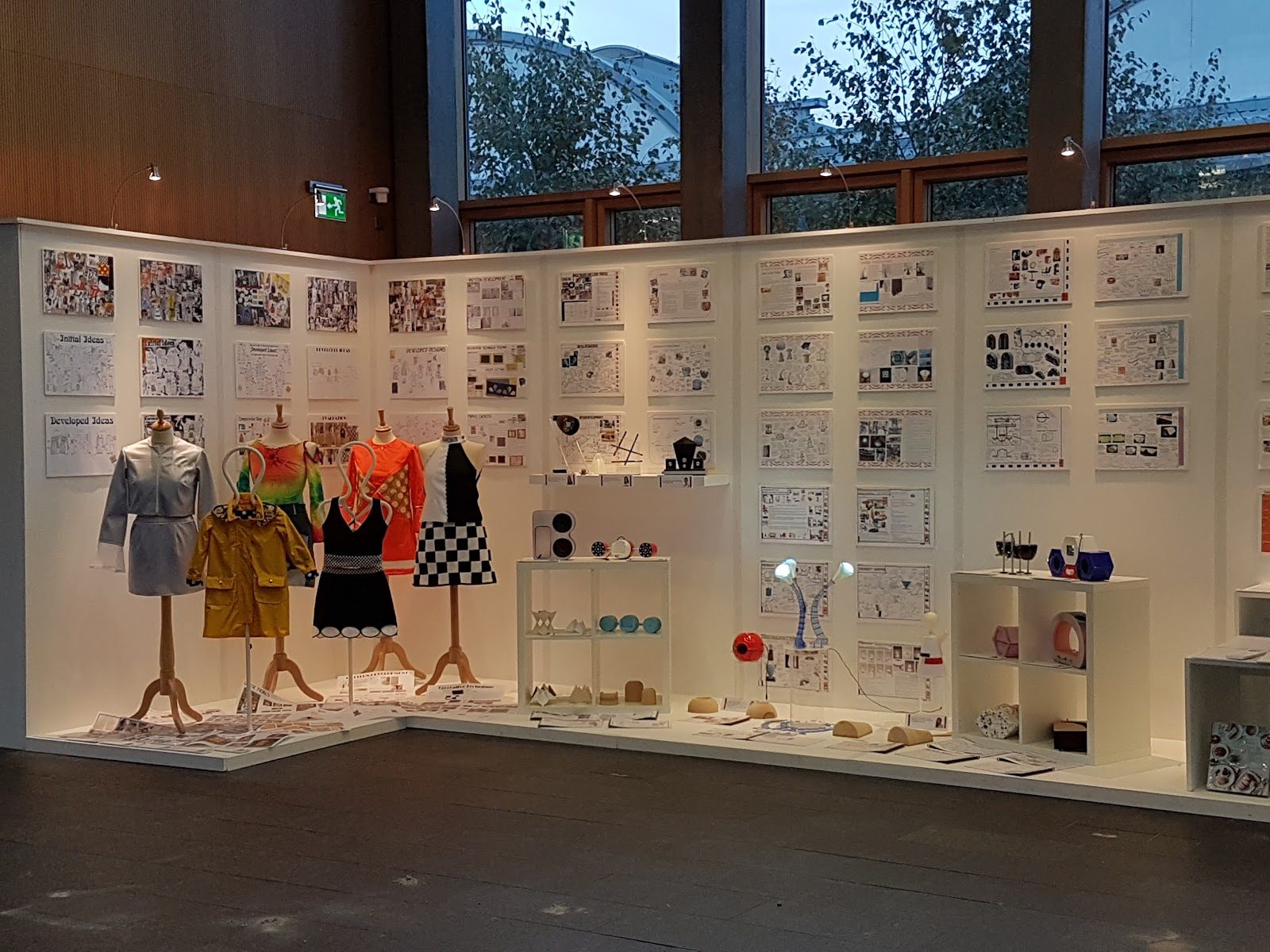
Lady Eleanor Holles School
Hampton · United Kingdom
Since 1710 on a 24-acre Hampton site, a Thames boathouse has bred record-holding rowing eights alongside Oxbridge-track academics.

Havergal College
Toronto · Canada
A 22-acre Anglican foundation since 1894, where ten storied houses anchor a rigorous, wellbeing-driven liberal arts curriculum for girls in midtown Toronto.
Same country and curriculum — closest matches within ±10 points either way