Trøndelag
Trondheim International School
low confidence· 4/6 cats · 1 avg sourcesInquiry-driven IB learning unfolds beside a hilltop fortress in Norway's tech capital, drawing families from over 40 nations
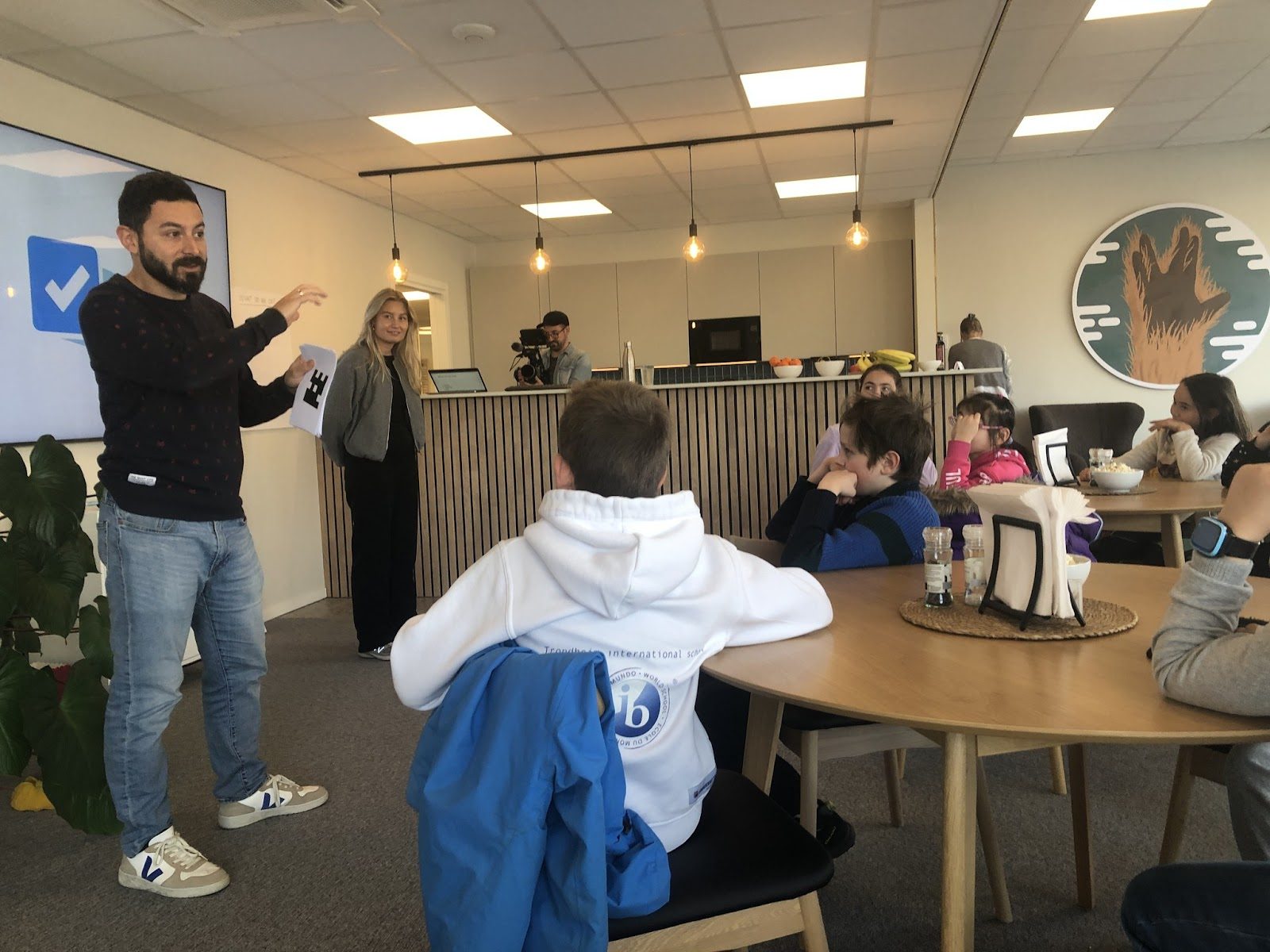
Photo © Trondheim International School via Google Maps
Type
Day
Ages
3–16
Curriculum
IB
Qualifications
IB MYP · IB PYP
Ratio
—
The Verdict
Editor's commitment
Right for
International and Norwegian families who want an English-medium IB World School in Trondheim, ages 3–16, with CIS accreditation and 40-plus nationalities.
Wrong for
Families wanting sixth form, boarding or a broader age range: THIS is a day school in Trondheim and stops at 16.
Watch out for
Scale is intimate, not expansive: nearly 220 students and 40 staff by 2024. Ask how subject breadth and support work in Grade 10.
Ranking breakdown
Trondheim International School · # of 1591
Composite score 50.7. 8 weighted criteria.
By criterion
Academic Outcomes
Weight 20%
#1378
of 1529 scored
University Placement
Weight 16%
#1371
of 1529 scored
Prestige & Heritage
Weight 12%
#1421
of 1571 scored
Alumni Network
Weight 12%
#1059
of 1530 scored
Facilities
Weight 12%
#1447
of 1534 scored
Transparency & Communications
Weight 8%
#1411
of 1532 scored
Peer & Industry Review
Weight 10%
#1216
of 1548 scored
Admissions Selectivity & Demand
Weight 8%
#1326
of 1529 scored
Peer & Industry Review
How Trondheim International School is regarded in the sector
63
Respected · medium confidence
I could not locate at least two independent third-party sources (e.g., Tatler, Good Schools Guide, specialist education press, expat forums, or inspectorate reports) discussing Trondheim International School's reputation. Without such corroborating evidence, a reliable peer-reputation score cannot be assigned.
Editors' overview
Trondheim International School occupies a distinctive niche in Norway: a small, non-religious, English-medium IB day school in central Trondheim, with a genuinely international intake and a fee structure shaped by public funding rather than luxury branding. Its setting beside Kristiansten Fortress gives it a strong sense of place, and the school uses that advantage well: green space, city access and Trondheim’s science-and-technology ecosystem sit close at hand. The scale matters. With nearly 220 students and 40 staff, THIS offers a tighter, more personal environment than the larger capital-city internationals. For families who want a close-knit school, a calm daily rhythm and *an education rooted in inquiry rather than rote performance*, that is a real strength.
What sets THIS apart is not prestige theatre but structure. It is an IB World School for ages 3–16, and the school’s public case for itself is coherent: inquiry, student agency, intercultural understanding and community participation. The international mix is credible rather than decorative, with students and staff from over 40 countries. The funding model also changes the proposition. As a Norwegian private school with 85% of operations financed by the state and 15% covered by fees, THIS sits in a more accessible part of the market than many international schools. That matters for parents who want *international education without gilded excess*. It also helps explain the school’s mix of international and Norwegian families, which gives the community more depth than the transient expat bubble found elsewhere.
Parents should shortlist THIS if they value substance over scale. The school has grown from 34 students at launch to nearly 220, which signals traction and stability without losing intimacy. It will suit children who thrive in discussion-led classrooms, who benefit from being known well by staff, and who gain energy from a multicultural peer group rather than a narrowly local one. It fits thoughtful, curious children, internationally minded families and students who enjoy learning beyond the classroom walls. It will be less compelling for families who want a vast campus, heavy sports infrastructure or a long sixth-form pathway on the same site; THIS stops at age 16, and that limit shapes the offer. Within its bracket, though, it is a serious, well-defined school with a clear identity and a strong case for parents in Trondheim who want a humane international education rather than an oversized institution.
Academic Performance
Trondheim International School does not publish aggregate external exam results in the public domain. That matters. For an IB school ending at age 16, the key performance question is how pupils fare in the Middle Years and how securely they move on to post-16 study, yet the school gives parents no consolidated attainment data, no trend line and no destination picture. There is no published table of MYP outcomes, no subject-level breakdown and no comparative data against Norwegian or international peers. In editorial terms, that leaves academic performance opaque. Parents can infer a coherent teaching philosophy and a serious approach to inquiry, but they cannot verify academic output with the same confidence available at more data-literate schools.
Relative to peers, THIS sits in the small-school bracket where headline statistics can swing sharply from cohort to cohort, which makes transparency more important, not less. The school’s staffing scale and intimate roll can support close academic tracking, but the public evidence stops short of proving that advantage in external benchmarks. What the school does show is continuity, stable growth and an established place in Trondheim’s international education market, with nearly 220 pupils and 40 staff. That supports confidence in institutional solidity. It does not answer the harder question of exam strength. For families who want hard academic proof, THIS asks for more trust than its strongest competitors.
Facilities
Facilities at Trondheim International School are shaped by scale and setting, not by grand capital spend. The standout asset is location: the school sits beside Kristiansten Fortress, with immediate access to green space and an easy walk into the city. That gives teachers usable outdoor territory for everyday learning, not the token playing field many urban schools badge as “nature access”. The school also draws practical value from its place in Norway’s science-and-technology hub and from the city’s cultural offer. For parents, that points to a model built on resourceful use of place rather than on a showpiece campus. With nearly 220 pupils and 40 staff, THIS has the human scale to make those surroundings function as an extension of the classroom rather than a backdrop.
Against peer schools, that cuts both ways. THIS has a clear environmental advantage over cramped city-centre internationals with little outdoor reach, and it offers a more grounded daily experience than schools that rely on branding to inflate modest premises. But families should keep expectations disciplined. The school does not publish much detail on specialist facilities, and we have not seen evidence of the heavy sports, performing arts or sixth-form infrastructure that larger international campuses use to broaden their appeal. In facilities terms, THIS reads as *well-suited to younger and middle-years learners, strong on community scale* and outdoor access, but lighter on the big-ticket hardware that defines more expansive competitors.
Trondheim International School does not publish aggregate external exam results in the public domain
Prestige
Prestige here is modest, local and functional rather than elite. Trondheim International School has a clear role in its market: it gives internationally mobile and internationally minded families in this part of Norway an established English-medium route with a genuine cross-border community. Students and staff from over 40 countries give the school real international texture, and its location beside Kristiansten Fortress adds a memorable setting. That said, prestige at THIS does not rest on selective admissions, glittering exam disclosure, a famous alumni pipeline or a grand institutional footprint. The school does not trade in status theatre. Its reputation rests on being a serious, small international school that serves its community well.
That puts THIS in the category of credible but not rarefied. The public funding model matters to that judgement: with 85% of operations financed by the state, the school sits closer to civic provision than to the high-fee prestige market. For many families, that is a strength, not a compromise. It signals accessibility, institutional legitimacy and a less inflated social atmosphere. Still, parents who define prestige through academic selectivity, published outcomes or brand power will rate THIS lower than bigger international names in larger capitals. Its standing comes from substance over display, a stable place in Trondheim’s education landscape, and a community identity stronger than its external cachet.
Facilities at Trondheim International School are shaped by scale and setting, not by grand capital spend
Communications
Parent communication is direct, warm and community-centred, with fewer layers of polish than the larger international brands. The school invites families to make contact for “an informal chat”, a visit or a trial day, which tells you something important about tone: THIS relies on human contact more than corporate process. The public messaging is coherent. Values, mission and day-to-day educational philosophy align cleanly, and parents get a clear sense of what the school cares about: inquiry, belonging, intercultural respect and action beyond the classroom. The school also states plainly how it is governed and funded, including the 85% state contribution and the role of fees in covering the remainder. That level of candour is useful. Many schools dodge operational detail; THIS puts it upfront.
The weakness is depth. Communication is clear on ethos and thin on proof. Parents can grasp the school’s character quickly, but they get less hard information on academic outcomes, specialist provision and the mechanics of school life than a rigorous parent would want before committing. The website does not bury the essentials, yet it does lean on conviction language over evidence. That trade-off fits a school selling trust, intimacy and community rather than scale or institutional heft. For families comfortable with conversation-led admissions, it works well. For parents who want every key metric published before first contact, the communication will feel too light and insufficiently forensic.
Uniqueness
What makes Trondheim International School distinct is the combination of true international breadth with a funding model that keeps it anchored in civic reality rather than expatriate fantasy. Students and staff from over 40 countries give the school real intercultural density, but the more unusual feature is that this diversity sits inside a Norwegian private school framework with public support and non-profit governance. That changes the social texture. THIS is not built for a narrow diplomatic or corporate enclave; it draws both international and Norwegian families into the same community. For students, that brings a less insulated experience, stronger contact with the host country and a school culture with more social range than the polished but thin cosmopolitanism found at many small internationals.
The other point of difference is how deliberately the school uses its immediate surroundings. Its position by Kristiansten Fortress gives it a strong sense of place, and the school links that setting to outdoor learning, city access and Trondheim’s science-and-technology environment. That matters because many international schools talk about real-world learning while operating in sealed compounds. THIS does the opposite. Pupils study in a setting that connects classroom work to green space, local culture and the life of the city around them. Combined with the school’s compact scale and emphasis on inquiry, that creates a grounded, outward-facing education: less performative, more lived.
With nearly 220 students and 40 staff, THIS offers a tighter, more personal environment than the larger capital-city internationals
Student Profile
The student body is unusually cosmopolitan for a school of this size, with children and adults drawn from more than 40 countries and a deliberate mix of international and Norwegian families. That matters in practice. This is not a monoculture school built around one expatriate profession or one dominant passport group. Children who fit well here tend to be comfortable with difference, open to other languages and habits, and ready to work in classrooms where discussion, collaboration and student agency carry real weight. The school’s stated values — care, share, respect and learn — point to a community that expects pupils to contribute, not just attend. A child who wants to disappear into the back row will find less cover here than at a larger institution.
The best fit is the curious, self-directed child who likes asking questions, enjoys close relationships with teachers and can handle a school where community participation is part of daily life. This suits families who want an inclusive, grounded environment rather than a socially stratified one. It will work well for internationally mobile households, mixed-nationality families and local parents who want a more outward-facing peer group. It is less well matched to children who want a vast friendship pool, heavy anonymity or a campus culture driven by hierarchy and status. THIS is for pupils who benefit from being known well, who thrive in a close-knit setting, and who bring a measure of resilience, openness and social maturity.
For families who want a close-knit school, a calm daily rhythm and an education rooted in inquiry rather than rote performance, that is a real strength
Co-curricular strengths
Arts & sport, on a separate axis
Overall 5.64/10
Scored 0-10 from the school's own published evidence. This axis is editorial-only — it does not feed the main WTS ranking.
Sports
5.8/10
Drama
5.5/10
Dance
5.3/10
Music
5.8/10
Visual Arts
5.8/10
Editor first-pass · editor-reviewable · 7/30/2026
Strengths
- +Offers International Baccalaureate programmes, giving students an internationally portable qualification suited to mobile expat families.
- +Located in Trondheim, a city anchored by NTNU university and major employers such as Equinor, providing a ready base of international families.
- +As a Ministry-approved Norwegian private school, tuition is subject to statutory fee caps, making costs more predictable than at many international schools elsewhere.
- +Small day-school setting likely allows closer staff-student contact than large international campuses, though class-size data is not independently published.
Considerations
- −Its editorial rank (1333) and candidate tier indicate it has not yet built the track record or public outcomes data of longer-established IB schools.
- −Trondheim's smaller expat population, compared with Oslo or larger European hubs, likely means a narrower peer network and fewer extracurricular partners.
- −Limited independently verifiable information on exam results, university destinations, or facilities makes it hard to benchmark against peer schools.
- −As a small school, subject choice, sports facilities and extracurricular breadth are probably more limited than at larger international campuses.
Availability
Primary entry gate & tests
Academic Record
Gallery
Photo © Trondheim International School via Google Maps
Photo © Trondheim International School via Google Maps
Photo © Kanako Mori via Google Maps
Photo © Trondheim International School via Google Maps
Photo © Trondheim International School via Google Maps
Parent reviews
Have you sent your child here?
Voice reviews carry the strongest trust badge — we transcribe them for you to tidy up before they go live. Prefer to type? A written review is fine too.
Add your voice
In 60 seconds, tell other parents: what's the best thing about Trondheim International School, and what surprised you when your child joined?
We ask for a Google sign-in so every review has a real face behind it — no anonymous drive-by attacks on schools, and no faked positive reviews. Your email is never shown publicly.
Send this profile to a friend
International parents rely on word-of-mouth. Share this review with someone weighing the same decision.
Schools with places
Similar schools to Trondheim International School with places available now.
Availability first, then country, area, curriculum, price, co-curricular
Consider also
Also worth looking at alongside Trondheim International School.
Skagerak International School
Sandefjord · Norway
Norway's only full-continuum IB school, run from a restored shipyard office on the Sandefjord waterfront.
International School of Bergen
Bergen · Norway
Fifty years on from its American School roots, PYP and MYP learners trade classrooms for Bergen's fjord-side countryside.
British International School of Stavanger
Stavanger · Norway
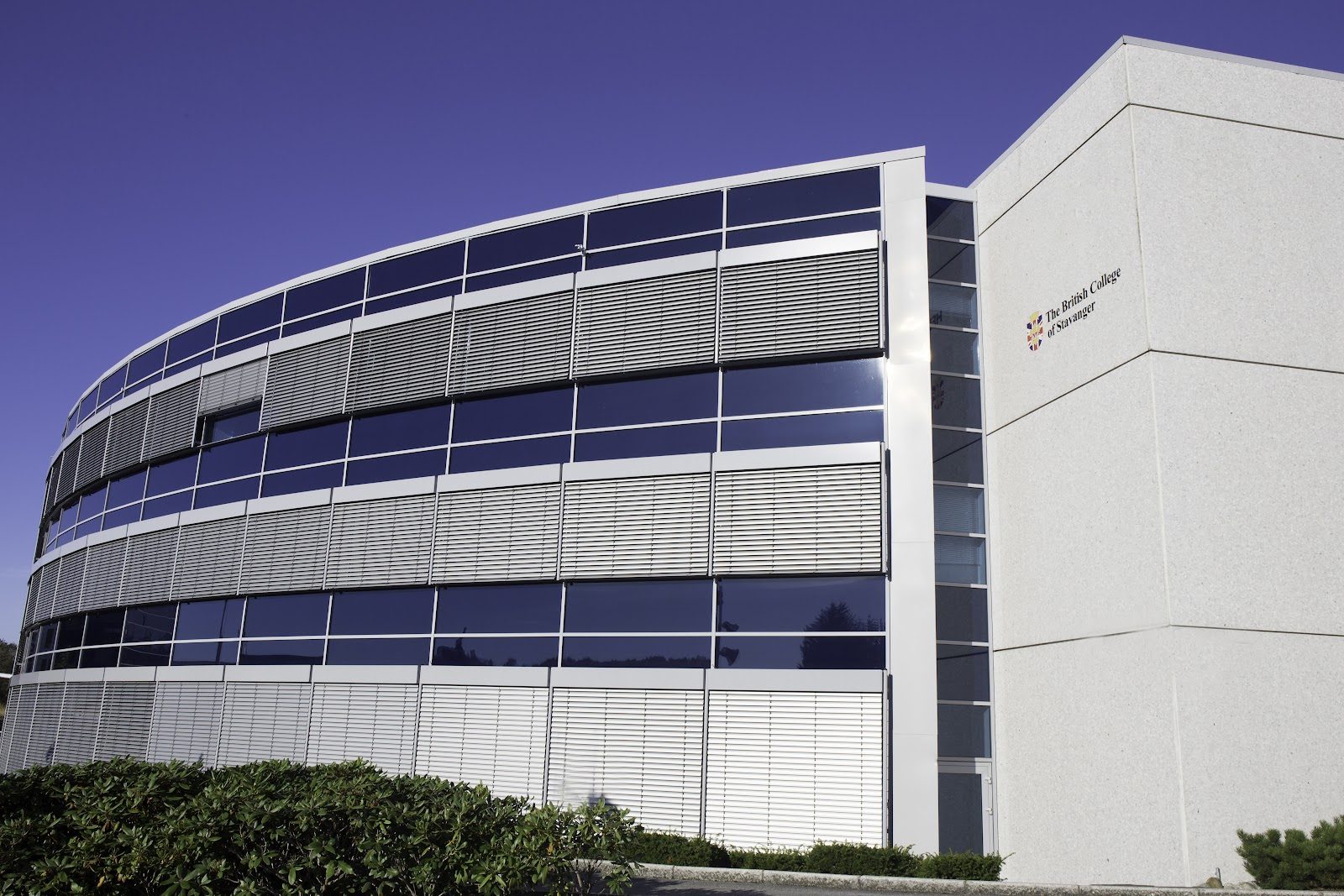
Born in 1977 to educate North Sea oil families, this Stavanger day school still turns fjords and woodland into open-air classrooms.
Sekolah Bogor Raya
Bogor · Indonesia
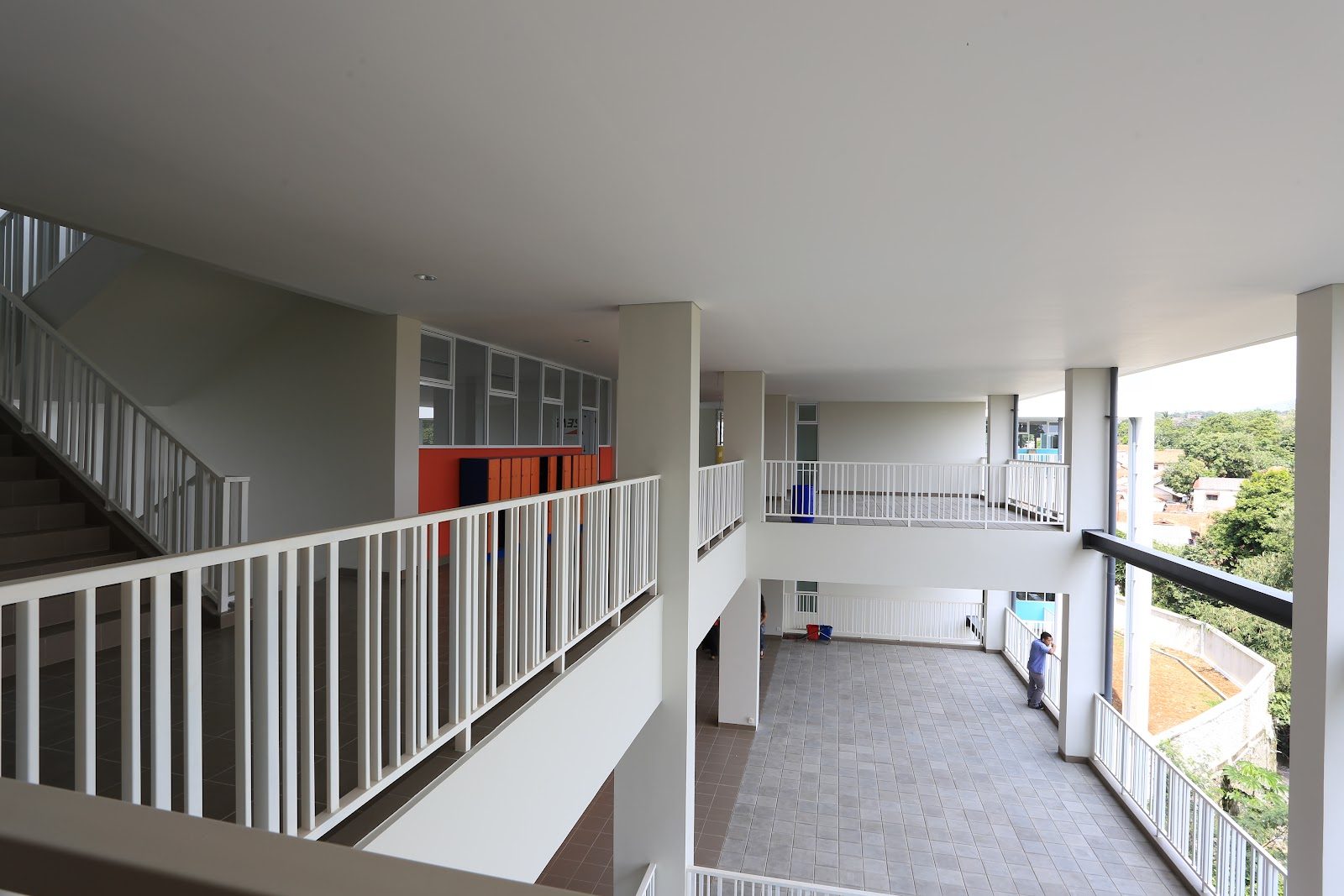
Set beside Bogor's lakeside estate, an SPK school braids the full IB continuum, Cambridge IGCSE and worship across five faiths.
Same country and curriculum — closest matches within ±10 points either way