
Tokyo
Tsukuba University Senior High School at Komaba
Japan's only national boys' school pairs a historic rice-paddy tradition with an uncommonly free path into the University of Tokyo.
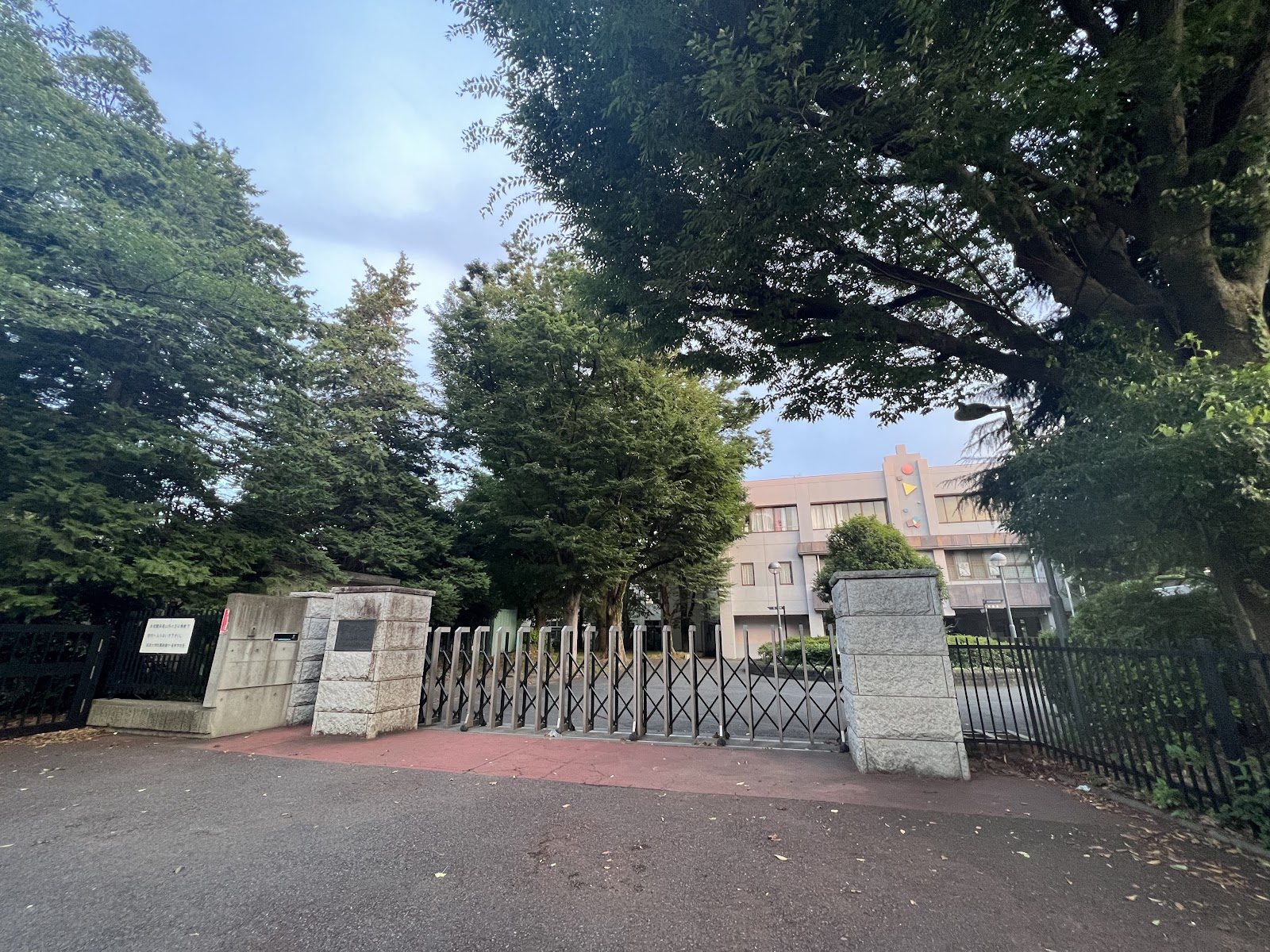
Photo © 。しらかば via Google Maps
Type
Day
Ages
15–18
Curriculum
Japanese National
Qualifications
Japanese Senior HS Diploma
Ratio
—
The Verdict
Editor's commitment
Right for
Academically ambitious boys, 15–18, who want Japan’s national curriculum inside a University of Tsukuba laboratory school with 20 years of SSH work.
Wrong for
Girls, boarders, and families needing English-medium teaching: this Tokyo day school teaches in Japanese and holds Japanese Ministry of Education accreditation.
Watch out for
The freedom-heavy ethos is real: the school puts equal weight on academics, events and clubs, and sends around 30 Year 10–11 boys abroad yearly.
Ranking breakdown
Tsukuba University Senior High School at Komaba · # of 1591
Composite score 68.8. 8 weighted criteria.
By criterion
Academic Outcomes
Weight 20%
#3
of 1533 scored
University Placement
Weight 16%
#9
of 1529 scored
Prestige & Heritage
Weight 12%
#46
of 1580 scored
Alumni Network
Weight 12%
#1486
of 1530 scored
Facilities
Weight 12%
#1331
of 1540 scored
Transparency & Communications
Weight 8%
#1043
of 1547 scored
Peer & Industry Review
Weight 10%
#55
of 1564 scored
Admissions Selectivity & Demand
Weight 8%
#3
of 1529 scored
Peer & Industry Review
How Tsukuba University Senior High School at Komaba is regarded in the sector
80
Strong · medium confidence
Within Japan's academic hierarchy, Tsukuba University Senior High School at Komaba is treated as a benchmark rather than a competitor by other elite schools; alongside Kaisei, Nada and Azabu it is routinely grouped in the small circle of 'juken meimon' feeder schools whose University of Tokyo placement rates set the national standard. Annual rankings published by Japanese business and education press such as Weekly Diamond, Toyo Keizai, and Sunday Mainichi consistently place Komaba at or near the top nationally for the percentage of graduates admitted to Todai, often exceeding one-third to one-half of its small cohort, a figure cited repeatedly in comparative league tables. Because it is a national (kokuritsu) attached school under University of Tsukuba, it also draws academic scrutiny as a laboratory school for pedagogy, giving it a research-linked reputation distinct from private juku-fed rivals. It receives little coverage from UK-oriented advisory sites like Good Schools Guide or WhichSchoolAdvisor, since its profile and audience are domestic, but within Japanese education journalism its Todai admission statistics function as the primary, unusually well-documented signal of standing.
- Yukio Edano — Politician, Leader of Constitutional Democratic Party of Japan
Editors' overview
Tsukuba University Senior High School at Komaba occupies a niche no other Japanese school can claim: a national, non-religious boys’ day school in Tokyo, founded in 1947, teaching the Japanese National curriculum in Japanese, and operating under the University of Tsukuba. The distinction is not cosmetic. This is a laboratory school with a formal public mission: to develop teaching practice, host teacher training, and act as a national model school. Its own statement of purpose centres on three things — academics, school events and club activities — in service of full character formation. That can read formulaic in weaker schools. Here it carries weight because the school also backs it with a long-run Super Science High School record: 20 years across four SSH phases from 2002 onwards, plus current work on provision for students with exceptional talents. The headline character is freedom with intellectual pressure: free-spirited, restless, high-minded, and not engineered for children who need constant supervision.
What puts it on a serious parent’s shortlist is the combination of elite academic culture and unusual institutional freedom. Komaba has the credibility of a top state-sector school, but not the rote, rules-first atmosphere many international families associate with high-performing Japanese education. The school states its ethos as “freedom and openness”, challenge, creativity and contribution; that line fits the structure of the place. Students plan and run major events over long periods, take real responsibility in clubs and自治, and work in an environment designed to let distinct talents collide rather than flatten them into one model student. The international dimension is also concrete, not decorative: around 30 students across the first two senior high years travel annually for research exchanges with partner schools in Taiwan and South Korea, while Olympiad-level science and maths talent has a visible route through the school. Intellectually ambitious boys who want room to think, argue, build and test themselves will find a rare habitat here.
The school’s market position is therefore clear. This is not a polished international school for expatriate families seeking English-medium ease, broad hand-holding or a globally standardised package. Instruction is in Japanese, the curriculum is Japanese National, and the school is for families already committed to that route. It also remains a boys’ school, which narrows appeal and will strike some parents as dated. That said, for the right student, the single-sex setting sharpens rather than limits the offer: intense peer culture, deep academic identification, and a strong internal tradition, including the school’s distinctive rice-paddy learning programme. The best fit is a boy with academic horsepower, self-direction and appetite for a demanding peer group — self-propelled, competitive, curious, and energised by a school that expects him to contribute rather than just comply.
Academic Performance
Komaba sits at the very top end of Japanese secondary education, but the school does not publish the kind of neat aggregate exam tables international parents expect. There are no public average scores for the National Center Test’s successor, no school-wide university entrance score profile, and no comprehensive destination percentages in the excerpts we have seen. That opacity matters. Parents must judge performance through harder indicators: the school’s long-running pipeline into Japan’s most selective universities, its repeated production of national representatives for international science Olympiads, and its entrenched status among the country’s most academically exacting state-sector schools. In Japanese terms, this is an ultra-selective peer group with a student body that competes at a very high level from the outset.
Relative to peers, the school’s strength lies less in massaged headline data than in the intellectual culture behind results. The academic offer is built for boys who thrive on advanced maths and science, independent inquiry and serious intellectual pressure, not for families seeking close score-management or frequent reassurance. Its Super Science High School track ran for 20 years across 4 phases, and the school now also serves as a demonstration site for provision for pupils with exceptional talents. That does not replace published exam statistics; it does place Komaba in a rarefied category. Among Japanese schools following the national route, this is a formidable performer with stronger academic credibility than most private rivals and with a freer internal culture than many exam factories.
Facilities
The campus facilities reflect the school’s identity as a university-affiliated laboratory school rather than a luxury institution. The standout is the rice-paddy learning programme, which gives the site a piece of working educational landscape that few urban academic schools can match. That matters because it is not ornamental: it ties practical, communal and observational work into school life in a way that cuts against the sealed, exam-only atmosphere of many elite Japanese peers. Beyond that, the school publicly foregrounds its facilities and equipment, its subject teaching spaces, and its dedicated anniversary hall, which points to a campus built for whole-school gatherings as well as daily teaching. Parents expecting theatre-grade performance venues, indoor aquatics or the polished hospitality spaces of expensive private schools will find a more utilitarian, state-sector physical plant.
Against peer schools, Komaba’s advantage lies in fitness for purpose rather than spectacle. The site supports a serious academic culture, research activity, public lessons and teacher training; that is a different brief from schools competing through marble foyers and branded sports complexes. The anniversary hall and specialist teaching infrastructure matter more here than image-led amenities. The rice-paddy element also gives the campus a distinctive institutional texture and a tradition few rivals can imitate. What the school does not publish, at least publicly, is the level of detail international parents often want: no clear inventory of science labs, sports provision or arts spaces, and no campus metrics. That opacity leaves the facilities profile less transparent than the school’s academic identity.
The rice-paddy element also gives the campus a distinctive institutional texture and a tradition few rivals can imitate
Prestige
Komaba carries top-tier prestige inside Japan’s academic world. That standing rests on scarcity, selectivity and function. It is the country’s only national boys’ school, tied to a leading public university and charged with work that reaches beyond its own pupils: research, teacher development and model-school duties. That gives it a status few secondary schools hold. The prestige also has a harder edge. This is a place associated with exceptional academic concentration, especially in maths and science, and with boys who can operate in a peer group where intellectual rank is visible every day. Its track record as an SSH school across 4 phases and 20 years adds institutional weight, not just enrichment gloss.
I rate it this highly because the reputation is substantive rather than decorative. The school sends educational influence outward through public lessons, research meetings and subject-specific teacher training, while its pupils feed into national-level science competition and overseas research exchanges. That combination — elite student body, university attachment, national education role and a culture of unusual internal freedom — puts Komaba in a rare class. The limitation is also clear. Its prestige is narrower than global-brand prestige: immense in Japan, strongest among families who understand the domestic hierarchy, and less legible to parents who benchmark schools by IB averages or glossy university destination lists. For the Japanese route, though, this is blue-chip.
Komaba carries top-tier prestige inside Japan’s academic world
Communications
Komaba communicates in the brisk, institutional style of a serious public school. The website is dense, text-led and organised for people who already know what they need: admissions notices, scholarship information, annual guidance for applicants, updates for parents, notices for alumni, and separate channels for educators and media. That structure is useful. It signals a school that treats communication as administration and accountability, not brand theatre. The English-facing layer exists, but the centre of gravity remains Japanese and domestic. For international families, that is a real constraint. Parents without strong Japanese will miss nuance, deadlines and the texture of school life unless they have support at home. The school also runs formal information sessions for both lower and upper school entry, and the site carries sections on school life, student activities, committees and major events, which gives families a solid factual window into the institution.
Effectiveness, then, depends on the parent. For Japanese-reading families who value clarity over charm, the system works: there is a lot of information, it is categorised with discipline, and the school’s public duties produce a steady stream of notices and educational content. For overseas or less fluent parents, communication is less forgiving. The site demands patience, confidence with Japanese school bureaucracy and a willingness to dig. It does not hold the reader’s hand, and it does not translate the school’s culture into an easy international narrative. That is perfectly consistent with the school itself: high-seriousness, low fuss, and no interest in selling an experience.
Uniqueness
Komaba’s real distinction is structural. It is not just an elite school; it is a university-affiliated laboratory school with obligations beyond its own pupils. That changes the internal logic of the place. Teaching does not sit still, staff are expected to test and refine practice, and students study in a school that treats education as something to be examined, argued over and improved. Add the school’s longstanding role in science enrichment and exceptional-talent provision, and you get a culture that gives intellectually advanced boys more air than a standard high-performing Japanese school. The result is uncommonly free, intellectually hard-edged and not built for spoon-feeding.
The other point of difference is the combination of that academic seriousness with traditions that resist narrow exam conditioning. The rice-paddy programme is the obvious emblem: idiosyncratic, practical and communal in a school better known for cerebral firepower. Student responsibility also runs deeper than the usual prefect-and-club formula. Major events are planned and executed over long stretches, the high school自治会 gives boys a real arena for self-government, and overseas research exchanges involve close to 30 students each year. For the right student, that mix brings concrete benefits: stronger independence, sharper judgement, and experience of living in a peer group where talent is taken seriously without every waking hour being reduced to test prep. It is a rare habitat for a boy who wants both pressure and room.
A student spends his days among boys who take ideas seriously, argue hard, and treat academic distinction as normal rather than exceptional
Student Profile
The boy who fits here is bright, self-directed and comfortable with exposure. Komaba runs on peer intensity. A student spends his days among boys who take ideas seriously, argue hard, and treat academic distinction as normal rather than exceptional. That environment suits the self-propelled, the mentally quick, and the boy who enjoys being stretched by people as able as he is. It does not suit a child who needs constant prompting, soft landings or heavy adult choreography. The school’s public emphasis on challenge, creation and contribution points to students who want to do more than score well: they take on responsibility in events, clubs and student self-government, and they can cope when freedom brings pressure. The annual research exchanges involving close to 30 students also favour boys who can represent the school credibly beyond the classroom.
Socially, this is a strong fit for boys who relish a high-voltage all-male culture and can handle blunt feedback, strong opinions and visible competition without losing their footing. There is room here for unusual intellectual profiles, especially in maths and science, and for boys whose curiosity spills beyond the syllabus into projects, contests and independent inquiry. The rice-paddy tradition adds another dimension: a Komaba student cannot be only cerebral; he needs enough patience, humility and communal sense to engage in shared work that sits outside pure exam logic. For the right boy, that mix is liberating, demanding and rare. For the wrong one, it is abrasive.
This is a laboratory school with a formal public mission: to develop teaching practice, host teacher training, and act as a national model school
Co-curricular strengths
Arts & sport, on a separate axis
Overall 6.6/10
Scored 0-10 from the school's own published evidence. This axis is editorial-only — it does not feed the main WTS ranking.
Sports
8/10
Drama
7/10
Dance
4.5/10
Music
7.5/10
Visual Arts
6/10
Strengths
- +Sent 117 students to the University of Tokyo in 2025, a figure that consistently places it among Japan's top two or three feeder schools nationally.
- +School is home to about 70 International Science Olympiad medal winners, including roughly 20 gold medalists, reflecting deep strength in maths and sciences.
- +Offers a six-year integrated secondary curriculum, allowing continuity of teaching staff and content from age 12 through 18 for internally promoted students.
- +As a laboratory school of the University of Tsukuba, senior students get scheduled visits to university labs to work directly with academic researchers.
- +Known for a liberal, self-directed school culture with no compulsory school uniform, giving students latitude to pursue independent study and clubs.
Considerations
- −Boys-only national school; there is no pathway for daughters, which rules it out for families wanting a single institution for children of both sexes.
- −Instruction is entirely in Japanese under the national curriculum, with no bilingual or international track, so it demands native-level Japanese fluency.
- −External entry at senior-high level is very narrow: roughly 40 places are open to new applicants (general plus returnee track), filled by a single one-day, five-subject exam with no interview.
- −Despite the University of Tsukuba affiliation, very few graduates actually continue on to that university, so the name link does not translate into a guaranteed progression route.
Availability
Primary entry gate & tests
High-Stakes Winter Exam
Gallery
Photo © Androidユーザー via Google Maps
Photo © Androidユーザー via Google Maps
Photo © Kiyo O via Google Maps
Photo © t s via Google Maps
Photo © Yuichiro Tanaka via Google Maps
Photo © 秀登鉈切 via Google Maps
Photo © Nori 1234 via Google Maps
Parent reviews
Have you sent your child here?
Voice reviews carry the strongest trust badge — we transcribe them for you to tidy up before they go live. Prefer to type? A written review is fine too.
Add your voice
In 60 seconds, tell other parents: what's the best thing about Tsukuba University Senior High School at Komaba, and what surprised you when your child joined?
We ask for a Google sign-in so every review has a real face behind it — no anonymous drive-by attacks on schools, and no faked positive reviews. Your email is never shown publicly.
Send this profile to a friend
International parents rely on word-of-mouth. Share this review with someone weighing the same decision.
Schools with places
Similar schools to Tsukuba University Senior High School at Komaba with places available now.
The British School in Tokyo
Tokyo · Japan
- 2026-27
- WAITPOOLSpace-dependent
- 2027-28
- PLACES OPENRolling
Seisen International School
Tokyo · Japan
- 2026-27
- WAITPOOLSpace-dependent
- 2027-28
- PLACES OPENRolling
International School of the Sacred Heart
Tokyo · Japan
- 2026-27
- WAITPOOLSpace-dependent
- 2027-28
- PLACES OPENRolling
Aoba-Japan International School
Tokyo · Japan
- 2026-27
- WAITPOOLSpace-dependent
- 2027-28
- PLACES OPENRolling
Availability first, then country, area, curriculum, price, co-curricular
Consider also
Also worth looking at alongside Tsukuba University Senior High School at Komaba.
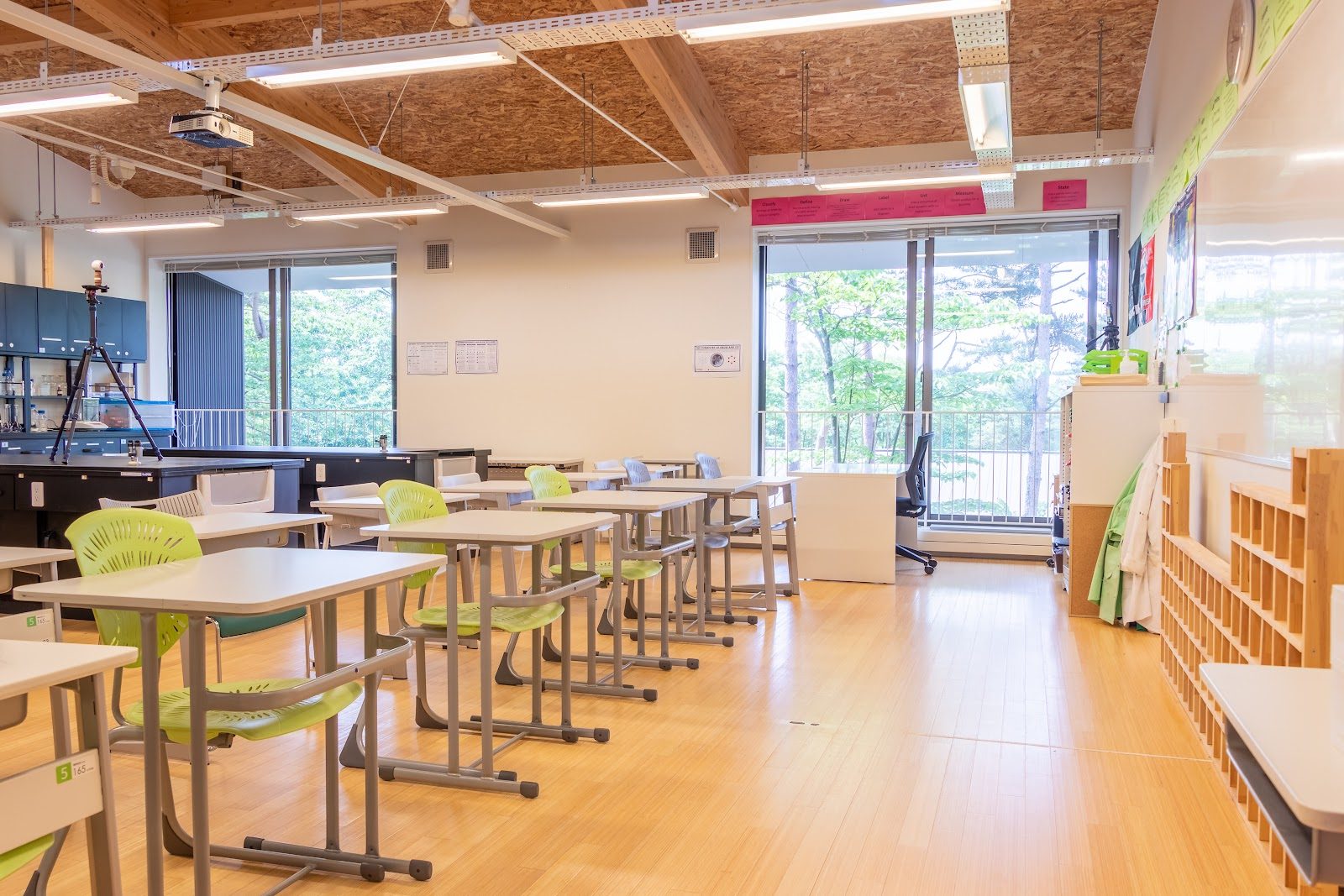
UWC ISAK Japan
Karuizawa · Japan
Japan's only UWC campus, tucked on Mount Asama, where seven in ten students study on need-based scholarship.
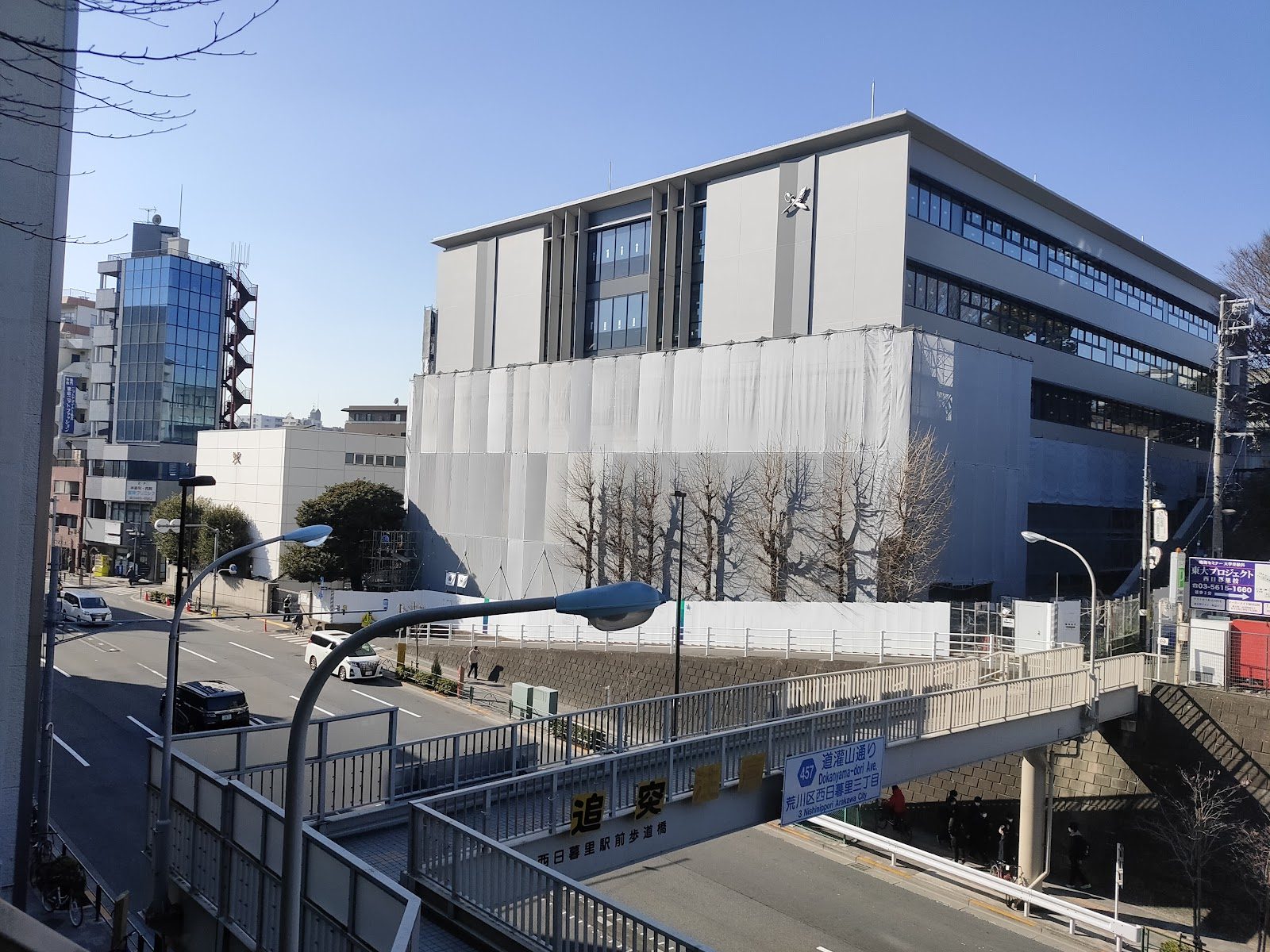
Kaisei Academy
Tokyo · Japan
An 1871 all-boys day school in one of Tokyo's densest wards, a perennial University of Tokyo feeder now adding IB and AP tracks abroad.
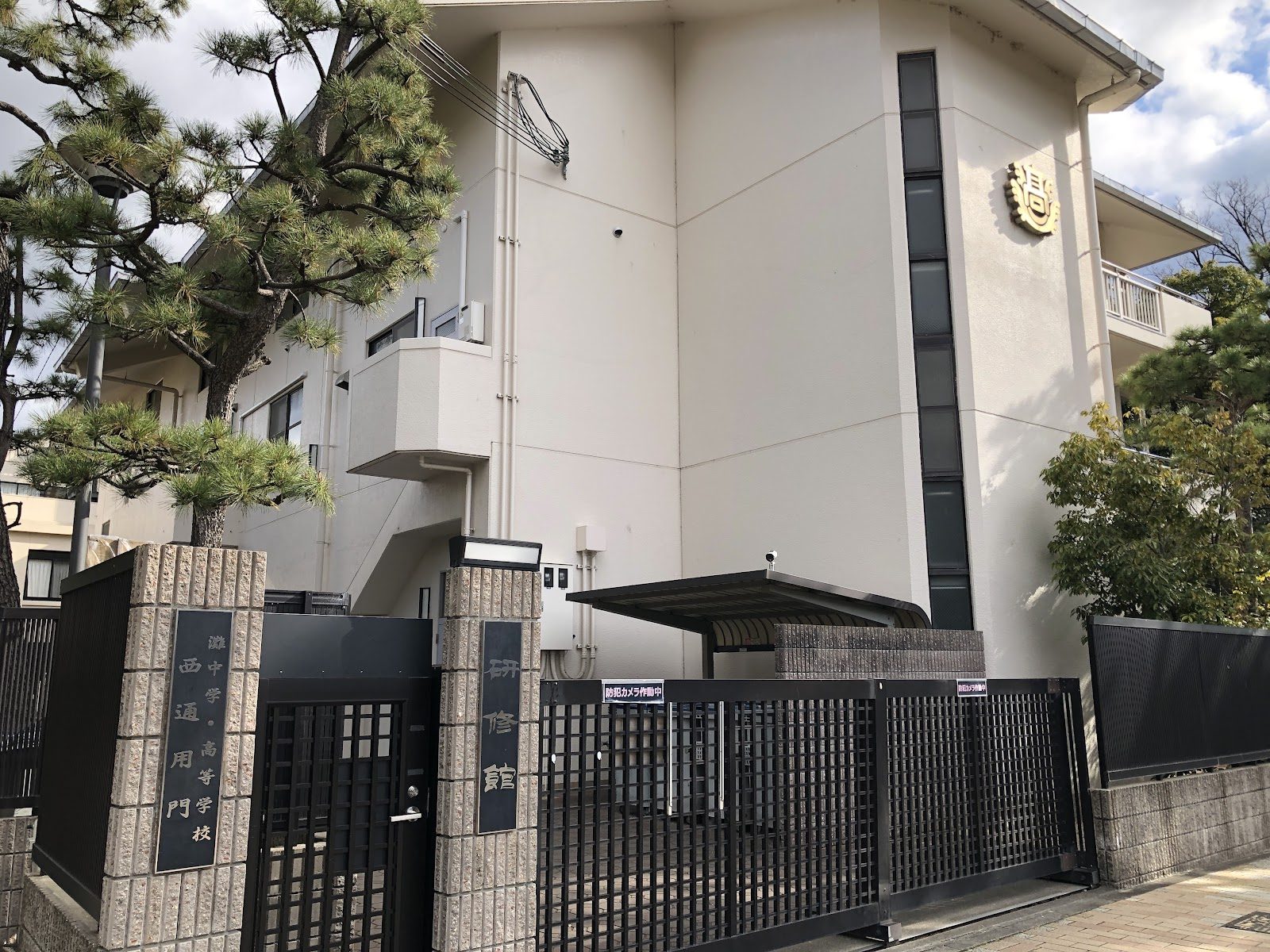
Nada High School
Kobe · Japan
Founded by Kobe sake brewers with judo's creator as an advisor, this uniform-free campus channels students straight into Tokyo and Kyoto University.
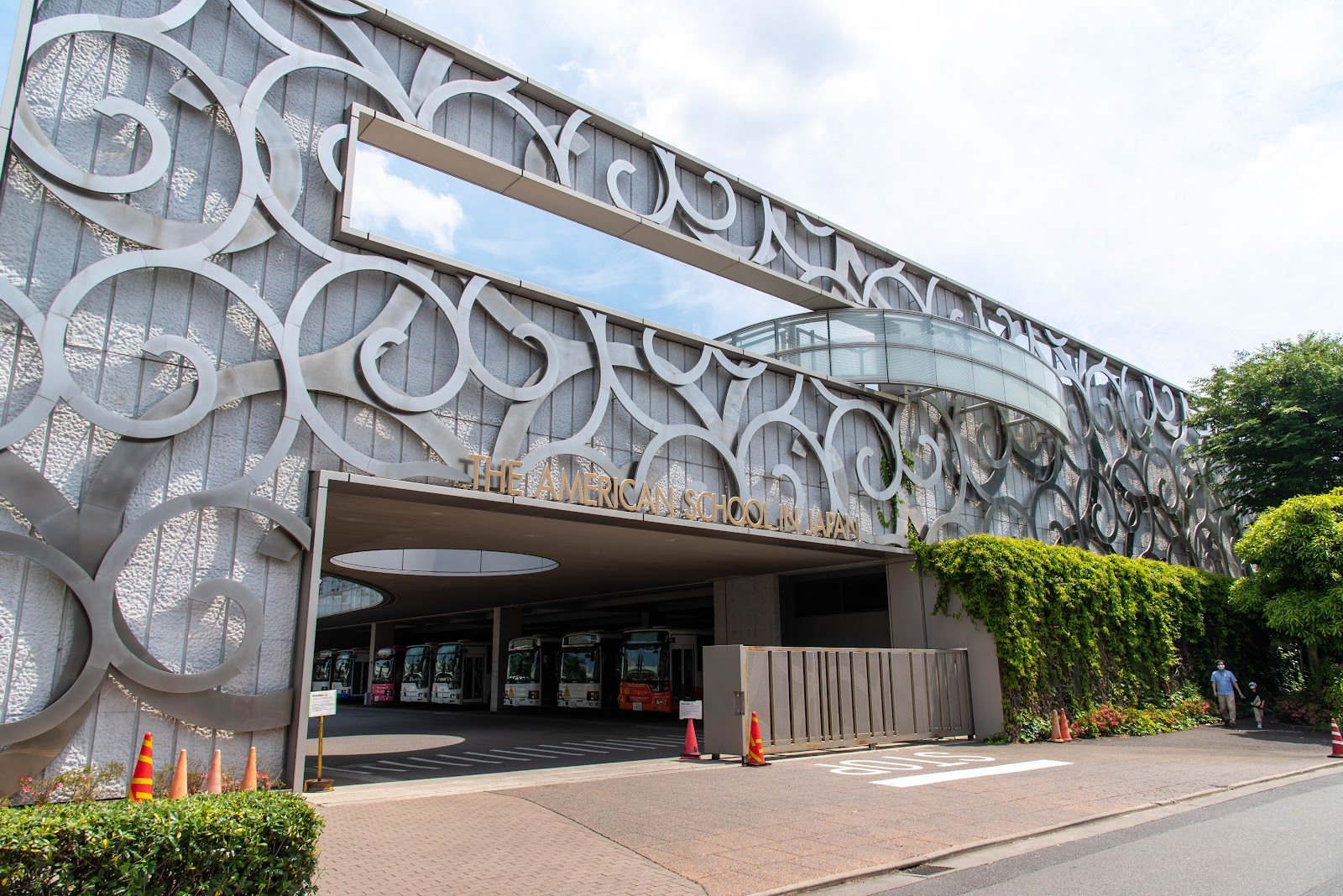
The American School in Japan
Tokyo · Japan
Rooted in Chofu since 1902, its early campus plans once drew sketches from Frank Lloyd Wright himself.
Same country and curriculum — closest matches within ±10 points either way