
Massachusetts
Walnut Hill School for the Arts
A weekly commute to Boston's Jordan Hall pairs New England Conservatory training with a full college-prep diploma.
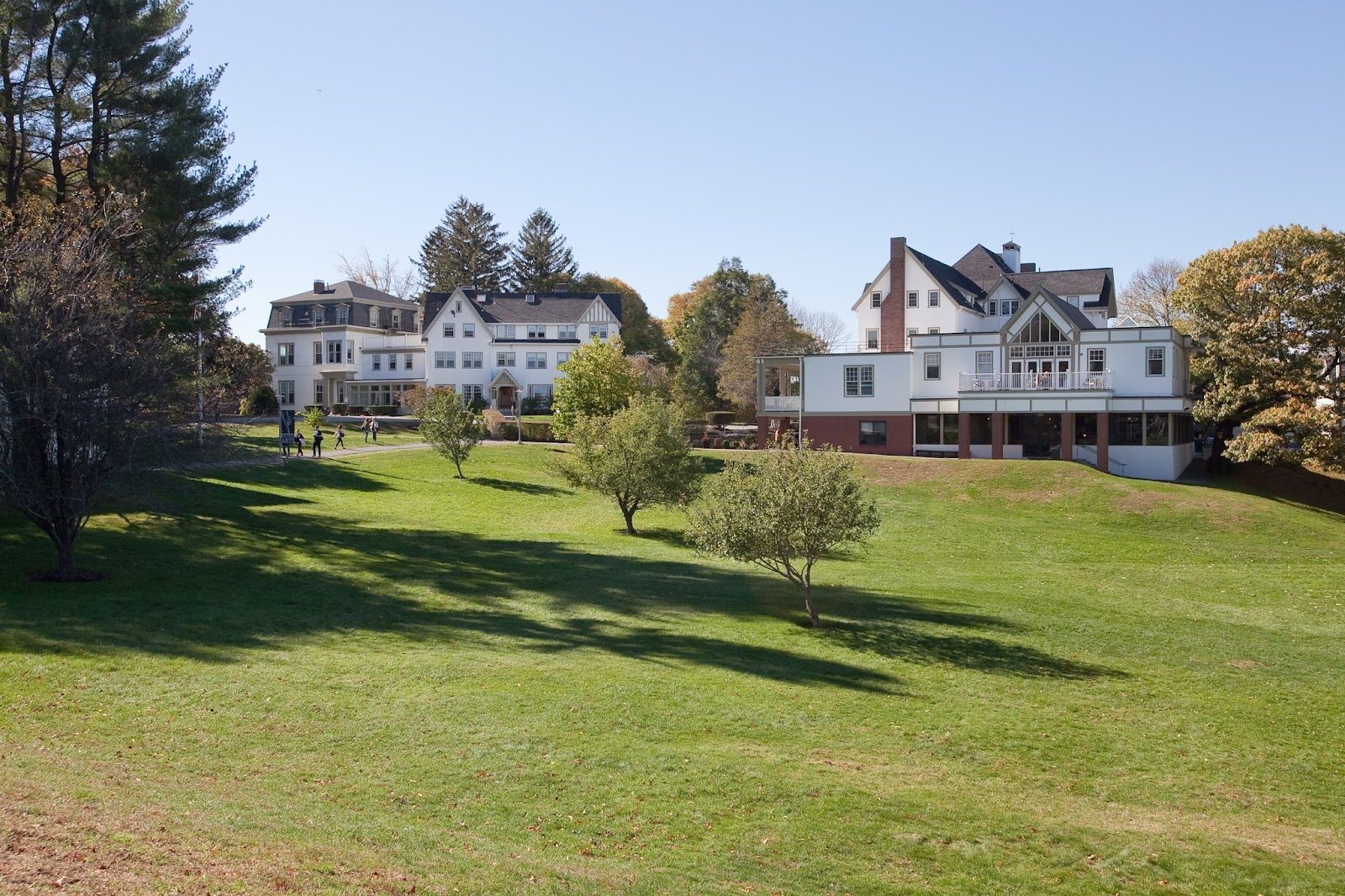
Photo © Walnut Hill School for the Arts via Google Maps
Type
Boarding + Day
Ages
14–18
Curriculum
US High School Diploma · Advanced Placement
Ratio
1:4
The Verdict
Editor's commitment
Right for
Serious young artists, 14–18, who want a US High School Diploma with APs and a 1:4 ratio on a 275-student campus.
Wrong for
Families who want a conventional American high school first and arts second, or who balk at USD 69,900 boarding fees.
Watch out for
Average class size is 12 and 70% board, so the community is tight; if your child wants anonymity, Walnut Hill will grate.
Peer & Industry Review
How Walnut Hill School for the Arts is regarded in the sector
80
Strong · medium confidence
Walnut Hill sits in a small, specialized peer set of pre-professional arts boarding schools -- Interlochen Arts Academy, North Carolina School of the Arts, Idyllwild Arts -- and is generally discussed alongside them rather than against traditional college-prep boarding schools like Exeter or Andover, reflecting its niche identity. Its formal affiliation with Boston Conservatory at Berklee is repeatedly cited by education press (Boarding School Review, Niche) as a distinguishing structural advantage, giving conservatory-level faculty access unusual for a high school. Admissions officers in dance, theater, and visual arts programs at institutions such as Juilliard, RISD, NYU Tisch, and Berklee are known to recruit from Walnut Hill's showcases and portfolio days, a signal tracked informally through audition-circuit reputation rather than published rankings. Because it is arts-focused, it is largely absent from mainstream national league tables (Forbes, Niche overall academics), which independent reviewers note understates its standing within the arts-education world specifically. Coverage tends to be trade-specific (Dance Magazine, arts-education outlets) rather than general boarding-school press, reinforcing its identity as a specialist rather than broad-academic competitor.
Award

Elite Drama 50
World's Top School · The Global Ranking
Walnut Hill School for the Arts is featured on our Global Top 50 ranking at #10. This seal is available for the school's marketing team to use on their website, prospectus and social channels.
Award

Elite Music 50
World's Top School · The Global Ranking
Walnut Hill School for the Arts is featured on our Global Top 50 ranking at #20. This seal is available for the school's marketing team to use on their website, prospectus and social channels.
Award

Elite Visual & Fine Arts 76
World's Top School · The Global Ranking
Walnut Hill School for the Arts is featured on our Global Top 76 ranking at #14. This seal is available for the school's marketing team to use on their website, prospectus and social channels.
- Christian Coulson — Actor, Film/TV
- Uzo Aduba — Actress, Film/TV
- Uma Thurman (Actress, Film) - unconfirmed attendance
Editors' overview
Walnut Hill School for the Arts occupies a narrow and serious niche: a US high school diploma with Advanced Placement, delivered inside a conservatory-style arts school. That combination is the point. This is not a conventional college-prep boarding school with strong extracurricular arts, nor a looser creative school that treats academics as secondary. Walnut Hill builds the week around intensive training in dance, music, theatre, visual art, and writing, film & media arts, while keeping classes small and expectations clear. The headline partnership matters: music students commute weekly to Boston’s Jordan Hall for New England Conservatory instruction. For families who want pre-professional arts training without giving up a full secondary education, that is a concrete advantage, not a branding flourish.
The school’s scale is part of its appeal. With 275 students, an average class size of 12, and a 1:4 student-teacher ratio, Walnut Hill offers close supervision and a high-contact culture. It is also fully committed to boarding life: 70% of students board, which gives the campus a stronger residential identity than many arts schools with a day-school core. The international mix — 30% of the community — adds range without turning the school into a transient holding pen for globally mobile families. Fees are steep at $69,900 for boarding and $48,900 for day students, so parents are paying for specialisation. The question is not whether it is expensive; it is whether the student will use what the school is built to provide.
What sets Walnut Hill apart is intensity with structure. The school targets teenagers who already know that art is not an after-school hobby but the centre of their working life. The best fit is a disciplined young artist who wants daily artistic immersion, can handle critique, and values being surrounded by peers who care as much about rehearsal, studio time or creative output as they do. A student who wants broad mainstream sport, a traditional American high-school social scene, or maximum subject breadth will find the offer narrow. A student who wants serious craft, small classes, and a community organised around artistic standards will find the narrowness productive.
Walnut Hill belongs on a shortlist for families comparing specialist arts boarding schools in the US because it is old, focused and clear about its purpose. Founded in 1893, it has had time to refine the model. It also avoids the common trap of arts schools that talk grandly and explain too little: the basic proposition is plain. This is a school for adolescents who want to train hard, live among other artists, and leave with both a diploma and a stronger artistic foundation. For the right student, that is an exacting, energising environment with a clear line of sight to college, conservatory, or both.
A Global Elite 50 Music school
Walnut Hill School for the Arts sits in Tier 2, Band 11-30, of the Global Elite 50 Music Schools because, through its formal partnership with the New England Conservatory of Music, it operates the most closely integrated boarding-school-plus-conservatoire model in North America. Founded in 1893 and now based on a 40-acre campus in Natick, Massachusetts, Walnut Hill teaches around 300 pupils across five arts disciplines, with the Music School taught in a formal partnership with NEC's Preparatory Division.
Its specialisms are classical: strings, piano, brass, woodwind, percussion, voice and composition. Music pupils divide their time between Walnut Hill's Natick campus — where they take a full academic day leading to a US high-school diploma — and NEC's Preparatory Division in Boston, where they take their instrumental lessons, chamber music, ensembles and theory with NEC faculty. That partnership means Walnut Hill music pupils train under the same faculty as NEC's undergraduate students, a level of formal conservatoire integration that no other US arts boarding school matches.
Progression evidence is strong. Walnut Hill Music alumni routinely matriculate into the New England Conservatory itself, Juilliard, Curtis, the Manhattan School of Music, the Peabody Institute, the Cleveland Institute of Music, Eastman and the Colburn Conservatory. Alumni across generations include Rachel Barton Pine, Jennifer Frautschi, and a rolling roster of current members of major American orchestras and international competition finalists.
International openness is genuine and structurally central. Approximately 25% of pupils are non-US in a typical year, with strong feeder pipelines from East Asia (particularly South Korea and China), Europe and Latin America. F-1 student visas are handled by the school and EAL support is embedded. Overseas families pay a full published boarding fee of approximately USD 82,000-86,000 per year all-in, and Walnut Hill operates a substantial need-based aid programme with a portion of that budget available to international applicants. Admission is by competitive audition — video pre-screens are accepted from anywhere in the world with recall auditions held on campus.
A Global Elite 50 Drama & Acting school
Walnut Hill School for the Arts (Theater) sits at #10 on our Global Elite 50 Drama & Acting Schools 2026, with a 83 Elite Score and B+ evidence-confidence grade, because on the 100-point Elite Acting Progression Model it demonstrates the weighted elite conservatoire progression, faculty pedigree, screen-and-stage training breadth and industry integration that separate a true tier institution from a strong regional feeder.
Its operating model is best described as Boarding Arts Academy: a structure that shapes both the daily balance of academic and specialist study, and the professional trajectory of graduating actors as they move into major drama-school BA degrees or direct casting.
The Global Elite 50 Drama & Acting Schools methodology is deliberately aggressive: 30 of the 100 available points are directly tied to weighted elite conservatoire and professional programme conversion between 2016 and 2026 — RADA, Guildhall, LAMDA, Juilliard, NYU Tisch, Yale, WAAPA, NIDA and their peers — with a further 15 points on faculty and industry pedigree and 20 points on training intensity and industry integration. Beautiful campuses, historic alumni and impressive facilities cannot compensate for weak contemporary professional conversion, and are not scored independently.
The evidence-confidence grade is deliberately separate from the ranking position: a lower grade reflects less public disclosure, not weaker performance. Where the school moves substantially better cohort data into the public domain in future audit cycles, the position — but not the underlying professional-conversion reality — may be revised.
International openness is a defining feature. Boarding or residential arrangements are standard where the school operates them, and overseas actors apply on a rolling international audition + video pre-screen basis without residency, federation or citizenship gates. Student visas are handled by the school or its host-family partner. This is one of the internationally-open pipelines on the Global Elite 50 Drama & Acting Schools list that a relocating family can consider directly.
An Elite Visual & Fine Arts 76 school
Walnut Hill School for the Arts in Natick, Massachusetts, sits at rank fourteen on the Elite Visual & Fine Arts 76 because it is one of a small number of American boarding schools that treats Visual Art as a full academic major rather than an elective, admitting students only after a dedicated portfolio review and sending its graduates on to Rhode Island School of Design, Cooper Union, Pratt Institute, and Parsons School of Design. Founded in 1893 and rebranded as a coeducational arts school in 1972, it has built a genuine pre-professional pipeline into American art and design higher education.
The specialism runs through the Visual Art Department, where students work across drawing, painting, ceramics, printmaking, sculpture, photography, and apparel design, taught by faculty mentors who are themselves practicing professional artists. Studio space is concentrated in the Highland building, which houses the Visual Art studios and the Pooke Gallery, alongside the Delbridge Family Center for the Arts. Seniors take a capstone studio course explicitly designed to emulate the rigors of the art college studio environment, built around recurring group critiques where students present and defend finished projects to peers. The result, by the school's own account, is a portfolio built across multiple mediums that is used directly for conservatory and art-school applications.
Alumni of the Visual Art program include Christine Waggoner (Class of 1995), a Technical Director at Pixar Animation Studios; Jack McCollough (1997), co-founder and designer of Proenza Schouler; Jonah Freeman (1993), a visual artist represented by Marlborough Galleries in New York; and Jake Fried (2002), an artist and animator, alongside independent curator Kristin Sancken (2005).
International openness is structural, not incidental: roughly 30 percent of the student body is international, boarding is standard, and non-native English speakers submit Duolingo English Test scores and can apply English Language Learning coursework toward the diploma's English requirement. Visual Art applicants complete a portfolio review plus interview rather than a generic audition. Annual fees run approximately $87,320 for boarding students and $68,525 for day students. Families should begin the portfolio and visa process well over a year ahead of a fall entry, since boarding places and specialist review slots fill early.
Academic Performance
Walnut Hill does not publish the kind of exam dashboard that lets parents benchmark it cleanly against selective US boarding schools with fuller disclosure. We have not seen school-wide AP participation, average AP scores, SAT or ACT ranges, matriculation breakdowns by institution type, or any consolidated external-results profile. That makes hard comparison more difficult than it should be. For a school charging premium fees and asking families to buy into a high-intensity specialist model, that opacity matters. The academic proposition itself is clear enough — college-prep teaching delivered alongside serious arts training — but the public evidence on exam outcomes is thin.
Relative to peers, Walnut Hill sits in a distinct category: specialist arts schools are not judged only by AP volume or standardised-test bragging, because timetable space goes to studio, rehearsal and performance. That context explains lower public emphasis on conventional academic metrics; it does not excuse the absence of them. Parents weighing Walnut Hill against academically stronger mainstream boarding schools need to treat it as an arts-first school with a diploma attached, not as a direct rival to the most data-rich New England college-prep institutions. For conservatory-minded students, that trade-off can be entirely rational. For families who want hard proof of external academic performance, Walnut Hill gives less than many competitors.
Facilities
For an arts school, the critical test is whether facilities serve daily practice rather than brochure photography. Walnut Hill clears that bar on the essentials we can verify. The school’s key asset is not a single showpiece building but a timetable-and-space model built around sustained work in dance, music, theatre, visual art and writing, film & media arts. The weekly use of Jordan Hall through New England Conservatory matters more than any on-campus music room count: it gives musicians access to a serious professional setting, not a school-stage imitation of one. Small classes and a 1:4 staffing ratio also change how facilities function; studios, rehearsal rooms and arts teaching spaces are used for close instruction, critique and repetition rather than mass delivery. That suits young artists who need constant correction and protected working time.
Against peer schools, Walnut Hill’s facilities profile reads as purpose-built rather than sprawling. It does not trade on the country-house scale, athletic complexes or all-purpose campus abundance that define mainstream US boarding schools. Families looking for broad sports infrastructure or a long list of non-arts amenities will find a narrower offer. Families comparing specialist arts schools will read the position differently: the important question is whether the school can support disciplined studio habits and credible performance preparation. On that measure, Walnut Hill is convincing. The school’s small enrolment — 275 students — also helps here; access pressure is lower than at bigger schools where specialist spaces exist but competition for time inside them is fierce.
Walnut Hill’s distinctiveness lies in how early and how fully it asks teenagers to commit
Prestige
Walnut Hill carries real prestige, but it is specialist prestige, not broad American boarding-school cachet. In the arts world, that distinction matters. A teenager training there joins a school built for serious young performers, makers and writers, not a generalist institution with a strong arts department bolted on. The partnership that places music students in weekly study at Boston’s Jordan Hall through New England Conservatory gives the school a concrete professional connection that many rivals cannot match. The staffing intensity — 1:4 — reinforces that standing: families are not buying scale, they are buying attention, critique and access. Among specialist arts high schools, that carries weight.
The limits are just as clear. Walnut Hill does not hold the all-purpose prestige of the top academic boarding schools whose names signal elite university preparation first and everything else second. Its reputation rests on artistic seriousness, selective peer culture and a training model that asks adolescents to narrow early. That is impressive, but also niche. For the right student, the school offers a high-status route into conservatory-level ambition while preserving a recognised secondary qualification. For families chasing social polish, old-boy networking or the broadest conventional definition of school prestige, Walnut Hill is the wrong instrument. For families chasing artistic credibility in a disciplined boarding environment, it ranks as the real thing.
Walnut Hill School for the Arts occupies a narrow and serious niche: a US high school diploma with Advanced Placement, delivered inside a conservatory-style arts school
Communications
Walnut Hill communicates with more clarity than many specialist schools, because its central proposition is easy to grasp and the school does not bury it under generic college-prep language. Parents can see, quickly, that this is a place for young artists living inside an intensive training culture, with academics running alongside rather than in front. The public-facing communication is strongest when it sticks to structure: a campus of 275 students, a community with 30% international representation, and a clear breakdown between boarding and day. That kind of blunt framing helps families self-select. If your child wants a conventional American secondary experience, Walnut Hill tells you soon enough that this is not it. That is useful, adult communication.
The weakness is depth. The school explains mission, disciplines and community tone well, but gives parents less hard operational evidence than a premium-fee school should. We do not see much public detail on outcomes, day-to-day academic tracking, or the practical mechanics that matter once a child enrols: reporting cadence, parent access to teachers, or how the school handles the pressures of an arts-heavy week. For an institution asking families to commit serious money — $69,900 for boarding — that gap is conspicuous. The communication style is confident and coherent; the disclosure level is thinner than the pitch. Parents who value ethos and fit will get a strong read. Parents who want granular accountability will want more.
Uniqueness
Walnut Hill’s distinctiveness lies in how early and how fully it asks teenagers to commit. Many schools encourage artistic talent; Walnut Hill organises the entire week around it. Students do not squeeze rehearsals, studio practice or creative work around a mainstream school day. They build their education inside an arts culture where peers share the same priorities, teachers can push harder, and the school does not need to apologise for intensity. That matters for adolescents who already know they want more than enrichment. It gives them serious daily immersion, a peer group that treats craft as work, and a routine built for repetition, critique and progress rather than casual participation. The result is purposeful narrowing: less breadth, more depth, earlier than at most schools.
The other point of difference is the combination of specialist training with a recognised secondary qualification and direct exposure to professional standards. The New England Conservatory link, with weekly study at Jordan Hall, lifts the music offer beyond the usual school-level promise of “excellent opportunities”. Across the school, the small student body and 1:4 ratio support constant adult attention and a high-pressure, high-feedback culture that can accelerate growth for resilient students. That brings real benefits: sharper discipline, stronger portfolios or audition readiness, and clearer preparation for conservatory or arts-focused university routes. It also brings limits. This is not a halfway house for a child who likes the arts; it is a school for a young artist prepared to build a life around them.
This is not a conventional college-prep boarding school with strong extracurricular arts, nor a looser creative school that treats academics as secondary
Student Profile
Walnut Hill suits a teenager who already treats art as work. The right student does not need coaxing into practice, rehearsal, drafting or critique; they want more of it, and can absorb correction without collapsing. This is a school for adolescents with a clear vocational pull towards dance, music, theatre, visual art or writing, film and media arts, and for families comfortable with an environment where artistic development drives the rhythm of the week. The social fit matters too. In a community of 275 students, there is less room to disappear, posture or drift. Students who thrive here tend to value focus over breadth, peer seriousness over conventional school glamour, and sustained effort over easy praise. The international mix — 30% of the student body — also means a student needs some poise across cultures, not just talent in a studio.
Who struggles? The student who likes the arts but wants them as one strand among many. Walnut Hill is not a casual creative option and not a refuge for the indecisive. It asks for stamina, self-management and a willingness to live among other young people who care intensely about improvement. That can be bracing, and for some teenagers, exhausting. Students who want a wider athletic identity, a looser academic day, or a more anonymous social life will find the school constricting. Students who want serious artistic company and can handle a high-expectation culture will fit well.
The headline partnership matters: music students commute weekly to Boston’s Jordan Hall for New England Conservatory instruction
Co-curricular strengths
Arts & sport, on a separate axis
Overall 8.5/10
Scored 0-10 from the school's own published evidence. This axis is editorial-only — it does not feed the main WTS ranking.
Sports
4/10
Drama
9.6/10
Dance
9.6/10
Music
9.7/10
Visual Arts
9.6/10
Strengths
- +Founded in 1893, making it one of the oldest specialist arts boarding schools in the United States.
- +Offers five distinct pre-professional arts majors (dance, music, theater, visual arts, creative writing) alongside a full US diploma.
- +Small enrollment of roughly 250 students supports low student-teacher ratios and individual arts mentorship.
- +Location in Natick, 17 miles from Boston, gives access to the city's conservatories, colleges and professional arts institutions.
- +Long-standing historical ties to Boston Ballet have shaped the school's dance and performance training reputation.
Considerations
- −Boarding and day fees sit at the high end of US independent school pricing, with limited published merit aid detail.
- −Heavy arts-concentration schedule leaves less time for traditional team sports or a broad extracurricular club culture.
- −Small size means a narrower spread of Advanced Placement subjects than large college-preparatory academies.
- −Suburban campus setting means students rely on organised transport for independent access to Boston's wider cultural life.
Gallery
Photo © Xintong Miao via Google Maps
Photo © Xintong Miao via Google Maps
Photo © Juergen Roth via Google Maps
Parent reviews
Have you sent your child here?
Voice reviews carry the strongest trust badge — we transcribe them for you to tidy up before they go live. Prefer to type? A written review is fine too.
Add your voice
In 60 seconds, tell other parents: what's the best thing about Walnut Hill School for the Arts, and what surprised you when your child joined?
We ask for a Google sign-in so every review has a real face behind it — no anonymous drive-by attacks on schools, and no faked positive reviews. Your email is never shown publicly.
Send this profile to a friend
International parents rely on word-of-mouth. Share this review with someone weighing the same decision.
Schools with places
Similar schools to Walnut Hill School for the Arts with places available now.
Boston University Academy
Boston · United States
- 2026-27
- CLOSEDRegular cycle closed
- 2027-28
- OPENS SOONOpens Sept '26
Belmont Hill School
Belmont · United States
- 2026-27
- CLOSEDRegular cycle
- 2027-28
- PLACES OPENApplication route live
Noble and Greenough School
Dedham · United States
- 2026-27
- CLOSEDRegular cycle
- 2027-28
- PLACES OPENJan 15 '27 Deadline
Middlesex School
Concord · United States
- 2026-27
- CLOSEDRegular cycle
- 2027-28
- OPENS SOONOpens 1 Sept '26
Availability first, then country, area, curriculum, price, co-curricular
Consider also
Also worth looking at alongside Walnut Hill School for the Arts.
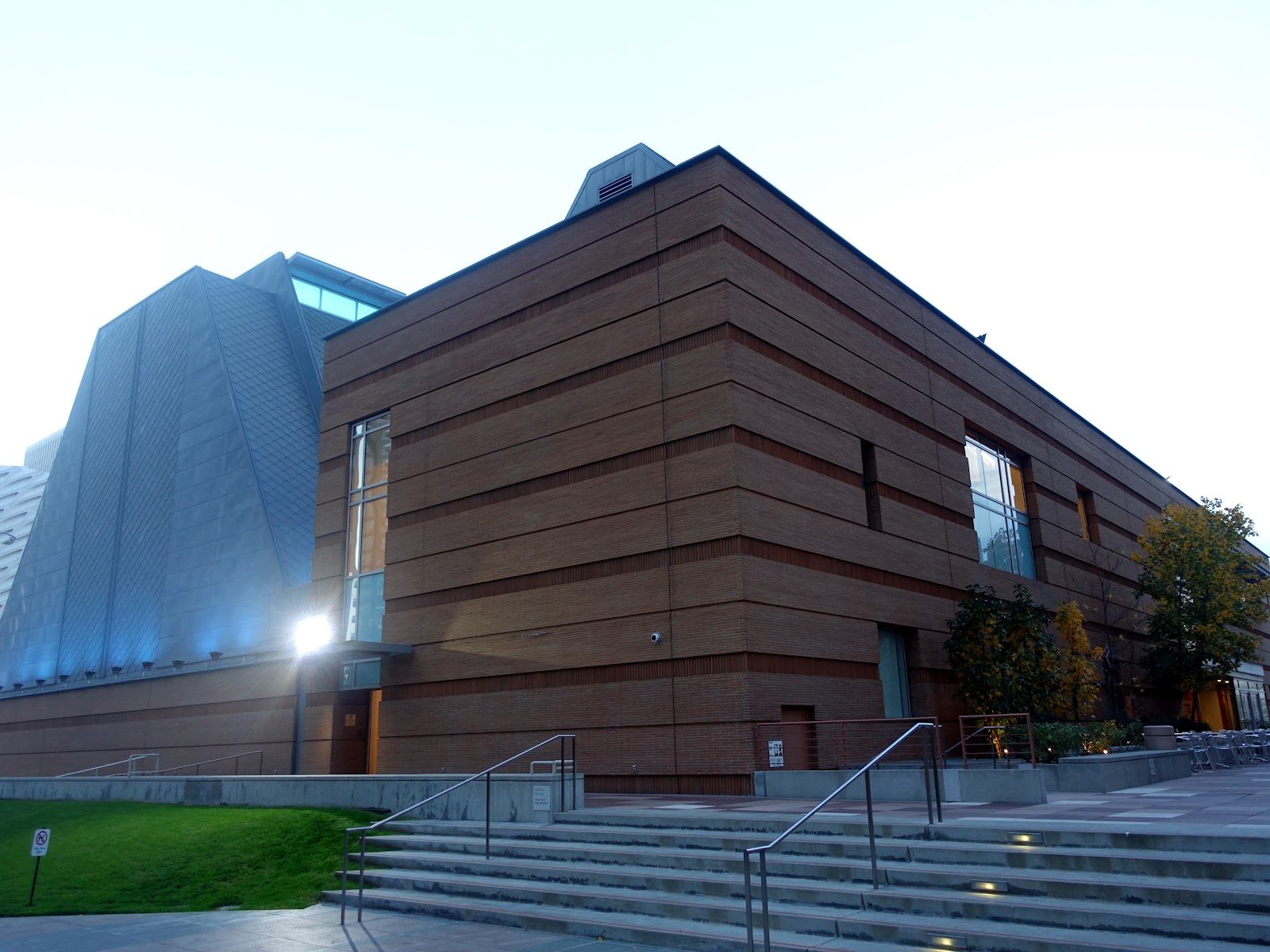
Colburn Music Academy
Los Angeles, CA · United States
Downtown LA's highly selective pre-college conservatory track pairs LA Phil-taught private lessons with an outside high school diploma.

Idyllwild Arts Academy
Idyllwild, CA · United States
A mile-high pine forest campus houses the West Coast's only boarding arts high school, pairing conservatory training with college-prep rigor.
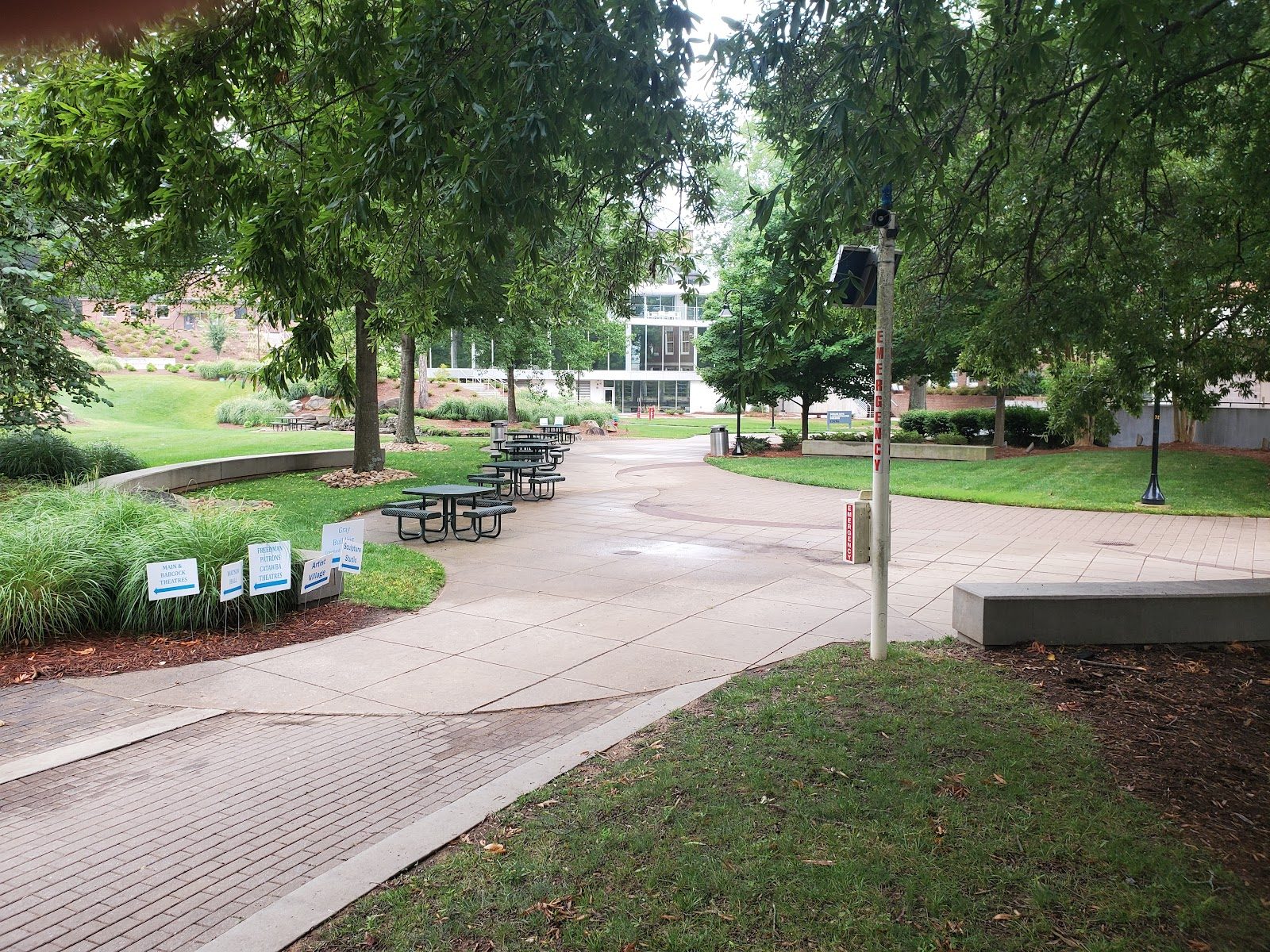
UNCSA High School, School of Music
Winston-Salem, NC · United States
Born from America's first public arts conservatory, pairing pre-professional music training with a rare four-year residential high school track.
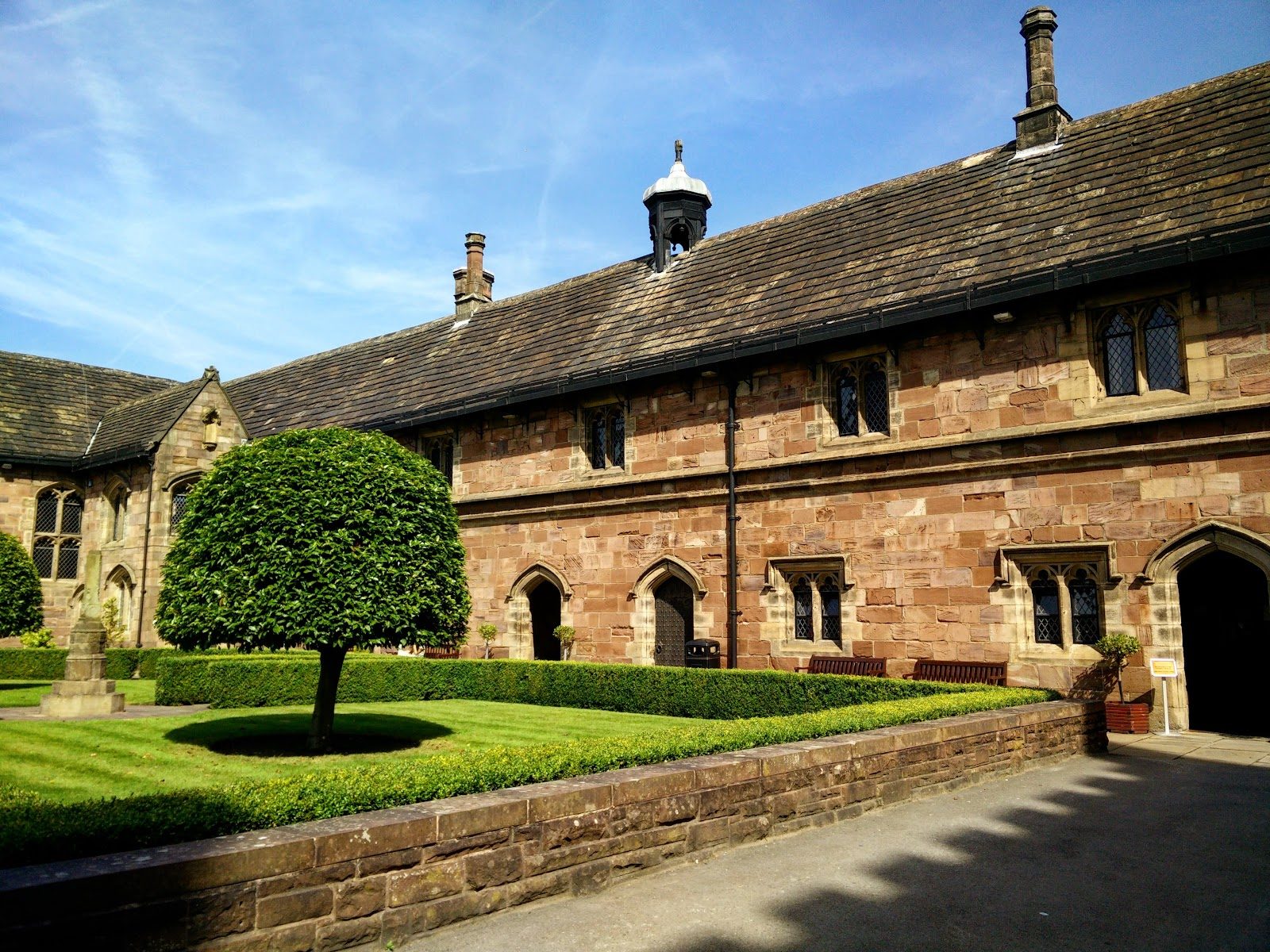
Chetham's School of Music
Manchester · United Kingdom
Set on a medieval site by Manchester Cathedral, entry here turns on musical audition, not fees, at the north's only specialist music school.
Same specialism, country and curriculum — closest matches within ±10 points either way