
Greater London
Wilson's School
medium confidence· 5/6 cats · 2 avg sourcesA 1615 charity foundation turned super-selective grammar, thriving on a former Croydon airfield with a sharp focus on maths and computing.
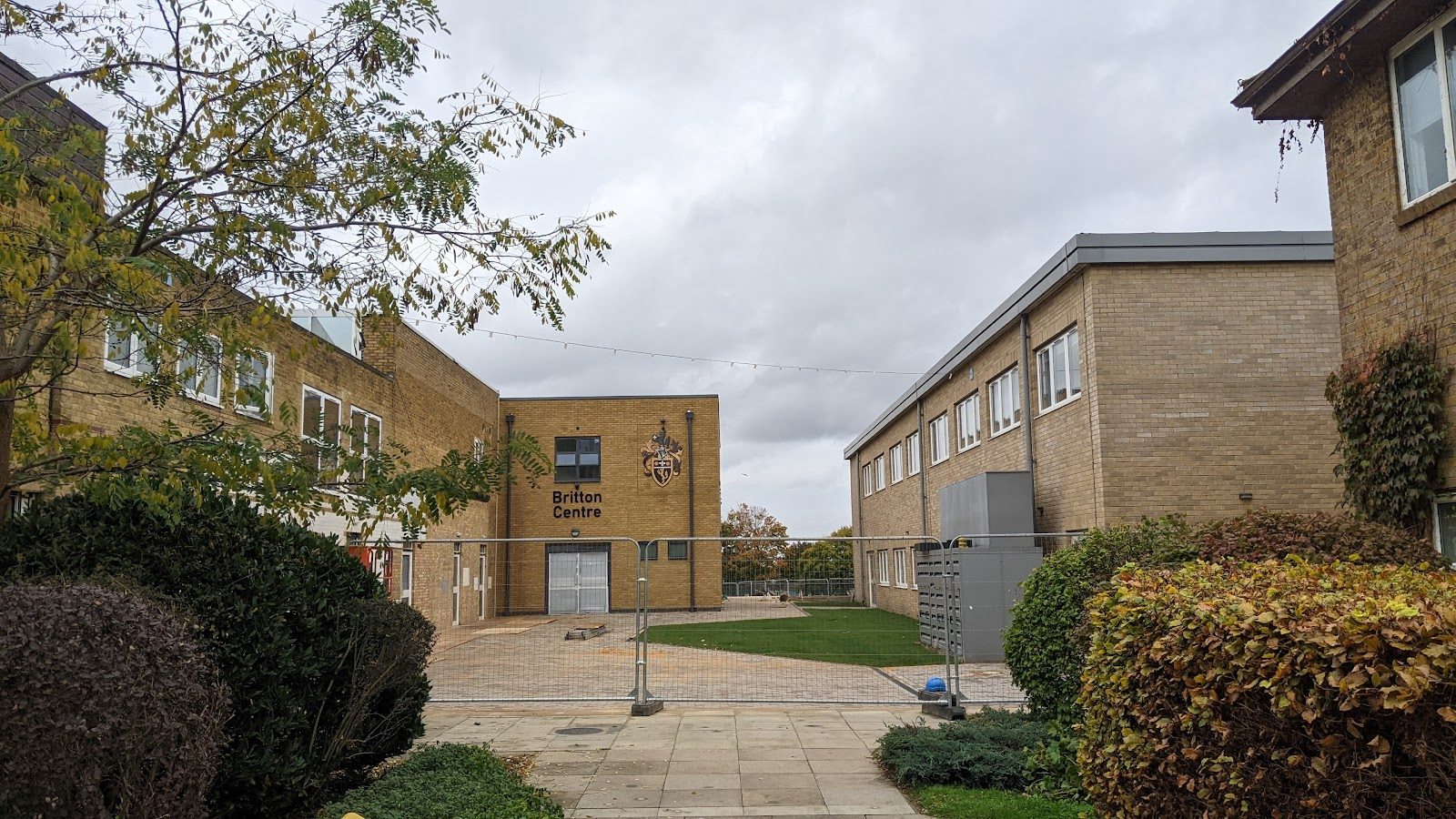
Photo © SanyaOdare via Google Maps
Type
Day
Ages
11–18
Curriculum
British
Qualifications
GCSE · A-Level
Ratio
13:1
The Verdict
Editor's commitment
Right for
Academic boys who want a state grammar with teeth: 1615 roots, a 13:1 ratio, and 14 Oxbridge offers in 2024.
Wrong for
Families seeking co-education, boarding or a softer pace; this is a boys' day school for ages 11–18 with 26 pupils a class.
Watch out for
The maths-and-computing tilt is real, and 90% of 155 leavers reached top-100 universities; if your son needs hand-holding, pressure follows.
Ranking breakdown
Wilson's School · # of 1591
Composite score 70.7. 8 weighted criteria.
By criterion
Academic Outcomes
Weight 20%
#43
of 1529 scored
University Placement
Weight 16%
#59
of 1529 scored
Prestige & Heritage
Weight 12%
#118
of 1571 scored
Alumni Network
Weight 12%
#1334
of 1530 scored
Facilities
Weight 12%
#721
of 1534 scored
Transparency & Communications
Weight 8%
#153
of 1532 scored
Peer & Industry Review
Weight 10%
#147
of 1548 scored
Admissions Selectivity & Demand
Weight 8%
#81
of 1529 scored
Score history
Wilson's School · 2026
Movement across 2024–2026. Peer average overlaid.
Overall — 2024–2026
70.7/ 100
▲ +22.3 vs 2025
year on year
Peer & Industry Review
How Wilson's School is regarded in the sector
83
Strong · high confidence
Wilson's School is widely regarded as one of the strongest state-funded grammar schools in the country, rated Outstanding across every category by Ofsted and named "State Secondary School of the Year for GCSEs 2026" by The Sunday Times. The Good Schools Guide's independent verdict calls it "a great place for boys who are effortlessly clever," praising a culture where students "do so well and with such grace" while staying refreshingly free of arrogance. WhichSchoolAdvisor's profile reinforces that standing, describing it as "one of the country's most successful state-funded selective boys' schools" and pointing to a distinguished alumni roll including actor Michael Caine. Fierce entrance competition, strong Oxbridge progression and a long-standing sporting and musical reputation give it durable sector visibility, though as a non-fee-paying grammar its footprint sits within UK state-school press rather than the international independent-school circuit.
- John Nunn — Chess Grandmaster
- Elliot Morley — Politician, former MP
- Duncan Selbie — Public Health Executive
Editors' overview
Wilson’s School trades on an unusual combination: a charity foundation dating back to 1615 and a modern state grammar on the site of a former Croydon airfield. That mix matters less as romance than as culture. This is a boys’ day school in Sutton for ages 11–18, non-religious, English-medium and unapologetically super-selective. Parents looking for broad-church comprehensivism should move on. Wilson’s works for families who want a sharp academic institution with the confidence to push bright boys hard, especially in mathematically inclined subjects. The student-teacher ratio of 13:1 and average class size of 26 point to a school that is busy rather than cosseting: not anonymous, not boutique, and built for able pupils who can keep pace.
Its strongest market distinction is academic destination power without private-school fees, because this is a state school with academy status. The 2024 leavers data is blunt: 90% of 155 leavers went to top-100 universities, with 14 Oxbridge places and 45 to Russell Group institutions. The top individual destinations — Cambridge with 8, Oxford with 6 and Imperial with 12 — reinforce the obvious reading: Wilson’s sends a serious tranche of its cohort into the UK’s most competitive universities. That track record, paired with the editorial tagline’s focus on maths and computing, places it firmly in the bracket of schools that attract boys who enjoy intellectual competition rather than merely tolerate it. It is fiercely academic, results-driven and not for the faint-hearted.
Why shortlist it? Because few schools offer this level of academic yield in the state sector while keeping a clear identity. Wilson’s suits self-propelled pupils who want stretch, structure and able peers around them every day. It suits families who value university outcomes, disciplined classroom culture and the social mobility argument for grammar education. It does not suit children who need a soft landing, heavy hand-holding or a wide-open, mixed-ability environment. In market terms, Wilson’s sits in the elite state grammar tier: a hard-edged choice for bright, ambitious boys who will thrive under pressure rather than shrink from it.
Academic Performance
Wilson’s sits at the sharp end of the English state sector. The school is selective by design, so the relevant comparison is not the local mixed-ability market but other high-performing grammars and academically exacting comprehensives. On the data in public circulation here, its strongest measurable signal is post-school destination strength rather than published exam breakdowns: 90% of leavers moving on to top-100 universities, with 14 heading to Oxbridge, places it in rare company for a non-fee-paying day school. That does not replace GCSE and A-level tables, but it does tell parents something concrete: this is a school whose top end converts academic promise into highly competitive university offers at scale.
There is, however, a gap in transparency. The school does not publish aggregate GCSE or A-level outcomes in the source set here, so a parent cannot test the full attainment picture against peers from the same evidence base. That matters, because at this level the distinction is no longer between good and weak results; it is between exceptional and merely very strong. Even with that caveat, Wilson’s belongs in the top-flight grammar bracket: a school for boys who can handle relentless pace, deep competition and external exams that function as a sorting mechanism for the country’s most selective universities. In league-table terms, that is the market it inhabits, and the destinations data backs that up.
Facilities
Wilson’s does not trade on country-house grounds, boarding infrastructure or luxury add-ons. It sits on a former airfield site, and that matters less for romance than for function: schools built on that kind of footprint can offer space for sport and specialist blocks without the cramped compromises common in inner-London selective schools. The school’s own pages in this source set do not give a clean facilities breakdown, so there is no basis here for inflated claims about theatres, pools or standout labs. That opacity is a weakness. At this level, parents deserve a direct account of science, computing and sports provision, especially at a school with a hard-driving academic reputation and classes averaging 26 pupils. Big cohorts need rooms, circulation space and timetabling discipline; if those systems are thin, the pressure shows fast.
Against peer grammars in and around London, the likely advantage is practical space rather than architectural splendour. Independent competitors buy polish: indoor sports centres, high-spec arts suites, glossy sixth-form common rooms. State grammars win on academic density and sensible infrastructure. Wilson’s fits that second model. The key question is not whether the campus feels luxurious; it is whether specialist teaching spaces are strong enough to support a super-selective intake with real depth in maths and computing. Public information here does not answer that fully. Parents who care about facilities need to inspect in person and ask blunt questions about lab stock, computing hardware, music rooms, sports surfaces and sixth-form study space.
The 2024 leavers data is blunt: 90% of 155 leavers went to top-100 universities, with 14 Oxbridge places and 45 to Russell Group institutions
Prestige
Wilson’s carries serious academic prestige in the English state system, but it is a narrow kind of prestige: earned through selectivity, outcomes and reputation among informed families, not through social theatre or fee-paying cachet. A place here has weight because entry is hard, the peer group is strong and the school has sustained a high-pressure, high-attainment identity over time. The university destinations data gives that status hard edges. When a cohort sends 14 pupils to Oxbridge and 90% into top-100 universities, the school sits well above the level of a merely popular local grammar. That record gives Wilson’s credibility with parents who judge schools by academic conversion rather than branding.
Its prestige is also reinforced by scarcity. This is a boys’ grammar with academy status, so the route in is constrained and the value proposition is obvious: elite academic company without private-school fees. That combination carries real market power. The school’s name will register immediately with families who track selective state education in and around London. Outside that world, the badge has less social glamour than the top independent schools, and that distinction matters. Wilson’s is prestigious for substance, not polish: strong among universities, strong among selective-state parents, and strongest of all for boys whose ambitions run towards mathematics-heavy, competitive degree courses rather than a more rounded or relaxed sixth-form experience.
That matters, because at this level the distinction is no longer between good and weak results; it is between exceptional and merely very strong
Communications
Wilson’s communication has one clear strength and one equally clear weakness. The strength is message discipline. Families do not need to guess what sort of school this is: the public picture is hard-edged, academically exacting and unapologetically selective, and that consistency matters. Schools that attract ambitious applicants need crisp signalling, because parents are judging fit as much as quality. On that front, Wilson’s does the job. The leavers data is concrete, memorable and useful, and the staffing figures give a practical sense of classroom scale. That is effective communication because it tells parents what life is built around and where the school’s priorities sit.
The weakness is transparency beyond the headline story. One core page in the source set returns a 404, which is a poor standard for a school of this standing. More importantly, key operational detail is thin: there is no clear public account here of aggregate exam outcomes, facilities depth, or the nuts and bolts of day-to-day parent communication such as reporting routines, pastoral contact points or the cadence of school notices. That leaves too much for families to infer. For a school with a high-pressure reputation and classes averaging 26, communication needs to be precise, reliable and easy to navigate. Wilson’s communicates identity well. It communicates process less well.
Uniqueness
Wilson’s is unusual because its identity is far narrower and sharper than that of most high-performing schools. It is not trying to be all things to all families. The grammar-school filter, the boys-only intake and the school’s long institutional memory produce a culture built around academic pace, competition and subject confidence, with a conspicuous tilt towards mathematically minded pupils. For the right child, that brings a real advantage: classrooms where intellectual effort is normal, able peers set the temperature, and ambition does not need disguising. The destination pattern underlines the point. A sixth form that sends 14 pupils to Oxbridge and 12 to Imperial in a single year gives students direct proof that exacting academic routes are realistic, not abstract.
That distinctiveness also shapes daily life. Boys who thrive here get the benefit of a clear, unsentimental pecking order: work matters, mastery matters, and there is little incentive to coast. In a mixed-ability or more expansive all-rounder school, strong mathematicians and scientists can find themselves waiting for the room to catch up. Wilson’s cuts against that. It offers a high-pressure, specialist environment in which stretch is built into the norm. The cost is obvious. Pupils who need breadth over intensity, or warmth over rigour, will find the culture hard-edged. Pupils who want a demanding peer group and a direct runway to competitive universities will find exactly that.
When a cohort sends 14 pupils to Oxbridge and 90% into top-100 universities, the school sits well above the level of a merely popular local grammar
Student Profile
The boys who fit Wilson’s are the ones who want the room to move fast and do not need coaxing to keep up. This is a school for pupils who are energised by tests, rankings, hard marking and able classmates, not unsettled by them. The strongest fit is the intellectually competitive child who enjoys getting answers right, arguing his case, and measuring himself against other bright boys every day. Given the school’s published destination pattern, it also suits sixth formers with a clear eye on selective universities and courses with heavy quantitative demand. The average class size of 26 tells its own story: pupils need enough self-command to work independently inside a busy, high-expectation environment rather than rely on constant adult attention.
The weaker fit is just as clear. Boys who need a gentle pace, repeated reassurance or broad tolerance for uneven effort will find the culture demanding and, at times, unforgiving. The same goes for children whose strengths sit far from the academic core that drives the school’s identity. A boys-only setting will suit some families and rule it out for others; that question needs an honest answer at the outset. Wilson’s works best for self-propelled, resilient pupils with strong exam appetite, solid organisational habits and no embarrassment about ambition. It is not for the faint-hearted.
Outside that world, the badge has less social glamour than the top independent schools, and that distinction matters
Co-curricular strengths
Arts & sport, on a separate axis
Overall 8.26/10
Scored 0-10 from the school's own published evidence. This axis is editorial-only — it does not feed the main WTS ranking.
Sports
9/10
Wilson's explicitly fields football, cricket, rugby and athletics, has rugby teams across all year groups, has been included in The Cricketer magazine’s Top 100 Schools for cricket since 2019, and its under-19 table tennis team placed fourth nationally after regional and county success, which evidences sustained high-level recognition and results.
Drama
8.6/10
Drama Productions, and external evidence adds notable acting alumni including Sir Michael Caine, Stephen Beckett and Andrew Kazamia, so the combination of an explicit school programme and clear alumni pedigree supports a notable strength.
Dance
6.2/10
Music
9/10
Music Ensembles and Wikipedia states the school has the Britton Centre for Music, with a named dedicated music facility sufficient to clear the 6 floor.
Visual Arts
8.5/10
Wikipedia identifies the Venner Building for Art and Design, giving the school a named dedicated visual-arts facility, and notable alumni including fashion designer John Galliano and artist/designer Pascal Anson add further evidence of strength.
Editor first-pass · editor-reviewable · 7/28/2026
Outcomes & destinations
Where students go next
Editorial estimateClass of 2024
155 graduates
A-Level distribution
100% covered
- A*44%
- A33%
- B20%
- C3%
Top destinations
59 placements
- Cambridge· 8
- Oxford· 6
- Imperial College London· 12
- UCL· 10
- Warwick· 8
- Durham· 6
- Nottingham· 5
- Bristol· 4
Sutton boys' selective state grammar; top-3 UK state school for Oxbridge.
Editor-approximated from the school's own leavers report. Awaiting school-attested figures.
Notable alumni · Wikidata
6notable alumni
1 historic (born pre-1930) · 3 modern (born post-1970)wikidata:2026-07-28 How we source this
The story in one line
80% to top-third universities·from a cohort where 5.9% of pupils are eligible for Free School Meals
FSM is the Department for Education's headline marker of low household income (pupils whose families claim income-based benefits). It's the fairest lens for a school's true value-add: a school with a wealthier intake gets a head start; a school achieving strong outcomes with a broader FSM base is doing more of the work itself. DfE-verified progression (Russell-Group-adjacent). Punching above weight
DfE-verified statistics
Official GCSE data · 2024/2025
Progress 8
—
Value-added score. State-schools only; 0 = expected progress, +1 = one grade above.
Attainment 8
86.9
Average grade across 8 GCSEs (score out of 90). National ≈ 46.
EBacc average score
8.66
Avg grade across the 5 EBacc pillars (English, Maths, Sciences, Language, Humanity).
EBacc slots filled
3
How many of the 5 EBacc pillars pupils typically enter (max 5).
Cohort · Pupils on roll
948
Free school meals
5.9%
English as additional language
42.9%
A-Level attainment
Cohort · 2023/24
Avg A-Level grade
A
APS per entry: 49.35
Best 3 grade
A
Best-3 APS: 50.85
≥ AAB + 2 fac.
72.4%
Russell-Group predictor.
Progress (value-added)
+0.13
Above average
Sixth-form destinations
Leavers · 2021/2022
Any HE
100%
Sustained a level-4+ destination.
Degree
90%
Sustained degree study.
Top-third HE
80%
The top-third universities (Russell-Group-adjacent).
URN 136621Verified · DfE 2024/2025
Official inspection
Ofsted report · 2025
Inspectorate
Ofsted
The UK's official inspectorate for state-funded schools.
Latest report
8 September 2025
Ofsted inspection
Read it in full
Official reportVerified · OfstedSource-of-truth
Strengths
- +Rated Outstanding by Ofsted, the school's top regulatory band.
- +As a state-funded grammar school, Wilson's charges no tuition fees.
- +Strong university progression, with 14 Oxbridge destinations in the 2024 cohort alongside regular entries to Imperial, UCL, Durham and other Russell Group universities.
- +Publishes full examination results: 2025 A-Level candidates achieved 43.2% A* and 80.8% A*-A with a 100% pass rate (school website).
- +Broad co-curricular offer spanning sport, music, chess, the Combined Cadet Force and drama, with world-class sport and music provision.
- +Full on-site sixth form that admits girls at age 16, widening the social mix after five single-sex years.
Considerations
- −Single-sex teaching applies from Year 7 to Year 11; girls are only admitted into the sixth form, which will not suit families wanting co-education earlier.
- −Entry is extremely oversubscribed, with around 2,000 boys competing annually for only 186 Year 7 places.
- −There is no defined catchment area, but tied applicants are ranked by straight-line distance from the school, so families further away are structurally disadvantaged.
- −The two-stage 11+ process is demanding and typically requires significant external preparation, adding cost and stress despite the school itself being fee-free.
Availability
Primary entry gate & tests
SET + Wilson's Second Stage Exam
Gallery
Photo © SanyaOdare via Google Maps
Photo © SanyaOdare via Google Maps
Recommended reading
Independent write-ups of this school from editorial outlets we trust.
- Wilson's School reviewGood Schools Guide
Parent reviews
Have you sent your child here?
Voice reviews carry the strongest trust badge — we transcribe them for you to tidy up before they go live. Prefer to type? A written review is fine too.
Add your voice
In 60 seconds, tell other parents: what's the best thing about Wilson's School, and what surprised you when your child joined?
We ask for a Google sign-in so every review has a real face behind it — no anonymous drive-by attacks on schools, and no faked positive reviews. Your email is never shown publicly.
Send this profile to a friend
International parents rely on word-of-mouth. Share this review with someone weighing the same decision.
Schools with places
Similar schools to Wilson's School with places available now.
City of London School
London · United Kingdom
- 2026-27
- CLOSEDStandard route
- 2027-28
- PLACES OPEN11+/16+ Active
Latymer Upper School
London · United Kingdom
- 2026-27
- CLOSEDStandard route
- 2027-28
- PLACES OPENCloses Nov
University College School
London · United Kingdom
- 2026-27
- CLOSEDStandard route
- 2027-28
- PLACES OPEN11+ (9 Nov); 16+ (28 Sept)
Tiffin School
Kingston upon Thames · United Kingdom
- 2026-27
- CLOSEDStandard route
- 2027-28
- PLACES OPENCloses 1 Sept '26, 12pm
Availability first, then country, area, curriculum, price, co-curricular
Consider also
Also worth looking at alongside Wilson's School.
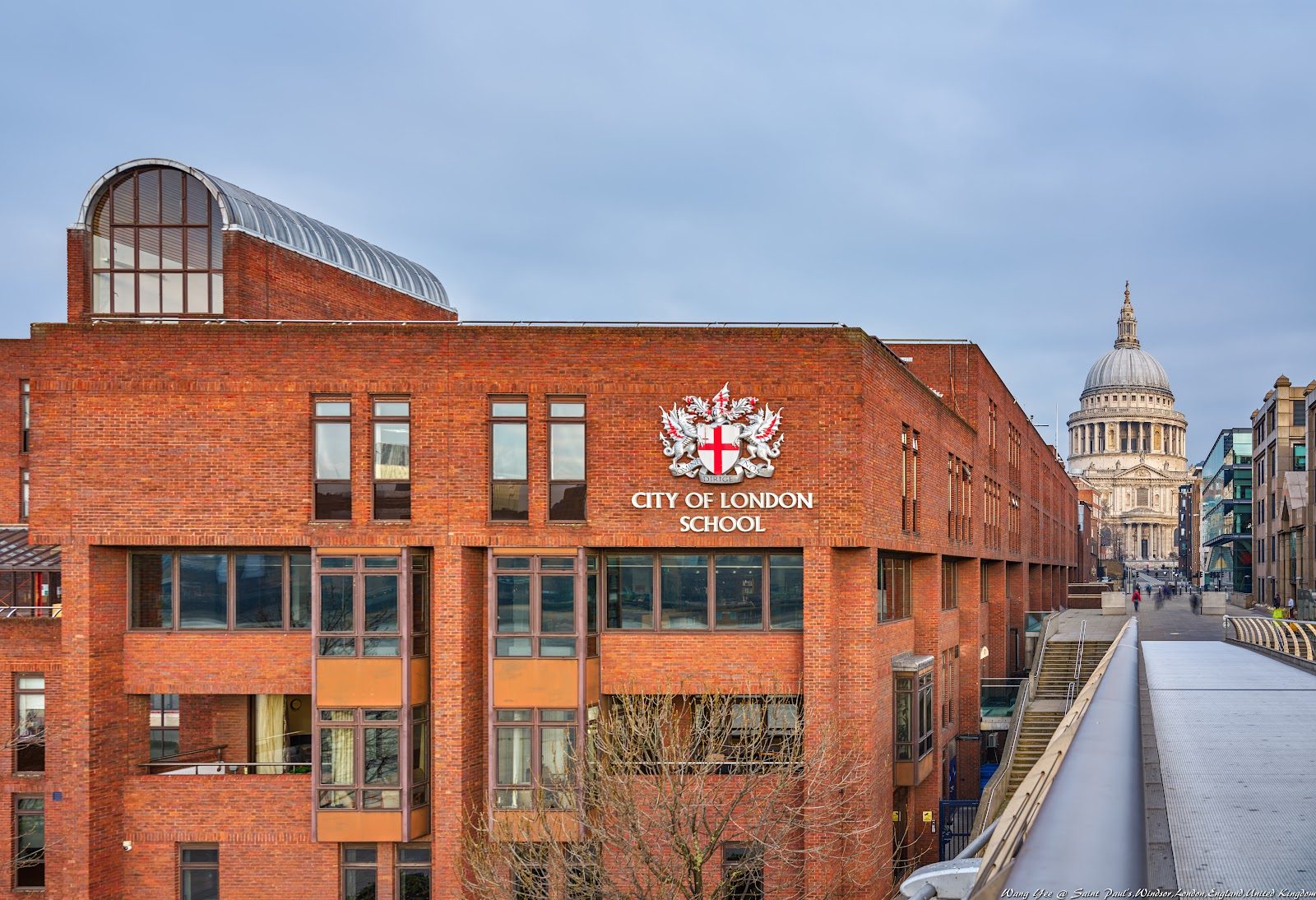
City of London School
London · United Kingdom
A 1442 bequest from the City's own Town Clerk still funds this rigorous day school perched on the Thames at Blackfriars.
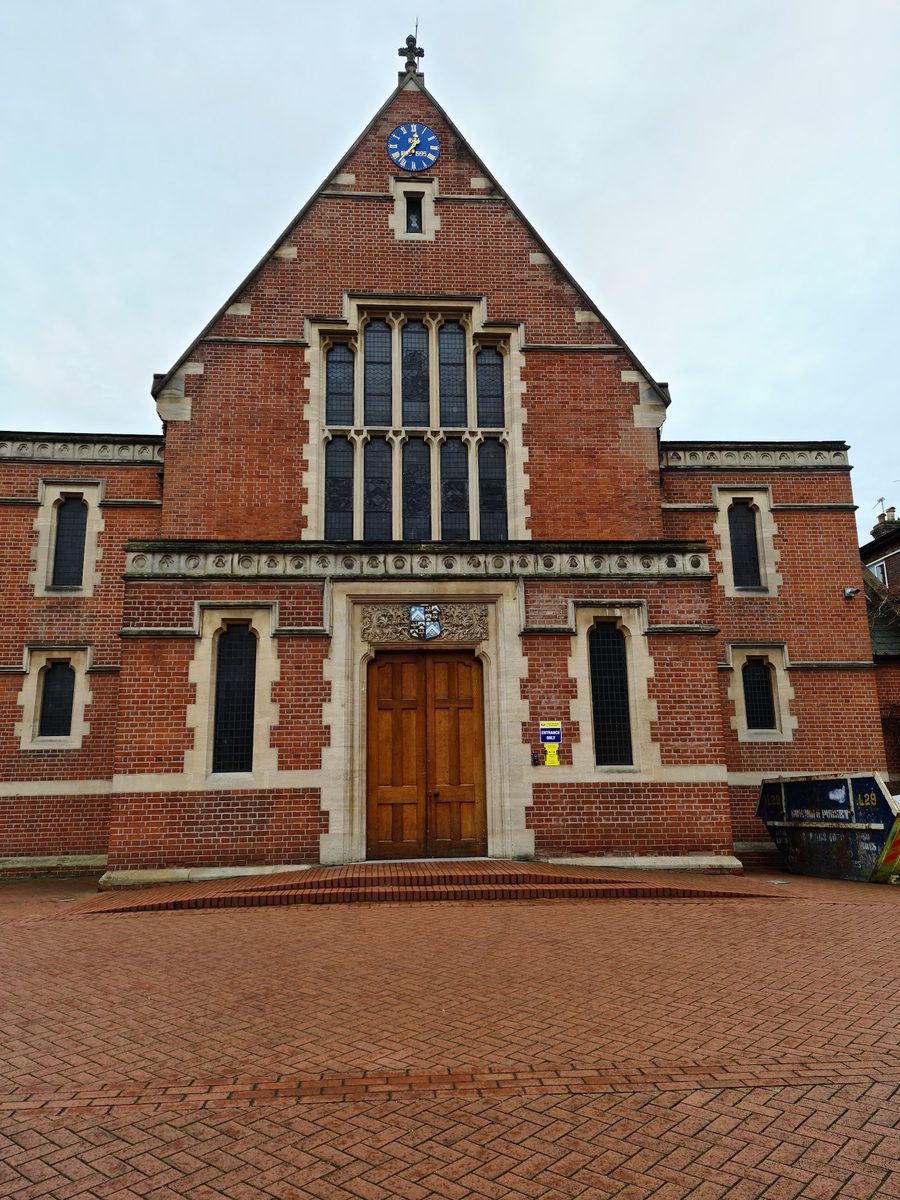
Latymer Upper School
London · United Kingdom
A 1624-founded, non-denominational day school in Hammersmith prized for its stellar Oxbridge and Russell Group outcomes.
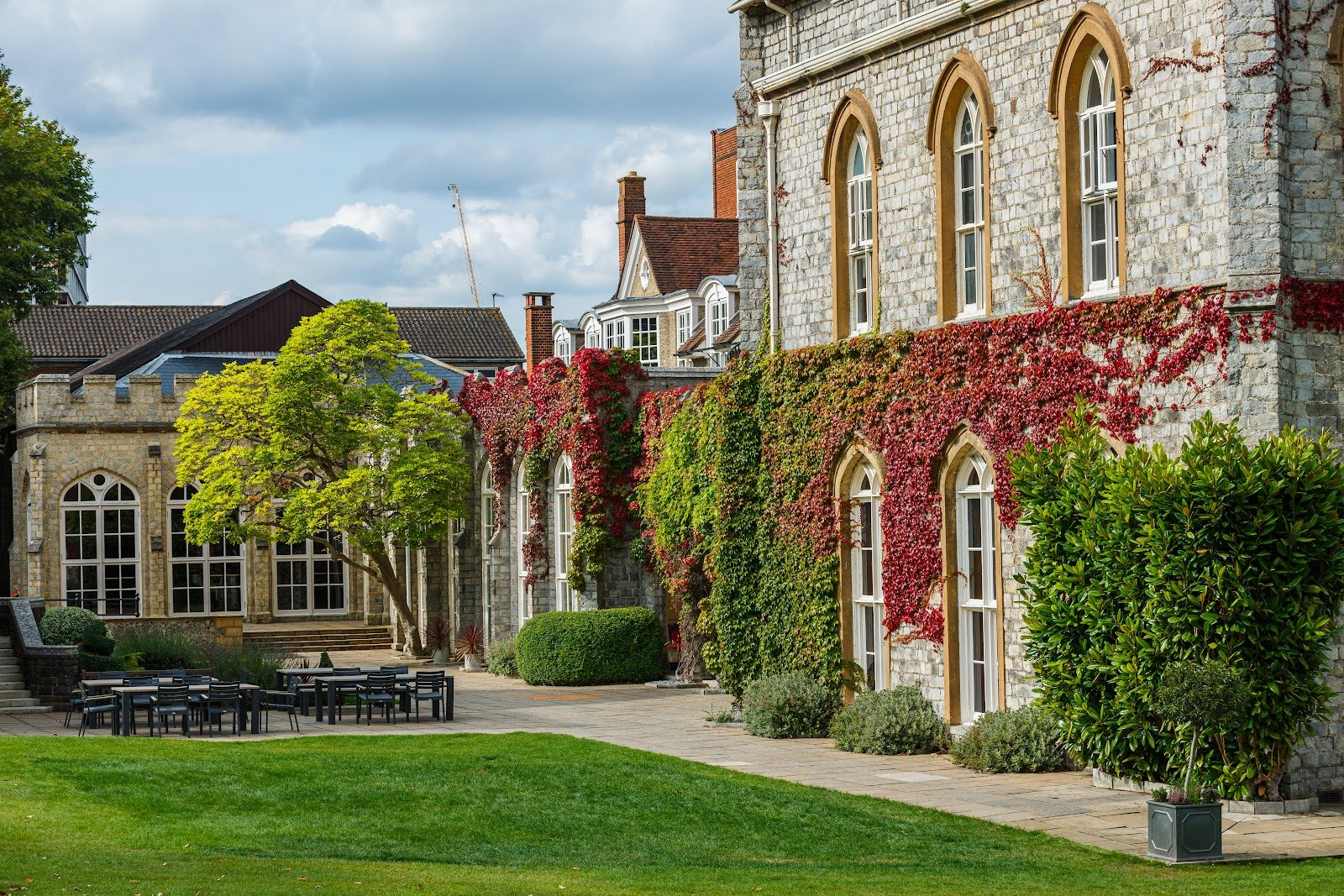
Wycombe Abbey
High Wycombe · United Kingdom
A Victorian pioneer's 1896 foundation, this Chiltern hills estate blends mixed-age boarding houses with one-in-five Oxbridge offers.
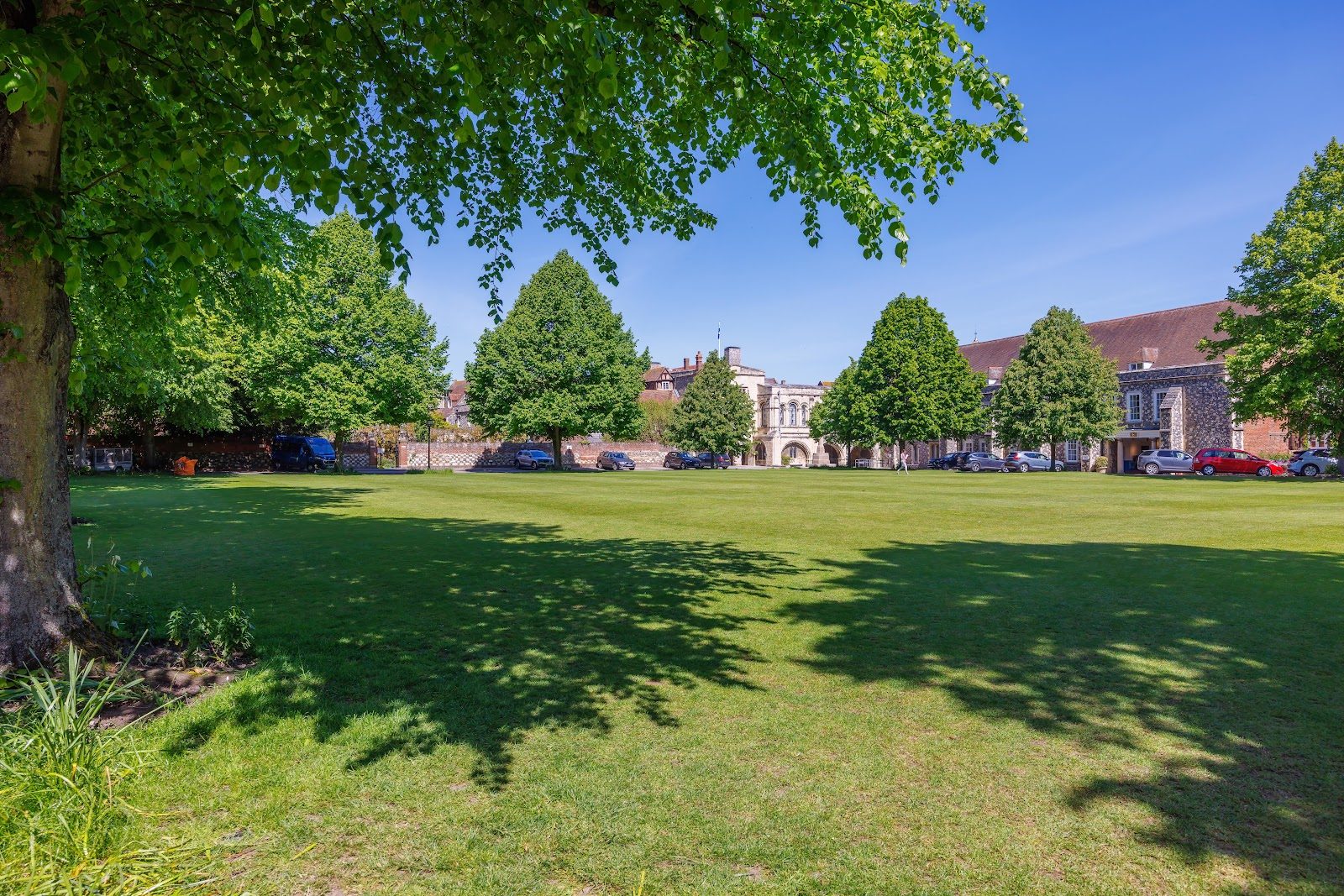
The King's School, Canterbury
Canterbury · United Kingdom
Inside Canterbury Cathedral's UNESCO precincts, lessons have run unbroken since 597 AD, folding King's Week festivities into daily life.
Same country and curriculum — closest matches within ±10 points either way