
Abu Dhabi
On Saadiyat Island, a nonprofit American campus lets seniors pick IB Diploma or AP -- a dual pathway rare in Abu Dhabi
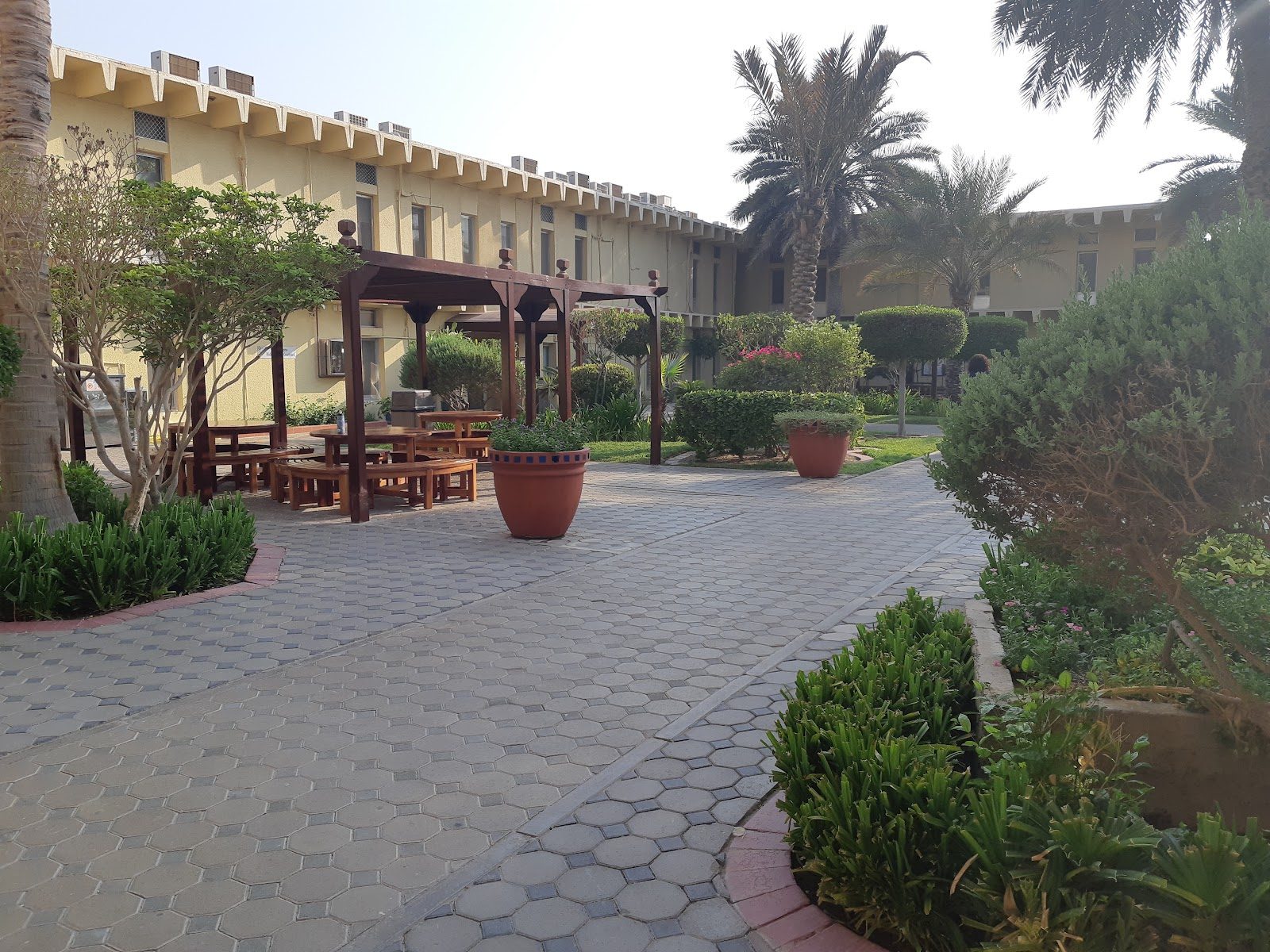
Photo © Sanu ap via Google Maps
Type
Day
Ages
3–18
Curriculum
American · IB
Ratio
9:1
The Verdict
Editor's commitment
Right for
Families wanting an Outstanding ADEK-rated American school with a rare IB Diploma or AP choice and a lean 9:1 student-teacher ratio.
Wrong for
Parents seeking lower fees than the US$25,048 average, or a school with boarding, religious framing, or a single-curriculum sixth form.
Watch out for
ACS serves about 1,315 students from 80+ countries on Saadiyat; strong scale and diversity can dilute the intimacy some families expect.
Ranking breakdown
American Community School of Abu Dhabi · # of 1591
Composite score 72.7. 8 weighted criteria.
By criterion
Academic Outcomes
Weight 20%
#293
of 1529 scored
University Placement
Weight 16%
#305
of 1529 scored
Prestige & Heritage
Weight 12%
#597
of 1571 scored
Alumni Network
Weight 12%
#473
of 1530 scored
Facilities
Weight 12%
#105
of 1534 scored
Transparency & Communications
Weight 8%
#204
of 1532 scored
Peer & Industry Review
Weight 10%
#373
of 1548 scored
Admissions Selectivity & Demand
Weight 8%
#760
of 1529 scored
Score history
American Community School of Abu Dhabi · 2026
Movement across 2024–2026. Peer average overlaid.
Overall — 2024–2026
72.7/ 100
▲ +31.5 vs 2025
year on year
Peer & Industry Review
How American Community School of Abu Dhabi is regarded in the sector
68
Respected · high confidence
American Community School of Abu Dhabi holds a distinctive position as the only American-curriculum school in the emirate to secure an ADEK Outstanding rating, a jump WhichSchoolAdvisor notes it achieved in May 2023 after years of consistent Very Good verdicts. SchoolsCompared awards it a 62% "Outstanding" score in its Abu Dhabi rankings, highlighting the unusual breadth of its post-16 offer, running SAT, Advanced Placement and the IB Diploma side by side. Gulf News has separately profiled ACS among the UAE's best schools, citing its long-standing non-profit governance since 1972 and its 2021 Future-Thinking Innovators Award. The 2024 move to a purpose-built Saadiyat Island campus has reinforced its standing as a legacy American school rather than a newcomer, though it remains a step behind the emirate's most decorated British-curriculum peers in sheer breadth of press coverage.
Editors' overview
The Saadiyat Island relocation matters because it marks a reset, not a rebrand. American Community School of Abu Dhabi has been in the city since 1972, spent 50 years in Al Bateen, and now operates from a new campus with the weight of an established nonprofit behind it rather than the churn of a newer for-profit entrant. In a market crowded with schools that offer one senior pathway and call it choice, ACS gives students a genuine fork in the road: AP courses or the IB Diploma Programme. That dual route is genuinely distinctive in Abu Dhabi, and it changes the school’s appeal. It suits families who want an American standards-based education through the school, but do not want to lock a 14-year-old into a single post-16 academic model too early.
The hard numbers strengthen the case. ACS serves about 1,315 students from more than 80 countries, so the international mix is real rather than decorative. The student-teacher ratio sits at 9:1, which gives the school room to deliver on its promise of personalised learning. ADEK rates it Outstanding for 2023/24, and the school holds CIS and IBO accreditation, which gives it credible external scrutiny on both whole-school standards and IB delivery. The published university figure is also useful: 87% of students gain admission to at least one of their top three college choices. That does not tell you everything about academic depth, and the school does not publish aggregate AP or IB outcomes here, but it does indicate a school with competent university guidance and a senior programme that works for its own cohort.
This is an expensive, top-tier day school at an average of $25,048 a year across KG1 to Grade 12, and it pitches at internationally mobile, academically ambitious families who want breadth without chaos. The school’s four-pillar model — academics, arts, athletics and service learning — is familiar international-school architecture, but ACS backs it with scale: 100-plus academic programmes across IB and AP, 10,000 student service hours annually, and a staff body in which 67% hold advanced degrees. Parents who want a narrow exam factory should look elsewhere. ACS suits students who are bright, engaged and comfortable with choice: children who will use the arts, sport and service seriously, then choose between IB and AP with intent. It will also suit families who value a properly international peer group and a nonprofit structure over glossy chain-school branding.
Academic Performance
Academic performance sits in a strong but partly opaque bracket. The school publishes one outcome that matters to families at the end of the process: 87% of students secure admission to at least one of their top three university choices. That points to a senior programme with real traction in admissions and to counselling that does its job. The academic structure also gives older students an advantage many Abu Dhabi rivals do not match: they can pursue the full IB Diploma or build an American diploma route with AP courses. For ambitious students with clear subject strengths, that flexibility is genuinely useful, not decorative.
The limitation is clear. The school does not publish aggregate IB scores, AP scores, pass rates, or university destination lists in the public domain here, so parents cannot benchmark headline exam outcomes against the city’s most data-forward competitors. That weakens external scrutiny. In schools at this fee level, families should not have to infer exam strength from admissions language alone. Even so, the combination of a low staffing ratio, broad senior-course architecture and regulator approval places ACS in Abu Dhabi’s serious top tier rather than the market’s glossy middle. The absence of published exam data keeps it out of the fully transparent elite on outcomes, but not out of the top group on academic substance.
Facilities
The move to Saadiyat gives ACS a facilities advantage that many older Abu Dhabi schools do not have: a campus built for contemporary delivery rather than retrofitted into legacy space. That matters in day-to-day school life. Specialist teaching areas, arts provision and sports spaces all benefit when a school starts with a clean sheet, and ACS has the scale to make that count. The school also puts its physical plant to work across more than academics alone; its public emphasis on the arts, athletics and service learning points to a campus designed for a full-spectrum school day rather than a narrow classroom model. Against peers, that places ACS in the city’s top facilities bracket: not because it lists gimmicks, but because the campus is new, purpose-built and attached to a school with the staffing depth to use it properly.
There is, however, a limit to the public detail. ACS promotes the Saadiyat campus heavily but does not publish the kind of granular facilities inventory that allows parents to compare, room by room, with the most transparent premium competitors. No public master list of specialist labs, theatre specifications, aquatics provision or standout performance spaces is easy to find. That lack of specificity does not damage the campus itself, but it does blunt external scrutiny. In practical terms, families can expect a serious, well-resourced environment that matches the school’s fee level and status, but they should press for a tour and ask direct questions about the exact sports, arts and science provision before treating the campus as best-in-class.
That dual route is genuinely distinctive in Abu Dhabi, and it changes the school’s appeal
Prestige
Prestige here rests on three things: governance, cohort, and market position. ACS is a nonprofit with a long-established place in Abu Dhabi’s international-school ecosystem, and that still carries weight with mobile professional families who know the difference between institutional substance and polished brand theatre. The student body draws from more than 80 nationalities, which gives the school the kind of genuinely international peer group many schools advertise and few deliver at scale. Add the regulator’s top rating, and the picture is clear: this is not an upstart, not a volume operator, and not a school trading on borrowed status. It sits in the city’s uppermost bracket.
The prestige is also academic, but in a specific way. ACS carries status because it offers a rarer senior choice structure than most Abu Dhabi competitors: students can pursue the IB Diploma or an American diploma with AP courses, rather than being funnelled into one route. That reads well with globally minded parents and with universities that value fit over formula. The school’s published university-admissions figure strengthens that standing, even though public exam disclosure is thin. That matters to the rating: ACS has real cachet, but not the fully evidenced academic prestige of schools that publish full outcome tables. In plain terms, this is a high-status school with authentic institutional heft, strengthened by selectivity of reputation rather than noise.
The published university figure is also useful: 87% of students gain admission to at least one of their top three college choices
Communications
ACS communicates like a school that expects informed parents rather than impulse buyers. The public-facing essentials are in place and easy to navigate: admissions, phase structure, campus information, careers, community links and direct contact details all sit where parents expect them. The school also gives a usable sketch of institutional priorities — academics, arts, athletics and service learning — instead of drowning families in slogan-heavy clutter. That matters. Parents can work out the school’s shape quickly, and the nonprofit identity, the scale of the student body and the international spread are all stated plainly. The published headline outcomes help too: the university-placement figure, the 9:1 staffing ratio and the 80+ nationalities count give families a concrete starting point rather than pure aspiration. This is competent, orderly communication with a clear institutional voice.
The weakness is transparency at the point where premium-school parents ask harder questions. ACS communicates values, structure and broad strengths well; it communicates academic results with frustrating restraint. There is no published aggregate AP profile, no aggregate IB score set, and no full university destination table in public view. That leaves parents with a polished top line but a thinner evidence base than the most data-disclosing competitors provide. The facilities story has the same issue: strong emphasis on the move to a new campus, less hard specification on what sits inside it. So the verdict is straightforward. Day-to-day communication looks disciplined and professional; strategic communication is less candid than it should be for a school charging an average of $25,048 a year.
Uniqueness
What sets ACS apart is not the standard international-school claim of “choice”, but an actual structural choice at the sharp end of secondary school. Students are not channelled into a single sixth-form model; they can pursue the IB Diploma or build an American diploma route with AP courses. In Abu Dhabi, that is genuinely rare. It matters because these routes suit different minds. The IB rewards breadth, stamina and tolerance for sustained coursework; AP allows a more selective academic shape and sharper subject emphasis. For students whose strengths crystallise later, or whose university plans shift, that flexibility is material rather than cosmetic. It reduces the risk of a bad fit between child and programme, which is one of the common failures in senior schooling.
The other point of difference is the school’s institutional character. This is a nonprofit with a long-established community and a student body drawn from 80+ nationalities. That mix gives students daily exposure to peers whose assumptions, passports and family trajectories differ from their own; “global citizenship” here has a real social base. The school also leans hard into service, with 10,000 student service hours logged annually, which gives community engagement more weight than the token volunteering many schools badge as character education. Combined with the low staffing ratio and broad co-curricular architecture, the result is a school for families who want serious optionality, international depth and an education that resists the exam-factory model.
For ambitious students with clear subject strengths, that flexibility is genuinely useful, not decorative
Student Profile
This is a good fit for children who thrive in an internationally mixed environment and who want more from school than a narrow march through exams. The student body spans more than 80 nationalities, so pupils need ease with difference: different accents, different assumptions, different family cultures, and the social churn that comes with a mobile expatriate city. Students who do well here tend to be *curious, self-directed and outward-facing*. They use teachers, activities and peers actively rather than waiting to be pushed. The school’s emphasis on arts, athletics and service gives strong all-rounders room to grow, but it also asks something of them: participation matters, and passive passengers will find less shelter here than at a school built around compliance and routine alone.
Older students who fit best are those who can handle choice with maturity. ACS gives adolescents more than one serious academic route in the senior years, so it suits families who want flexibility without drift or indecision. Pupils need enough self-knowledge to choose well and enough discipline to follow through. The school also records 10,000 student service hours each year, which tells you community engagement is woven into student life rather than bolted on for decoration. This is not the right place for families who want a hard-edged exam factory or a highly traditional social hierarchy. It suits engaged, capable children who want a full-spectrum school life and parents who value substance over show.
The absence of published exam data keeps it out of the fully transparent elite on outcomes, but not out of the top group on academic substance
Co-curricular strengths
Arts & sport, on a separate axis
Overall 8.84/10
Scored 0-10 from the school's own published evidence. This axis is editorial-only — it does not feed the main WTS ranking.
Sports
9.2/10
Basketball, football and swimming, and the external evidence adds a FIFA-sized football field plus a record number of basketball hoops, giving both named sports provision and dedicated facilities.
Drama
9/10
'Drama Productions', which shows more than a bare listing because it indicates recurring staged activity, but there is no cited theatre, department, specialist staff or notable awards evidence.
Dance
8/10
Music
9/10
A 'Choir Ensemble', indicating an organised music activity with student participation.
Visual Arts
9/10
Editor first-pass · editor-reviewable · 7/28/2026
Official inspection · Abu Dhabi
ADEK report · 2023/24
Official · ADEKInspectorate
Department of Education & Knowledge
Abu Dhabi's mandatory education regulator; Irtiqa'a six-standard framework.
Curriculum
American
Held vs previous cycle
Full report
ADEK private-school directoryRating history
WTS 300 badge
2025/26 editionAmerican Community School of Abu Dhabi is one of the World's Top 300 Schools for 2025/26. Claim your listing to add it to your site →
Strengths
- +ACS holds a KHDA rating of Outstanding for 2023/24, placing it among a small group of top-rated Abu Dhabi schools.
- +Operates as a non-profit, U.S. standards-based school from KG1 to Grade 12, distinguishing it from the for-profit operators common in the emirate.
- +Offers a dual academic track, with Advanced Placement courses alongside the International Baccalaureate Diploma Programme in the senior years, widening university pathway options.
- +Relocated in January 2024 to a purpose-built Saadiyat Island campus with facilities including a 650-seat theatre, robotics and VR labs, and a dedicated science wing.
- +Excellent co-curricular provision, with sport (9.2), drama (9.0), music (9.0) and visual arts (9.0) all scoring at the top band.
- +One of Abu Dhabi's longest-running international schools, established in 1972, giving it deep local roots and alumni continuity.
Considerations
- −Fees sit at the premium end of the Abu Dhabi market, at around USD 25,000 per year for day tuition, on top of separate application, reservation and one-time capital fees.
- −Inspection findings have flagged Arabic and Islamic Studies as an area of only acceptable rather than strong attainment, even as core subjects are rated highly.
- −The student body is heavily weighted toward North American nationalities, with Arab-origin pupils a small minority, limiting exposure to the host culture's peer group.
- −The 2024 shift from the historic Al Bateen site to Saadiyat Island changes commute logistics for families based in older residential areas, even with school bus coverage.
Availability
Primary entry gate & tests
Academic Record + Priority Lanes
Gallery
Photo © American Community School of Abu Dhabi via Google Maps
Photo © American Community School of Abu Dhabi via Google Maps
Photo © American Community School of Abu Dhabi via Google Maps
Photo © Shaaf Rbz via Google Maps
Photo © Shaaf Rbz via Google Maps
Photo © Felix Rodenberg via Google Maps
Photo © Mohammed Hussain via Google Maps
Photo © American Community School of Abu Dhabi via Google Maps
Photo © Mohammed Hussain via Google Maps
Parent reviews
Have you sent your child here?
Voice reviews carry the strongest trust badge — we transcribe them for you to tidy up before they go live. Prefer to type? A written review is fine too.
Add your voice
In 60 seconds, tell other parents: what's the best thing about American Community School of Abu Dhabi, and what surprised you when your child joined?
We ask for a Google sign-in so every review has a real face behind it — no anonymous drive-by attacks on schools, and no faked positive reviews. Your email is never shown publicly.
Send this profile to a friend
International parents rely on word-of-mouth. Share this review with someone weighing the same decision.
Schools with places
Similar schools to American Community School of Abu Dhabi with places available now.
Cranleigh Abu Dhabi
Abu Dhabi · United Arab Emirates
- 2026-27
- WAITPOOLSpace-dependent
- 2027-28
- OPENS SOONOpens Sept '26
The British International School Abu Dhabi
Abu Dhabi · United Arab Emirates
- 2026-27
- WAITPOOLSpace-dependent
- 2027-28
- OPENS SOONOpens Sept '26
American International School in Abu Dhabi
Abu Dhabi · United Arab Emirates
- 2026-27
- WAITPOOLSpace-dependent
- 2027-28
- WAITPOOL2027/28 timetable TBC
The Sheikh Zayed Private Academy for Girls
Abu Dhabi · United Arab Emirates
- 2026-27
- WAITPOOLSpace-dependent
- 2027-28
- OPENS SOONOpens early Nov '26
Availability first, then country, area, curriculum, price, co-curricular
Consider also
Also worth looking at alongside American Community School of Abu Dhabi.
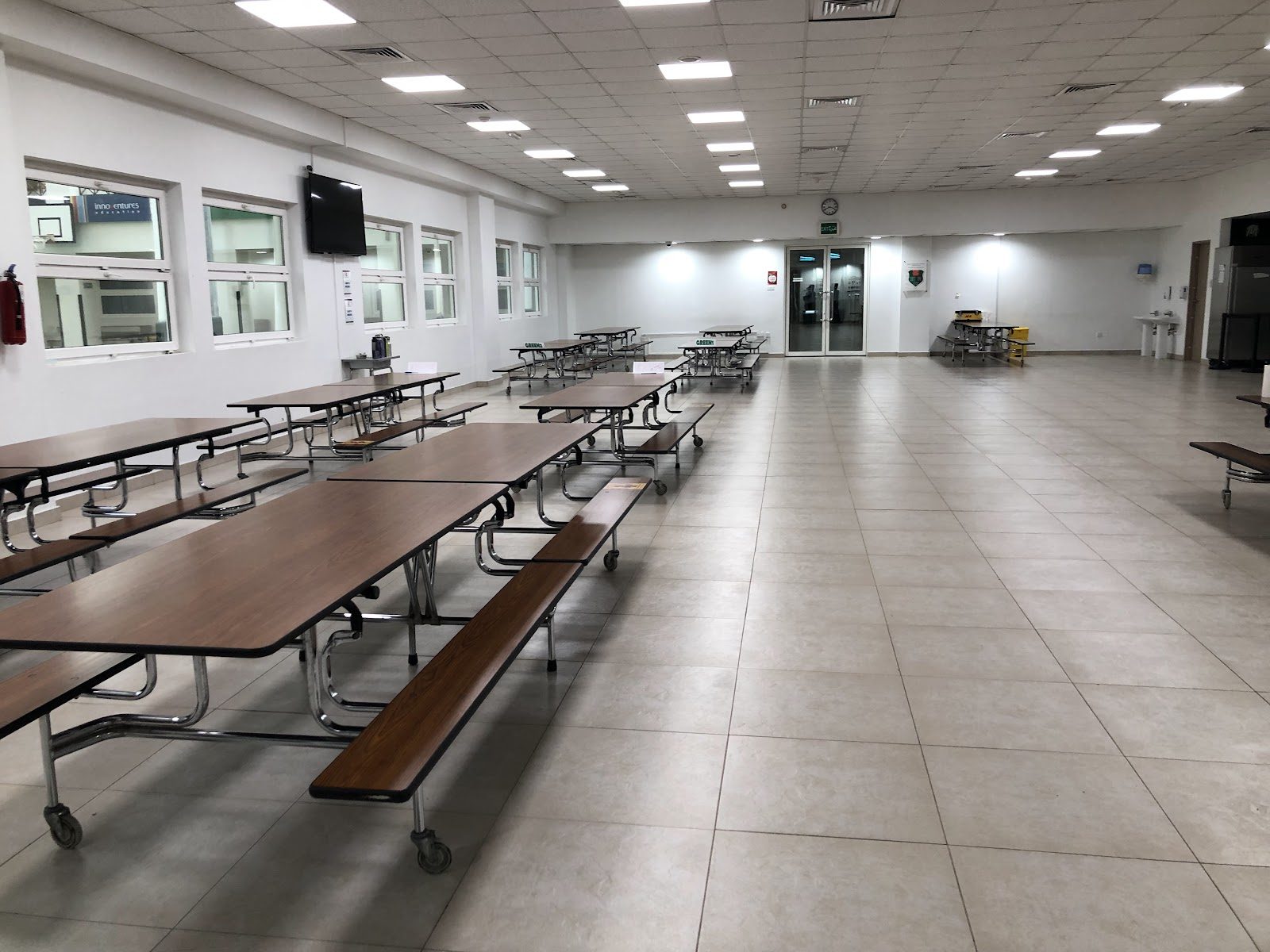
Dubai International Academy Emirates Hills
Dubai · United Arab Emirates
Launched the UAE's first full IB continuum in 2005, and the only Dubai school to win back its top KHDA rating after losing it
American School of Dubai
Dubai · United Arab Emirates
Founded in 1966 by Dubai Petroleum, predating the UAE itself, this not-for-profit campus champions the AP Capstone diploma.

Dubai English Speaking College
Dubai · United Arab Emirates
Secondary heir to Dubai's oldest British school, pairing a not-for-profit ethos with a Sixth Form spanning A Levels to vocational BTECs.
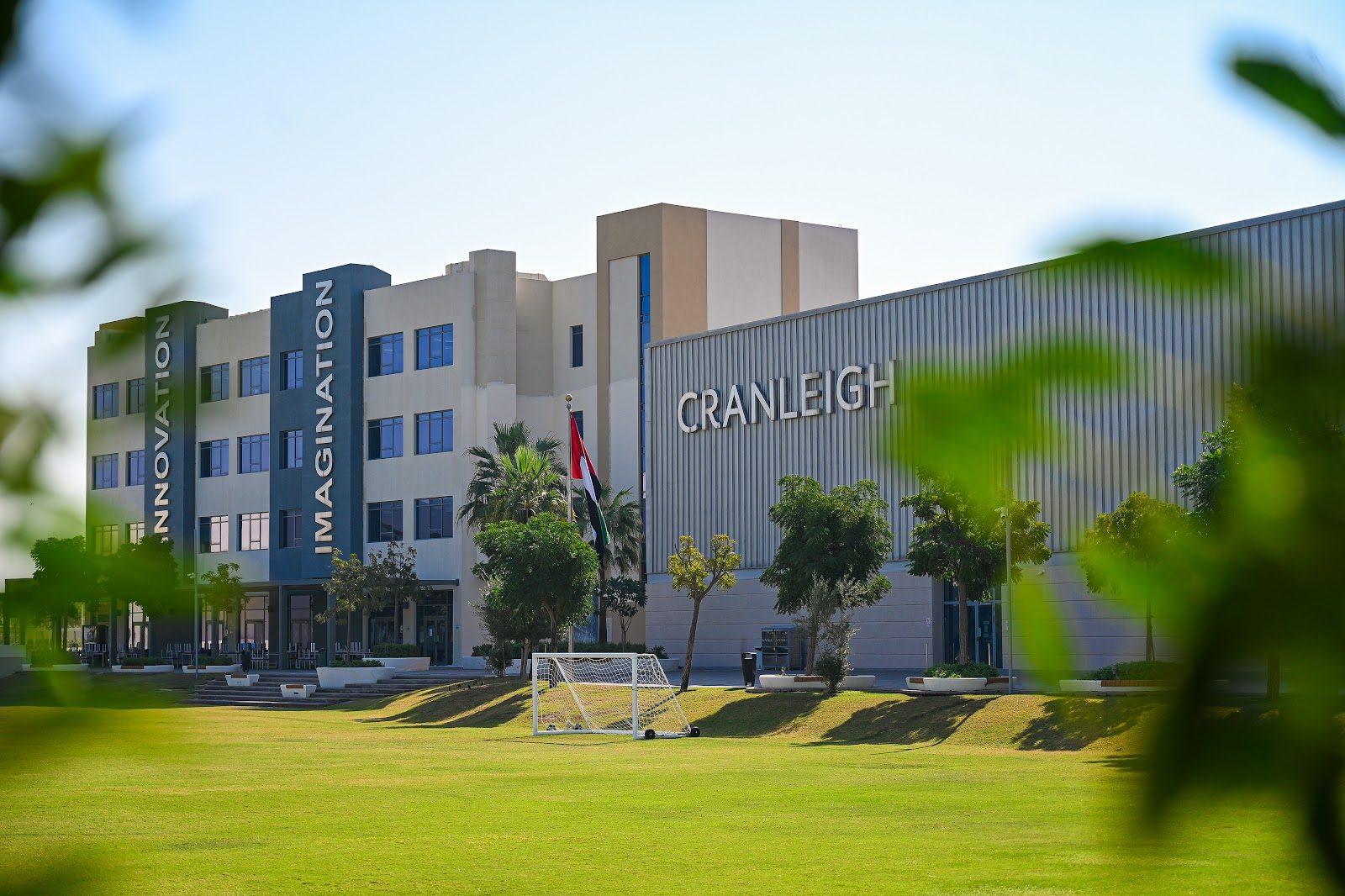
Cranleigh Abu Dhabi
Abu Dhabi · United Arab Emirates
On Saadiyat's museum mile, sixth-formers debate round Harkness tables before choosing A-Levels or the IB Diploma
Same country and curriculum — closest matches within ±10 points either way