
Singapore
Singapore's first IB Diploma school, this Methodist boys' campus on Dover Road has ranked among the world's top three IB scorers for years.
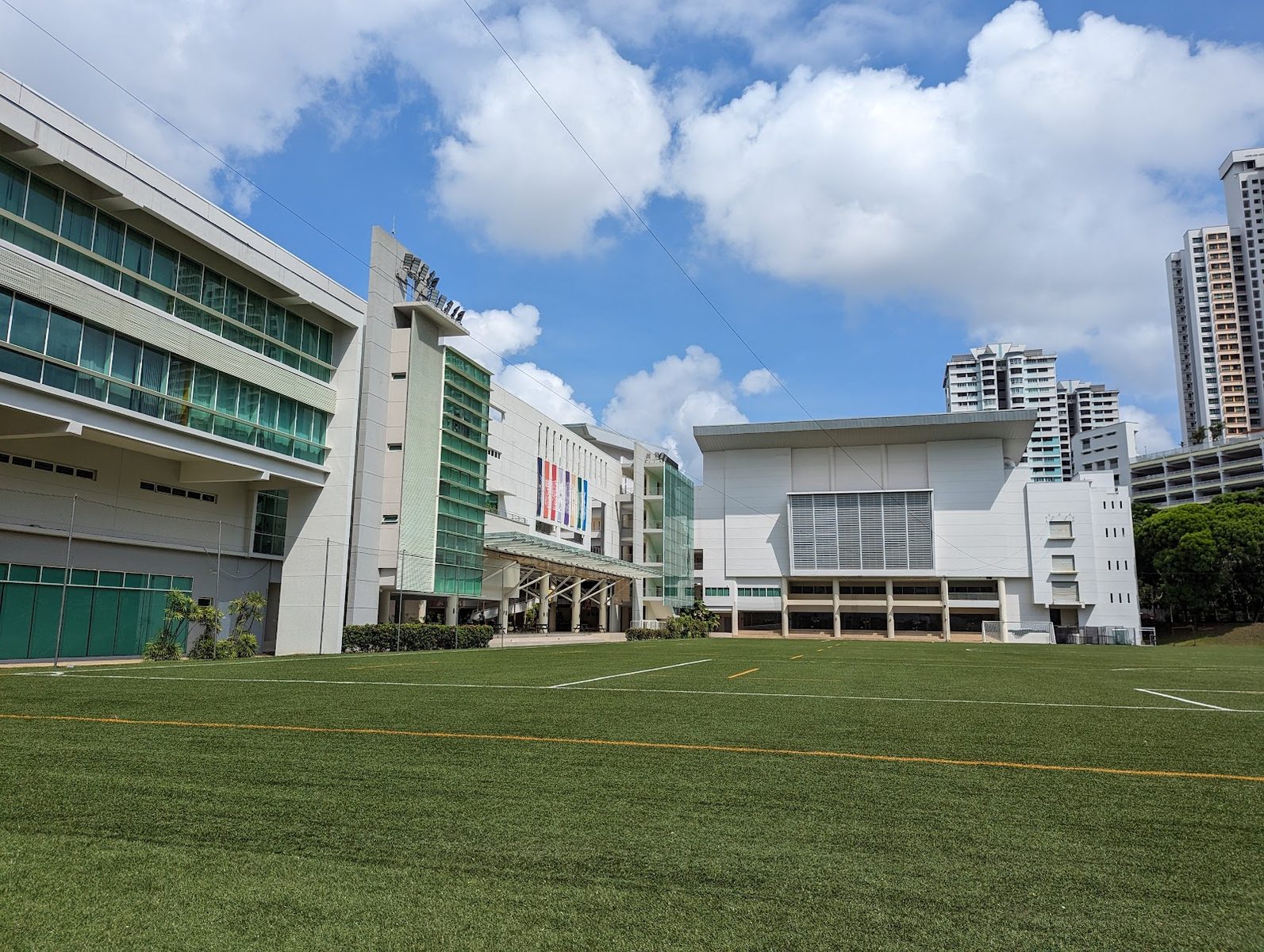
Photo © Peter Chong via Google Maps
Type
Day
Ages
3–18
Curriculum
British · IB
Qualifications
A-Level · IB PYP · IB MYP · IB Diploma
Ratio
10:1
The Verdict
Editor's commitment
Right for
Boys who want a Methodist day school with British and IB routes, a 10:1 ratio, and a campus ranked top three for IB.
Wrong for
Families wanting co-education, boarding, or a softer academic culture; this Dover boys' school has built its name on IB results since 2005.
Watch out for
At SGD 34,700 on average each year from ages 3–18, it is expensive, and the published university destinations listed here are thin.
Ranking breakdown
Anglo-Chinese School (Independent) · # of 1591
Composite score 81.0. 8 weighted criteria.
By criterion
Academic Outcomes
Weight 20%
#2
of 1529 scored
University Placement
Weight 16%
#41
of 1529 scored
Prestige & Heritage
Weight 12%
#135
of 1571 scored
Alumni Network
Weight 12%
#81
of 1530 scored
Facilities
Weight 12%
#188
of 1534 scored
Transparency & Communications
Weight 8%
#153
of 1532 scored
Peer & Industry Review
Weight 10%
#147
of 1548 scored
Admissions Selectivity & Demand
Weight 8%
#93
of 1529 scored
Score history
Anglo-Chinese School (Independent) · 2026
Movement across 2024–2026. Peer average overlaid.
Overall — 2024–2026
81.0/ 100
▲ +22.7 vs 2025
year on year
Peer & Industry Review
How Anglo-Chinese School (Independent) is regarded in the sector
58
Credible · medium confidence
Anglo-Chinese School (Independent) carries genuine weight within Singapore's own education system rather than the expat-review circuit, and that distinction matters for how it is regarded. As a Ministry of Education autonomous school open chiefly to Singapore citizens via PSLE admission, it sits outside the remit of WhichSchoolAdvisor and Good Schools Guide, which instead review its sister institution, ACS (International); no live independent verdict on ACS(I) itself was found on either publisher. Its standing rests instead on hard results: Wikipedia notes it produced nine students obtaining the perfect score of 45, making up almost half the 20 candidates worldwide to do so in its debut IB cohort, and education-sector trackers still cite it as one of the few schools whose ACS Independent (for Singapore residents) routinely average above 38 IB points. Peer chatter is therefore strong among local education-watchers but largely absent from the specialist expat press this guide otherwise relies on.
Evidence sources
Editors' overview
The draw here is plain: Anglo-Chinese School (Independent) was Singapore’s first IB Diploma school and it has ranked among the world’s top three IB scorers for years. That gives it a hard-edged academic identity that few schools can match. It sits in Dover as a Methodist boys’ day school, founded in 1886, with a British and IB curriculum pathway delivered in English. Parents also get a school with recognised external standing: ACS (Independent) has IBO and CIS accreditation, a 10:1 student-teacher ratio and average class sizes of 18. Those are strong operating numbers for a school with this level of academic ambition.
What is special about it is not breadth for breadth’s sake, but clear academic seriousness paired with institutional confidence. The school does not trade on vague claims of holistic balance; its reputation rests on results and on a long-established brand in Singapore education. The Methodist setting matters too: not because this is a narrowly confessional school, but because it gives the place a defined moral frame and a sense of continuity. The average annual day fee across the full 3–18 ladder is SGD 34,700, which is expensive in absolute terms but still reads as strong value at the top end when set against schools chasing the same globally mobile, high-attaining market.
This belongs on a shortlist for parents who want a boys’ school with a serious competitive pulse, a clear route through to the IB Diploma, and a campus culture that prizes discipline, scholarship and external achievement. It will suit students who are bright, resilient and comfortable in an environment with sharp expectations. It will not suit families looking for a progressive, loose-structured atmosphere or a school that hides its academic pecking order. Recent destinations listed include Fudan University, Peking University and Xi’an Jiaotong Liverpool University, which shows at least some reach into selective Asian higher education. In market terms, ACS (Independent) sits as a prestige academic option for families who want proven IB firepower without the sprawl or vagueness that weakens many large international schools.
Academic Performance
Academic performance is the school’s central claim on parents’ attention, and in this case the claim holds. The decisive data point is its long run among the world’s top three IB Diploma schools. That is elite territory, not just strong local standing. In Singapore, where academic competition is dense and parents have no shortage of selective options, that places ACS (Independent) in the top-rank bracket rather than the broad category of merely good schools. The school’s exam identity is therefore unusually clear: it is built for students who can handle sustained pressure and convert it into high external scores.
Set against peers, the distinction lies in consistency. Plenty of schools produce an exceptional cohort once; far fewer stay at the sharp end year after year. ACS (Independent) has done that in the IB, which gives its results profile real credibility. The absence of a fuller public results suite matters, though. We have not seen aggregate GCSE, IGCSE or equivalent pre-university outcome data published alongside the headline IB standing, nor a wider university destinations list that would let parents test depth beyond a few named placements. Even with that limitation, the school sits in the serious-results segment of the market and competes with the strongest academically selective schools in the region. For families who want a school judged first on external outcomes, this is a hard-edged benchmark.
Facilities
The school’s facilities matter insofar as they serve its core culture: competitive boys’ education with a strong co-curricular spine. Parents should expect a campus geared less to boutique aesthetics and more to organised throughput, team activity and high-volume student use. In that respect, a Dover-site school of this standing sits in a stronger position than many space-constrained Singapore campuses. The practical advantage is clear: room for sport, assemblies, specialist teaching and large-scale student life without the cramped compromises that weaken many urban schools. For a student body running from the early years to pre-university, that matters. A school with average class sizes of 18 also needs teaching spaces that function efficiently rather than theatrically.
Against direct peers, the benchmark is not whether ACS (Independent) has “good facilities” but whether the estate matches the school’s academic and competitive identity. It does. What lifts a campus in this segment is not marble-lobby polish; it is whether sport, performance, laboratories and communal areas can support a demanding, disciplined routine. That is the standard families should apply here. The school does not trade on the resort-style excess found in parts of the premium international market, and that restraint reads as serious rather than showy. Parents seeking flashy lifestyle infrastructure will find stronger options elsewhere. Parents seeking a campus built for sustained use, institutional rhythm and visible student activity will find this a fit-for-purpose operation with the right priorities.
The draw here is plain: Anglo-Chinese School (Independent) was Singapore’s first IB Diploma school and it has ranked among the world’s top three IB scorers for years
Prestige
Prestige here rests on more than age or brand recognition. It rests on a school name that carries weight in Singapore and on an outcomes record that places it in rare company. Being the country’s first IB Diploma school matters because it gave ACS (Independent) first-mover authority in a qualification that ambitious families use as a global passport. The more important point is what followed: sustained placement among the world’s top three IB schools. That is not routine excellence; it is status built on hard proof. In a market full of schools that advertise aspiration, ACS (Independent) has the stronger currency of earned academic prestige. Its Methodist identity adds another layer: not fashionable gloss, but institutional seriousness, continuity and a code of conduct parents can read clearly.
The school also benefits from the wider ACS name, which carries social and professional recognition well beyond its campus gates. That matters in Singapore, where school reputation has real cultural force and old-school networks still count. The verified floor of 6 notable alumni on Wikidata, including 3 politicians or statesmen, supports that point without exhausting it. Prestige here is therefore not cosmetic. It is deep-rooted, competitive and public-facing, tied to exam performance, selective identity and a long-established place in the national education landscape. For families who want cachet with substance, this is one of Singapore’s serious prestige schools.
The decisive data point is its long run among the world’s top three IB Diploma schools
Communications
Parent communication here follows the school’s wider character: formal, controlled and institutional rather than chatty or performative. That suits the audience. A school with a strong academic pecking order and a disciplined culture needs communication that is clear about expectations, routines and consequences. The public-facing profile already gives parents the main strategic message without fluff: this is a school built around high attainment, strong oversight and a defined moral frame. That coherence counts. Families do not need glossy lifestyle storytelling when the school’s priorities are this obvious. The risk sits elsewhere. Communication in schools of this type can become top-down and transactional, with notices doing the work and genuine dialogue taking a back seat.
Effectiveness therefore rests less on warmth than on precision. On that measure, ACS (Independent) has the advantage of a very legible identity: parents know what the school values, what sort of student thrives, and what standards govern the place. That reduces ambiguity and makes even brisk communication easier to absorb. The low staffing ratio and class groups of 18 also point to a structure where oversight is tighter and parent issues have a cleaner route to resolution than in bulkier operations. What remains opaque is the fuller information set that demanding parents now expect. We have not seen a richer public account of outcomes beyond the headline academic claim, nor a broad destinations picture. That leaves communications *strong on authority, thinner on disclosure*. For some families, that is efficient. For others, it is too closed.
Uniqueness
What marks ACS (Independent) out is the combination of a boys’ school culture, a Methodist institutional frame and world-class IB output inside one long-established Singapore name. Plenty of schools offer one or two of those elements. Very few hold all three at once, and fewer still do so with this level of public academic credibility. That creates a student experience with a clear internal logic: competitive, structured, tradition-conscious and unapologetically geared towards measurable achievement. The school’s long run near the top of the IB world matters not only as a bragging right but as a daily organising force. It shapes expectations in classrooms, peer culture and university planning. Students grow up in an environment where strong performance is normal, not exceptional, and where ambition has institutional backing rather than private tutoring doing the heavy lifting.
That distinctiveness brings real advantages and real constraints. For the right boy, it offers serious momentum: intellectually able peers, a strong sense of belonging to a recognised school tradition, and access to a network whose influence extends well beyond the gate. The low staffing ratio and compact teaching groups reinforce that by giving the school tighter oversight than many prestige competitors. The price point — an average annual fee of SGD 34,700 — also leaves it in an unusual position: expensive, but not inflated for spectacle. The trade-off is plain. This is not a soft-edged school. Students who thrive here tend to value hierarchy, discipline and competitive standards; students who need a looser, more exploratory culture will feel the pressure quickly.
The school’s exam identity is therefore unusually clear: it is built for students who can handle sustained pressure and convert it into high external scores
Student Profile
The boy who fits here is bright, competitive and comfortable with pressure. He does not need constant reassurance; he responds to clear standards, strong adult authority and a peer group that takes achievement seriously. In a school with a low staffing ratio and classes averaging 18, quiet underperformance is harder to hide than in a looser, larger operation. That suits students who want close oversight and who work well when expectations are explicit. The Methodist setting also gives the culture a moral and behavioural frame that will suit families who value structure, discipline and a sense of duty. Boys who enjoy measured competition, collective identity and a high-accountability environment will find momentum here. Boys who resist rules, dislike hierarchy or need a gentler emotional climate will not.
This is also a strong fit for families who want status backed by hard outcomes rather than progressive rhetoric. The school’s academic reputation creates a student body with a sharp-performing centre of gravity: able, ambitious and accustomed to comparison. Social confidence helps. So does resilience. A child who needs space to drift academically, reinvent himself repeatedly or negotiate every boundary will find the culture unforgiving. A child who wants a serious boys’ school with a competitive pulse, visible traditions and a long runway into selective university applications will fit far better. The average annual fee of SGD 34,700 places that proposition in the expensive bracket, so the best fit is a family that actively wants this exact model, not just a famous name.
Plenty of schools produce an exceptional cohort once; far fewer stay at the sharp end year after year
Co-curricular strengths
Arts & sport, on a separate axis
Overall 7.8/10
Scored 0-10 from the school's own published evidence. This axis is editorial-only — it does not feed the main WTS ranking.
Sports
9.2/10
Dominant Singaporean sporting powerhouse; achieves multi-year national school championship clean sweeps in swimming, rugby, and water polo.
Drama
7.6/10
Strong focus on dramatic literature, staging high-quality classical theater and oratorical competitions within the Centre for Chosen Excellence.
Dance
6.2/10
Mainly structured as an ensemble component to support high-end physical theater and large-scale house synchronization numbers.
Music
8.8/10
Home to the highly acclaimed ACS(I) Symphonic Band and Philharmonic Orchestra, maintaining an exceptional standard of performance.
Visual Arts
7.2/10
Rigorous IB visual arts track backed by advanced graphic suites and traditional studio art spaces designed for technical mastery.
Editor-verified · 8/6/2026
Outcomes & destinations
Where students go next
Top destinations
170 placements
- Fudan University· 1
- Peking University· 1
- Xi'an Jiaotong Liverpool University· 1
- Chinese University of Hong Kong· 1
- City University of Hong Kong· 1
- Hong Kong University of Science & Technology· 1
- University of Hong Kong· 1
- National Institute of Technology, Tiruchirapalli· 1
- Maranatha Christian University· 1
- Universitas Pelita Harapan· 1
- Kyushu University· 1
- Ritsumeikan Asia Pacific University· 1
- Tokyo University of Foreign Studies· 1
- Waseda University· 1
- Nanyang Technological University· 1
- National University of Singapore· 1
- Singapore Institute of Technology· 1
- Singapore Management University· 1
- Singapore University of Social Sciences· 1
- Singapore University of Technology & Design· 1
- Yale-NUS College· 1
- Seoul National University· 1
- Yonsei University· 1
- Ateneo de Manila University· 1
- Australia Defence Force Academy· 1
- Australian National University· 1
- James Cook University· 1
- La Trobe University· 1
- Macquarie University· 1
- Monash University· 1
- Murdoch University· 1
- Queensland University of Technology· 1
- University of Adelaide· 1
- University of Melbourne· 1
- University of Newcastle· 1
- University of New South Wales· 1
- University of Queensland· 1
- University of Sydney· 1
- University of Tasmania· 1
- University of Western Australia· 1
- McGill University· 1
- University of British Columbia· 1
- University of Toronto· 1
- University of Victoria· 1
- University of Waterloo· 1
- Sciences Po – College Universitaire du Havre· 1
- National University of Ireland· 1
- Trinity College Dublin· 1
- University College Cork· 1
- Delft University of Technology· 1
- IE University· 1
- Ecole Hoteliere de Lausanne· 1
- ETH Zurich· 1
- Webster University, Geneva· 1
- Architectural Association School of Architecture· 1
- Bristol University· 1
- Cardiff University· 1
- Central St Martins College of Arts and Design· 1
- Durham University· 1
- Glasgow University· 1
- Imperial College London· 1
- Keele University· 1
- King’s College London· 1
- London School of Economics· 1
- Queen Mary, University of London· 1
- Royal College of Music· 1
- Royal Veterinary College· 1
- School of Oriental & African Studies, University of London· 1
- St George’s, University of London· 1
- Trinity College London· 1
- University College London· 1
- University of Bath· 1
- University of Birmingham· 1
- University of Bristol· 1
- University of Cambridge· 1
- University of Dundee· 1
- University of Edinburgh· 1
- University of Leeds· 1
- University of Liverpool· 1
- University of London· 1
- University of Manchester· 1
- University of Newcastle· 1
- University of Nottingham· 1
- University of Oxford· 1
- University of Sheffield· 1
- University of Southampton· 1
- University of St Andrews· 1
- University of Warwick· 1
- University of York· 1
- Amherst College· 1
- Bates College· 1
- Bentley University· 1
- Boston College· 1
- Boston University· 1
- Brown University· 1
- Bryn Mawr College· 1
- California Institute of Technology· 1
- California Polytechnic State University· 1
- California State University Long Beach· 1
- Carleton College· 1
- Calvin College· 1
- Carnegie-Mellon University· 1
- Claremont McKenna College· 1
- Colorado College· 1
- Colgate University· 1
- Columbia University· 1
- Cornell University· 1
- Dartmouth College· 1
- Duke University· 1
- Embry-Riddle Aeronautical University· 1
- Emory University· 1
- Franklin and Marshall College· 1
- Franklin W. Olin College of Engineering· 1
- Georgetown University· 1
- George Washington University· 1
- Georgia Institute of Technology· 1
- Grinnell College· 1
- Harvard University· 1
- Harvey Mudd College· 1
- Indiana University· 1
- Johns Hopkins University· 1
- Lafayette College· 1
- Lewis & Clark College· 1
- Maryland Institute College of Art· 1
- Massachusetts Institute of Technology· 1
- Middlebury College· 1
- New York University· 1
- Northwestern University· 1
- Oberlin College· 1
- Parsons the New School for Design· 1
- Pennsylvania State University· 1
- Pomona College· 1
- Princeton University· 1
- Rice University· 1
- Ringling College of Art & Design· 1
- Rutgers, The State University of New Jersey· 1
- Sarah Lawrence College· 1
- School of the Art Institute of Chicago· 1
- Skidmore College· 1
- Stanford University· 1
- Swarthmore College· 1
- The Cooper Union· 1
- Truman State University· 1
- Tufts University· 1
- University of California, Berkeley· 1
- University of California, LA· 1
- University of California, San Diego· 1
- University of Chicago· 1
- University of Georgia· 1
- University of Illinois at Urbana-Champaign· 1
- University of Maryland· 1
- University of Miami· 1
- University of Michigan, Ann Arbor· 1
- University of Nevada, Las Vegas· 1
- University of Pennsylvania· 1
- University of Southern California· 1
- University of Texas· 1
- University of Virginia· 1
- University of Washington· 1
- University of Wisconsin-Madison· 1
- Wabash College· 1
- Washington University in St Louis· 1
- Wellesley College· 1
- Wesleyan University· 1
- Williams College· 1
- Yale University· 1
- Auckland University of Technology· 1
- University of Auckland· 1
- University of Otago· 1
- Victoria University of Wellington· 1
Reported by the school. Confirm with admissions.
Notable alumni · Wikidata
6notable alumni
0 historic (born pre-1930) · 2 modern (born post-1970)wikidata:2026-07-28 How we source this
WTS 300 badge
2026/27 editionAnglo-Chinese School (Independent) is one of the World's Top 300 Schools for 2026/27. Claim your listing to add it to your site →
Strengths
- +Authorised as an International Baccalaureate (IB) World School in 2005 and the first national school to offer the IB Diploma Programme, giving it one of the longest IB track records among Singapore's government-linked schools.
- +The Class of 2024, comprising 452 students, achieved 100% passes at the November 2024 IB Diploma Programme Examination, with 79% obtaining 40 points and above and an average score of 41.2 points, and results rose further in 2025 with 83% of 469 candidates scoring 40 points and above and an average of 41.6 points.
- +ACS provides over 60 diverse Co-Curricular Activities encompassing Sports and Games, Performing Arts, Clubs and Societies, as well as Uniformed Groups, giving pupils a wide choice beyond the classroom.
- +As an MOE-linked autonomous school, admission is merit-based and no Singaporean admitted to ACS (Independent) will be turned away because he or she cannot afford school fees, keeping the school markedly cheaper for citizens than comparable IB day schools.
- +PSLE cut-off points for 2025 intake stood at Achievement Level 4-6 for affiliated students entering the Integrated Programme and 6-7 for non-affiliated students, reflecting a transparent, results-driven admissions process.
Considerations
- −The school is single-sex (boys) for Years 1 to 4 and only becomes mixed in Years 5 to 6, so families wanting a fully coeducational secondary experience from age 12 will not find it here.
- −The school's mission is to develop students who are more like Christ, and it operates as a Methodist institution with a resident chaplain, which may not suit strictly secular or other-faith families.
- −Curriculum choice is narrow: pupils follow either a 4-year Express program leading to GCE O-Level or a 6-year Integrated Programme culminating in the IB Diploma Programme, with no A-Level or alternative international pathway on offer.
- −International applicants face a separate, less certain route: a non-refundable SGD 200 admission examination fee is required, and successful international students must pay a one-time, non-refundable entrance fee of SGD 8,000, on top of ongoing tuition.
Availability
Primary entry gate & tests
PSLE / O-Level / DSA Track
Gallery
Photo © Peter Chong via Google Maps
Photo © Dolophin kid via Google Maps
Photo © chuttersnap via Google Maps
Photo © Dunsi via Google Maps
Photo © Dunsi via Google Maps
Photo © Benson Kong 龚耀鸿 via Google Maps
Photo © Benson Kong 龚耀鸿 via Google Maps
Photo © Franciscus Ario via Google Maps
Photo © Zachary Fun via Google Maps
Parent reviews
Have you sent your child here?
Voice reviews carry the strongest trust badge — we transcribe them for you to tidy up before they go live. Prefer to type? A written review is fine too.
Add your voice
In 60 seconds, tell other parents: what's the best thing about Anglo-Chinese School (Independent), and what surprised you when your child joined?
We ask for a Google sign-in so every review has a real face behind it — no anonymous drive-by attacks on schools, and no faked positive reviews. Your email is never shown publicly.
Send this profile to a friend
International parents rely on word-of-mouth. Share this review with someone weighing the same decision.
Schools with places
Similar schools to Anglo-Chinese School (Independent) with places available now.
Hwa Chong Institution
Singapore · Singapore
- 2026-27
- CLOSEDStandard route
- 2027-28
- WAITPOOLDSA completing; PSLE & JAE pending
Raffles Institution
Singapore · Singapore
- 2026-27
- CLOSEDStandard route
- 2027-28
- WAITPOOLDSA completing; PSLE & JAE pending
United World College of South East Asia
Singapore · Singapore
- 2026-27
- CLOSEDStandard route
- 2027-28
- OPENS SOONOpens 1 Sept '26 (Closes 2 Nov)
Tanglin Trust School
Singapore · Singapore
- 2026-27
- CLOSEDNo late apps
- 2027-28
- PLACES OPEN
Availability first, then country, area, curriculum, price, co-curricular
Consider also
Also worth looking at alongside Anglo-Chinese School (Independent).
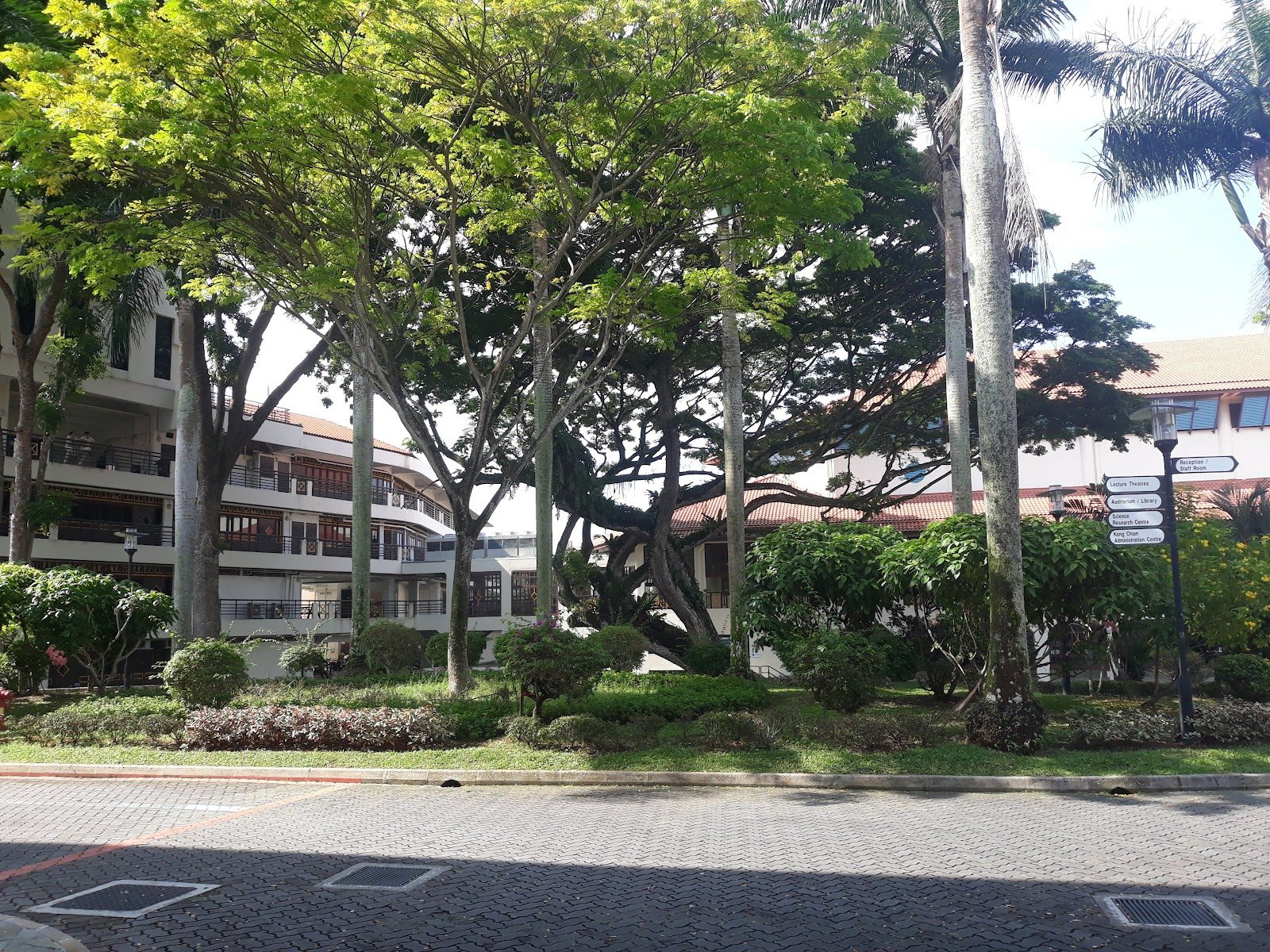
Hwa Chong Institution
Singapore · Singapore
Singapore's storied merged independent school, pairing its Integrated Programme with an IB track at its Bukit Timah campus.
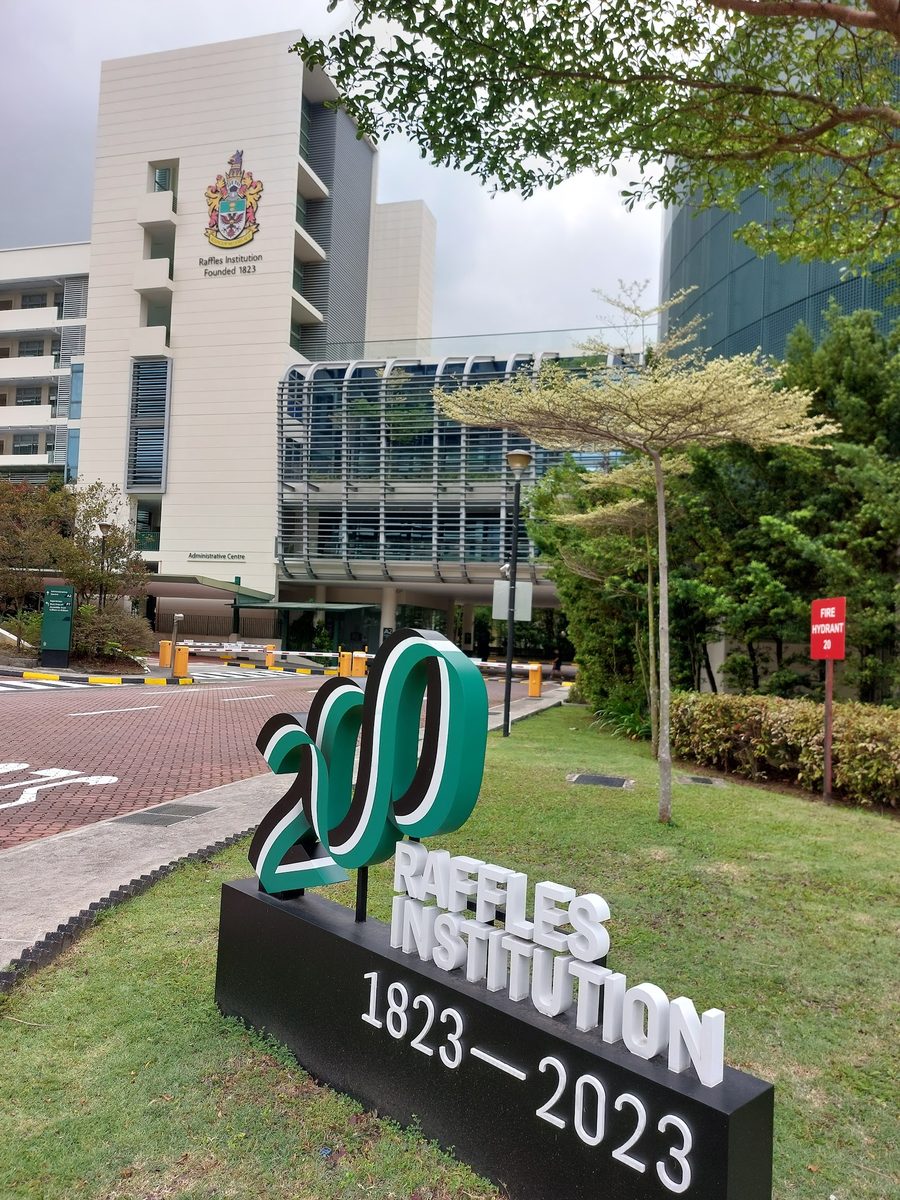
Raffles Institution
Singapore · Singapore
Founded in 1823 as Singapore's first school, its Raffles Programme now sends more students to Cambridge than any other institution.
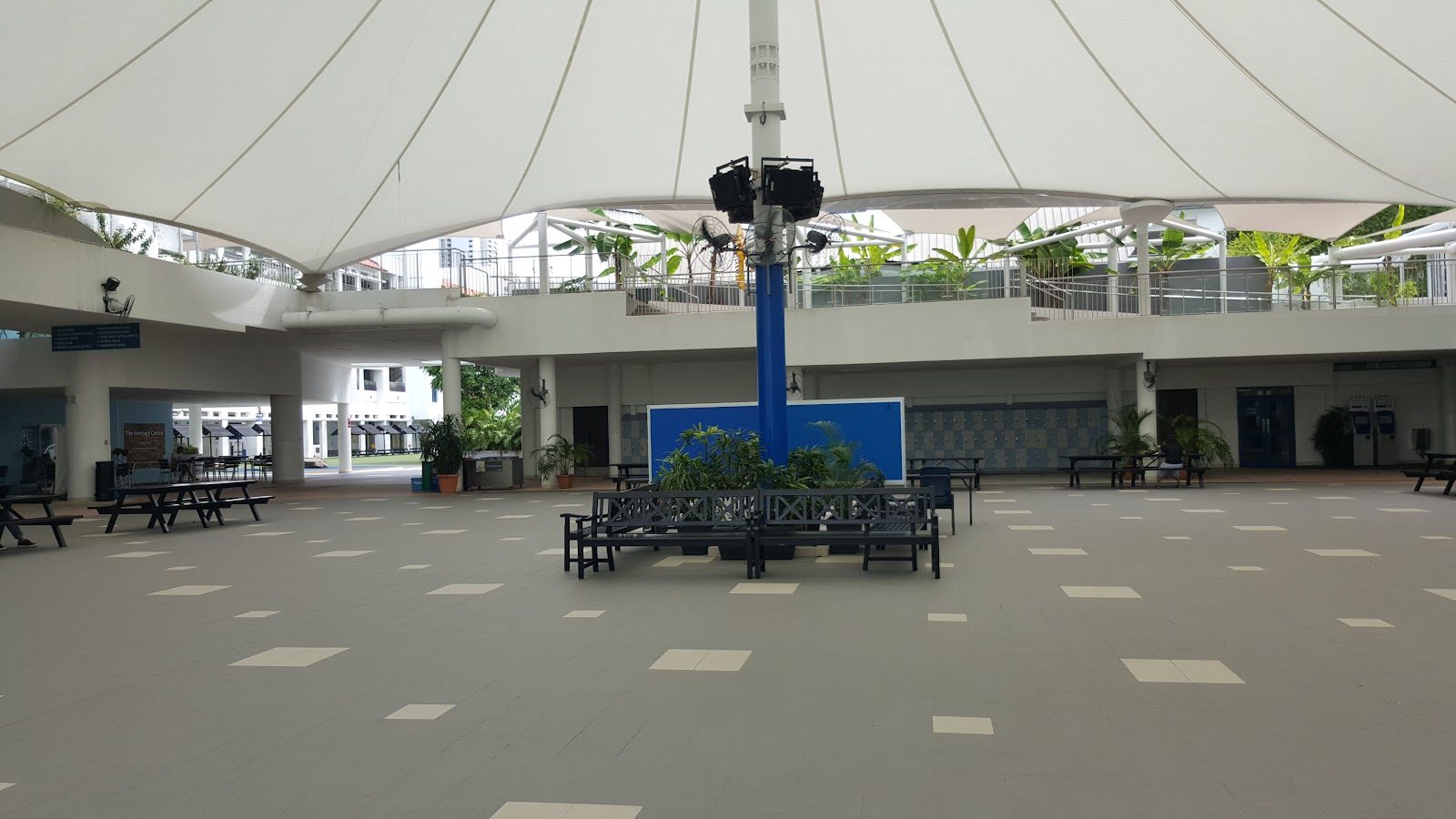
United World College of South East Asia
Singapore · Singapore
Across two Singapore campuses, service learning anchors an IB path capped by a rare Systems Transformation course for change leadership.
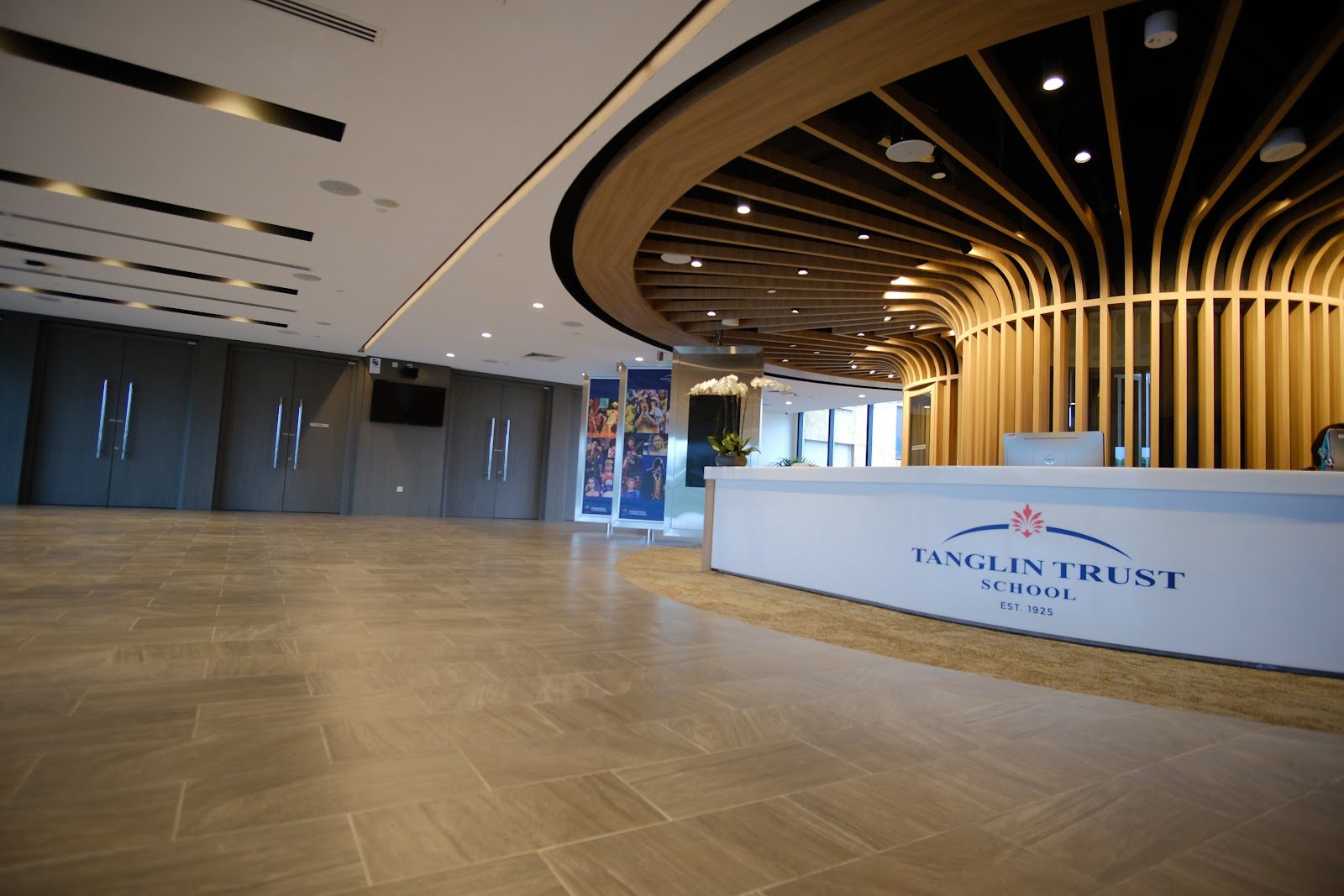
Tanglin Trust School
Singapore · Singapore
Southeast Asia's oldest British school pairs IB with A-Levels, then sends every Year 9 to the Australian bush for five weeks.
Same country and curriculum — closest matches within ±10 points either way