
Hong Kong
Founded in 1869 on Kadoorie Hill, this Anglican foundation runs parallel IB and HKDSE tracks around a rare full-size sports field in Kowloon.
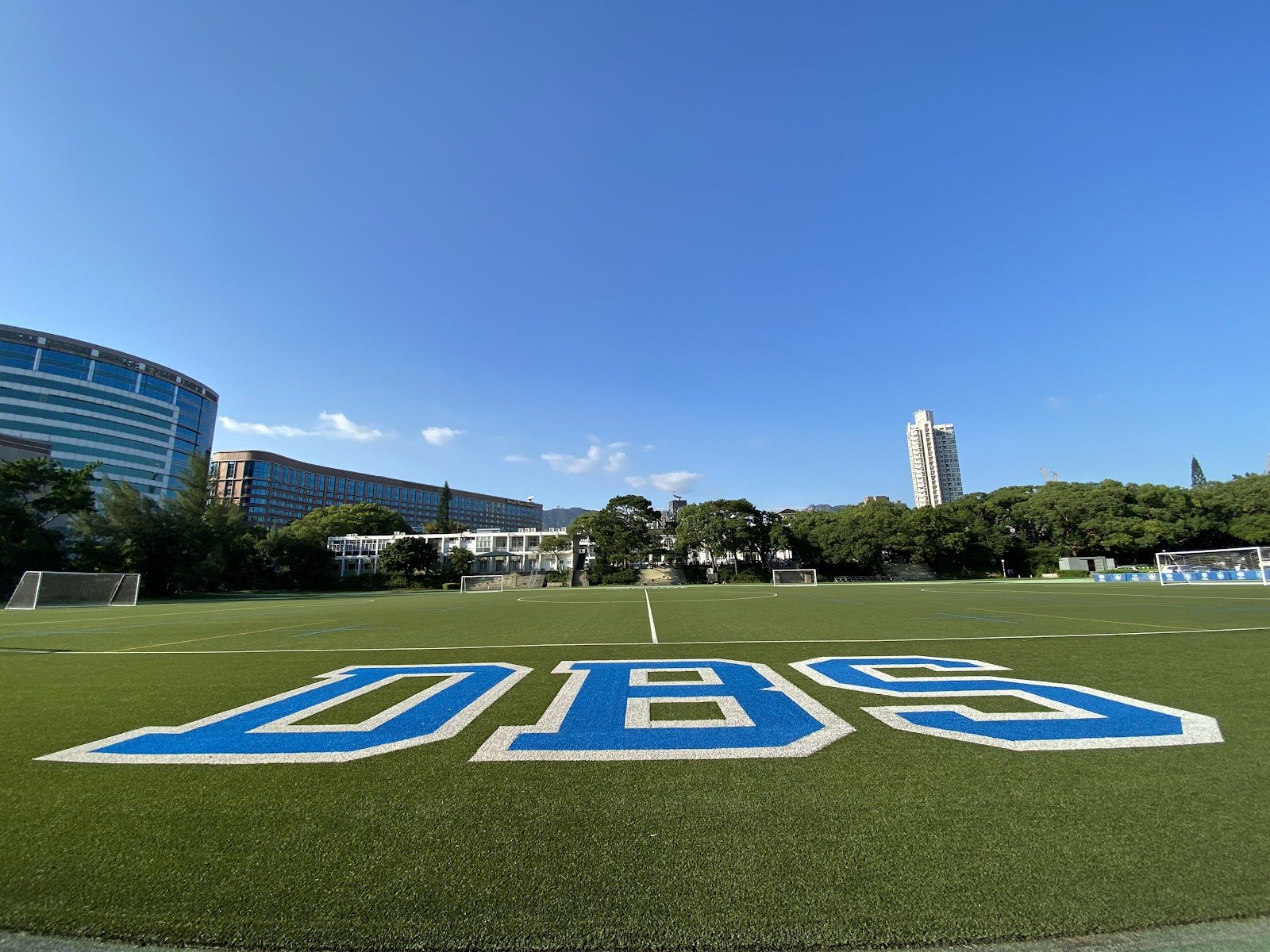
Photo © D C via Google Maps
Type
Both
Ages
3–18
Curriculum
IB · British
Qualifications
IB Diploma
Ratio
10:1
The Verdict
Editor's commitment
Right for
Families wanting English-medium schooling from age 3 to 18, with both IB and British pathways, CIS accreditation and a 10:1 ratio.
Wrong for
Parents seeking a co-educational culture or a secular ethos; this is a boys' school under Hong Kong Sheng Kung Hui, founded in 1869.
Watch out for
The average annual fee is HKD 98,990, and the school's public data stops short of publishing aggregate IB or HKDSE results.
Score history
Diocesan Boys' School · 2026
Movement across 2024–2026. Peer average overlaid.
Overall — 2024–2026
79.2/ 100
▲ +23.1 vs 2025
year on year
Peer & Industry Review
How Diocesan Boys' School is regarded in the sector
90
Top-tier · high confidence
Diocesan Boys' School sits at the very top of Hong Kong's local-curriculum hierarchy, a status confirmed by WhichSchoolAdvisor's verdict that it is a top-performing DSS school delivering "a rigorous but well-rounded education," with an average IBDP score of 41 for its 2018 cohort and a place in the Hong Kong Outstanding Students Awards. Independent SCMP profiling goes further, noting an admissions acceptance rate lower than 8 per cent – on a par with American Ivy League universities, such as Cornell University and Dartmouth College, and describing DBS as one of the city's most prestigious institutions with alumni spanning politics, business and the arts. Its 157-year history, Kadoorie Hill campus and DSS non-profit governance are consistently cited as evidence of institutional depth rather than marketing gloss. Coverage across Good Schools Guide, sector directories and Hong Kong press is near-unanimous in treating it as a benchmark school against which other DSS and grant schools are measured.
Award
Elite Computing & AI 60
World's Top School · The Global Ranking
Diocesan Boys' School is featured on our Global Top 60 ranking at #17. This seal is available for the school's marketing team to use on their website, prospectus and social channels.
Editors' overview
The full-size sports field on Kadoorie Hill is the visual cue, but it is not the reason Diocesan Boys’ School matters. What sets DBS apart is the combination of age, selectivity and structure: an Anglican boys’ school founded in 1869, teaching in English, with parallel IB and HKDSE routes inside one institution. In Hong Kong, that dual-track model gives families a real choice between an international qualification and the local university pathway without switching schools in the senior years. Add CIS and IBO accreditation, a 10:1 student-teacher ratio and an average class size of 18, and the picture is clear: this is a serious academic machine with the staffing to deliver individual attention, not just mass instruction.
The market position is strong and unusual. DBS is not an imported international-school brand and not a conventional local school either; it occupies a scarce middle ground that attracts internationally minded Hong Kong families who still want depth in the local system. The average annual day fee is HKD 98,990, which is expensive by local standards but still sharp value for a school with this heritage, campus footprint and curricular breadth. The school’s alumni record is also hard to ignore: Wikidata alone catalogues 46 notable former pupils, including politicians, business leaders, actors, musicians and elite athletes. That does not prove current quality on its own, but it does confirm long institutional reach.
This is a school for boys who can handle a high-pressure, high-expectation culture and who want options kept open deep into adolescence. The website extract points to a school that runs a busy calendar across G7 to G11, with supplementary examinations and summer programmes managed in exacting detail. That operational discipline will suit organised, resilient students who are comfortable in competitive company. It will not suit families looking for a soft-edged environment or a progressive school built around maximum flexibility and minimum hierarchy.
Parents should shortlist DBS if they want an academically ambitious English-medium education with credible international standing, rooted in Hong Kong rather than detached from it. The attraction is not warmth or polish for its own sake. It is the chance to place a boy in a school with institutional weight, a long record of producing public-facing alumni, and enough curricular range to serve both global and local ambitions. For the right student, that is a formidable proposition.
An Elite Computing & AI 60 school
Diocesan Boys' School (DBS) in Mong Kok, Kowloon, Hong Kong, sits at rank seventeen on the Elite Computing & AI 60 on the strength of a single, unambiguous data point: alumnus Harris Leung scored 592.62 out of 600 at the International Olympiad in Informatics 2020, ranking third overall, which is the highest rank a Hong Kong student has achieved in this competition, then returned a year later to win a second consecutive IOI gold medal in 2021. That is not a one-off; DBS student Kwan Yung-ho took silver at IOI 2024, keeping the school inside Hong Kong's four-medal national team in three of the last five seasons.
The real differentiator is not a bespoke classroom AI syllabus - DBS runs the standard HKDSE and IB Diploma pathways, and computer science does not appear as a discrete IB examination subject at this school - but a genuinely elite, multi-generational competition pipeline. Pupils feed into the Hong Kong Olympiad in Informatics (HKOI), the acknowledged preliminary selection contest for algorithms, data structures and problem-solving that funnels directly into the IOI and NOI national teams, with medalists absorbed into an intensive HKOI Training Team. That pipeline now starts in primary school: DBS's own Primary Division Coding Team was the Grand School Prize Overall Champion at the Hong Kong Primary Schools Olympiad in Informatics, meaning informatics training at DBS spans Form 1 admission through Form 6 graduation rather than being bolted on late.
Notable alumni: Harris Leung, the school's back-to-back IOI gold medallist and a perfect-scorer at the S.T. Yau High School Science Award (Asia) 2020, is the standout recent name. On a longer arc, Dr Denis Yip, a DBS alumnus who holds bachelor's and master's degrees in Electrical Engineering and Computer Sciences from UC Berkeley, is now CEO of the Hong Kong Applied Science and Technology Research Institute (ASTRI), the territory's flagship applied-tech research body, after senior stints at IBM, EMC and Dell.
International openness is real but has caveats. DBS is a day-and-boarding Direct Subsidy Scheme school teaching in English, with boarding available and non-local intake explicitly expanded from September 2026 under new DSS rules prioritising overseas recruitment. However, admission runs through the school's own interview process rather than a simplified overseas track, and interviews are conducted in both English and Cantonese with no special arrangement for overseas candidates, so genuine bilingual readiness matters. Annual fees range roughly from HK$63,000-153,000 for the HKDSE stream up to around HK$145,000-235,000 for the IB Diploma years, notably below comparable international schools. Families should apply 12+ months ahead, prioritise Cantonese exposure beforehand, and treat DBS as a destination for a strong, bilingual competitive-programming prospect rather than a pure English-medium ESL entry point.
Academic Performance
DBS has the reputation of an exam school, but the public picture is less transparent than top-tier parents have a right to expect. The school site extract here shows supplementary examinations across the middle and senior years, detailed rescheduling procedures and a tightly managed academic calendar. That points to a system with serious internal oversight and little tolerance for drift. What it does not give families is the key external proof: no aggregate IB results, no headline HKDSE outcomes, no subject-by-subject breakdowns, and no university-destination data in the source set here. For a school with this level of standing, that opacity is a weakness.
Even so, DBS sits in the part of the Hong Kong market where expectations are unambiguously high and peer competition is fierce. The dual senior pathways matter: families are not choosing between an international school with only IB and a local school with only HKDSE, but a school that runs both under one roof. That widens options and raises the internal benchmark. The alumni footprint — 46 notable names even on a conservative count — reinforces the sense of a school with *long-range academic and institutional force*. Still, parents comparing DBS with Hong Kong’s most data-forward independents will find the results picture less clean than it should be. Prestige is real; published performance evidence is thin.
Facilities
The standout facility is the full-size sports field on Kadoorie Hill. In dense urban Hong Kong, that is genuinely scarce and gives DBS an advantage that many academic rivals cannot match: proper outdoor training and match space on site rather than a timetable stitched around hired venues. For families weighing it against other high-performing boys’ schools and city-centre campuses, that matters. It changes the texture of the school day. The site also points to a substantial auditorium, a ground-floor student activities room used for examinations and events, St Augustine’s Chapel, and a formal arts infrastructure through an Arts Development Committee and movie gallery. That mix signals a campus built for more than classroom throughput. It is institutionally equipped, not improvised.
The wider picture is one of a school with serious operational depth rather than showpiece architecture. Links to athletics, gifted education, an old boys’ association, a foundation and a central management system indicate facilities tied to longstanding programmes and systems, not decorative add-ons. The published class size of 18 and staffing ratio of 10:1 also mean specialist spaces have a better chance of being used well rather than merely photographed well. Against premium international schools with newer science blocks, black-box theatres or glossy design labs, DBS does not read as flashy. Against crowded local peers with tighter footprints, it holds a clear physical advantage, above all in sport and whole-school event space.
DBS has the reputation of an exam school, but the public picture is less transparent than top-tier parents have a right to expect
Prestige
DBS carries old-establishment prestige in Hong Kong: the kind built through gatekeeping, continuity and public visibility rather than branding. Its status rests on three things. First, it sits in the small group of schools that ambitious families recognise instantly and track for years before application. Second, it has produced a deep bench of public figures across politics, finance, culture and sport — 46 notable alumni catalogued even on the conservative Wikidata count. Third, it has the institutional habits of a school that expects to be taken seriously: formal discipline structures, a central management system, named committees for arts and gifted education, an active old boys’ network, and a calendar run with administrative exactness. That combination gives the school social weight well beyond its campus.
I rate its prestige highly because it reaches across both elite local and internationally minded circles without losing its own identity. That is rare. Plenty of schools have academic ambition; fewer have a recognisable place in the city’s power structure. DBS does. The old boys’ association and foundation matter here: they signal durable influence, not just nostalgic attachment. The school’s Anglican foundation adds another layer of institutional seriousness, though this is not prestige built on charm. It is hard-edged prestige, tied to standards, competition and reputation. Parents who value status without substance can find shinier options. Parents who want a school with real civic and professional reach will treat DBS as one of the territory’s heavyweight names.
The full-size sports field on Kadoorie Hill is the visual cue, but it is not the reason Diocesan Boys’ School matters
Communications
Parent communication is formal, centralised and operationally serious. The school runs a Central Management System and uses it alongside website notices, circulars, timetables and calendar updates. The public notices alone tell you a lot about house style: weather disruption, exam postponements, indoor safety arrangements and pickup rules are all spelled out with exact dates, times, venues and next steps. That is the communication pattern of a school that values control and precision over hand-holding. Families do not get warm prose or brand gloss; they get instructions. In a place where typhoons and rainstorm warnings can wreck a school day, that matters. The school also keeps standing items visible, including discipline policies and forms, which signals clear expectations rather than ad hoc enforcement.
The strengths are speed, structure and clarity. A parent reading the notices knows what has changed, who is affected and what happens next. The weakness is tone. This is not communication designed to feel especially intimate or pastorally rich; it is built to keep a complex institution moving. That will suit organised families who want reliable systems and minimal ambiguity. It will frustrate parents who expect narrative updates, a lot of reassurance or a highly personalised relationship with the school. The evidence points to communication that is efficient, disciplined and unsentimental—a good fit for the school’s wider culture.
Uniqueness
What marks DBS out is not any single badge of status but the way several hard-to-combine traits sit together in one school. It is a boys’ school with a religious foundation, a serious local reputation, an international qualification route and enough institutional heft to sustain all of that without feeling stitched together. In Hong Kong, many families still face a binary choice between local academic culture and international exit options. DBS removes that split. A boy can stay inside one institution while his strengths, ambitions and tolerance for exam pressure become clearer. That continuity brings real value: less disruption, a more coherent peer group and a school that can shape long-term standards rather than simply deliver a two-year credential.
The other point of difference is cultural. This is an old-power school with a disciplined internal order and a visible expectation that boys will take part in more than lessons. The public-facing details — supplementary examinations, summer programmes, chapel, athletics, arts committees, old boys’ structures — add up to a school that trains habits as much as attainment. For students, that brings two things. First, access to a *high-functioning, competitive environment* where standards are reinforced daily by peers as well as staff. Second, entry into a network with proven public reach, with at least 46 notable alumni recorded even on a conservative count. That combination of institutional memory, pressure and opportunity is rare. It suits boys who want stretch, structure and a school identity that carries weight long after graduation.
That does not prove current quality on its own, but it does confirm long institutional reach
Student Profile
The boy who fits DBS is bright, competitive and comfortable with structure. This is not a school for coasting, nor for children who need constant emotional cushioning to stay on track. The public signals are plain: supplementary examinations are built into the academic machinery, discipline policies are easy to find, and disruptions are handled with exact instructions rather than soft reassurance. That culture suits students who respond well to clear rules, high expectations and a peer group that pushes hard. It also suits boys who want to do more than collect grades. The school’s visible architecture of committees, athletics, chapel life, summer programmes and old boys’ structures points to a place where participation is part of the bargain, not an optional extra.
Socially, the best fit is a boy who can hold his own in strong company without needing to dominate every room. Confidence helps, but self-organisation matters more. He needs the stamina to manage a busy timetable, the composure to deal with pressure and the maturity to navigate a school with a long memory and firm internal codes. Families who want a high-performing, old-school environment for their sons will recognise the appeal at once. Families looking for a looser, more child-led culture will not. DBS suits boys who like standards, can absorb scrutiny and want to grow up inside a school with serious expectations and wide horizons.
This is a school for boys who can handle a high-pressure, high-expectation culture and who want options kept open deep into adolescence
Co-curricular strengths
Arts & sport, on a separate axis
Overall 7.94/10
Scored 0-10 from the school's own published evidence. This axis is editorial-only — it does not feed the main WTS ranking.
Sports
9.4/10
Absolute athletic force in Hong Kong's Inter-School Sports Competitions, holding historic dominance in swimming, track, and tennis.
Drama
8/10
High-quality seasonal theater tracker staging complex bilingual productions in English and Chinese.
Dance
4.5/10
Auxiliary track used mostly as an internal performance asset for intra-school house arts competition weeks.
Music
9/10
World-class musical giant; its legendary choirs and string orchestras routinely sweep global titles at the World Choir Games.
Visual Arts
8.8/10
Masters a sophisticated blend of traditional fine art techniques and contemporary digital graphic design portfolios.
Editor-verified · 8/6/2026
Notable alumni · Wikidata
46notable alumni
5 historic (born pre-1930) · 23 modern (born post-1970)wikidata:2026-07-28 How we source this
WTS 300 badge
2026/27 editionDiocesan Boys' School is one of the World's Top 300 Schools for 2026/27. Claim your listing to add it to your site →
Strengths
- +Diocesan Boys' School traces its origins to 1869, making it one of the oldest secondary schools in Hong Kong, giving it a long institutional track record.
- +The Secondary Division offers two academic pathways, the HKDSE and the IB Diploma Programme, with students choosing between the routes from Grade 10 onwards, giving families curriculum flexibility.
- +In May 2020, the school became the world's No.1 International Baccalaureate school, with an average mark of 42, an independently verifiable IB result.
- +DBS is a boys' day and boarding school in Mong Kok, Kowloon, so boarding is available for relocating families who need it alongside day places.
- +The school field is a rarity in space-challenged Hong Kong because of its size, larger than two full-sized football pitches, an unusual amenity for an urban Kowloon campus.
Considerations
- −The school is single-sex, admitting boys only, so it is not an option for families seeking a coeducational environment or with daughters to place.
- −Tuition for Grades 10-12 runs to HKD 153,116 per year, rising to HKD 234,876 for the IB Diploma years, a significant outlay despite the school's Direct Subsidy Scheme status.
- −Admission is by interview and assessment, and Grade 7 places are allocated through a Discretionary Places application requiring primary school reports and supporting documents, making entry competitive and paperwork-heavy for newcomers.
- −There is no school bus service, which can complicate logistics for expat families settling outside the immediate Kowloon area.
Availability
Primary entry gate & tests
Academic + Multi-Interview
Gallery
Photo © Ben Lee via Google Maps
Photo © Oscar Choi via Google Maps
Photo © D C via Google Maps
Photo © 109 kelvin via Google Maps
Photo © kid kid via Google Maps
Photo © kid kid via Google Maps
Photo © Darren Lee via Google Maps
Photo © Larry Suen via Google Maps
Photo © D C via Google Maps
Recommended reading
Independent write-ups of this school from editorial outlets we trust.
- Diocesan Boys' School — review on WhichSchoolAdvisorWhichSchoolAdvisor
Parent reviews
Have you sent your child here?
Voice reviews carry the strongest trust badge — we transcribe them for you to tidy up before they go live. Prefer to type? A written review is fine too.
Add your voice
In 60 seconds, tell other parents: what's the best thing about Diocesan Boys' School, and what surprised you when your child joined?
We ask for a Google sign-in so every review has a real face behind it — no anonymous drive-by attacks on schools, and no faked positive reviews. Your email is never shown publicly.
Send this profile to a friend
International parents rely on word-of-mouth. Share this review with someone weighing the same decision.
Schools with places
Similar schools to Diocesan Boys' School with places available now.
Chinese International School
Hong Kong · Hong Kong
- 2026-27
- CLOSEDStandard route
- 2027-28
- PLACES OPENReception Active; Sec. opens 1 Sept
Hong Kong International School
Hong Kong · Hong Kong
- 2026-27
- WAITPOOLVacancy-dependent
- 2027-28
- PLACES OPENPriority 1 Oct/1 Nov
St. Paul's Co-educational College
Hong Kong · Hong Kong
- 2026-27
- CLOSEDStandard route
- 2027-28
- OPENS SOONExpected late Oct '26
German Swiss International School
Hong Kong · Hong Kong
- 2026-27
- PLACES OPENRolling
- 2027-28
- PLACES OPENRolling
Availability first, then country, area, curriculum, price, co-curricular
Consider also
Also worth looking at alongside Diocesan Boys' School.
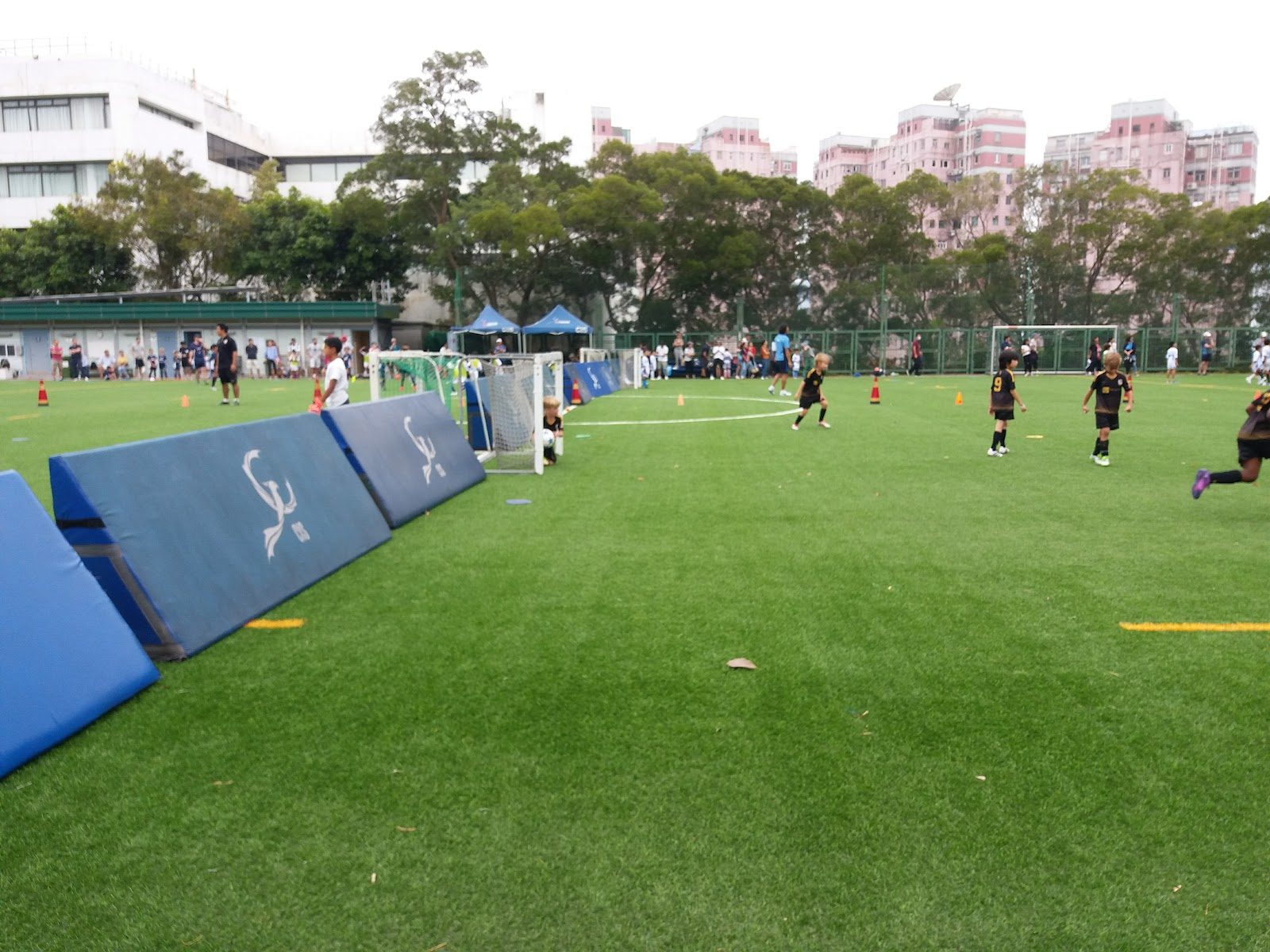
Chinese International School
Hong Kong · Hong Kong
Equal parts English and Mandarin from day one, capped by a mandatory immersion year in Hangzhou before the IB Diploma.
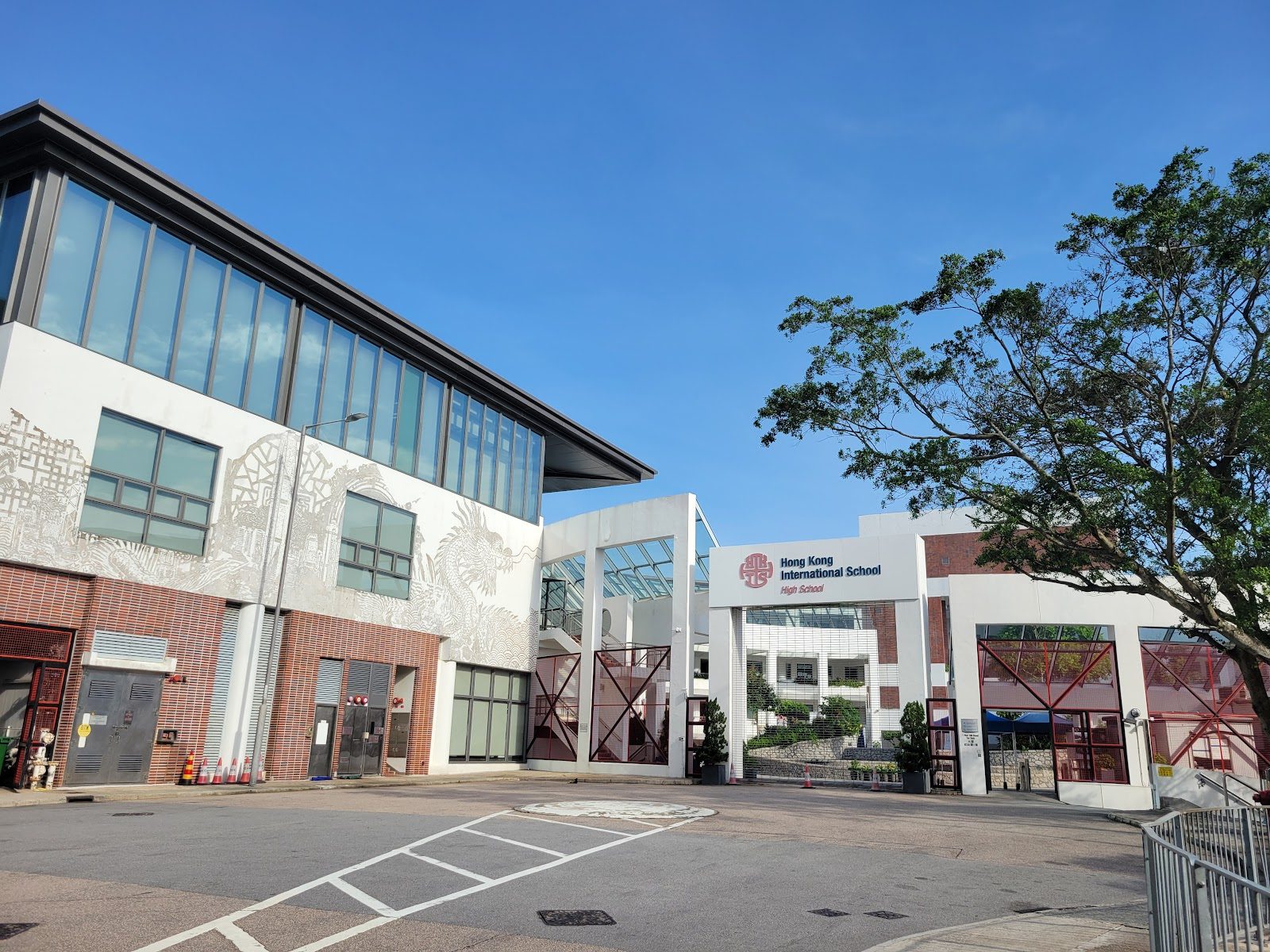
Hong Kong International School
Hong Kong · Hong Kong
Since 1966, an American-style curriculum with Lutheran roots spans two Hong Kong Island campuses framed by mountains and Tai Tam Bay.
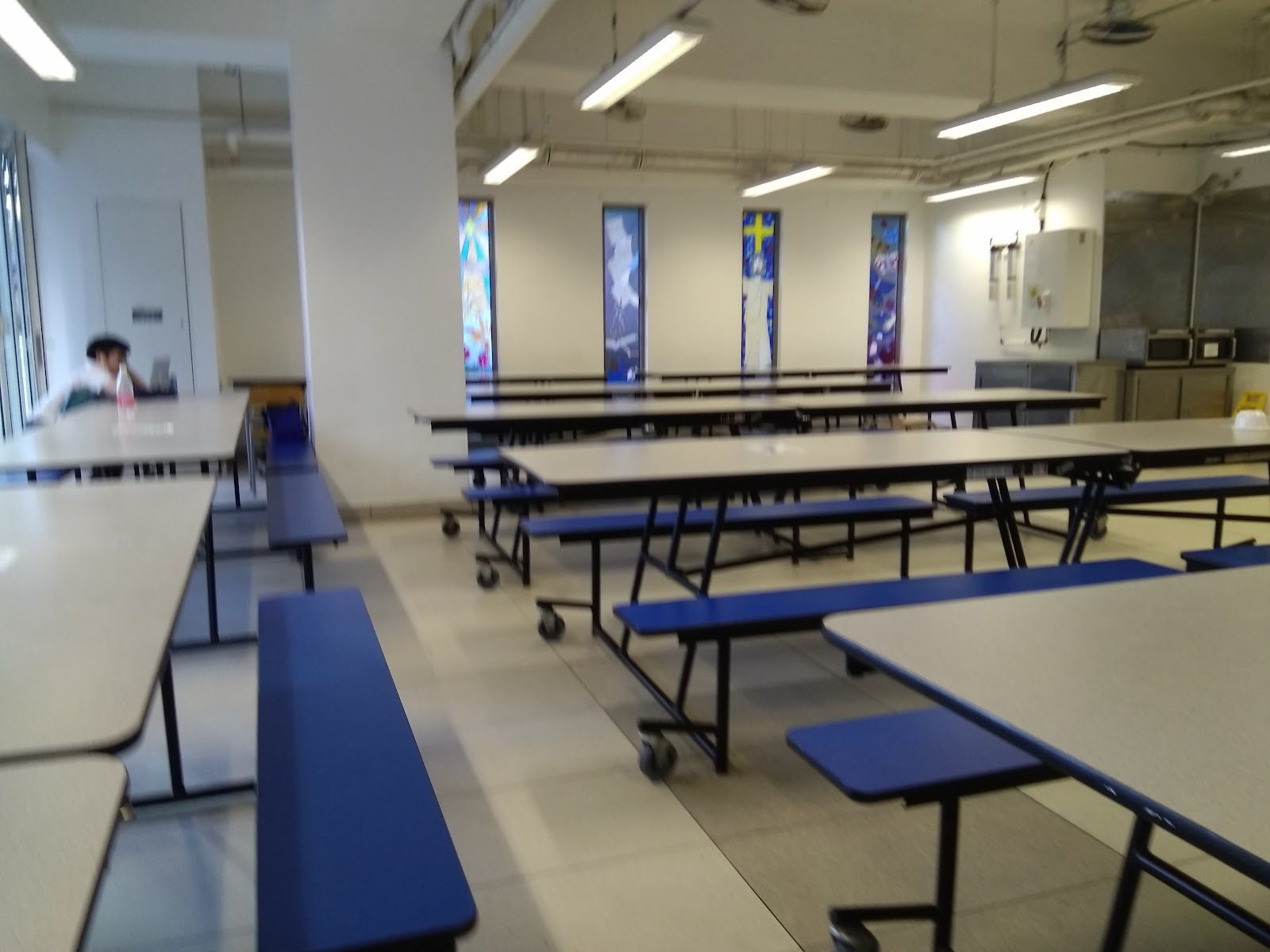
St. Paul's Co-educational College
Hong Kong · Hong Kong
Hong Kong's first co-educational school runs DSE and IB side by side on its Mid-Levels campus, posting the city's top IB averages.
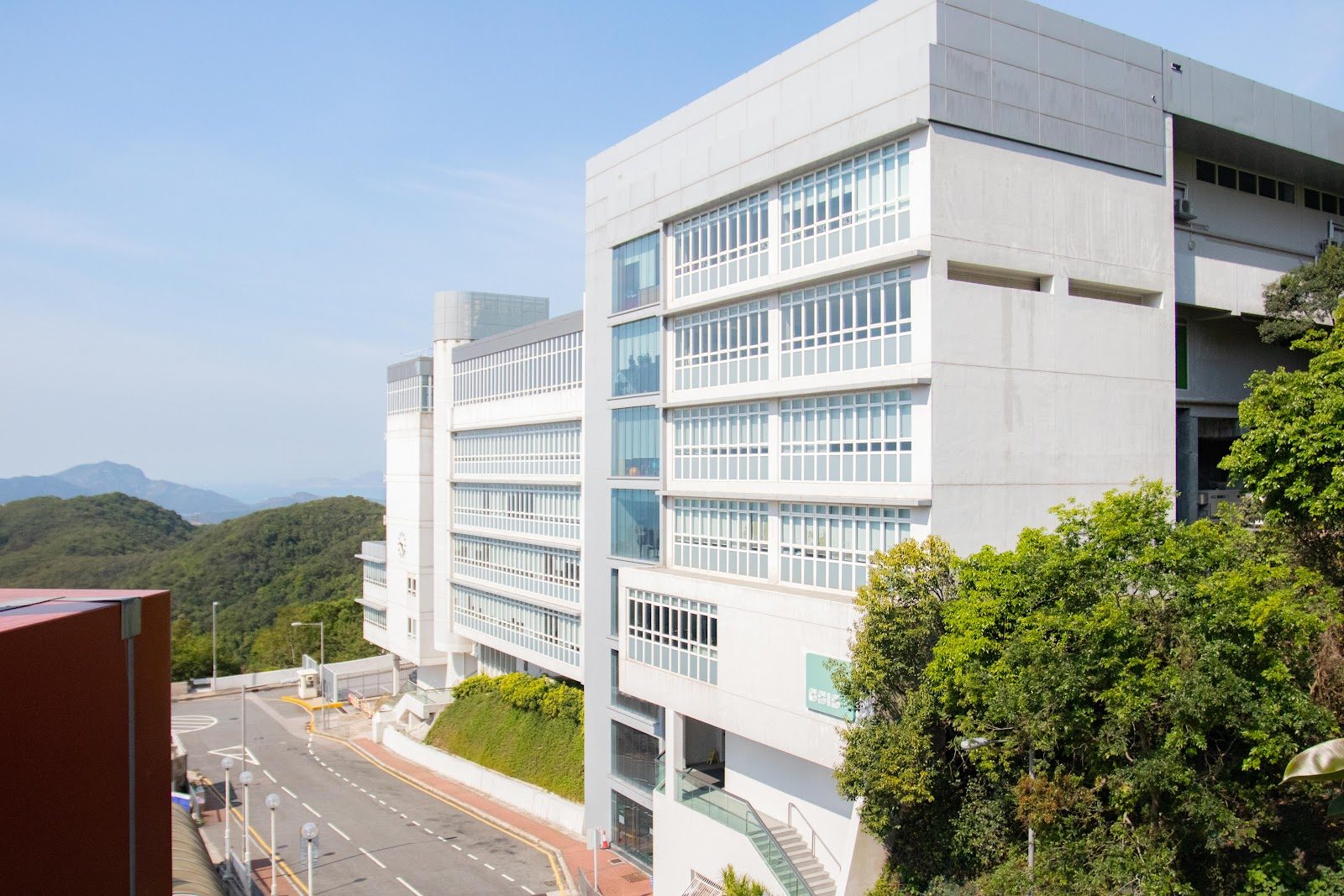
German Swiss International School
Hong Kong · Hong Kong
Perched on the Peak since 1969, twin German Abitur and IB streams share one campus and one house system.
Same country and curriculum — closest matches within ±10 points either way