
Maharashtra
Ecole Mondiale World School
medium confidence· 4/6 cats · 1.5 avg sourcesIn Juhu since 2004, Mumbai's first full-continuum IB school runs Primary, Middle Years and Diploma under one roof
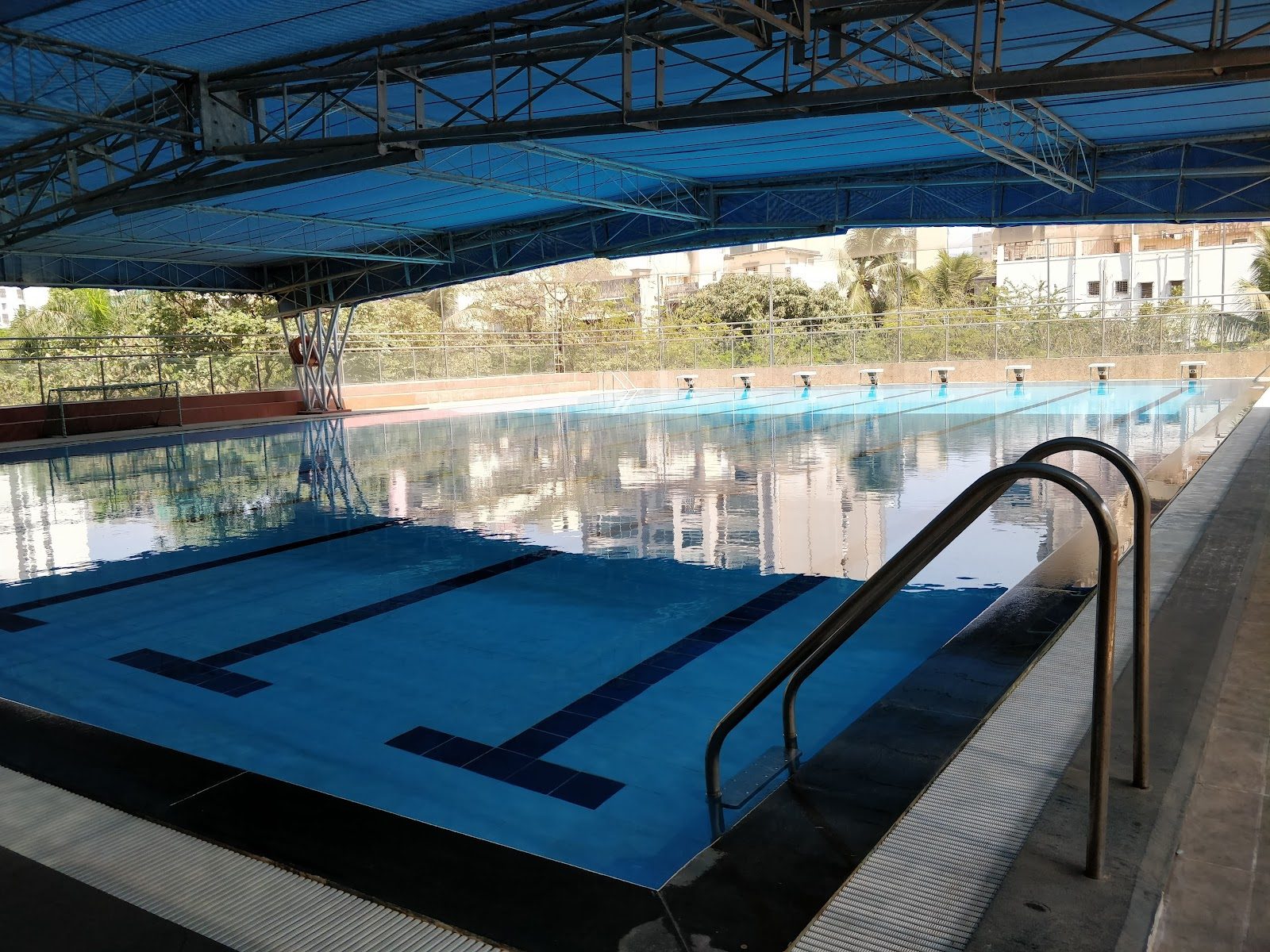
Photo © Chandrabhan yadav via Google Maps
Type
Day
Ages
3–18
Curriculum
IB
Qualifications
IB Diploma · IB MYP · IB PYP
Ratio
—
The Verdict
Editor's commitment
Right for
Mumbai families wanting a full 3–18 IB continuum under one roof in Juhu, with IB World School and CIS accreditation.
Wrong for
Parents who want CBSE, ICSE or A-levels, religious framing, or boarding; Ecole Mondiale is a non-religious day school founded in 2004.
Watch out for
The average annual day fee is INR 961,429, and the school does not publish aggregate IB Diploma results or university placement totals.
Ranking breakdown
Ecole Mondiale World School · # of 1591
Composite score 53.7. 8 weighted criteria.
By criterion
Academic Outcomes
Weight 20%
#1312
of 1529 scored
University Placement
Weight 16%
#1313
of 1529 scored
Prestige & Heritage
Weight 12%
#1357
of 1571 scored
Alumni Network
Weight 12%
#965
of 1530 scored
Facilities
Weight 12%
#1305
of 1534 scored
Transparency & Communications
Weight 8%
#1305
of 1532 scored
Peer & Industry Review
Weight 10%
#1216
of 1548 scored
Admissions Selectivity & Demand
Weight 8%
#1205
of 1529 scored
Peer & Industry Review
How Ecole Mondiale World School is regarded in the sector
60
Respected · low confidence
Ecole Mondiale World School is regularly cited in Indian and expat media roundups (e.g., Vogue India, Conde Nast Traveller, and various 'best international schools in Mumbai' listicles) as a premier IB World School catering to expat and elite Indian families, and it appears in expat parent forums discussing Mumbai international schooling options. However, it lacks coverage in globally recognized specialist education press like Tatler Schools Guide or Good Schools Guide International, and there is limited independent alumni-network press coverage beyond general 'notable alumni' mentions.
Evidence sources
Editors' overview
In Juhu since 2004, Ecole Mondiale has one clear market advantage: it runs the full IB ladder for ages 3 to 18 under one roof. In Mumbai, that matters. Parents who want continuity from the Primary Years through the Middle Years to the Diploma Programme avoid the usual handover points between schools, curricula and teaching cultures. The school is a day school, non-religious, teaches in English, and holds both IB World School and CIS accreditation. That gives it a clean international brief: no hybrid curriculum, no local-board compromise, no ambiguity about who it is for.
What is special here is not novelty but coherence. Ecole Mondiale is built for families who want an unbroken IB education rather than a school that adds IB at the sixth form or borrows international language for marketing. Its average annual day fee is 961,429 INR, which places it firmly in the expensive end of the Mumbai market and squarely in the expatriate and internationally mobile Indian segment. The website leans heavily on the “IB Continuum School” claim because that is the substance of the offer. It also puts forward named alumni destinations, from King’s College London and Boston University to Babson College and the University of Massachusetts Amherst. That is useful colour, but the school does not publish aggregate university destination data or cohort-wide outcome figures, so parents looking for hard destination patterns will find the picture more opaque than it should be.
Ecole Mondiale belongs on a shortlist for families who value curricular consistency, an international peer group, and a school culture geared to discussion, inquiry and independent organisation rather than rote learning. It suits students who are comfortable in an academically structured environment and who benefit from the IB’s insistence on writing, reflection and breadth. It will appeal less to families who want a cheaper route, a national curriculum, or a school that publishes a fuller set of outcomes data. In market terms, this is a serious, high-fee IB specialist in Mumbai rather than an all-purpose school trying to be everything at once.
Academic Performance
The school makes a strong public case for sixth-form ambition, but its academic-performance reporting is selective rather than comprehensive. The website foregrounds individual university wins and a handful of headline student successes, including an Ivy League offer, admission to other highly competitive US and UK institutions, and a science prize at a major international fair against 1,800 competitors. That tells parents there are high-achieving students in the building and that staff know how to support ambitious applications. It does not tell them how the cohort performs as a whole. The school does not publish aggregate IB Diploma results, mean point scores, pass rates, subject averages, or longitudinal outcome data. For a school at this fee level, that omission is a serious weakness.
Relative to peers, that leaves Ecole Mondiale in an awkward bracket: plainly capable, but hard to benchmark with confidence. In Mumbai’s international segment, the strongest academic operators publish hard results and let parents judge consistency year by year. Here, families get anecdotes, named acceptances and celebratory profiles instead of a clean statistical picture. Wikipedia also notes an IGCSE offer at Year 10 level, but the school’s own current programme pages foreground the IB pathway, and no public examination summary for that middle stage is published either. The verdict is straightforward: there is evidence of top-end individual attainment, but the school’s overall academic standing remains more opaque than it needs to be.
Facilities
The school’s public case on facilities is thin where it counts. The website sells the institution through programme branding, admissions prompts and celebratory student news, but gives parents almost no serious account of the physical plant itself. There is no clear public inventory of specialist science labs, performing-arts spaces, sports provision, library scale, design or technology rooms, or campus footprint. For a school charging premium fees, that lack of detail is a real irritation. Families comparing top-end international schools need to know not just that teaching happens under one roof, but how well the building supports art, lab science, sport and older students’ independent study. Here, the school does not do that work for them.
That gap matters because facilities are one of the clearest points of comparison in this segment. Peer schools at the same price level publish campus photography, room lists, sports infrastructure and specialist-space detail with far more discipline. Ecole Mondiale’s own site does include calls to “Schedule a Campus Tour” and “Download School Brochure”, which implies the stronger facilities story is held back for direct recruitment rather than set out plainly in public. That is not ideal. A premium international school does not need mystery. The verdict is simple: there is no evidence here of weak facilities, but there is also no published basis for calling them exceptional, and against peers that leaves the school underspecified in a part of the market where parents expect precision.
In Juhu since 2004, Ecole Mondiale has one clear market advantage: it runs the full IB ladder for ages 3 to 18 under one roof
Prestige
Ecole Mondiale carries real cachet in its corner of the market, but it is a niche prestige, not the broad social prestige of an old, entrenched local institution with generations of family loyalty behind it. Its status rests on three things: a full IB pathway in one school, a fee point of 961,429 INR a year on average, and a parent body willing to pay for a narrowly international education rather than a domestic badge. That combination gives it weight among expatriate families, globally minded Indian families, and parents targeting overseas university systems. In that segment, the school has serious standing. It is not a mass-market name; it is a high-cost specialist.
The limit to that prestige is clear. True top-tier prestige in international education rests not only on price and university anecdotes, but on published proof of whole-cohort performance, long-run destination patterns, and a reputation that extends beyond one admissions cycle or one standout pupil. Here, the school trades too heavily on individual success stories and celebratory messaging. The public-facing case is sharply aspirational, but still incomplete. That does not diminish the school’s pull among families who want continuity and an international peer group. It does cap the rating. The verdict: strong market prestige inside Mumbai’s international-school bracket, but not the kind of prestige that is beyond argument once hard outcomes are placed on the table.
The school is a day school, non-religious, teaches in English, and holds both IB World School and CIS accreditation
Communications
Parent communication is energetic, admissions-led and public-facing to a fault. The homepage is packed with repeated calls to enquire, speak to admissions, book a tour and download a brochure; the school wants contact details early and often. That makes the route into the school easy, but it also gives the site a hard-sell edge that serious parents will notice. News flow is active and highly selective: named alumni, individual university offers, student spotlights and celebratory posts dominate. There is even repeated emphasis on a science competition field of 1,800 students and on single-student acceptance lists running to 13 universities. That keeps the school visible and upbeat. It does not answer the everyday parental questions that matter once a child is enrolled.
As a communications system for current families, the public face is patchy. There is an admissions enquiry form and clear prompts to make direct contact, so access to the front door is not the problem. The problem is substance. The school does not publish a disciplined bank of operational information, campus detail, or whole-cohort outcomes data. Instead, it leans on celebratory storytelling and aspirational messaging. For prospective parents, that creates a strong emotional pitch but a thin factual brief. Effective school communication does two jobs at once: it attracts and it informs. Ecole Mondiale handles the first confidently. It handles the second with *less rigour than a premium school owes its families*.
Uniqueness
What sets Ecole Mondiale apart is not reinvention but concentration. This is a school built around one educational logic from the first years through to university entry, and that gives it a rare internal consistency. In a market where many schools splice together phases, brands or examination systems, Ecole Mondiale offers a single through-line. For students, that means fewer abrupt shifts in teaching style, assessment philosophy and academic expectations as they move up the school. The same broad habits — inquiry, reflection, discussion, extended writing, independent organisation — are reinforced year after year instead of being introduced late. That creates a clearer developmental arc for confident, self-managing pupils and a more coherent academic culture than schools that change character in the senior years.
The second point of difference is the school’s public emphasis on student ambition beyond the classroom. The site pushes alumni guidance, named destination stories and standout individual wins, including success on a global science stage against 1,800 competitors. That gives current pupils access to a school culture that treats overseas applications, high-stakes competitions and external validation as normal rather than exceptional. The benefit is obvious: students with international university ambitions enter a community where those pathways are visible and discussed openly. The limitation is obvious too. The school is strong on aspiration and weak on aggregate proof. What students get is a high-expectation international track with visible exemplars, not a fully transparent public record of whole-cohort outcomes.
That gives it a clean international brief: no hybrid curriculum, no local-board compromise, no ambiguity about who it is for
Student Profile
The pupils who fit best here are internationally minded, articulate and comfortable in a school where academic identity is tied to constant reflection, discussion and self-management. This is not a forgiving environment for children who need heavy external prompting or who thrive on rote routines and narrow exam drilling. It suits students who can handle breadth as well as depth, move between subjects without resistance, and treat writing, presentations and independent projects as normal school business. The public emphasis on alumni guidance and high-status university ambition also shapes the peer culture: older students are expected to think ahead, compare options and build a profile beyond classroom marks. For the right child, that is energising. For a pupil who wants a more anonymous, low-pressure ride through school, it is a poor fit.
Socially, the school will suit families who want a cosmopolitan, outward-facing crowd rather than a deeply local one. The age span from 3 to 18 creates continuity, so students who value long relationships and a stable institutional culture will do well. The website’s showcase of individual achievement, including competition success against 1,800 entrants, points to a student body in which visible accomplishment carries weight. That can be motivating; it can also feel intense. The best fit is a child with confidence, curiosity and a degree of resilience — someone happy to be surrounded by ambitious peers and not knocked off course by comparison.
The website leans heavily on the “IB Continuum School” claim because that is the substance of the offer
Co-curricular strengths
Arts & sport, on a separate axis
Overall 8/10
Scored 0-10 from the school's own published evidence. This axis is editorial-only — it does not feed the main WTS ranking.
Sports
8/10
Drama
8/10
Dance
8/10
Music
8/10
Visual Arts
8/10
Editor first-pass · editor-reviewable · 7/30/2026
Strengths
- +Offers the full IB continuum (PYP, MYP and Diploma Programme) under one roof, giving continuity from early years through Grade 12.
- +Located in Juhu, one of Mumbai's more accessible western suburbs for expatriate families working in the city's business districts.
- +Draws a genuinely international and NRI-heavy student body, reflecting Mumbai's cosmopolitan business and diplomatic community.
- +Established IB World School with a long operating history in India's competitive international-education market.
- +Day-school structure allows integration with family life rather than boarding, suiting relocating professionals with school-age children.
Considerations
- −Fees sit at the higher end of the Mumbai international-school market, a real constraint for families outside senior expatriate packages.
- −Urban Mumbai campus means limited outdoor and sporting facilities compared with suburban or purpose-built international campuses elsewhere in Asia.
- −IB-only curriculum offers no CBSE/ICSE pathway, which can limit exit flexibility for families uncertain of long-term relocation plans.
- −Demand for places in Mumbai's small pool of established IB schools means waitlists and limited-availability years are common.
Availability
Primary entry gate & tests
Academic Record
Gallery
Photo © Chandrabhan yadav via Google Maps
Photo © Shreekara Udupa via Google Maps
Photo © Prashant Surana via Google Maps
Photo © Umar Khan via Google Maps
Photo © RAHUL MANDAL via Google Maps
Parent reviews
Have you sent your child here?
Voice reviews carry the strongest trust badge — we transcribe them for you to tidy up before they go live. Prefer to type? A written review is fine too.
Add your voice
In 60 seconds, tell other parents: what's the best thing about Ecole Mondiale World School, and what surprised you when your child joined?
We ask for a Google sign-in so every review has a real face behind it — no anonymous drive-by attacks on schools, and no faked positive reviews. Your email is never shown publicly.
Send this profile to a friend
International parents rely on word-of-mouth. Share this review with someone weighing the same decision.
Schools with places
Similar schools to Ecole Mondiale World School with places available now.
Oberoi International School
Mumbai · India
- 2026-27
- WAITPOOLSpace-dependent
- 2027-28
- PLACES OPENRolling
UWC Mahindra College
Pune · India
- 2026-27
- CLOSEDStandard route closed
- 2027-28
- WAITPOOLVaries by National Committee
Dhirubhai Ambani International School
Mumbai · India
- 2026-27
- WAITPOOLVacancy-dependent
- 2027-28
- WAITPOOLEnquiry/app live (Dates TBC)
The Cathedral and John Connon School
Mumbai · India
- 2026-27
- CLOSEDStandard route
- 2027-28
- PLACES OPENActive now (Forms live)
Availability first, then country, area, curriculum, price, co-curricular
Consider also
Also worth looking at alongside Ecole Mondiale World School.
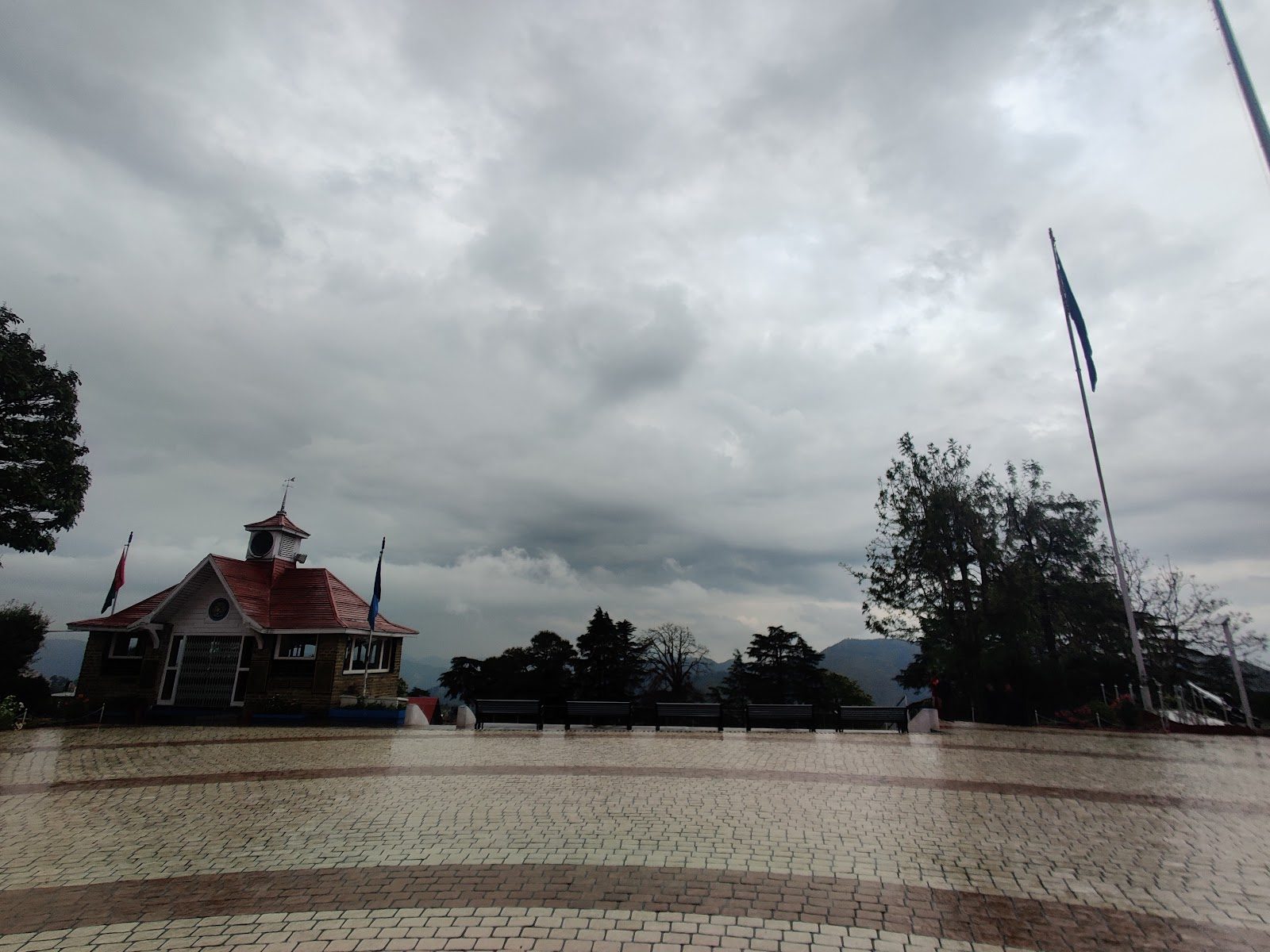
Bishop Cotton School
Shimla · India
Perched on a Himalayan ridge since 1859, this all-boys campus pioneered India's first house system of schooling.
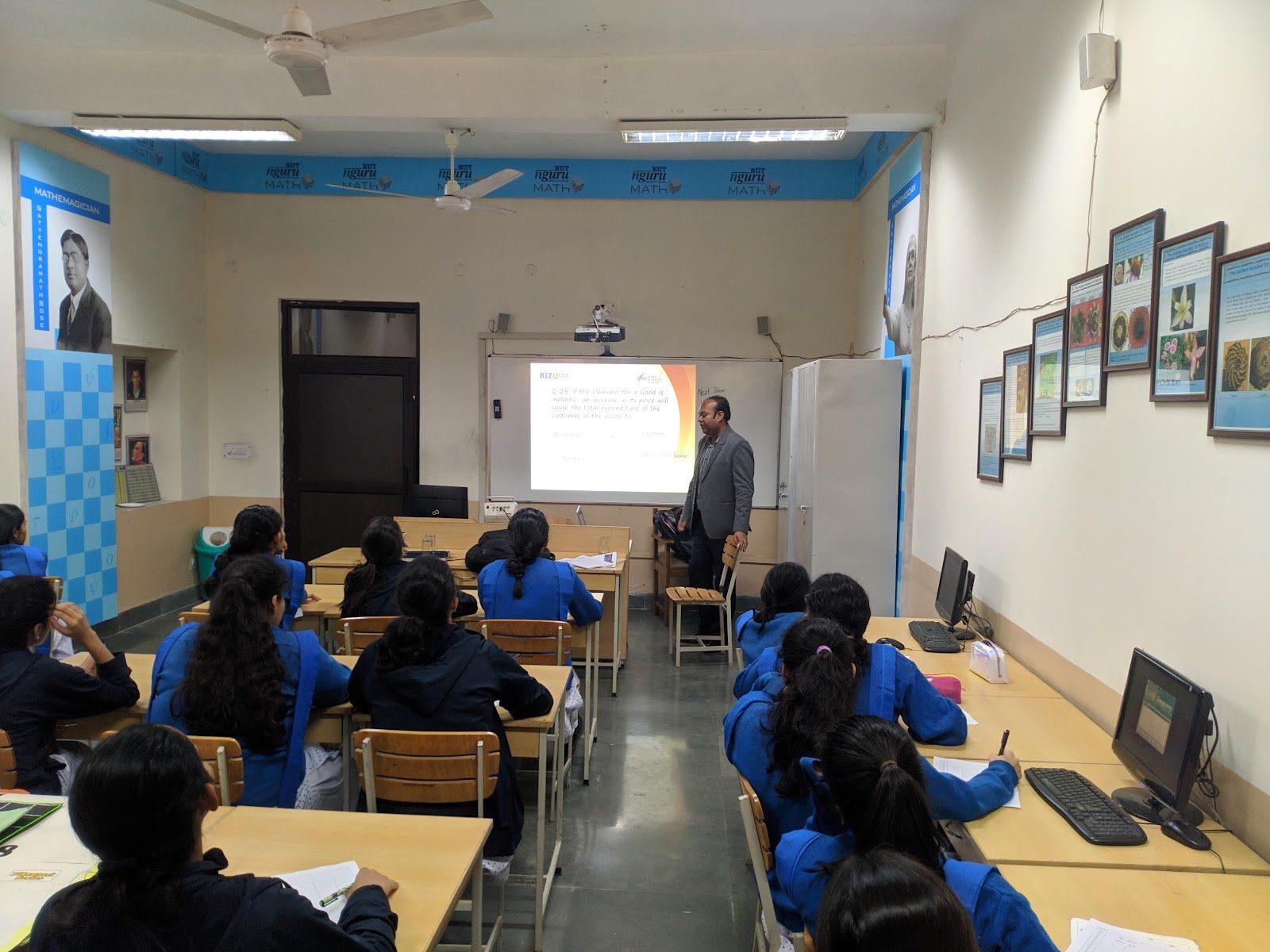
Welham Girls' School
Dehradun · India
Founded in 1957 as a bold counterpart to boys-only boarding, with bird-named houses and a legacy museum honoring the women who dared.
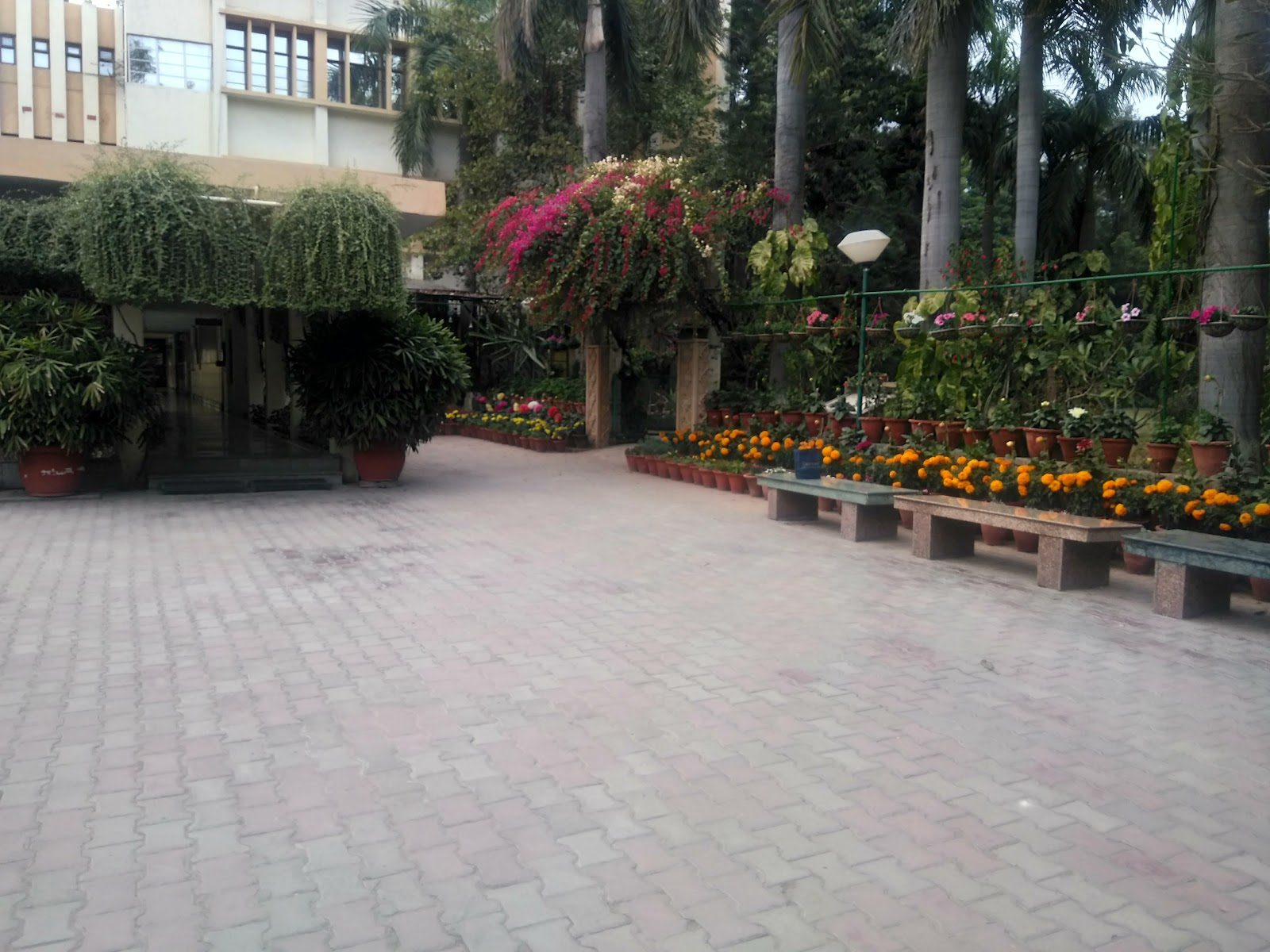
Sardar Patel Vidyalaya
New Delhi · India
In Lodi Estate, primary classes run in Hindi, not English -- a stance no other private school in India makes.
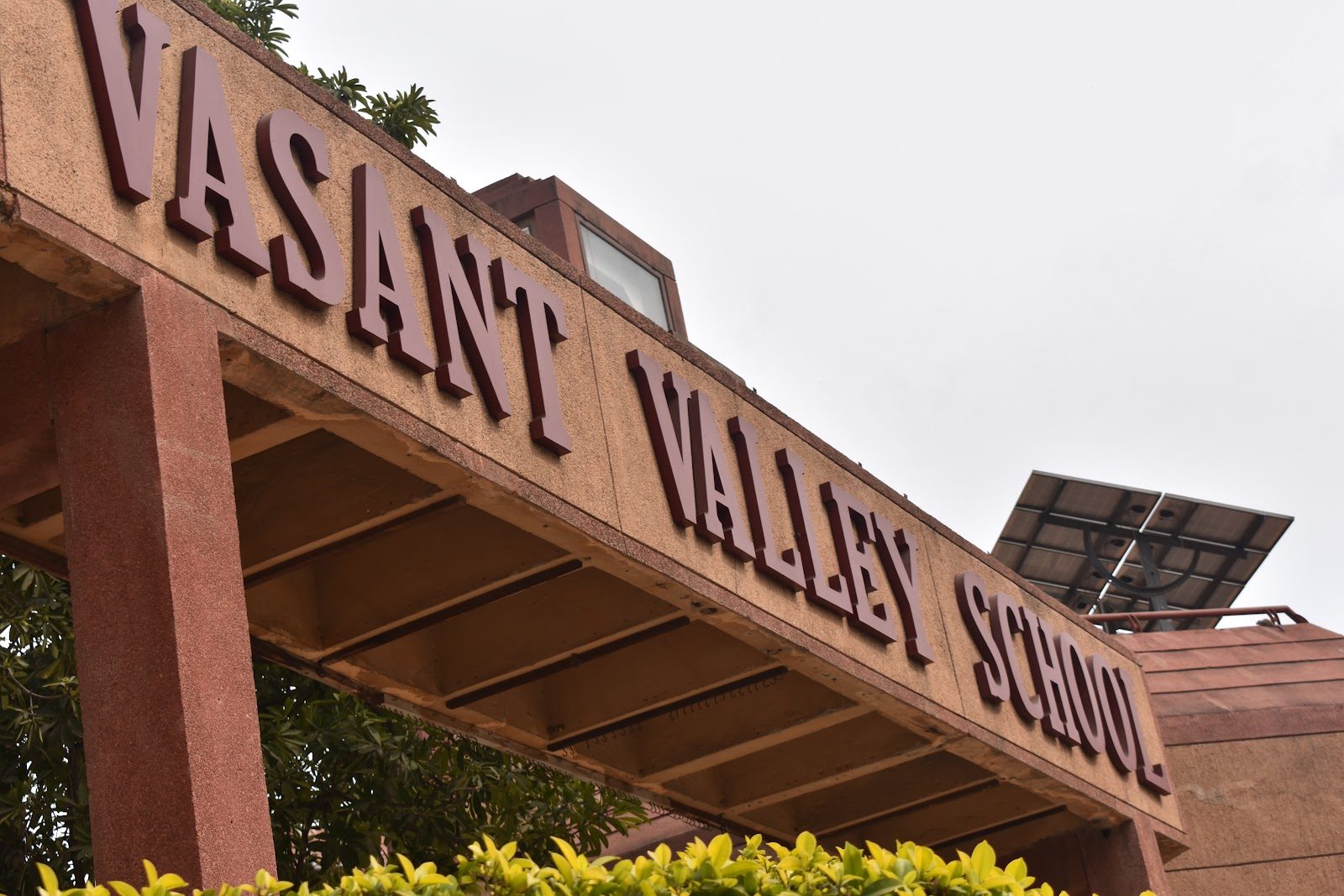
Vasant Valley School
New Delhi · India
Founded in Vasant Kunj by the India Today family in 1990, its classrooms run on no bells, only rhythm and process over outcome.
Same country and curriculum — closest matches within ±10 points either way