
Maharashtra
Founded in 1860 to sing for a 300-year-old cathedral, now pairing IB rigor with India's original student-run Model UN in Fort Mumbai.
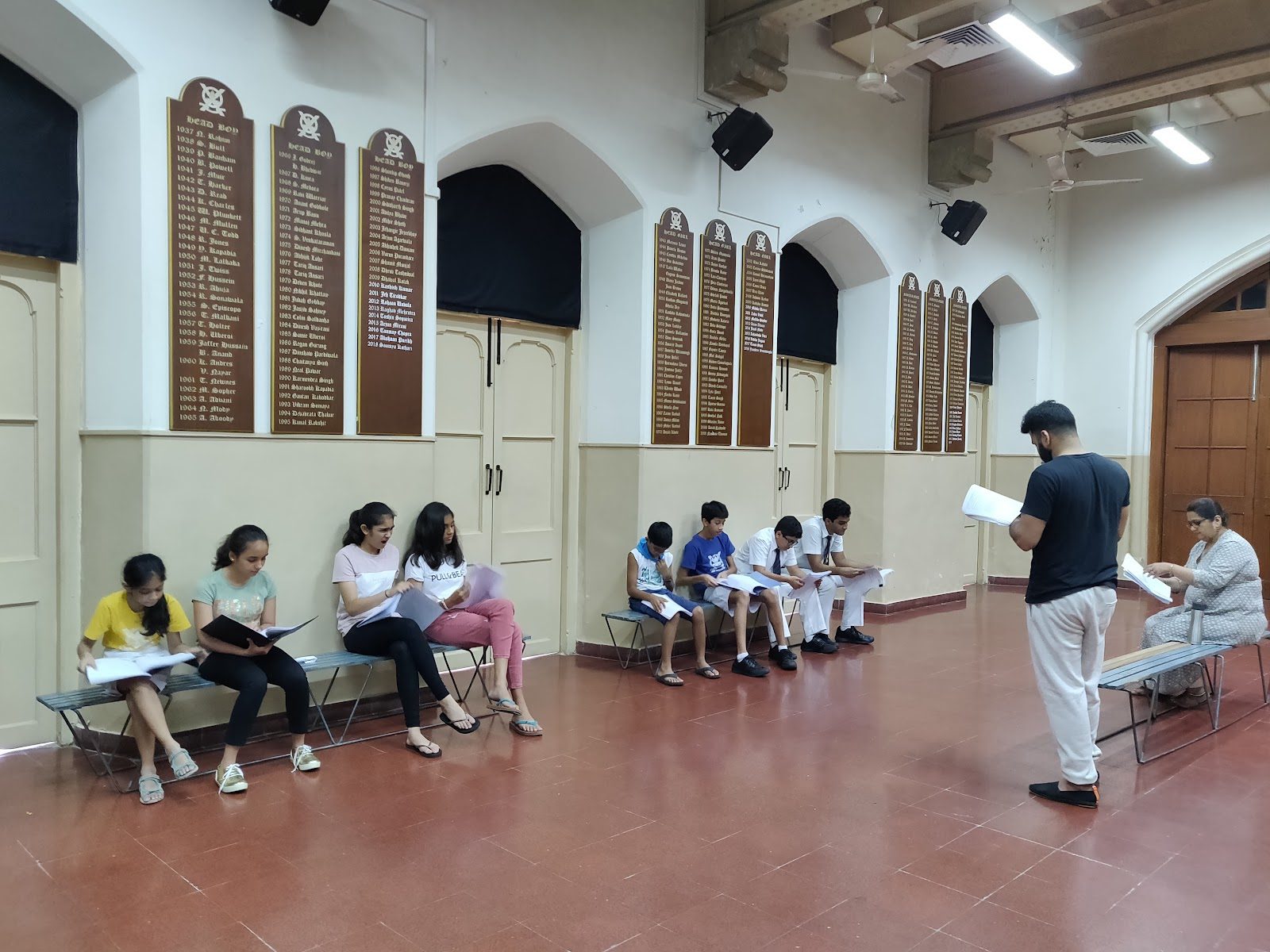
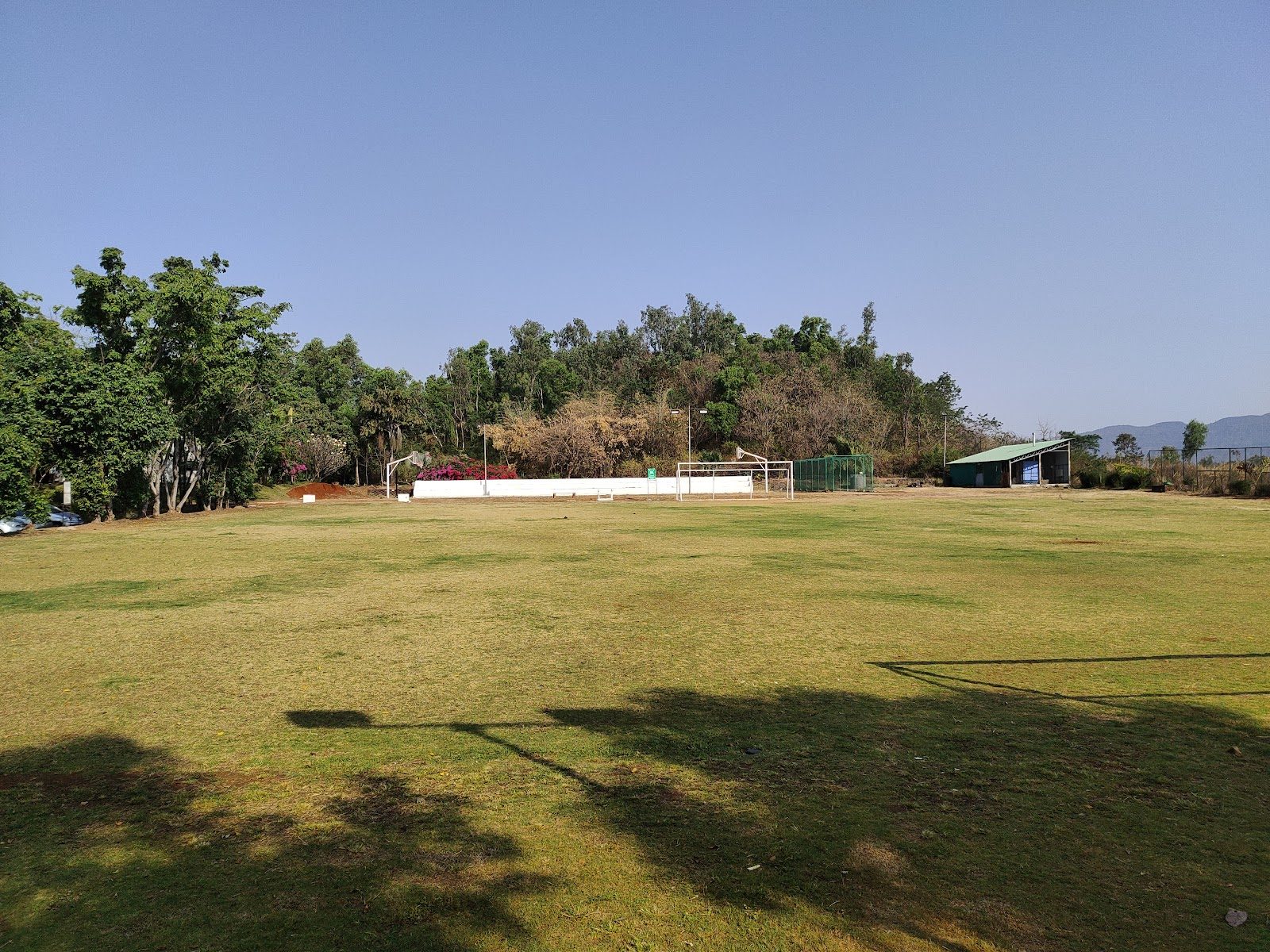
Photo © Kashin Shetty via Google Maps
Type
Day
Ages
11–18
Curriculum
IB · Indian National · British
Qualifications
ISC · IGCSE
Ratio
—
The Verdict
Editor's commitment
Right for
Families wanting Fort Mumbai heft: founded in 1860, IB plus Indian National and British pathways, with CIS and IBO accreditation.
Wrong for
Parents chasing boarding, religious formation or broad US outcomes data; this is a day school, non-religious, and destinations listed are SCAD, IE University and Le Roche.
Watch out for
The average annual day fee is $3,200, but the school serves over 1,960 students across six buildings, so intimacy is not the selling point.
Ranking breakdown
The Cathedral and John Connon School · # of 1591
Composite score 77.8. 8 weighted criteria.
By criterion
Academic Outcomes
Weight 20%
#91
of 1529 scored
University Placement
Weight 16%
#104
of 1529 scored
Prestige & Heritage
Weight 12%
#135
of 1571 scored
Alumni Network
Weight 12%
#101
of 1530 scored
Facilities
Weight 12%
#559
of 1534 scored
Transparency & Communications
Weight 8%
#204
of 1532 scored
Peer & Industry Review
Weight 10%
#205
of 1548 scored
Admissions Selectivity & Demand
Weight 8%
#120
of 1529 scored
Score history
The Cathedral and John Connon School · 2026
Movement across 2024–2026. Peer average overlaid.
Overall — 2024–2026
77.8/ 100
▲ +28.7 vs 2025
year on year
Peer & Industry Review
How The Cathedral and John Connon School is regarded in the sector
82
Strong · medium confidence
Cathedral and John Connon School consistently ranks at or near the top of Mumbai/India school rankings in the Education World India School Rankings survey, and is frequently cited in Indian and international press (e.g., Condé Nast Traveller, Vogue India, Hindustan Times profiles) as one of the country's most prestigious and oldest institutions, with a notable alumni network spanning business, entertainment and politics. It also appears in expat parent forums and relocation guides as the benchmark international-curriculum school in Mumbai, though it lacks the depth of specialist UK/US education press coverage (e.g., Tatler, Good Schools Guide) that would place it at the very top tier globally.
Evidence sources
Editors' overview
The Cathedral and John Connon School still carries the stamp of its original purpose: it was founded in 1860 as a choir school for St Thomas’s Cathedral, and it now educates more than 1,960 students in Fort Mumbai. That history matters because the school has not traded its institutional character for international-school blandness. It remains rooted in the British public-school house tradition, with four houses — Palmer, Barham, Wilson and Savage — while also offering IB alongside Indian National and British pathways. That combination gives it a distinctive place in Mumbai’s market: old-city, old-school, highly ambitious, but not trapped in nostalgia.
What puts Cathedral on a serious parent’s shortlist is the breadth of its academic identity without the sprawl or anonymity that can come with newer premium campuses. This is a day school for ages 11 to 18, taught in English, with CIS and IBO accreditation and a public emphasis on critical thinking, experiential learning and mental-health support. The school also has unusual depth of institutional life: 6 buildings across its sections, a long-established culture of debates, sport and competitions, and the kind of civic confidence that fits its Fort setting. The tagline’s reference to India’s original student-run Model UN captures something real about Cathedral’s appeal: this is a school for students who want argument, competition, public speaking and a crowded extracurricular diary, not a quiet ride through adolescence.
Parents also need to read the fine print of its market position. Cathedral is selective in temperament even where public data on outcomes is thin. The school does not publish aggregate IB or other exam results in the information here, and its recent listed destinations — SCAD, IE University and Le Roché, one student each — are too sparse to stand as a full outcomes picture. That opacity matters. Still, the school’s age, accreditations, scale and multi-curriculum offer give it weight in a city where heritage schools still command serious attention. At an average annual day fee of $3,200, it sits at a strikingly accessible price point for a school with this pedigree, which marks it out as exceptional value if the fit is right.
The student who thrives here is bright, self-propelled and comfortable in a school with strong internal culture. Cathedral suits children who enjoy ideas, structure and earned distinction; who want both academic stretch and visible roles in house, debating, sport or service; and who can handle a school with history rather than one engineered to flatter every preference. It is less suited to families who want glossy transparency, extensive published data or a deliberately soft-edged environment. Cathedral’s attraction lies elsewhere: serious tradition, urban energy, and the chance to grow up in one of Mumbai’s most storied school communities.
Academic Performance
Cathedral does not publish the one set of numbers parents need here: aggregate external exam results. There is no public school-wide IB score profile, no run of subject averages, no pass-rate table, and no university destinations list deep enough to stand in for that missing data. The destination snapshot names only 3 placements, one apiece, which is too thin to judge academic yield. That puts Cathedral behind the best-run peer schools in this part of the market, where families expect a clear results page, consistent destinations reporting and enough data to test whether academic ambition converts into measurable outcomes. On academic performance, the school is opaque where it should be precise.
That does not place Cathedral in the weak-academics bracket; it places it in the trust-us bracket. Its reputation rests on institutional weight, selectivity of culture and a long record of sending confident, articulate pupils into competitive settings, but reputation is not results reporting. Relative to peers, Cathedral fits the high-prestige, low-disclosure end of the spectrum: stronger in standing than in published evidence. For some families that is acceptable, especially in an old-line school whose pull extends beyond exam metrics. For any parent comparing sixth-form outcomes in a disciplined way, it is a real handicap. A school with this profile should publish a proper annual outcomes set.
Facilities
Facilities are not Cathedral’s main selling point, and the school does not publish the kind of detailed campus inventory that premium competitors now treat as standard. What it does disclose is a spread across 6 buildings serving different sections of the school, plus a heavy emphasis on the spaces and structures that support school life rather than architectural spectacle. That fits the institution. Parents looking for a vast single-site campus, resort-style sports provision or a glossy performing-arts complex will not find evidence of that here. Parents looking for a densely used, old-city school with the infrastructure to sustain a busy day of classes, houses, debates, sport and competitions will. The practical strength lies in throughput and culture, not in showpiece real estate.
Against peers, that places Cathedral on the conservative side of the facilities spectrum. Newer international schools in the premium bracket lead on published specialist provision: theatres, aquatics, design labs, broadcast studios, expansive playing fields. Cathedral’s advantage is different. Its facilities support a *high-functioning academic and extracurricular machine* with clear institutional rhythm, and the school’s long-running debating and competition culture gives those spaces more value than a sparse brochure list would imply. Still, the lack of hard detail is a weakness. A school of this stature should publish a proper facilities breakdown, with named arts, sports, science and student-support spaces, because heritage does not excuse opacity.
That combination gives it a distinctive place in Mumbai’s market: old-city, old-school, highly ambitious, but not trapped in nostalgia
Prestige
Cathedral carries real social and educational prestige in a way newer schools cannot manufacture. The source of that status is not branding but institutional permanence, competitive entry, and a deep internal culture that extends beyond lessons. This is a school with more than 1,960 students, a structure of 4 houses, and a public life built around debate, sport and global competitions. That matters because prestige in this segment does not rest on facilities alone; it rests on whether a school produces students who are confident in public, comfortable with hierarchy, and trained to take their place in demanding rooms. Cathedral does. Its long-standing association with one of the city’s established social and professional circles adds to that pull. Among Indian day schools, it sits in the old-guard top tier.
The rating stops short of the very highest mark for one reason: prestige is stronger than transparency. Cathedral has the authority, heritage and social cachet of a school families talk about without needing an introduction, but it does not match that status with equally rigorous public disclosure of outcomes. That gap matters. The school’s reputation is earned and durable, not inflated, yet parents still need clearer proof of present-day academic conversion. Even so, at an average annual fee of $3,200, Cathedral delivers a level of name recognition and cultural capital that is extraordinary for the price. In prestige terms, it punches far above its fee bracket.
Cathedral’s attraction lies elsewhere: serious tradition, urban energy, and the chance to grow up in one of Mumbai’s most storied school communities
Communications
Cathedral communicates like an established institution that expects families to meet it halfway. The public-facing essentials are there: a clear statement of mission, a concise account of the school’s structure, and downloadable items such as a school profile and annual report. That gives parents a usable starting point, but not a rich one. The tone is formal, self-possessed and institution-first, which suits the school’s culture; it does not indulge in the hyperactive feed of updates, explainers and data dashboards that many international schools now use to keep parents constantly briefed. For some families, that restraint reads as confidence. For others, it reads as under-communication. In a school serving more than 1,960 students across 6 buildings, clarity and regularity matter, and Cathedral’s published communication does not show much granularity on how daily information, academic tracking or pastoral concerns are handled.
That gap matters because parent communication is not the same thing as school identity. Cathedral explains what it values better than it explains how information flows. There is plenty on ethos, community, houses and student development; there is much less public detail on reporting routines, parent access, response channels or the cadence of academic updates. The result is credible but incomplete. Families already comfortable with old-line schools will recognise the pattern and accept it. Families who want high-visibility, process-heavy communication and immediate access to performance data will find the school less accommodating. On communications, Cathedral is strong on institutional voice and weak on operational transparency.
Uniqueness
What sets Cathedral apart is not novelty but institutional density. This school grew out of a cathedral choir foundation and still carries the discipline, ceremony and collective expectation of that origin. The house system is not decorative; with 4 houses embedded in school life, it gives students a durable framework for competition, loyalty and leadership. Add the school’s long-running culture of debates and global competitions, and Cathedral produces a pupil profile that is public-facing, verbally agile and comfortable under scrutiny. The reference to India’s original student-run Model UN matters for the same reason: this is a place that trains students to speak, argue, organise and hold a room, not just to collect grades in private.
That distinctiveness brings clear gains. Students get more than classroom teaching; they get a high-pressure apprenticeship in participation, performance and belonging to an institution bigger than themselves. The scale helps here too: with over 1,960 students spread across 6 buildings, Cathedral has enough mass to sustain serious extracurricular depth without losing its old-school identity. The trade-off is equally clear. A culture this established can feel demanding, hierarchical and less interested in personalised hand-holding than newer schools built around parental reassurance. For the right child, that is precisely the point. Cathedral’s uniqueness lies in producing confident young people who can operate in competitive settings with fluency, resilience and a strong sense of institutional place.
The rating stops short of the very highest mark for one reason: prestige is stronger than transparency
Student Profile
Cathedral suits students who like being part of something bigger than themselves. The fit is strongest for children who enjoy visible participation: debating, house competition, assemblies, performances, sport, service, committee work. A student who wants to keep their head down and move anonymously through school has chosen the wrong place. This is a community with high social visibility and strong internal codes, spread across 4 houses and more than 1,960 pupils. Students who thrive here tend to be articulate, self-disciplined and willing to take correction without drama. They do not need constant validation. They do need the confidence to step into public roles and the stamina to keep pace in a school with a busy, demanding rhythm.
The school also fits families who value independence over hand-holding. Its public language centres on critical thinking, experiential learning, mental health and personalised support, but the culture still reads as institution-first rather than child-centred in the soft modern sense. The right student will relish that. They will enjoy structure, cope well with expectation and respond to a community that prizes contribution as much as comfort. The weaker fit is a child who needs a highly sheltered atmosphere, intensive emotional cushioning or endless adult mediation. Cathedral rewards students who are robust, verbally confident and comfortable earning their place. For the right teenager, that is excellent preparation for adult life; for the wrong one, it will feel hard-edged.
That history matters because the school has not traded its institutional character for international-school blandness
Co-curricular strengths
Arts & sport, on a separate axis
Overall 7.7/10
Scored 0-10 from the school's own published evidence. This axis is editorial-only — it does not feed the main WTS ranking.
Sports
8.5/10
Cricket, Football, Basketball and Swimming, showing a solid multi-sport extracurricular offering but no named facility, specialist staff or competitive results are described.
Drama
8/10
Drama Productions, which indicates more than a bare listing of drama, but it provides no named theatre, department, staff or recurring major productions.
Dance
6/10
Music
8/10
Both School Orchestra and Choir, indicating structured ensemble music beyond a bare mention, though no dedicated music facility, department or competition record is cited.
Visual Arts
8/10
An Art Club and also refers to art rooms among expected facilities, supporting a visible visual-arts offering but not a named studio, department or exhibition record.
Editor first-pass · editor-reviewable · 7/27/2026
Outcomes & destinations
Where students go next
Top destinations
101 placements
- SCAD· 1
- IE University· 1
- Le Roche· 1
- Ashoka University· 1
- Flame University· 1
- Nanyang Academy of Fine Arts· 1
- Brown University· 2
- Columbia University· 1
- Cornell University· 3
- Dartmouth University· 2
- Princeton University· 1
- University of Pennsylvania· 2
- Yale University· 1
- Stanford University· 1
- Duke University· 2
- Imperial College· 2
- Johns Hopkins University· 1
- New York University· 5
- North western University· 3
- University College London· 3
- University of British Columbia· 13
- University of California, LA· 7
- University of California, San Diego· 2
- University of California, Berkeley· 2
- University of Chicago· 1
- University of Edinburgh· 2
- University of Michigan· 5
- University of Toronto· 7
- University of Washington, Seattle· 5
- Goldsmiths University, London· 1
- Parsons School of Design -The New School· 4
- Pratt University· 1
- School of the Arts Institute of Chicago· 4
- University of Arts London· 1
- Imperial College· 1
- King’s College· 1
- University of Exeter· 1
- University College London· 1
- University of Bristol· 1
- University of Cardiff· 1
- University of Durham· 1
- University of Edinburgh· 1
- University of Manchester· 1
- University of Nottingham· 1
- University of Warwick· 1
Reported by the school. Confirm with admissions.

WTS 300 badge
2025/26 editionThe Cathedral and John Connon School is one of the World's Top 300 Schools for 2025/26. Claim your listing to add it to your site →
Strengths
- +Founded in 1860, making it one of Mumbai's oldest schools; established in 1860 by Bishop Harding and the Cathedral Chaplain, making it one of Mumbai's oldest and most prestigious educational institutions.
- +Offers three curriculum pathways in the senior years, as affiliated to Montessori, American Curriculum, Advanced Placement (AP), Council for the Indian School Certificate Examinations (CISCE), and International Baccalaureate (IB) curriculum, giving families exam-board flexibility.
- +Alumni include physicist Homi J. Bhabha, Booker Prize novelist Salman Rushdie, and Chief Justice of India Dhananjaya Chandrachud, per published alumni records.
- +Operates across several heritage campuses in South Mumbai, with the school's campus, located near the historic Fort area of Mumbai, is an architectural marvel that complements the academic environment with a sense of heritage and culture.
- +Long-running house system structures co-curricular life: School has 4 houses Barham, Palmer, Savage, Wilson. The houses are named after the founders of the school - Canon Barham, Bishop Palmer, Arthur Savage and Percival Wilson.
Considerations
- −Despite being categorised as boarding for this listing, the school is in fact a day institution; the Cathedral and John Connon School is a co-educational private day school in Fort, Mumbai, India, with no residential facility.
- −Fees at senior levels run well above the local average: the monthly fee is Rs 51,667 for Class 2 which is Rs 41,268 more than the average of the Fort schools, whereas Fort's average fees for Class 2 is Rs 10,399, pricing out most local families.
- −Independent review aggregation flags administrative friction: Management/Administration: Around 25% of reviews address the management, with predominantly negative sentiments.
- −Some parents report an intense academic climate: While the school is recognized for its high academic standards, some reviews point out concerns about strict marking and pressure on students.
Availability
Primary entry gate & tests
Waitlist / Assessment
Gallery
Photo © Kashin Shetty via Google Maps
Photo © Kashin Shetty via Google Maps
Photo © Kashin Shetty via Google Maps
Photo © Kashin Shetty via Google Maps
Photo © Kashin Shetty via Google Maps
Photo © Kashin Shetty via Google Maps
Photo © Explorer via Google Maps
Photo © Sunil Labba via Google Maps
Photo © The Cathedral And John Connon School via Google Maps
Parent reviews
Have you sent your child here?
Voice reviews carry the strongest trust badge — we transcribe them for you to tidy up before they go live. Prefer to type? A written review is fine too.
Add your voice
In 60 seconds, tell other parents: what's the best thing about The Cathedral and John Connon School, and what surprised you when your child joined?
We ask for a Google sign-in so every review has a real face behind it — no anonymous drive-by attacks on schools, and no faked positive reviews. Your email is never shown publicly.
Send this profile to a friend
International parents rely on word-of-mouth. Share this review with someone weighing the same decision.
Schools with places
Similar schools to The Cathedral and John Connon School with places available now.
Dhirubhai Ambani International School
Mumbai · India
- 2026-27
- WAITPOOLVacancy-dependent
- 2027-28
- WAITPOOLEnquiry/app live (Dates TBC)
UWC Mahindra College
Pune · India
- 2026-27
- CLOSEDStandard route closed
- 2027-28
- WAITPOOLVaries by National Committee
Oberoi International School
Mumbai · India
- 2026-27
- WAITPOOLSpace-dependent
- 2027-28
- PLACES OPENRolling
Availability first, then country, area, curriculum, price, co-curricular
Consider also
Also worth looking at alongside The Cathedral and John Connon School.
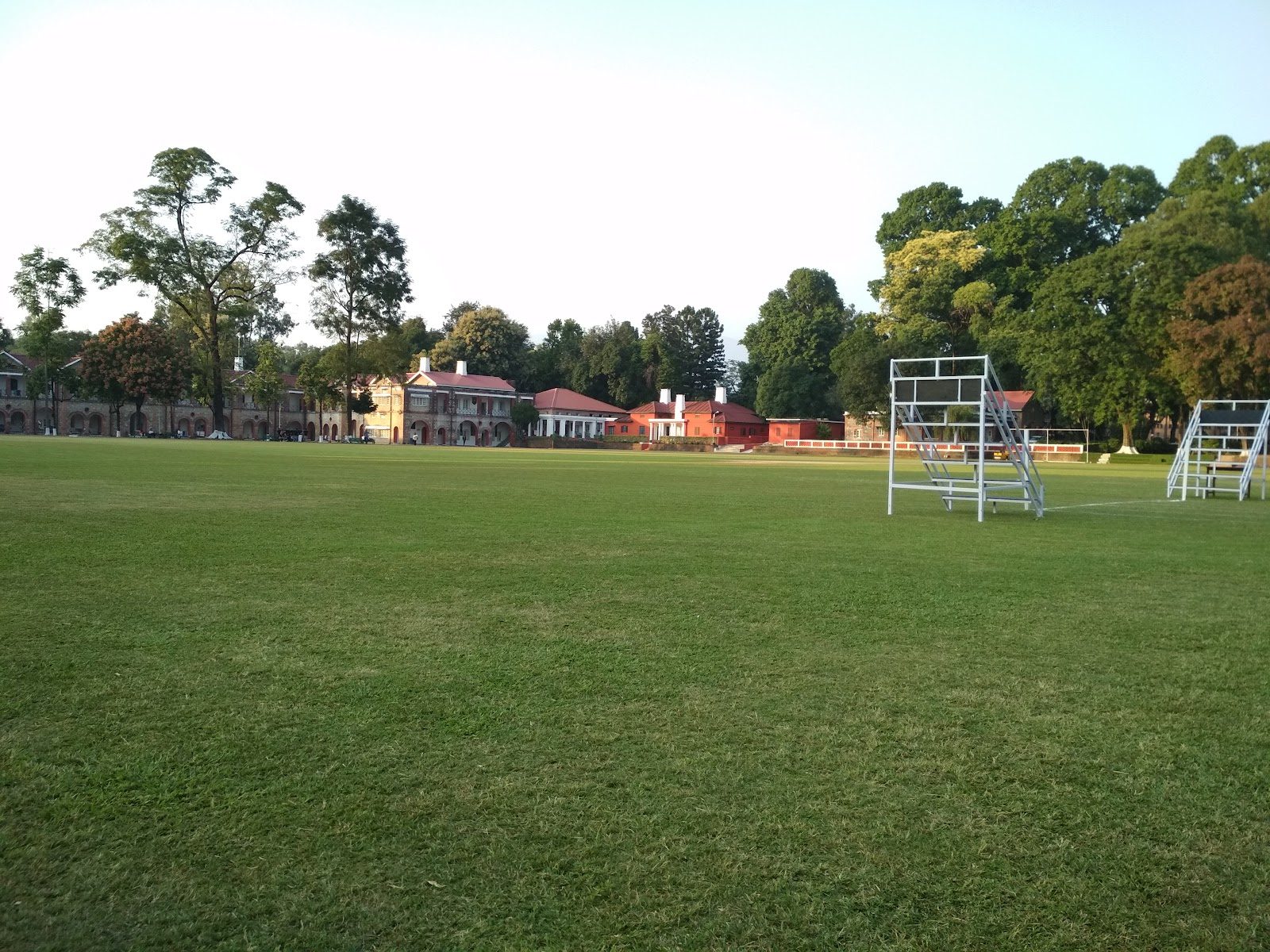
The Doon School
Dehradun · India
At the Himalayan foothills since 1935, this all-boys boarding school helped launch India's post-independence mountaineering movement.
Delhi Public School R.K. Puram
New Delhi · India
Founded in 1972 as the DPS Society's flagship, this South Delhi campus has long been a magnet for CBSE toppers.
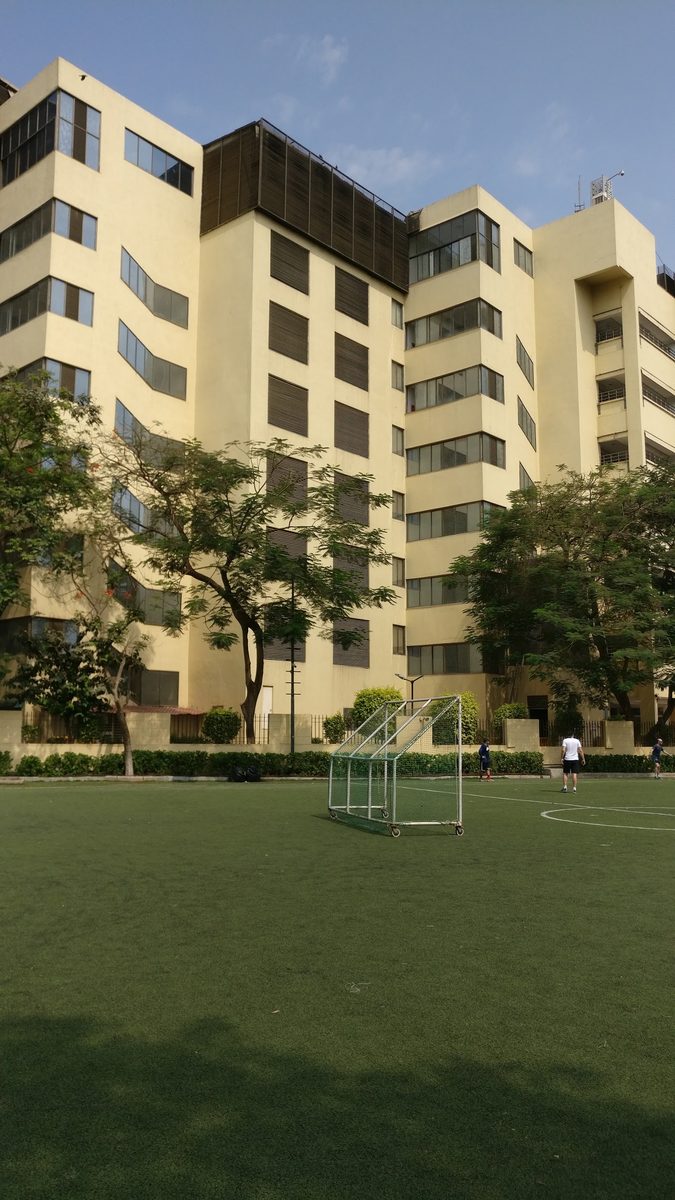
Dhirubhai Ambani International School
Mumbai · India
In the heart of Bandra-Kurla Complex, three curricula converge to produce some of India's highest IB Diploma averages.
UWC Mahindra College
Pune · India
South Asia's only United World College, its 170-acre Western Ghats campus reforested tree by tree by its own students.
Same country and curriculum — closest matches within ±10 points either way