
West Midlands
Elmhurst Ballet School
Britain's oldest vocational ballet school, timetabling GCSEs around the barre with a direct line into Birmingham Royal Ballet.
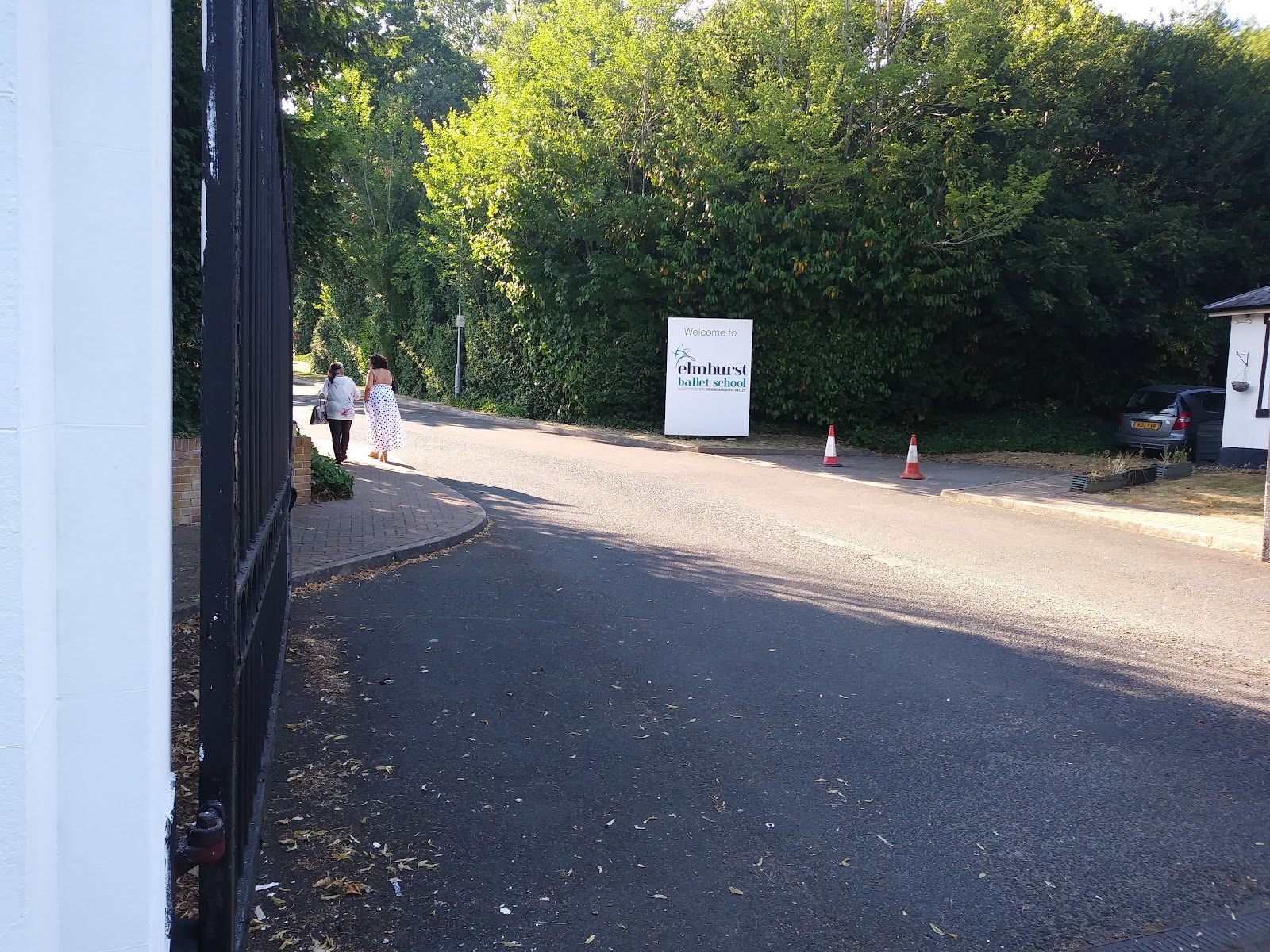
Photo © calamitysteph via Google Maps
Type
Boarding + Day
Ages
11–19
Curriculum
GCSE · A-Level
Ratio
—
The Verdict
Editor's commitment
Right for
Serious dancers aged 11–19 who want GCSE and A-Level study built around full vocational classical ballet training in Edgbaston.
Wrong for
Children who enjoy dance but do not want a professional track; Elmhurst is a boarding and day school for classical ballet careers.
Watch out for
Fees are substantial at an average £30,000 boarding or £23,000 day, and the route is narrow: ballet first, academics alongside.
Peer & Industry Review
How Elmhurst Ballet School is regarded in the sector
85
Strong · medium confidence
Among UK vocational dance schools, Elmhurst is consistently ranked alongside the Royal Ballet School and Central School of Ballet as one of the country's top three classical training pipelines, a status reinforced by its formal affiliation as associate school to Birmingham Royal Ballet, which regularly recruits from its senior cohorts. Because it operates within the DfE Music and Dance Scheme, it is discussed in specialist arts-education circles more than in mainstream university league tables; students who do not progress directly into companies such as BRB, English National Ballet, Northern Ballet, or continental troupes typically move to conservatoire-level dance degrees rather than traditional Russell Group routes, so its 'university' profile is narrower than an academic independent school's. Independent education commentary (Good Schools Guide and similar specialist-school guides) treats it as a serious, high-discipline vocational institution rather than a broad academic competitor, praising training rigour while noting the inherent risks of early specialisation. It features regularly in dance-sector press (The Stage, Dancing Times) rather than national newspaper school league tables, reflecting its niche but well-respected standing.
Award

Elite Dance 50
World's Top School · The Global Ranking
Elmhurst Ballet School is featured on our Global Top 50 ranking at #19. This seal is available for the school's marketing team to use on their website, prospectus and social channels.
- Darcey Bussell — Principal dancer, Royal Ballet; TV judge
- Yasmine Naghdi — Principal dancer, Royal Ballet
- Fumi Kaneko — Principal dancer, Royal Ballet
Editors' overview
Elmhurst is not a standard independent school with strong dance on the side; it is a vocational ballet school that fits GCSEs and A-levels around professional classical training. That distinction matters. In Edgbaston, taking pupils from ages 11 to 19 as both day and boarding students, Elmhurst is built for children who already know that ballet is not an extracurricular interest but the centre of their education. The school’s directness is its strength: this is training for students who intend to pursue a career in professional classical ballet, not a broad arts education dressed up as specialist provision. For the right child, that focus is exceptionally clear. For the wrong one, it is far too narrow.
What puts Elmhurst on a shortlist is the combination of full academic schooling with a full vocational training course in ballet and dance, delivered in English and backed by sector-specific recognition rather than generic branding. It holds accreditation from the Council for Dance Education and Training, sits within the Music and Dance Scheme, and is a Department for Education approved independent school. That gives it a distinct place in the market: not a conventional academic hothouse, not a casual performing arts school, but a serious conservatoire pipeline for teenagers. Parents need to understand the trade-off. Breadth gives way to specialisation early, and the timetable follows the demands of the studio.
Fees reinforce that position, though this is not priced at the top end of the British boarding market. The average annual fee is £22,716 for day pupils and £29,707 for boarders across ages 11 to 19. That places Elmhurst in a specialist niche: expensive in ordinary terms, but more accessible than many full-fee boarding schools with nothing like this level of vocational focus. The student who will want Elmhurst is disciplined, physically resilient and unromantic about the workload. This school suits young dancers who want their academic life and ballet training fused into one structure, and who are ready for an adolescence shaped by the barre rather than the usual independent-school menu of options.
A Global Elite 50 Dance school
Elmhurst Ballet School sits at #19 on our Global Elite 50 Dance Schools 2026, with B+ confidence, because on the 100-point cohort-conversion methodology it demonstrates the professional conversion, faculty pedigree, health-and-wellbeing infrastructure and specialist facilities required for the individually-ranked top-20 group.
The Global Elite 50 Dance Schools methodology is deliberately aggressive: half of the 100 available points are directly tied to professional conversion between 2016 and 2026 — main-company contracts, elite junior-company positions, apprenticeships and second companies. Beautiful campuses, historic alumni and impressive facilities cannot compensate for weak contemporary professional conversion, and are not scored independently.
Elmhurst earns its position on a genuine, sustained pipeline into Birmingham Royal Ballet and other UK and European companies, underpinned by its formal association with an operating elite classical company. Its evidence-confidence grade is deliberately separate from the ranking position: a lower grade reflects less public disclosure, not weaker performance. Where the school moves substantially better cohort data into the public domain in future audit cycles, the position — but not the underlying professional-conversion reality — may be revised.
International openness is a defining feature. Both boarding and day arrangements are offered, and overseas dancers apply on a rolling international audition and video pre-screen basis without residency, federation or citizenship gates. This is one of the internationally-open pipelines on the Global Elite 50 Dance Schools list that a relocating family can consider directly. Prospective families are advised to begin overseas application conversations early in the calendar year, with detailed audition and boarding logistics arranged 12-18 months ahead of the intended entry point.
Academic Performance
Elmhurst’s academic performance sits in a category of its own, and parents need to judge it on those terms. This is a school built around elite vocational training, so raw comparison with conventional independent schools chasing top-table A-level and GCSE league-table outcomes misses the point. The central academic question is not whether Elmhurst outguns the most exam-driven day schools, but whether it keeps pupils on track for credible public qualifications alongside an intensive and physically demanding dance timetable. On that measure, the school’s model is serious and exacting. Pupils do not attend for a broad academic superstructure with dance added; they attend for a dual track in which external exams must coexist with daily vocational pressure.
What Elmhurst does not publish, at least in the public domain we have seen, is aggregate GCSE and A-level performance data: no headline pass rates, no top-grade breakdowns, no three-year trend lines. That opacity matters. It leaves parents without the clean comparative evidence available at academically led independent schools. Relative to specialist performing arts peers, that is not unusual; relative to mainstream academic competitors, it is a clear weakness. The practical inference is straightforward. If your child needs a school where exam metrics are the primary proof of value, Elmhurst is the wrong fit. If your child’s priority is professional-level ballet training with recognised school qualifications maintained alongside it, Elmhurst remains a high-commitment option — but one whose academic outcomes require direct questioning at enquiry stage.
Facilities
Elmhurst’s facilities matter only insofar as they serve the central job: turning school-age pupils into employable classical dancers while keeping a full school day running around that training. On that measure, the priority is obvious. The key assets are the dance studios and the infrastructure around daily vocational work, not a sprawling sports complex or a trophy campus built for broad extracurricular display. The school operates as a working ballet environment, and parents should judge the site through that lens. At specialist peers, the real benchmark is studio quality, timetable efficiency, changing and recovery provision, and whether academic teaching spaces function cleanly alongside intensive dance hours. Elmhurst clears that bar by design. What it does not advertise in public detail, however, is the sort of granular facilities breakdown that top independent schools now publish as routine: no exhaustive public inventory of studios, performance spaces, science labs or boarding-house amenities. That lack of detail is a genuine gap.
Against vocational competitors, Elmhurst’s advantage lies less in campus spectacle than in integration. Schools of this type need spaces that support repetition, discipline and physical durability day after day; glossy multi-use provision counts for less than rooms that can sustain serious technique training. Parents comparing Elmhurst with mainstream boarding schools need to reset expectations. This is not a country-house school fantasy with dance appended. It is a purpose-built professional track in school form. If your benchmark is broad leisure provision, Elmhurst will feel narrow. If your benchmark is a school organised around the barre for adolescents on a single-minded path, the facilities fit the brief.
Fees reinforce that position, though this is not priced at the top end of the British boarding market
Prestige
Elmhurst carries real prestige, but it is specialist prestige, not the social gloss of a grande dame boarding school or the exam-market status of a London hothouse. In ballet circles, that distinction matters more. A school dedicated to professional classical training for ages 11–19, with pupils building their entire secondary education around the studio, occupies a rarefied part of the market. The association with the Music and Dance Scheme sharpens that standing: it places Elmhurst inside a small national group of institutions treated as serious vocational routes rather than decorative arts options. For families inside the dance world, that gives the school clear institutional weight. For families outside it, the name carries less instant recognition than the country’s most famous academic independents.
That is why the school’s prestige reads as earned rather than ornamental. Its status rests on function: training young dancers for a profession that is brutally selective, physically exacting and intolerant of half-commitment. The school’s age adds cachet, but heritage alone does not drive its reputation; the vocational purpose does. We rate Elmhurst highly on prestige within its field because it sits in a narrow, elite lane of British education where credibility depends on seriousness, discipline and industry respect. We rate it more cautiously in the wider independent-school market, where parents chasing broad academic renown, social cachet or conventional sixth-form polish will find stronger brands elsewhere.
Breadth gives way to specialisation early, and the timetable follows the demands of the studio
Communications
Elmhurst’s parent communication has to carry more weight than it does at an ordinary school, because families are not tracking homework and reports alone; they are tracking health, training load, performance pressure and a child living inside a demanding vocational regime. That raises the bar. The school website states the core proposition plainly enough: this is an independent school for professional classical ballet, for ages 11–19, combining a full academic day with full vocational dance training. That clarity is useful. Parents know what they are buying into. Where communication weakens is depth. The public-facing information does not publish the kind of hard operational detail that reassures families making a high-commitment decision: no aggregate exam outcomes, no granular facilities breakdown, and little in the way of a forensic picture of day-to-day school life. For a specialist school asking for early commitment, that is a real shortcoming.
That does not make Elmhurst opaque in mission; it makes it selective in disclosure. The essentials are clear, but the evidential layer is thin. In practice, that means parents need to do more work at enquiry stage than they would at a polished mainstream independent school. Ask direct questions about reporting routines, injury communication, boarding-house contact, timetable changes and who speaks to families when a pupil is struggling academically or physically. A school built around elite dance training needs disciplined, responsive communication; Elmhurst’s public communication establishes the school’s purpose, but not yet the full confidence that every parent will want before signing up.
Uniqueness
What makes Elmhurst distinct is not dance prestige in the abstract but structural commitment. Most schools with strong arts provision still treat performance training as one strand among many. Elmhurst does the opposite: it builds the school day around the demands of professional classical ballet and asks pupils to organise adolescence accordingly. That produces a student experience that is far more exacting than the usual specialist-school sales pitch. Time, energy, social life and even academic pacing all sit under the pressure of vocational training. For a young dancer with genuine professional intent, that concentration is immensely valuable. It removes the friction of trying to pursue serious ballet at arm’s length from mainstream schooling and replaces it with a single integrated system.
The benefit is clarity. Pupils live inside an environment where peers share the same ambition, staff work within the same discipline, and the institution exists for one purpose rather than several. That creates rare focus and an early understanding of what a professional pathway demands: repetition, stamina, correction, resilience and the ability to keep going when glamour has vanished. The school’s age range, 11–19, matters here because the vocational identity starts early and carries through the whole secondary journey, rather than being bolted on late in sixth form. The cost of that uniqueness is obvious too. Elmhurst narrows choice early, and it suits students who want a single-track education, not teenagers still testing interests or needing a broad extracurricular field.
The average annual fee is £22,716 for day pupils and £29,707 for boarders across ages 11 to 19
Student Profile
Elmhurst suits a young person who has already crossed a line that most children never need to cross: they do not merely enjoy dance, they organise their identity around it. The pupils who fit here are single-minded, physically durable and able to tolerate correction as a daily condition of life. They need drive, yes, but also routine, patience and a high threshold for frustration. Progress in classical ballet is slow, exacting and public; a child who needs constant novelty, easy praise or a wide menu of school activities will chafe. So will the teenager who wants to keep several future pathways open. At 11 to 19, Elmhurst caters to pupils prepared to commit early and live with the consequences of that choice.
The social fit is just as specific. Students thrive here when they are comfortable among equally focused peers and do not need the softer edges of a conventional all-round school culture. This is a strong match for the adolescent who is self-disciplined, resilient under pressure and serious about turning talent into employable technique. It is a poor match for the child who loves ballet but still wants it as one passion among many, or who needs broad sporting, academic or co-curricular range to stay happy. In blunt terms, Elmhurst is not for the half-committed. It works for young dancers who want their schooling shaped by professional ambition and who can withstand the hard, repetitive reality that ambition demands.
The student who will want Elmhurst is disciplined, physically resilient and unromantic about the workload
Co-curricular strengths
Arts & sport, on a separate axis
Overall 6.48/10
Scored 0-10 from the school's own published evidence. This axis is editorial-only — it does not feed the main WTS ranking.
Sports
4/10
Drama
6/10
Dance
9.9/10
Music
7.5/10
Visual Arts
5/10
Strengths
- +Associate school of Birmingham Royal Ballet, giving pupils direct exposure to a professional company and performance opportunities.
- +Vocational ballet school founded in 1923, one of Britain's first, now on a purpose-built Edgbaston campus opened in 2004.
- +Combines a full academic curriculum (GCSE, A-Level and a Trinity-validated Level 6 Diploma) with daily vocational dance training on the same site.
- +Offers both boarding and day places, drawing applicants from across the UK and internationally via audition.
- +Eligible UK pupils can apply for government Music and Dance Scheme (MDS) funding, which can substantially offset fees.
Considerations
- −Entry is by competitive audition with very limited places each year, so admission is far from guaranteed even for capable dancers.
- −Academic breadth is constrained by the hours committed daily to ballet training, which suits a narrow range of learners.
- −Single-discipline focus on classical ballet means the school is unsuitable for children wanting broader performing arts or general schooling.
- −For families who do not qualify for MDS support, fees represent a significant and sustained financial commitment.
Gallery
Photo © Adan Jelle via Google Maps
Photo © Jennifer MacNamara via Google Maps
Photo © daniela nuvoli65 via Google Maps
Photo © daniela nuvoli65 via Google Maps
Photo © Pete via Google Maps
Photo © Pete via Google Maps
Photo © Ben W via Google Maps
Parent reviews
Have you sent your child here?
Voice reviews carry the strongest trust badge — we transcribe them for you to tidy up before they go live. Prefer to type? A written review is fine too.
Add your voice
In 60 seconds, tell other parents: what's the best thing about Elmhurst Ballet School, and what surprised you when your child joined?
We ask for a Google sign-in so every review has a real face behind it — no anonymous drive-by attacks on schools, and no faked positive reviews. Your email is never shown publicly.
Send this profile to a friend
International parents rely on word-of-mouth. Share this review with someone weighing the same decision.
Schools with places
Similar schools to Elmhurst Ballet School with places available now.
Availability first, then country, area, curriculum, price, co-curricular
Consider also
Also worth looking at alongside Elmhurst Ballet School.
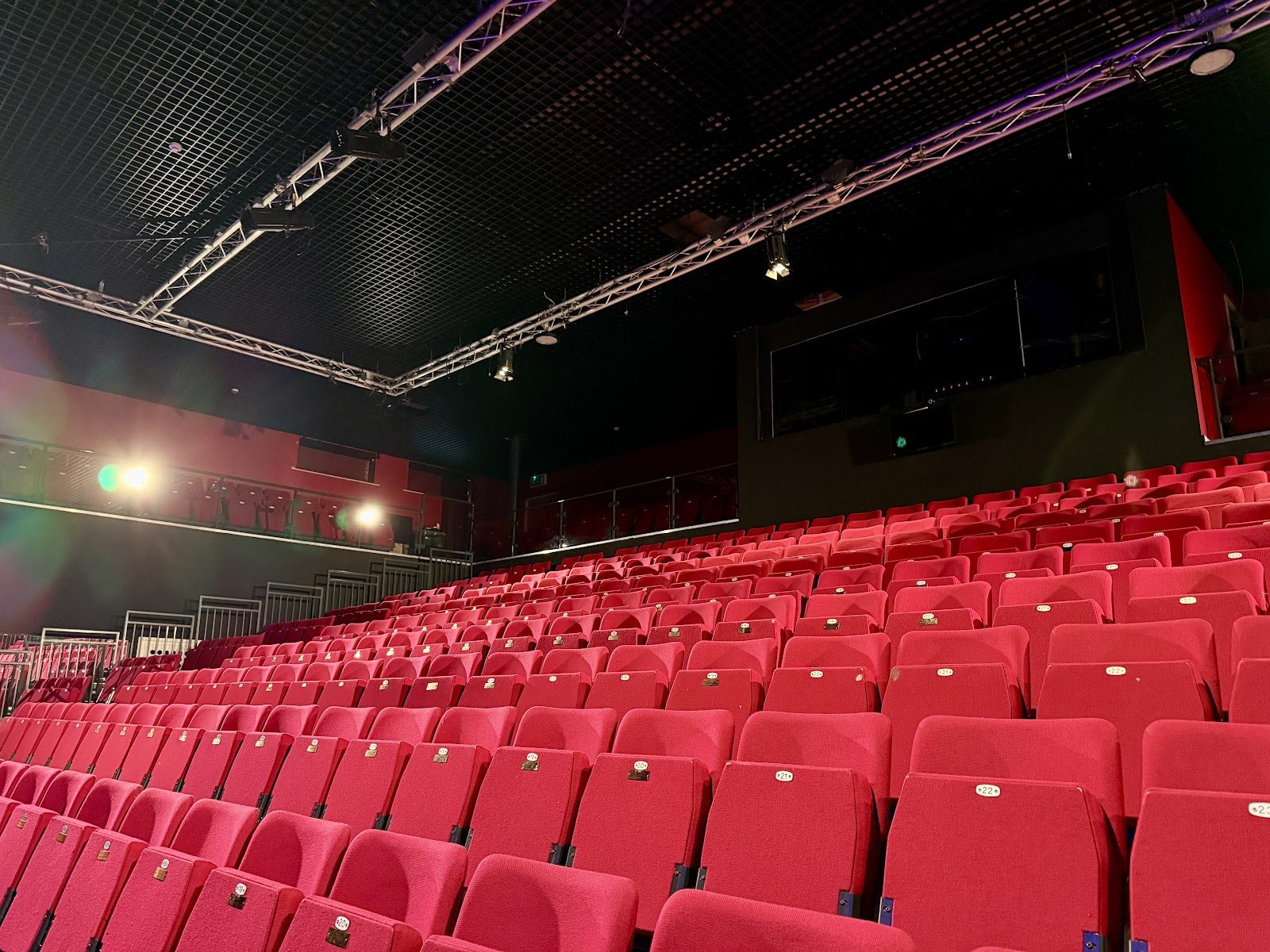
The Hammond School
Hoole Bank, Chester · United Kingdom
Britain's oldest vocational dance school pairs morning GCSEs with afternoon ballet studios and a validated musical theatre degree.

The Royal Ballet School
White Lodge, Richmond Park (Lower) / Covent Garden (Upper) · United Kingdom
A Grade I-listed royal hunting lodge in Richmond Park doubles as classroom and studio for GCSE-age dancers admitted on talent alone.
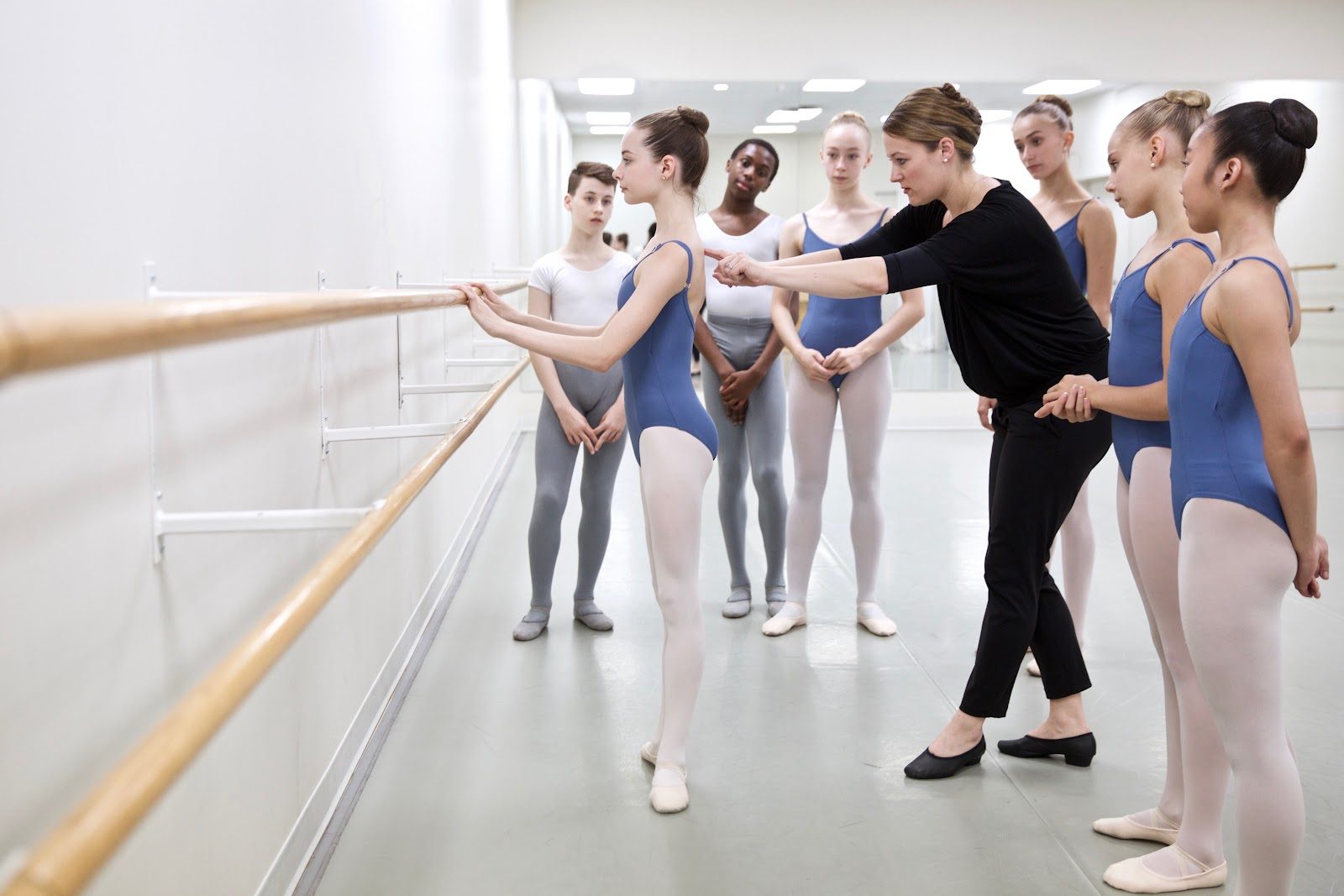
Alberta Ballet School
Calgary, Alberta · Canada
The only boarding school of its kind in western Canada, splitting each school day evenly between pointe work and the classroom.
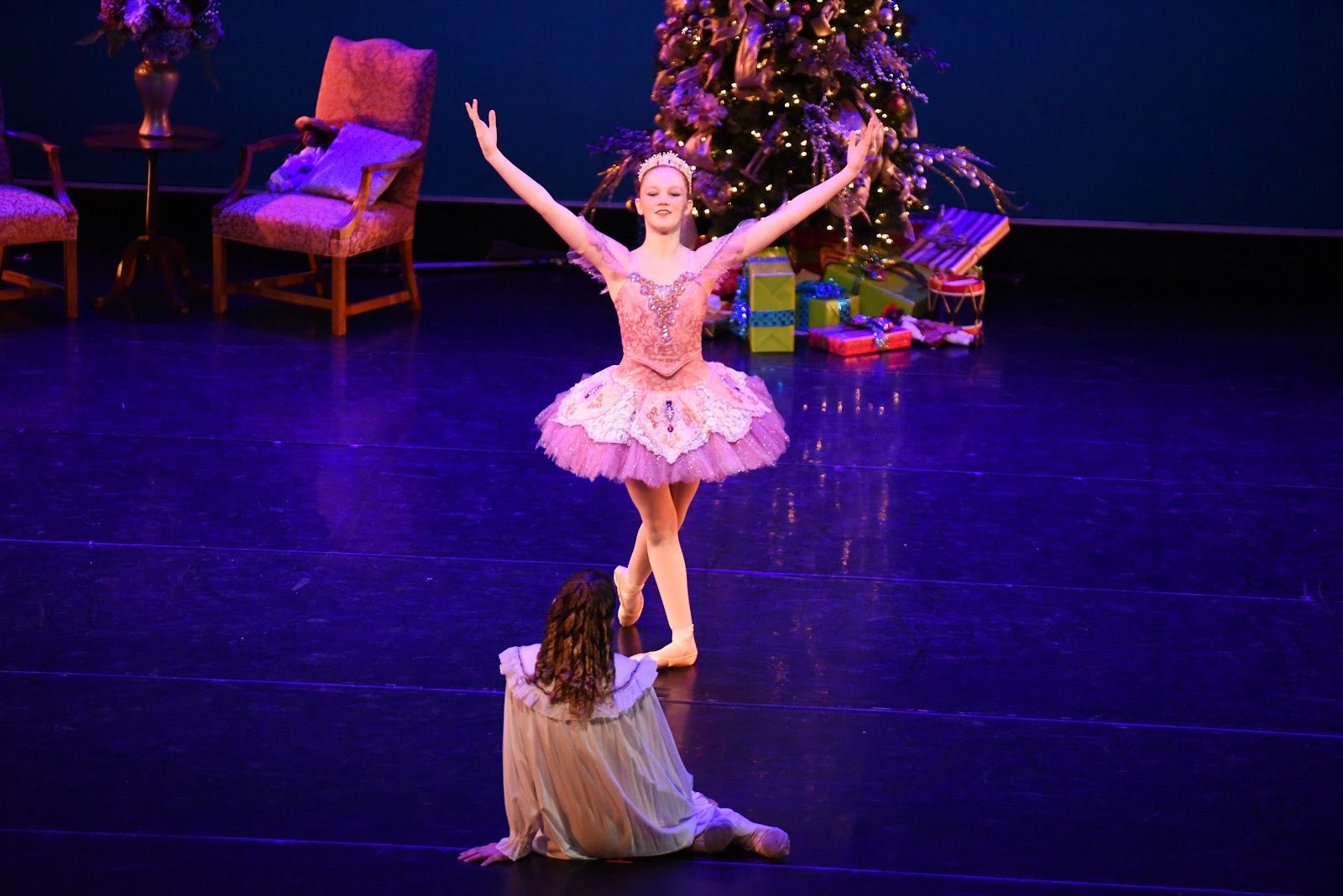
UNCSA School of Dance, High School
Winston-Salem, NC · United States
At the nation's first public arts conservatory, teenage dancers train daily alongside college company members bound for professional stages.
Same specialism, country and curriculum — closest matches within ±10 points either way