
Victoria
Sends every Year 9 to a remote alpine campus, then blends IB and VCE with the wellbeing model it pioneered.
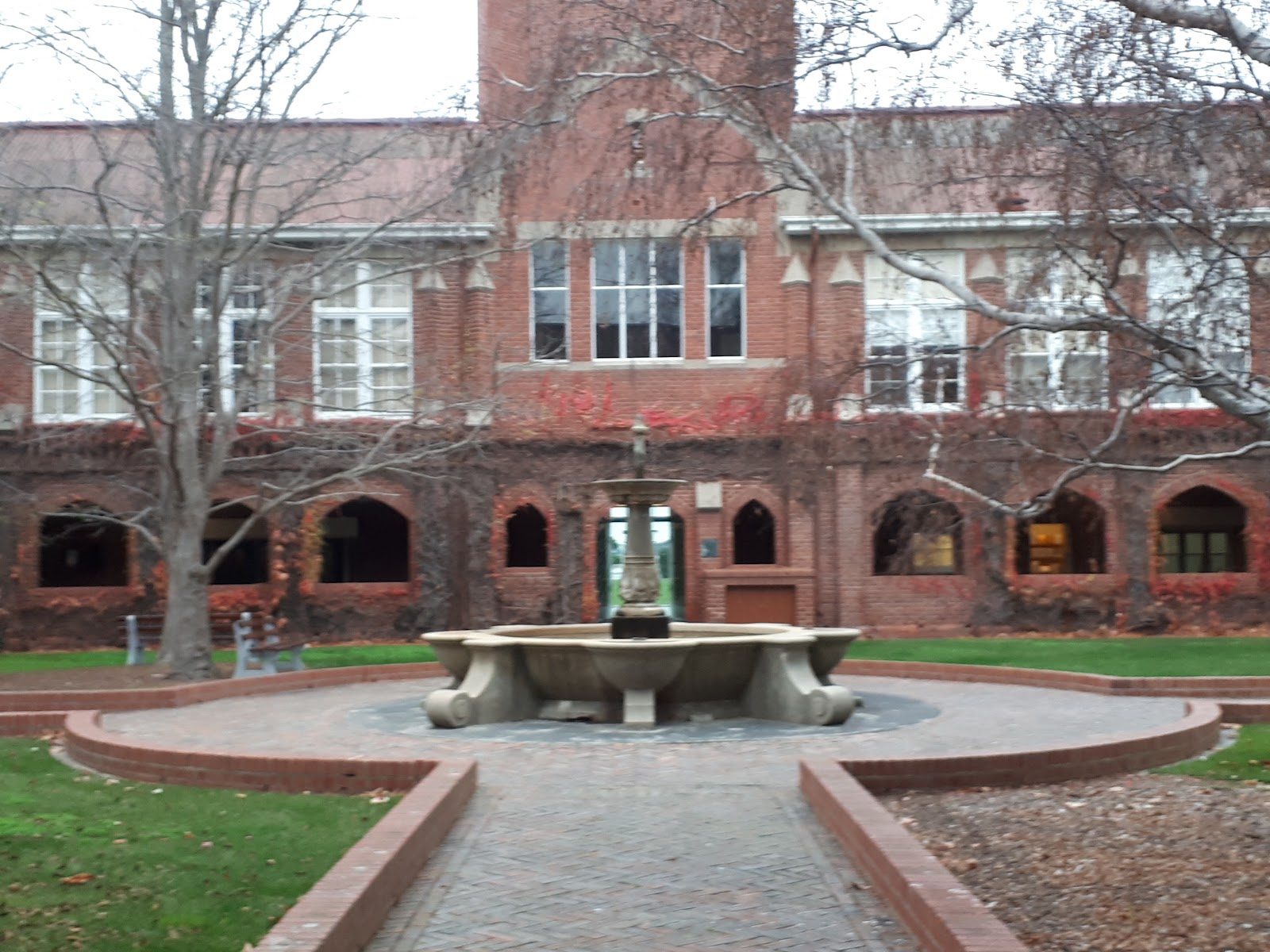
Photo © Megan Jeffery via Google Maps
Type
Both
Ages
3–18
Curriculum
IB · VCE
Qualifications
IB Diploma
Ratio
8:1
The Verdict
Editor's commitment
Right for
Families who want boarding or day, a decisive Year 9 Timbertop break, and an IB or VCE finish at a school founded in 1855.
Wrong for
Parents chasing a single-campus, single-curriculum route: Geelong runs three campuses, charges an average AUD 88,430 to board, and sends graduates to Cambridge and Boston University.
Watch out for
The wellbeing pedigree is real, but academics still matter: ICSEA is 1175, Year 9 Reading 622 and Numeracy 618, with an 8:1 ratio.
Ranking breakdown
Geelong Grammar School · # of 1591
Composite score 76.4. 8 weighted criteria.
By criterion
Academic Outcomes
Weight 20%
#587
of 1533 scored
University Placement
Weight 16%
#584
of 1529 scored
Prestige & Heritage
Weight 12%
#37
of 1580 scored
Alumni Network
Weight 12%
#9
of 1530 scored
Facilities
Weight 12%
#17
of 1540 scored
Transparency & Communications
Weight 8%
#290
of 1547 scored
Peer & Industry Review
Weight 10%
#55
of 1564 scored
Admissions Selectivity & Demand
Weight 8%
#647
of 1529 scored
Score history
Geelong Grammar School · 2026
Movement across 2024–2026. Peer average overlaid.
Overall — 2024–2026
76.4/ 100
▲ +16.5 vs 2025
year on year
Peer & Industry Review
How Geelong Grammar School is regarded in the sector
91
Top-tier · high confidence
Geelong Grammar School is consistently cited as Australia's most prestigious boarding school in independent press, including Tatler and international education directories, and is famous for its Timbertop program and royal alumni connection (King Charles III attended in 1966). It is Australia's most expensive school and is routinely referenced as the benchmark in 'best schools in Australia' coverage by outlets like The Australian, Good Schools Guide International, and expat-parent forums discussing Australian boarding options. Its alumni network includes prominent Australian business, media, and political figures, reinforcing its top-tier peer reputation.
Evidence sources
Editors' overview
What sets Geelong Grammar apart is not a brochure phrase about “holistic education” but a concrete structural choice: it sends every Year 9 pupil into a remote residential experience at Timbertop, then brings them back into a senior school that offers both the IB and the VCE. That is an unusually muscular statement of intent. The school wants adolescence to involve discomfort, independence and sustained outdoor challenge, not just classroom attainment. The rest of the model is built to support that ambition: Positive Education sits alongside Adventure Education and Creative Education as declared pillars, and the school backs the pastoral claim with a 1:8 student-teacher ratio and an average class size of 18. This is a big, old Anglican school with multiple campuses, but its central idea is clear and still distinctive in the Australian market.
Parents should shortlist it for three reasons. First, breadth with seriousness: Geelong Grammar covers ages 3 to 18, runs as both day and boarding, and gives senior students a real choice between two heavyweight leaving pathways, IB and VCE, rather than forcing everyone down one route. Second, academic standards hold up beneath the wellbeing language. Its MySchool figures are strong, with an ICSEA of 1175, Year 9 Reading at 622 and Year 9 Numeracy at 618. Third, it has reach and inheritance. Founded in 1855, with IBO and AHISA accreditation, it has a long-established social and institutional network, and the verified alumni footprint is formidable: 169 notable alumni catalogued in Wikidata, including politicians, business leaders, scholars and elite athletes. Recent destinations listed here are modest in number but serious in quality, including Cambridge, Boston University and Central Saint Martins.
This is also an expensive school, and parents should view it in that light. The average annual day fee across the full ladder is AUD 32,037; boarding averages AUD 88,430 a year. That places Geelong Grammar firmly in the premium end of the market. The value proposition rests less on raw exam-drill intensity than on access to a rare mix of land, scale, boarding culture, outdoor education and senior-course choice. Families looking for a narrow, urban, relentlessly coached academic factory will find more direct options elsewhere.
The student who thrives here is confident enough to cope with challenge, or ready to be pushed into it. Timbertop alone makes Geelong Grammar not for the timid: a child who wants comfort, close supervision and a predictable school life will struggle. Pupils who do best here tend to have stamina, curiosity and a degree of social ease; they can move between classrooms, houses, camps and wider school commitments without coming undone. For the right child, Geelong Grammar offers a rarely replicated education: expansive, demanding and deeply shaped by the belief that character is built through real experience, not just taught from a lectern.
Academic Performance
Geelong Grammar’s academic picture is strong but frustratingly opaque. The school states that its education is academically rigorous and that academic achievement sits alongside its pastoral and co-curricular model, but it does not publish the kind of aggregate examination data that lets parents place it cleanly against the country’s most transparent academic heavyweights. We have not seen whole-cohort IB averages, VCE study scores, top-band distributions or year-on-year destination depth. That matters. In a market where many ambitious independent schools trade hard on public results, Geelong Grammar asks families to accept reputation with limited scoreboard detail.
What is public points in the right direction. The MySchool profile is comfortably above national norms, with an ICSEA of 1175 and Year 9 results of 622 in reading and 618 in numeracy. That is not the profile of a school where the academic core has slipped behind the rhetoric. It sits in the upper tier of Australian independent schools on intake strength and attainment, even if it does not advertise itself as an exam factory. Relative to peers, then, Geelong Grammar reads as *high-performing, broad-gauge and self-assured* rather than relentlessly results-public. For some families, that restraint signals confidence. For others, it leaves a real evidential gap where sharper exam disclosure belongs.
Facilities
The physical estate is one of Geelong Grammar’s strongest competitive advantages. The Corio site spans 230 hectares, which places it in a different category from most urban independent schools whose “campus” amounts to a tight cluster of buildings and playing fields. That scale matters because it supports a genuine spread of environments rather than a token patch of green: dedicated spaces for the youngest pupils, substantial middle and senior school provision, and boarding integrated into daily school life rather than bolted on at the edges. Add the separate Toorak day campus and the remote Year 9 Timbertop site in the Victorian High Country, and the facilities story becomes structural, not cosmetic. Peer schools can match a theatre, a science block or strong sports provision; far fewer can offer a three-campus ecosystem that materially changes how pupils live and learn.
For boarding families, that breadth is the key distinction. Corio has the footprint to sustain a serious residential community with room for house life, sport and outdoor movement, while Timbertop remains the school’s most defining facility: not a camp centre but a full residential campus built around immersion, distance and self-reliance. Against peer schools in Australia’s top private tier, Geelong Grammar does not win on urban convenience or polished compactness. It wins on land, separation, and the capacity to make place itself part of the education. That is rare, expensive to maintain, and hard for rivals to replicate.
This is a big, old Anglican school with multiple campuses, but its central idea is clear and still distinctive in the Australian market
Prestige
Geelong Grammar carries *top-tier Australian private-school prestige*, and not the flimsy kind built on a glossy campus tour. Its status rests on three harder things: deep establishment roots, a nationally recognised boarding identity, and an alumni network with real public reach. The verified notable-alumni count alone is 169, spread heavily through politics, public life, business, scholarship and sport. That breadth matters. It tells parents this is not a school with one pocket of fame or a narrow professional pipeline; it is a school with enduring access to Australian elite networks. The school’s claim to house Australia’s largest co-educational boarding community also adds weight. Size in boarding creates its own gravity: stronger intergenerational loyalty, wider social reach and a more visible old-school network.
The prestige, though, has a distinct flavour. This is not a hothouse academic brand in the mould of schools that publish results tables as a form of status theatre. Its authority is more institutional, socially embedded and bound up with a long-standing idea of leadership, resilience and formation. Timbertop sharpens that identity. Sending an entire year group away for a demanding residential experience is a serious cultural marker that families across Australia recognise instantly. Add the premium fee level, the low staffing ratio and the school’s multiple pathways through to senior graduation, and the verdict is clear: Geelong Grammar sits in the country’s old-guard elite, with prestige that is broad, durable and still highly marketable, even where academic disclosure is thinner than first-rate parents deserve.
Timbertop alone makes Geelong Grammar not for the timid: a child who wants comfort, close supervision and a predictable school life will struggle
Communications
Geelong Grammar communicates with parents through a clear, well-built public-facing structure. The website is easy to navigate, with obvious routes into admissions, fees, term dates, transport, policies, boarding life, wellbeing, governance, giving and contact points. That matters at a school spread across multiple campuses and age phases: families need to understand where their child fits, how movement through the school works, and whom to contact. On that front, the essentials are in place. The school also runs a visible news and statements feed, promotes tours and discovery events, and gives parents direct access to practical enrolment steps rather than burying them under brand language. For a complex institution, the architecture is disciplined.
The weakness is depth. The site sells ethos fluently but gives parents less hard operational texture than the strongest schools provide. There is plenty on values, pillars and community, yet less that helps a scrutinising family test day-to-day performance, academic comparators or the practical realities behind a premium fee. Recent statements and community updates help, and the scale of the operation means communication plainly matters, but the overall effect is polished rather than fully candid. Parents who want a sense of culture will get it quickly. Parents who want forensic disclosure will still have questions. In short: effective at orientation, less convincing at scrutiny, and not as transparent as a school charging an average AUD 32,037 for day pupils and AUD 88,430 for boarders ought to be.
Uniqueness
Geelong Grammar’s uniqueness rests in the way it makes environment do educational work. Most schools talk about character, wellbeing and breadth; this one reorganises adolescence around them. The decisive move is Timbertop: every pupil in that year group leaves the main senior setting for a remote, demanding residential campus in the High Country. That is not an add-on expedition week or a polished leadership camp. It is a full year built around separation, routine, physical challenge and life with peers away from metropolitan comfort. For students, the gain is concrete: greater self-management, thicker resilience, and a sharper sense of responsibility to a community rather than just to personal performance. It is *not for children who need constant softness*.
The second point of difference is that Geelong Grammar does not treat wellbeing as a pastoral side note. It built an entire identity around Positive Education, then tied it to Adventure Education and Creative Education as equal pillars. Many schools bolt wellbeing language onto a conventional academic machine; Geelong Grammar made it part of the operating system. That brings a student experience that is *broader, more exacting and less transactional* than the norm: house life matters, outdoor learning matters, creative work matters, and academic study sits inside that larger frame. Add the scale of its boarding community and the very low 8:1 staffing ratio, and the result is a school with a rarely imitated model of formation rather than a narrow pursuit of marks alone.
We have not seen whole-cohort IB averages, VCE study scores, top-band distributions or year-on-year destination depth
Student Profile
The student who fits Geelong Grammar is not a narrow grade-chaser and not a child who needs school to feel soft, local and tightly choreographed. This place suits young people who can absorb challenge, live among a wide mix of peers, and treat school as more than lessons plus homework. The social setting matters: with a large residential population and students drawn from rural, regional, metropolitan and international backgrounds, pupils need a degree of ease with difference and a willingness to join in. The strongest fit is a boy or girl with stamina, appetite for activity and enough internal ballast to cope when comfort drops away. The school’s low 8:1 staffing ratio gives adults room to know students properly, but that does not turn it into a hand-holding environment. It remains demanding, communal and not for the thin-skinned.
At its best, Geelong Grammar works for students who want their education to carry physical, social and moral weight as well as academic substance. A child who enjoys sport, outdoor life, house culture, creative work or leadership roles will find genuine room here. So will a student with intellectual range who values having more than one serious senior pathway. The weaker fit is clear. Children who resist independence, dislike institutional tradition, or want a compact urban school with a purely academic centre of gravity will find the culture too immersive, too exposed and, at moments, unforgiving. This is a school for students ready to be stretched in public as well as in class.
Add the separate Toorak day campus and the remote Year 9 Timbertop site in the Victorian High Country, and the facilities story becomes structural, not cosmetic
Co-curricular strengths
Arts & sport, on a separate axis
Overall 8.92/10
Scored 0-10 from the school's own published evidence. This axis is editorial-only — it does not feed the main WTS ranking.
Sports
9.4/10
Handbury Centre for Wellbeing yields world-class polo, equestrian, and rowing tracks; Year 9 at the remote Timbertop campus requires running up to 25km a week.
Drama
9/10
The dedicated SPACE (School for Performing Arts & Creative Education) facility provides professional multi-tier commercial theaters.
Dance
7.5/10
Maintained as a core artistic pillar within the creative education curriculum, running regular modern workshops and house dance spectacles.
Music
9.3/10
Highly advanced recording hubs and acoustic studios inside the SPACE precinct support large symphonic wind bands.
Visual Arts
9.4/10
Massive industrial art hubs specialized for fine oils, architectural drafting, and high-end digital media design.
Editor-verified · 8/6/2026
Outcomes & destinations
Where students go next
Top destinations
30 placements
- Boston University· 1
- University of Cambridge· 1
- Central Saint Martins· 1
- Chulalongkorn University· 1
- De Anza College· 1
- Ecole Hôtelière de Lausanne· 1
- Harvard University· 1
- Imperial College London· 1
- King's College London· 1
- London College of Communication· 1
- Loughborough University· 1
- Mahidol University· 1
- New York University· 1
- Parsons – The New School· 1
- Penn State· 1
- Princeton University· 1
- Royal Agricultural College· 1
- Stanford University· 1
- University of St Andrews· 1
- Syracuse University· 1
- University College London· 1
- University of British Columbia· 1
- University of Canterbury· 1
- University of Edinburgh· 1
- University of Manchester· 1
- University of Melbourne· 1
- University of Pennsylvania· 1
- University of Texas· 1
- Wake Forest University· 1
- Yale University· 1
Reported by the school. Confirm with admissions.
Notable alumni · Wikidata
169notable alumni
110 historic (born pre-1930) · 22 modern (born post-1970)wikidata:2026-07-28 How we source this
MySchool · ACARA
Australian benchmarks
Editorial estimateReporting year
2023
ICSEA index
1175
+175 vs national average (1000)
Student cohort by national ICSEA quarter
Year 9 NAPLAN — mean scale score
Dashed line = national average
Attendance
93.7%
Enrolments
1580
Sector
Independent
Year range
P–12
Corio-based co-ed with the flagship Timbertop Year 9 wilderness campus.
MySchool.edu.au source pageEditor-approximated from MySchool.edu.au. Awaiting school-attested figures.
WTS 300 badge
2026/27 editionGeelong Grammar School is one of the World's Top 300 Schools for 2026/27. Claim your listing to add it to your site →
Strengths
- +Founded in 1855, Geelong Grammar is one of Australia's oldest independent schools, occupying a 245-hectare Corio Bay campus since 1914.
- +All Year 9 students attend the compulsory Timbertop campus in the Victorian Alps, a full-boarding wilderness and outdoor-education programme unique among Australian schools.
- +Senior students choose between the IB Diploma and the VCE, giving families flexibility over university pathways in Australia and overseas.
- +The school pioneered whole-school Positive Education, with explicit wellbeing curriculum delivered at every year level and over 300 staff trained in the programme.
- +Alumni include King Charles III and several Australian prime ministers, reflecting a long-standing network among Australia's political and business establishment.
Considerations
- −Fees are among the highest in Australia, with 2026 Year 12 day tuition around AUD 55,380 and full boarding fees near AUD 93,840, excluding levies and extras.
- −The compulsory Timbertop year requires all Year 9 students to board full-time in a remote rural location roughly three hours from Melbourne, even for day-school families.
- −Admission is non-selective, and published median ATAR results (around 83 for the combined IB/VCE cohort) trail those of some more academically selective Melbourne schools.
- −With roughly 1,500-1,600 students spread across four campuses, the school operates at a scale that can feel less intimate than smaller boarding rivals.
Availability
Primary entry gate & tests
Edutest + Interview
Gallery
Photo © Megan Jeffery via Google Maps
Photo © Megan Jeffery via Google Maps
Photo © J C via Google Maps
Photo © William Sie via Google Maps
Photo © Eureka Stockade via Google Maps
Photo © J C via Google Maps
Photo © Eureka Stockade via Google Maps
Photo © J C via Google Maps
Photo © Yahaya Abdullah via Google Maps
Parent reviews
Have you sent your child here?
Voice reviews carry the strongest trust badge — we transcribe them for you to tidy up before they go live. Prefer to type? A written review is fine too.
Add your voice
In 60 seconds, tell other parents: what's the best thing about Geelong Grammar School, and what surprised you when your child joined?
We ask for a Google sign-in so every review has a real face behind it — no anonymous drive-by attacks on schools, and no faked positive reviews. Your email is never shown publicly.
Send this profile to a friend
International parents rely on word-of-mouth. Share this review with someone weighing the same decision.
Schools with places
Similar schools to Geelong Grammar School with places available now.
Melbourne Grammar School
Melbourne · Australia
- 2026-27
- WAITPOOLVacancy-dependent
- 2027-28
- PLACES OPENBoarding open; Day waitpool
Scotch College
Melbourne · Australia
- 2026-27
- WAITPOOLVacancy-dependent
- 2027-28
- PLACES OPEN
Methodist Ladies' College
Melbourne · Australia
- 2026-27
- WAITPOOLVacancy-dependent
- 2027-28
- PLACES OPEN
Wesley College
Melbourne · Australia
- 2026-27
- WAITPOOLVacancy-dependent
- 2027-28
- PLACES OPEN
Availability first, then country, area, curriculum, price, co-curricular
Consider also
Also worth looking at alongside Geelong Grammar School.
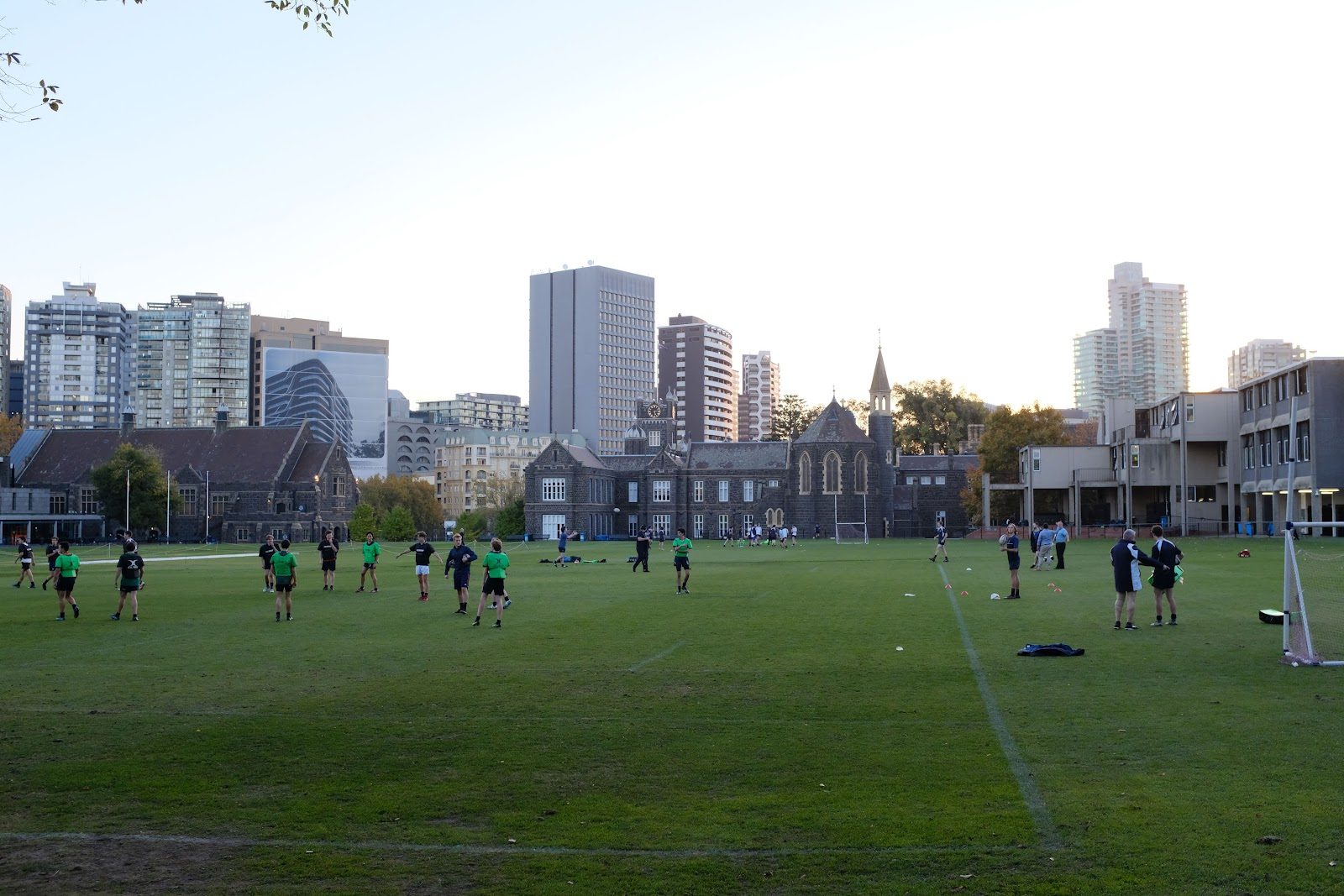
Melbourne Grammar School
Melbourne · Australia
Site of the first recorded Australian Rules football match in 1858, its bluestone St Kilda Road campus still borders the Royal Botanic Gardens.
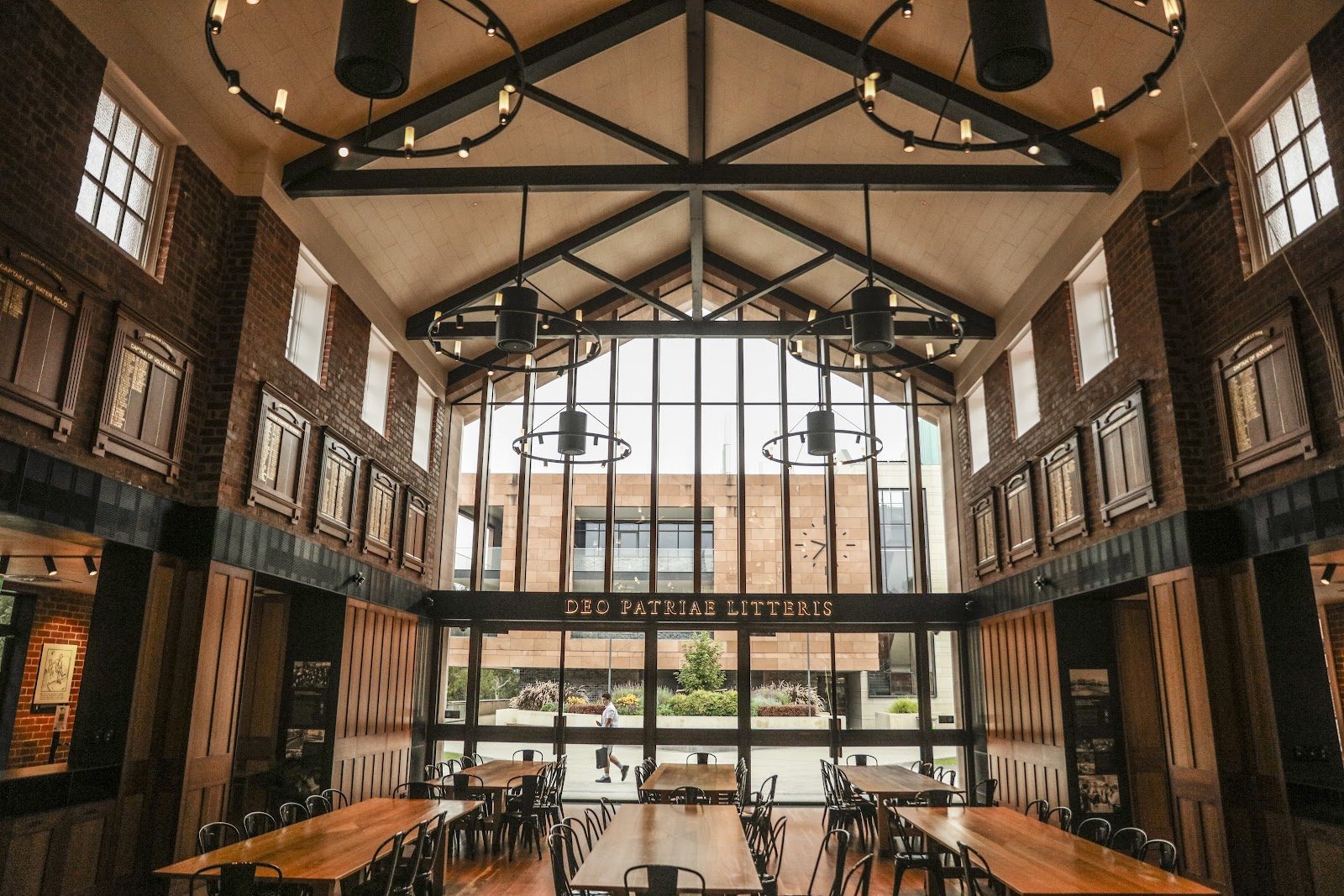
Scotch College
Melbourne · Australia
Founded in 1851 on the Yarra, Victoria's oldest secondary school blends IB and VCE with non-selective results that rival the selective few.
The King's School (Parramatta)
Parramatta · Australia
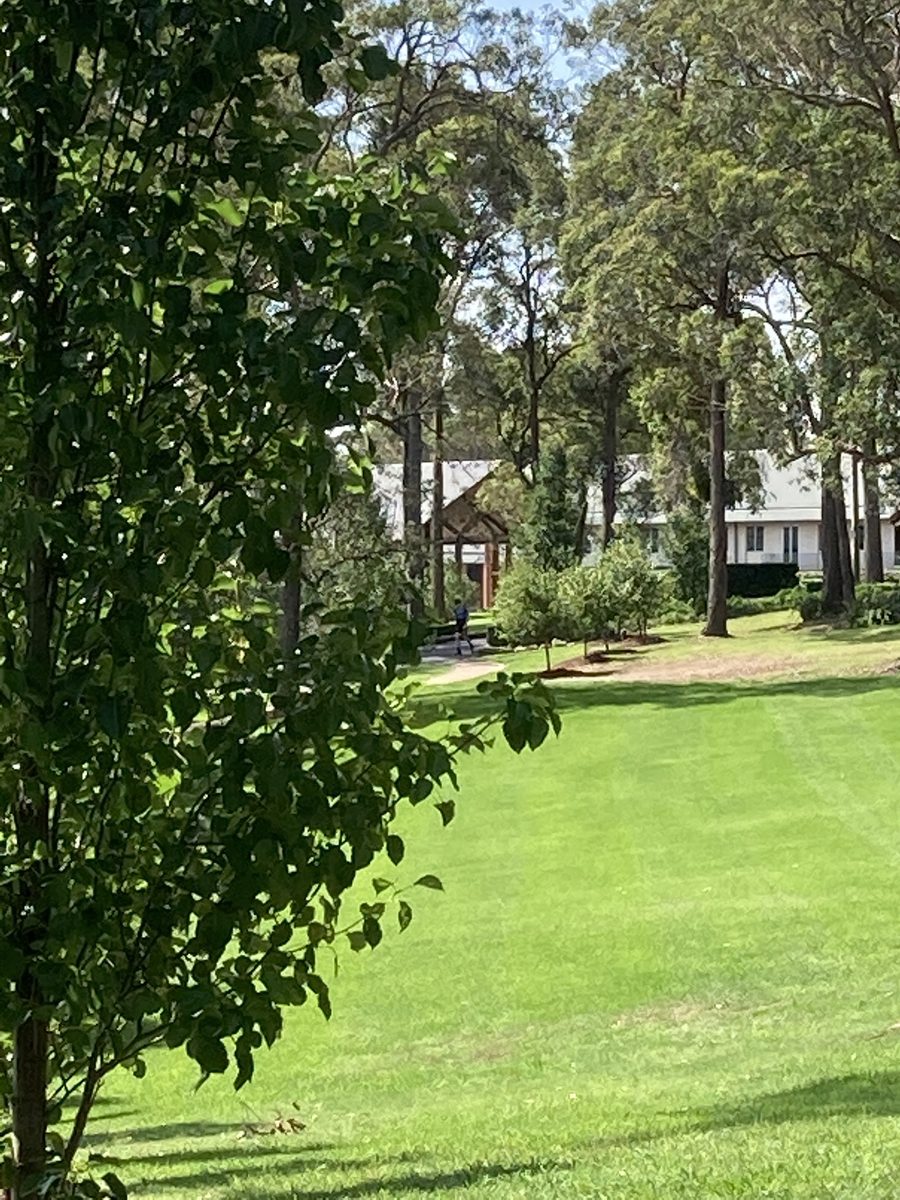
Australia's oldest independent school, where an 1831 foundation still marches in the country's oldest surviving military uniform and cadet corps.
Methodist Ladies' College
Melbourne · Australia
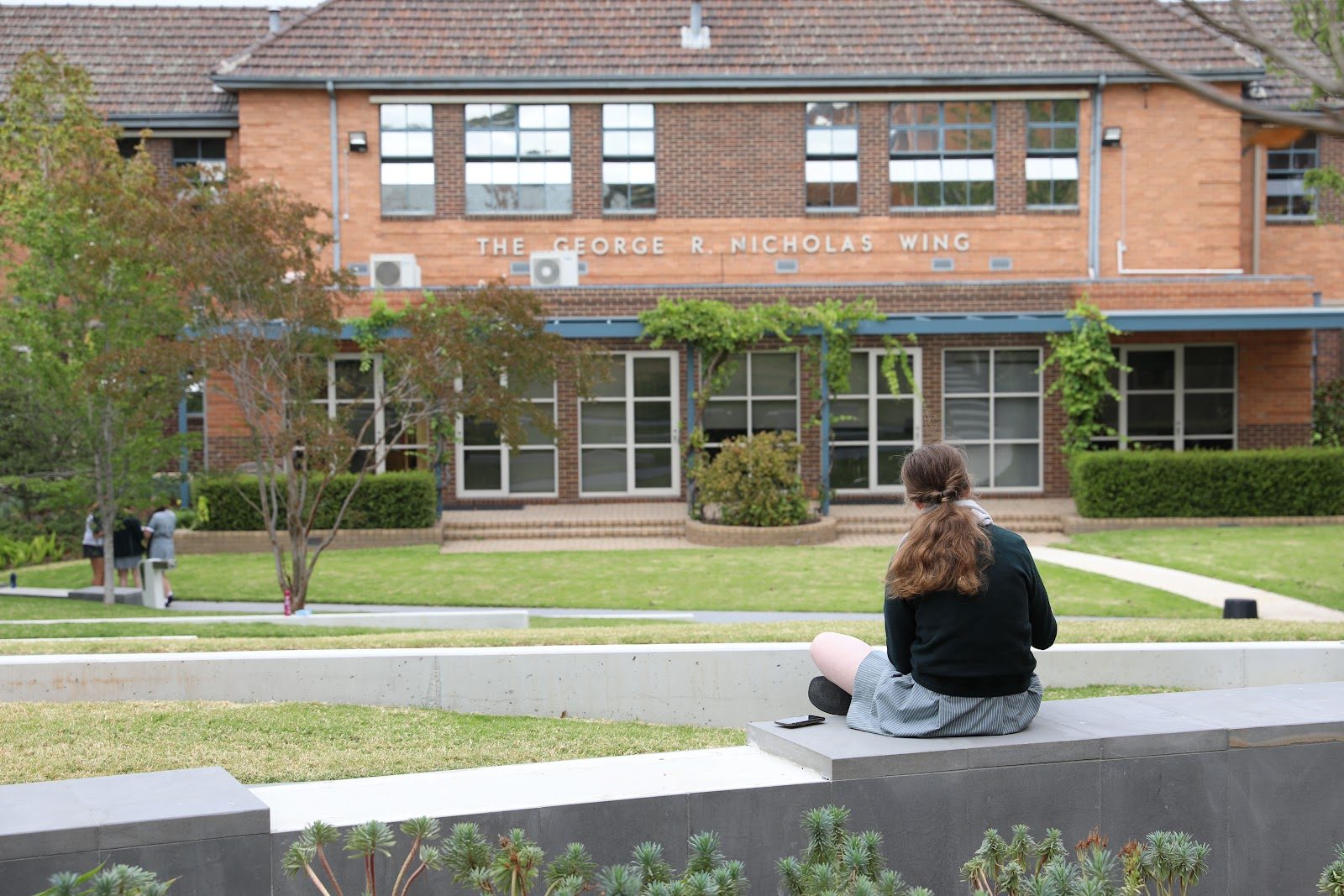
First school worldwide to put laptops in every student's hands in 1990, now pairing deep VCE-IB choice with an eight-week Marshmead wilderness term.
Same country and curriculum — closest matches within ±10 points either way