
Texas
Greenhill School
low confidence· 3/6 cats · 3.14 avg sourcesFounded in 1950 as Dallas's first co-ed, non-denominational K-12 school, blending AP rigor with hands-on Design and Innovation study.
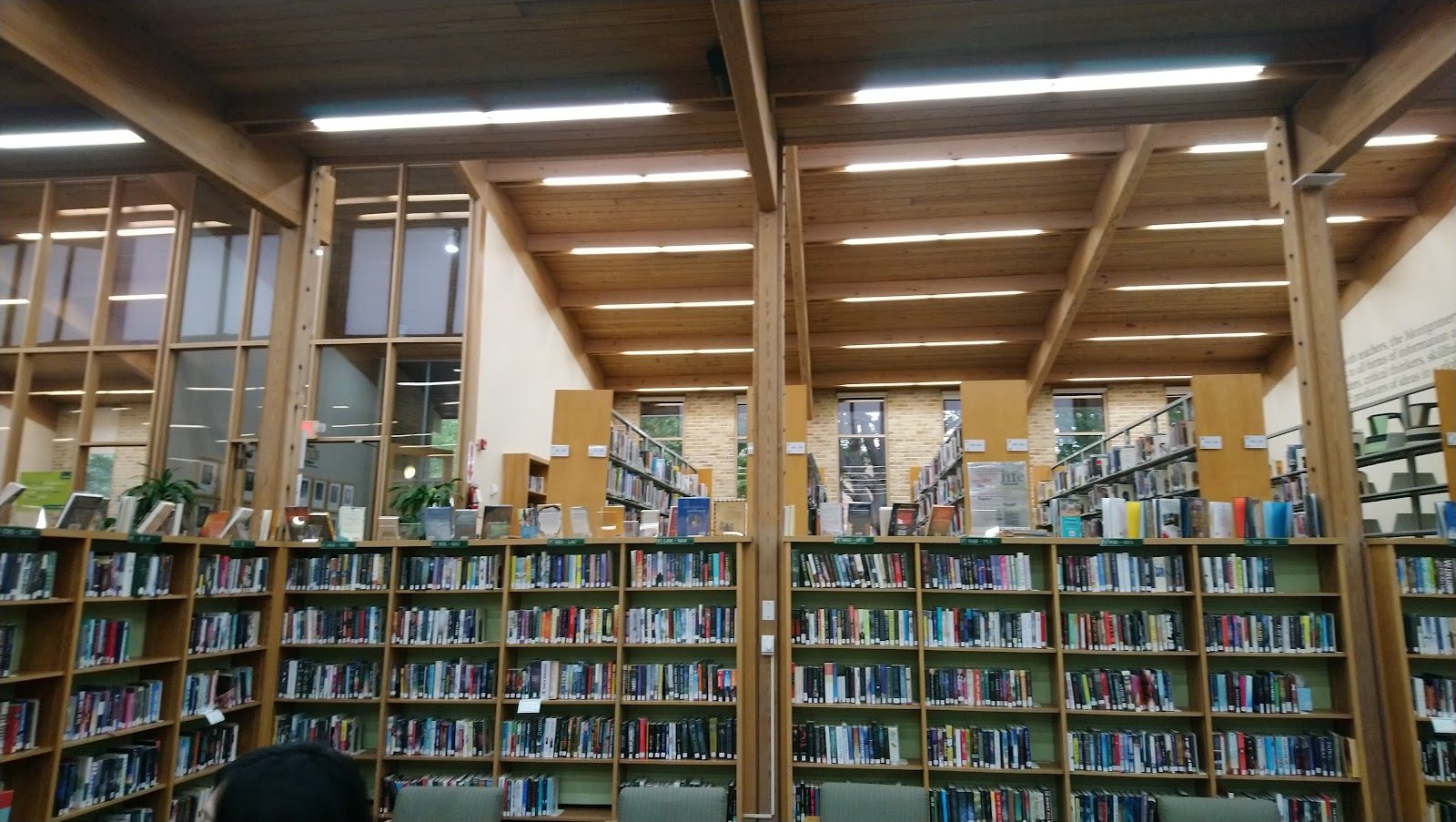
Photo © 毛顯鶯 via Google Maps
Type
Day
Ages
4–18
Curriculum
American · AP
Ratio
1:8
The Verdict
Editor's commitment
Right for
Families wanting a secular K-12 with AP, Design and Innovation, founded in 1950, on a 75-acre Addison campus with 18-pupil classes.
Wrong for
Parents seeking a cheaper option than Greenhill’s US$39,742 average day fee, or a school without SAT 1350-1500 and ACT 31-35 pressure.
Watch out for
Greenhill enrols more than 1,370 students and publishes 17% on financial aid; this is a big, expensive independent, not a boutique hideaway.
Ranking breakdown
Greenhill School · # of 1591
Composite score 67.3. 8 weighted criteria.
By criterion
Academic Outcomes
Weight 20%
#335
of 1533 scored
University Placement
Weight 16%
#305
of 1529 scored
Prestige & Heritage
Weight 12%
#259
of 1580 scored
Alumni Network
Weight 12%
#1258
of 1530 scored
Facilities
Weight 12%
#243
of 1540 scored
Transparency & Communications
Weight 8%
#290
of 1547 scored
Peer & Industry Review
Weight 10%
#268
of 1564 scored
Admissions Selectivity & Demand
Weight 8%
#369
of 1529 scored
Score history
Greenhill School · 2026
Movement across 2024–2026. Peer average overlaid.
Overall — 2024–2026
67.3/ 100
▲ +9.1 vs 2025
year on year
Peer & Industry Review
How Greenhill School is regarded in the sector
68
Respected · medium confidence
Greenhill School is consistently ranked among the top private K-12 schools in Texas by Niche.com and is regarded as one of the premier independent schools in the Dallas-Fort Worth area, frequently mentioned alongside peer schools like St. Mark's School of Texas and Hockaday. It has a strong regional reputation with notable alumni in business and entertainment, though it lacks the national/international profile seen in top-tier boarding schools or Tatler-featured institutions.
Evidence sources
- G. Brint Ryan — Founder/CEO, Ryan LLC - tax services firm
- Beth Van Duyne — U.S. Representative, Politics
- Marcus Spears — Former NFL player / ESPN analyst
Editors' overview
Greenhill’s calling card is the combination of a full American K–12 education with AP courses and a serious commitment to design and innovation. That matters because plenty of academically strong US independents still treat making, engineering and applied problem-solving as enrichment at the edges; Greenhill puts it into the core programme alongside academics, arts and athletics. The school was founded in 1950 as Dallas’s first co-educational, non-denominational K–12 school, and that institutional history still gives it a distinctive shape: broad, established and confident in its own model. The scale is substantial rather than intimate, with more than 1,370 students on a 75-acre campus and 15 buildings, so parents looking for a tiny boutique environment should look elsewhere.
Academically, Greenhill has the numbers that serious parents want to see. Average class size is 18, and the published middle 50 per cent test ranges are strong: ACT composite 31–35 and SAT total 1350–1500. Those are the figures of a demanding school with a student body that can handle pace and pressure. The school also states that 58 per cent of full-time faculty hold advanced degrees. Greenhill is accredited by ISAS and SAIS, which gives it the expected independent-school quality markers, but the sharper point is this: the school does not sell a narrow hothouse identity. It runs a balanced but uncompromising programme for families who want high academic standards without giving up serious arts, sport or practical, studio-based work.
At an average annual day fee of $39,742, Greenhill sits in the expensive end of the Dallas market, and it knows exactly which families it is serving. This is a strong shortlist school for bright, busy students who want breadth as well as challenge: the child who is as interested in calculus, writing or AP coursework as in theatre, robotics, design or team sport. It will also suit families who value an orderly, high-expectation environment over progressive looseness. It is less convincing for students who need a small-scale setting, heavy hand-holding or a narrowly specialised academic track. Greenhill works best for self-directed children who will use its range rather than hide inside it.
Academic Performance
Greenhill does one thing right that many independent schools duck: it publishes usable headline attainment data. The middle 50 per cent ranges for university admissions tests are strong by any serious standard, with ACT composite scores at 31–35 and SAT totals at 1350–1500. That places the school firmly in the high-attaining bracket of the US day-school market. These are not vanity figures at the margins; they indicate a student body that performs well across core tested domains and an academic culture with real pace. For families comparing Dallas-area independents, Greenhill sits in the upper tier academically, without narrowing itself into a test-prep factory.
There are limits to the transparency. The school does not publish aggregate AP outcomes here — no overall pass rate, no volume of top scores, no subject breakdown — so parents cannot test how far classroom ambition converts into externally examined AP performance. That omission matters because AP is a central part of the academic proposition. Even so, the published admissions-test bands are strong enough to establish Greenhill as a serious academic operator rather than a warm community school with decent results attached. In peer terms, this is a school for students who can handle competition, independent study and sustained workload. It is demanding, results-conscious and plainly built for families who want breadth without any dilution of standards.
Facilities
Greenhill has the physical plant of a full-scale independent school, not a constrained urban campus making do with shared space. The key advantage is breadth: the school states that academics, arts, athletics, and design and innovation all sit inside the main programme, and the campus has the room to support that claim. A 75-acre site with 15 buildings gives Greenhill the operational capacity that serious peers need if they want laboratories, performance space, sports provision and specialist teaching areas to coexist without timetable bottlenecks. In the Dallas day-school market, that places it with the properly resourced schools rather than the polished-but-thin operators whose facilities look strong on a tour and feel cramped in daily use.
The most important facilities here are the ones tied to the school’s stated educational shape: spaces for hands-on design and innovation, alongside the infrastructure needed for a balanced arts-and-athletics offer. That matters because many academically ambitious schools still relegate making and applied work to a side wing or after-school club; Greenhill builds it into the school’s identity. We have not seen the granular room-by-room inventory that would let parents compare theatres, pools, engineering kit or studio provision line by line with top rivals. That limits precision. Still, the scale of site, the breadth of programme and the size of the operation put Greenhill in the upper bracket of peer schools for facilities depth. This is not a boutique campus; it is a large, multi-use school built to run many things well at once.
Greenhill’s calling card is the combination of a full American K–12 education with AP courses and a serious commitment to design and innovation
Prestige
Greenhill carries real prestige in the Dallas independent-school market, but it is not the theatrical, old-money kind that trades on mystique alone. Its status rests on durability, selective-parent appeal and a programme broad enough to confer social as well as academic cachet. A school of this scale, with more than 1,370 students, does not rely on niche charm; it holds position by delivering year after year to families who expect strong university trajectories, serious extracurricular range and a peer group that can keep up. The test-score bands already place it in rarefied academic company, and the financial model reinforces the point: an average annual fee of $39,742 makes Greenhill a high-cost commitment, not a casual choice.
The prestige also comes from institutional confidence. Greenhill has the faculty depth, facilities footprint and donor base of an established major player, not a fragile boutique school living off aspiration. The operating budget of $53.8 million and a financial aid programme reaching 17 per cent of students indicate a school with real resources and enough maturity to widen access without surrendering exclusivity. That said, this is not the most globally famous American independent school, and parents hunting for East Coast boarding-school aura or Ivy-adjacent mythology will not find it here. Greenhill’s prestige is regional heavyweight prestige: powerful, durable and well understood by the families who matter in its market.
Academically, Greenhill has the numbers that serious parents want to see
Communications
Greenhill communicates like a large, well-run independent school with an active parent body and plenty to coordinate. The public-facing essentials are in place: a clear website, a calendar, admissions event sign-up, and audience-specific gateways for parents and alumni. The school also publishes concrete institutional data instead of hiding behind slogans — enrolment by division, class sizes, test-score bands, budget, financial aid reach and giving participation. That matters. Schools that disclose hard numbers invite scrutiny; schools that do not usually want deference. Greenhill chooses the first route, and that gives parents a more adult relationship with the institution. The level of operational complexity is high, with more than 1,370 students and a full K–12 structure, so communication needs discipline. On the evidence in public view, that discipline is there.
The limitations sit in depth, not tone. Greenhill shares strong headline statistics, but the picture remains selective rather than exhaustive. Parents get enough to judge scale, ambition and resources; they do not get the full academic dashboard. AP outcomes are still absent, and that is a real gap in a school that trades on academic seriousness. We also have not seen much in the way of plain-English explanation of how day-to-day parent communication works once a child is enrolled — frequency, platforms, reporting rhythm, or who answers what. So the verdict is competent, confident and data-literate, not radically transparent. Greenhill communicates effectively at the institutional level. It communicates less fully at the level of ongoing academic accountability.
Uniqueness
What marks Greenhill out is not raw academic ambition on its own, but the way the school refuses to let that ambition harden into a narrow, exam-first culture. Plenty of strong American independents offer advanced courses, polished arts and competitive sport; fewer build design and innovation into the same central structure rather than treating it as an optional extra for technically minded children. That gives Greenhill a distinctive educational shape: students are pushed not only to analyse, write and test well, but also to make, prototype and solve problems in tangible ways. For the right child, that is genuinely valuable. It produces intellectual range, comfort with iteration and a habit of moving between abstract thinking and practical execution without fuss.
The other point of difference is scale with coherence. Greenhill is big enough to sustain real depth across multiple domains, yet its public identity stays anchored to a clear set of values and a balanced programme rather than prestige theatre. The community is also more diverse than many traditional independents, with students of colour making up 57–66% across divisions and financial aid reaching 17% of pupils. That does not make the school socially open in any simple sense; it remains an expensive, high-expectation institution. But it does mean students grow up in a setting that is broader, less insular and more reflective of modern metropolitan life than the clubby, inheritance-driven model still found in parts of the private-school world.
Average class size is 18, and the published middle 50 per cent test ranges are strong: ACT composite 31–35 and SAT total 1350–1500
Student Profile
Greenhill suits bright, busy children who want to do many things well and do not need adults to shrink the day for them. The profile is not the anxious specialist who wants school reduced to marks alone, nor the child who needs constant hand-holding to stay organised. This is a strong fit for students with high internal drive, good stamina and enough confidence to move between classrooms, studios, rehearsal rooms and sports commitments without losing focus. The academic indicators already place the peer group at a serious level, so pupils need to tolerate comparison, correction and competition. They also need to contribute in class: with average classes of 18, there is limited room to hide behind the crowd.
Socially, Greenhill fits families who want an orderly, high-expectation culture without old-school stiffness. The student body is broad in background, with students of colour making up 57–66% across divisions, and that matters: the social environment is less monocultural than at many traditional independents. Children who thrive here will have range — intellectual, practical or artistic — and some appetite for pace. The school’s stated emphasis on design and innovation also favours students who like making, testing and revising ideas, not only talking about them. The weaker fit is the child who wants a tiny, protective setting, minimal pressure or a narrow identity built around one talent. Greenhill rewards students who are self-propelled, resilient and willing to use the school’s breadth rather than be carried by it.
Those are the figures of a demanding school with a student body that can handle pace and pressure
Co-curricular strengths
Arts & sport, on a separate axis
Overall 9.26/10
Scored 0-10 from the school's own published evidence. This axis is editorial-only — it does not feed the main WTS ranking.
Sports
9.5/10
Capitalizes on its spacious 75-acre campus to field highly competitive Southwest SPC league athletic programs.
Drama
9.2/10
Features spectacular performing arts spaces inside the Marshall Family Performing Arts Center, staging grand professional-tier productions.
Dance
9.2/10
Strong studio track running technical contemporary, jazz, and synchronization choreography.
Music
9.2/10
Staggering musical infrastructure anchored by world-class on-campus concert setups and student ensembles.
Visual Arts
9.2/10
Professional-standard studio workshops specialized for fine art, digital graphic design, and high-end multimedia.
Editor-verified · 8/6/2026
Strengths
- +Founded in 1950 as the first co-educational, non-denominational Pre-K through Grade 12 school in Dallas, giving it one of the longest track records among Dallas independent schools.
- +Sits on a 78-acre suburban campus about 12 miles north of Downtown Dallas, giving unusual space for a metropolitan day school.
- +Offers roughly 20 Advanced Placement courses alongside a broad co-curricular program spanning 15 interscholastic sports.
- +Alumni network of more than 5,000 graduates, with alumni gatherings held in cities across the country.
- +Member of the Independent Schools Association of the Southwest (ISAS) and the Southwest Preparatory Conference (SPC), placing it within an established regional accreditation and athletics framework.
Considerations
- −Day tuition runs into the low-to-mid $40,000s per year, a significant recurring cost for relocating families without corporate education allowances.
- −Reported acceptance rate of around 25% makes admission notably competitive relative to the broader US private-school average.
- −As a large, geographically spread Dallas suburb campus, the school draws from across the Metroplex, meaning families without a car may find the daily commute impractical.
- −It is a day school only, so there is no boarding option for expat families seeking a residential arrangement.
Availability
Primary entry gate & tests
ISEE/SSAT + Interview
Gallery
Photo © 毛顯鶯 via Google Maps
Photo © 毛顯鶯 via Google Maps
Photo © 毛顯鶯 via Google Maps
Photo © 毛顯鶯 via Google Maps
Photo © Curtis Reese via Google Maps
Photo © Charles Does via Google Maps
Photo © Charles Does via Google Maps
Photo © Charles Does via Google Maps
Parent reviews
Have you sent your child here?
Voice reviews carry the strongest trust badge — we transcribe them for you to tidy up before they go live. Prefer to type? A written review is fine too.
Add your voice
In 60 seconds, tell other parents: what's the best thing about Greenhill School, and what surprised you when your child joined?
We ask for a Google sign-in so every review has a real face behind it — no anonymous drive-by attacks on schools, and no faked positive reviews. Your email is never shown publicly.
Send this profile to a friend
International parents rely on word-of-mouth. Share this review with someone weighing the same decision.
Schools with places
Similar schools to Greenhill School with places available now.
Availability first, then country, area, curriculum, price, co-curricular
Consider also
Also worth looking at alongside Greenhill School.
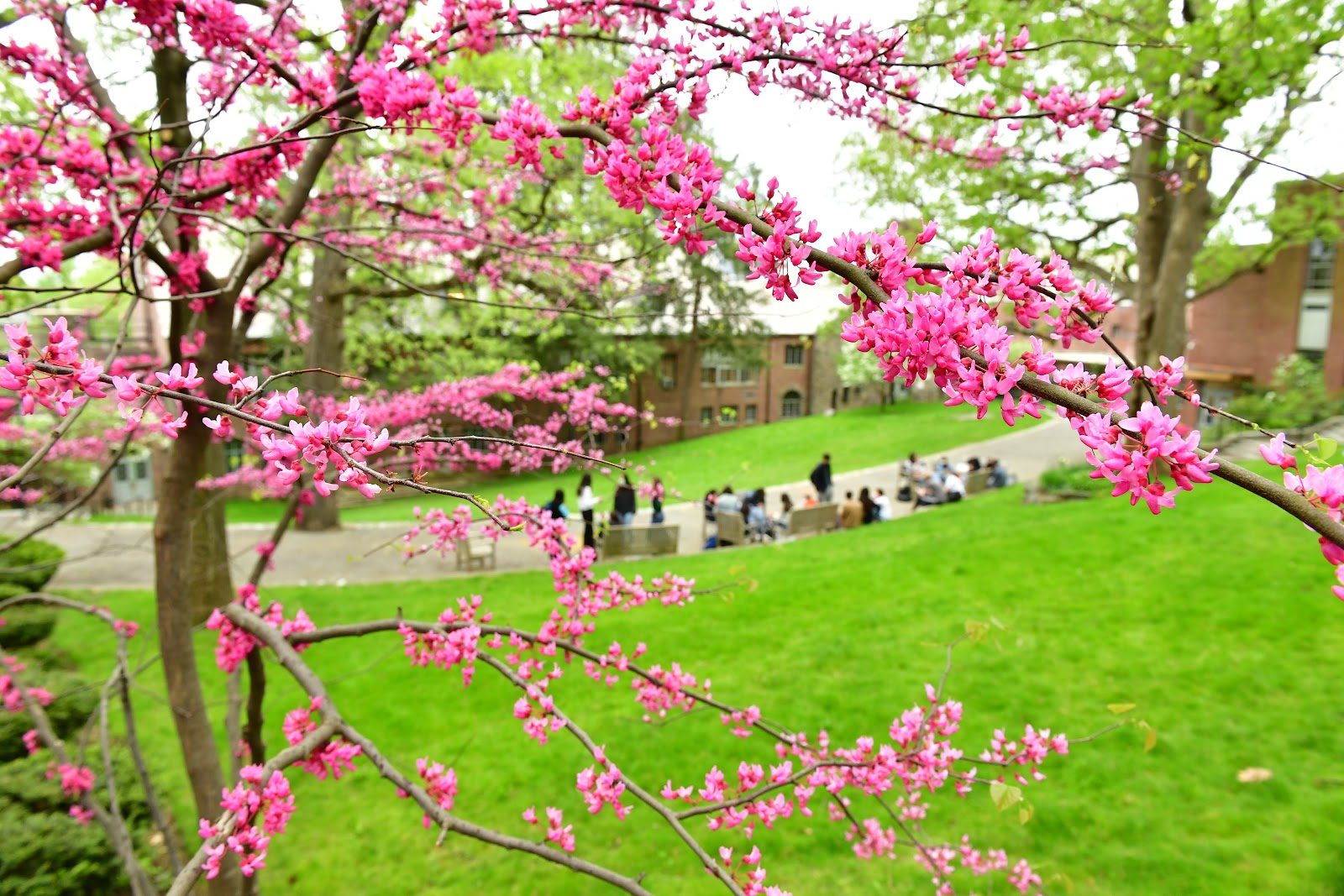
Ethical Culture Fieldston School
New York City · United States
Rooted in Felix Adler's 1878 Ethical Culture movement, its wooded Riverdale hilltop campus still anchors progressive American pedagogy.
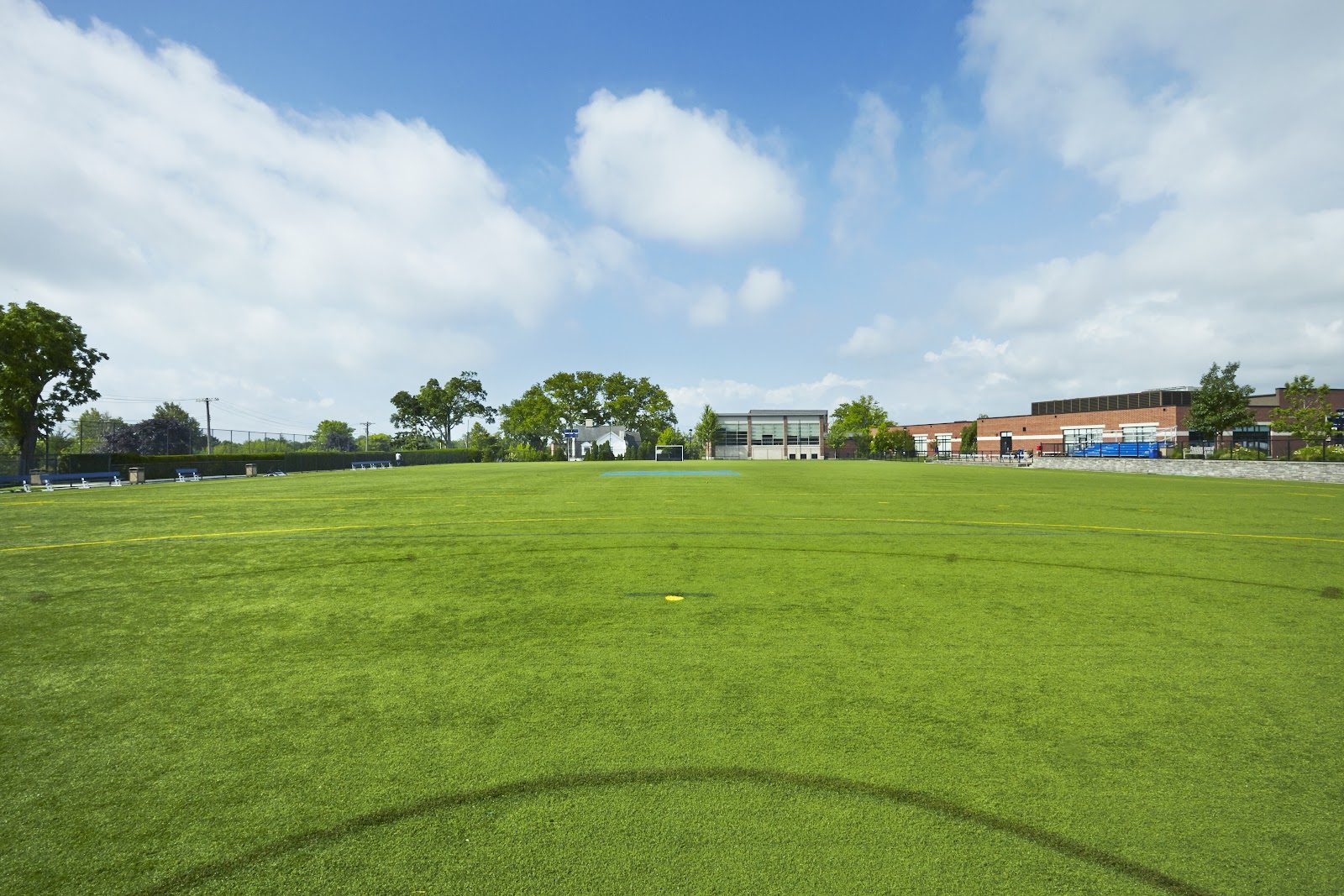
Rye Country Day School
Rye · United States
Founded in 1869 as a girls' seminary in Westchester, this campus still measures success by its motto: not for self, but for service.
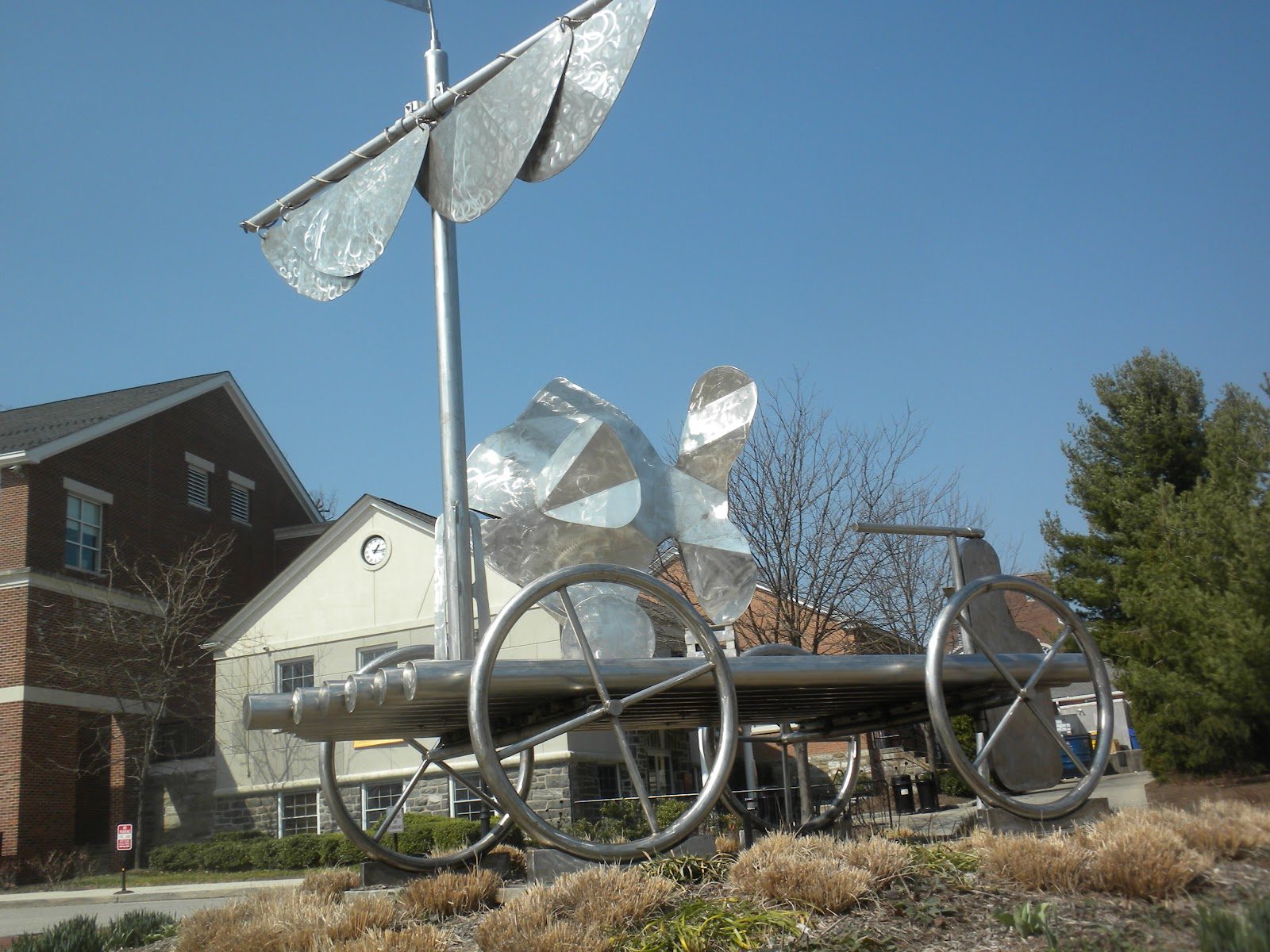
The Haverford School
Haverford · United States
Since 1884 on Philadelphia's storied Main Line, an all-boys campus balances rigorous academics with athletics and the arts.
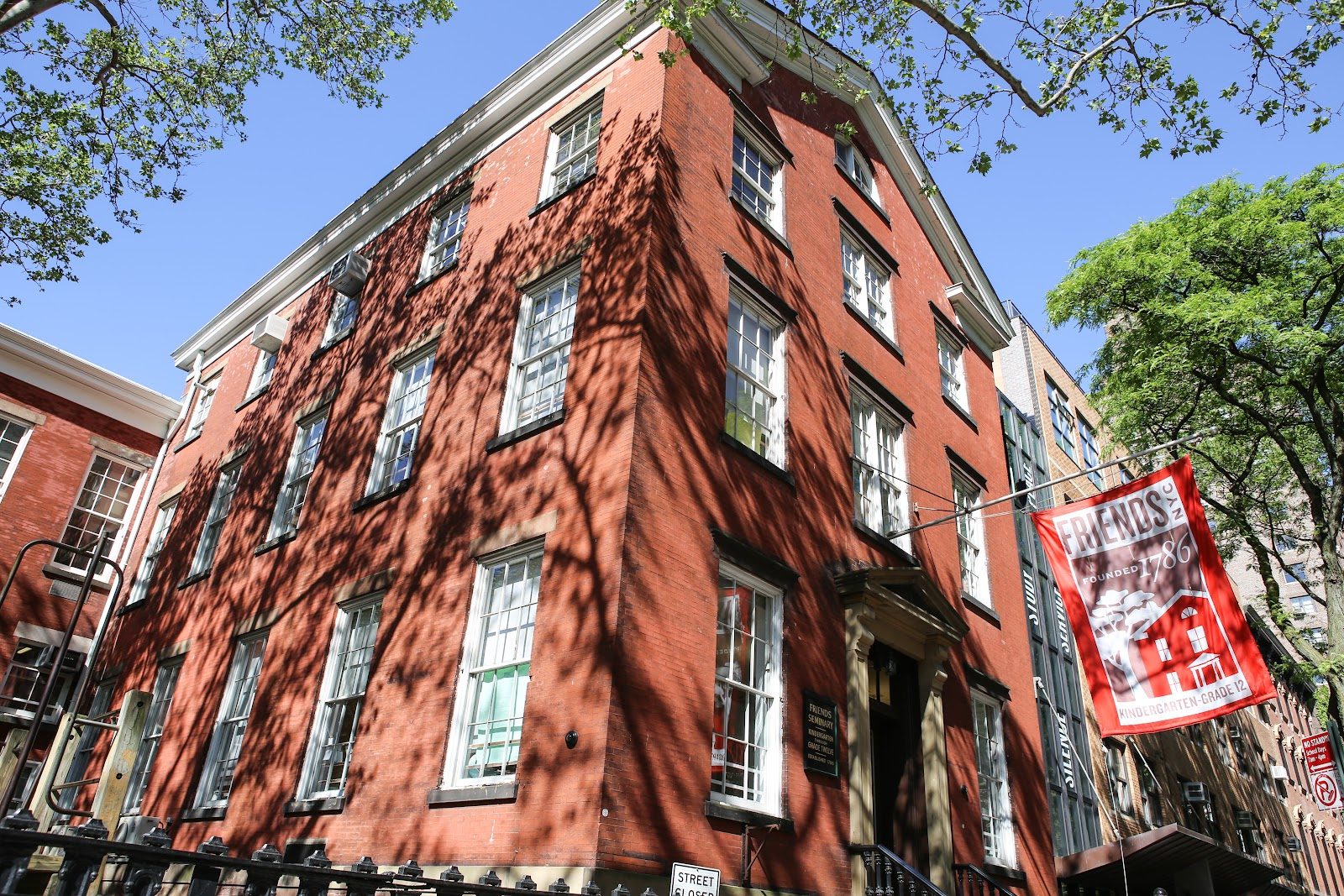
Friends Seminary
New York City · United States
Founded in 1786, the oldest coeducational school in New York City still teaches Quaker simplicity and peace amid Manhattan's bustle
Same country and curriculum — closest matches within ±10 points either way