
New York
A tuition-free CUNY-run gifted school on the Upper East Side, admitting by a single brutal exam and about 7 percent of applicants.
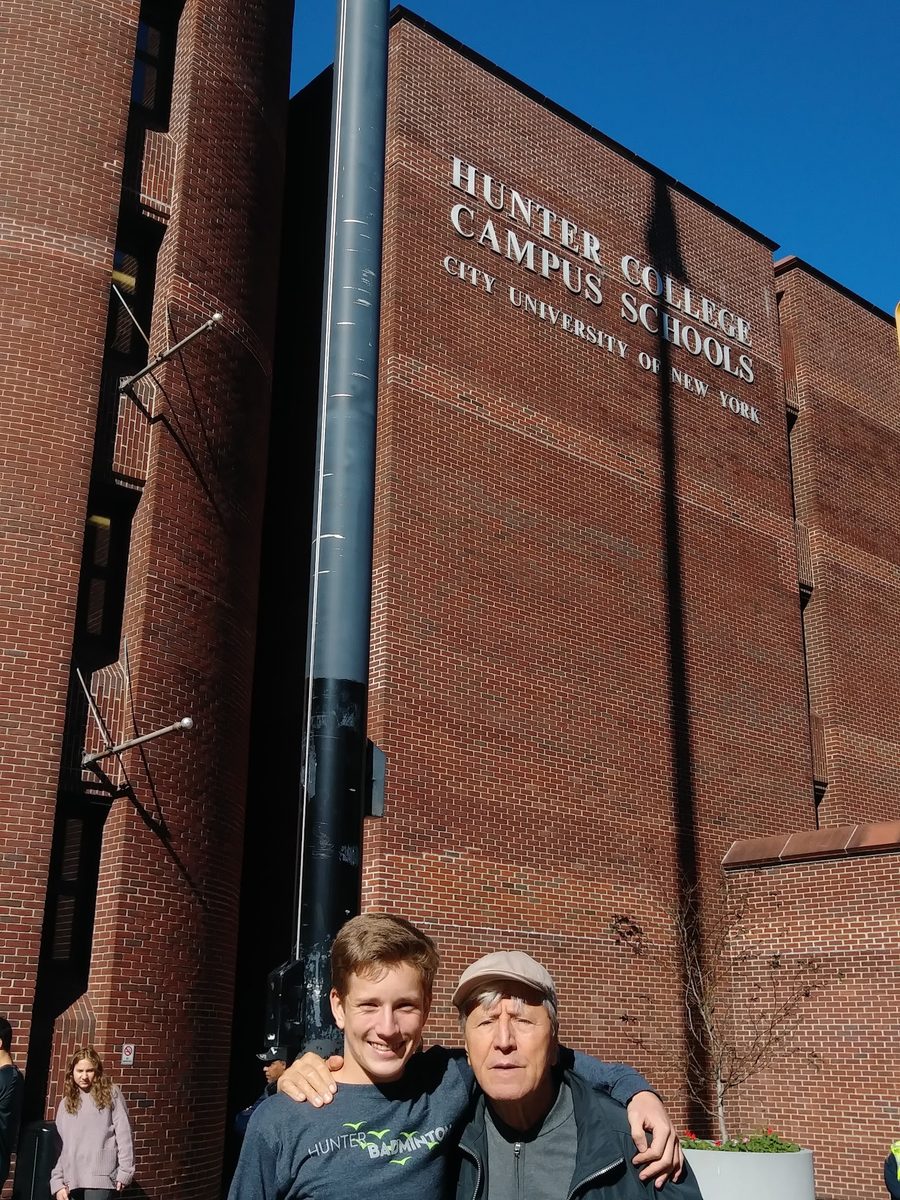
Photo © Suada Cejvan via Google Maps
Type
Day
Ages
12–18
Curriculum
American
Qualifications
AP
Ratio
10:1
The Verdict
Editor's commitment
Right for
Intellectually gifted New Yorkers who can win a single admissions exam and want a tuition-free CUNY-run school with a 10:1 ratio.
Wrong for
Families wanting a gentler comprehensive model, broad-access admissions, or intensive hand-holding; Hunter serves ages 12–18 and selects hard.
Watch out for
Average class size is 18, but the real pressure is entry: about 7 per cent get in, and the school does not offer boarding.
Score history
Hunter College High School · 2026
Movement across 2024–2026. Peer average overlaid.
Overall — 2024–2026
76.7/ 100
▲ +24.3 vs 2025
year on year
Peer & Industry Review
How Hunter College High School is regarded in the sector
95
Top-tier · high confidence
Hunter College High School is a highly selective NYC public exam school consistently ranked among the top high schools nationally by US News & World Report and Niche, with an alumni network including Nobel laureates, MacArthur 'genius grant' winners, and prominent figures in politics, arts, and academia (e.g., Lin-Manuel Miranda's spouse Vanessa Nadal, Cynthia Nixon, Jennifer 8. Lee). It is frequently cited in education press (New York Times, The Atlantic) as a benchmark for elite public education and gifted-student pipelines, and is a perennial reference point in discussions of NYC specialized/exam schools alongside Stuyvesant and Bronx Science.
Evidence sources
Editors' overview
Hunter College High School earns its place on a shortlist for one reason above all: it is a ferociously selective public option in Manhattan that offers an academically intense education without tuition fees. This is a CUNY-run day school on the Upper East Side for ages 12 to 18, teaching an American curriculum in English, and its admissions model is unapologetically narrow: one entrance exam, one annual intake point, and an acceptance rate of about 7 per cent. That alone defines the market position. Hunter is not competing with mainstream independent schools on polish, campus scale or extras-led luxury; it competes on intellectual concentration, seriousness of purpose and access to a peer group of gifted students drawn from across New York City. The school’s own language is clear about “disciplined habits of mind”, “depth of study” and “passion for inquiry”. Parents should take that literally.
The operational facts back up that pitch. The student-teacher ratio is 10:1, average class size 18, and the school carries NEASC and NAIS accreditation. Those are strong fundamentals for a highly academic secondary school, and they matter more here than glossy facilities or lifestyle add-ons. The age range also matters: students enter at 12 and stay through 18, so the high school functions as a full secondary journey rather than a short exam-prep conveyor belt. Hunter’s alumni footprint is another concrete differentiator. Wikidata alone records 170 notable alumni, including 47 scientists and scholars, 46 writers and journalists, and substantial representation across politics, business, the arts and music. That pattern tells parents something important: this is a school with a long record of producing intellectually ambitious adults, not just high scorers.
What is special about Hunter is the combination of public access and private-school-level selectivity. In New York, that is a rare proposition. It will suit a child who is genuinely hungry for ideas, comfortable in a classroom full of other quick thinkers, and resilient enough to thrive in a culture that values rigour over hand-holding. It is not for the faint-hearted, and it is not the right fit for a student who needs a broad pastoral cushion, a gentler academic pace or a highly personalised co-curricular sales pitch. For the right child, though, Hunter offers something few schools can match: a serious, cerebral education, a strong staff-to-student ratio, and a peer group shaped by one of the city’s toughest admissions filters.
Academic Performance
Hunter’s academic performance sits in an awkward category for comparison: it is plainly an elite academic school, but it does not publish the kind of headline examination data that independent schools use to advertise themselves. There are no aggregate AP, SAT or college-matriculation tables in the public domain, and that opacity matters. Parents cannot benchmark Hunter in the neat, spreadsheet-friendly way they can benchmark exam-driven private schools. What the school does disclose points in one direction only: a curriculum built for advanced learners, explicit use of acceleration and depth, and a student body drawn from the extreme top end of New York’s test-taking population. The high school alone enrols 1,200 students, so this is not a boutique outlier producing results from a tiny cohort; it is a large, hard-charging public magnet operating at scale.
Relative to peers, Hunter belongs in the top academic tier of New York public education and competes for the same families who would also examine the city’s most selective screened and specialised options. Its strength is intellectual density rather than glossy outcome reporting. The long alumni record in scholarship, writing and public life reinforces that point: this school has a serious record of sending able students into demanding fields. The trade-off is clear. If you want polished published score breakdowns, Hunter is frustratingly opaque. If you want a selective, no-tuition school with a deep bench of able classmates and a culture built around demanding academic work, it holds its ground with conviction.
Facilities
Hunter is not a campus-school in the grand independent-school mould. The physical proposition is narrower and more urban: a single armory-styled building, a library, athletics provision, student services, mental health support, special education resources, and dedicated departments for art, music and theatre. That is a functional academic plant, not a facilities arms race. The school’s own emphasis falls on what happens inside classrooms and subject areas rather than on architecture, specialist centres or spectacle. For a selective city public school, that focus is coherent. For families comparing it with New York independents that sell black-box theatres, expansive playing fields, glossy maker spaces and lavish arts complexes, Hunter’s estate reads as plain-spoken rather than plush.
Against peer public magnets, the facilities profile is solid but not lavish. The important assets are intellectual ones: enough scale to support separate academic departments, music auditions, library resources, athletics and a visible student-support structure across counselling, mental health and special education. The high school roll of 1,200 matters here because it gives the school the critical mass to run a broad internal programme without pretending to be a suburban campus. The compromise is obvious. If you want architectural glamour or resort-style amenities, look elsewhere. If you want a serious academic building that backs up demanding teaching with the essentials in place, Hunter clears that bar and does so without fuss.
Hunter’s uniqueness, then, lies in its unsentimental seriousness: it gives able children a genuinely rare public route into a dense, demanding academic culture
Prestige
Hunter carries real academic prestige in New York, but it is a specific kind of prestige. This is not the varnished status of an old-money independent school or the social prestige of a celebrity-parent postcode. Its standing rests on scarcity, intellectual reputation and institutional seriousness. Admission is brutally narrow, the school sits inside a major public university, and the intake is drawn from children who clear one of the city’s hardest filters. That combination gives Hunter a formidable cachet among families who care more about brainpower than polish. The alumni record strengthens the case. Even the verified floor is substantial: 170 notable alumni catalogued in Wikidata, with heavy representation in scholarship, writing, public life and the arts. Schools do not build that profile by accident.
I rate its prestige highly because it has held a distinctive place in the New York hierarchy for generations: selective public, academically uncompromising, and free. That last point matters. A tuition-free school with this level of admissions pressure acquires a status that expensive schools cannot replicate, because the prize is not access to amenities but access to a rare intellectual tribe. The limitation is also clear. Hunter does not trade on luxury, sporting spectacle or a manicured international brand. Its prestige is earned rather than upholstered. For the right family, that is more impressive than a glossy nameplate.
That produces a culture where quick comprehension, intellectual stamina and genuine curiosity are normal, not exceptional
Communications
Parent communication is serviceable, centralised and more practical than polished. The website carries the key machinery families need: separate admissions pages for the high school and elementary school, a “Notify Me” route for admissions updates, log-in access for current families, public records, transport information, mental health and special education resources, PTA links, alumni pages, athletics forms, library pages and CUNY alerts. Contact lines are published for both the main office and admissions, which matters at a school with a high-pressure intake process and a broad citywide catchment. The site also gives parents a clear sense of institutional priorities: equity planning, climate and culture work, curriculum subcommittees and student services are all easy to find. That is useful communication, not decorative communication.
Its weakness is tone and user experience. The navigation is dense, text-heavy and bureaucratic in feel, with many layers and few cues that guide a new parent quickly to the right place. The school communicates like an institution embedded in a university system, not like a consumer-facing independent school trying to flatter prospective families. For current parents, that restraint has advantages: the essentials are visible, the school publishes real phone contacts, and support structures are not buried. For first-time applicants, the experience is less than elegant. Given the intensity of demand and the narrow admissions route, Hunter needs communication that is calm, exact and easy to parse. It delivers the first 2 of those qualities well; the third remains stubbornly uneven.
Uniqueness
What sets Hunter apart is not a branded method or a lavish campus. It is the structure: a publicly funded secondary school run by a major university, built expressly for intellectually gifted children, and fed by a single admissions gate that is ruthless, narrow and citywide. That produces something rare in American schooling: a large public school with the social mix of a city system and the intellectual pressure-cooker of a highly selective private institution. The school also functions as a laboratory school, which matters more than the phrase can imply. Teachers are not just delivering a standard district programme; the institution is set up to push beyond state minimums and to use acceleration, depth and complexity as normal classroom conditions. With 1,200 pupils in the high school and 336 in the elementary school, it has enough scale to sustain that mission without turning into a boutique enclave.
For students, the benefit is immediate and double-edged. They get a peer group that works fast, reads deeply and treats academic effort as the norm rather than the exception. That can be electrifying for the right child: class discussion moves quicker, enrichment is easier to justify, and intellectual eccentricity carries less social penalty. The cost is just as clear. A school built around gifted selection has limited patience for drift, and less room for students who need a softer pace or more hand-holding. Hunter’s uniqueness, then, lies in its unsentimental seriousness: it gives able children a genuinely rare public route into a dense, demanding academic culture.
The school’s own language is clear about “disciplined habits of mind”, “depth of study” and “passion for inquiry
Student Profile
The defining feature of the student body is ability. Hunter recruits children who are already operating far ahead of the standard classroom and then places them with peers who do the same. That produces a culture where quick comprehension, intellectual stamina and genuine curiosity are normal, not exceptional. The school itself says its pupils sit in the top one-quarter of 1% of New York City by test scores, and that matters less as a boast than as a social fact: your child will be surrounded by other students who read fast, think abstractly and argue for pleasure. The fit is strongest for a child who enjoys academic pressure, tolerates correction well, and does not need to be coaxed into effort. It is fiercely meritocratic, high-voltage, and not for the faint-hearted.
The social profile is broader than many elite private schools because the intake is drawn across the boroughs and the school’s mission puts diversity and equity at the centre. That mix will suit a student who wants serious classmates more than a polished social scene. Creative children also have room here: the school flags artistic talent, inventiveness and independence as common traits, not side notes. What will not fit is just as clear. A child who needs constant reassurance, a slower classroom tempo, or a low-pressure adolescence will find Hunter unforgiving. A child who is self-propelled, resilient and happy in a brain-first environment will find an unusually concentrated peer group and a school that treats intellectual ambition as the baseline.
The student-teacher ratio is 10:1, average class size 18, and the school carries NEASC and NAIS accreditation
Co-curricular strengths
Arts & sport, on a separate axis
Overall 7.9/10
Scored 0-10 from the school's own published evidence. This axis is editorial-only — it does not feed the main WTS ranking.
Sports
9/10
A very broad multi-team PSAL programme across numerous sports and says many teams usually place in the top 10 of New York City's 543 high schools, which is sustained high-level competitive recognition.
Drama
8/10
Theater Productions, required theater study in grades 7 and 8, and the school has multiple verified Tony/Emmy-level alumni including Cynthia Nixon, Ruby Dee, Lin-Manuel Miranda, and Robert Lopez, which settles drama at at least 8.
Dance
5.5/10
Music
8.5/10
Orchestra, Wikipedia says students in grades 7–9 must study music, and the school has three verified Grammy-winning alumni including Lin-Manuel Miranda, Robert Lopez, and Young MC, anchoring music at 8.
Visual Arts
8.5/10
Students in grades 7–9 must study art, offers electives such as Photography and Advanced Art History, and reports Hunter wins about 23% of all New York State Scholastic Art and Writing Awards, which is strong state-level recognition.
Editor-verified · 8/6/2026
Notable alumni · Wikidata
170notable alumni
Includes
- Aaron D. Panken(1964)
43 historic (born pre-1930) · 41 modern (born post-1970)wikidata:2026-07-28 How we source this
WTS 300 badge
2026/27 editionHunter College High School is one of the World's Top 300 Schools for 2026/27. Claim your listing to add it to your site →
Strengths
- +Tuition-free public school despite operating with the academic intensity and resources many associate with elite private schools charging substantial annual fees.
- +Extremely small class sizes, averaging 20-25 students, notably smaller than other NYC specialized high schools such as Stuyvesant.
- +Twelfth-graders can take courses at Columbia University for college-transferable credit, an unusual link for a public secondary school.
- +Alumni include a sitting U.S. Supreme Court Justice (Elena Kagan) and the writer-activist Audre Lorde, reflecting a long history of high-achieving graduates.
- +Curriculum builds in language study from the start, with students required to take French, Latin, or Spanish beginning in 7th grade.
Considerations
- −Single entry point: admission is only possible in 7th grade via one high-stakes exam, with no places offered at 8th grade or above.
- −Acceptance rate is under 10 percent and eligibility to even sit the test requires qualifying 5th-grade state scores, making the process a narrow one-shot gamble for families new to the city.
- −The school has faced sustained criticism over limited socioeconomic and racial diversity; a 2024-25 data snapshot put its student poverty rate at 15.3%, the lowest of any NYC public high school.
- −As a CUNY-run laboratory school rather than a city Department of Education school, it sits outside normal DOE oversight and integration initiatives, which can make its admissions policy less responsive to citywide reform pressure.
Availability
Primary entry gate & tests
HCHS exam + qualifying prior scores
Gallery
Photo © Evgeny Shmelev via Google Maps
Photo © nunu cowley via Google Maps
Photo © nunu cowley via Google Maps
Photo © nunu cowley via Google Maps
Photo © Bryan Rothman via Google Maps
Photo © nunu cowley via Google Maps
Photo © Andreas Schulmeyer via Google Maps
Photo © Andreas Schulmeyer via Google Maps
Photo © nunu cowley via Google Maps
Parent reviews
Have you sent your child here?
Voice reviews carry the strongest trust badge — we transcribe them for you to tidy up before they go live. Prefer to type? A written review is fine too.
Add your voice
In 60 seconds, tell other parents: what's the best thing about Hunter College High School, and what surprised you when your child joined?
We ask for a Google sign-in so every review has a real face behind it — no anonymous drive-by attacks on schools, and no faked positive reviews. Your email is never shown publicly.
Send this profile to a friend
International parents rely on word-of-mouth. Share this review with someone weighing the same decision.
Schools with places
Similar schools to Hunter College High School with places available now.
The Bronx High School of Science
New York City · United States
- 2026-27
- CLOSEDStandard route
- 2027-28
- OPENS SOONOpens 6 Oct '26 (Closes 30 Oct)
The Chapin School
New York City · United States
- 2026-27
- CLOSEDRegular cycle
- 2027-28
- OPENS SOONOpens Aug '26
The Spence School
New York City · United States
- 2026-27
- CLOSEDRegular cycle
- 2027-28
- OPENS SOONOpens mid-Aug '26
Regis High School
New York City · United States
- 2026-27
- CLOSEDStandard route
- 2027-28
- PLACES OPENNov 2 Deadline, HSPT 14 Nov
Availability first, then country, area, curriculum, price, co-curricular
Consider also
Also worth looking at alongside Hunter College High School.
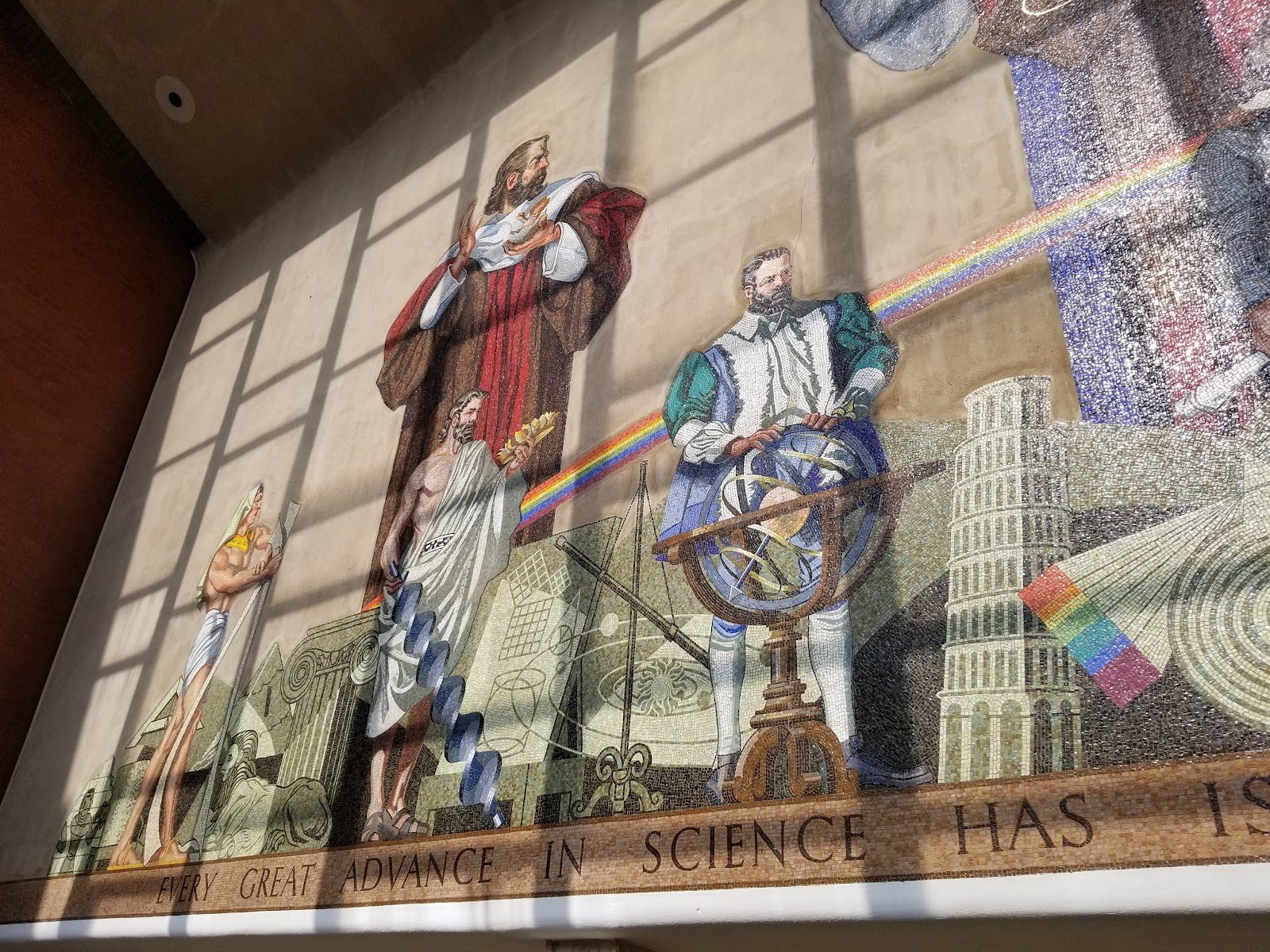
The Bronx High School of Science
New York City · United States
A Bronx public school whose exam-only admissions have produced more Nobel physics laureates than any other U.S. high school.
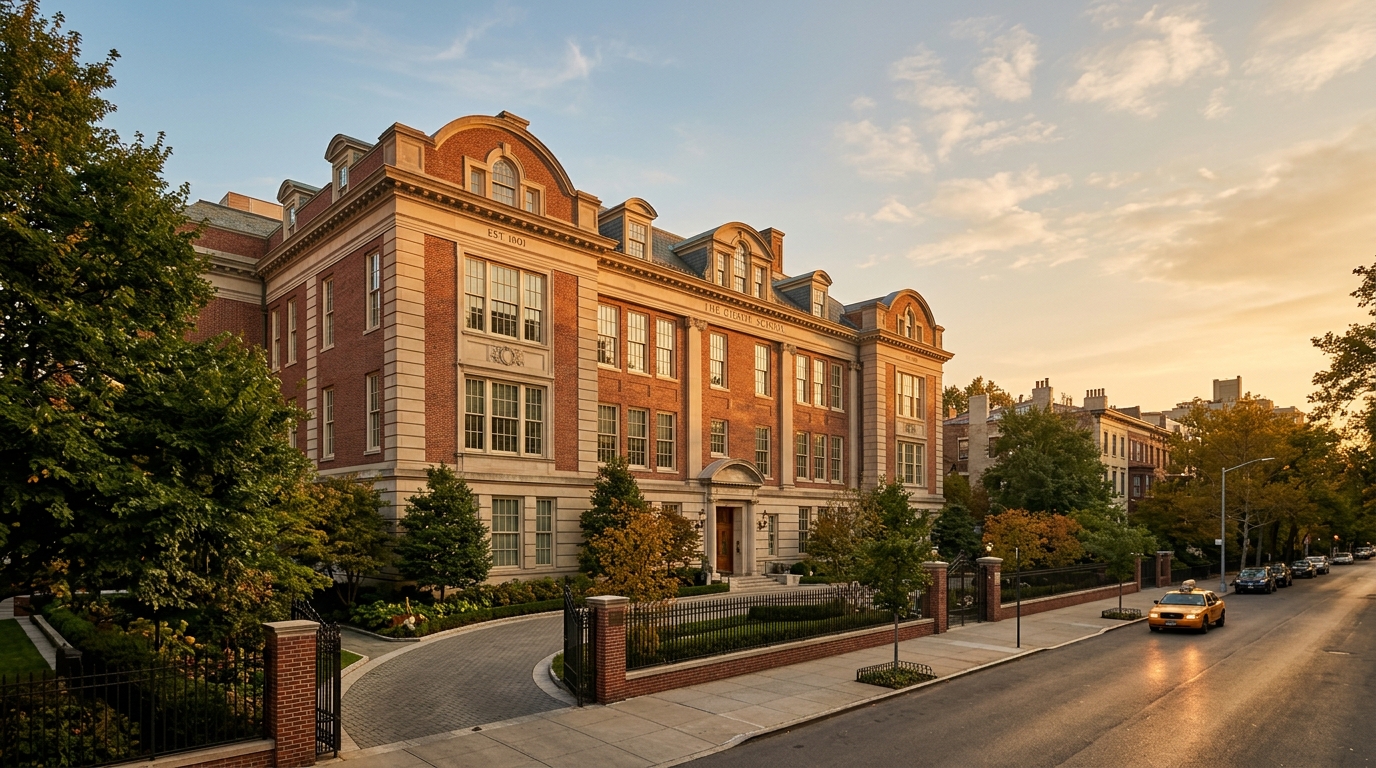
The Chapin School
New York City · United States
On the East River's edge, a K-12 girls' school where two years of Latin are compulsory and no valedictorian is named.
Peddie School
Hightstown · United States
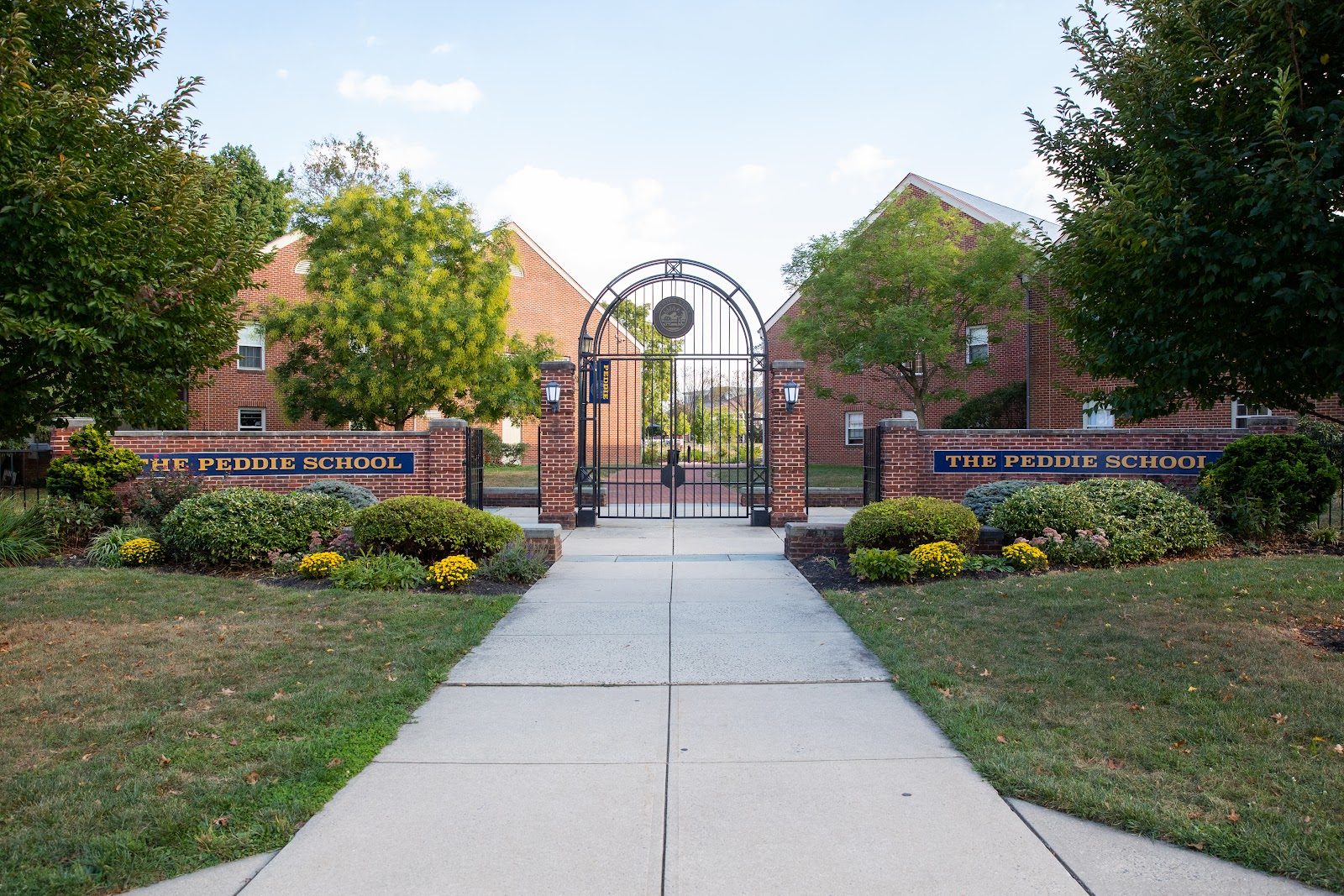
Since 1864, a lakeside New Jersey campus builds signature tracks in research science and Shanghai-linked Asian studies.
Marlborough School (LA)
Los Angeles · United States
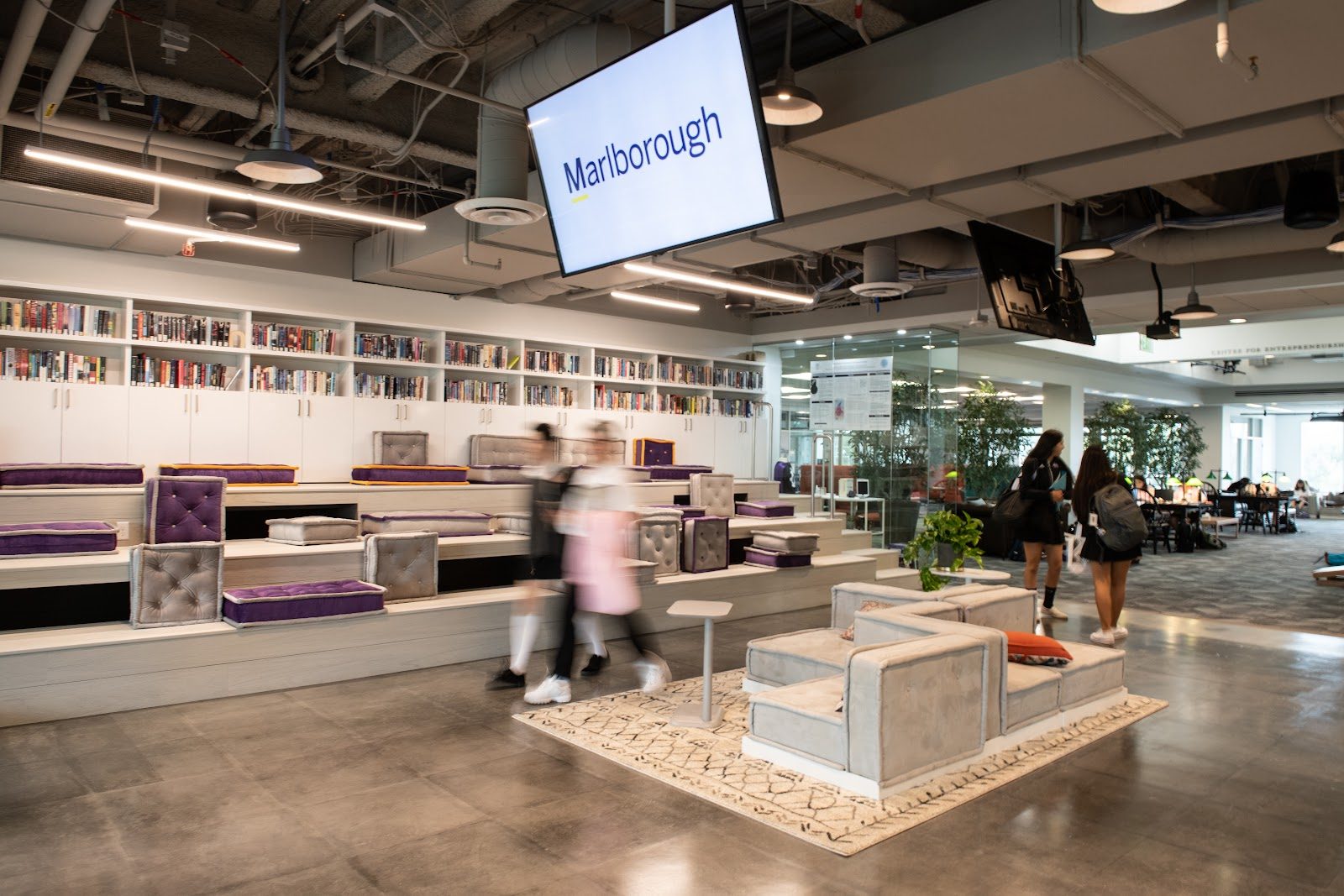
Since 1889, this Hancock Park all-girls campus has paired a nationally recognized debate program with a first-of-its-kind Global Futures diploma.
Same country and curriculum — closest matches within ±10 points either way