Tianjin
International School of Tianjin
high confidence· 5/6 cats · 3.1 avg sourcesTianjin's only three-programme IB World School, where Diploma scores average 36 points against a global mean of 30
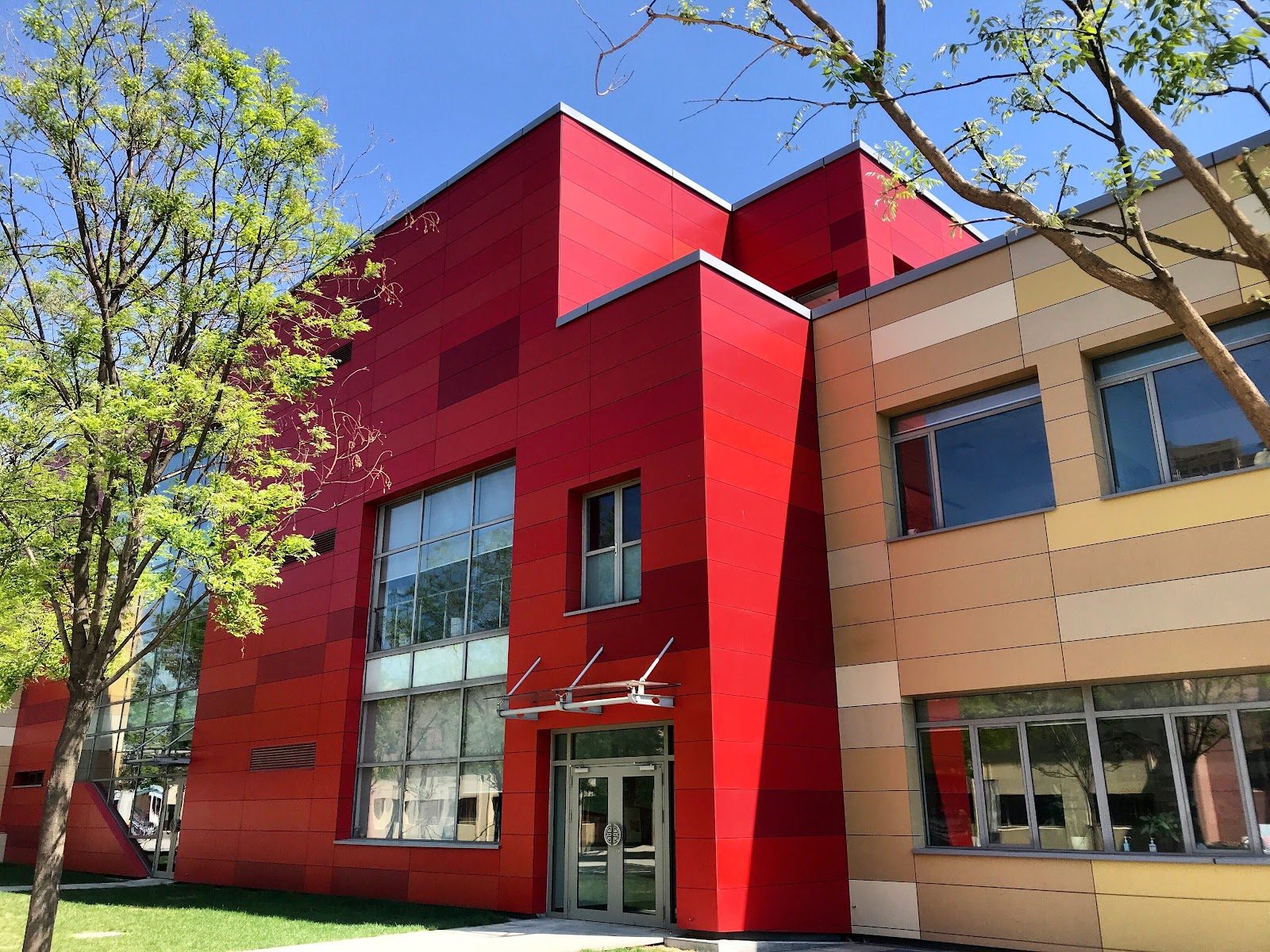
Photo © I S T Community via Google Maps
Type
Day
Ages
3–18
Curriculum
IB
Ratio
1:8
The Verdict
Editor's commitment
Right for
Families wanting Tianjin’s only three-programme IB school, with a 36-point Diploma average and WASC, CIS and IB accreditation.
Wrong for
Parents chasing a bargain or broad university scatter: average day fees are RMB 195,371, and named destinations list Griffith, Monash and Melbourne.
Watch out for
Results are strong — 32% score 40+ and 1% hit 45 — but recent published destinations are thin for a 1994-founded school.
Ranking breakdown
International School of Tianjin · # of 1591
Composite score 64.4. 8 weighted criteria.
By criterion
Academic Outcomes
Weight 20%
#900
of 1529 scored
University Placement
Weight 16%
#911
of 1529 scored
Prestige & Heritage
Weight 12%
#900
of 1571 scored
Alumni Network
Weight 12%
#566
of 1530 scored
Facilities
Weight 12%
#848
of 1534 scored
Transparency & Communications
Weight 8%
#943
of 1532 scored
Peer & Industry Review
Weight 10%
#791
of 1548 scored
Admissions Selectivity & Demand
Weight 8%
#686
of 1529 scored
Score history
International School of Tianjin · 2026
Movement across 2024–2026. Peer average overlaid.
Overall — 2024–2026
64.4/ 100
▲ +19.2 vs 2025
year on year
Peer & Industry Review
How International School of Tianjin is regarded in the sector
60
Respected · low confidence
International School of Tianjin is IB-accredited and accredited by WASC/CIS, and is generally listed among established international schools in China in expat forums and directories like International Schools Database and ISC Research, but it lacks significant coverage in specialist education press (Tatler, Good Schools Guide) or notable alumni network visibility compared to top-tier Beijing/Shanghai schools. Reputation appears solid but regional rather than nationally benchmarked.
Evidence sources
Editors' overview
The sharpest point of difference at the International School of Tianjin is simple: it runs the full IB continuum, from PYP through MYP to Diploma, and in Tianjin that still matters. For families who want one educational language from the early years to age 18, this is a clear, practical advantage. The school, founded in 1994, is a day school for ages 3 to 18, teaches in English, and holds WASC, CIS and IB World School accreditation. That combination gives it a credible international footing rather than the looser “international” label many schools trade on. Fees sit at an average of 195,371 RMB a year across the full age range, which places IST firmly in the premium bracket.
Its strongest argument is academic delivery at the top end. The school states a five-year average IB Diploma score of 36 points, against a worldwide average of 31 on its own figures; your editorial context puts the global comparison at 30, and either way the margin is substantial. It also says 32% of candidates score 40 points or more, with 1% hitting the full 45. Those are serious outcomes, not decorative statistics. Parents should still note the limits of the published picture: the school advertises “top 2%” and “top 10 in China” claims, but gives no methodology, no cohort size and no fuller destinations list beyond Griffith University, Monash University and the University of Melbourne. The academic case is strong; the university outcomes story is less fully evidenced.
This is a school for families who value structure, continuity and an overtly international curriculum more than local hybridism or a bargain fee. It will suit students who are comfortable in a purposefully academic environment, who benefit from strong programme coherence, and who want access to technology, service, athletics and co-curriculars inside one established campus. It will not be the first choice for parents hunting for a Chinese-national curriculum pathway, a bilingual identity, or a school with a long public roll-call of elite global university destinations. On a Tianjin shortlist, IST earns its place because it offers something genuinely distinct in the city: the only three-programme IB route, backed by solid Diploma results and mature international-school infrastructure.
Academic Performance
Academic performance is the school’s strongest public asset. The headline Diploma average sits at 36 points over five years, well ahead of the worldwide comparator the school itself cites, and that places IST in the upper tier of IB outcomes rather than the crowded middle. More telling than the average, 32% of candidates score 40 points or more. That is a hard metric of depth, not a vanity statistic inflated by one exceptional cohort. The published share meeting or exceeding the world average also points to consistency across the class, not just a few high flyers carrying the result. For parents comparing Tianjin options, this gives IST a clear academic claim in a market where many schools talk more confidently about programmes than about outcomes.
There are limits to the picture. The school pushes “top 2%” globally and “top 10” nationally, but publishes no methodology, no ranking source and no cohort size alongside those claims. That weakens the comparative case. University destinations, at least in the short list disclosed, do not yet read like the output of a hyper-selective sixth form with a long roll call of Oxbridge, Ivy League or equivalent admissions. The conclusion is straightforward: this is a school with strong, credible IB exam performance and a thinner public record on where those results translate after graduation.
Facilities
The campus pitch centres on breadth rather than architectural spectacle. The school points parents to a library, technology, athletics, co-curricular activity, service learning, trips and events, plus dedicated learning support. That list matters because many second-tier international schools can offer one or two of those well, then thin out fast beyond the classroom. IST’s public case is stronger: it has the infrastructure of a fully built-through school, not a start-up operation still patching gaps. The mention of cutting-edge technology in classrooms and student product design points to practical investment in specialist teaching space, not just iPads on a brochure page. For Tianjin, that puts it in the serious contender bracket.
The limitation is just as clear. The school talks repeatedly about “world class facilities” but publishes almost no hard detail on the facilities themselves: no theatre specification, no sports inventory, no lab count, no campus acreage, no maker-space description, no transport fleet, no boarding estate because there is none. Peer schools at the top end of the China market often disclose much more, down to black-box theatres, competition pools or dedicated performing arts centres. IST gives parents a campus tour prompt and broad category labels instead. That leaves the impression of a well-equipped, academically functional campus with decent range, but not one that trades on headline-grabbing physical plant. For many families, that is enough. For parents paying an average 195,371 RMB, it also leaves questions that the school itself should answer more directly.
That is a hard metric of depth, not a vanity statistic inflated by one exceptional cohort
Prestige
Prestige here rests on substance, not cachet. IST carries weight in Tianjin because it offers a full international-school journey under one roof and backs that with exam outcomes that stand above the market’s background noise. For mobile families, that continuity has real status value: it signals institutional coherence, stable academic expectations and a school mature enough to run complex programmes properly. The strongest prestige marker remains performance at the end of school. A Diploma average of 36 and a share of 32% at 40 points or above put IST in serious academic company. That does not make it an elite global brand. It makes it a credible, high-performing local leader.
The ceiling is clear. This is not a name that carries the automatic social prestige of the oldest British-established schools in Asia, nor does its published destinations list yet deliver the rarefied university finish that pushes a school into the top prestige tier. The school’s own “top 2%” and “top 10 in China” claims are weakened by the absence of method and source, and prestige built on unfootnoted rankings never travels far with informed parents. The verdict: strong regional standing, earned academic respect, and a profile that matters most to families who value proven delivery over brand theatre. In Tianjin, that is enough to make IST genuinely distinguished; beyond Tianjin, the name has less pull.
The school pushes “top 2%” globally and “top 10” nationally, but publishes no methodology, no ranking source and no cohort size alongside those claims
Communications
Parent communication looks active, regular and more organised than many schools in this market. The public-facing structure is clear: a news-and-events feed, a downloadable school calendar, practical admissions pages, policy links, emergency procedures, safeguarding information, contact routes, and a visible Parent Faculty Organisation. The weekly bulletin matters most. A school that publishes recurring updates with date-stamped English and Chinese versions is doing more than broadcasting glossy milestones; it is maintaining a disciplined operational rhythm. That gives parents a dependable channel for day-to-day school life, term notices and logistical changes. The presence of orientation letters and first-day communications in downloadable form also points to a competent administrative machine, not a front office that relies on ad hoc messaging.
The weakness is depth, not frequency. IST communicates plenty, but much of it sits at the level of bulletin, invitation and broad category page. Parents can find the essentials, yet the school discloses less than the best-run, most transparent international schools do about campus specifics, outcomes methodology and the finer grain of school life. That limits confidence for families conducting serious due diligence from abroad. Still, judged on parent usability rather than brand polish, the system works: it is practical, bilingual and consistent. For an internationally mobile community, that counts for a lot. The school does not communicate with much flair. It communicates with useful regularity, and that is more valuable.
Uniqueness
IST’s real point of difference is continuity with teeth. In a city where many schools mix systems, switch academic language between phases, or stop short of a coherent sixth-form finish, IST offers one uninterrupted IB route from the earliest years to graduation. That matters in practice. Students do not spend adolescence relearning how to learn every time they move school section. They work inside one framework that prizes inquiry, writing, reflection and independent organisation from the start, then raises the stakes as they move up. For the right child, that creates a rare degree of academic coherence and a cleaner runway into senior school than a more patched-together model can offer.
The other piece of distinctiveness is that this continuity is not just structural; it produces outcomes with weight. The school’s published Diploma profile includes a 36-point average over five years, 32% scoring 40 or more, and 1% reaching the maximum. That gives students more than an educational philosophy. It gives them proof that the model can deliver under exam pressure. Add learning support, service learning, athletics, trips and strong classroom technology, and the student experience reads as deliberately all-through rather than fragmented. The trade-off is clear too: this is a specialist international school, not a bilingual local-global hybrid and not a brand-name campus trading on old-world prestige. Families who want *clarity, consistency and serious academic intent* will find that distinctiveness valuable.
Peer schools at the top end of the China market often disclose much more, down to black-box theatres, competition pools or dedicated performing arts centres
Student Profile
The students who fit best here are the ones who thrive on structured expectations and a school day that does not leave much to chance. This is not a loose, laissez-faire environment for children who need constant reinvention or a fresh institutional identity every few years. It suits families who want one clear academic culture from the early years through to sixth form, and pupils who respond well to *consistency, routine and intellectual accountability*. The school’s public emphasis on service learning, student government, athletics, trips and co-curricular activity also points to a community that expects students to participate, not just attend lessons and go home. Children who like being involved, who can handle a busy all-round programme, and who are comfortable in an internationally mixed peer group will slot in well.
The best fit is not only academic high-achievers, though the published exam profile sets a demanding tone with an average diploma result of 36 points and 32% of candidates at the top end of the scale. It is also students who value support without hand-holding. The references to learning support and safeguarding matter: this is a school that has built systems around student welfare, not just attainment. Even so, families looking for a deeply bilingual experience, a Chinese-national pathway, or a socially grand campus culture built around old-brand prestige will find a mismatch. IST suits internationally minded students who want serious academics, broad participation and a school community that works best when children are ready to engage fully.
In Tianjin, that is enough to make IST genuinely distinguished; beyond Tianjin, the name has less pull
Co-curricular strengths
Arts & sport, on a separate axis
Overall 8.84/10
Scored 0-10 from the school's own published evidence. This axis is editorial-only — it does not feed the main WTS ranking.
Sports
9/10
Basketball, Soccer and Swimming and repeatedly mentions athletics, indicating a solid multi-activity sports offering, but gives no named facility, specialist staff or competitive results.
Drama
8.8/10
Drama is evidenced both by the extracurricular listing of Drama Productions and by the facilities review's reference to dedicated spaces for co-curricular activities, which together support a notable programme even though no theatre or department is named.
Dance
8.8/10
Music
8.8/10
Music is explicitly evidenced by Choir in the extracurriculars list.
Visual Arts
8.8/10
Editor first-pass · editor-reviewable · 7/27/2026
Outcomes & destinations
Where students go next
Top destinations
205 placements
- Griffith University· 1
- Monash University· 1
- University of Melbourne· 1
- University of New South Wales· 1
- University of Queensland· 1
- University of Sydney· 1
- Victoria University· 1
- Carleton University· 1
- McGill University· 1
- New Brunswick University· 1
- Queen’s University· 1
- Simon Fraser University· 1
- Trent University· 1
- University of British Columbia· 1
- University of Toronto· 1
- University of Waterloo· 1
- Nankai University· 1
- New York University Shanghai· 1
- Tianjin University· 1
- Zhejiang University· 1
- Institut National dés Sciences Appliquees· 1
- La Rochelle Business School· 1
- Sciences Po· 1
- Studium University· 1
- The American School of Paris· 1
- Université Paris VI - Pierre & Marie Curie· 1
- Université ParisVII-DenisDiderot· 1
- Université Toulouse III - Paul Sabatier· 1
- Vatel School - Nimes· 1
- City University of Hong Kong· 1
- Chinese University of Hong Kong· 1
- Hong Kong Institute of Education· 1
- Hong Kong Polytechnic University· 1
- Hong Kong University Science & Technology· 1
- The Chinese University of Hong Kong· 1
- Hong Kong University of Science and Tech.· 1
- The University of Hong Kong· 1
- Freie Universität Berlin· 1
- Internationale Berufsakademie· 1
- Karlsruhe Institute of Technology· 1
- Technische Universität Munich· 1
- University of Kassel· 1
- University of Oldenburg· 1
- Wirtschaftsakademie Schleswig-Holstein Kiel· 1
- Kwansei University· 1
- Kyoto University· 1
- Kyushu University· 1
- Sophia University· 1
- Tamagawa University· 1
- University of Sapporo· 1
- University of Tsukuba· 1
- Waseda University· 1
- Chungnam National University· 1
- Ewha Women’s University· 1
- Hankuk University of Foreign Studies· 1
- KAIST· 1
- Konkuk University· 1
- Korea University· 1
- Kyung Hee University· 1
- Kyungbuk National University· 1
- Pohang University of Science and Technology· 1
- Seoul National University· 1
- Sogang University· 1
- Sung Kyun Kwan University· 1
- Yonsei University· 1
- University of Auckland· 1
- University of Otago· 1
- Breda University of Applied Sciences· 1
- Erasmus University Rotterdam· 1
- Fontys University· 1
- Hotelschool The Hague· 1
- Leiden University· 1
- Tilburg University· 1
- Twente University· 1
- University of Amsterdam· 1
- University of Groningen· 1
- National University of Singapore· 1
- Nanyang Technological University· 1
- Singapore Management University· 1
- Flight Training Europe (FTE) Jerez· 1
- HTL International School· 1
- Ecole Hoteliere de Lausanne· 1
- Glion Institute of Higher Education· 1
- Lucerne University of Applied Sciences and Arts· 1
- Anglia Ruskin University· 1
- BIMM Institute· 1
- Brunel University London· 1
- City University of London· 1
- Coventry University· 1
- Durham University· 1
- Hult Business School· 1
- Imperial College London· 1
- King’s College London· 1
- Kingston University· 1
- Lancaster University· 1
- London Metropolitan University· 1
- Manchester University· 1
- Oxford Brookes University· 1
- Plymouth College of Art· 1
- Point Blank Music School· 1
- Royal Holloway, University of London· 1
- School of Oriental & African Studies London· 1
- Solent University· 1
- St. Andrews University· 1
- Swansea University· 1
- University College London· 1
- University for the Arts· 1
- University of Aberdeen· 1
- University of Bath· 1
- University of Birmingham· 1
- University of Bradford· 1
- University of Brighton· 1
- University of Bristol· 1
- University of Cambridge· 1
- University of Dundee· 1
- University of East Anglia· 1
- University of Edinburgh· 1
- University of Exeter· 1
- University of Greenwich· 1
- University of Hertfordshire· 1
- University of Kent· 1
- University of Lancashire· 1
- University of Leeds· 1
- University of Liverpool· 1
- University of Loughborough· 1
- University of Manchester· 1
- University of Nottingham· 1
- University of Reading· 1
- University of Sheffield· 1
- University of St. Andrews· 1
- University of Surrey· 1
- University of Warwick· 1
- American University· 1
- Arizona State University· 1
- Auburn University· 1
- Brigham Young University· 1
- Boston University· 1
- Brown University· 1
- California College of the Arts· 1
- California State University – Long Beach, Sacramento, San Francisco· 1
- Carnegie Mellon University· 1
- Cleveland Institute of Music· 1
- Colby-Sawyer College· 1
- Connecticut College· 1
- Cornell University· 1
- Delaware College of Art and Design· 1
- Drexel University· 1
- Embry Riddle Aeronautical University· 1
- Emory University· 1
- Florida State University· 1
- Fordham University· 1
- Furman University· 1
- George Mason University· 1
- George Washington University· 1
- Georgia Institute of Technology· 1
- Golf Academy of America· 1
- Grinnell College· 1
- Hamilton College· 1
- Hillsdale College· 1
- Indiana State University· 1
- Indiana University Bloomington· 1
- Iowa State University· 1
- Johns Hopkins University· 1
- Kansas State University· 1
- Lehigh University· 1
- Manhatten School of Music· 1
- Maryland Institute Art and Design· 1
- Massachusetts College of Pharmacy & Health Sciences· 1
- Michigan State University· 1
- Mount Holyoke College· 1
- New York University· 1
- Northeastern University· 1
- Occidental College· 1
- OhioStateUniversity· 1
- Ohio State University Columbus· 1
- Ohio Wesleyan University· 1
- Otis College of Art and Design· 1
- Parsons The New School for Design· 1
- Pennsylvania State University· 1
- Pratt Institute· 1
- Purdue University· 1
- Rensselaer Polytechnic Institute· 1
- Rhode Island School of Design· 1
- Rochester Institute of Technology· 1
- Rutgers Univ. of New Jersey· 1
- Rutgers, Camden· 1
- Rutgers, New Brunswick· 1
- Rutgers, Newark· 1
- Sarah Lawrence College· 1
- Salwe Regina University· 1
- San Francisco State University· 1
- Savannah College of Art & Design· 1
- School of the Art Institute in Chicago· 1
- State Univ. of New York at Binghamton· 1
- State University of New York at Buffalo· 1
- State University of New York at Stonybrook School of the Visual Arts· 1
- Syracuse University· 1
- Texas A&M - College Station· 1
- Utah State University· 1
- Vanderbilt University· 1
- Virginia Commonwealth University· 1
- Virginia Tech University· 1
- Wentworth Institute of Technology· 1
- Western Michigan University· 1
- Universities of: Arizona – California, Berkeley – California, Davis – California, Irvine – California, Los Angeles – California, Riverside – California, San Diego – California, Santa Barbara – Central Florida – Cincinnati – Colorado, Boulder – Connecticut – Delaware – Georgia – Hawaii – Houston – Illinois – Illinois at Urbana-Champaign – Iowa – Kansas – Kentucky – Maryland at Baltimore – Massachusetts – Massachusetts Amherst – Michigan – Michigan Ann Arbor – Minnesota, Morris – Nevada-Las Vegas – North Carolina, Chapel Hill – North Texas – Pennsylvania – Pittsburgh – Southern California – Texas, Austin – Tulsa – Virginia – Washington – Washington, Bothell – Wisconsin – Wyoming· 1
Reported by the school. Confirm with admissions.
Strengths
- +Full IB continuum: PYP, MYP and Diploma Programme.
- +Baby Dragon Playgroup starts from age 0–3.
- +Five-year IB average 36 points, above 31 worldwide.
- +Published 83% meet or exceed diploma benchmarks.
Considerations
- −School website gives no fee information.
- −No non-IB curriculum pathway is mentioned.
- −Rankings claims lack methodology on the website.
Availability
Primary entry gate & tests
Academic Record
Gallery
Photo © I S T Community via Google Maps
Photo © Neo Zhang via Google Maps
Photo © Neo Zhang via Google Maps
Photo © Neo Zhang via Google Maps
Photo © I S T Community via Google Maps
Photo © Neo Zhang via Google Maps
Photo © I S T Community via Google Maps
Photo © neozhang neozhang via Google Maps
Photo © Neo Zhang via Google Maps
Parent reviews
Have you sent your child here?
Voice reviews carry the strongest trust badge — we transcribe them for you to tidy up before they go live. Prefer to type? A written review is fine too.
Add your voice
In 60 seconds, tell other parents: what's the best thing about International School of Tianjin, and what surprised you when your child joined?
We ask for a Google sign-in so every review has a real face behind it — no anonymous drive-by attacks on schools, and no faked positive reviews. Your email is never shown publicly.
Send this profile to a friend
International parents rely on word-of-mouth. Share this review with someone weighing the same decision.
Schools with places
Similar schools to International School of Tianjin with places available now.
Beijing City International School
Beijing · China
- 2026-27
- WAITPOOLSpace-dependent
- 2027-28
- PLACES OPENRolling
Utahloy International School Guangzhou
Guangzhou · China
- 2026-27
- WAITPOOLSpace-dependent
- 2027-28
- PLACES OPENRolling
Shekou International School
Shenzhen · China
- 2026-27
- WAITPOOLSpace-dependent
- 2027-28
- PLACES OPENRolling
Canadian International School of Beijing
Beijing · China
- 2026-27
- WAITPOOLSpace-dependent
- 2027-28
- PLACES OPENRolling
Availability first, then country, area, curriculum, price, co-curricular
Consider also
Also worth looking at alongside International School of Tianjin.
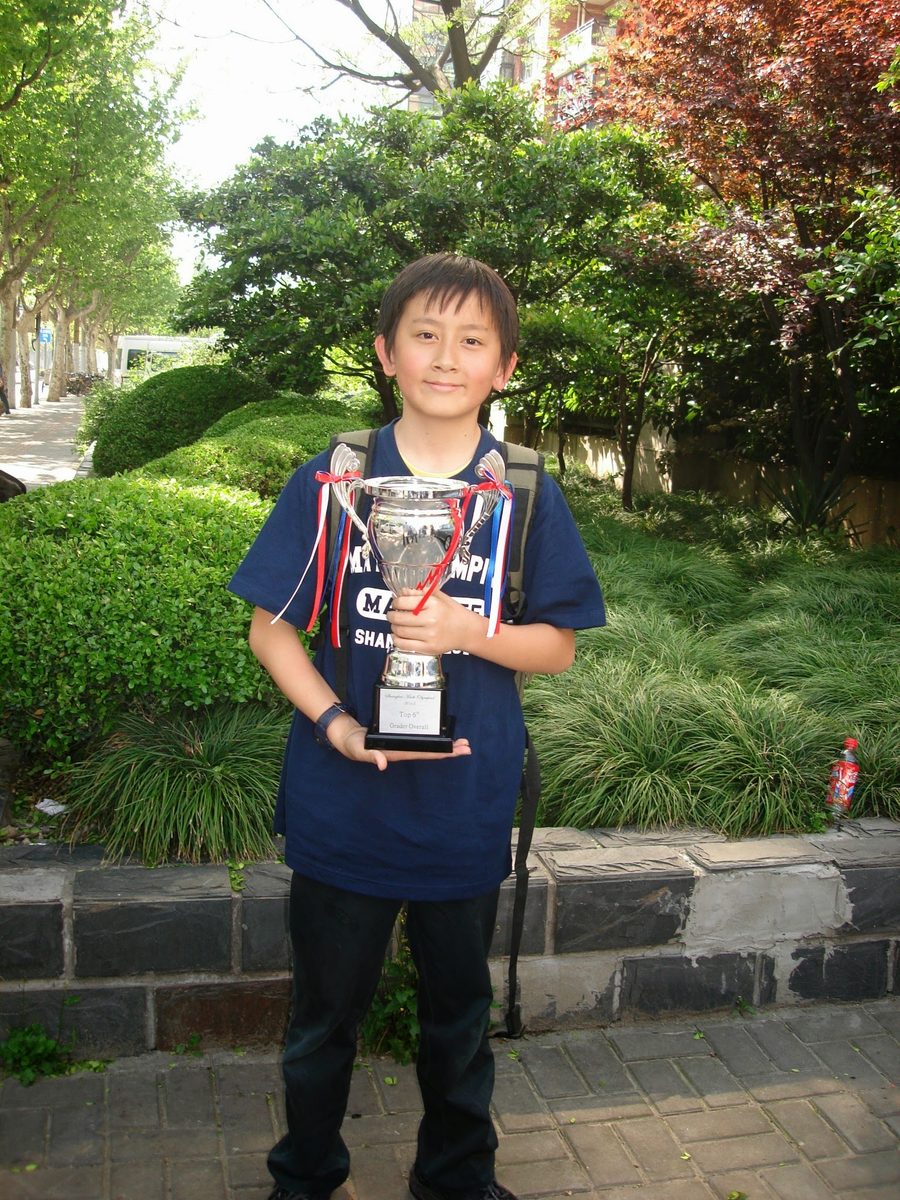
Yew Chung International School of Shanghai
Shanghai · China
Since 1993, paired Chinese and English co-teachers lead every classroom, carrying bilingual immersion from nursery through the IB diploma.
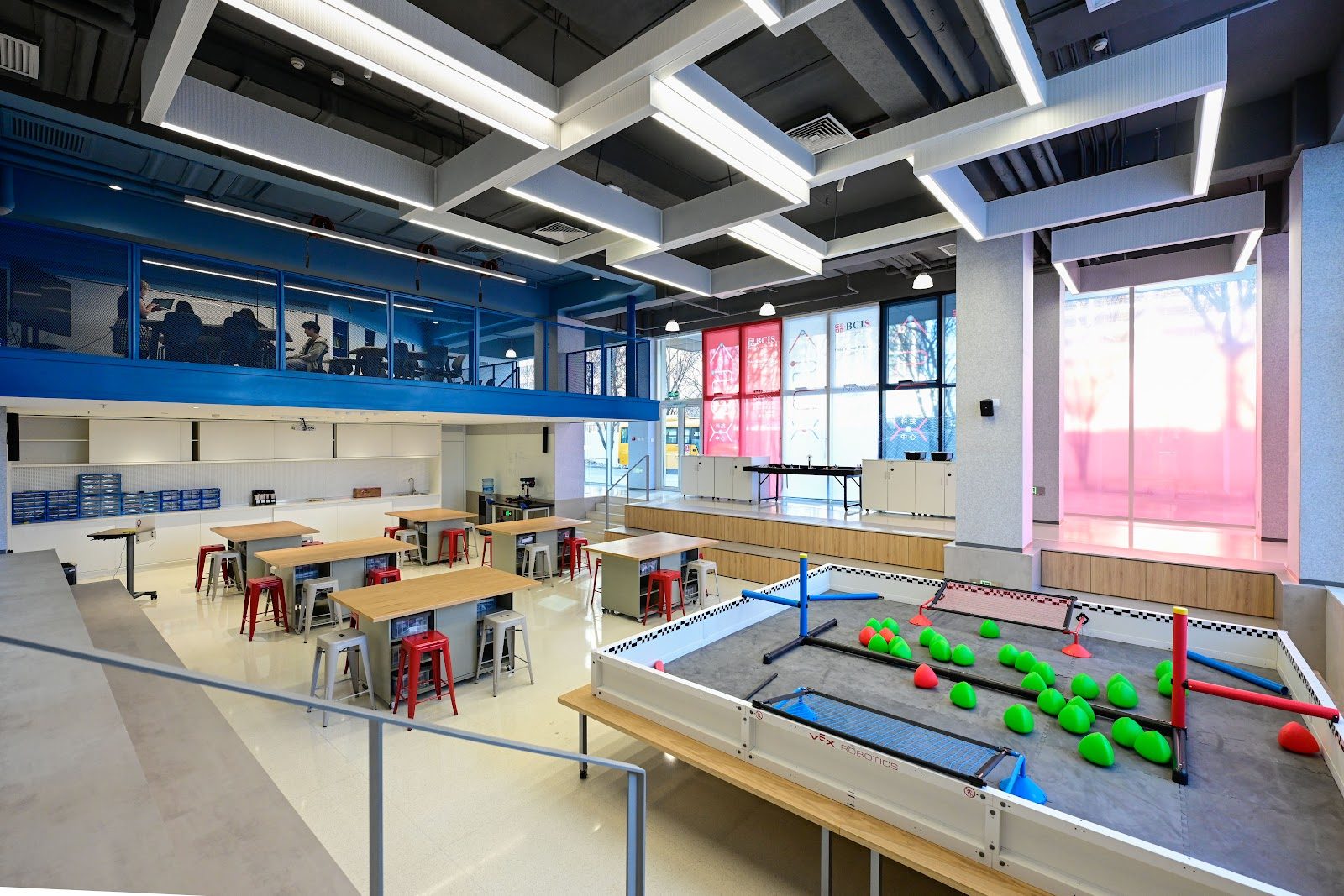
Beijing City International School
Beijing · China
In Beijing's Central Business District, a full IB continuum pairs with IDEATE, an in-house project-based track alongside the diploma years.
Utahloy International School Guangzhou
Guangzhou · China
Lakeside in Baiyun since 1998, running Guangzhou's only full IB continuum, with most graduates earning bilingual diplomas.
Canadian International School of Beijing
Beijing · China
New Brunswick's curriculum threads through a full IB continuum, dual diplomas earned steps from Beijing's embassy row.
Same country and curriculum — closest matches within ±10 points either way