
Hertfordshire
A 1561 City livery-company foundation now spans 285 Art Deco acres near Northwood, its GCSE grades among England's top one percent.
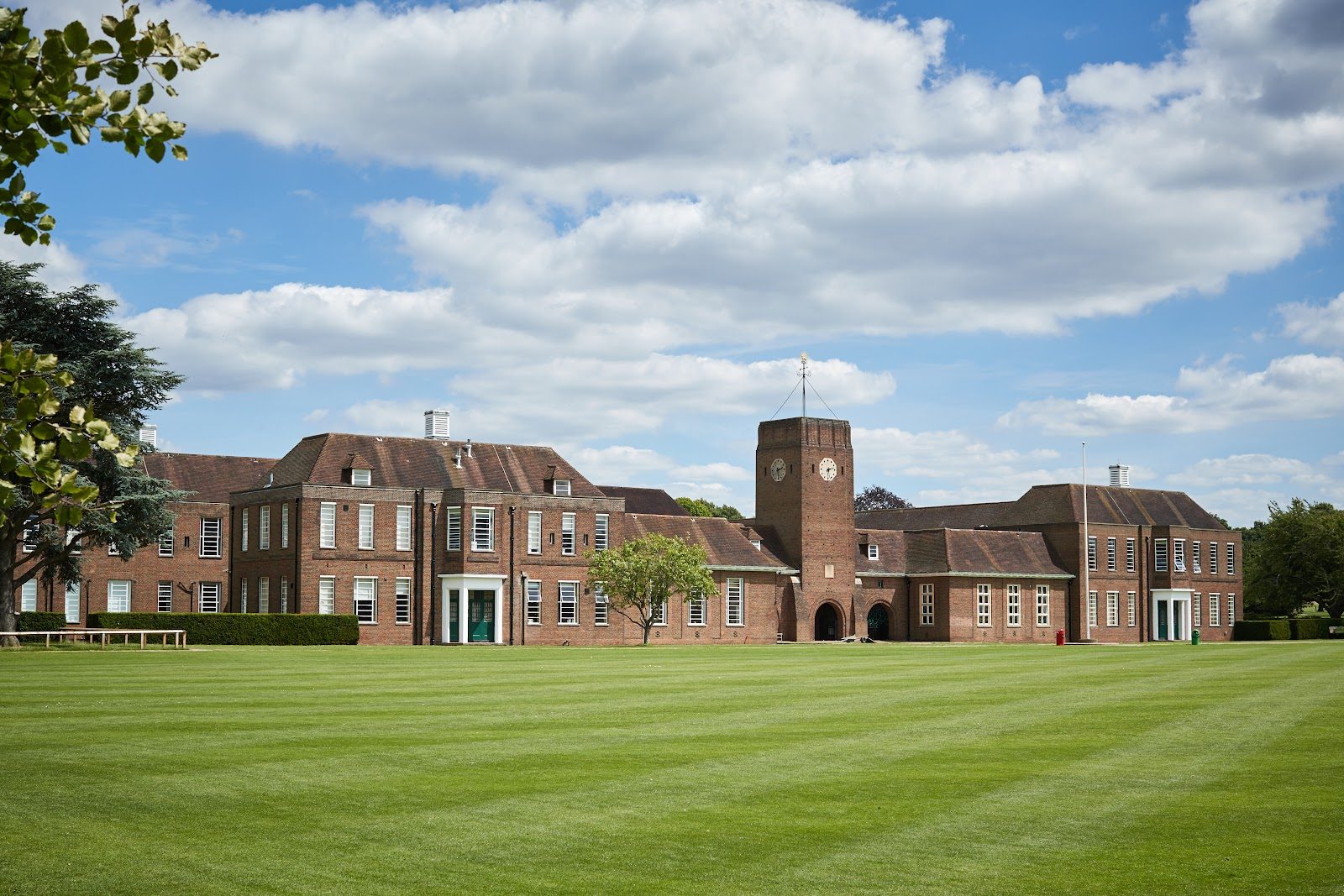
Photo © Merchant Taylors' School via Google Maps
Type
Day
Ages
11–18
Curriculum
British
Qualifications
A-Level
Ratio
—
The Verdict
Editor's commitment
Right for
Boys who want a British day school with real academic firepower: 87% to top-100 universities, including 18 Oxbridge places in 2024.
Wrong for
Families wanting co-education, boarding or lower-cost day provision; this is boys-only, 11–18, and averages £33,225 a year.
Watch out for
The 1561 foundation and 285-acre Northwood campus carry weight, but the selling point is results: GCSE grades sit in England’s top one percent.
Ranking breakdown
Merchant Taylors' School · # of 1591
Composite score 80.0. 8 weighted criteria.
By criterion
Academic Outcomes
Weight 20%
#118
of 1529 scored
University Placement
Weight 16%
#104
of 1529 scored
Prestige & Heritage
Weight 12%
#44
of 1571 scored
Alumni Network
Weight 12%
#25
of 1530 scored
Facilities
Weight 12%
#172
of 1534 scored
Transparency & Communications
Weight 8%
#153
of 1532 scored
Peer & Industry Review
Weight 10%
#66
of 1548 scored
Admissions Selectivity & Demand
Weight 8%
#153
of 1529 scored
Score history
Merchant Taylors' School · 2026
Movement across 2024–2026. Peer average overlaid.
Overall — 2024–2026
80.0/ 100
▲ +21.3 vs 2025
year on year
Peer & Industry Review
How Merchant Taylors' School is regarded in the sector
82
Strong · high confidence
Merchant Taylors' School enjoys a strong regional and sector reputation as one of the leading boys' day schools in the London orbit, its standing built on nearly 500 years of history and consistently high academic outcomes. The Good Schools Guide brands it a "High-powered, super-academic, civilised, London-ish school set in 285 acres of verdant bliss," while WhichSchoolAdvisor notes it "balances academic excellence with an holistic education" on its "huge countryside campus with modern facilities for specialist subjects and sport, as well as its very own lakeside watersports centre." Independent county-level reviewers echo this, describing it as a "high-achieving yet well balanced boys school" minutes from central London. Its historic Clarendon Commission-era pedigree and dense alumni network reinforce peer standing, though as a single-sex, geographically niche school it sits just below the handful of nationally unanimous "top ten" names.
Editors' overview
Merchant Taylors’ School trades on two things that still matter in the English independent sector: deep institutional history and hard academic output. The history is real enough — a 1561 foundation with roots in the City of London — but the sharper point for parents is the current proposition: an Anglican boys’ day school in Northwood, on a large 285-acre campus, running a British curriculum for ages 11 to 18. The academic standard sits at the centre of the offer. Its GCSE grades place it among England’s top one per cent, and that gives the school a serious academic edge over many traditional day schools that rely more on reputation than current results. This is not a vague heritage brand; it is a school that still converts selective intake into measurable outcomes.
University destinations reinforce that point. In the Class of 2024, 87% of 180 leavers went to top-100 universities, with 18 Oxbridge places and 45 Russell Group destinations; Cambridge took 10, Oxford 8 and UCL 12. Those are strong numbers by any standard, and they place Merchant Taylors’ firmly in the market of high-pressure academic schools that expect boys to aim high and deliver. The average annual day fee across Years 7 to 13 is £33,225, which puts it in the expensive end of the day-school market but not at the outer edge of London’s fee inflation. Parents are paying for selective peers, established teaching, and a campus footprint that very few day schools can match.
What is special here is the combination of old-school male academic culture and physical scale. Many London-area academic day schools operate on constrained urban sites; Merchant Taylors’ has room, and that changes the shape of school life. For the right boy, that matters as much as headline grades. The school will suit a bright, competitive pupil who wants intellectual stretch, responds well to clear standards, and does not need hand-holding to stay organised. It will also suit families who want a school with visible tradition but no need to apologise for ambition. Boys who want a softer, more progressive or more openly therapeutic atmosphere will find this a less forgiving environment. On a shortlist, Merchant Taylors’ earns its place for parents seeking a high-output, academically exacting boys’ school with long roots, strong destinations and the space to feel like more than a cram factory.
Academic Performance
Merchant Taylors’ sits in the sharp end of English independent-school academics. The clearest public marker is GCSE: grades place the school in the top one per cent nationally, which puts it well above the standard strong-HMC baseline and into the territory occupied by the country’s serious exam factories. That does not make it unique — the London and Home Counties market is crowded with selective schools posting elite outcomes — but it does place Merchant Taylors’ firmly in that upper group rather than the broad middle of fee-charging day schools. The school’s academic performance is not a matter of reputation carrying old weight; the results still justify the school’s standing.
Sixth-form outcomes back that up. The latest leavers’ destinations show 87% progressing to top-100 universities, with 18 to Oxbridge and a substantial Russell Group haul. University destinations are not a perfect proxy for teaching quality, but at this level they do show the school converts a selective intake into high-value exits. Relative to peers, that is the key point: Merchant Taylors’ belongs among the high-pressure, high-yield boys’ schools where strong examination performance is an expectation, not a pleasant surprise. What remains opaque is the absence here of full published A-level grade distributions, so parents comparing it against the most data-transparent competitors will want that detail before making a final call.
Facilities
Facilities are a serious part of the case for Merchant Taylors’. The defining asset is space: a 285-acre campus on the edge of London is a rare advantage for a day school, and it changes what the school can offer in sport, outdoor activity and day-to-day movement between lessons. Many academic boys’ schools in and around the capital operate on tight urban sites with excellent teaching but cramped physical provision; Merchant Taylors’ has the opposite profile, with room to deliver a full-scale school day rather than a compressed one. For families comparing peer schools, that matters. Boys get breadth alongside pressure, and the grounds give the place a less boxed-in, more properly collegiate feel than many rivals.
That said, scale alone does not settle the comparison. What matters is how well the school turns acreage into usable provision across games, co-curricular life and specialist teaching. We have not seen the level of public detail some competitors now publish on theatres, labs, design spaces or performance venues, so the campus carries more weight in the public picture than a clearly itemised facilities offer. Even so, against London-area academic peers, Merchant Taylors’ holds a clear physical advantage outdoors and in general campus atmosphere. Parents choosing between top boys’ day schools will find stronger urban cultural access elsewhere, but few will find this amount of land attached to a school with such hard-driving academic expectations.
The latest leavers’ destinations show 87% progressing to top-100 universities, with 18 to Oxbridge and a substantial Russell Group haul
Prestige
Merchant Taylors’ carries real prestige in the old English sense: not flash, not branding, but institutional weight built over centuries and sustained by selective academic performance. The name still has currency with British families who know the independent sector, and the school’s link to a City livery-company foundation gives it a social and historical pedigree that newer schools cannot imitate. Prestige here also rests on market position. This is one of the established boys’ schools in the greater London orbit that families mention alongside the country’s serious academic heavyweights, and it charges fees that confirm that status: an average annual day fee of £33,225 places it in a high-cost, high-expectation bracket.
That prestige is not purely inherited. The school converts reputation into outcomes, and that matters more than polished tradition. The latest destinations data — 87% to top-100 universities and 18 to Oxbridge — give the name current force with ambitious parents. At the same time, this is not a school with the universal public glamour of Eton, Westminster or St Paul’s. Its standing is sector prestige rather than celebrity prestige: strongest among families who value academic seriousness, old institutions and competitive university placement over social theatre. That is still a powerful form of status, and for the right family it is the more useful kind.
The latest destinations data — 87% to top-100 universities and 18 to Oxbridge — give the name current force with ambitious parents
Communications
Merchant Taylors’ communicates from a position of institutional confidence. That has strengths and weaknesses. Parents choosing a school like this do not need breathless social-media gloss; they need prompt notices, clear calendars, useful reporting and direct access when something affects their son. The school’s public voice gives the impression of a place that expects families to meet it on serious terms rather than be courted. For many parents, that is a relief. It cuts out the marketing froth that clutters weaker schools. The risk is that confidence can slide into communications complacency if practical detail is thinner than it needs to be.
Effectiveness, then, rests less on polish than on operational clarity. Merchant Taylors’ benefits from a strong identity and a settled parent body, so it does not need to over-explain itself at every turn. But families comparing top independents now expect more than institutional reserve; they expect information that is easy to find, timely and specific. We have not seen the kind of richly detailed public communications some competitors use to spell out academic tracking, pastoral processes or the mechanics of day-to-day school life. That does not mean communication is weak; it means the school relies on old-school assurance more than radical transparency. Parents who value discretion and formality will be comfortable. Parents who want every process laid out with forensic clarity will ask harder questions before enrolling.
Uniqueness
What sets Merchant Taylors’ apart is the combination of old institutional muscle with the day-to-day reality of a school that does not feel hemmed in. Many academically selective boys’ schools near London trade on intensity but deliver it on constricted sites and within crowded timetables. Here, the school’s physical scale changes the texture of pupil life. Boys can pursue a full-sized school existence rather than a narrow exam routine: more sport, more movement, more room for societies and team activity, and a stronger sense that school extends beyond the classroom. That matters for adolescent boys. It gives competitive, able pupils space to burn energy, test themselves and build identity without the school tipping into a pure results machine.
The other distinctive feature is cultural. This is a boys’ school with serious old-English confidence and no urge to dilute it into something trendier or softer. For the right pupil, that brings clarity: high standards, strong peer competition, and an environment where ambition carries no embarrassment. Boys who thrive here gain more than grades. They learn to hold their ground in a bright, fast-moving peer group and to use freedom well on a campus large enough to demand self-management. The scale of the leaving cohort — 180 in the latest published year — also means pupils move through a substantial senior community rather than a tiny sixth form. The drawback is plain enough: boys who need close emotional scaffolding or a gentler social climate will find the culture hard-edged.
But families comparing top independents now expect more than institutional reserve; they expect information that is easy to find, timely and specific
Student Profile
Merchant Taylors’ suits boys who enjoy competition and do not need constant reassurance. The social centre of gravity is academic, organised and self-propelling: boys who like argument, can cope with bright peers, and treat hard work as normal will fit. So will pupils who want a school day with room in it — not idle room, but the kind that rewards initiative in sport, clubs and friendships beyond a single corridor culture. This is a strong match for able boys with stamina, good habits and enough confidence to navigate a sizeable senior community. Sixth-formers heading into a leavers’ cohort of 180 are not tucked into an intimate hothouse; they need to manage themselves and hold their own.
The boys who struggle here are easier to identify than the boys who flourish. A child who needs heavy adult prompting, dislikes comparison, or wilts in a hard-edged peer environment will feel pressure early. The school’s culture favours boys who can absorb setbacks, laugh things off and get back to work. It also helps to have genuine appetite for traditional structures and male group dynamics; this is not a soft-focus environment, and it does not cater to every temperament. For the right pupil, that creates clear standards and serious momentum. For the wrong one, it becomes wearing fast.
Merchant Taylors’ School trades on two things that still matter in the English independent sector: deep institutional history and hard academic output
Co-curricular strengths
Arts & sport, on a separate axis
Overall 7.86/10
Scored 0-10 from the school's own published evidence. This axis is editorial-only — it does not feed the main WTS ranking.
Sports
9/10
Spanning a massive 285-acre site in Middlesex; fields dominant UK independent school programs in rugby, hockey, and cricket.
Drama
8/10
The Great Hall and modern studio spaces provide an excellent technical foundation for annual student theater and scriptwriting.
Dance
5.5/10
Treated strictly as a minor auxiliary component for theatrical physical movement blocks rather than an independent elective.
Music
9/10
Deeply institutionalized wind orchestras and traditional choirs that perform at premier London civic and religious spaces.
Visual Arts
7.8/10
Highly academic studio layouts tracking advanced student portfolios in fine oils, architecture drafting, and pottery.
Editor-verified · 8/6/2026
Outcomes & destinations
Where students go next
Editorial estimateClass of 2024
180 graduates
A-Level distribution
99% covered
- A*40%
- A32%
- B22%
- C5%
Top destinations
63 placements
- Cambridge· 10
- Oxford· 8
- UCL· 12
- Imperial College London· 10
- Warwick· 7
- Bristol· 6
- Durham· 6
- LSE· 4
Northwood boys' day school with strong Warwick + Imperial flow.
Editor-approximated from the school's own leavers report. Awaiting school-attested figures.
The story in one line
60% achieved ≥ AAB in 2+ facilitating subjects·ISI Routine Inspection 2025
AAB with 2 facilitating subjects is the Department for Education's published predictor of admission to a top-third UK university: the pupil has scored high grades in at least two of the classic Russell-Group subjects (maths, sciences, English, history, geography, or a modern language). Independent schools don't appear in the state-only HE-destinations dataset, so this is the strongest DfE-verified sixth-form signal available. Source: DfE 16-18 school and college performance data · 2023/24. Value-added +0.37
DfE-verified statistics
Official GCSE data · 2024/2025
Progress 8
—
Value-added score. State-schools only; 0 = expected progress, +1 = one grade above.
Attainment 8
21.7
Average grade across 8 GCSEs (score out of 90). National ≈ 46.
EBacc average score
1.22
Avg grade across the 5 EBacc pillars (English, Maths, Sciences, Language, Humanity).
EBacc slots filled
1.3
How many of the 5 EBacc pillars pupils typically enter (max 5).
A-Level attainment
Cohort · 2023/24
Avg A-Level grade
A
APS per entry: 49.62
Best 3 grade
A
Best-3 APS: 49.92
≥ AAB + 2 fac.
60.2%
Russell-Group predictor.
Progress (value-added)
+0.37
Above average
Read with care. Independent schools frequently sit IGCSEs or Pre-U qualifications instead of standard GCSEs — DfE data only counts standard GCSEs, so these numbers may reflect a partial cohort. For a fuller picture, cross-check with the school's own annually-published results.
URN 117616Verified · DfE 2024/2025
Official inspection
ISI report · 2025
Inspectorate
Independent Schools Inspectorate
The Government-approved inspectorate for English independent schools.
Latest report
29 April 2025
Routine Inspection
Report history
Verified · Independent Schools InspectorateSource-of-truth

WTS 300 badge
2026/27 editionMerchant Taylors' School is one of the World's Top 300 Schools for 2026/27. Claim your listing to add it to your site →
Strengths
- +Founded in 1561, Merchant Taylors' is one of England's oldest independent schools and occupies a large countryside campus of roughly 280 acres near Northwood.
- +The 2024 A-level cohort performed strongly, with 40% of grades at A*, 72% at A*-A and 94% at A*-B, reflecting a consistently high-attaining academic profile.
- +The most recent ISI inspection rated the school Excellent across the areas assessed, a formal external endorsement of provision and pupil outcomes.
- +In 2024, 87% of leavers progressed to top-100 universities, with 18 to Oxbridge and further places at UCL, Imperial, Warwick, Bristol, Durham and LSE.
- +The site is around 30 minutes from central London on the Metropolitan Line, giving reasonable public-transport access despite the suburban Hertfordshire setting.
Considerations
- −It is a boys-only school throughout the senior years, so families wanting a co-educational environment for this age range will need to look elsewhere.
- −Entry at 11+ is highly competitive: around 400 boys typically apply for the intake, with roughly 220 called forward for interview after the qualifying exams.
- −From March 2025 the school closed its 13+ entry route, meaning boys can no longer join at Year 9 - a narrowing of entry points that may inconvenience relocating families arriving mid-way through prep school.
- −Fees are substantial by day-school standards, at around £30,000 a year before any additional charges such as music tuition.
Availability
Primary entry gate & tests
11+/16+ Written Exams (13+ abolished)
Gallery
Photo © Z S Sandhu via Google Maps
Photo © Z S Sandhu via Google Maps
Photo © Laura M via Google Maps
Photo © Elaine Sheppard via Google Maps
Photo © Elaine Sheppard via Google Maps
Photo © Elaine Sheppard via Google Maps
Photo © Elaine Sheppard via Google Maps
Photo © Elaine Sheppard via Google Maps
Photo © Merchant Taylors' School via Google Maps
Recommended reading
Independent write-ups of this school from editorial outlets we trust.
- Merchant Taylors' School reviewGood Schools Guide
Parent reviews
Have you sent your child here?
Voice reviews carry the strongest trust badge — we transcribe them for you to tidy up before they go live. Prefer to type? A written review is fine too.
Add your voice
In 60 seconds, tell other parents: what's the best thing about Merchant Taylors' School, and what surprised you when your child joined?
We ask for a Google sign-in so every review has a real face behind it — no anonymous drive-by attacks on schools, and no faked positive reviews. Your email is never shown publicly.
Send this profile to a friend
International parents rely on word-of-mouth. Share this review with someone weighing the same decision.
Schools with places
Similar schools to Merchant Taylors' School with places available now.
Haberdashers' Boys' School
Elstree · United Kingdom
- 2026-27
- CLOSEDStandard route
- 2027-28
- PLACES OPENCloses Nov
Haileybury
Hertford · United Kingdom
- 2026-27
- CLOSEDStandard route
- 2027-28
- PLACES OPEN16+ Active; 13+ Std Closed; 13+ Late enquire
Availability first, then country, area, curriculum, price, co-curricular
Consider also
Also worth looking at alongside Merchant Taylors' School.
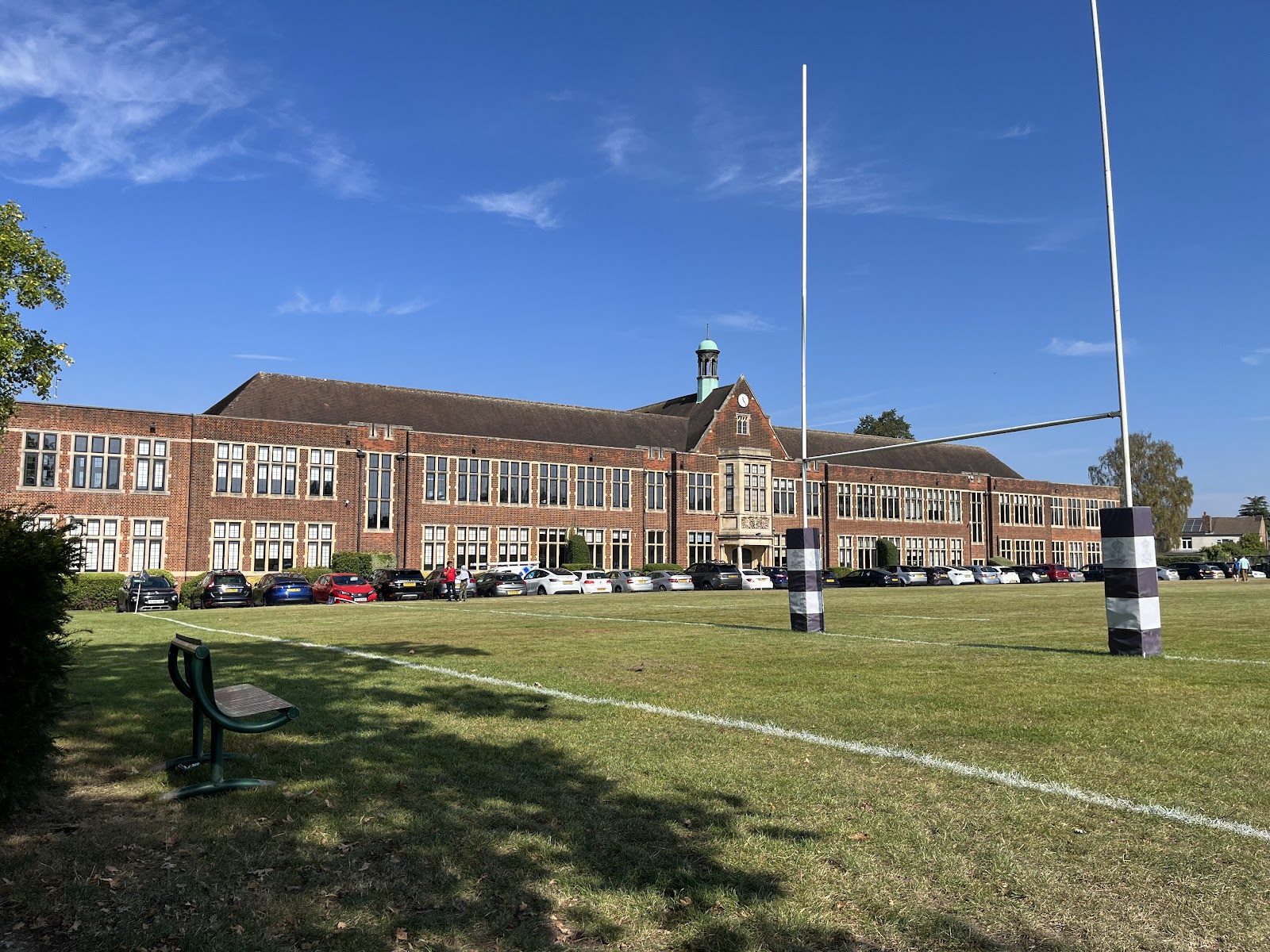
Queen Elizabeth's School, Barnet
Barnet · United Kingdom
A 1573 royal charter grammar school that still tops England's grammar-school A-level tables -- and is now exporting its model to Dubai.

Manchester Grammar School
Manchester · United Kingdom
Founded in 1515 as a free grammar school, this Rusholme day school still funds over 200 bursary places every year.
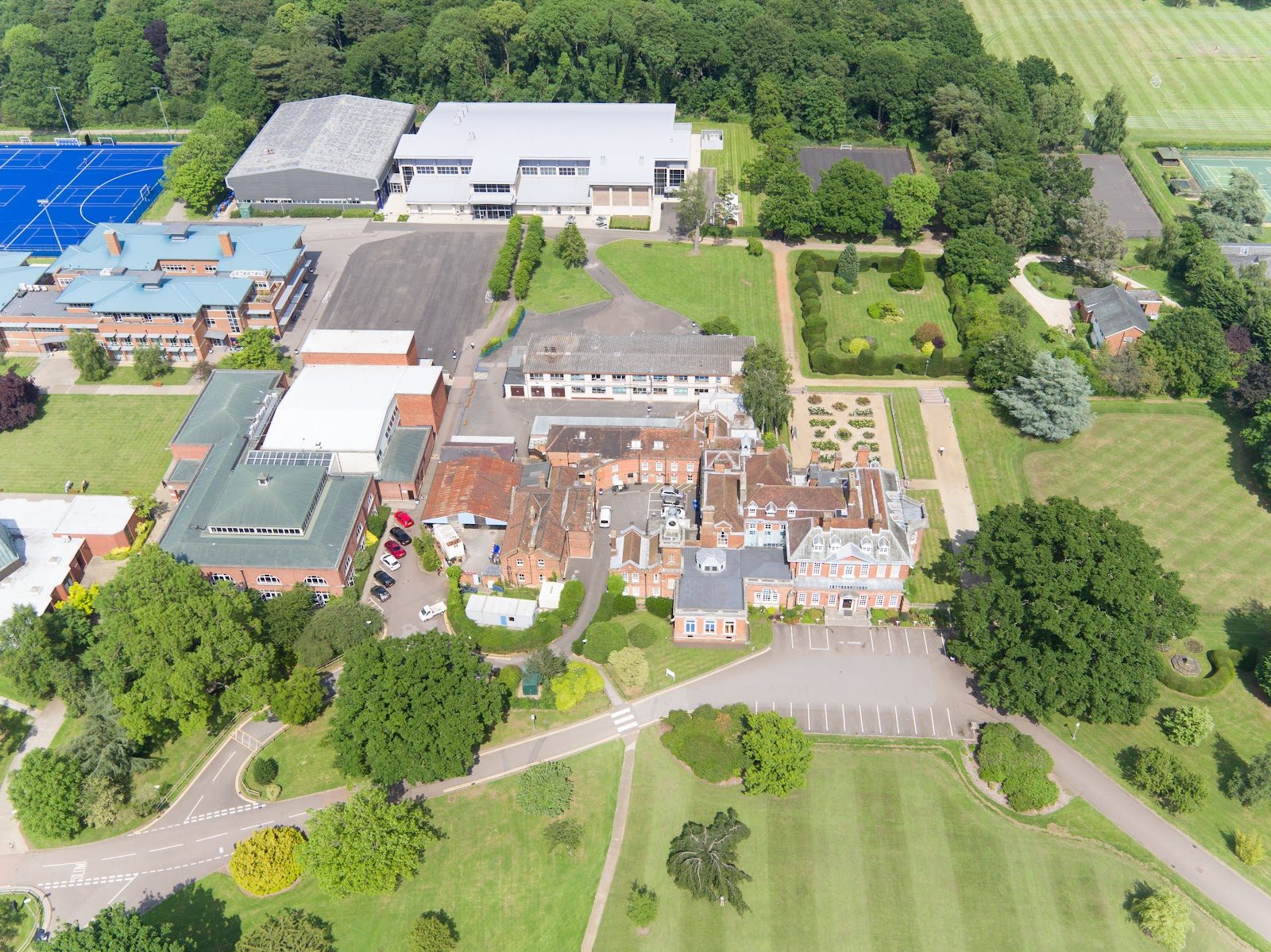
Haberdashers' Boys' School
Elstree · United Kingdom
A 104-acre green-belt campus and a 34-route coach network bring rigorous, Oxbridge-focused schooling within reach of London
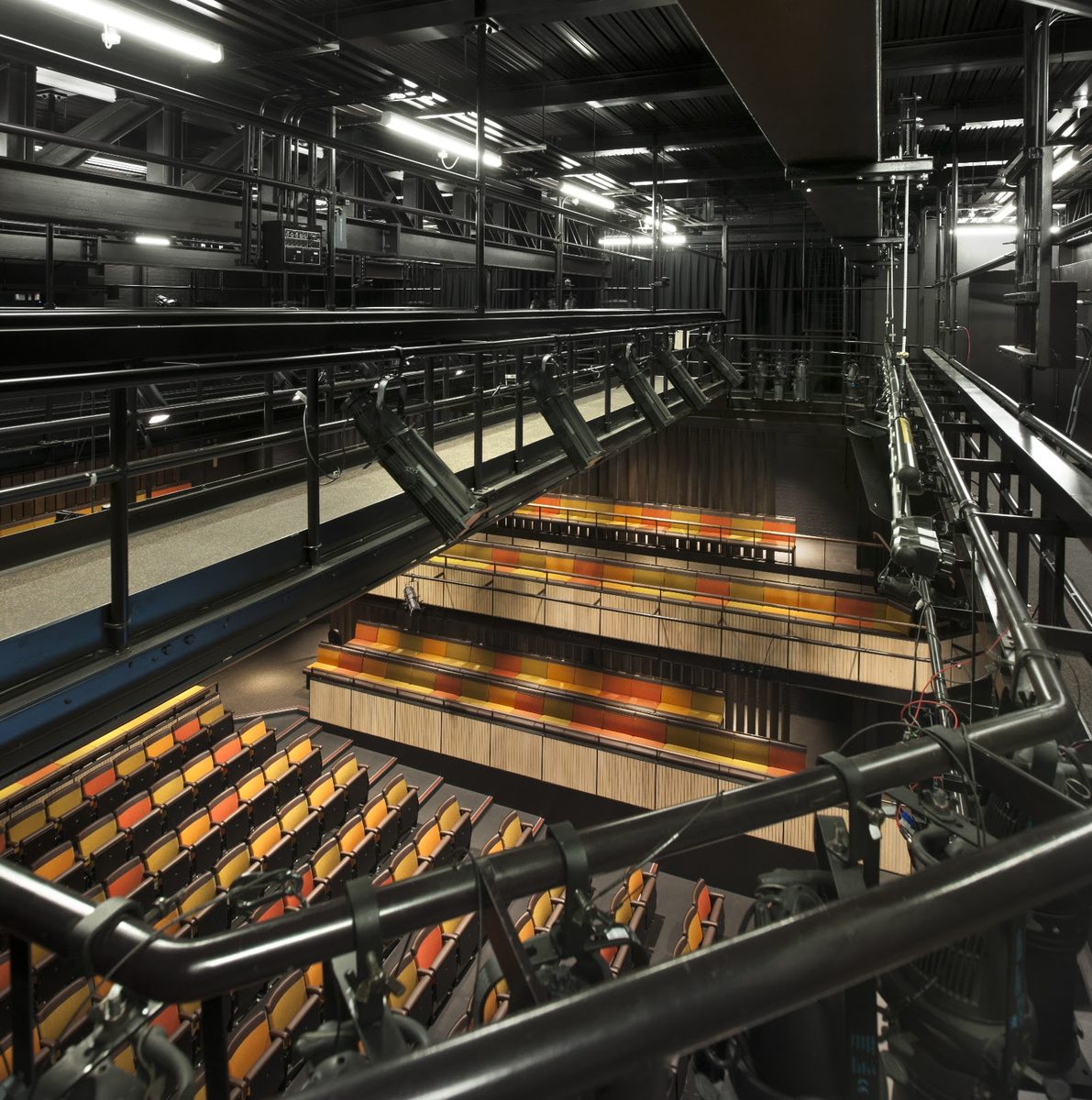
The Perse School
Cambridge · United Kingdom
Founded in 1615 as a free grammar school, Cambridge's oldest secondary keeps classics and coding on equal footing en route to Oxbridge.
Same country and curriculum — closest matches within ±10 points either way