
Sichuan
QSI International School of Chengdu
low confidence· 3/6 cats · 2.67 avg sourcesA mastery-learning model and single-digit class sizes anchor this American Garden campus school inside Chengdu's Third Ring Road.
Type
Day
Ages
3–18
Curriculum
American
Ratio
—
The Verdict
Editor's commitment
Right for
Families who want an American curriculum in English, founded in 2002, with single-digit classes on an American Garden campus.
Wrong for
Parents chasing British, IB or bilingual pathways, boarding, or a vast campus; this Chengdu day school runs in two buildings.
Watch out for
NEASC and Cognia accreditation give reassurance, but at an average US$21,200 a year, ask hard questions about breadth and outcomes.
Ranking breakdown
QSI International School of Chengdu · # of 1591
Composite score 47.3. 8 weighted criteria.
By criterion
Academic Outcomes
Weight 20%
#1455
of 1529 scored
University Placement
Weight 16%
#1455
of 1529 scored
Prestige & Heritage
Weight 12%
#1491
of 1571 scored
Alumni Network
Weight 12%
#1133
of 1530 scored
Facilities
Weight 12%
#1375
of 1534 scored
Transparency & Communications
Weight 8%
#1411
of 1532 scored
Peer & Industry Review
Weight 10%
#1472
of 1548 scored
Admissions Selectivity & Demand
Weight 8%
#1456
of 1529 scored
Score history
QSI International School of Chengdu · 2026
Movement across 2024–2026. Peer average overlaid.
Overall — 2024–2026
47.3/ 100
▲ +19.8 vs 2025
year on year
Peer & Industry Review
How QSI International School of Chengdu is regarded in the sector
53
Credible · medium confidence
QSI International School of Chengdu is a small school within the QSI network, but independent third-party coverage (specialist education press, Tatler, Good Schools Guide, alumni network press) is essentially absent from public sources. Only general references to the QSI network's accreditation exist, with no substantive peer or press commentary specific to the Chengdu campus.
Editors' overview
QSI International School of Chengdu sits inside Chengdu’s Third Ring Road on an American Garden campus, and that urban setting matters: this is not a sprawling resort school on the edge of town, but a compact, practical international school built around teaching rather than spectacle. The core proposition is clear. It offers an American curriculum, teaches in English, takes children from ages 3 to 18, and runs as a day school. The school opened in 2002 and operates from two buildings. Its accreditations from NEASC and Cognia give it external validation, but the real distinguishing feature is the mastery-learning model flagged in the school’s own editorial context, coupled with single-digit class sizes. That combination is rarely cosmetic. For families who want close teacher attention and a pace driven by competence rather than age-cohort drift, it puts QSI in a distinct bracket.
In market terms, QSI is not chasing the grand, premium-campus end of Chengdu’s international sector. At an average annual fee of $21,200, it sits in a more accessible part of the true international-school market while still carrying recognised US accreditation. That matters for mobile expatriate families who need continuity and a school that can absorb mid-year moves without drama. It is also a private for-profit school, and parents should register that plainly rather than dress it up. The question is whether the educational model earns its place. Here, the answer is yes: a mastery-based approach with small-scale teaching is a substantive offer, not a branding line, and for the right child it has more value than shinier facilities or a longer co-curricular list.
This school belongs on a shortlist for students who do their best work in tight classroom settings, need teachers to know them well, or benefit from progression based on secure understanding rather than simple calendar advancement. It will also suit internationally mobile families who want an English-medium American programme without paying top-of-market fees. It is less compelling for parents chasing social scale, heavy prestige signalling or the broadest possible campus infrastructure. QSI International School of Chengdu is a focused, unsentimental choice: ages 3–18, accredited by NEASC and Cognia, and built for families who value classroom mechanics over theatre.
Academic Performance
QSI’s academic-performance picture is opaque in the wrong places. We have not seen published aggregate results for AP, SAT, ACT or any other external benchmark, and the school does not disclose a cohort-wide outcomes profile that would let parents judge attainment against Chengdu peers. That matters because the school’s teaching model lives or dies on proof that mastery translates into externally validated results. Without school-level score distributions, university destination data, or even basic pass-rate reporting, parents are being asked to trust the mechanism rather than inspect the output. In a market where stronger operators publish at least headline exam numbers, that is a clear weakness.
That does not make QSI academically weak; it makes it hard to verify. The case in its favour rests on structural features already noted elsewhere: tight classes, close teacher oversight and a system built around securing competence before moving on. For some pupils, that is a serious academic advantage, especially if they need pace adjustments or careful attention. But relative to peers, QSI sits in the group where academic judgement depends more on educational model than on disclosed examination evidence. Families who prioritise hard comparative data will find more transparent schools elsewhere. Families who care more about day-to-day instruction than public scoreboards will tolerate the missing numbers.
Facilities
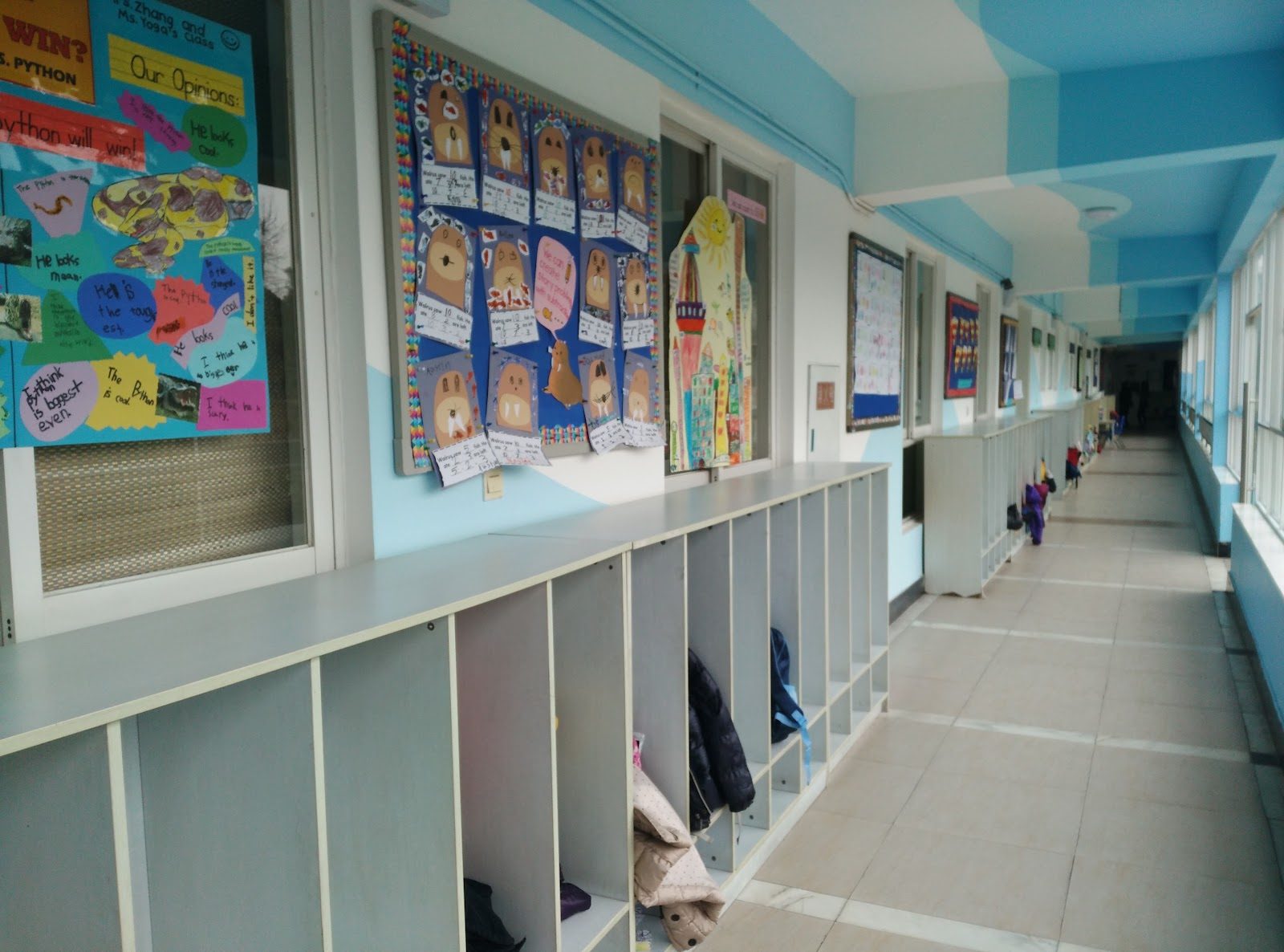
Facilities are not the reason to choose this school. The physical plant is compact, housed across 2 buildings, and the published picture points to a school built for instruction rather than for architectural display. Against Chengdu peers with theatre-grade auditoria, competition pools, large indoor sports halls and expansive specialist wings, QSI sits in the plain-dealing bracket. That is not a flaw in itself. For families who value tight operational focus, a smaller site can feel refreshingly unpretentious. The trade-off is breadth: parents should not expect the kind of campus sprawl or high-spec amenity list that larger premium operators use to justify higher fees.
The more important question is whether the facilities fit the school’s educational model. Here, a modest campus makes sense if classrooms are well kept, organised and used intensively. Two-building schools can work very well when movement is simple, supervision is close and specialist spaces are sufficient for the roll. But relative to stronger peers, QSI lacks a publicly visible facilities story that signals exceptional science provision, standout arts infrastructure or serious sporting depth. In market terms, this is a teaching-first campus, not a destination campus. That will suit families who want substance over spectacle; it will disappoint those who expect the facilities themselves to broaden a child’s school experience.
In an international market crowded with broad promises, that is genuinely distinctive
Prestige
QSI International School of Chengdu carries limited prestige in the status market and a stronger reputation in the narrower circle of families who care about classroom practice. It is not a badge school in the way that some expatriate parents use the term. The campus scale is modest, the school is for-profit, and the public academic record is too thin to generate elite cachet on results alone. Prestige in international education rests on a mix of selective admissions, visible outcomes, influential alumni, historic brand weight and social signalling. QSI does not publish the kind of performance data that builds that aura, and the fee point — an average of $21,200 a year — places it well below the bracket where price itself confers status.
Its standing rests instead on serious educational intent. The QSI name has recognition among internationally mobile families, and the school’s single-digit class sizes give it a form of professional credibility that many larger operators cannot match. That matters more to informed parents than to prestige hunters. A school can be excellent for a child without carrying much glamour, and that is the category QSI occupies. I rate its prestige as middle-tier at best: respectable, functional and trusted by a specific audience, but without the social shine or public proof that turns a school into a market leader.
It will also suit internationally mobile families who want an English-medium American programme without paying top-of-market fees
Communications
QSI’s parent communication is functional rather than polished, and that fits the school’s wider character. A compact school with very small classes has one built-in advantage: parents are less dependent on layers of administration because contact with teachers can be more direct. That matters more than glossy newsletters. When a child is taught in groups that stay in the single digits, weak communication has nowhere to hide; families notice quickly if messages are late, vague or fragmented. The school’s structure therefore sets a high bar for responsiveness, and the logic of its teaching model demands regular, precise reporting on pupil progress. If mastery is the promise, communication has to tell parents exactly what a child has secured, what remains insecure and what happens next.
The weakness is public-facing clarity. We have not seen a rich, detailed communications trail in the public domain: no substantial archive of parent information, no strong evidence of unusually transparent reporting, and no broad window into school life beyond the basics. That does not signal chaos, but it does rule out calling QSI a communications leader. The impression is workmanlike, close-range and dependent on human contact rather than systems-rich. For many families, that will be enough; in a school charging an average of $21,200 a year, some parents will accept plain delivery if replies are prompt and individual concerns are handled well. Parents who want high-visibility, highly structured communication infrastructure will find stronger operators elsewhere.
Uniqueness
What sets QSI apart is not brand theatre or campus scale, but a deliberately narrow operating model: very small classes, a mastery-based approach, and the discipline to keep the school structurally compact. In an international market crowded with broad promises, that is genuinely distinctive. A child here is harder to lose in the system. Teachers know who has understood the work and who has not; weak spots are exposed earlier; confidence is built on secure competence rather than social promotion. For students who need precision, reassurance and close adult oversight, that brings a clear practical gain. It also helps new arrivals settle faster, because a small community with 2 buildings and single-digit classes leaves less room for anonymity.
That same distinctiveness carries limits, and they matter. This is not a school for families who equate quality with scale, prestige or a sprawling activity menu. Its value lies in instructional intimacy, not range. The for-profit structure also puts pressure on the school to prove that its model delivers, and the thin public outcomes record leaves that case less complete than it should be. Even so, the educational proposition is unusually coherent. Students who thrive under close attention, benefit from steady academic pacing, or find larger schools socially noisy get something here that many bigger institutions fail to provide: a school built around the mechanics of learning, not the performance of schooling.
It offers an American curriculum, teaches in English, takes children from ages 3 to 18, and runs as a day school
Student Profile
The best fit here is the child who benefits from being known properly rather than managed at scale. In a school built around close adult attention and classes that stay in the single digits, quiet students, late bloomers and children who miss work through relocation all have a better chance of being tracked accurately. This is also a strong environment for pupils who dislike the social churn of larger campuses or who lose confidence when they are pushed on before they have secured the basics. The school’s age span from 3–18 gives it room to hold families through multiple stages, and that continuity suits internationally mobile households that value stability without fuss. It also fits parents who care more about daily teaching quality than about status theatre.
The weaker fit is easy to identify. Highly independent high-flyers who want a big peer field, intense academic competition or a packed menu of niche activities will find the school constrained. So will socially hungry children who draw energy from a large cohort and a bustling campus culture. Because the public outcomes picture is thin, this is not the natural choice for families who want every school decision backed by comparative data. QSI suits students who thrive in structured, personal schooling and who do their best work when adults notice gaps early. It is a school for children who need precision and reassurance, not for those who want anonymity, spectacle or a prestige badge.
For families who want close teacher attention and a pace driven by competence rather than age-cohort drift, it puts QSI in a distinct bracket
Co-curricular strengths
Arts & sport, on a separate axis
Overall 7.1/10
Scored 0-10 from the school's own published evidence. This axis is editorial-only — it does not feed the main WTS ranking.
Sports
7.5/10
The extracurriculars explicitly list Basketball, Volleyball, and Soccer, showing multiple named sports with visible participation but no facility, competitive results, or specialist staffing described.
Drama
7.5/10
Drama appears explicitly as 'Drama Club' in the extracurriculars, but there is no further detail on productions, facilities, or staffing.
Dance
4.5/10
Music
8/10
Music is evidenced by the explicit listing of Choir, but there is.
Visual Arts
8/10
Visual arts is evidenced by the explicit listing of Art Club, but there is no further detail on studios, exhibitions, curriculum depth, or specialist teachers.
Editor first-pass · editor-reviewable · 7/27/2026
Strengths
- +American curriculum suits US-bound families
- +Private school option in Chengdu
- +For-profit model may prioritise operational continuity
- +Two-building campus may separate age groups
Considerations
- −For-profit ownership may deter some families
- −Only American curriculum stated; limited curriculum choice
- −Two buildings may mean split-site logistics
Availability
Primary entry gate & tests
Academic Record
Parent reviews
Have you sent your child here?
Voice reviews carry the strongest trust badge — we transcribe them for you to tidy up before they go live. Prefer to type? A written review is fine too.
Add your voice
In 60 seconds, tell other parents: what's the best thing about QSI International School of Chengdu, and what surprised you when your child joined?
We ask for a Google sign-in so every review has a real face behind it — no anonymous drive-by attacks on schools, and no faked positive reviews. Your email is never shown publicly.
Send this profile to a friend
International parents rely on word-of-mouth. Share this review with someone weighing the same decision.
Schools with places
Similar schools to QSI International School of Chengdu with places available now.
Shekou International School
Shenzhen · China
- 2026-27
- WAITPOOLSpace-dependent
- 2027-28
- PLACES OPENRolling
American International School of Guangzhou
Guangzhou · China
- 2026-27
- WAITPOOLSpace-dependent
- 2027-28
- PLACES OPENRolling
International School of Beijing
Beijing · China
- 2026-27
- WAITPOOLSpace-dependent
- 2027-28
- PLACES OPENRolling
Shanghai American School
Shanghai · China
- 2026-27
- WAITPOOLSpace-dependent
- 2027-28
- PLACES OPENRolling
Availability first, then country, area, curriculum, price, co-curricular
Consider also
Also worth looking at alongside QSI International School of Chengdu.
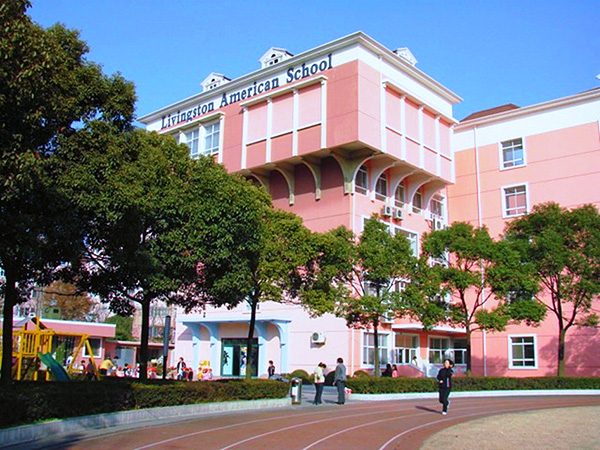
Livingston American School Shanghai
Shanghai · China
Founded by a former US congressman, this Changning day school pairs a California-aligned curriculum with AP rigor for Shanghai's expat families.
Wuhan Yangtze International School
Wuhan · China
In Hanyang on the Yangtze, this foreign-passport-only campus rallies students into four house teams: Viper, Tiger, Crane, Panda.
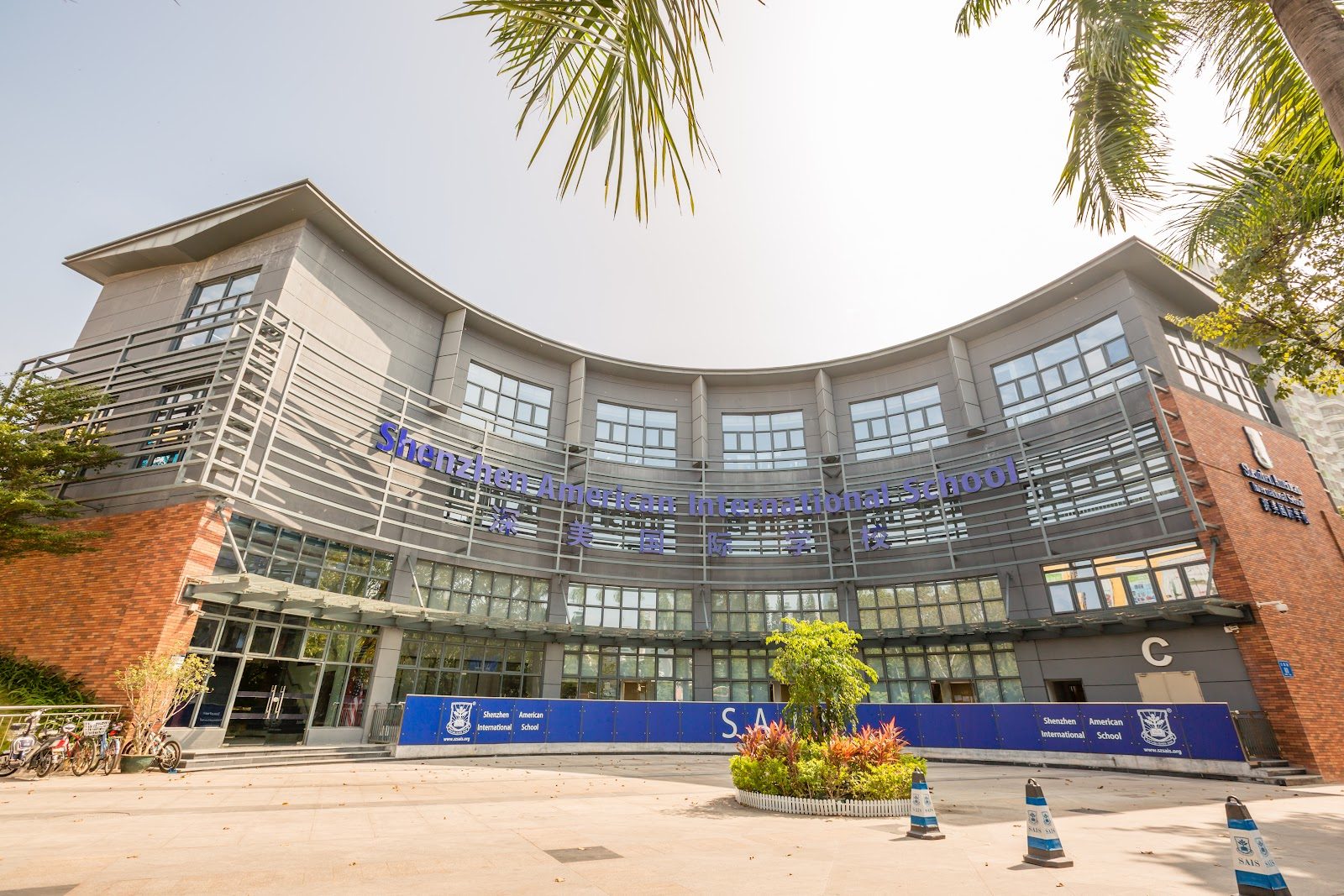
Shenzhen American International School
Shenzhen · China
In China's electronics capital, a Shekou campus swaps lecture halls for a maker space, fusing Common Core rigor with hands-on invention.
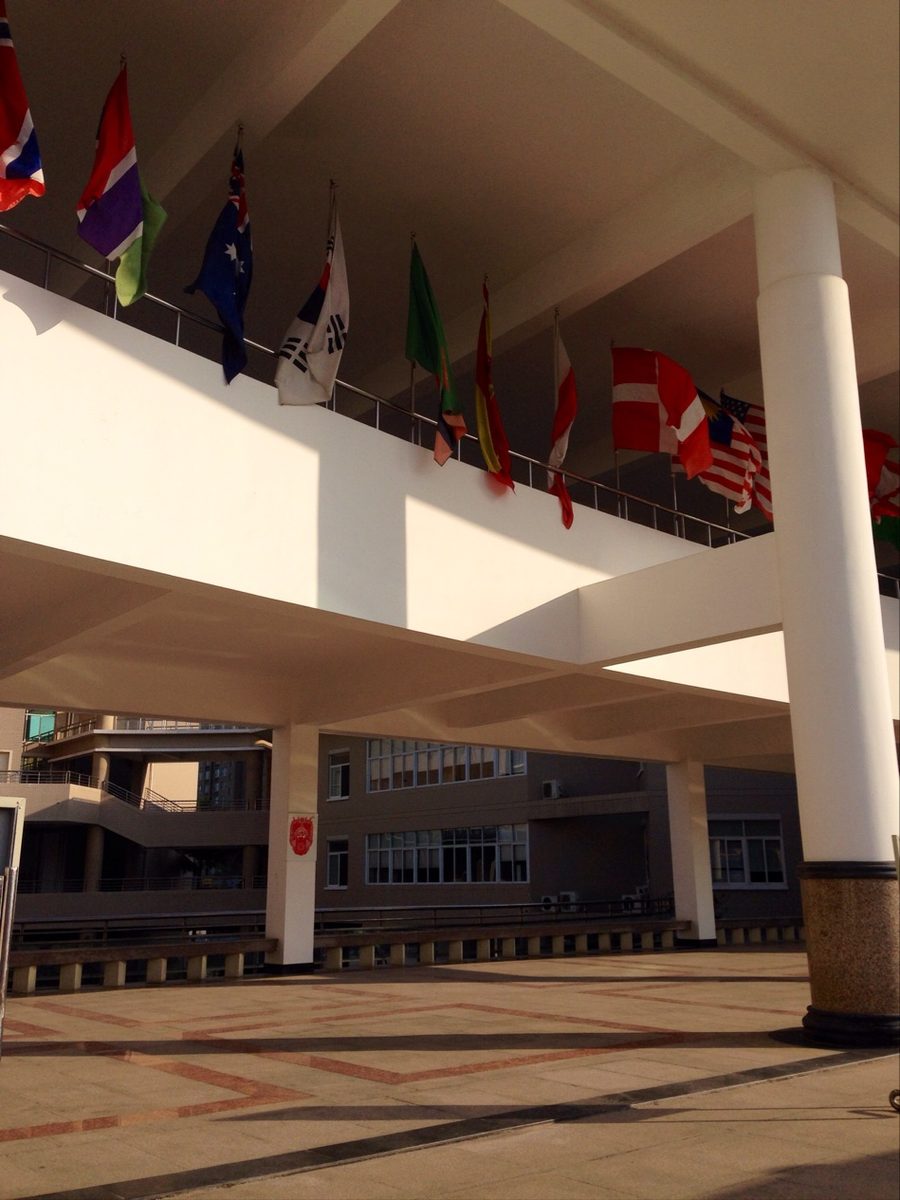
Xiamen International School
Xiamen · China
Grown from Xiamen's 1990s Kodak-era boom, this Fujian pioneer graduates seniors with bilingual IB diplomas at nearly triple the global rate.
Same country and curriculum — closest matches within ±10 points either way