
Kanagawa Prefecture
Seiko Gakuin
Founded in 1958 by French Catholic brothers, this all-boys Yokohama school pairs academic rigor with its historic gentlemen's code.
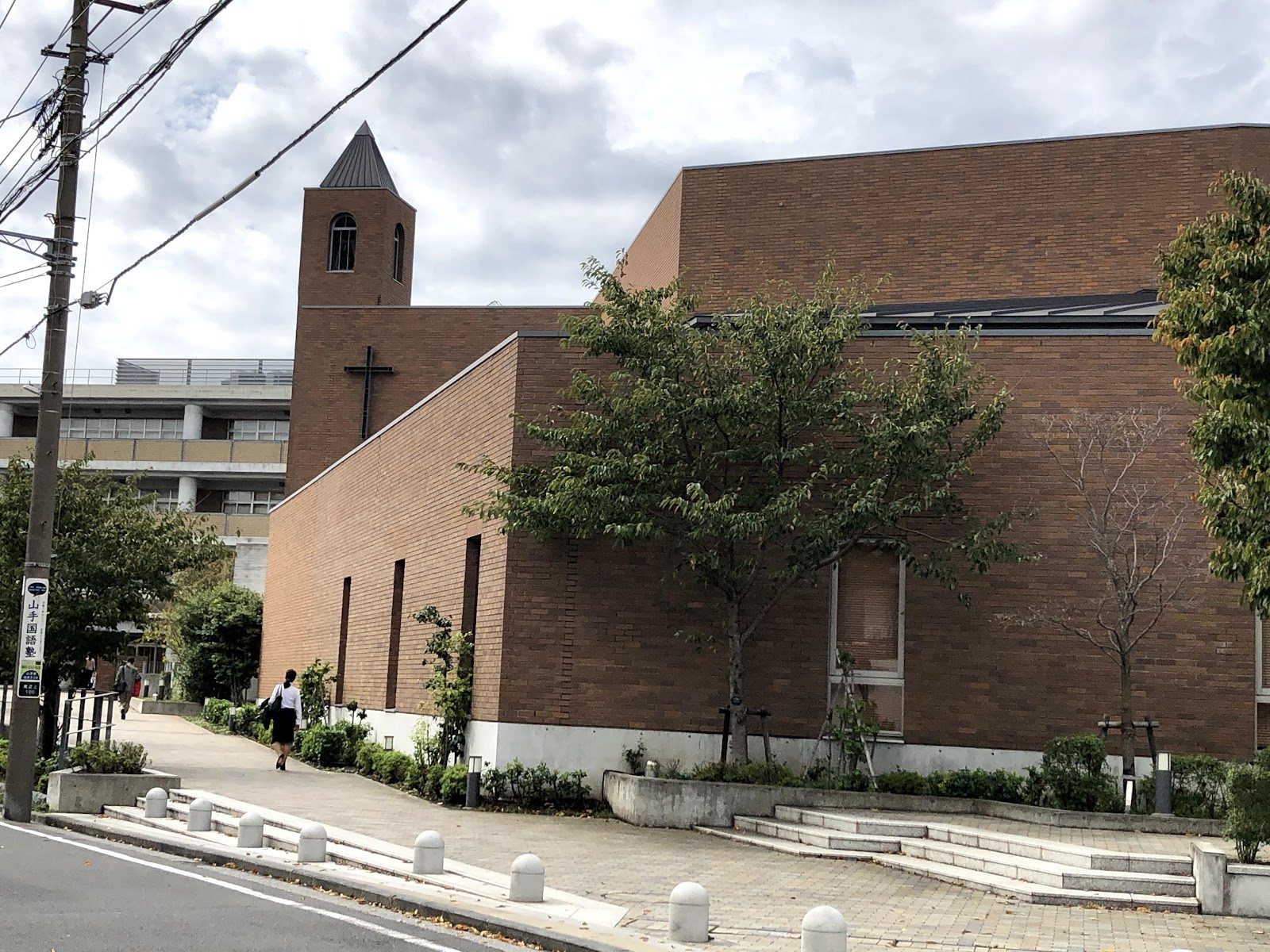
Photo © 牛島満 via Google Maps
Type
Day
Ages
15–18
Curriculum
Japanese National
Qualifications
Japanese Senior HS Diploma
Ratio
—
The Verdict
Editor's commitment
Right for
Boys aged 15–18 who want a Japanese National curriculum in Yokohama, under Ministry of Education accreditation and a disciplined all-boys setting.
Wrong for
Families wanting co-education, boarding, English-medium teaching or secular branding: Seiko Gakuin teaches in Japanese and traces its roots to Catholic founders.
Watch out for
The dates need scrutiny: the context lists 1947, while the school states middle school opened in 1958 and high school in 1961.
Ranking breakdown
Seiko Gakuin · #609 of 1591
Composite score 67.6. 8 weighted criteria.
By criterion
Academic Outcomes
Weight 20%
#294
of 1529 scored
University Placement
Weight 16%
#59
of 1529 scored
Prestige & Heritage
Weight 12%
#446
of 1571 scored
Alumni Network
Weight 12%
#1013
of 1530 scored
Facilities
Weight 12%
#1247
of 1533 scored
Transparency & Communications
Weight 8%
#1326
of 1532 scored
Peer & Industry Review
Weight 10%
#998
of 1548 scored
Admissions Selectivity & Demand
Weight 8%
#93
of 1529 scored
Peer & Industry Review
How Seiko Gakuin is regarded in the sector
65
Respected · medium confidence
Seiko Gakuin is regarded domestically as a solid, well-established private secondary school within Kanagawa Prefecture's competitive Yokohama school market, but it does not feature prominently in the English-language independent education press that typically reviews Japan's most internationally visible institutions (e.g., no substantive WhichSchoolAdvisor or Good Schools Guide profile could be found). Its standing is inferred mainly from Japanese domestic university placement data and local rankings rather than from quoted commentary by rival heads or international admissions officers, which is largely absent in public sources. Unlike Tokyo's top international schools, Seiko Gakuin does not appear as a regular presence at international heads' conferences or in cross-border league tables such as those compiled by Nikkei or Asahi Shimbun for elite feeder schools to Tokyo, Keio, or Waseda. Overall, the school's peer and industry reputation is best characterized as respected but regionally contained, with limited independently verifiable third-party validation beyond domestic parent forums and prefectural academic performance statistics.
Editors' overview
Seiko Gakuin is a serious all-boys day school in Yokohama, teaching the Japanese National curriculum in Japanese to boys aged 15–18. Its market position rests on two things: academic ambition and institutional continuity. The school foregrounds university admissions results, a dense annual calendar and a culture of student-led activity. Parents looking for discipline without gimmicks and academic pressure with structure will recognise the type at once. This is not an international school and not a bilingual proposition. It is a Japanese secondary school with a strong internal identity, a long-running festival culture and a clear expectation that boys will work hard, join in and grow up.
What sets it apart is the combination of old-school formality and a busier, richer student life than the stereotype allows. The school advertises Seikosai, sports day, camps and overseas study, alongside clubs and officially recognised student-run groups. That matters. Schools that produce strong academic outcomes but neglect student agency turn narrow; Seiko Gakuin gives boys room to organise, perform and lead inside a tightly framed institution. The physical plant also gets prominence, with the school pointing to a “100年 architecture” concept and facilities as part of its identity. The result is a school with institutional gravity, ritual and rhythm, and a clear code of conduct rather than a loose, pastoral model built around individual choice.
There is one point parents should assess with care. The editorial context lists the school as non-religious, while the school’s own history and founding spirit are explicitly Catholic, tracing its origins to French Christian teaching brothers and a philosophy centred on the dignity of the person and love. That tension does not negate the school’s strengths, but it does matter for fit. Families who want a wholly secular environment should ask how far that heritage shapes daily life, assemblies and ethos. They should also note the age range here: 15–18. This is a shortlist school for families who want a high-performing Japanese boys’ school in Yokohama, not for those seeking co-education, English-medium teaching or an international curriculum.
The boy who will want Seiko Gakuin is bright, steady and competitive, but not only academic. He will value earned prestige, tolerate clear rules and thrive in a community that expects participation rather than mere attendance. He does not need hand-holding; he needs standards, peers who take school seriously and enough extracurricular life to stop the place turning joyless. For that student, Seiko Gakuin offers high expectations, strong collective culture and the satisfaction of belonging to an institution with 1958 roots in its school history and a festival that has already reached its 67th edition.
Academic Performance
Seiko Gakuin puts university admissions results at the front of its academic story. That emphasis matters: schools do not give that space away unless selective higher education entry is central to their identity. In the Japanese context, that places Seiko Gakuin in the results-driven, exam-facing tier of boys’ schools rather than in a broader “whole child” camp that treats outcomes as secondary. The public site also treats progression data as a dedicated category, which signals a school that expects scrutiny on destinations and uses those figures as a proof point. For ambitious families, that is reassuring. For others, it is a warning: this is a high-pressure academic environment where external results carry weight in the culture, not just in the prospectus.
The limitation is plain. The school advertises university acceptance results, but the extracts here do not publish the underlying aggregate examination data that would let parents benchmark it cleanly against top peers: no cohort-wide score distributions, no subject-by-subject breakdowns, no national comparative tables. That leaves parents with a partial picture. The broad conclusion still holds. Seiko Gakuin sits in the serious end of the Japanese secondary market, with a clear route towards selective university entry and a school identity built around that expectation. Families comparing it with other elite domestic schools should ask for recent destination patterns across the full cohort, repeat admissions by university, and the spread beneath the headline offers.
Facilities
Seiko Gakuin gives unusual prominence to its physical environment. The school flags facilities in tandem with a “100年 architecture” concept and frames the campus not as background infrastructure but as part of the educational experience. That points to a site with a deliberate sense of place rather than a stack of functional classrooms. The public emphasis on culture-building space also matters. A school that runs a long-established festival, sports day, camps, overseas study and a wide spread of clubs needs halls, performance areas, assembly space and sports provision that can absorb heavy use without the whole operation feeling improvised. On that front, Seiko Gakuin reads as institutionally confident, well-equipped for collective life and built for a school day that extends beyond lessons.
Against serious Japanese peer schools, this is a strong facilities story, though not a fully transparent one. The school tells parents that facilities matter; it does not publish the kind of hard campus detail that would sharpen comparison — no public room-by-room inventory, no standout laboratory or arts centre specifications, no headline athletic metrics. That places it behind the most open schools in pure disclosure. Still, the combination of prominent facilities branding and a crowded programme of student activity signals infrastructure with real substance, not token provision. Parents comparing Seiko Gakuin with other top domestic boys’ schools should test one question on a visit: do the spaces feel hard-working and lived-in or merely ceremonial? The answer will tell them more than glossy language.
Seiko Gakuin is a serious all-boys day school in Yokohama, teaching the Japanese National curriculum in Japanese to boys aged 15–18
Prestige
Seiko Gakuin carries real domestic prestige in the Japanese boys’ school market, and not the flimsy kind built on branding alone. The school’s own presentation puts university admissions, institutional tradition and named school events at the centre, which marks a school confident in its standing and its audience. A festival already in its 67th edition signals more than routine continuity; it points to a community with memory, alumni loyalty and a public identity that extends beyond the classroom. The school also publishes a long-running alumni bulletin, now at issue 45, another sign of deep-rooted institutional life rather than a school assembled around recent marketing language. Prestige here rests on history, selectivity and results culture, not polish.
That said, this is prestige with a specific shape. It is serious, male, high-pressure prestige, attached to academic ambition and a disciplined collective ethos. Families who prize relaxed pastoralism, international visibility or broad public disclosure of outcomes will find limits. The school does not publish the full aggregate data that would let outsiders measure its academic strength with forensic precision, and its reputation therefore relies more on domestic recognition and admissions outcomes than on transparent benchmarking. Even so, within its lane, Seiko Gakuin reads as established, exacting and respected. It has the markers that matter: longevity, ritual, student participation, alumni continuity and a confident expectation that pupils will earn their place in the school’s hierarchy of esteem.
The boy who will want Seiko Gakuin is bright, steady and competitive, but not only academic
Communications
Seiko Gakuin communicates in the manner of a confident domestic institution: notices first, explanation second. The public site is active and clearly maintained, with dated updates on admissions briefings, school events and alumni publications. Parents can see the school’s operational rhythm without digging, and that counts for a great deal. The admissions cycle is handled in a concrete, scheduled way, with briefing sessions tied to specific dates and times rather than vague invitations to “learn more”. The same applies to community life: the school closes the loop after major events, thanks attendees publicly and points families to the next round of information through official channels, including festival-specific platforms. That is disciplined, practical communication, and it suits a school with a strong internal culture.
The weakness is breadth. We do not see rich explanatory communication for outsiders or a high level of published detail for parents who want to interrogate outcomes, provision or daily life in depth. The site gives structure, calendar and institutional voice; it gives less granular disclosure than the best schools now provide. For existing families, that may work perfectly well if the school relies on established routines and direct briefings. For prospective parents, especially those unused to Japanese school systems, it is less than generous. The message is clear, but the school still communicates from a position of institutional authority rather than parent-friendly transparency. The admissions meetings at 14:00 and the returnee briefing at 13:00 capture that tone exactly: precise, orderly, and not hand-holding.
Uniqueness
What distinguishes Seiko Gakuin is the way it binds hard academic expectation to a dense internal culture of organised participation. Many strong schools offer clubs; Seiko Gakuin gives equal public weight to student activities, school events, alumni life and educational philosophy. That produces a school that trains boys not only to clear exams, but to function inside a demanding collective. The annual rhythm matters here: Seikosai has already reached its 67th edition, the alumni bulletin its 45th issue. Those are not decorative traditions. They indicate habits of stewardship, continuity and student responsibility that outlast any one cohort. Add officially recognised student-run groups, camps and overseas study, and the picture sharpens: this is a school where boys are expected to take part, organise and carry weight.
The gain for students is clear. Boys who thrive here get more than instruction; they get immersion in an institution with rules, ritual and memory. The Catholic founding spirit, with its language of human dignity and love, adds another layer, even if families will need to ask how that heritage operates in daily practice. At its best, that mix can produce young men who are disciplined without being narrow, socially competent and accustomed to responsibility. At its worst, it will feel intense, conformist and unforgiving for boys who want looser structures or more personal latitude. That tension is central to the school’s identity, and it is exactly what makes Seiko Gakuin distinct.
Seiko Gakuin puts university admissions results at the front of its academic story
Student Profile
The boy who fits Seiko Gakuin is not a passenger. He is self-directed, competitive and comfortable inside a school that expects him to contribute to a common culture rather than curate a personalised path. The public emphasis on clubs, officially recognised student-run groups, major school events and overseas programmes points to a pupil body with energy to spare and a high tolerance for structure. Boys who flourish here will enjoy being busy, visible and accountable. They will take deadlines seriously, cope with peer comparison and accept that status is earned through work, conduct and participation. A bright but disengaged student, or one who resists hierarchy on principle, will find the place tight, demanding and not much interested in excuses.
This is also a strong fit for boys who want male company without anti-intellectual posturing. The school’s long-running festival and alumni culture indicate students who identify with the institution and keep that identification after leaving; that does not happen in schools where attendance is merely transactional. Expect pupils who are high-functioning, tradition-conscious and socially shaped by collective norms. The returnee admissions briefing signals that the school does make space for that cohort, but families need to test fit carefully: this is not a soft landing for boys who need intensive pastoral cushioning or broad personal latitude. It suits students who want standards, rhythm and a peer group that takes school seriously from the first bell to the last committee meeting.
Seiko Gakuin gives unusual prominence to its physical environment
Co-curricular strengths
Arts & sport, on a separate axis
Overall 6.74/10
Scored 0-10 from the school's own published evidence. This axis is editorial-only — it does not feed the main WTS ranking.
Sports
7.5/10
Drama
6/10
Dance
6.4/10
Music
7/10
Visual Arts
6.8/10
Strengths
- +Exceptional university placement record, with around 95-100 graduates gaining admission to the University of Tokyo in each of the last three years, among the highest current-year acceptance rates nationally.
- +Long-running Catholic educational tradition dating to 1958, founded by the Brothers of Christian Instruction, with an emphasis on character formation alongside academics.
- +Designated a Super Science High School by the Ministry of Education (MEXT) from 2007 to 2020, reflecting sustained investment in science curriculum.
- +Fully rebuilt campus completed in 2014, replacing the previous facilities in the Yamate area of Naka-ku, Yokohama.
- +Structured six-year integrated junior-to-senior programme allows core subjects to be completed ahead of schedule, freeing up the final year for focused university-entrance preparation.
Considerations
- −All-boys institution with no coeducational option, which will not suit families seeking a mixed-gender environment.
- −Entry is effectively limited to the Grade 7 junior-high intake, since the school is a closed six-year track that does not recruit externally at the high-school stage.
- −Instruction is conducted in Japanese under the national curriculum, so students without strong Japanese literacy will struggle to access the classroom material.
- −Entrance competition is intense, with reported junior-high exam deviation scores in the high 70s, placing successful applicants among the top percentile of test-takers nationally.
Availability
Primary entry gate & tests
High-Stakes Winter Exam (Boys)
Gallery
Photo © 牛島満 via Google Maps
Photo © Rai Fun via Google Maps
Photo © Rai Fun via Google Maps
Photo © 77 Waka_ via Google Maps
Photo © 牛島満 via Google Maps
Photo © P myu via Google Maps
Photo © 牛島満 via Google Maps
Parent reviews
Have you sent your child here?
Voice reviews carry the strongest trust badge — we transcribe them for you to tidy up before they go live. Prefer to type? A written review is fine too.
Add your voice
In 60 seconds, tell other parents: what's the best thing about Seiko Gakuin, and what surprised you when your child joined?
We ask for a Google sign-in so every review has a real face behind it — no anonymous drive-by attacks on schools, and no faked positive reviews. Your email is never shown publicly.
Send this profile to a friend
International parents rely on word-of-mouth. Share this review with someone weighing the same decision.
Schools with places
Similar schools to Seiko Gakuin with places available now.
Saint Maur International School
Yokohama · Japan
- 2026-27
- WAITPOOLSpace-dependent
- 2027-28
- PLACES OPENRolling
Yokohama International School
Yokohama · Japan
- 2026-27
- WAITPOOLSpace-dependent
- 2027-28
- PLACES OPENRolling
Availability first, then country, area, curriculum, price, co-curricular
Consider also
Also worth looking at alongside Seiko Gakuin.
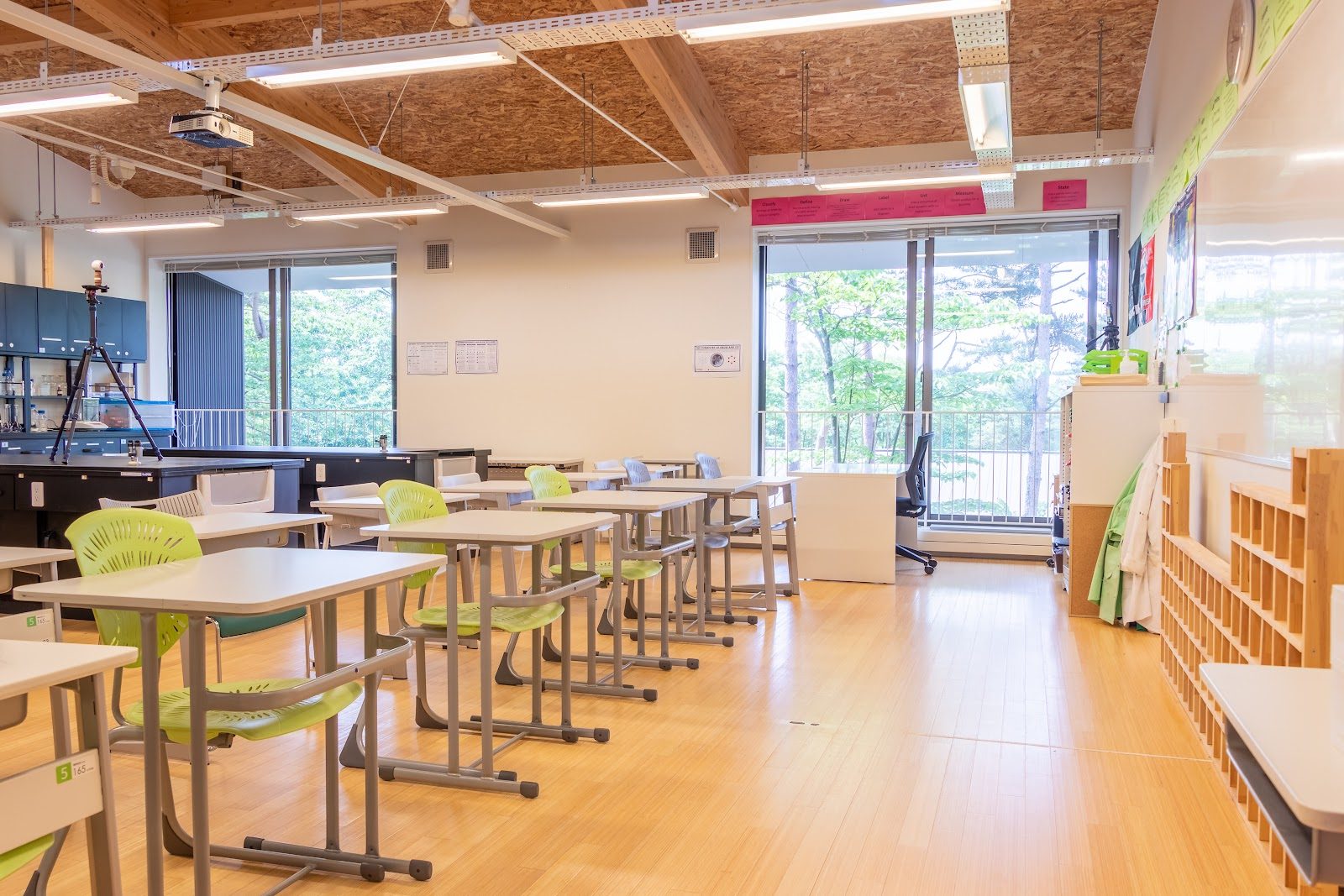
UWC ISAK Japan
Karuizawa · Japan
Japan's only UWC campus, tucked on Mount Asama, where seven in ten students study on need-based scholarship.
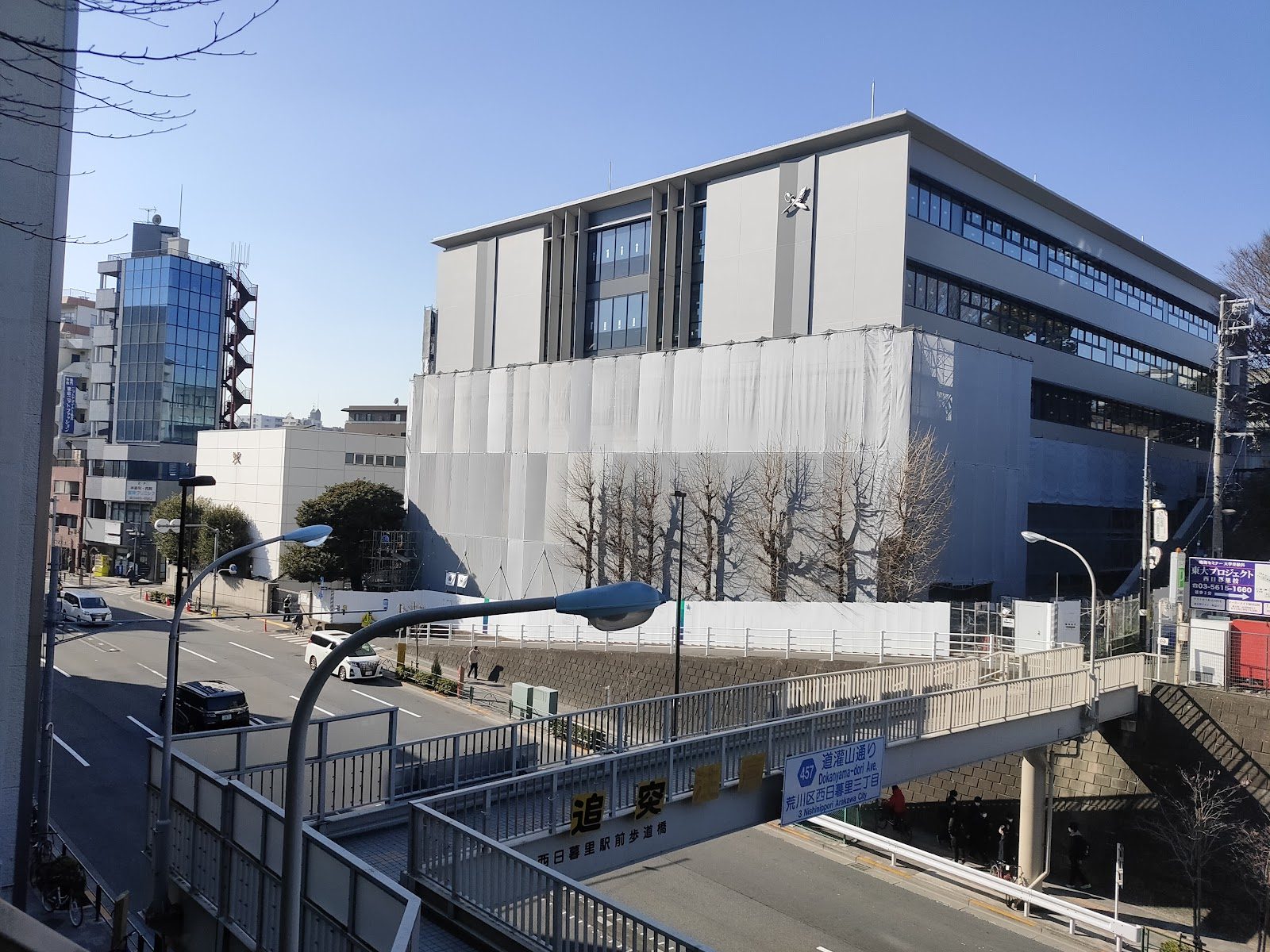
Kaisei Academy
Tokyo · Japan
An 1871 all-boys day school in one of Tokyo's densest wards, a perennial University of Tokyo feeder now adding IB and AP tracks abroad.
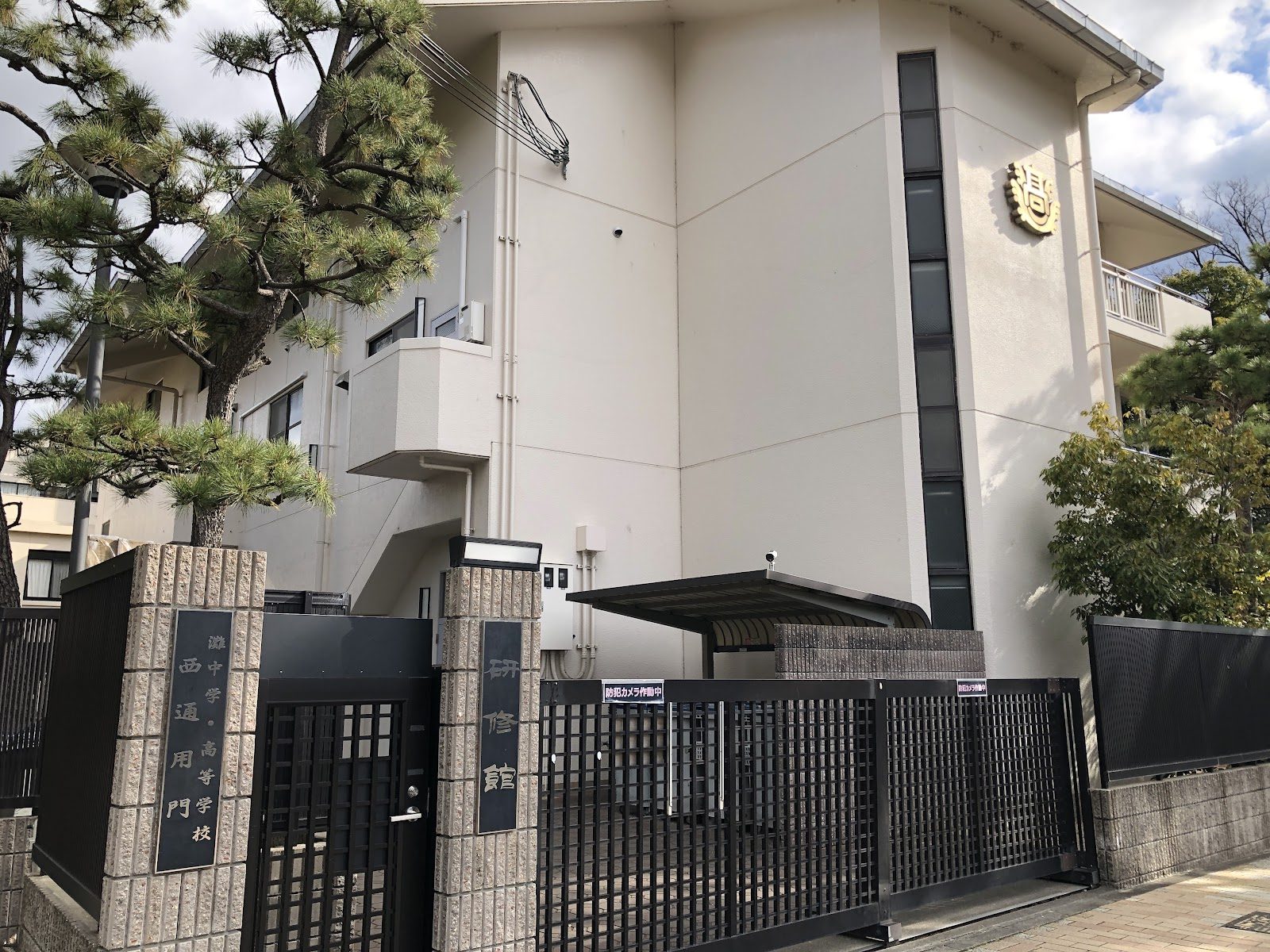
Nada High School
Kobe · Japan
Founded by Kobe sake brewers with judo's creator as an advisor, this uniform-free campus channels students straight into Tokyo and Kyoto University.
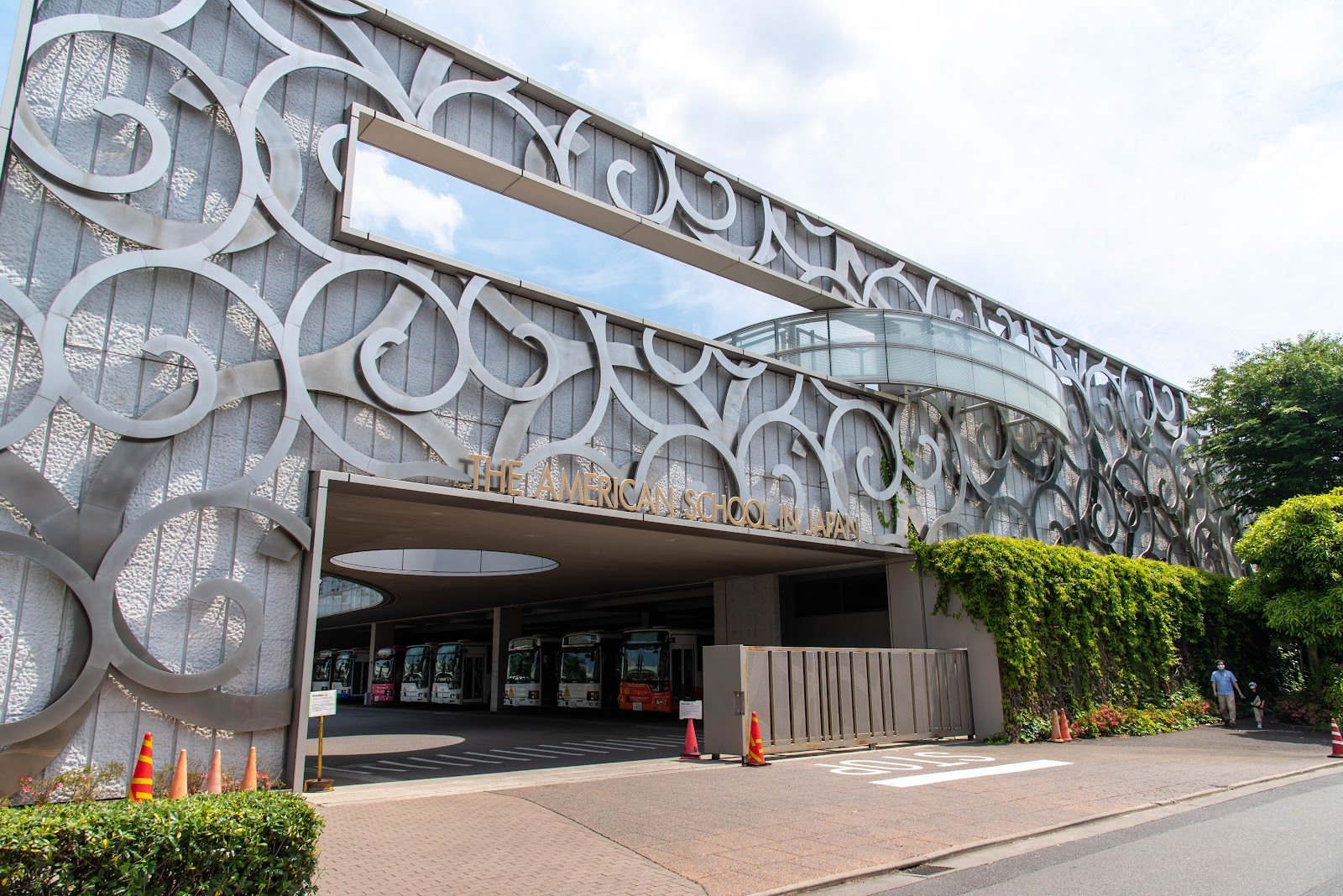
The American School in Japan
Tokyo · Japan
Rooted in Chofu since 1902, its early campus plans once drew sketches from Frank Lloyd Wright himself.
Same country and curriculum — closest matches within ±10 points either way