
Tokyo
Rooted in Chofu since 1902, its early campus plans once drew sketches from Frank Lloyd Wright himself.
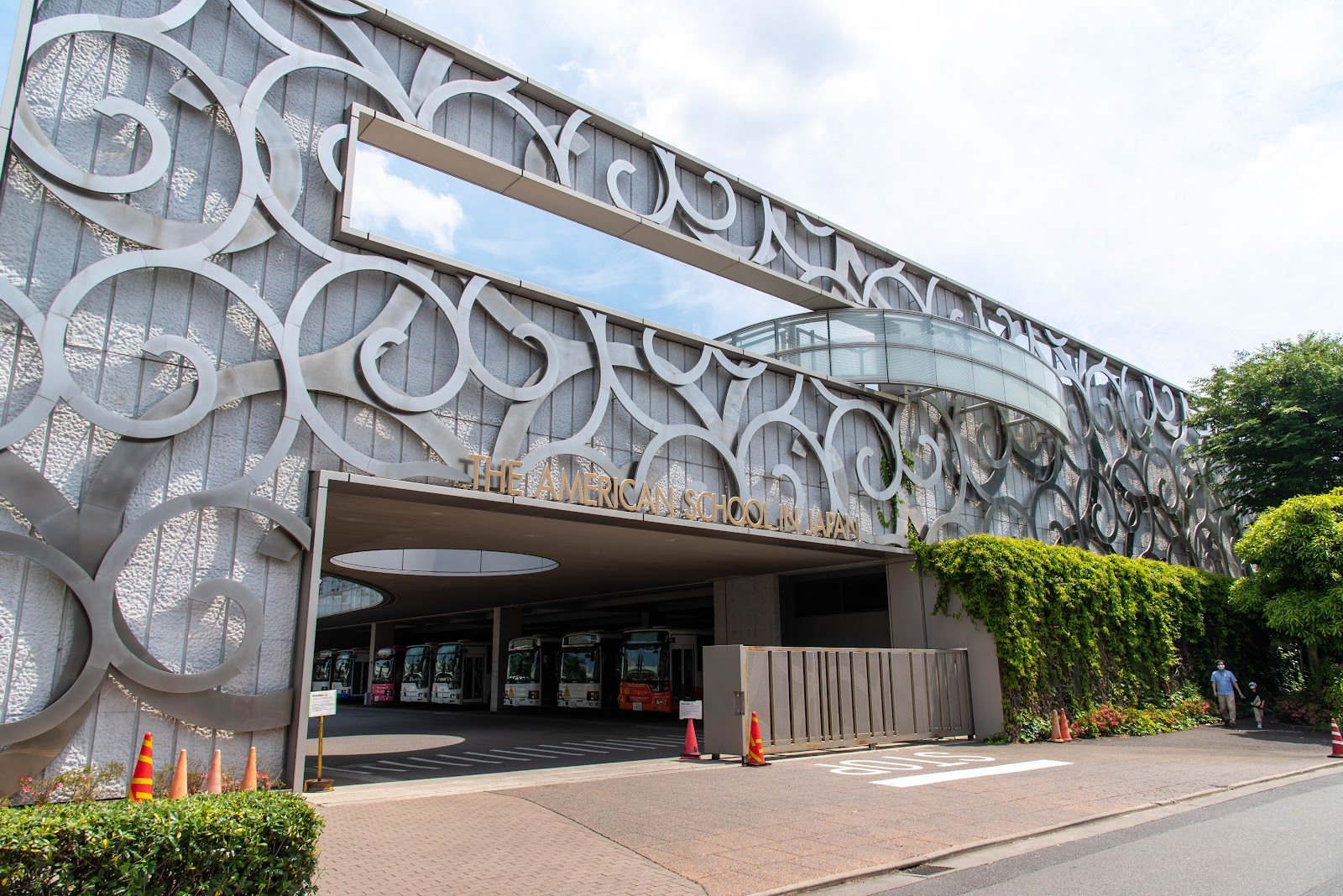
Photo © Masahiko Motono via Google Maps
Type
Day
Ages
3–18
Curriculum
American
Ratio
—
The Verdict
Editor's commitment
Right for
Tokyo families who want a non-religious American curriculum from age 3 to 18, with IB and CIS accreditation.
Wrong for
Parents chasing low fees, Japanese-medium teaching or boarding; ASIJ is day-only in Chofu and averages JPY 3,407,000 a year.
Watch out for
Recent destinations list Barnard College, Boston College and Boston University, one student each; the school does not publish broader outcomes here.
Ranking breakdown
The American School in Japan · #144 of 1591
Composite score 76.0. 8 weighted criteria.
By criterion
Academic Outcomes
Weight 20%
#334
of 1529 scored
University Placement
Weight 16%
#263
of 1529 scored
Prestige & Heritage
Weight 12%
#188
of 1571 scored
Alumni Network
Weight 12%
#117
of 1530 scored
Facilities
Weight 12%
#37
of 1533 scored
Transparency & Communications
Weight 8%
#62
of 1532 scored
Peer & Industry Review
Weight 10%
#164
of 1548 scored
Admissions Selectivity & Demand
Weight 8%
#760
of 1529 scored
Score history
The American School in Japan · 2026
Movement across 2024–2026. Peer average overlaid.
Overall — 2024–2026
76.0/ 100
▲ +16.2 vs 2025
year on year
Peer & Industry Review
How The American School in Japan is regarded in the sector
90
Top-tier · high confidence
The American School in Japan (ASIJ) is consistently cited as one of the oldest and most prestigious international schools in Tokyo, frequently referenced in expat parent forums (e.g., GaijinPot, Tokyo Families) and specialist directories like International Schools Database and ISS as a top-tier choice alongside Nishimachi and British School in Tokyo. It has a large, notable alumni network including business leaders and diplomats' children, and is regularly benchmarked by peer international schools in Japan due to its long history (founded 1902), IB and AP offerings, and strong college placement record referenced in college counseling circles.
Evidence sources
Editors' overview
Rooted in Chofu since 1902, The American School in Japan has the advantage that matters most in Tokyo’s international market: institutional depth. This is not a start-up international school trading on a glossy campus and a borrowed brand. It is a long-established, non-religious day school for ages 3 to 18, teaching in English, with an American curriculum and accreditations from both IBO and CIS. That combination gives it a clear identity. Parents who want an unabashedly American schooling experience in Japan, without the ambiguity that dogs some “international” schools, will find it here. The school’s own description of a two-campus set-up with multi-function spaces also points to serious physical scale, not a compact city-centre operation squeezed into a tower block.
ASIJ sits at the top end of the market. The average annual day fee across the full age range is 3,407,000 JPY. That price buys more than location and longevity. The school has a global alumni network of over 7,500 and a verified notable-alumni floor of 17 catalogued figures in Wikidata, spanning scientists, musicians, artists and screen talent, with 1 star-tier drama award among them. That matters because alumni breadth tells you something about a school’s culture: ASIJ has produced graduates who move into public creative and intellectual life, not just conventional corporate routes. Recent destinations listed in the context include Barnard College, Boston College and Boston University. That is a slim sample, not a brag sheet, and it still reinforces the school’s American orientation.
What is special about ASIJ is its old-established confidence. It does not need to cosplay as British, IB-only or bilingual to broaden its appeal. The school knows what it is. That will suit internationally mobile families heading to or from the US system, children who thrive in a large and unambiguously international peer group, and students who want a school with visible reach beyond Japan. It will also suit families who value community continuity; a school founded in 1902 and still trading on an active alumni body has social ballast that newer schools cannot manufacture.
This is not the right fit for every child. Families hunting for a cheaper option, a strongly local Japanese academic environment, or a school with a religious ethos should look elsewhere. ASIJ belongs on a shortlist for parents who want serious institutional heft, a clear American pathway, and a Tokyo school with genuine historical standing rather than imported prestige. For the right student—outward-facing, adaptable, and comfortable in a high-fee, high-expectation international setting—it is a compelling choice.
Academic Performance
ASIJ offers Advanced Placement in the high school and pairs that with concurrent enrolment and personalised options such as IMPACT. That gives older students a recognisably American senior-school route, but the school does not publish the aggregate exam data that would let parents judge how strong that route is in hard comparative terms. There is no public table of AP participation, no mean AP score, no share of grades at 4 or 5, and no published university-matriculation spread beyond a small recent-destinations sample. For a school at this fee level and with this reputation, that opacity is a real weakness. It forces parents to rely on anecdote, counsellor access and brand confidence rather than a clean academic ledger.
Relative to peers, ASIJ sits in the group of long-established international schools whose leavers feed into selective Anglophone universities, but it gives the market less public performance data than the best-disclosing schools. That does not mean weak outcomes; it means limited scrutiny. The school’s age range, scale and deep alumni base point to a mature college-guidance operation, and the named destinations in the verified sample are solid. Still, “solid” is not the same as top-decile proof. In academic-performance terms, ASIJ reads as a high-trust institution: parents buy into the pathway, the counselling and the long record, but they do so without the benefit of school-wide external-results reporting. For data-driven families, that is the central fact.
Facilities
ASIJ’s physical set-up stands out in Tokyo because it is not confined to a single compact urban site. The school runs across two campuses, with the early years in Roppongi Hills and the main school divisions in Chofu. That split matters. For younger children, a central-city early learning base suits expat family life; for older pupils, a dedicated main campus gives the school room that many Tokyo competitors lack. ASIJ itself points to multi-function spaces and world-class facilities; stripped of the brochure phrasing, the underlying point still holds. Space is a serious competitive advantage in this market, where many international schools operate within tighter footprints and accept compromises on play, sport and specialist teaching areas. The headline co-curricular offer — more than 170 activities — also implies a campus infrastructure that can absorb breadth, not just core lessons.
Against peer schools, the strength here is scale and operational maturity rather than architectural novelty. Parents choosing between top-tier international options in Tokyo will find that ASIJ offers a more expansive physical environment than city-centre schools squeezed into commercial districts, and a more coherent all-through platform than schools stitched together from smaller sites. The trade-off is obvious: a split-campus model demands logistics, and families with children in different phases need to think carefully about daily movement across the city. Still, for sport, activities, and the *practical business of giving children room, ASIJ is in the top bracket* locally.
Rooted in Chofu since 1902, The American School in Japan has the advantage that matters most in Tokyo’s international market: institutional depth
Prestige
ASIJ carries real prestige in the Tokyo market because it has the traits parents and universities both notice: longevity, scale, a clear educational identity, and an alumni body with reach beyond the school gates. The alumni network alone — over 7,500 globally — gives it social weight that newer international schools do not have. The verified notable-alumni floor also matters: 17 catalogued figures across the arts, scholarship and public cultural life is not trivia; it signals a school whose graduates surface in fields that attract scrutiny and competition. Add a student body drawn from 59 countries and ASIJ’s prestige reads as international rather than parochial. This is not cachet built on branding. It is institutional capital accumulated over time.
That prestige has limits, and they are worth stating. ASIJ does not publish the kind of whole-school outcomes data that would convert reputation into hard-edged academic proof. So the school’s standing rests more on history, network, university counselling confidence and market position than on transparent score-sheet dominance. In practical terms, that still puts it in the top rank of American-oriented international schools in Japan: well known, well connected, and taken seriously by mobile professional families. But prestige here is earned through stature and continuity, not through public exam-table theatre. For many parents, that distinction matters.
Still, for sport, activities, and the practical business of giving children room, ASIJ is in the top bracket locally
Communications
ASIJ’s parent communications infrastructure is stronger than average because the school has built clear channels for distinct audiences rather than dumping everything into one generic front door. The public site signposts admissions, visits, tuition, FAQs, safeguarding, leadership, board governance and parent engagement without much friction. Current families also get named community portals — The Gate, The Workroom, the Alumni Portal and Edsby — which tells you the school runs communication through a structured digital ecosystem, not scattered email chains and ad hoc PDFs. That matters in a school operating across two sites and serving an internationally mobile parent body. The admissions copy is plain about process, and the employment section is equally direct: outside applicants need approved recruiter profiles and direct applications are not considered. That kind of procedural clarity usually reflects a school that values orderly communication internally as well.
The weakness is tone. Parts of the website lapse into institutional self-congratulation — “leading”, “world-class”, “stories” — and serious parents will need to read past that. More importantly, the school communicates culture and opportunity better than it communicates outcomes. There is plenty on values, spaces and community life; there is less hard comparative data for parents who want a forensic account of academic results and post-school destinations. So the verdict is clear: communications are well organised, polished and operationally competent, with enough structure to support a large community and two campuses, but not fully transparent in the areas that matter most to data-driven families.
Uniqueness
What sets ASIJ apart is not a single selling point but a rare combination that few schools in Japan can match: deep-rooted permanence, a genuinely international intake, and an educational structure built for families who move in and out of global assignments. The student body spans 59 nationalities, with Wikipedia noting that about two thirds are children of internationally mobile families and the remaining third are Japanese students who speak English. That mix gives the school a social character distinct from both embassy-compound schools and local private schools with an international veneer. Children grow up among peers for whom movement, adaptation and cross-border identity are normal, not exceptional. The separate early learning centre in Roppongi Hills also gives the school a practical foothold in central Tokyo before pupils move into the main Chofu campus for the rest of their schooling.
The other distinctive feature is institutional confidence. ASIJ has the scale to run more than 170 co-curricular activities and the alumni body to sustain a global network long after graduation. That brings tangible benefits: broader friendship circles, stronger extracurricular range, and a school culture that pushes students beyond classroom competence into public performance, leadership and creative work. The risk is clear too. Large, high-status schools reward children who can navigate busy social ecosystems and make active use of the opportunities on offer. For the right student, that environment is expansive, world-facing and unusually well connected.
Parts of the website lapse into institutional self-congratulation — “leading”, “world-class”, “stories” — and serious parents will need to read past that
Student Profile
ASIJ suits children who are comfortable in a *big, high-functioning international crowd* and parents who want their son or daughter educated among peers for whom movement between countries is normal. The intake is drawn from 59 nationalities, with a large share of students from families on overseas assignments and a substantial Japanese cohort working in English. That mix favours adaptable, socially confident pupils who can build friendships quickly, handle turnover in the community and take new arrivals in their stride. It also suits children who enjoy being around classmates with different reference points, accents and home cultures. A shy child can still do well here, but this is not the easiest setting for one who needs a very small social world or heavy adult orchestration to settle.
The best fit is a student who wants range and will use it. With more than 170 activities across the school, ASIJ rewards initiative: pupils who audition, try out, volunteer, perform, lead and recover well from not getting every role first time. The school’s own language around inquiry, independence and intellectual risk-taking points in the same direction. This is a self-starting student body, or at least a school that expects children to grow into one. Families looking for a tight, highly sheltered environment, or for a strongly local peer culture, will find the social texture here too broad and the pace too demanding. For outward-facing children, it is a rich, adult-adjacent environment with plenty of room to stretch.
Children grow up among peers for whom movement, adaptation and cross-border identity are normal, not exceptional
Co-curricular strengths
Arts & sport, on a separate axis
Overall 8.94/10
Scored 0-10 from the school's own published evidence. This axis is editorial-only — it does not feed the main WTS ranking.
Sports
9.2/10
'substantial indoor and outdoor provision' for sport, says ASIJ supports 'serious PE, competitive sport, and after-school programmes,' and lists varsity basketball, varsity soccer, and a swimming team, which together evidence a notable, well-resourced sports programme.
Drama
8.8/10
Drama is evidenced by listed 'Theater Productions' and 'performance venues,' and the verified Oscar-winning alumna Joan Fontaine anchors drama at at least 7 under the alumni override rule.
Dance
8.5/10
Music
9.2/10
Jazz Band, and specialist arts provision and 'performance venues,' which supports a notable music offering with dedicated performance infrastructure.
Visual Arts
9/10
'dedicated visual arts and design spaces,' which is direct evidence of specialist visual-arts facilities and clears the 6 threshold.
Editor first-pass · editor-reviewable · 7/28/2026
Outcomes & destinations
Where students go next
Top destinations
94 placements
- Barnard College· 1
- Boston College· 1
- Boston University· 1
- Brigham Young University· 1
- Brigham Young· 1
- Brown University· 1
- California Institute of the Arts· 1
- Carnegie Mellon University· 1
- Colby College· 1
- Colorado State University· 1
- Columbia University· 1
- Cooper Union· 1
- Cornell University· 1
- Dartmouth College· 1
- Duke University· 1
- Fashion Institute of Technology· 1
- Georgetown University· 1
- Georgia Institute of Technology· 1
- Harvard University· 1
- Harvey Mudd College· 1
- Johns Hopkins University· 1
- Kenyon College· 1
- Lewis & Clark College· 1
- Macalester College· 1
- Massachusetts Institute of Technology· 1
- Michigan State University· 1
- New York University· 1
- Northeastern University· 1
- Northwestern University· 1
- Occidental College· 1
- Pennsylvania State University· 1
- Princeton University· 1
- Purdue University· 1
- Rhode Island School of Design· 1
- Rice University· 1
- Smith College· 1
- St. Olaf College· 1
- Stanford University· 1
- Texas State University· 1
- The New School· 1
- Tufts University· 1
- University of California, Berkeley· 1
- University of California, Los Angeles· 1
- University of Chicago· 1
- University of Colorado Boulder· 1
- University of Michigan· 1
- University of Minnesota· 1
- University of Oregon· 1
- University of Pennsylvania· 1
- University of Richmond· 1
- University of Southern California· 1
- University of Virginia· 1
- University of Washington· 1
- Vanderbilt University· 1
- Vassar College· 1
- Wellesley College· 1
- Wesleyan University· 1
- West Point Military Academy· 1
- Yale University· 1
- De La Salle University Manila· 1
- Hong Kong University of Science and Technology· 1
- KAIST - Korea Advanced Institute of Science & Technology· 1
- Seoul National University· 1
- University of British Columbia· 1
- McGill University· 1
- University of Ontario Institute of Technology· 1
- Ryerson University· 1
- Simon Fraser University· 1
- University of Toronto· 1
- International Christian University· 1
- Keio University· 1
- Meiji University· 1
- Nagoya University· 1
- Osaka University· 1
- Sophia University· 1
- Temple University· 1
- Waseda University· 1
- American University of Paris· 1
- Amsterdam University College· 1
- ArtEZ Hogeschool voor de Kunsten· 1
- Brunel University London· 1
- Durham University· 1
- Goldsmiths, University of London· 1
- Imperial College London· 1
- Jacobs University· 1
- London School of Economics and Political Science· 1
- Nuova Accademia di Belle Arti Milano· 1
- University College London· 1
- University of Brighton· 1
- University of Edinburgh· 1
- University of Kent· 1
- University of Nottingham· 1
- University of St. Andrews· 1
- University of York· 1
Reported by the school. Confirm with admissions.
Notable alumni · Wikidata
17notable alumni
4 historic (born pre-1930) · 6 modern (born post-1970)wikidata:2026-07-28 How we source this
WTS 300 badge
2025/26 editionThe American School in Japan is one of the World's Top 300 Schools for 2025/26. Claim your listing to add it to your site →
Strengths
- +Founded in 1902, ASIJ is one of the earliest providers of English-medium education in Japan, giving it over a century of continuous institutional history.
- +The school draws a genuinely international community, a co-educational private day school located in Chōfu, Tokyo, with over 50 nationalities represented.
- +College counselling outcomes are strong, with approximately 73% of graduates matriculating to universities in the United States, including Harvard, Yale, Princeton, Stanford, Columbia, and MIT.
- +Two purpose-built campuses serve different age groups: the Early Learning Center (nursery, pre-kindergarten, kindergarten) in Roppongi and the Chofu campus in western Tokyo (kindergarten-grade 12).
- +The school carries recognised external quality assurance, accredited by WASC, and maintains membership in the National Association of Independent Schools.
Considerations
- −Fees are steep even by international-school standards: high school tuition at ASIJ translates to roughly USD 26,000-30,000 per year, placing it firmly among the most expensive international schools in Japan.
- −The main campus sits outside of central Tokyo in Chofu, meaning many families rely on a long bus commute rather than a walkable neighbourhood school.
- −Places are tight: ASIJ is highly selective, demand for places, particularly in the middle and high school years, consistently exceeds availability, and waiting lists are common, with priority often going to corporate-sponsored or already-enrolled families.
- −The school has a documented historical failure of child protection: a former teacher had sexually abused students during his tenure from 1963 to 1988, which the current administration and board stated they found out about in November 2013, a legacy that prompted alumni calls for independent investigation.
Availability
Primary entry gate & tests
Academic Record + priority lanes
Gallery
Photo © The American School in Japan via Google Maps
Photo © The American School in Japan via Google Maps
Photo © The American School in Japan via Google Maps
Photo © The American School in Japan via Google Maps
Photo © The American School in Japan via Google Maps
Photo © The American School in Japan via Google Maps
Photo © The American School in Japan via Google Maps
Photo © The American School in Japan via Google Maps
Photo © The American School in Japan via Google Maps
Parent reviews
Have you sent your child here?
Voice reviews carry the strongest trust badge — we transcribe them for you to tidy up before they go live. Prefer to type? A written review is fine too.
Add your voice
In 60 seconds, tell other parents: what's the best thing about The American School in Japan, and what surprised you when your child joined?
We ask for a Google sign-in so every review has a real face behind it — no anonymous drive-by attacks on schools, and no faked positive reviews. Your email is never shown publicly.
Send this profile to a friend
International parents rely on word-of-mouth. Share this review with someone weighing the same decision.
Schools with places
Similar schools to The American School in Japan with places available now.
Kaisei Academy
Tokyo · Japan
- 2026-27
- CLOSEDStandard route
- 2027-28
- OPENS SOONOpens Late '26
International School of the Sacred Heart
Tokyo · Japan
- 2026-27
- WAITPOOLSpace-dependent
- 2027-28
- PLACES OPENRolling
Christian Academy in Japan
Tokyo · Japan
- 2026-27
- WAITPOOLSpace-dependent
- 2027-28
- PLACES OPENRolling
Nishimachi International School
Tokyo · Japan
- 2026-27
- WAITPOOLSpace-dependent
- 2027-28
- PLACES OPENRolling
Availability first, then country, area, curriculum, price, co-curricular
Consider also
Also worth looking at alongside The American School in Japan.
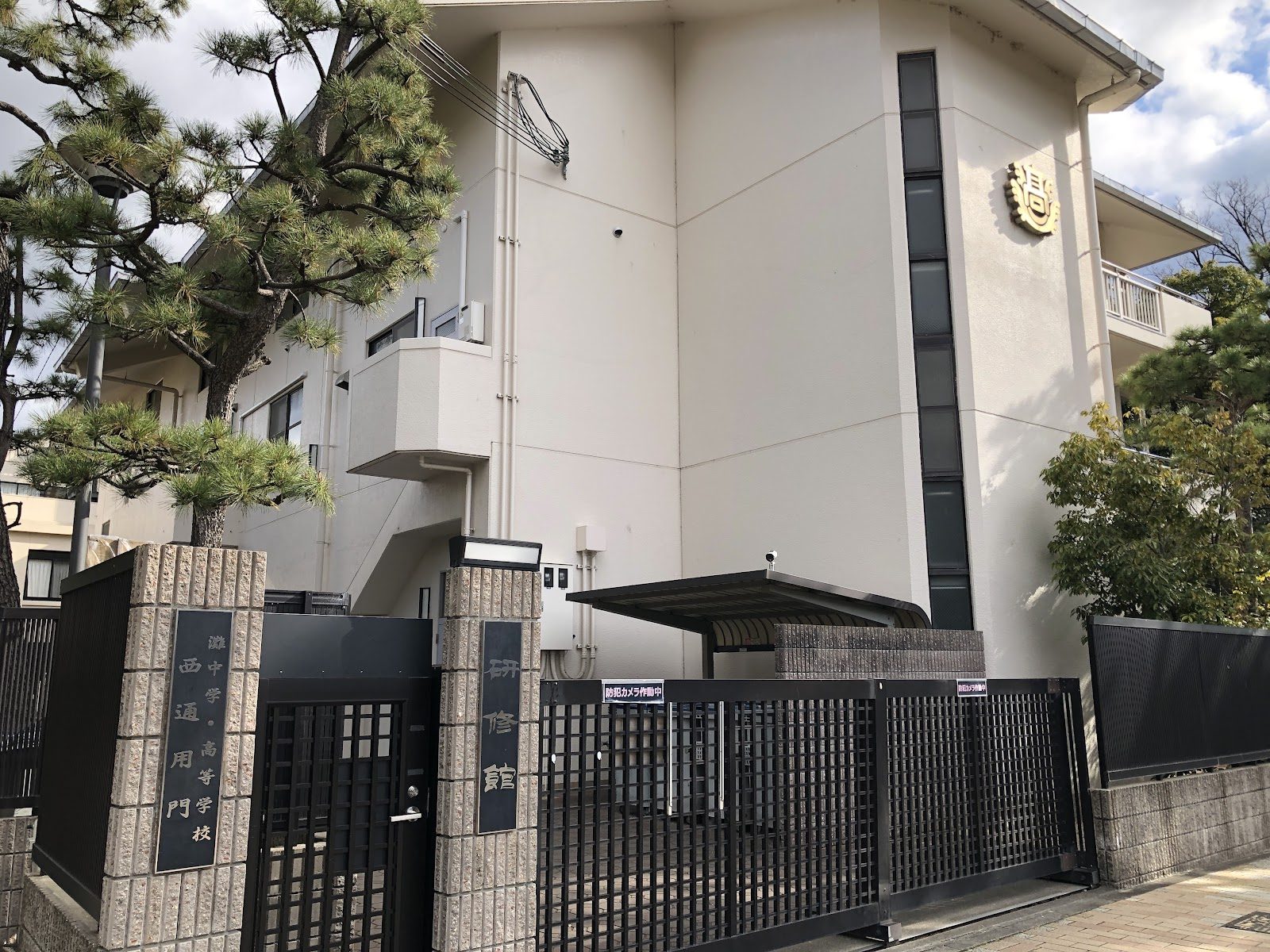
Nada High School
Kobe · Japan
Founded by Kobe sake brewers with judo's creator as an advisor, this uniform-free campus channels students straight into Tokyo and Kyoto University.
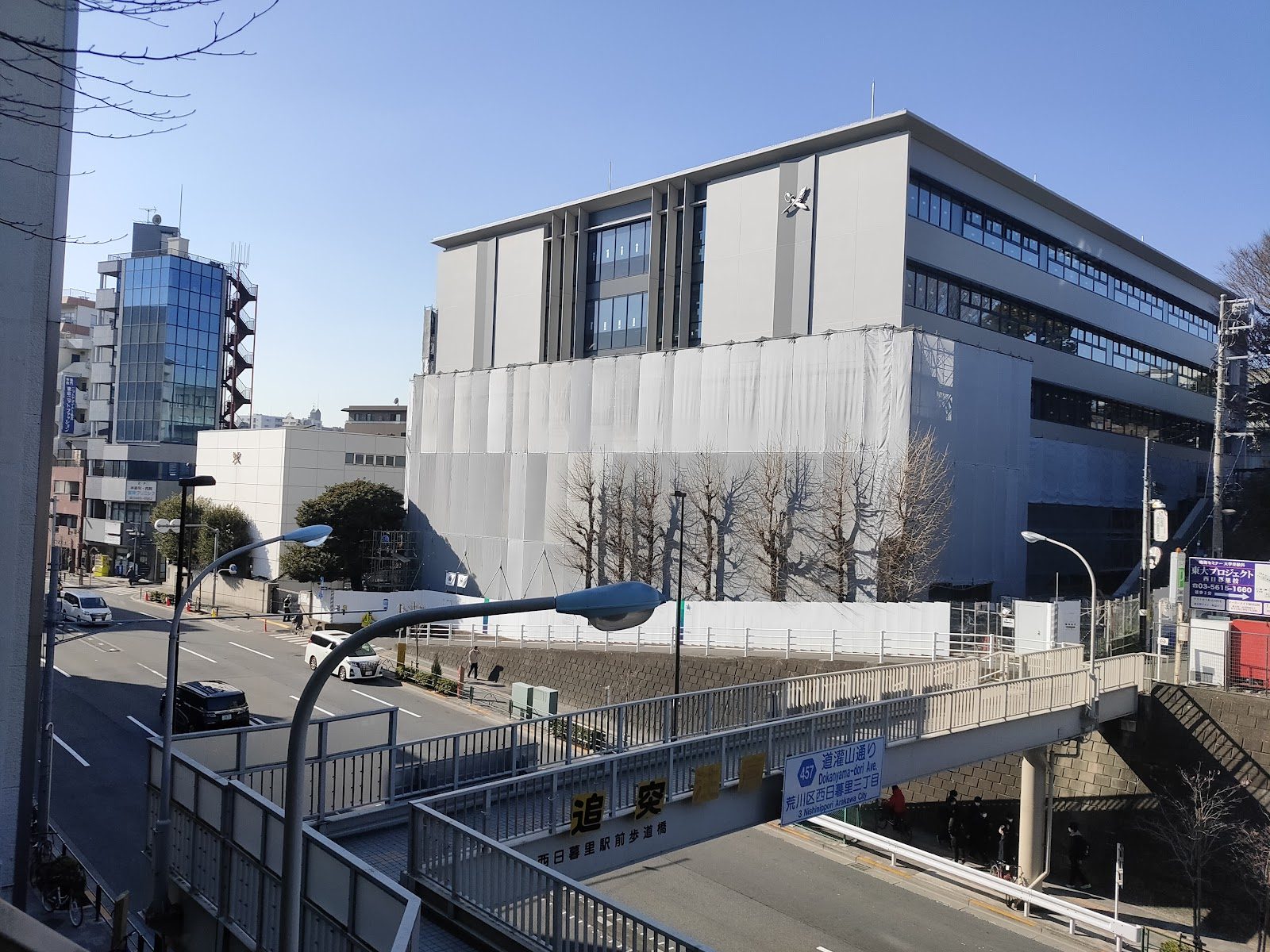
Kaisei Academy
Tokyo · Japan
An 1871 all-boys day school in one of Tokyo's densest wards, a perennial University of Tokyo feeder now adding IB and AP tracks abroad.
International School of the Sacred Heart
Tokyo · Japan
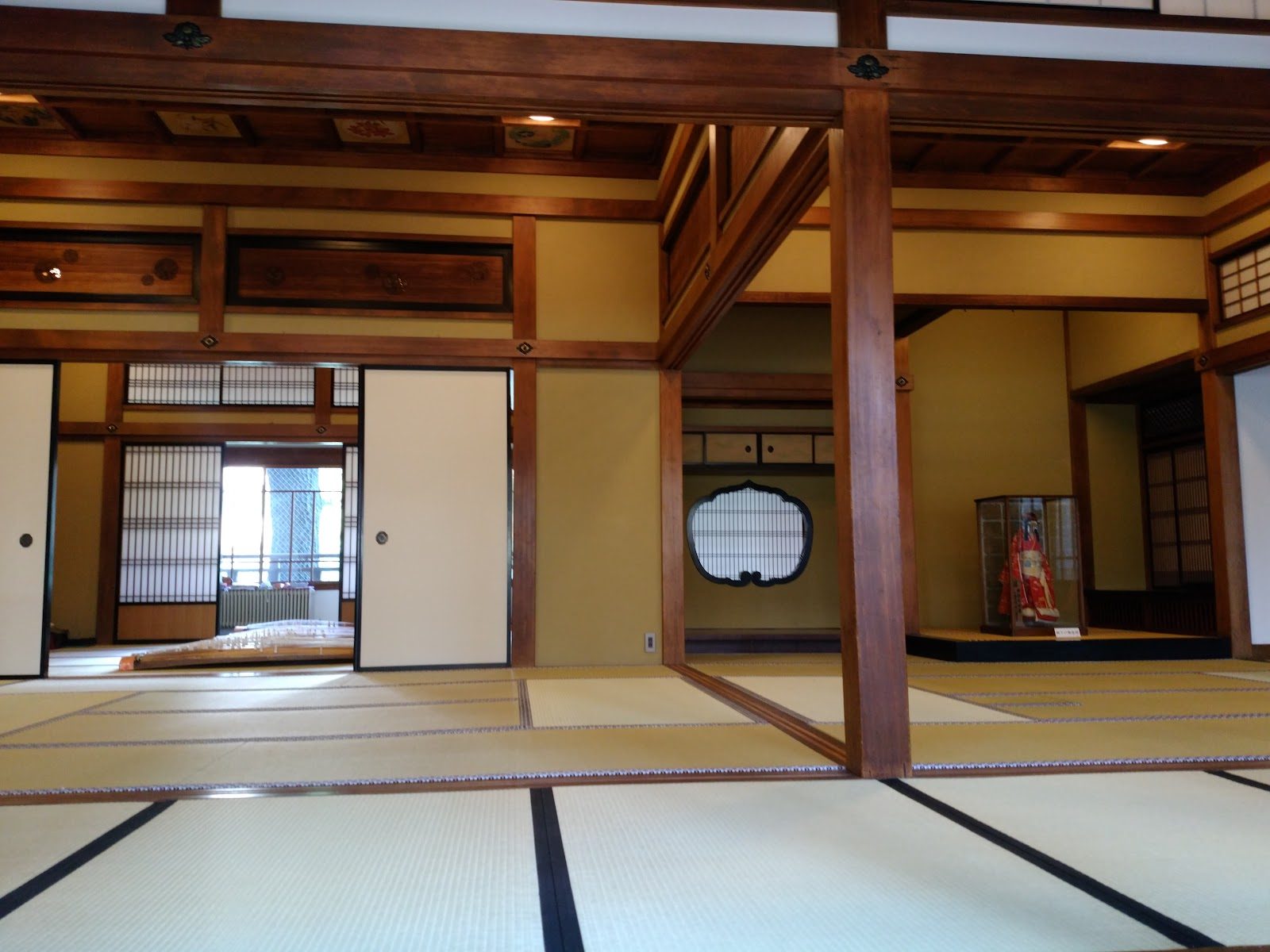
Since 1908, a wooded Hiroo campus anchors Japan's oldest all-girls international school, blending Sacred Heart values with 23 AP courses.
Saint Maur International School
Yokohama · Japan
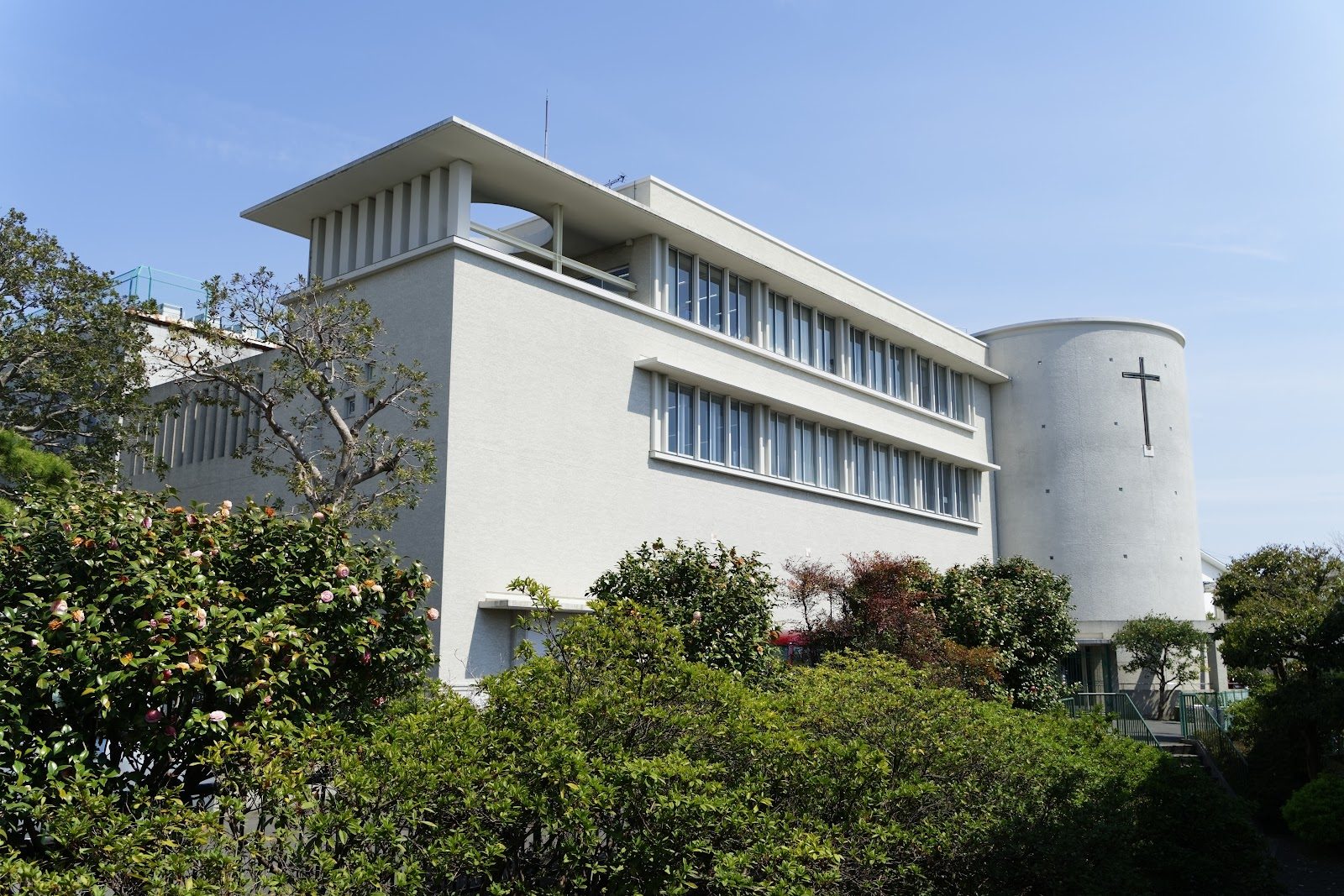
Founded by missionary nuns in 1872, Yokohama's Yamate hillside campus still runs Asia's oldest international school, Montessori through IB
Same country and curriculum — closest matches within ±10 points either way