
Tokyo
International School of the Sacred Heart
medium confidence· 4/6 cats · 2.71 avg sourcesSince 1908, a wooded Hiroo campus anchors Japan's oldest all-girls international school, blending Sacred Heart values with 23 AP courses.
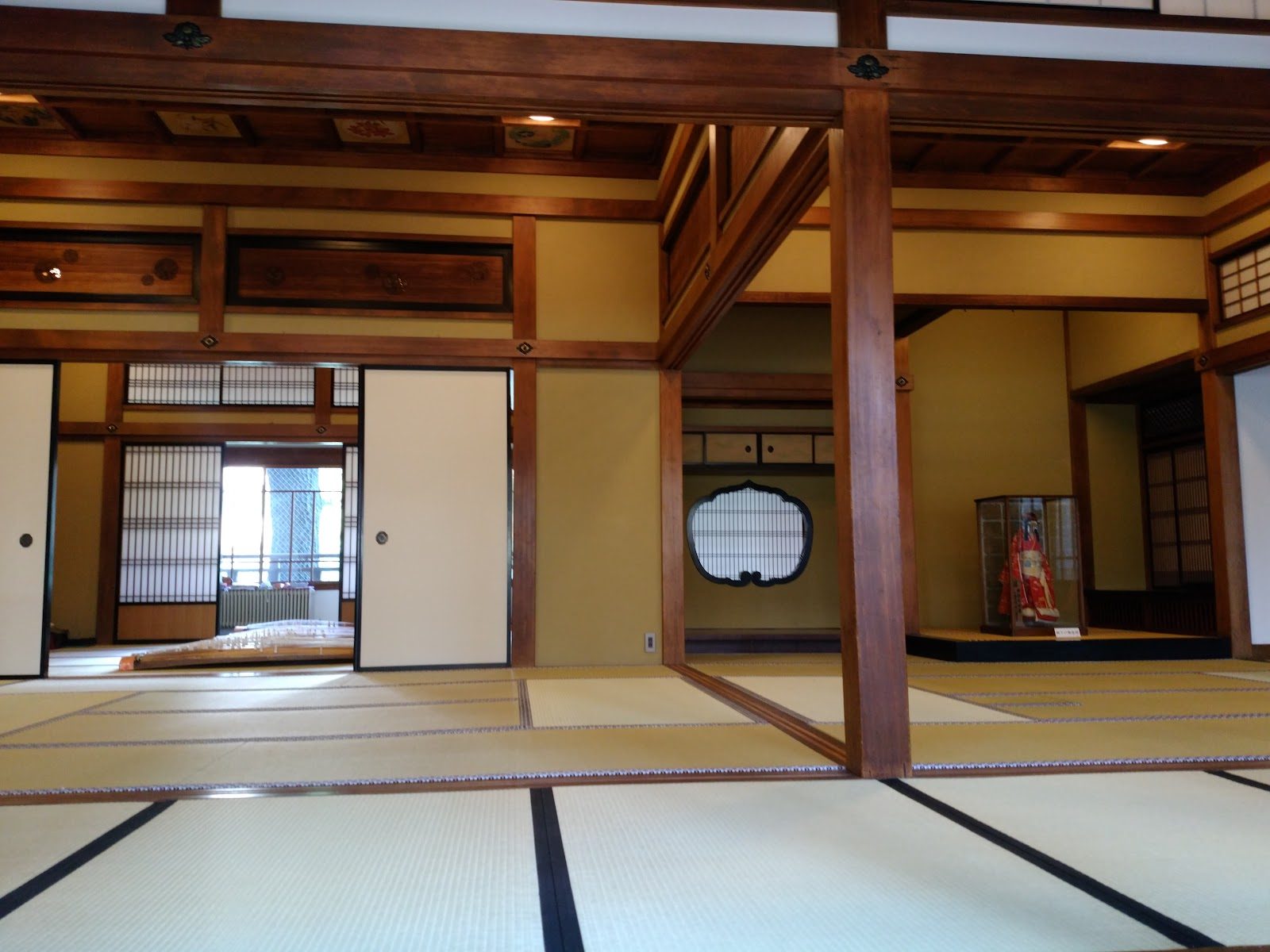
Photo © souchoukan souchoukan via Google Maps
Type
Day
Ages
3–18
Curriculum
American
Ratio
1:8
The Verdict
Editor's commitment
Right for
Girls who want a 3–18, all-girls American school in Tokyo with 23 AP courses, a 1:8 ratio and Catholic grounding.
Wrong for
Families wanting co-education, boarding or a secular ethos; this is a day school in Hiroo, Catholic, and girls-only from age 3 to 18.
Watch out for
The average annual fee is JPY 2,736,000, and the IB World School badge matters less here than the school’s declared American programme.
Ranking breakdown
International School of the Sacred Heart · #348 of 1591
Composite score 71.4. 8 weighted criteria.
By criterion
Academic Outcomes
Weight 20%
#450
of 1529 scored
University Placement
Weight 16%
#516
of 1529 scored
Prestige & Heritage
Weight 12%
#262
of 1571 scored
Alumni Network
Weight 12%
#158
of 1530 scored
Facilities
Weight 12%
#569
of 1533 scored
Transparency & Communications
Weight 8%
#288
of 1532 scored
Peer & Industry Review
Weight 10%
#424
of 1548 scored
Admissions Selectivity & Demand
Weight 8%
#888
of 1529 scored
Score history
International School of the Sacred Heart · 2026
Movement across 2024–2026. Peer average overlaid.
Overall — 2024–2026
71.4/ 100
▲ +24.8 vs 2025
year on year
Peer & Industry Review
How International School of the Sacred Heart is regarded in the sector
65
Respected · medium confidence
The International School of the Sacred Heart Tokyo is consistently listed among Tokyo's top international schools in expat-parent guides (e.g., Savvy Tokyo, Tokyo Families, GaijinPot) and benefits from its affiliation with the global Sacred Heart network, which carries independent institutional prestige. However, it receives less specialist press coverage (Tatler, Good Schools Guide) compared to schools like the American School in Japan or British School in Tokyo, and lacks the extensive documented alumni-network visibility of top-tier global institutions.
Evidence sources
Editors' overview
A wooded Hiroo campus gives International School of the Sacred Heart a physical identity that many Tokyo schools lack: this is not a tower block school making do with city constraints, but an established all-girls campus with room for a turf field, tennis courts, a gymnasium, chapel and specialist labs. That matters, because ISSH sells a full-school experience rather than a narrow academic conveyor belt. It has operated since 1908, making it Japan’s oldest all-girls international school, and it still occupies a distinctive niche: Catholic, English-medium, American curriculum, girls only, and firmly day-school rather than boarding. The academic offer has more edge than the school’s gentle name implies. Sixth form pupils can choose from 23 AP courses, and the school holds CIS and WASC accreditation as well as IB World School status. The 1:8 student-teacher ratio points to real adult attention, not mass delivery.
What puts ISSH on a shortlist is the combination of seriousness and shelter. Many parents want a girls’ school without a brittle, hothouse culture; ISSH’s strongest selling point is that it gives structure, ambition and visible pastoral intent without turning itself into a machine. The Sacred Heart framework will suit families who want faith-inflected values and service to be explicit rather than tucked away in a mission statement. The school’s public emphasis on leadership from K3 to Grade 12, a long-running Nepal partnership, and participation in Far East Association sport shows a programme with breadth as well as conscience. The average annual day fee is JPY 2,736,000, which places it in the expensive bracket, but not at the outer edge of top-tier international-school pricing in Tokyo.
The right student for ISSH is a girl who will use a smaller, relational environment well: academically capable, happy in an all-female setting, and open to a school culture that takes community, service and conduct seriously. This is a strong fit for families who want American-style university preparation in Tokyo without giving up a grounded, values-led atmosphere. It is less compelling for parents seeking a hard-driving co-ed environment, a secular ethos, or published headline exam data; the school talks confidently about matriculation and university readiness, but it does not publish aggregate AP results in the public domain. Even so, ISSH has a clear market position: a long-established, self-possessed girls’ school with credible academic stretch, a rare central Tokyo campus, and a community model that will feel deeply reassuring to the right family.
Academic Performance
Academic performance is the one area where ISSH asks parents to trust the school more than it should. The academic architecture is serious: 23 AP courses, a college-preparatory upper school and a steady record of graduates moving on to selective universities across the US, UK, Japan, Australia and Canada. That places it in the credible academic tier of Tokyo international schools rather than the merely pastoral one. The low staffing ratio also matters here; in a school of this size, pupils get close adult supervision and less room to drift. For able girls who thrive with structure, that can convert into strong individual outcomes.
The gap is public exam transparency. ISSH does not publish aggregate AP scores, pass rates, score distributions or any benchmarked attainment data in the public domain. That is a real weakness in a market where ambitious parents want proof, not reassurance. Relative to peers, ISSH sits in the group of academically respected schools whose reputation rests on university destinations, course breadth and institutional seriousness, but without the hard results disclosure that would move it into the fully evidenced top bracket. The conclusion is clear: this is a school with genuine academic substance, but not one that gives outside families enough numerical evidence to judge external examination performance with precision.
Facilities
Facilities are a genuine strength here because the school has what many central Tokyo competitors do not: space that supports a full programme rather than a compressed urban compromise. The wooded campus gives pupils room to move, and the core sporting provision is strong for a school of this size: an excellent gymnasium, a turf field, top-grade tennis courts and a large playground. That puts ISSH ahead of many city-centre peers that rely on rooftop play areas, shared municipal facilities or narrower indoor provision. For parents weighing daily school life, that difference is material: sport, break times and after-school activity happen in a setting that feels properly school-like, not improvised.
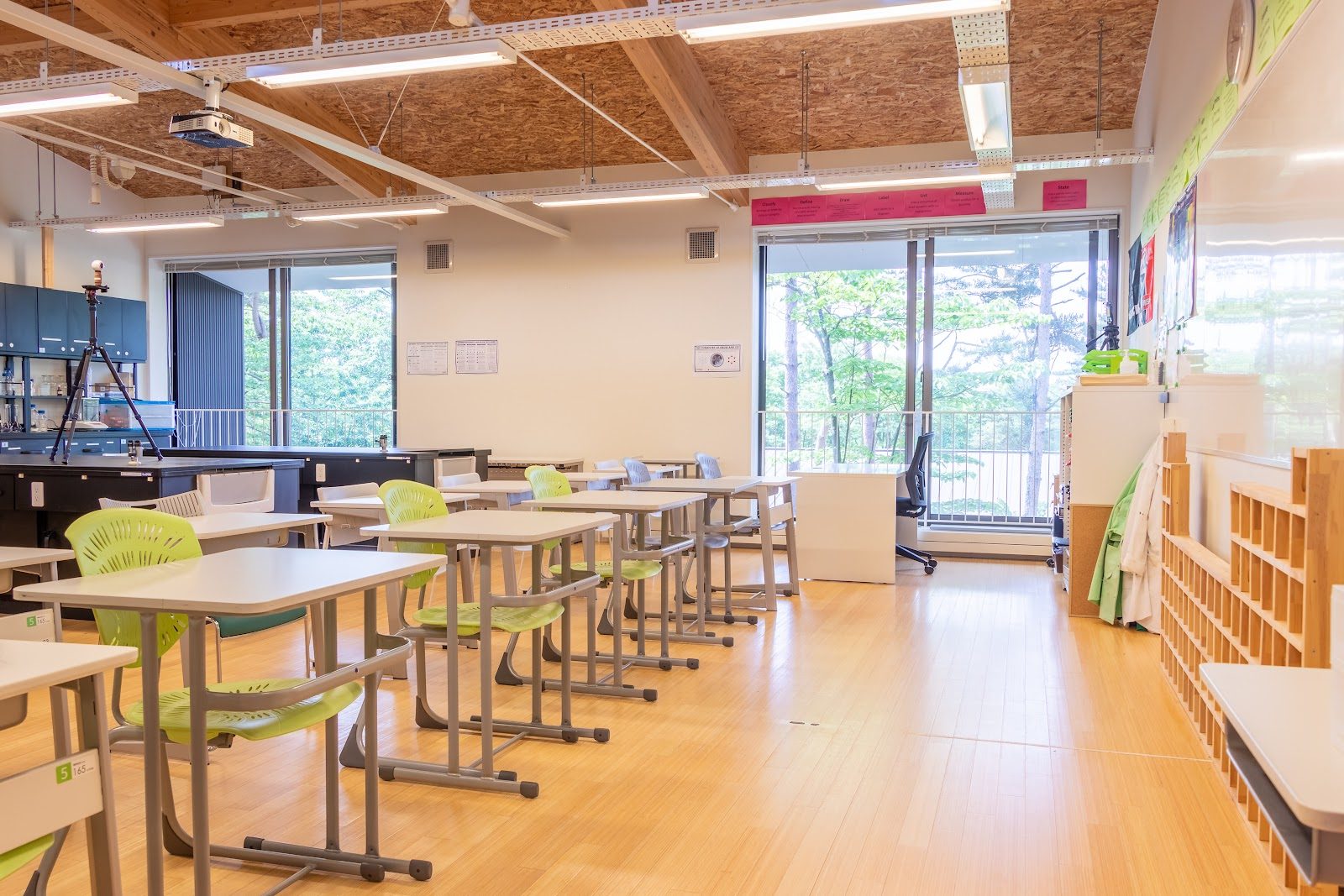
The specialist spaces also matter. ISSH has dedicated labs for art, science, ceramics and food technology, plus spacious multipurpose areas for drama, assemblies and receptions, alongside a chapel that reinforces the school’s Catholic identity. In peer terms, this is a well-rounded campus rather than a flashy one. There is no claim here of theatre-complex excess or elite-sport grandeur; the strength lies in breadth, usability and coherence. For a smaller girls’ school, that is impressively complete. Families looking for a self-contained day-school environment in Tokyo will rate this campus highly. Families chasing spectacular, resort-style infrastructure will find stronger visual statement elsewhere, but not many schools deliver a more balanced everyday estate.
That puts ISSH ahead of many city-centre peers that rely on rooftop play areas, shared municipal facilities or narrower indoor provision
Prestige
ISSH carries real social and institutional cachet in Tokyo’s international-school market, but it is a specific kind of prestige. This is not the prestige of brute scale, relentless results marketing or a global premium brand; it is the prestige of permanence, selectivity of identity and a school community that knows exactly what it is. Japan’s oldest all-girls international school still occupies a rarefied niche: Catholic, girls-only beyond kindergarten, and part of a worldwide Sacred Heart network. That gives it name recognition with internationally minded families who value continuity, formation and community over status theatre. Its alumni footprint adds weight. Wikidata alone records 13 notable alumni, including writers, journalists and screen figures, with 1 star-tier drama laureate. For a school of this size, that is serious cultural output.
The rating stops short of the absolute top prestige bracket for one reason: public proof of academic dominance is thin. ISSH has heritage, a well-defined social identity, strong university-preparation signals and the kind of parent appeal that travels well in diplomatic, expatriate and bilingual professional circles. It also benefits from a campus and programme breadth that reinforce the sense of an established, self-contained world. But prestige at the highest level now rests on visible outcomes as well as legacy, and ISSH does not publish aggregate AP performance. The result is quiet prestige, not noisy supremacy: high standing, strong recognition and durable respect, but without the data transparency that turns admiration into unquestioned elite status.
The rating stops short of the absolute top prestige bracket for one reason: public proof of academic dominance is thin
Communications
Parent communication looks deliberate rather than slick. The admissions side is the clearest example: the school runs weekly tours during term time, includes a guided walk with admissions staff and a Q&A with senior leadership, and keeps rolling admissions open through the year. That matters because it signals a school prepared to speak directly to families instead of funnelling everything through generic enquiry forms. The public-facing information also gives parents a usable outline of day-to-day school life: leadership opportunities from the earliest years onward, regional sports fixtures, arts provision, service commitments and the practical advantages of the campus. For a school with a strong internal culture, that level of openness counts. It tells parents what kind of community they are joining and what the school expects in return.
The limitation is depth. ISSH communicates ethos, belonging and programme breadth with confidence; it communicates measurable academic outcomes less well. Parents get a clear picture of values, facilities and co-curricular life, but not the aggregate exam data that would let them test academic claims independently. That weakens communication where hard evidence matters most in the senior years. Still, for families prioritising relationship and access, the signs are good: a low staffing ratio of 1:8, visible leadership presence in tours, and a school structure that lends itself to close-grained, high-contact parent relationships rather than bureaucratic distance. Effective on culture and access; insufficiently transparent on outcomes.
Uniqueness
What marks ISSH out is not one feature but an unusual overlap: a Catholic Sacred Heart school, co-educational in the earliest years, then girls-only through the senior grades, on a central Tokyo campus with enough land to function as a real school rather than a vertical city adaptation. That combination is rare. So is the balance it creates. Pupils get the clarity and social confidence that many families seek from girls’ education, but inside a school culture that puts equal weight on service, conduct, leadership and belonging. The Sacred Heart framework is not decorative branding; it shapes the moral tone of the place, from the chapel on campus to the school’s long-standing engagement with external service work. For students, that brings a more formed sense of responsibility than a standard college-prep model, and a community that is protective without being idle.
The other point of difference is the way ISSH combines intimacy with academic range. This is a small school with a low staffing ratio, yet the sixth form still has access to 23 AP courses, regional sport, debate, Model UN, council leadership, orchestra, choir and a full annual musical. That breadth in a school of this scale is hard to replicate. It gives girls room to build a serious academic profile without disappearing into a large, impersonal system. For the right student, the result is high-trust, high-attention schooling: adults know her well, expectations are clear, and there are enough outlets for ambition beyond the classroom.
That matters, because ISSH sells a full-school experience rather than a narrow academic conveyor belt
Student Profile
The girls who do well here are not chasing spectacle. They value a school where adults know them, standards of conduct are explicit and community life carries weight. ISSH suits students who are comfortable in a close-knit, high-accountability environment: girls who will participate, take on responsibility and accept that service, assemblies, councils, performances and team commitments are part of the shape of school life, not optional garnish. The all-girls structure from the main school upwards will work best for pupils who gain confidence from that setting rather than finding it socially narrow. The school’s Catholic character also matters. Families do not need to want doctrinal intensity, but they do need to be at ease with a moral framework that is visible, not nominal, and with a school culture that treats belonging and behaviour as serious business.
Academically, the best fit is a self-possessed student who wants range without anonymity. A pupil can build a strong senior course load here through 23 AP options, but she also needs to use the school’s intimacy well: ask for help, know her teachers, and step into leadership rather than hide in the middle. This is a strong home for girls who are steady rather than swaggering: articulate, organised, willing to work, and interested in more than grades alone. It is a weaker fit for students who want a hard-edged competitive culture, a secular atmosphere, or the social sprawl of a large co-educational school.
The academic offer has more edge than the school’s gentle name implies
Co-curricular strengths
Arts & sport, on a separate axis
Overall 9.1/10
Scored 0-10 from the school's own published evidence. This axis is editorial-only — it does not feed the main WTS ranking.
Sports
8.8/10
Broad sports programme (volleyball, basketball, soccer, tennis, swimming, cross-country) and cites an excellent gymnasium, turf field, top-grade tennis courts and large playground, which together evidence multiple dedicated facilities and structured provision.
Drama
9/10
Drama is explicitly listed, the campus includes multipurpose spaces for drama, assemblies and receptions, and a verified Oscar-winning alumna, Joan Fontaine, anchors the dimension at at least 7.
Dance
9/10
Music
9.5/10
The school offers choir and orchestra, describes choral and orchestra performances as internationally acclaimed, and indicates these arts are properly housed, supporting a notable-strength music programme.
Visual Arts
9.2/10
Specialist labs for art and ceramics and says the arts are properly housed with specialist visual arts rooms, which is clear evidence of dedicated specialist facilities.
Editor first-pass · editor-reviewable · 7/28/2026
Notable alumni · Wikidata
13notable alumni
3 historic (born pre-1930) · 4 modern (born post-1970)wikidata:2026-07-28 How we source this
Strengths
- +Founded in 1908 as part of a 200-year Sacred Heart educational legacy, making it Japan's oldest all-girls international school.
- +Accredited by both the Western Association of Schools and Colleges (WASC) and the Council of International Schools (CIS), and a founding member of JCIS.
- +Offers up to 23 Advanced Placement courses, allowing high school students to earn university credit before graduating.
- +Small, close-knit community of roughly 550 students with graduating classes of about 50, enabling high staff familiarity with each student.
- +Belongs to the global Network of Sacred Heart Schools, giving access to affiliated institutions and exchange programmes across 44 countries.
Considerations
- −Single-sex from Grade 1 onward; only the kindergarten intake (ages 3-5) is co-educational, so boys must transfer out after kindergarten.
- −Annual tuition runs from roughly JPY 2,640,000 to JPY 2,940,000 depending on grade level, placing it among the pricier Tokyo day-school options.
- −Catholic, values-based ethos rooted in the Society of the Sacred Heart may not suit families seeking a strictly secular curriculum.
- −Small overall enrolment and graduating class size mean a narrower range of elective and subject choices than larger Tokyo international schools.
Availability
Primary entry gate & tests
Academic Record + Interview (Girls)
Gallery
Photo © souchoukan souchoukan via Google Maps
Photo © International School of the Sacred Heart via Google Maps
Photo © International School of the Sacred Heart via Google Maps
Photo © International School of the Sacred Heart via Google Maps
Photo © International School of the Sacred Heart via Google Maps
Photo © International School of the Sacred Heart via Google Maps
Photo © International School of the Sacred Heart via Google Maps
Photo © International School of the Sacred Heart via Google Maps
Photo © International School of the Sacred Heart via Google Maps
Parent reviews
Have you sent your child here?
Voice reviews carry the strongest trust badge — we transcribe them for you to tidy up before they go live. Prefer to type? A written review is fine too.
Add your voice
In 60 seconds, tell other parents: what's the best thing about International School of the Sacred Heart, and what surprised you when your child joined?
We ask for a Google sign-in so every review has a real face behind it — no anonymous drive-by attacks on schools, and no faked positive reviews. Your email is never shown publicly.
Send this profile to a friend
International parents rely on word-of-mouth. Share this review with someone weighing the same decision.
Schools with places
Similar schools to International School of the Sacred Heart with places available now.
Kaisei Academy
Tokyo · Japan
- 2026-27
- CLOSEDStandard route
- 2027-28
- OPENS SOONOpens Late '26
The American School in Japan
Tokyo · Japan
- 2026-27
- WAITPOOLSpace-dependent
- 2027-28
- PLACES OPENRolling
Christian Academy in Japan
Tokyo · Japan
- 2026-27
- WAITPOOLSpace-dependent
- 2027-28
- PLACES OPENRolling
Nishimachi International School
Tokyo · Japan
- 2026-27
- WAITPOOLSpace-dependent
- 2027-28
- PLACES OPENRolling
Availability first, then country, area, curriculum, price, co-curricular
Consider also
Also worth looking at alongside International School of the Sacred Heart.
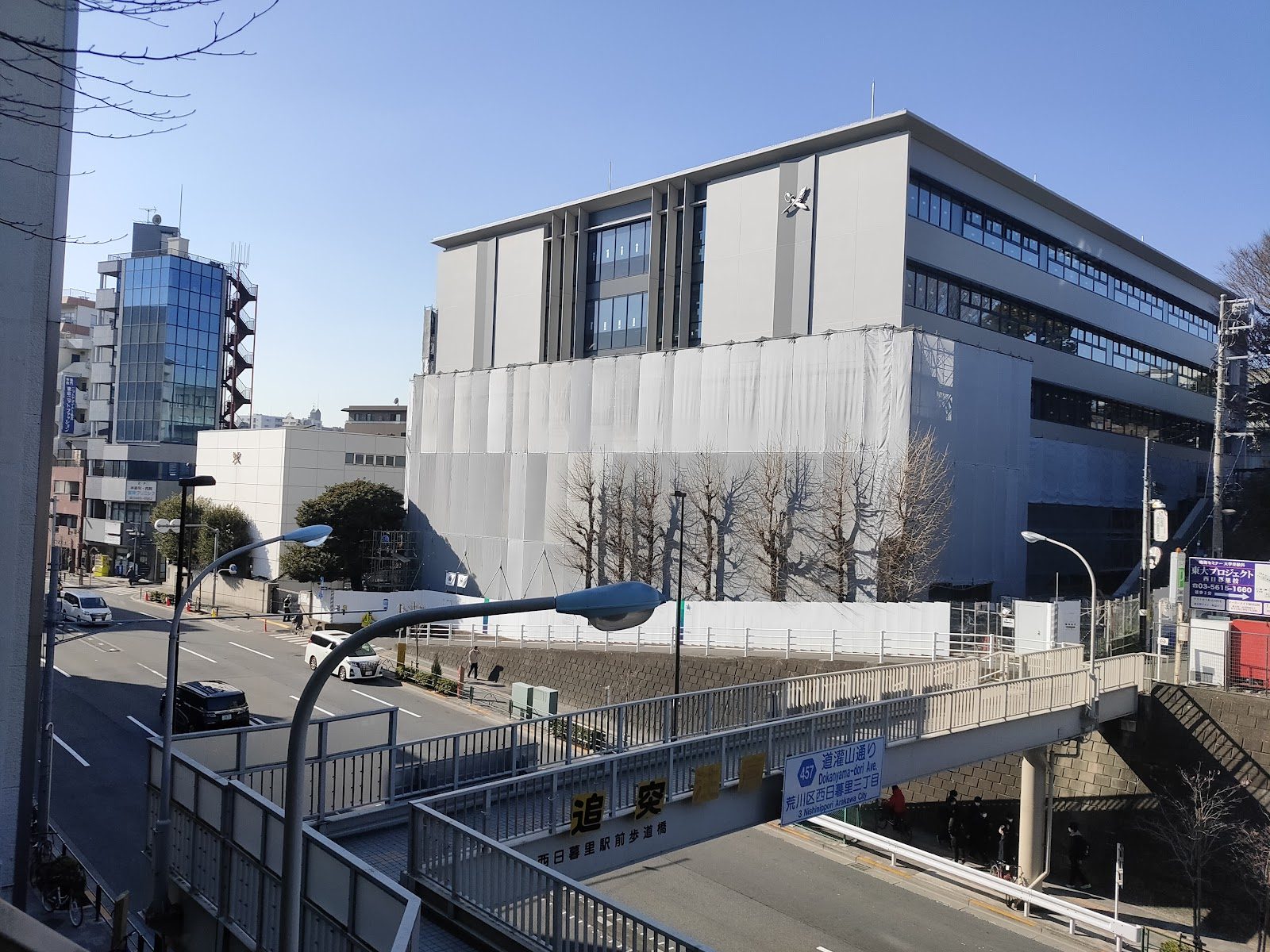
Kaisei Academy
Tokyo · Japan
An 1871 all-boys day school in one of Tokyo's densest wards, a perennial University of Tokyo feeder now adding IB and AP tracks abroad.
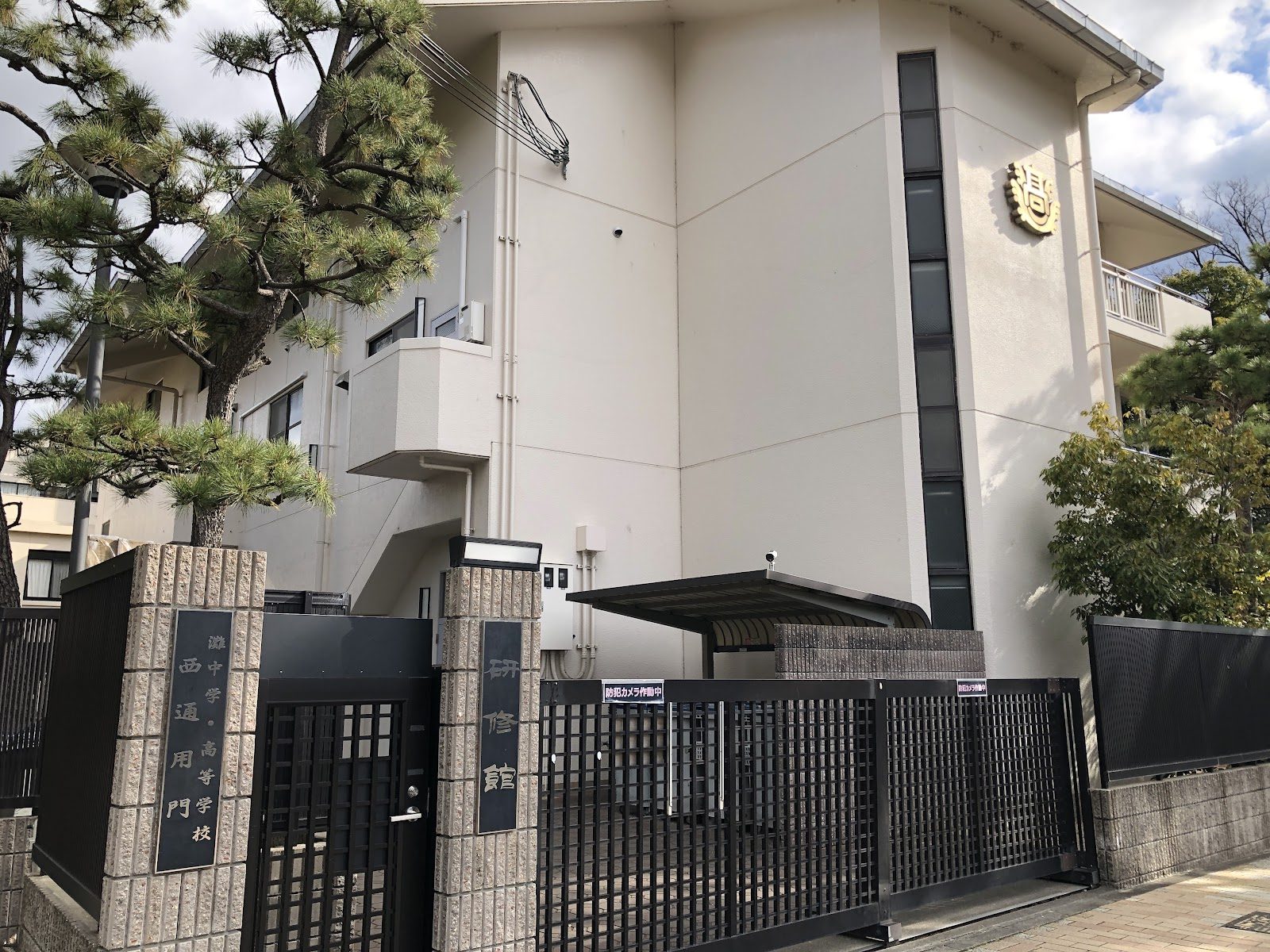
Nada High School
Kobe · Japan
Founded by Kobe sake brewers with judo's creator as an advisor, this uniform-free campus channels students straight into Tokyo and Kyoto University.
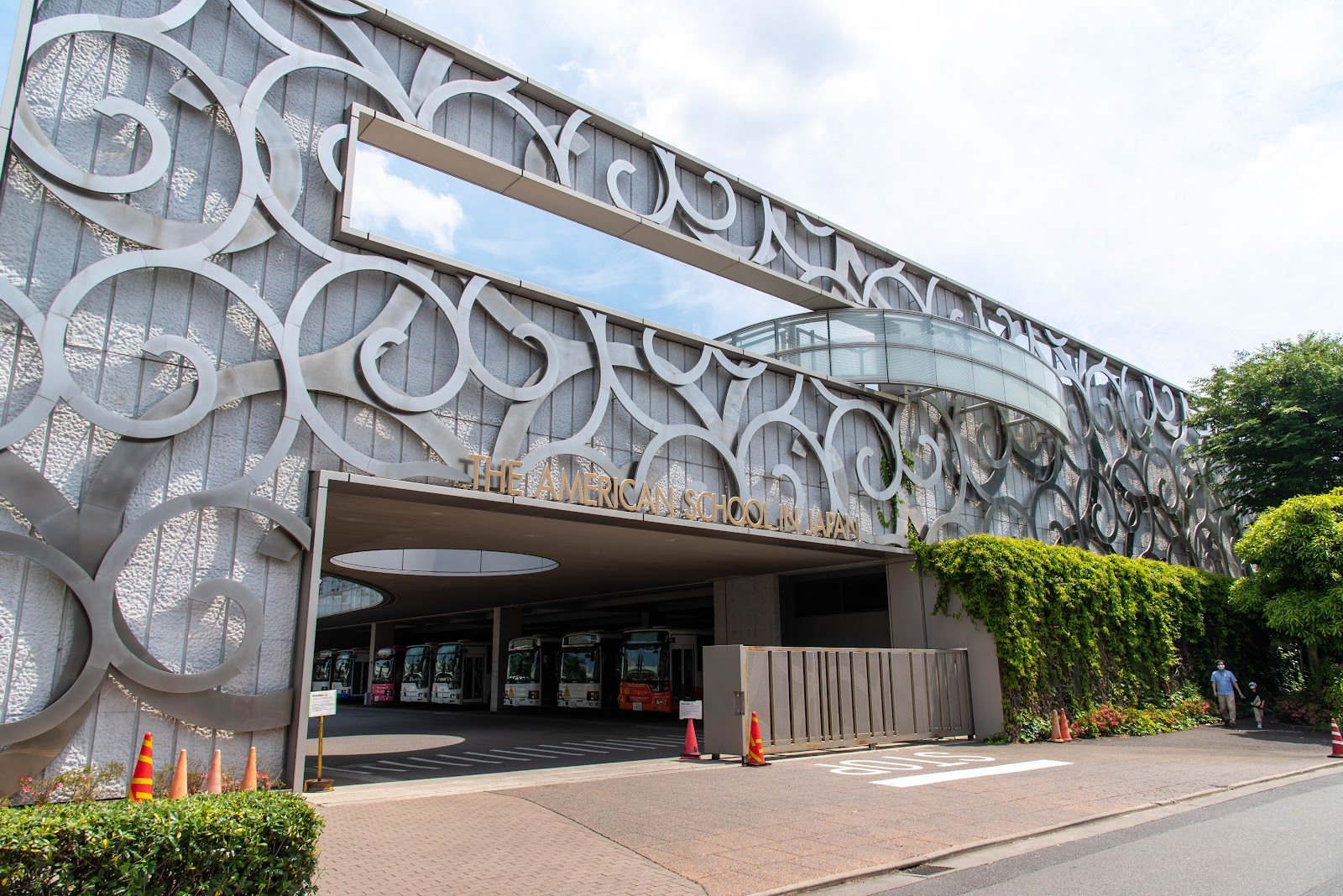
The American School in Japan
Tokyo · Japan
Rooted in Chofu since 1902, its early campus plans once drew sketches from Frank Lloyd Wright himself.
UWC ISAK Japan
Karuizawa · Japan
Japan's only UWC campus, tucked on Mount Asama, where seven in ten students study on need-based scholarship.
Same country and curriculum — closest matches within ±10 points either way