
Cairo Governorate
Cairo American College
high confidence· 5/6 cats · 3.3 avg sourcesFounded in 1945 as Egypt's only US State Department-sponsored school, pairing an American diploma with an IB pathway dating to 1993.
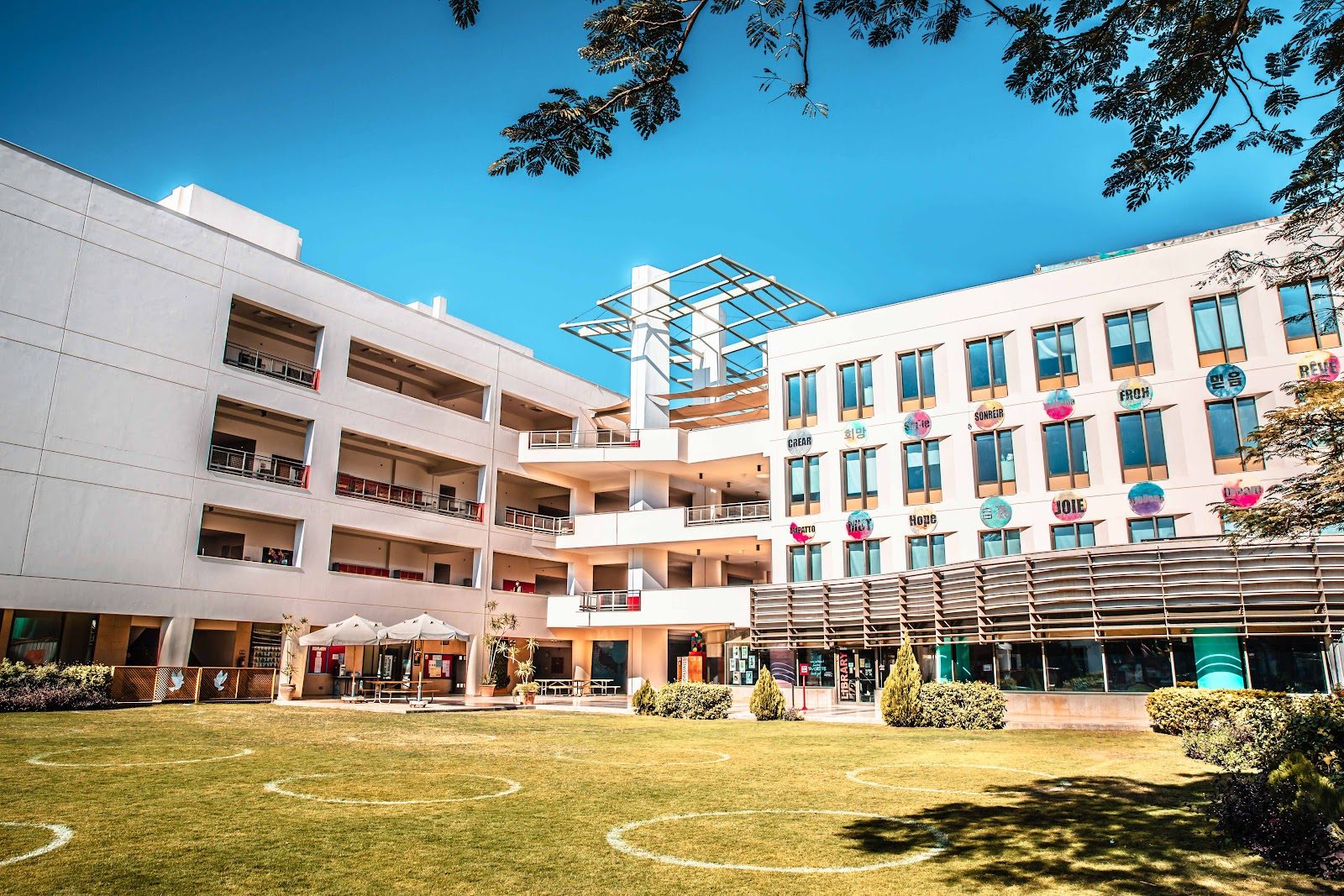
Photo © Cairo American College via Google Maps
Type
Day
Ages
3–18
Curriculum
American
Qualifications
AP · IB Diploma
Ratio
—
The Verdict
Editor's commitment
Right for
Families in Cairo wanting a non-religious, English-medium day school founded in 1945, with an American curriculum and IB World School status.
Wrong for
Parents who want boarding, a faith setting, or a British curriculum; Cairo American College is day-only, non-religious and American.
Watch out for
Recent published destinations are thin—Harvard University (1), Dartmouth College (1), King's College London (1)—so headline outcomes lack breadth.
Ranking breakdown
Cairo American College · #424 of 1591
Composite score 71.4. 8 weighted criteria.
By criterion
Academic Outcomes
Weight 20%
#449
of 1529 scored
University Placement
Weight 16%
#459
of 1529 scored
Prestige & Heritage
Weight 12%
#461
of 1571 scored
Alumni Network
Weight 12%
#305
of 1530 scored
Facilities
Weight 12%
#350
of 1533 scored
Transparency & Communications
Weight 8%
#553
of 1532 scored
Peer & Industry Review
Weight 10%
#533
of 1548 scored
Admissions Selectivity & Demand
Weight 8%
#334
of 1529 scored
Score history
Cairo American College · 2026
Movement across 2024–2026. Peer average overlaid.
Overall — 2024–2026
71.4/ 100
▲ +19.2 vs 2025
year on year
Peer & Industry Review
How Cairo American College is regarded in the sector
75
Strong · medium confidence
Cairo American College is consistently cited in expat-parent forums and international school directories (e.g., International Schools Database, ISC Research) as one of the longest-established and most reputable American curriculum schools in Egypt, frequently mentioned alongside British International School Cairo and Malvern College Egypt in 'best international schools in Cairo' discussions. It holds long-standing accreditation from the Middle States Association and is widely referenced as a benchmark for American-curriculum education in the region, though it lacks the broader global press coverage (Tatler, Good Schools Guide) seen for UK-focused institutions.
Evidence sources
Editors' overview
Cairo American College occupies a narrow, defensible niche in Cairo. Founded in 1945, it has a long institutional memory, a clear American identity and a distinct constituency: embassy families, internationally mobile professionals and students who need a school that can absorb transition without drama. The point that matters is not romance about heritage; it is operational seriousness. A US State Department-sponsored school carries a level of scrutiny and governance that many international schools cannot match. Add a not-for-profit structure and an IB pathway in place since 1993, and CAC stands out as a school built for continuity, not flashy marketing.
What is special here is the combination of an American school culture with an international intake and the option of IB. In Cairo, that is a sharp market position. Parents looking for a straight American curriculum get it; families who want an internationally portable senior route have one. English is the language of instruction, the school is non-religious, and the age range runs from 3–18, which gives families a full-school proposition rather than a fragmented one. The school’s draw is institutional ballast, diplomatic-community trust and a campus culture shaped by students who know what relocation, adaptation and reinvention demand. For the right family, that matters more than grand claims about innovation.
This school belongs on a shortlist for parents who want a serious, internationally literate American school with stable governance and a globally recognised leaving route. It also has the kind of university outcomes that catch attention without needing spin: recent destinations include Harvard, Dartmouth and King’s College London. That is not proof of universal academic brilliance; it is proof that CAC can support students to top-end destinations. The weaker point is the one common to many schools that trade on reputation: public academic data are thin. The school does not publish the kind of aggregate outcomes that would let parents benchmark it with precision. Parents who need hard performance tables will find that frustrating.
The student who fits CAC is clear. This is for children who thrive in an international peer group, who value structure over spectacle, and who need a school that understands movement between countries, systems and friendship circles. It suits ambitious, adaptable students rather than children who need a deeply local Egyptian identity or a highly specialised national curriculum. For globally mobile families, diplomat households and parents who want calm competence rather than noise, Cairo American College earns its place. It offers credibility, continuity and a form of quiet prestige that rests on history, governance and fit.
Academic Performance
CAC’s public academic picture is stronger in signal than in data. The school offers two externally benchmarked leaving routes — the American diploma and the IB pathway — but it does not publish aggregate IB scores, diploma pass rates, score distributions, SAT averages or AP summaries. That matters. At this price point and in this segment of the market, parents have a right to expect hard numbers, not just destination anecdotes. The few destination markers in the public domain point to serious academic reach at the top end, but they do not tell a parent how broad that strength runs across a cohort, how selective the internal academic culture is, or how CAC compares numerically with Cairo’s best-known international competitors.
Relative to peers, CAC sits in the group of schools whose reputation rests on institutional trust, university counselling and a mobile international intake rather than on glossy exam tables. That is not a weakness in itself; many embassy-oriented schools work this way. The issue is transparency. Schools with published IB averages in the mid-to-high 30s or clear diploma outcomes give parents a cleaner benchmark. CAC does not. The consequence is straightforward: families can infer academic credibility from university destinations and the school’s long-standing standing with diplomatic and international employers, but they cannot verify whole-cohort performance with forensic precision. For some parents, that is acceptable. For data-driven families, it is a clear drawback.
Facilities
CAC’s facility story is unusually hard to judge because the school does not publish a clear campus inventory. We know it serves a full age range and operates as a long-established, not-for-profit international school in Maadi, but there is no public, parent-friendly breakdown of specialist spaces, sports provision, arts infrastructure or lab capacity. That absence matters. At this level of the market, schools need to show families the practical fabric of daily life: libraries, performance spaces, indoor sports, outdoor play, science rooms and design or technology facilities. CAC does not make that easy to assess, which leaves a gap in scrutiny where there should be plain institutional confidence.
Against peer schools in Cairo, that lack of published detail is the weakness. Rival schools with strong premium positioning tend to document their campuses aggressively, down to pool access, theatre scale, maker spaces and specialist athletics provision. CAC’s public footprint is more restrained and less informative. That does not mean the campus is weak; it means the school asks parents to trust reputation over evidence. For some families, especially those entering through embassy or employer networks, that is acceptable. For independent fee-paying parents comparing schools side by side, it is a real disadvantage. The key judgement is simple: CAC’s facilities may be perfectly serviceable, even strong, but the school does not present them with the hard clarity that top competitors now treat as standard.
Cairo American College occupies a narrow, defensible niche in Cairo
Prestige
CAC carries real prestige in the circles that matter for internationally mobile families, though it is a narrower form of prestige than the broad social cachet attached to the city’s most ostentatious schools. Its status rests on three things: its place as Egypt’s only US State Department-sponsored school, its long service to embassy and expatriate families, and its not-for-profit structure. That combination signals governance, oversight and institutional discipline. In a market crowded with schools that sell image first and substance later, CAC has a more serious pedigree. The school also serves a distinctive constituency. When a school remains a trusted choice for diplomatic households and global employers over decades, that trust has been earned through operational credibility, not branding.
The prestige here is therefore quiet rather than performative. It does not trade on aristocratic tradition, celebrity alumni lists or public exam-table theatre. It trades on being the place informed parents know. Recent top destinations — 1 each to Harvard, Dartmouth and King’s College London — add a visible academic gloss, but they are not the core of the school’s standing. The core is reputational durability inside the expatriate ecosystem. That gives CAC high prestige with the right audience and less pull with families chasing maximal local status display. Our rating reflects that distinction: this is high-trust prestige, not mass-market glamour, and for many parents that is the more valuable form.
For globally mobile families, diplomat households and parents who want calm competence rather than noise, Cairo American College earns its place
Communications
CAC communicates with parents in the manner of an old-established institution that expects trust rather than constantly trying to win it. The public-facing style is restrained, functional and short on theatre. That has virtues: families do not get the usual avalanche of inflated claims, and the school’s core identity is easy enough to grasp. It also has costs. Key practical information is sparse, and the school does not use its public channels to answer the questions independent parents now ask first: what daily school life looks like, how the campus works, what academic reporting looks like in practice, and where the pressure points sit. For embassy families or parents entering through employer networks, that closed-loop communication culture is less of a problem because informal channels fill the gap. For everyone else, it is a real access issue.
The effectiveness, then, is uneven. CAC communicates adequately with families already inside its orbit and less well with parents trying to assess it cold. That distinction matters. A school serving children from age 3 to 18 needs communication that works at entry point as well as at enrolment stage. CAC’s external communications do not yet meet that standard. The tone is serious and free of marketing fluff, which counts in its favour, but the lack of published detail on outcomes, facilities and operational specifics leaves too much unsaid. Parents who value plain institutional clarity will want more. Parents who already trust the school’s networks will tolerate the opacity.
Uniqueness
What sets CAC apart is not a gimmick or a grand campus claim. It is the school’s role inside a specific international ecosystem. This is a school built for families who move on diplomatic, corporate and transnational timelines, and that shapes the student experience in concrete ways. Children learn in a community where arrival, departure and reinvention are normal, not disruptive exceptions. That creates a peer culture with high social fluency, unusual resilience and a working understanding of difference that many schools advertise and few deliver. The school also serves a constituency anchored in embassy life, which gives it a distinct institutional seriousness and a rhythm less driven by local status competition than by continuity, discretion and trust.
That niche brings clear advantages to students. New joiners enter a community accustomed to turnover, so integration is faster and the social temperature is less territorial. Students also benefit from classmates whose families operate across borders and public roles; that broadens conversation, raises cultural literacy and gives the school a worldly, adult cast. The public destination data are tiny — just 1 place each at Harvard, Dartmouth and King’s College London — but they reinforce the bigger point. CAC gives the right student access to an internationally mobile, academically purposeful network without the showy insecurity that marks parts of the premium market. Its uniqueness lies in fit: stable for the transient, ambitious without noise, and credible in ways that matter once a family has lived through more than 1 school move.
That is not proof of universal academic brilliance; it is proof that CAC can support students to top-end destinations
Student Profile
The best fit at CAC is the child who handles movement well: new countries, shifting friendship groups, parents with demanding public-facing jobs, and a home life shaped by postings rather than permanence. This is a school for students who can enter an established community without needing constant hand-holding, and who gain energy from an unusually international peer group rather than craving a single dominant local culture. Children from embassy, NGO and multinational family backgrounds will find classmates who understand that transience is normal. So will students who are academically ambitious but not drawn to showy competition. The social tone suits pupils who are adaptable, self-possessed and comfortable around difference.
It is a weaker fit for families who want deep immersion in Egyptian identity, a strongly traditional social environment, or a school built around high-drama status display. Students who need a very fixed cohort over many years, or who struggle each time classmates leave and new ones arrive, may find the churn hard work. The same goes for children who need a school to over-explain itself; CAC works best for families ready to judge a school by its constituency, culture and long record of trust rather than by a stream of public performance metrics. For the right student, that produces a grounded, world-aware education from ages 3–18.
CAC’s facility story is unusually hard to judge because the school does not publish a clear campus inventory
Co-curricular strengths
Arts & sport, on a separate axis
Overall 8.96/10
Scored 0-10 from the school's own published evidence. This axis is editorial-only — it does not feed the main WTS ranking.
Sports
9.3/10
Varsity Basketball and Varsity Volleyball, which is clear evidence of sports provision.
Drama
9/10
Drama Productions, and recurring named productions meet the threshold for a notable drama strength.
Dance
8.5/10
Music
9/10
Concert Band and Choir, showing structured ensemble-based music participation beyond a bare mention, but gives no dedicated facility, department, specialist staff or accolades.
Visual Arts
9/10
Visual Arts, but provides.
Editor first-pass · editor-reviewable · 7/28/2026
Outcomes & destinations
Where students go next
Top destinations
4 placements
- Harvard University· 1
- King's College London· 1
- Dartmouth College· 1
- University of Pennsylvania· 1
Reported by the school. Confirm with admissions.
Strengths
- +Cairo American College was founded in 1945, making it one of the oldest and largest American-curriculum schools in the Middle East.
- +It holds dual accreditation from the Middle States Association and the Council of International Schools, a recognised quality benchmark for US-model schools abroad.
- +The school is the only US State Department-affiliated school in Cairo, reflecting long-standing ties to the diplomatic and multinational expatriate community.
- +Students can pursue either the American High School Diploma or, from grade 11, the full IB Diploma, giving flexibility for university-bound families.
- +Ninety-eight percent of CAC graduates go on to colleges and universities in the United States or other countries, according to the school's own reporting.
Considerations
- −Annual tuition for K-12 runs from roughly $26,600 to over $28,000 plus a $390 application fee, a $1,000 assessment fee and a $1,000 admissions deposit, placing it at the premium end of Cairo's fee range.
- −The curriculum is American/IB only, with no IGCSE or other international pathway, which may not suit families wanting a British-system option.
- −The single campus sits in Digla, Maadi, in southern Cairo, a long commute for families based in New Cairo, Zamalek or other parts of the city.
- −Independent, verified parent reviews are scarce online, making it harder for incoming families to benchmark day-to-day school life against peer institutions.
Availability
Primary entry gate & tests
Academic Record
Gallery
Photo © Cairo American College via Google Maps
Photo © Cairo American College via Google Maps
Photo © Cairo American College via Google Maps
Photo © Mohamed Alaa via Google Maps
Photo © Mohamed Alaa via Google Maps
Parent reviews
Have you sent your child here?
Voice reviews carry the strongest trust badge — we transcribe them for you to tidy up before they go live. Prefer to type? A written review is fine too.
Add your voice
In 60 seconds, tell other parents: what's the best thing about Cairo American College, and what surprised you when your child joined?
We ask for a Google sign-in so every review has a real face behind it — no anonymous drive-by attacks on schools, and no faked positive reviews. Your email is never shown publicly.
Send this profile to a friend
International parents rely on word-of-mouth. Share this review with someone weighing the same decision.
Schools with places
Similar schools to Cairo American College with places available now.
The British International School, Cairo
Cairo · Egypt
- 2026-27
- WAITPOOLSpace-dependent
- 2027-28
- PLACES OPENRolling
New Cairo British International School
New Cairo · Egypt
- 2026-27
- WAITPOOLSpace-dependent
- 2027-28
- PLACES OPENRolling
Availability first, then country, area, curriculum, price, co-curricular
Consider also
Also worth looking at alongside Cairo American College.

The British International School, Cairo
Cairo · Egypt
A Gezira institution since 1976, pairing rigorous IGCSE grounding with the IB Diploma and one of Egypt's rare COBIS accreditations.
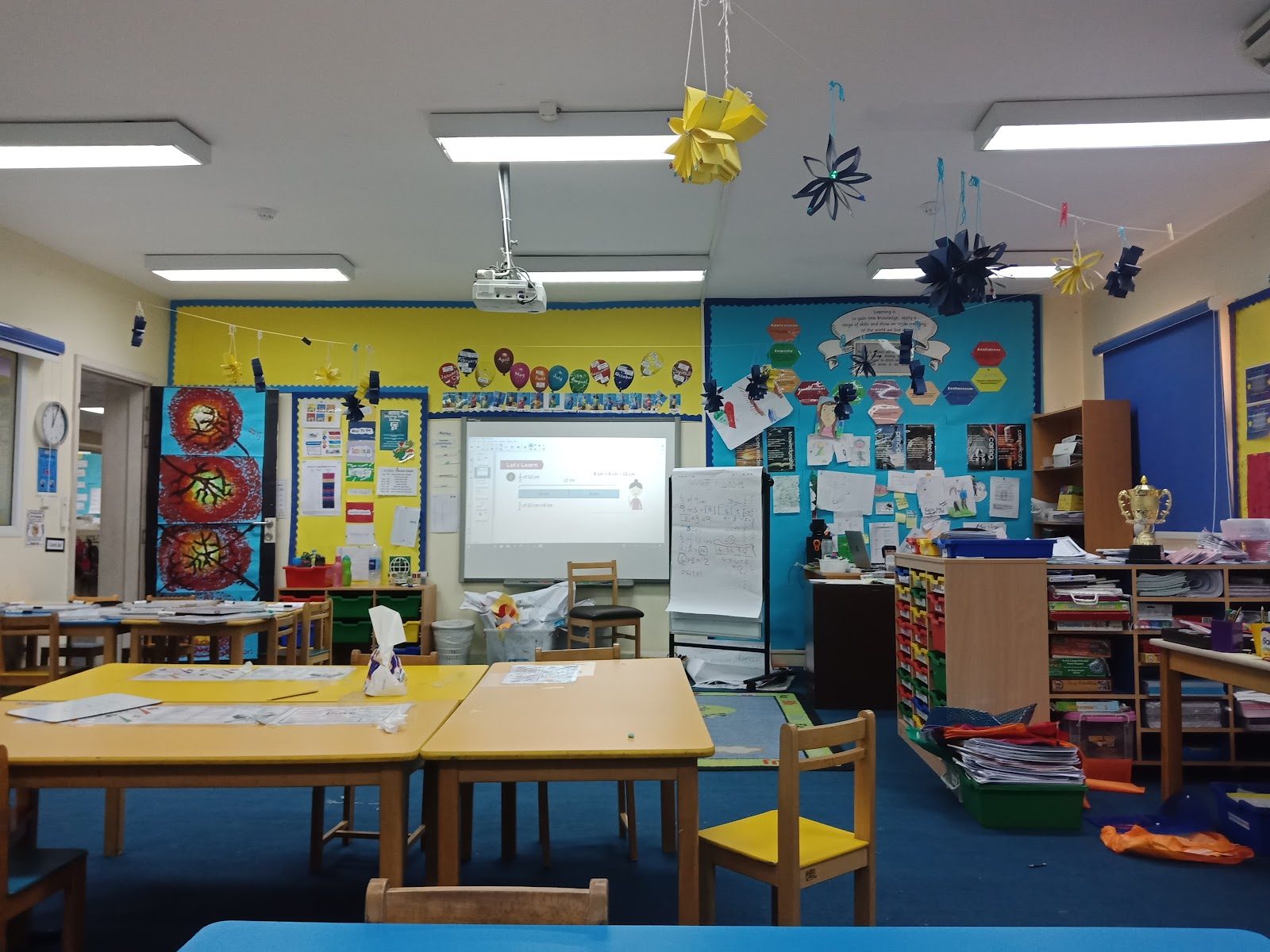
New Cairo British International School
New Cairo · Egypt
Founded in 1978 by WHO-linked parents, this New Cairo campus runs parallel British and Dutch primary streams into a shared IB sixth form.
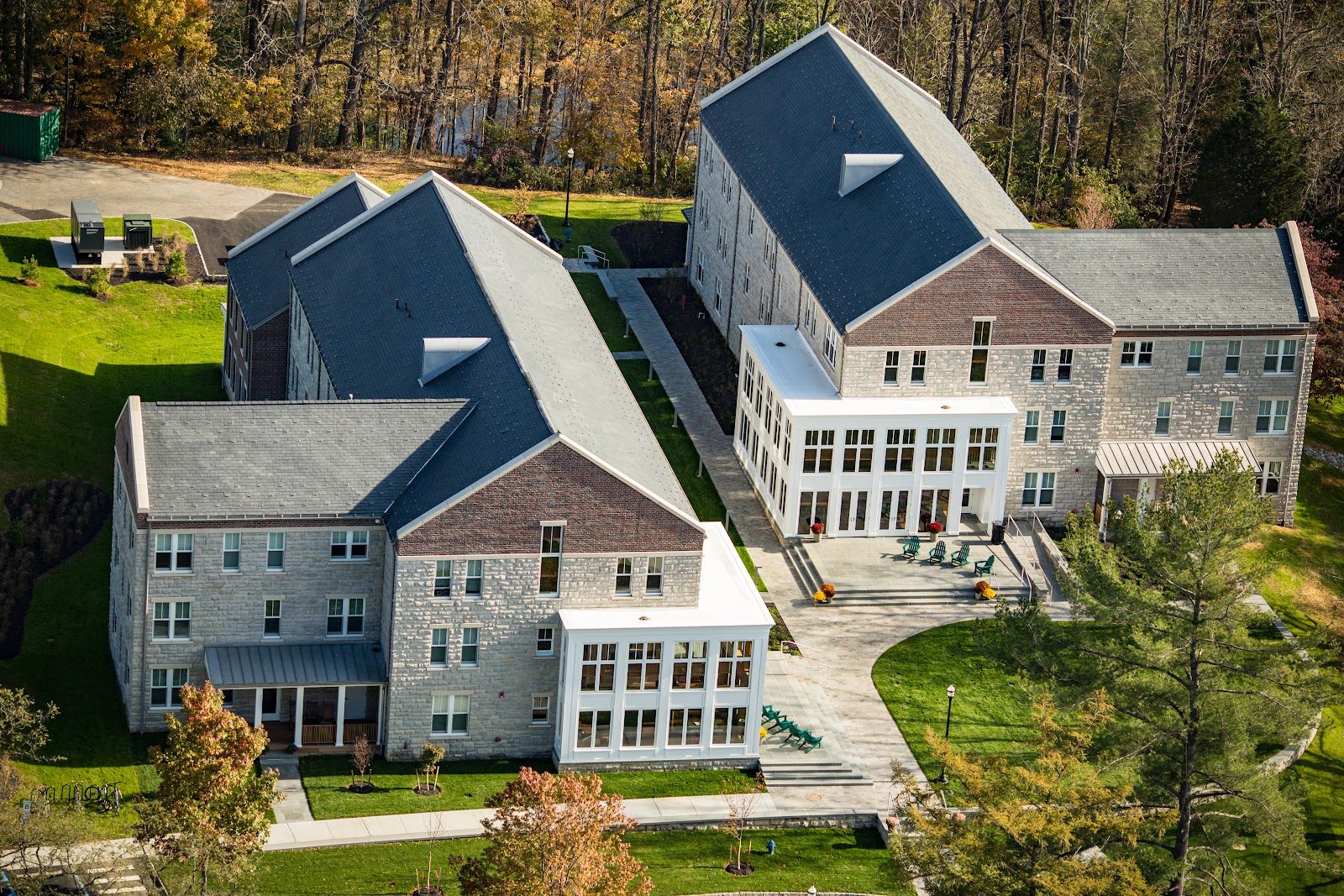
Blair Academy
Blairstown · United States
A hilltop New Jersey campus, founded 1848, where the weekly Society of Skeptics turns global debate into a signature course of study
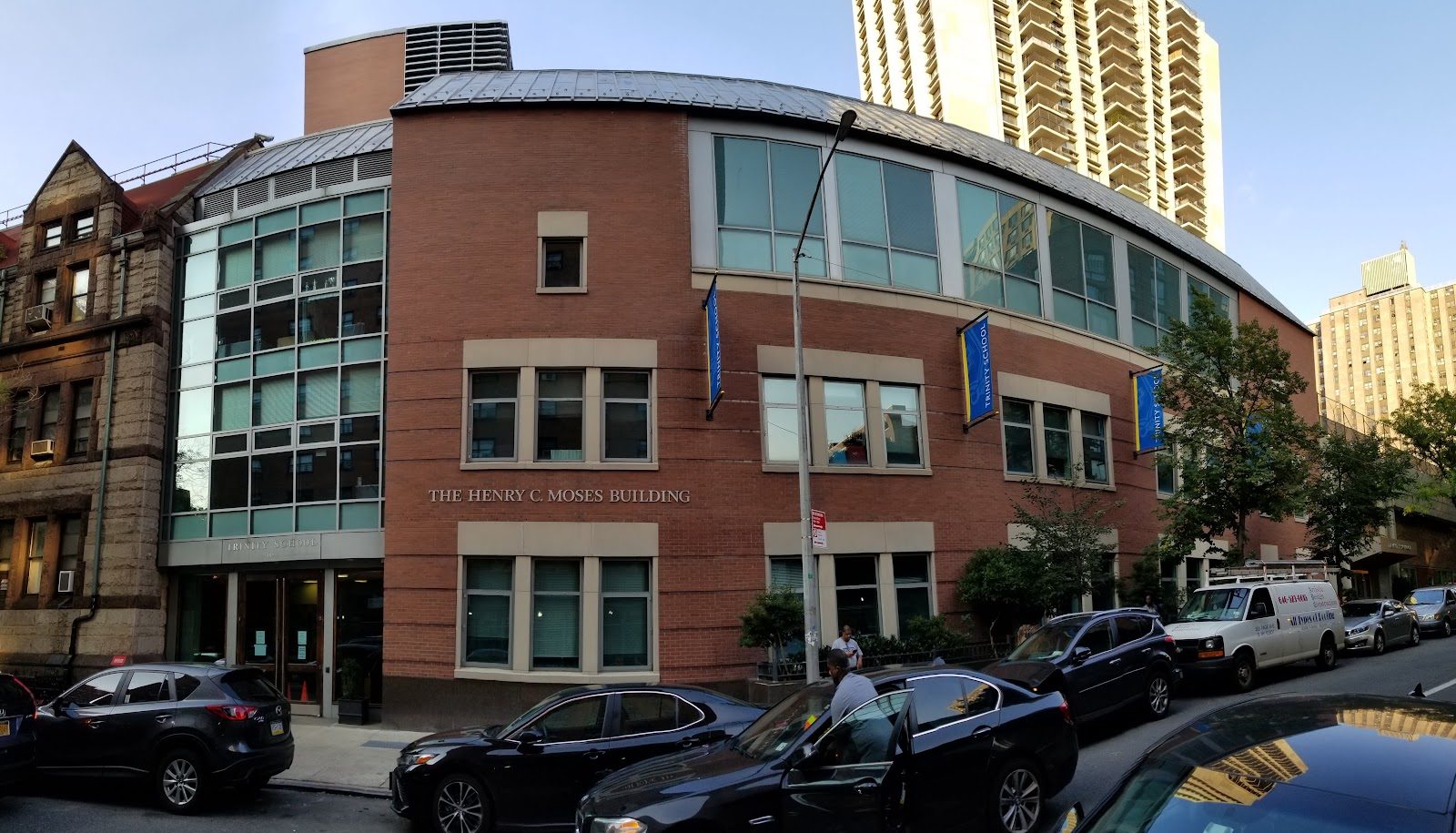
Trinity School
New York City · United States
Founded in 1709 as a charity school, now the oldest continuously operating school in New York City, still built on a rare full Classics department
Same country and curriculum — closest matches within ±10 points either way