
Federal Territory of Kuala Lumpur
Malaysia's longest-running IB World School, pairing a 25-acre Ampang Hilir campus with mandatory Asia-wide service expeditions.
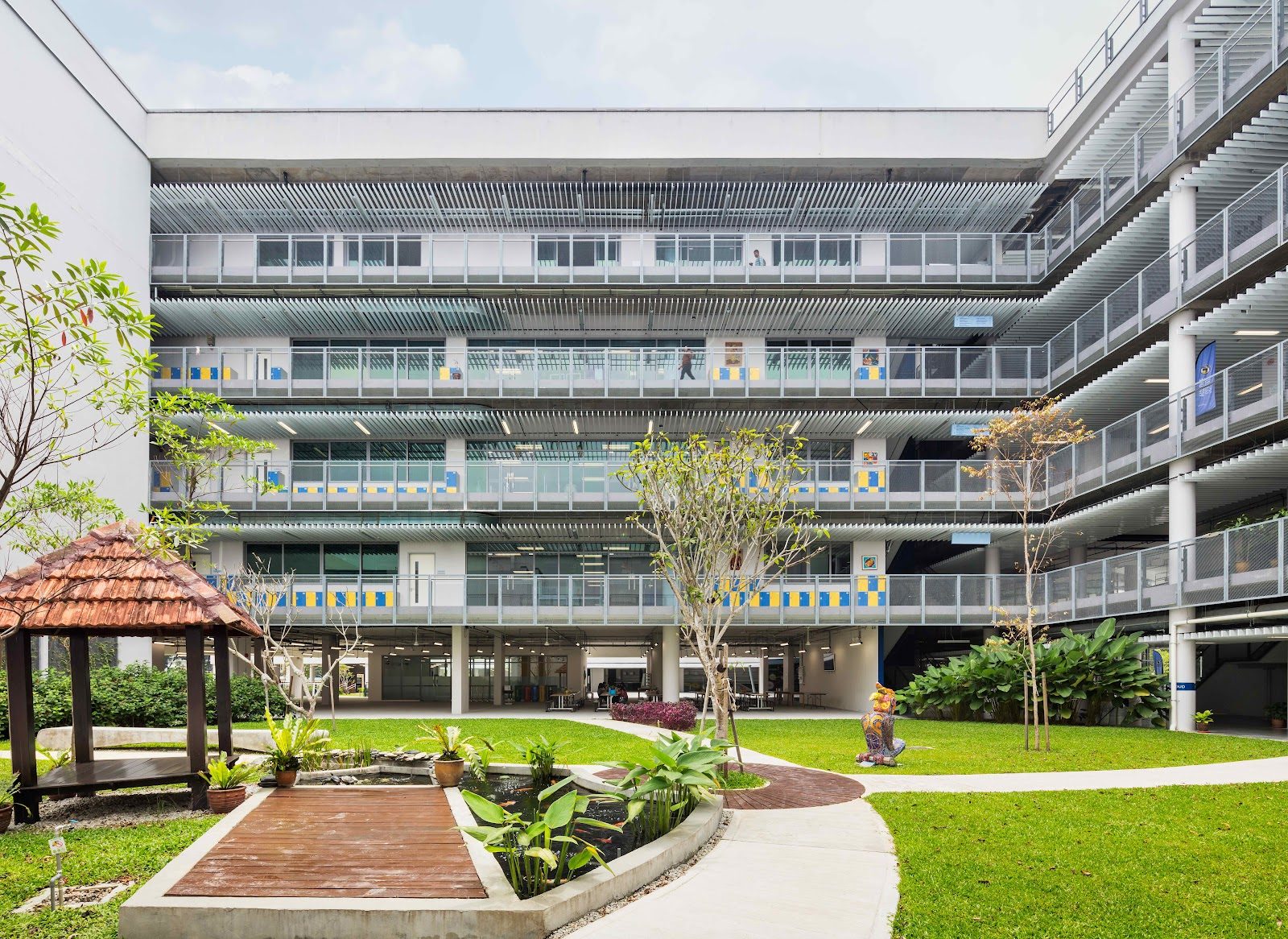
Photo © The International School of Kuala Lumpur (ISKL) via Google Maps
Type
Day
Ages
3–18
Curriculum
British · IB
Ratio
—
The Verdict
Editor's commitment
Right for
Families who want Malaysia's longest-running IB World School, founded in 1965, with British and IB pathways on one Kuala Lumpur campus.
Wrong for
Parents wanting a cheaper option than the MYR 114,390 average annual fee, or a conventional single-track sixth form without AP choice.
Watch out for
ISKL teaches 1,700 students from over 60 nationalities; scale brings breadth, but the Bond, Melbourne and UNSW destination list here is thin.
Ranking breakdown
International School of Kuala Lumpur · #145 of 1591
Composite score 76.0. 8 weighted criteria.
By criterion
Academic Outcomes
Weight 20%
#209
of 1529 scored
University Placement
Weight 16%
#219
of 1529 scored
Prestige & Heritage
Weight 12%
#188
of 1571 scored
Alumni Network
Weight 12%
#158
of 1530 scored
Facilities
Weight 12%
#71
of 1533 scored
Transparency & Communications
Weight 8%
#41
of 1532 scored
Peer & Industry Review
Weight 10%
#164
of 1548 scored
Admissions Selectivity & Demand
Weight 8%
#991
of 1529 scored
Score history
International School of Kuala Lumpur · 2026
Movement across 2024–2026. Peer average overlaid.
Overall — 2024–2026
76.0/ 100
▲ +27.5 vs 2025
year on year
Peer & Industry Review
How International School of Kuala Lumpur is regarded in the sector
88
Strong · high confidence
International School of Kuala Lumpur (ISKL) is consistently cited as one of the top international schools in Malaysia, featured in Good Schools Guide International reviews and frequently referenced in expat parent forums such as ExpatGo and Expat Arrivals as a leading choice for American-curriculum/IB education in KL. It holds long-standing accreditation (WASC/CIS) and is regularly benchmarked against other premier institutions like Garden International School and Mont Kiara International School in specialist education press covering Malaysia's international school sector, with a large and established alumni network dating back over 60 years.
Evidence sources
Editors' overview
A 25-acre campus in Ampang Hilir gives ISKL physical scale that many city schools cannot match, but the sharper point is curricular range. This is Malaysia’s longest-running IB World School, authorised for the IBDP since 1989, yet it does not force every teenager down a single sixth-form track. In high school, students can move through PRAXIS in Grade 9, the Pursuits Program, the full IB Diploma, or a mix of individual IB, Advanced Placement and High School Diploma courses. That makes ISKL a strong fit for families who want academic seriousness without the rigidity of an all-IB model. It is also a non-profit, co-educational day school with more than 1,700 students from over 60 nationalities, which puts it firmly in the large, established, internationally mixed bracket of the Kuala Lumpur market.
The school’s special claim is not only longevity but breadth with structure. The editorial tagline points to mandatory Asia-wide service expeditions, and that matters: this is not a campus built only for classroom performance, but for a model of education that pushes students outward. Service and sustainability run across divisions, and the school states that parent communication is frequent, with online platforms, regular assessments and scheduled conferences. That will appeal to families who want a high-accountability school rather than one that leaves parents guessing. The average annual day fee across the full age range is MYR 114,390, which places ISKL at the top end of the Kuala Lumpur day-school market. Parents are paying for scale, choice and institutional depth, not boutique intimacy.
ISKL belongs on a shortlist for students who are ambitious, internationally minded and comfortable in a big, busy environment. It suits children who benefit from options: the all-rounder who wants IB credibility with room to tailor a pathway, the engaged student who thrives on service, and the university-bound teenager who wants more than one route to graduation. It is less compelling for families who want a small school, a narrowly British experience, or a tightly uniform academic culture. The recent destinations listed here — Bond University, the University of Melbourne and the University of New South Wales — do not give a deep read on outcomes, and the school does not publish fuller destination data in this context. Even so, the core proposition is clear: ISKL offers a mature, expansive international education with real curricular flexibility, and that combination remains hard to match in Kuala Lumpur.
Academic Performance
ISKL’s academic case rests on pathway breadth, but its public exam transparency is uneven. The school offers the full diploma alongside individual IB courses, Advanced Placement and its own diploma route, which gives sixth-formers more room to build a programme that fits aptitude and ambition than the standard single-track model. That flexibility is a real strength for students who do not want an all-or-nothing IB experience. It also makes clean comparison with pure-IB rivals harder, because the school does not publish the headline data parents use to benchmark selective international schools: no aggregate IB Diploma average, no diploma pass rate, no AP score profile, and no broad university destinations breakdown beyond a tiny sample of 3 named placements. For a school operating at this level of price and reputation, that opacity is a material weakness.
Relative to peers in Kuala Lumpur’s top tier, ISKL sits in the serious but hard-to-rank category. The menu of courses is stronger than at many schools that force every high-school student into one mould, and that matters for university fit. The trade-off is that external performance is harder to read at a glance. Schools with published IB point averages and destination patterns make a clearer academic claim. ISKL asks parents to trust the institution more than the data. Some families will accept that on the strength of its long record and university-facing curriculum range; data-driven parents will find the absence of published outcomes frustrating and below the standard set by the best-documented competitors.
Facilities
Facilities are one of ISKL’s clearest competitive advantages. A reunited campus of 25 acres gives the school room to do things properly rather than by timetable compromise and borrowed city space. For parents comparing Kuala Lumpur’s top international schools, that matters. Many strong urban campuses manage academics well but ask students to make do with tighter circulation, more vertical buildings and less breathing room between divisions. ISKL has the footprint for a full-scale, purpose-built all-through environment, and the school’s history page makes clear that bringing every division back together was a strategic priority, not an afterthought. That pays off in daily life: younger and older students share one institutional home, and the campus can support academics, arts, athletics and community events without the fragmented feel that split-site schools often suffer.
The strength here is not a single signature building but institutional capacity. A school of over 1,700 students needs serious infrastructure to avoid feeling cramped or improvised, and ISKL has it. The scale also supports a broader co-curricular life than smaller rivals can sustain, because specialist spaces and staffing are easier to justify when numbers are this high. Against peer schools, that puts ISKL in the upper tier for physical provision. The trade-off is atmosphere: families who want something intimate or boutique will not find it here. This is a large campus built for range, throughput and breadth of opportunity, not a small-school setting with a sheltered feel.
The average annual day fee across the full age range is MYR 114,390, which places ISKL at the top end of the Kuala Lumpur day-school market
Prestige
ISKL carries real prestige in Kuala Lumpur because it combines institutional age, non-profit status and international depth with a scale that few rivals match. This is not a newcomer buying credibility through glossy facilities or a chain outpost borrowing a parent brand. It has its own standing. More than 60 nationalities on roll and an enrolment above 1,700 give it the social mix, alumni reach and community weight that matter in international-school circles. The university options in the upper school add to that pull: families know students are not locked into one narrow academic route. In market terms, ISKL sits in the top rank of recognition and parent awareness. The fee level reinforces that status. An average annual day fee of MYR 114,390 places it in expensive company, and the school has the depth to justify charging at that level.
That prestige is not absolute. The school’s reputation is stronger than its published outcomes. In elite international education, status holds longest when exam data and university destinations are disclosed in full and updated consistently. ISKL does not do that here, which leaves a clear gap between reputation and proof. Even so, the school retains serious clout because of its long-established presence, large international community, broad senior-school pathways and the fact that it remains a reference point in Malaysia’s international sector. The verdict: high prestige, earned through history and institutional substance, but not backed by the level of public academic transparency that the very best-regarded schools now provide.
Relative to peers in Kuala Lumpur’s top tier, ISKL sits in the serious but hard-to-rank category
Communications
Parent communication is one of ISKL’s stronger operational habits, and the school spells out a system rather than a vague promise. Parents get frequent updates on progress, student work is shared through online learning platforms and take-home channels, and formal assessment points are built in across divisions. The school also runs scheduled conferences and individual appointments with teachers, counsellors and other staff, which gives families more than one route into a conversation when something needs attention. That matters in a school of over 1,700 students: without structure, a community at that scale can turn impersonal fast. ISKL has put enough machinery around communication to stop that happening. The invitation for parents to volunteer in classrooms, read to students and act as resource speakers also points to a school that wants parents inside the life of the institution, not parked at the gate.
How effective is it? On this evidence, better than many large schools. The mix of routine reporting, direct access to staff and parent education sessions creates a high-accountability culture with clear touchpoints. The school’s insistence on open and ongoing communication is credible because it is backed by processes, not slogans. The limit is the same one that applies across large, high-fee institutions: consistency. A well-built system does not guarantee that every teacher communicates with equal sharpness or speed. Still, the framework is serious, well organised and parent-facing in the right way. Families who want regular visibility into learning and wellbeing will find a school that takes communication seriously.
Uniqueness
What separates ISKL from other high-end schools in Kuala Lumpur is not one badge or one building, but the combination of institutional heft and route flexibility. Many schools ask teenagers to commit to a single academic identity. ISKL does not. In the high school, students can move through PRAXIS, the Pursuits Program, the full diploma route, or a tailored mix of courses. That makes the school unusually adaptable for able students whose strengths do not fit a neat template. Add a student body of more than 60 nationalities and a non-profit structure, and the result is a school with serious depth rather than a polished expat outpost built around a narrow brief.
The other distinctive feature is the way service sits inside the school’s core offer rather than on the edge of it. The editorial line about mandatory Asia-wide expeditions matters because it points to a culture that expects students to operate beyond the classroom, beyond the campus and beyond their own peer group. That brings real gains: resilience, perspective and a stronger sense that privilege carries obligations. It also means ISKL is not a soft option. Students who want a highly sheltered, purely exam-driven education will find the model demanding. For the right child, though, this mix of academic choice, large-scale community and outward-facing expectations is hard to replicate elsewhere in the market.
For parents comparing Kuala Lumpur’s top international schools, that matters
Student Profile
This school fits students who enjoy range, pace and a large social field. With over 60 nationalities in one community, children need a degree of social confidence and curiosity about people unlike themselves. The strong fit is the internationally mobile family, the student who likes having choices rather than one fixed track, and the teenager who wants room to combine academic ambition with activity beyond the timetable. Service matters here, and the expectation of Asia-wide expeditions points to a culture that rewards involvement, resilience and a willingness to leave the comfort zone. Students who thrive in busy, outward-facing environments will do well. So will self-starters who can navigate a school with many pathways without needing constant hand-holding.
The weaker fit is just as clear. Children who need a small, sheltered setting or who fade in large institutions can get lost in a community of more than 1,700. This is not the school for families chasing a narrowly British, highly uniform experience, nor for students who want school life reduced to classroom instruction and exam preparation. The best ISKL students are engaged, adaptable and comfortable speaking up with adults and peers. They do not need to be extroverts, but they do need to participate. For the right child, that mix produces a cosmopolitan, demanding education with real breadth. For the wrong one, it can feel impersonal and relentless.
In market terms, ISKL sits in the top rank of recognition and parent awareness
Co-curricular strengths
Arts & sport, on a separate axis
Overall 9.1/10
Scored 0-10 from the school's own published evidence. This axis is editorial-only — it does not feed the main WTS ranking.
Sports
9.2/10
ISKL offers a wide range of varsity sports at multiple levels and competes in IASAS, ISAC, ISAKL and other local/international leagues, while the profile also cites extensive indoor and outdoor sports provision.
Drama
9/10
Drama is evidenced by Drama Productions, theatre programmes including One Acts, Solo/Duet Acting, Improv Club and the ISTA Theater Festival, plus named performance facilities in the Dr. Gaw Theater and Melawati Theater.
Dance
9/10
Dance is clearly established through Dance Troupe and IASAS Dance, giving explicit structured participation and recurring named programmes, but the profile does not provide stronger dance-specific facility or recognition evidence.
Music
9.3/10
Music has multiple named programmes including Instrumental Music, IASAS Music, Choir, Jazz/Concert Band, ISKL Singers and Tri-M Music Society, alongside named theatres used for music recitals, which supports a strong score.
Visual Arts
9/10
Visual arts is explicitly listed in extracurriculars, art studios, and annual participation in the IASAS Visual Arts competition, indicating a notable programme.
Editor first-pass · editor-reviewable · 7/27/2026
Outcomes & destinations
Where students go next
Top destinations
127 placements
- Bond University· 1
- University of Melbourne· 1
- University of New South Wales· 1
- University of Tasmania· 1
- Brock University· 1
- Douglas College· 1
- Emily Carr University of Art and Design· 1
- McGill University· 1
- McMaster University· 1
- OCAD University· 1
- University of British Columbia· 1
- Toronto Metropolitan University· 1
- University of Guelph· 1
- University of Toronto· 1
- University of Victoria· 1
- University of Waterloo· 1
- University of Western Ontario· 1
- Czech University of Life Sciences Prague· 1
- Abo Akademi University· 1
- ESSEC Business School· 1
- Sciences Po· 1
- University of Hong Kong· 1
- Bocconi University· 1
- Humanitas University· 1
- John Cabot University· 1
- Hitotsubashi University· 1
- Keio University Shonan Fujisawa Campus· 1
- Waseda University· 1
- Monash University Malaysia· 1
- The One Academy· 1
- University of Malaya· 1
- Delft University of Technology· 1
- Eindhoven University of Technology· 1
- Erasmus University College· 1
- Erasmus University Rotterdam· 1
- Leiden University· 1
- Maastricht University· 1
- Rotterdam School of Management, Erasmus University· 1
- The Hague University of Applied Sciences· 1
- University of Amsterdam· 1
- University of Groningen· 1
- University of Twente· 1
- Vrije Universiteit Amsterdam· 1
- Willem de Kooning Academie· 1
- Singapore Management University· 1
- Singapore University of Technology and Design· 1
- Hanyang University· 1
- Seoul National University· 1
- YONSEI University· 1
- Yonsei University - Underwood· 1
- Esade University· 1
- IE University· 1
- Chalmers University of Technology· 1
- Lund University· 1
- University of Lausanne· 1
- Aberystwyth University· 1
- Durham University· 1
- King's College London· 1
- London School of Economics and Political Science· 1
- Loughborough University· 1
- Oxford Brookes University· 1
- Oxford University· 1
- Queen Mary University of London· 1
- School of Oriental and African Studies, University of London· 1
- The Glasgow School of Art· 1
- University College London· 1
- University of Bath· 1
- University of Buckingham· 1
- University of Edinburgh· 1
- Royal Veterinary College, University of London· 1
- University of Manchester· 1
- University of Warwick· 1
- Augustana University· 1
- Berklee College of Music· 1
- Binghamton University· 1
- Boston College· 1
- Boston University· 1
- Brigham Young University· 1
- Brigham Young University, Hawaii Campus· 1
- Cleveland State University· 1
- College of William & Mary· 1
- Cornell University· 1
- Dartmouth College· 1
- Florida State University· 1
- Foothill and De Anza College· 1
- Georgetown University· 1
- Georgia Institute of Technology· 1
- Indiana University Bloomington· 1
- Kenyon College· 1
- Loyola University Chicago· 1
- Macalester College· 1
- Marist University· 1
- Michigan State University· 1
- Mount Holyoke College· 1
- New York University· 1
- Northeastern University· 1
- Oakland University· 1
- Oregon State University· 1
- Pennsylvania State University, University Park· 1
- Purdue University· 1
- Reed College· 1
- Rhode Island School of Design· 1
- Rutgers University - New Brunswick· 1
- Syracuse University· 1
- Texas A&M University· 1
- University of Texas at Austin· 1
- University of California, Davis· 1
- University of California, Los Angeles· 1
- University of California, Santa Cruz· 1
- University of Central Florida· 1
- University of Chicago· 1
- University of Illinois at Urbana Champaign· 1
- University of Michigan Ann Arbor· 1
- University of Missouri· 1
- University of North Carolina at Greensboro· 1
- University of Pennsylvania· 1
- University of Richmond· 1
- University of Rochester· 1
- University of San Diego· 1
- University of Southern California· 1
- University of Utah· 1
- University of Virginia· 1
- University of Washington· 1
- University of Wisconsin, Madison· 1
- Virginia Polytechnic Institute and State University· 1
- Worcester Polytechnic Institute· 1
- Yale University· 1
Reported by the school. Confirm with admissions.
WTS 300 badge
2025/26 editionInternational School of Kuala Lumpur is one of the World's Top 300 Schools for 2025/26. Claim your listing to add it to your site →
Strengths
- +The longest-running IB World School in Malaysia since 1965, giving it one of the most established IB track records in the country.
- +2025 IB results showed a 93% pass rate from 129 candidates, with an average score of 34.2 against a global average of 30.6, and 18% scoring 40 or above.
- +ISKL offers the International Baccalaureate Diploma Programme (IBDP) on a non-selective basis, so entry to the senior programme is not academically gate-kept.
- +CIS re-accredited ISKL in April 2024, and the school also holds COBIS accreditation, giving external quality assurance beyond the IB's own status.
- +High School students can choose between the IB Diploma or the Pursuits Program, which mixes individual IB, AP and High School Diploma courses, plus a mandatory Global Action Program (GAP) involving week-long experiential trips across Asia.
Considerations
- −Fees for Grades 9-12 reach MYR 143,400 per year, making it the most expensive school in the market, a significant budget commitment relative to KL peers.
- −The curriculum is US-aligned, which makes ISKL less natural for British families targeting UK universities, even though the IB route itself is UCAS-compatible.
- −Admission to Middle and High School is subject to WIDA English-proficiency assessment results and the school's capacity to meet the student's needs, so entry is not unconditional at every grade.
- −The campus sits in a single eastern-KL location (Ampang Hilir), which can mean a longer commute for families based in the Mont Kiara/Petaling Jaya corridors given the city's traffic.
Availability
Primary entry gate & tests
Academic Record
Gallery
Photo © Md Imran Hossain Ani via Google Maps
Photo © j wan via Google Maps
Photo © Willson Lang via Google Maps
Photo © ng ming foo via Google Maps
Photo © Betty K. via Google Maps
Parent reviews
Have you sent your child here?
Voice reviews carry the strongest trust badge — we transcribe them for you to tidy up before they go live. Prefer to type? A written review is fine too.
Add your voice
In 60 seconds, tell other parents: what's the best thing about International School of Kuala Lumpur, and what surprised you when your child joined?
We ask for a Google sign-in so every review has a real face behind it — no anonymous drive-by attacks on schools, and no faked positive reviews. Your email is never shown publicly.
Send this profile to a friend
International parents rely on word-of-mouth. Share this review with someone weighing the same decision.
Schools with places
Similar schools to International School of Kuala Lumpur with places available now.
Availability first, then country, area, curriculum, price, co-curricular
Consider also
Also worth looking at alongside International School of Kuala Lumpur.
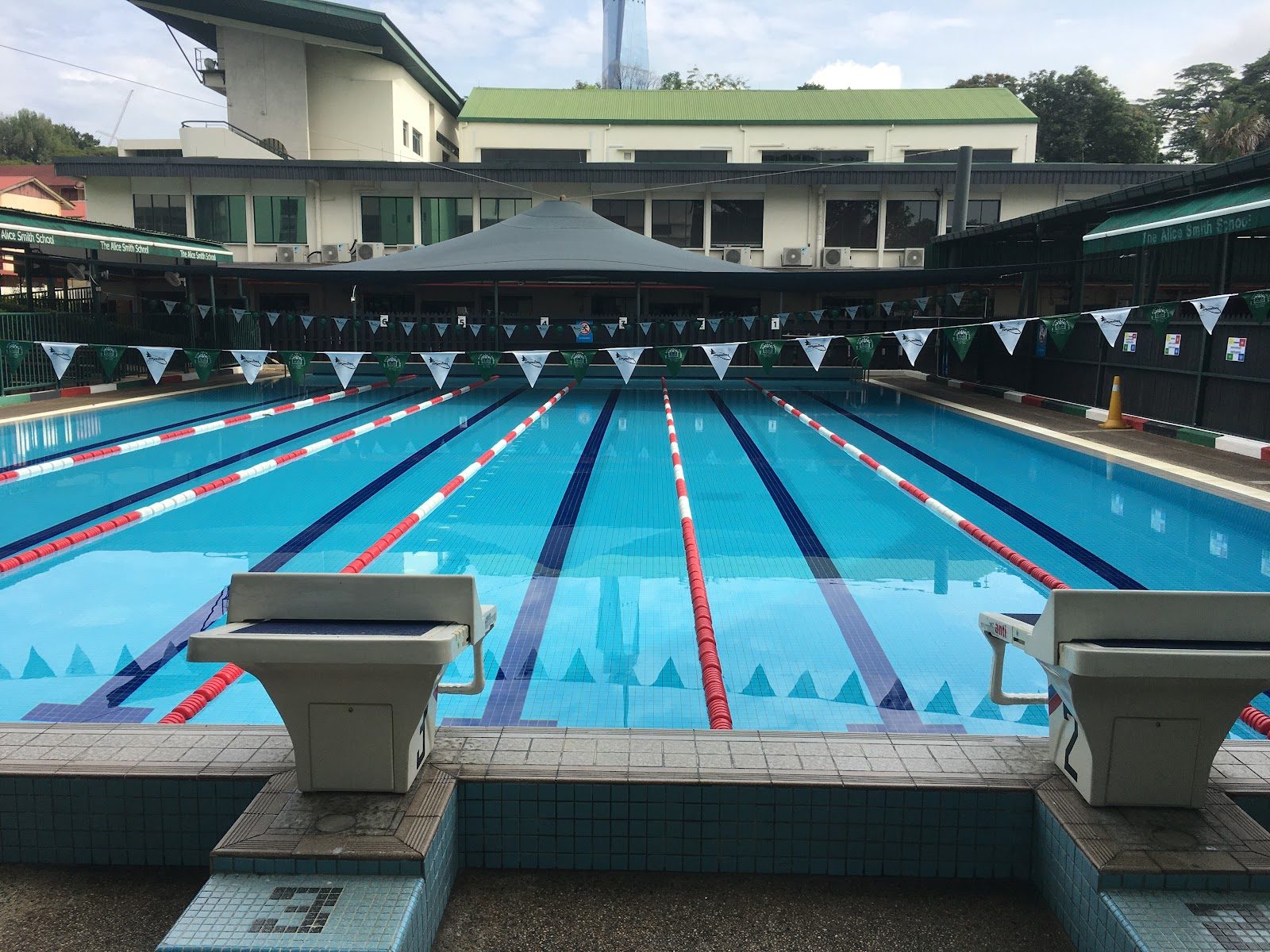
Alice Smith School
Kuala Lumpur · Malaysia
Malaysia's first British international school, still run not-for-profit, pairs A-Level rigour with an IAAF-certified running track.
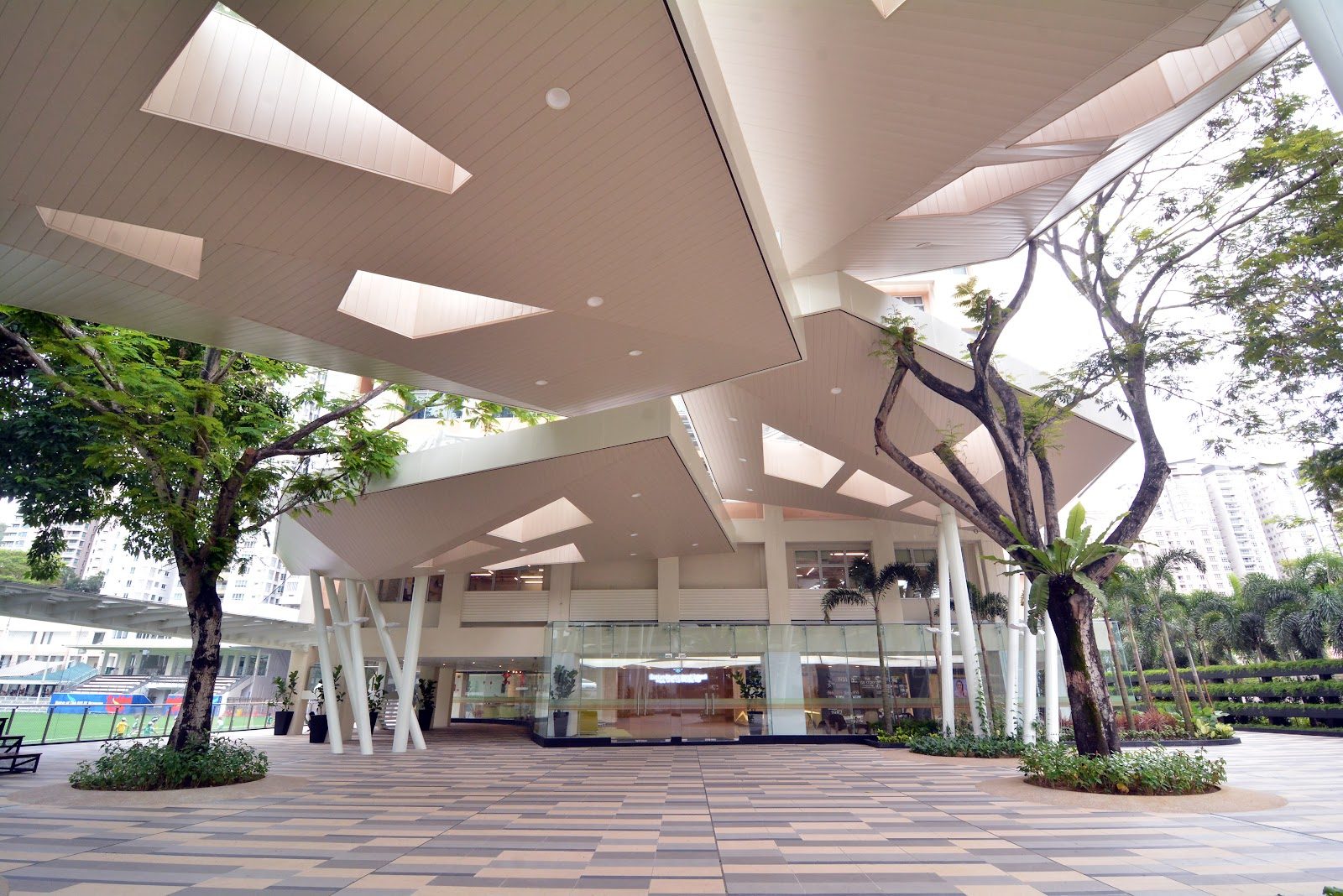
Garden International School
Kuala Lumpur · Malaysia
Traces its roots to a 1951 Lake Gardens schoolhouse, later becoming Malaysia's first official O-Level examination centre.
Marlborough College Malaysia
Johor · Malaysia
Wiltshire's first overseas campus pairs British boarding houses with the IB on a 90-acre farm-and-lake site near Singapore.
Nexus International School Malaysia
Putrajaya · Malaysia
In Malaysia's leafy administrative capital, a UK-accredited Forest School underpins an IB record well above the global average.
Same country and curriculum — closest matches within ±10 points either way