
Federal Territory
Nexus International School Malaysia
medium confidence· 4/6 cats · 1.6 avg sourcesIn Malaysia's leafy administrative capital, a UK-accredited Forest School underpins an IB record well above the global average.
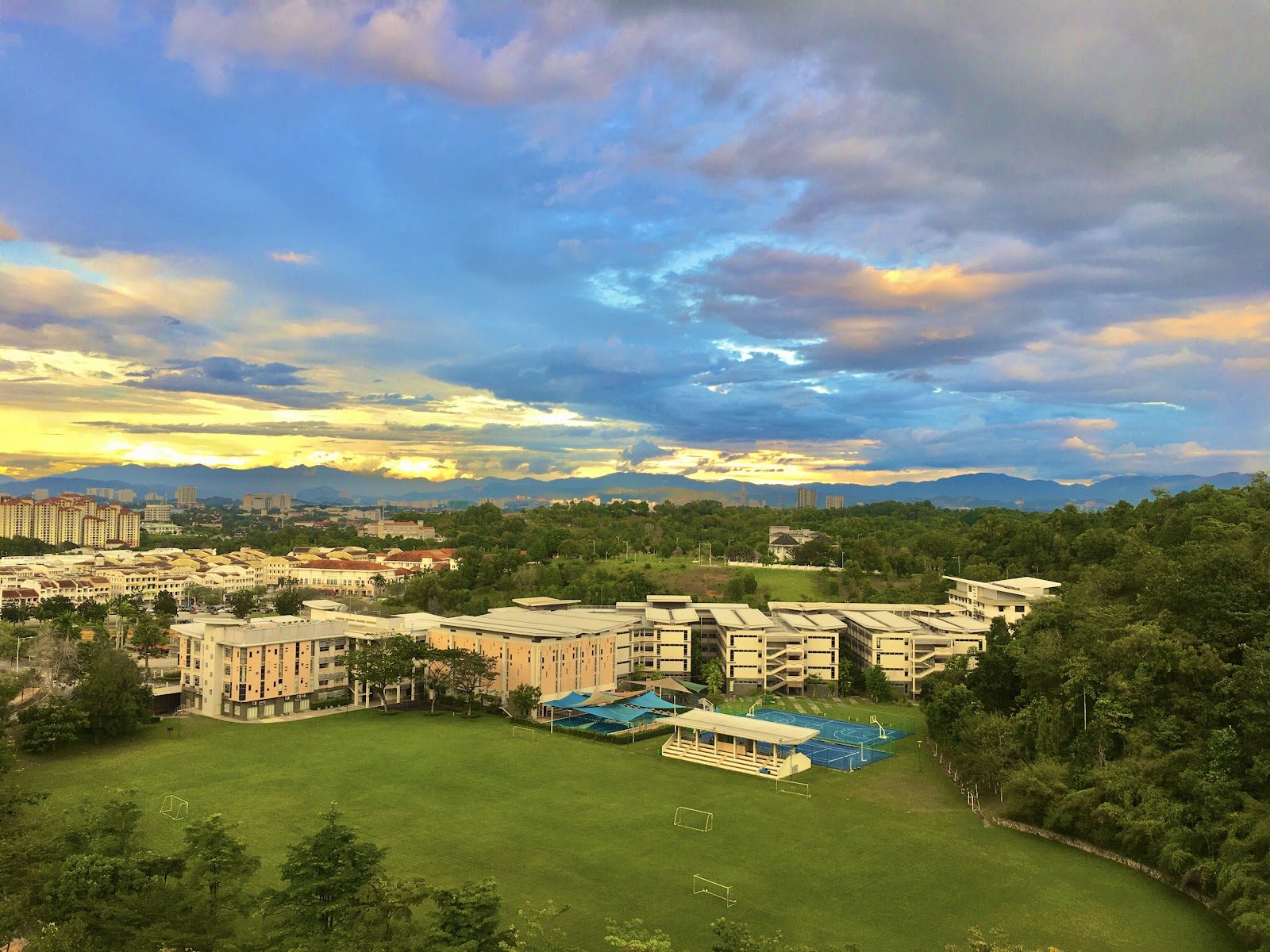
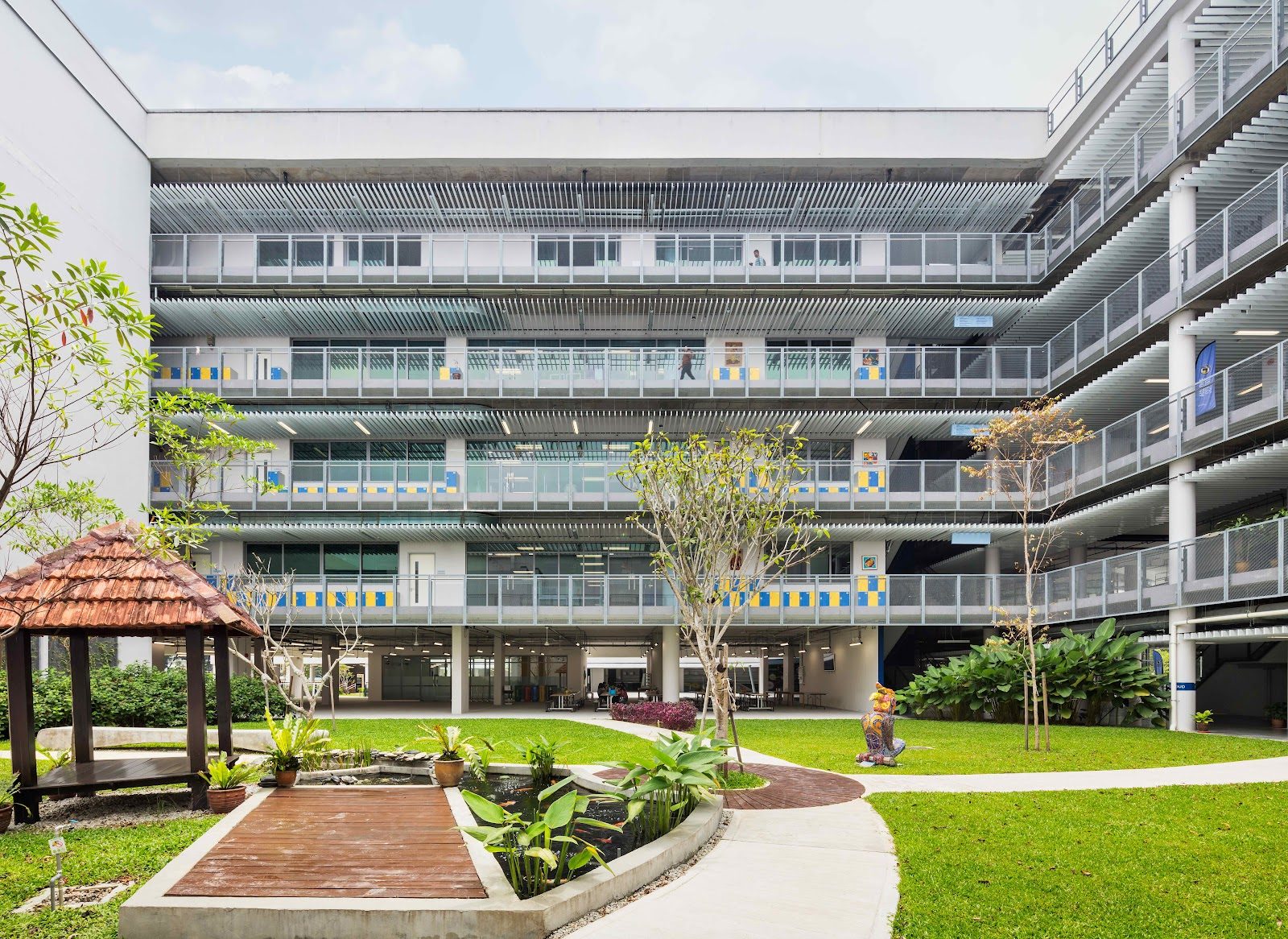
Photo © Amir Sajuri via Google Maps
Type
Both
Ages
3–18
Curriculum
IB · British
Qualifications
IB Diploma · IB MYP · IGCSE
Ratio
—
The Verdict
Editor's commitment
Right for
Families wanting British schooling into the IB at ages 3–18, with IB World School, CIS, COBIS and FOBISIA badges behind it.
Wrong for
Parents chasing a bargain or local-language schooling: English-only teaching in Putrajaya costs an average MYR 75,790 a year.
Watch out for
The school touts IB and IGCSE results above global benchmarks, but publishes no aggregate figures; recent destinations list only Carleton and Emily Carr.
Ranking breakdown
Nexus International School Malaysia · #539 of 1591
Composite score 69.8. 8 weighted criteria.
By criterion
Academic Outcomes
Weight 20%
#385
of 1529 scored
University Placement
Weight 16%
#398
of 1529 scored
Prestige & Heritage
Weight 12%
#750
of 1529 scored
Alumni Network
Weight 12%
#702
of 1529 scored
Facilities
Weight 12%
#292
of 1529 scored
Transparency & Communications
Weight 8%
#204
of 1529 scored
Peer & Industry Review
Weight 10%
#523
of 1529 scored
Admissions Selectivity & Demand
Weight 8%
#1232
of 1529 scored
Peer & Industry Review
How Nexus International School Malaysia is regarded in the sector
50
Credible · low confidence
Nexus International School Malaysia (Putrajaya) appears in general 'best international schools in Malaysia' round-ups on expat-focused sites (e.g. ExpatGo, Study International) and has an IB World School designation noted by IB's own school directory, but it lacks the depth of independent commentary seen for top-tier peers like Garden International or Alice Smith School—no Tatler, Good Schools Guide, or Sunday Times coverage was found specifically for it. This suggests a locally credible but not widely benchmarked reputation.
Evidence sources
Editors' overview
Nexus sits in Putrajaya, not central Kuala Lumpur, and that geography matters. For families in Malaysia’s administrative capital, it offers a rare mix: a British-to-IB academic route, English-medium teaching from ages 3 to 18, and a Forest School programme that is more than decorative branding. The school’s public case for itself rests on innovation, digital learning and inquiry, but the sharper point is this: Nexus has built a distinctive identity around outdoor learning and technology without abandoning exam performance. It is an IB World School with CIS, COBIS and FOBISIA accreditation, and the school states that its IB Diploma results exceed global averages. That combination gives it a clear market niche: progressive in method, conventional where parents care most, namely external outcomes.
The fee level places it in the premium international bracket: an average annual day fee of MYR 75,790 across the full school. Parents paying that price should expect more than polished rhetoric, and Nexus does offer tangible differentiators. The Apple Distinguished School label signals a serious investment in digital learning rather than a token iPad scheme. The Forest School element adds a second strand that many academically ambitious schools neglect: resilience, independence and comfort outside the classroom. The school also covers the full 3–18 age range, which matters for families who want continuity rather than another admissions cycle at 11 or 16. What remains less satisfying is the lack of public detail on hard outcomes beyond the broad claim of beating global IB benchmarks. If a school wants credit for academic strength, it should publish aggregate data with precision.
This is a strong shortlist school for parents who want a modern, English-speaking international education without the stale formula of drill, test and polish. It suits children who thrive in well-structured but not rigid settings, enjoy inquiry-led learning in the early years, and can make use of a broad extracurricular offer in sport and the arts. It also fits families who value an outward-looking school culture over old-fashioned institutional prestige. The student who will do best here is curious, adaptable and willing to engage; the child who wants a narrow, intensely exam-driven environment may find the Nexus model too expansive. University destinations published here are modest in number — Carleton University, Emily Carr University of Art + Design and Fraser International, each with 1 student — so parents chasing a school on headline placements alone will want more disclosure. For families who care about educational texture as much as results, Nexus has a genuine point of difference.
Academic Performance
Nexus makes a confident academic claim: its IGCSE and IB Diploma cohorts beat global benchmarks, and the school places that point at the centre of its case. That matters, because plenty of schools talk fluently about creativity, wellbeing and innovation while treating external results as an afterthought. Nexus does not. The combination of a broad subject menu at IGCSE, a sixth-form offer that includes the full diploma alongside alternatives, and a school-wide emphasis on digital literacy points to a model that aims for serious academic range rather than a narrow hothouse. Among Malaysian international schools, that puts Nexus in the upper tier of ambition: progressive in classroom method, but still tied to measurable outcomes.
The limitation is disclosure. Nexus says its diploma learners “consistently exceed global averages”, but it does not publish the aggregate IB score, pass rate, top score, subject breakdown or multi-year trend line in the public domain. The same opacity applies to IGCSE: there is no published headline set of grade distributions to test the strength of the claim against direct competitors. That leaves parents with a school whose academic story is credible but insufficiently evidenced. Relative to peers, Nexus fits the group of international schools with a strong outcomes narrative and enough institutional confidence to foreground results, but it stops short of the full transparency that marks the most data-secure operators in this market.
Facilities
Facilities are a real strength here, with two assets that give Nexus sharper definition than many mid-market international schools: a proper Forest School programme and a boarding operation of meaningful scale. Too many schools bolt “outdoor learning” onto a standard campus and leave it at that. Nexus has made it part of the school’s operating identity, which matters for younger children and for parents who want more than air-conditioned classroom life. The boarding house also carries weight. With more than 100 boarders drawn from over 15 nationalities, this is not a token residence block attached to a day school; it adds rhythm, activity and international mix beyond the formal timetable. For families comparing campuses around Greater Kuala Lumpur, that combination of outdoor provision, residential life and visible technology investment makes Nexus *more distinctive than the standard premium-school formula*.
The digital side also stands out. The Apple Distinguished School designation points to infrastructure, staff use and pupil access that go beyond a cosmetic device roll-out. Add a broad extracurricular platform in sport and the arts, and the facilities profile reads as well-rounded rather than trophy-led. What Nexus does not advertise, at least in public detail, is the kind of headline-grabbing specialist estate that some rivals use to signal excess: there is no heavy public emphasis on Olympic-scale aquatics, concert-hall grandeur or showpiece architecture. That is not a weakness unless those things matter to your family. Against peers, Nexus wins on coherence: its facilities support how the school teaches, not just how it sells itself.
Add the UK-accredited Forest School strand and the Apple Distinguished School designation, and Nexus has built a profile that is distinctive rather than generic
Prestige
Nexus carries real but bounded prestige. In Malaysia’s international-school market, it has name recognition, a full age-range offer, and the institutional backing of a larger education group. The school has also assembled the right external badges for parents who screen for international legitimacy rather than local familiarity. That matters. So does the boarding population: more than 100 boarders from over 15 nationalities gives the school a more international social mix than many campuses that trade on the label without delivering the culture. Add the UK-accredited Forest School strand and the Apple Distinguished School designation, and Nexus has built a profile that is distinctive rather than generic. This is not a legacy grande dame with inherited cachet; it is a modern operator with a carefully constructed reputation.
That distinction explains the rating. Nexus has stronger standing with internationally mobile families than with parents chasing old-school brand prestige or a single headline university pipeline. Its academic reputation is helped by the school’s repeated emphasis on results above global IB norms, but held back by weak public disclosure of aggregate outcomes and only a thin set of published destinations. Prestige in this sector rests on three things: results, selectivity and social proof. Nexus has enough of the first to stay credible, an international community that adds substance, and a coherent identity that cuts through. It lacks the commanding aura of the market’s most entrenched names. The result is solid upper-tier prestige, not untouchable status.
Nexus sits in Putrajaya, not central Kuala Lumpur, and that geography matters
Communications
Nexus communicates like a school that knows the parent journey starts online and continues through direct contact. The website is busy but functional: tour booking and enquiry routes sit front and centre, key school divisions are easy to find, and the admissions path is not buried under slogan-heavy clutter. Contact points are explicit, with separate phone lines for current families and new admissions, which is a small but competent sign of operational discipline. The parent portal login is visible, another useful marker that communication infrastructure matters here. This is not a minimalist site, and the copy leans hard on self-congratulation, but the practical information architecture does the job. Parents can work out what the school offers, who it serves and how to get hold of someone without unnecessary digging.
Effectiveness after admission looks more mixed. Nexus talks fluently about relationships, inclusion and pastoral care, and a school with a substantial residential population needs tight, dependable communication routines. Yet the public-facing communication style favours brand language over hard disclosure. The weak point is academic reporting to the outside world: the school claims results above international benchmarks, but does not publish the aggregate data that serious parents expect. That matters because communication is not only about warmth or responsiveness; it is also about candour. On day-to-day access, Nexus looks well-organised and parent-aware. On institutional transparency, it is still holding something back.
Uniqueness
What sets Nexus apart is not the fact that it mixes British and IB pathways; plenty of international schools do that. Its distinction lies in how deliberately it combines outdoor education and digital fluency with a mainstream academic route. The Forest School strand is the clearest example. At many schools, outdoor learning sits at the edge of the prospectus as a nursery selling point. Here it runs through the school’s identity and gives children repeated practice in risk, observation, independence and resilience. That changes the texture of school life. Pupils do not spend their entire week moving between classrooms, screens and assessment tasks; they get a more physically grounded education. Paired with the school’s technology push and microcredentials language, Nexus produces a model that is conspicuously modern without collapsing into gadget worship.
The second point of difference is social, not academic. A boarding community of more than 100 pupils from over 15 nationalities gives the school a more international daily culture than the day-school label alone implies. For students, that brings exposure to different habits, expectations and conversations long after lessons finish. It also supports leadership and independence in a way that a purely commuter campus does not. The result is a school with a clear internal logic: inquiry and pastoral nurture for younger children, structured academic progression later on, and a student experience shaped by both nature and global mobility. That is a genuine differentiator in a market full of schools that promise innovation but deliver a standard premium template.
It is an IB World School with CIS, COBIS and FOBISIA accreditation, and the school states that its IB Diploma results exceed global averages
Student Profile
The best fit at Nexus is a child who likes range. This is not a school for the pupil who wants life reduced to classrooms, worksheets and exam drills. It suits children who respond to structured independence: the kind who enjoy moving between academic work, outdoor learning, clubs, arts and sport without treating any one strand as a distraction from the “real” business of school. The learner-led language matters here. Pupils who want chances to organise, lead and test ideas will find room to do it. So will internationally minded children who are energised by a mixed community rather than unsettled by it. With more than 100 boarders and over 15 nationalities in residence, the social environment has real breadth and a daily rhythm that extends beyond lessons.
The less natural fit is the child who wants a tightly coached, narrow, status-conscious experience. Nexus talks in the language of inclusion, innovation and mindset, and that points to a student culture that rewards engagement, adaptability and a degree of self-direction. Younger children who benefit from hands-on, physically active learning will make strong use of the school’s outdoor strand. Older pupils need enough maturity to handle a campus culture that values initiative rather than passive compliance. Families drawn to a more humane version of ambitious international schooling will find their tribe here; families who equate rigour with constant pressure and traditional formality may not.
That combination gives it a clear market niche: progressive in method, conventional where parents care most, namely external outcomes
Co-curricular strengths
Arts & sport, on a separate axis
Overall 9.08/10
Scored 0-10 from the school's own published evidence. This axis is editorial-only — it does not feed the main WTS ranking.
Sports
9.2/10
Drama
9/10
Dance
9/10
Music
9.2/10
Visual Arts
9/10
Editor first-pass · editor-reviewable · 7/30/2026
Outcomes & destinations
Where students go next
Top destinations
112 placements
- Carleton University· 1
- Emily Carr University of Art + Design· 1
- Fraser International· 1
- McGill University· 1
- Simon Fraser University· 1
- University of British Columbia· 1
- University of Calgary· 1
- University of Toronto· 1
- Bath Spa University· 1
- Birkbeck University· 1
- City University London· 1
- Durham University· 1
- Heriot Watt University· 1
- Imperial College London· 1
- Keele University· 1
- King's College London· 1
- Lancaster University· 1
- London School of Economics· 1
- Loughborough University· 1
- Manchester Metropolitan University· 1
- Nottingham Trent· 1
- Oxford· 2
- Queen Mary University of London· 1
- Salford University· 1
- School of Oriental and African Studies University of London· 1
- University of London· 1
- University Academy 92· 1
- University College London· 1
- University of Aberdeen· 1
- University of Bath· 1
- University of Brighton· 1
- University of Bristol· 1
- University of East Anglia· 1
- University of Edinburgh· 1
- University of Glasgow· 1
- University of Leicester· 1
- University of Liverpool· 1
- University of Manchester· 1
- University of Nottingham· 1
- University of Reading· 1
- University of Southampton· 1
- University of St Andrews· 1
- University of Sussex· 1
- University of Warwick· 1
- University of Westminster· 1
- University of York· 1
- University of Surrey· 1
- Royal Veterinary College· 1
- Boston University· 1
- Duke University· 1
- Johns Hopkins University· 1
- Northeastern University· 1
- Stanford University· 1
- Syracuse University· 1
- University of California, Berkeley· 1
- University of California, Los Angeles· 1
- University of Illinois· 1
- University of Minnesota Twin Cities· 1
- University of Pennsylvania· 1
- Washington State University· 1
- Beloit College· 1
- University of Virginia· 1
- Erasmus University Rotterdam· 1
- Radboud University· 1
- University of Amsterdam· 1
- Utrecht University· 1
- Hotelschool The Hague· 1
- HZ University of Applied Sciences· 1
- Katholieke Universiteit Leuve· 1
- The American University of Paris· 1
- L'atelier D'arts Appliqués· 1
- Victoria University of Wellington· 1
- James Cook University· 1
- JMC Academy· 1
- Monash University· 1
- University of Melbourne· 1
- University of Queensland· 1
- University of Technology Sydney· 1
- University of Western Australia· 1
- University of Sydney· 1
- Hong Kong University· 1
- The Hong Kong University of Science and Technology· 1
- Heriot-Watt University· 1
- Infrastructure University Kuala Lumpur· 1
- International Islamic University· 1
- International Medical University· 1
- INTI International University· 1
- LimKokWing University· 1
- Mahsa University· 1
- Management and Science University· 1
- Monash University Malaysia· 1
- Multimedia University· 1
- Newcastle Medical School Malaysia· 1
- Penang Medical College· 1
- Southampton University· 1
- Sunway University· 1
- Taylor’s University· 1
- UCSI University· 1
- University of Nottingham· 1
- UOW Malaysia KDU University College· 1
- Universiti Tenaga Nasional· 1
- Curtin University· 1
- Nanyang Technological University· 1
- Singapore Management University· 1
- University of Hokkaido· 1
- University of Tokyo· 1
- Charles University· 1
- Korea Institute of Science and Technology· 1
- Yonsei University· 1
- Jæren Folkehøgskule· 1
- HSE University· 1
Reported by the school. Confirm with admissions.
Strengths
- +Accredited by the Council of International Schools since 2010 and re-accredited in April 2022, giving independent verification of school standards.
- +Authorised to teach the full IB continuum through to the Diploma Programme since March 2012, alongside IGCSE and the British National Curriculum.
- +Part of Taylor's Education Group, one of Malaysia's largest and longest-established private education providers, giving the school institutional backing.
- +Boarding is available for students aged 10 to 18, a useful option for relocating or itinerant expat families needing flexible living arrangements.
- +Campus facilities include a swimming pool, tennis courts, football field, indoor multipurpose gym, auditorium and a two-tiered library, plus a Forest School outdoor-learning programme.
Considerations
- −Located in Putrajaya, roughly 30km south of central Kuala Lumpur, which can mean a longer daily commute for families based in the city itself.
- −Independent oversight bodies such as the Good Schools Guide note they hold no independently verified entry/exit data or reliably reported GCSE-level results for this school.
- −Tuition escalates substantially through the school, reported at roughly RM46,000 a year in Nursery rising to over RM104,000 in Years 12-13, before registration and application fees.
- −Class sizes are capped at 24 and places operate on a wait-pool system when capacity is reached, so admission is not guaranteed even with a completed application.
Availability
Primary entry gate & tests
Academic Record
Gallery
Photo © Run4Cov3r YT via Google Maps
Photo © Nexus International School Malaysia via Google Maps
Photo © Mikeson V via Google Maps
Photo © Johnson Lam via Google Maps
Photo © Nexus International School Malaysia via Google Maps
Parent reviews
Have you sent your child here?
Voice reviews carry the strongest trust badge — we transcribe them for you to tidy up before they go live. Prefer to type? A written review is fine too.
Add your voice
In 60 seconds, tell other parents: what's the best thing about Nexus International School Malaysia, and what surprised you when your child joined?
We ask for a Google sign-in so every review has a real face behind it — no anonymous drive-by attacks on schools, and no faked positive reviews. Your email is never shown publicly.
Send this profile to a friend
International parents rely on word-of-mouth. Share this review with someone weighing the same decision.
Schools with places
Similar schools to Nexus International School Malaysia with places available now.
Epsom College in Malaysia
Negeri Sembilan · Malaysia
- 2026-27
- WAITPOOLSpace-dependent
- 2027-28
- PLACES OPENRolling
Marlborough College Malaysia
Johor · Malaysia
- 2026-27
- WAITPOOLVacancy-dependent
- 2027-28
- PLACES OPENRolling
Garden International School
Kuala Lumpur · Malaysia
- 2026-27
- WAITPOOLSpace-dependent
- 2027-28
- PLACES OPENRolling
Kolej Tuanku Ja'afar
Mantin · Malaysia
- 2026-27
- WAITPOOLSpace-dependent
- 2027-28
- PLACES OPENRolling
Availability first, then country, area, curriculum, price, co-curricular
Consider also
Also worth looking at alongside Nexus International School Malaysia.
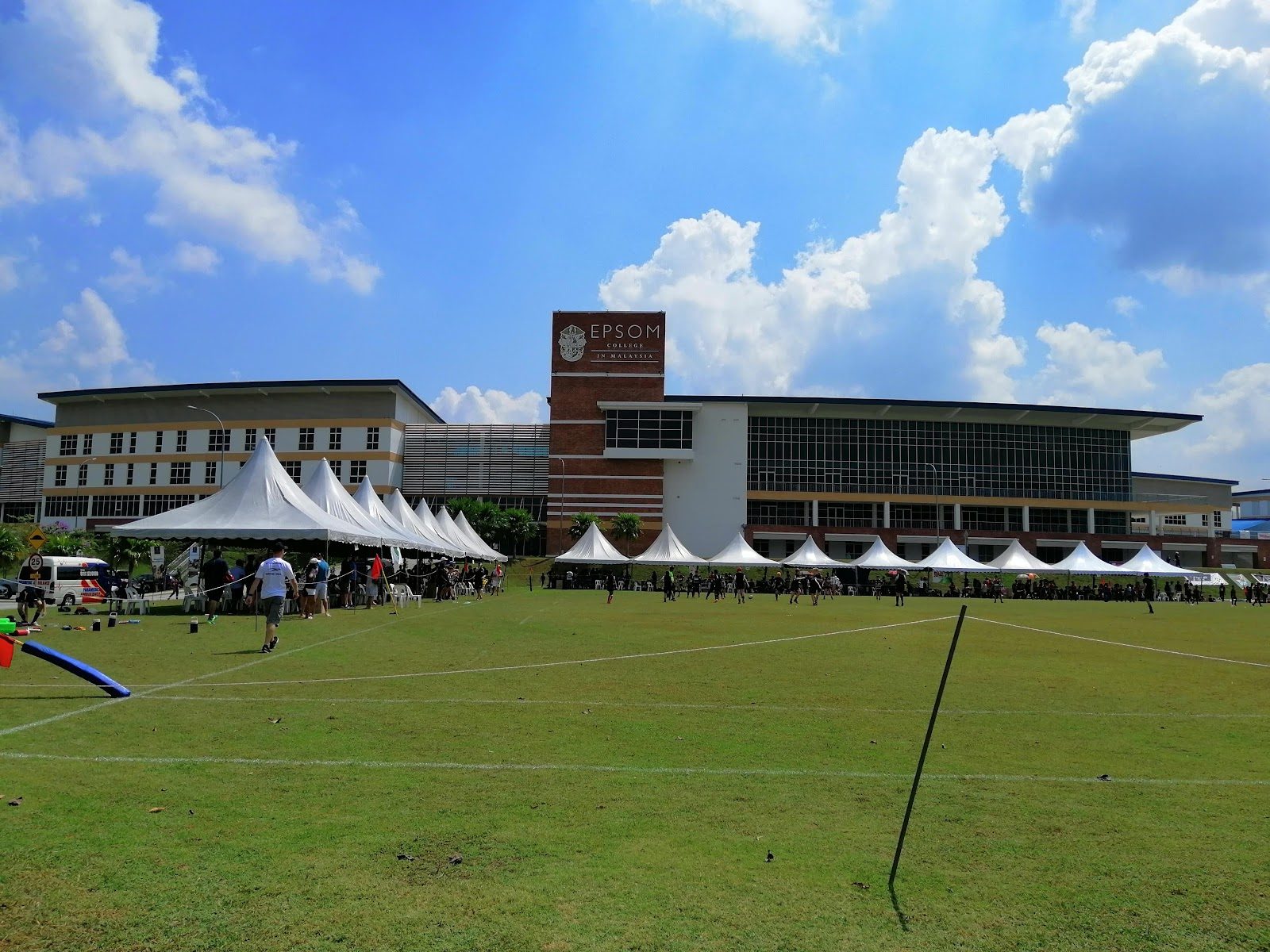
Epsom College in Malaysia
Negeri Sembilan · Malaysia
The lone Asian sister campus of a 170-year-old Surrey boarding school, its British house system anchors a 50-acre Negeri Sembilan estate.
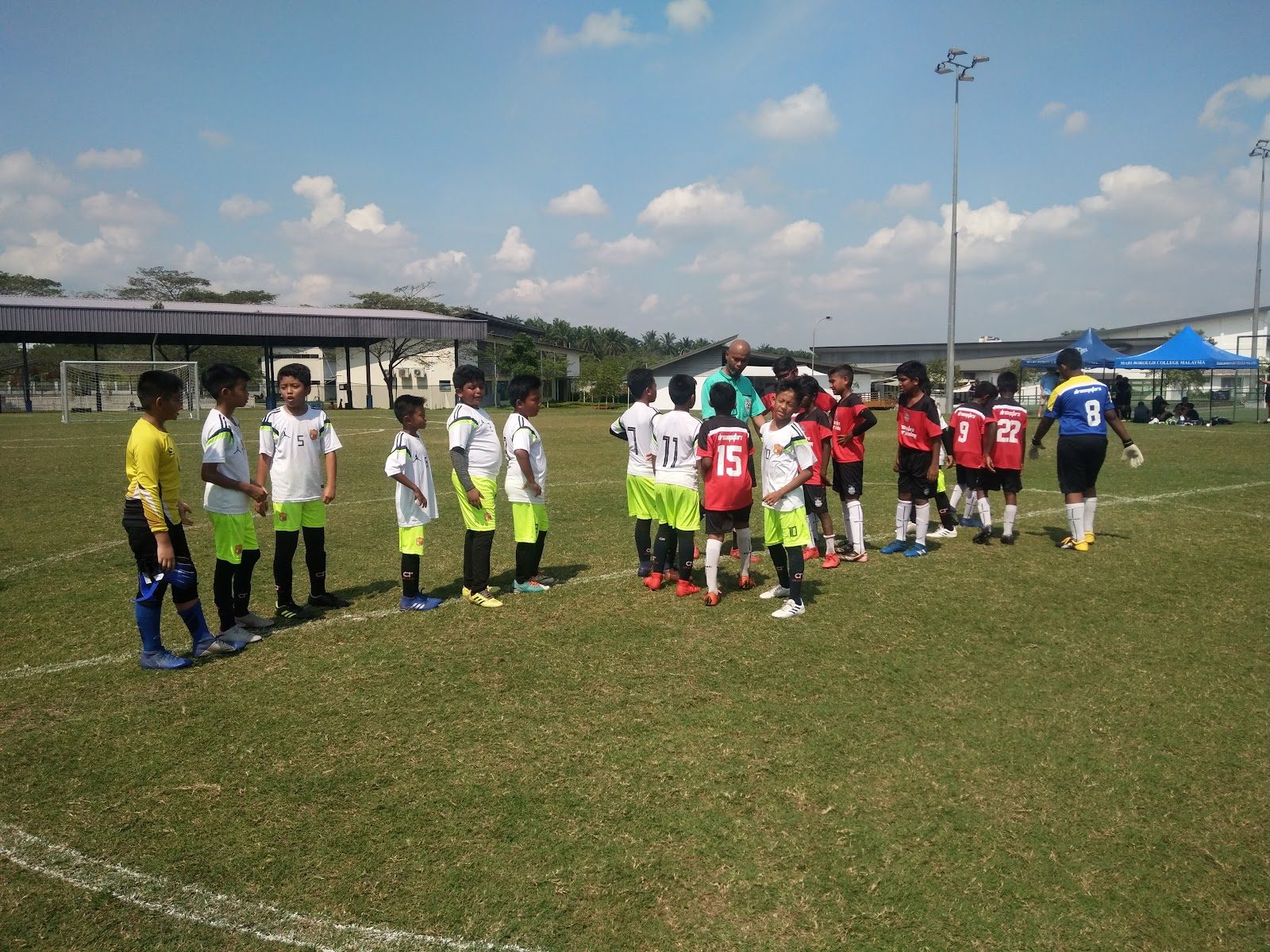
Marlborough College Malaysia
Johor · Malaysia
Wiltshire's first overseas campus pairs British boarding houses with the IB on a 90-acre farm-and-lake site near Singapore.
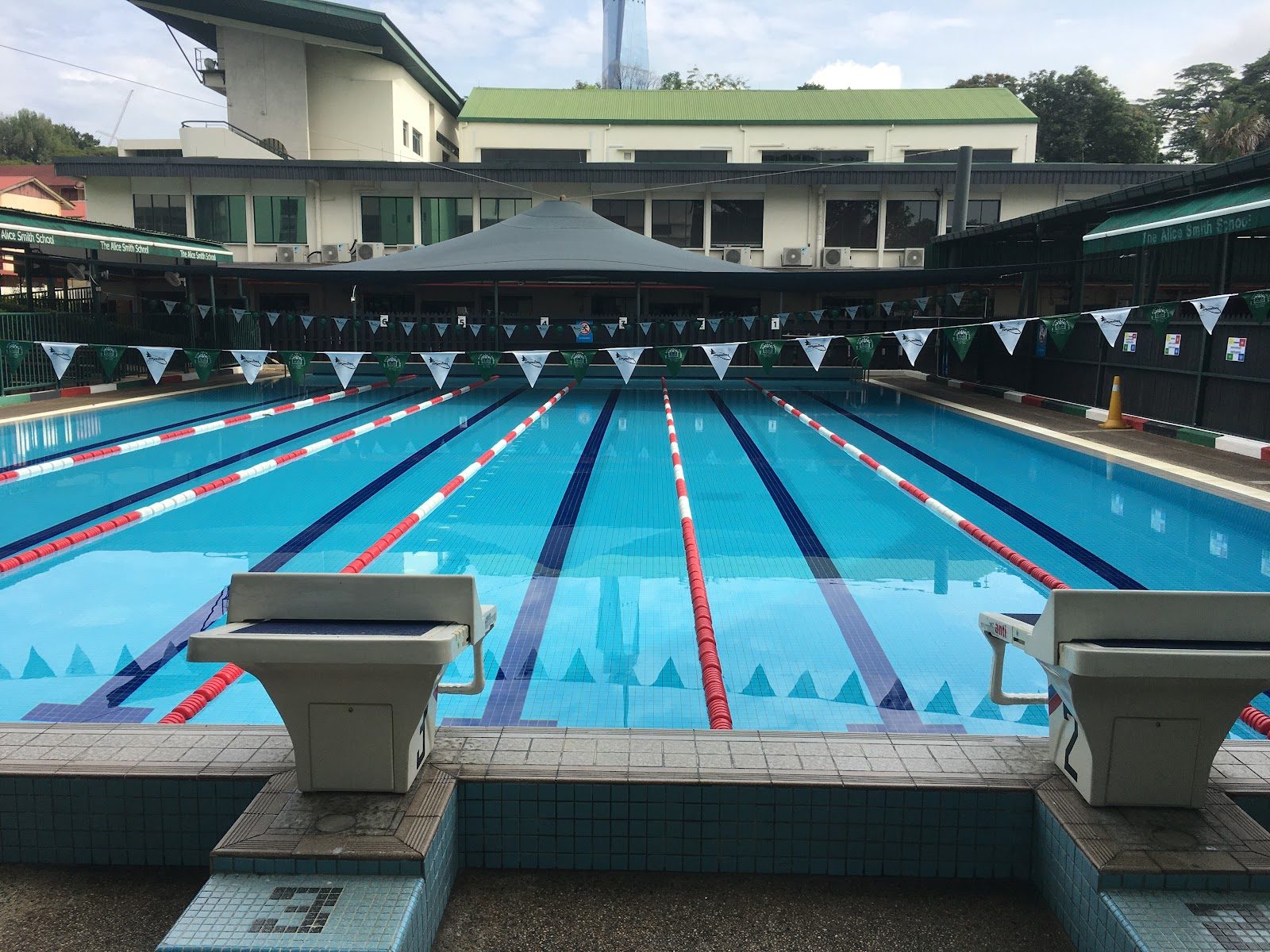
Alice Smith School
Kuala Lumpur · Malaysia
Malaysia's first British international school, still run not-for-profit, pairs A-Level rigour with an IAAF-certified running track.
International School of Kuala Lumpur
Kuala Lumpur · Malaysia
Malaysia's longest-running IB World School, pairing a 25-acre Ampang Hilir campus with mandatory Asia-wide service expeditions.
Same country and curriculum — closest matches within ±10 points either way