
Negeri Sembilan
Epsom College in Malaysia
high confidence· 5/6 cats · 3.18 avg sourcesThe lone Asian sister campus of a 170-year-old Surrey boarding school, its British house system anchors a 50-acre Negeri Sembilan estate.
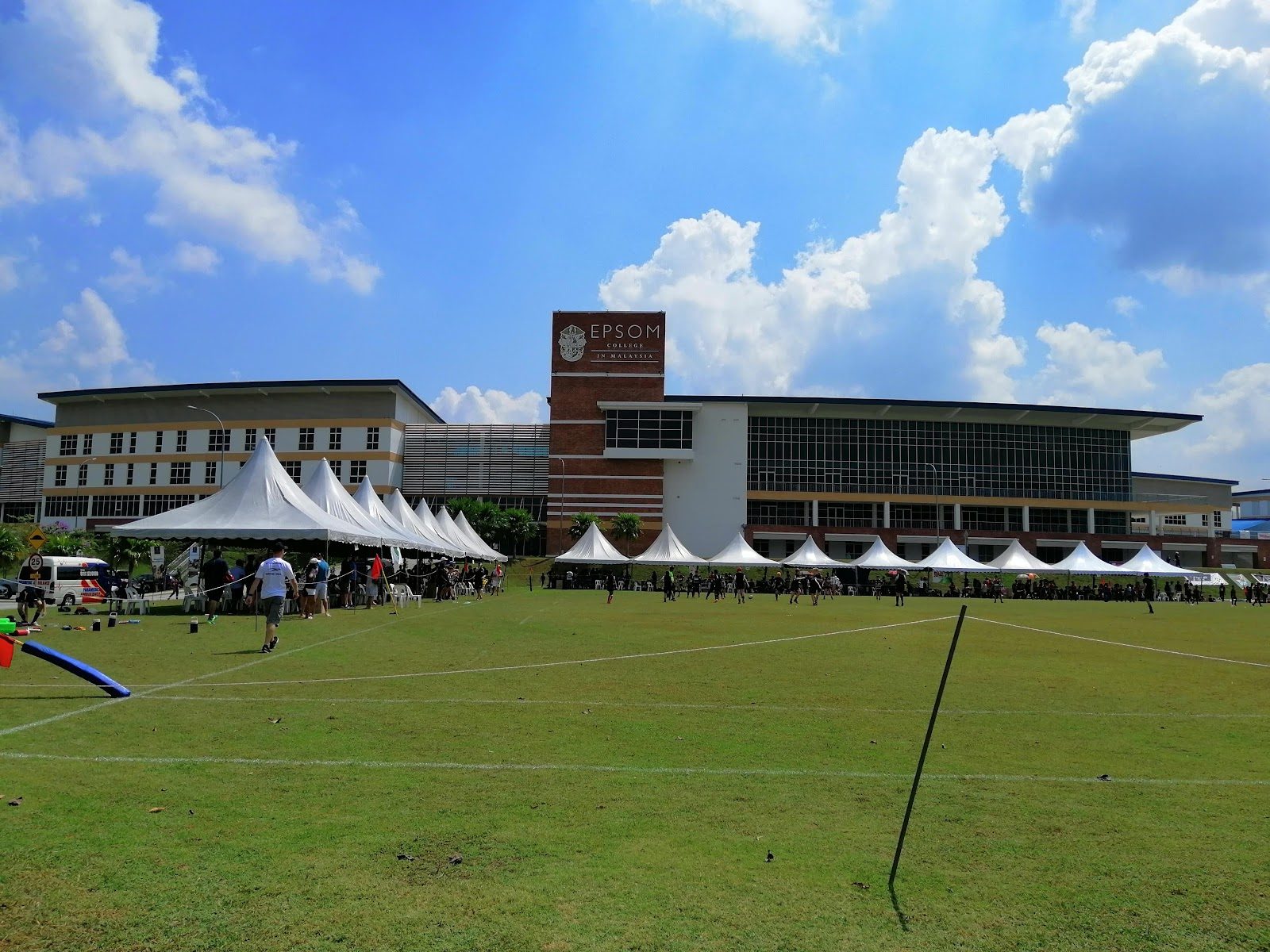
Photo © Khairul Nizam Bakar via Google Maps
Type
Both
Ages
3–18
Curriculum
British · IB
Ratio
10:1
The Verdict
Editor's commitment
Right for
Families wanting British schooling with an IB option on a 50-acre campus, plus boarding and a 10:1 student-teacher ratio.
Wrong for
Parents chasing scale and bustle: this is a 200-student school in Negeri Sembilan, not a vast city-campus operation.
Watch out for
Fees sit at an average $20,000 day and $40,000 boarding; for that price, ask hard questions beyond Oxford, Cambridge and Imperial.
Ranking breakdown
Epsom College in Malaysia · #605 of 1591
Composite score 69.1. 8 weighted criteria.
By criterion
Academic Outcomes
Weight 20%
#385
of 1529 scored
University Placement
Weight 16%
#263
of 1529 scored
Prestige & Heritage
Weight 12%
#1018
of 1529 scored
Alumni Network
Weight 12%
#1320
of 1529 scored
Facilities
Weight 12%
#83
of 1529 scored
Transparency & Communications
Weight 8%
#289
of 1529 scored
Peer & Industry Review
Weight 10%
#338
of 1529 scored
Admissions Selectivity & Demand
Weight 8%
#991
of 1529 scored
Score history
Epsom College in Malaysia · 2026
Movement across 2024–2026. Peer average overlaid.
Overall — 2024–2026
69.1/ 100
▲ +23.2 vs 2025
year on year
Peer & Industry Review
How Epsom College in Malaysia is regarded in the sector
55
Credible · low confidence
Epsom College in Malaysia, a branch of the UK's Epsom College opened in the mid-2010s, receives some recognition in expat-parent discussion boards and international-school directories (e.g. Good Schools Guide International's Malaysia section, School Advisor Malaysia listings) as a credible British curriculum option in the Klang Valley/Negeri Sembilan area, but it lacks the sustained alumni-network coverage, Tatler 'best schools' list presence, or specialist press benchmarking seen for longer-established Malaysian international schools like Epsom's peers (Marlborough, Nexus, or Garden International). Reputation appears local/regional rather than sector-wide standout.
Evidence sources
Editors' overview
Epsom College in Malaysia trades on one clear distinction: it is the only Asian sister campus of Epsom College UK, and it leans hard into the British boarding-school model rather than dressing up as a generic international day school. The house system, the boarding culture and the 50-acre Negeri Sembilan campus are the point. For families who want a British education in Asia without the churn and scale of a big-city international school, that matters. So does the structure: ages 3 to 18, English-medium teaching, a British and IB academic offer, and a 10:1 student-teacher ratio that gives it more room for individual attention than many regional competitors. This is a deliberately niche school: only 200 students, with 10 per cent international students across 10 nationalities. That keeps the community tight, but it also means parents need to want a smaller, more contained social world.
The school’s strongest case for a shortlist place rests on boarding and on ambition. Epsom is one of the few schools in Malaysia where boarding is not an add-on but part of the institution’s identity. That will appeal to families who want structure, supervised independence and a campus life built around houses rather than buses and after-school pick-ups. University destinations give some evidence of academic traction: recent placements include Oxford, Cambridge and Imperial, and the school says pupils have also secured offers from other selective UK and US universities. The IBO accreditation adds credibility to the sixth-form offer, and the school’s average annual fees put it firmly in the premium bracket at US$20,000 for day pupils and US$40,000 for boarders across the full age range. This is expensive, but the pricing aligns with a full-boarding British independent-school proposition rather than a local day-school model.
The right student for Epsom is not hard to identify. This suits children who will thrive in a high-structure, campus-based environment, who value pastoral oversight, and who are aiming at competitive universities without wanting the anonymity of a huge international school. Boarders, sporty pupils and students who like tradition will get more from it than children who want a loose, urban, ultra-cosmopolitan scene. The small roll cuts both ways: it can be intensely supportive for the right child and socially limiting for the wrong one. Parents should shortlist Epsom if they want British boarding in Asia with a clear institutional identity, a manageable 50-acre setting, and a route through British and IB pathways. They should look elsewhere if they want breadth of scale, a large international mix, or a school whose public academic data is more complete.
Academic Performance
Epsom’s published academic case is frustratingly incomplete. The homepage carries placeholders for IGCSE and A-level performance against UK averages, but the school does not publish the actual percentages there. That matters. In this market, schools asking parents to pay premium fees need to put full external-results tables in plain view: grade distributions, cohort sizes, subject entries and multi-year trends. Epsom gives the reader headline university names and scholarship totals, but that is not the same thing as hard exam data. Recent destinations do include Oxford, Cambridge and Imperial, which tells you the top end of the cohort can compete. It does not tell you how broad that performance is across the year group.
Relative to peers, Epsom sits in an awkward middle ground: more academically ambitious than a pastoral-first boarding school, less transparent than the strongest exam-led schools in the region. The small cohort cuts both ways. A handful of strong university placements can reflect genuine academic strength; they can also flatter the picture when the leaving class is tiny. The school’s British and IB offer gives families breadth at sixth-form stage, and the low student-teacher ratio supports close academic oversight, but published outcomes remain too opaque. Until Epsom releases complete IGCSE, A-level and IB results, it is hard to place it in the top academic tier on evidence alone.
Facilities
Facilities are one of Epsom’s stronger selling points, because the campus was built around boarding life rather than retrofitted onto a day-school footprint. The headline asset is space: a 50-acre site gives the school room for houses, sport and movement between buildings without the cramped, vertical feel common in urban international schools. That matters in boarding, where pupils live with the estate every day, not just between registration and dismissal. The school also points to sports academies and ITF-certified tennis courts, which places racquet sport high on the pecking order and gives it a more purpose-built athletic profile than many mid-market schools. Open days run several times a year, and families should use them to inspect boarding houses closely: dorm layout, study provision, common rooms and pastoral staffing matter more here than a glossy reception area.
Against peers, the picture is mixed. Epsom has the clear advantage over city campuses on land, containment and the coherence of its residential setting. It feels more like a self-contained school than a tower-block international campus with scattered facilities. The trade-off is breadth. The public case for arts, science and specialist teaching spaces is thin, and the school does not publish the kind of detailed facilities inventory that top-tier competitors now treat as standard. For a school charging premium fees and leaning hard on the boarding proposition, that gap is hard to ignore. Parents drawn by the estate and sports offer should press for specifics beyond the tennis courts and co-curricular count of 50.
Recent destinations do include Oxford, Cambridge and Imperial, which tells you the top end of the cohort can compete
Prestige
Epsom College in Malaysia has real brand leverage in one narrow but important sense: the direct link to Epsom College UK carries weight with families who value the grammar of British independent schooling. That matters more than glossy claims about “global citizenship”. The house structure, campus living and inherited institutional identity give it a recognisable social code and a clearer personality than many international schools built from scratch. Prestige here rests less on scale or market dominance and more on borrowed heritage used with discipline. The school also benefits from scarcity value: there is only one Asian sister campus, and that exclusivity strengthens the badge.
That said, this is not top-tier prestige in the way parents use the term when they mean a school with undeniable academic authority, a deep alumni bench and years of public results. The school is still young, small, and short on published outcome data. Its recent university destinations include Oxford, Cambridge and Imperial, which gives it a credible top-end story, and the scholarship total of US$500,000 adds some gloss. But prestige built on a handful of elite offers is fragile unless it is backed by full cohort performance. The premium fees — US$20,000 for day pupils and US$40,000 for boarders on average each year — place it in a market where parents can demand harder proof. Verdict: high-status branding, selective social appeal, but not yet fully earned prestige.
Until Epsom releases complete IGCSE, A-level and IB results, it is hard to place it in the top academic tier on evidence alone
Communications
Epsom communicates like a school that wants parents to buy into a whole way of life, not just a timetable. The website pushes that line hard: boarding, pastoral care, university ambition, sports academies, open days and a unified link with the UK campus all sit front and centre. That gives families a clear institutional story. Navigation is straightforward, visit calls are easy to find, and the admissions funnel is built around in-person contact rather than endless form-filling. For a school with only 200 pupils, that directness matters. It fits a high-touch model in which reassurance, access and relationship-building do more work than mass-market marketing.
The weakness is substance. The school talks fluently about care, belonging and future-readiness, but published communications are *too polished where they need to be precise*. The homepage includes headline claims on exam performance and university outcomes, yet some key academic figures sit as placeholders rather than usable data. That undercuts trust. Parents choosing a premium boarding school need more than atmosphere: they need routine, hard information on results, house life, staffing, safeguarding, daily logistics and who actually answers questions once a child is enrolled. Epsom’s outward communication is slick, coherent and easy to engage with; its accountability to parents is less convincing. The message is strong. The evidence base behind it is patchier than it should be.
Uniqueness
What marks Epsom out is not “Britishness” as a vague aesthetic, but a formal link to one English public school and a serious attempt to transplant its social architecture into Malaysia. Most international schools borrow bits of UK independent-school language; Epsom imports the house logic, the residential rhythm and the expectation that school life extends well beyond lessons. That gives students something more coherent than a standard premium day-school experience. They get a tighter institutional identity, a more supervised adolescence and a campus culture with clearer rules, loyalties and rituals. For the right child, that produces real stability: friendships deepen faster, staff know pupils well, and leadership is practised in lived communities rather than in occasional badge-heavy committees.
Its other point of difference is scale. With only 200 students and only 10% international pupils, this is not a sprawling global village. It is a small, contained world with a distinct social tone and a narrower pool of peers. That brings advantages: less anonymity, stronger pastoral grip and more scope for pupils to take visible roles in houses, teams and activities. It also brings constraints. Students who want constant social churn, a huge subject ecosystem or the buzz of a big metropolitan international school will find Epsom too enclosed. Students who value structure, continuity and a full-campus way of life will get something rarer: an education shaped as much by community habits as by classroom teaching.
The house system, the boarding culture and the 50-acre Negeri Sembilan campus are the point
Student Profile
The pupils who fit Epsom best are the ones who want school to organise more than lessons. This suits children who are comfortable with rules, routine and adult oversight, and who gain confidence from a structured, close-knit environment rather than from constant choice. The school’s small roll — 200 pupils — changes the social equation. There is less room to disappear, but more room to be known. That can work very well for boarders, younger pupils moving into adolescence, and families who value strong pastoral grip over teenage looseness. It also suits students who are willing to commit to campus life: houses, activities, supervised study and the social habits of a residential school.
The less natural fit is easy to identify. Highly independent teenagers who want a big peer group, broad social anonymity or the pace of a large international city school will find this place too contained. So will children who dislike tradition, team structures or being drawn into a school culture with a clear internal code. The international mix is limited at 10%, so parents looking for a heavily multinational daily experience need to register that early. Epsom works best for families who want orderly ambition, visible staff involvement and a student body where participation is hard to dodge. It is a good match for pupils who want to belong to something deliberately bounded, and a poor one for those who want maximum breadth and freedom.
For families who want a British education in Asia without the churn and scale of a big-city international school, that matters
Co-curricular strengths
Arts & sport, on a separate axis
Overall 9.2/10
Scored 0-10 from the school's own published evidence. This axis is editorial-only — it does not feed the main WTS ranking.
Sports
9.5/10
The profile and Wikipedia cite extensive on-campus sports facilities including playing fields for rugby, cricket and netball, plus tennis courts, a swimming pool, an athletics hall and a squash court, which evidences multiple dedicated facilities.
Drama
9.2/10
Drama is explicitly listed as an extracurricular option, but no productions, specialist staff, department or dedicated theatre facility are described.
Dance
9/10
Dance is explicitly named among the extracurricular options.
Music
9.3/10
A separate music school with a concert hall, its own classrooms and a recording studio, which is strong evidence of a dedicated named facility for music with multiple specialist elements.
Visual Arts
9/10
The school is described as having dedicated spaces for art and music, and Wikipedia specifically mentions a separate art building, indicating a dedicated visual-arts facility.
Editor first-pass · editor-reviewable · 7/27/2026
Outcomes & destinations
Where students go next
Top destinations
12 placements
- Oxford· 1
- Cambridge· 1
- Imperial· 1
- Durham· 1
- University College London· 1
- University of Exeter· 1
- Massachusetts Institute of Technology· 1
- New York University· 1
- University of Southern California· 1
- Northwestern· 1
- UHK· 1
- Sorbonne· 1
Reported by the school. Confirm with admissions.
Strengths
- +British and IB curricula offered
- +English-medium teaching throughout
- +Co-educational boarding for ages 3–18
- +10:1 student-teacher ratio
Considerations
- −High annual boarding fee: $40,000
- −High annual day fee: $20,000
- −Only IBO accreditation listed
Availability
Primary entry gate & tests
Academic Record + Assessment
Gallery
Photo © Epsom College Malaysia via Google Maps
Photo © Epsom College Malaysia via Google Maps
Photo © Epsom College Malaysia via Google Maps
Photo © Epsom College Malaysia via Google Maps
Photo © Epsom College Malaysia via Google Maps
Photo © Epsom College Malaysia via Google Maps
Photo © Epsom College Malaysia via Google Maps
Photo © Epsom College Malaysia via Google Maps
Photo © Mark Lankester via Google Maps
Parent reviews
Have you sent your child here?
Voice reviews carry the strongest trust badge — we transcribe them for you to tidy up before they go live. Prefer to type? A written review is fine too.
Add your voice
In 60 seconds, tell other parents: what's the best thing about Epsom College in Malaysia, and what surprised you when your child joined?
We ask for a Google sign-in so every review has a real face behind it — no anonymous drive-by attacks on schools, and no faked positive reviews. Your email is never shown publicly.
Send this profile to a friend
International parents rely on word-of-mouth. Share this review with someone weighing the same decision.
Schools with places
Similar schools to Epsom College in Malaysia with places available now.
Availability first, then country, area, curriculum, price, co-curricular
Consider also
Also worth looking at alongside Epsom College in Malaysia.

Marlborough College Malaysia
Johor · Malaysia
Wiltshire's first overseas campus pairs British boarding houses with the IB on a 90-acre farm-and-lake site near Singapore.
Alice Smith School
Kuala Lumpur · Malaysia
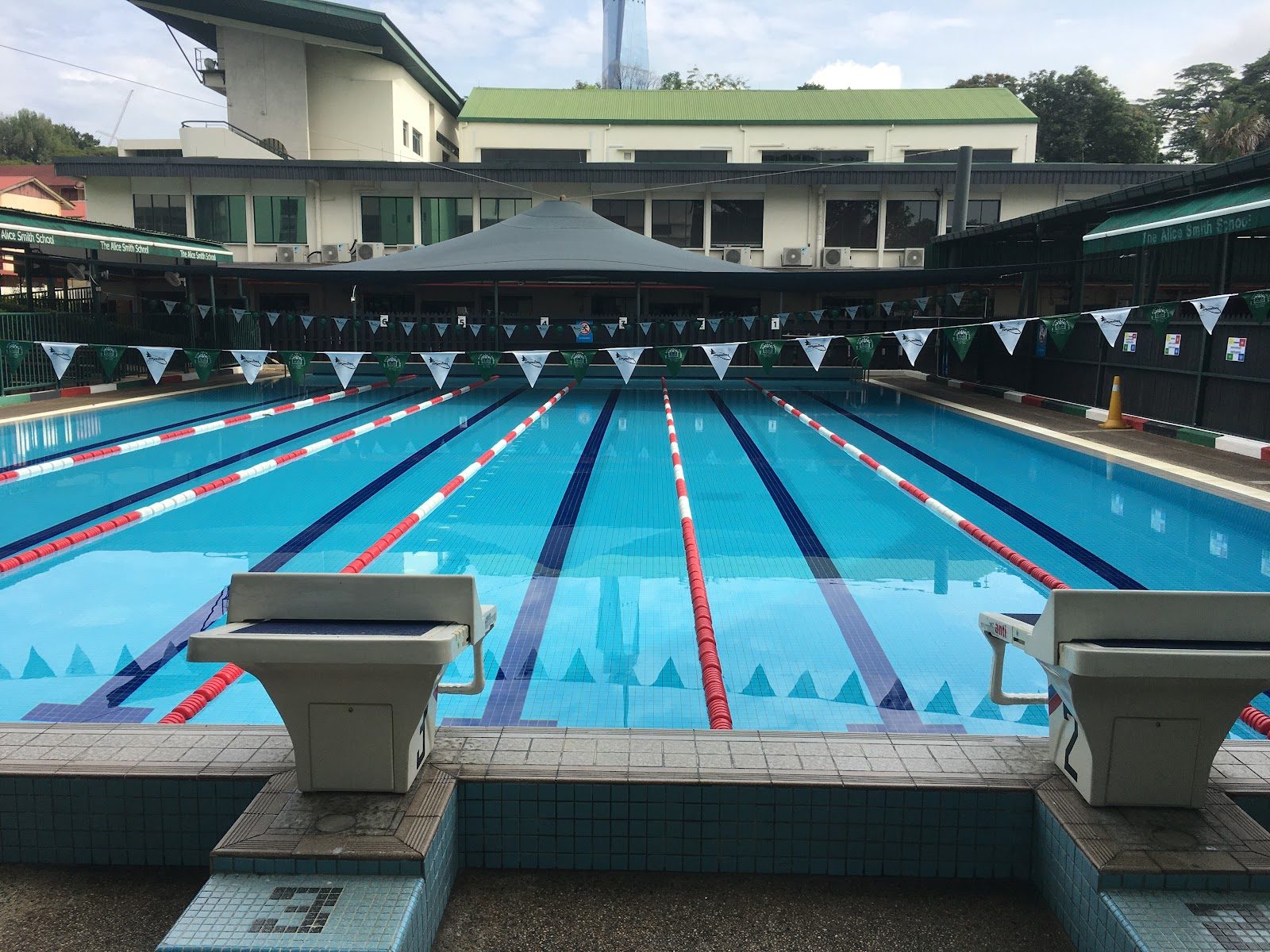
Malaysia's first British international school, still run not-for-profit, pairs A-Level rigour with an IAAF-certified running track.
International School of Kuala Lumpur
Kuala Lumpur · Malaysia
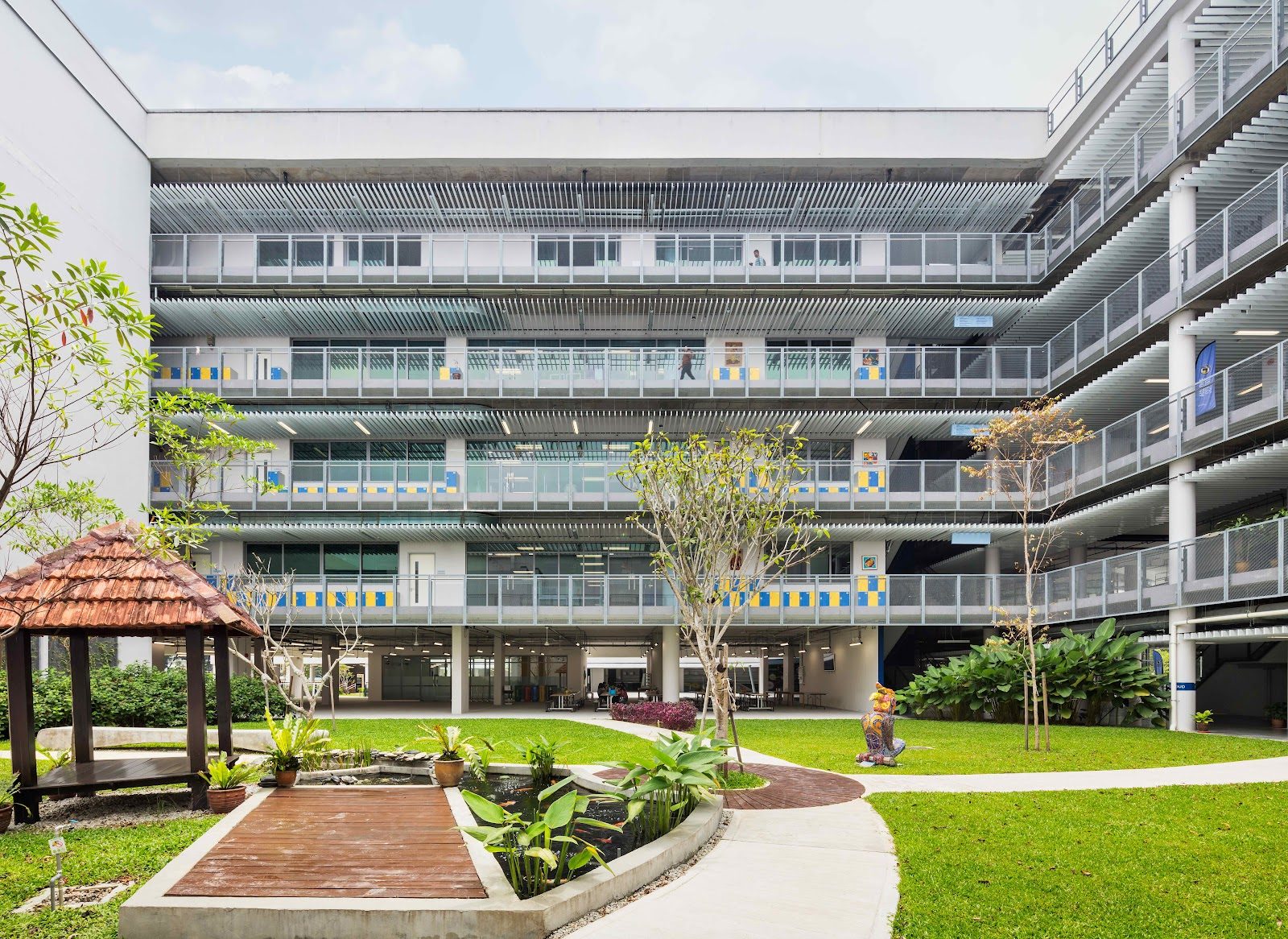
Malaysia's longest-running IB World School, pairing a 25-acre Ampang Hilir campus with mandatory Asia-wide service expeditions.
Oundle School
Oundle · United Kingdom
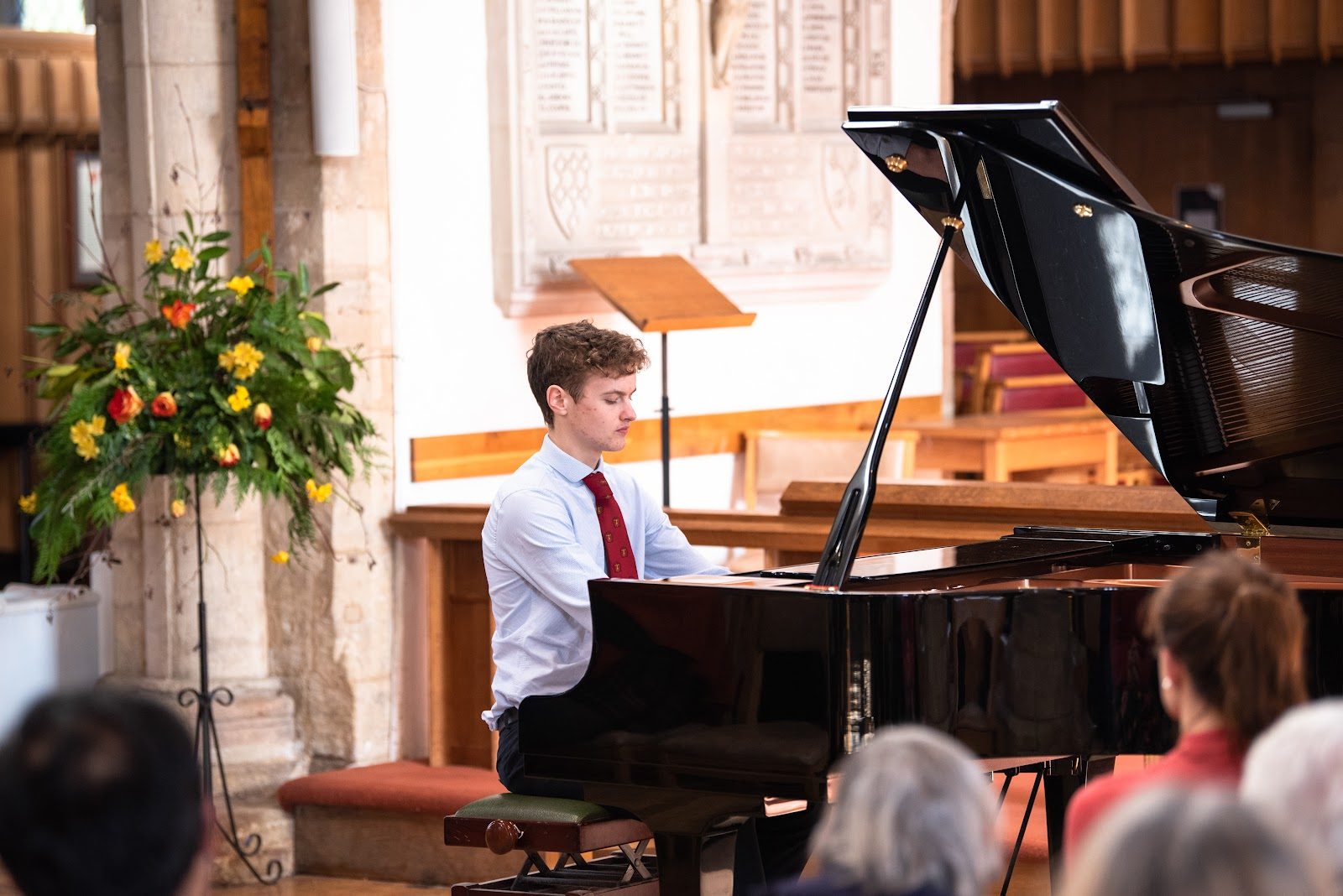
Boarding houses woven into a historic market town, and an engineering centre that 3D-prints titanium and carbon fibre.
Same country and curriculum — closest matches within ±10 points either way