
Ohio
All-boys education across 221 wooded acres, where hands-on, theme-based learning meets more than a century of tradition.
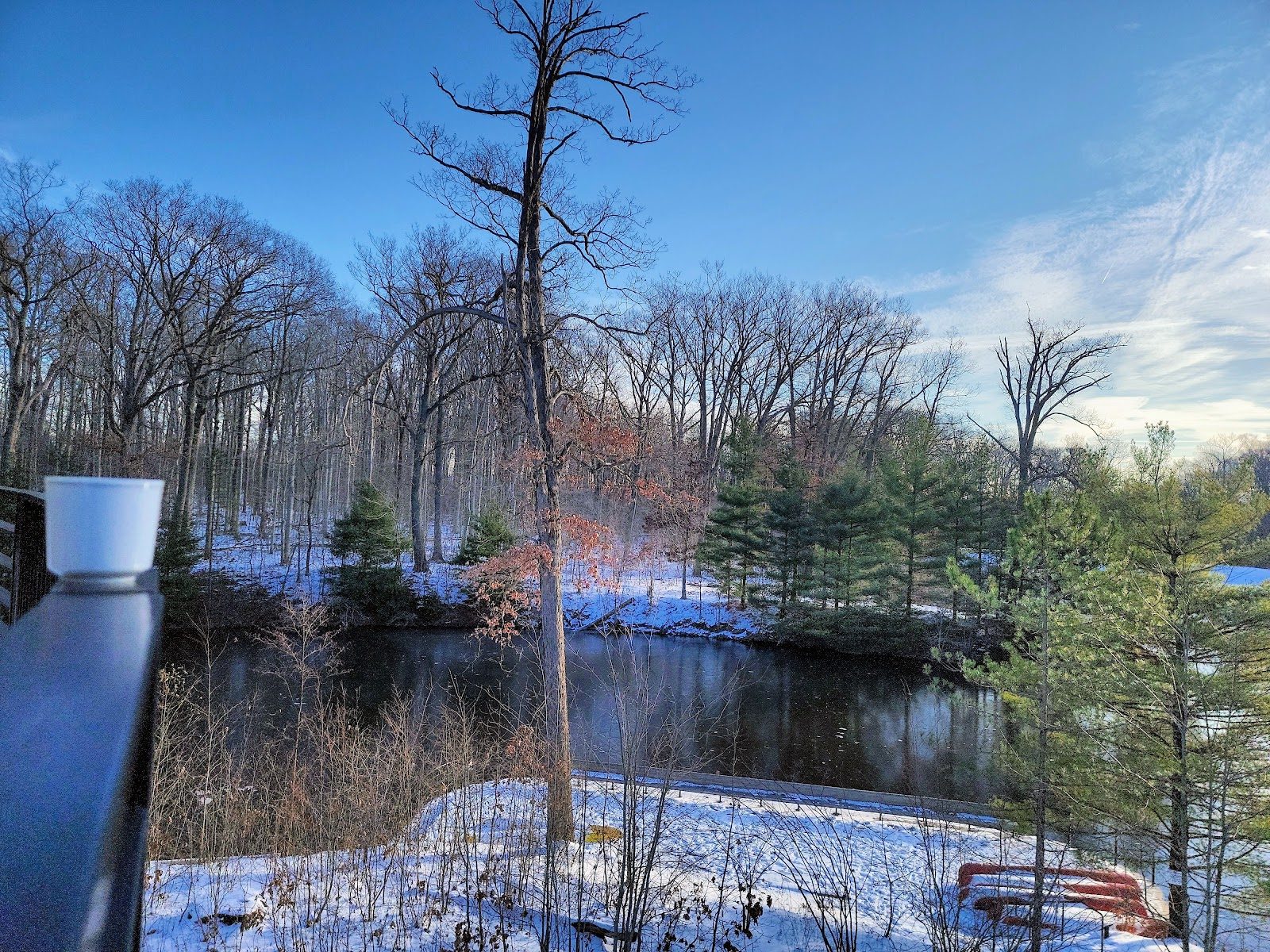
Photo © Mostafa Modirrousta via Google Maps
Type
Day
Ages
3–18
Curriculum
American
Qualifications
AP
Ratio
7:1
The Verdict
Editor's commitment
Right for
Boys aged 3–18 who benefit from an all-boys day school on 221 wooded acres, with a 1:8 ratio and American curriculum.
Wrong for
Families wanting co-education, boarding, religious formation or another curriculum: this is a non-religious, English-medium American day school in Ohio.
Watch out for
The school advertises 253 acres while the verified listing says 221; parents should press for precision, and rankings claims sit outside NAIS and ISACS accreditation.
Ranking breakdown
University School · #987 of 1591
Composite score 57.3. 8 weighted criteria.
By criterion
Academic Outcomes
Weight 20%
#900
of 1529 scored
University Placement
Weight 16%
#965
of 1529 scored
Prestige & Heritage
Weight 12%
#1095
of 1571 scored
Alumni Network
Weight 12%
#1254
of 1530 scored
Facilities
Weight 12%
#848
of 1534 scored
Transparency & Communications
Weight 8%
#983
of 1532 scored
Peer & Industry Review
Weight 10%
#1372
of 1548 scored
Admissions Selectivity & Demand
Weight 8%
#837
of 1529 scored
Peer & Industry Review
How University School is regarded in the sector
60
Respected · medium confidence
University School is consistently grouped with Hawken School and Gilmour Academy as the top tier of Cleveland-area independent schools, a comparison regularly made in regional press coverage of college placement and private-school rankings rather than in a national newspaper league table, since the US has no equivalent to the UK's Sunday Times tables. As an NAIS and Ohio Association of Independent Schools member, it participates in the same accreditation and benchmarking cycles as peer prep schools, and its published matriculation lists (Ivy League, University of Chicago, Michigan, Case Western) are treated by regional admissions counselors as evidence of a rigorous, college-preparatory reputation rather than an aspirational one. Independent-school guides and local business press (e.g., Cleveland Magazine's private-school features) note its strength in STEM, robotics, and debate as points of distinction versus Hawken's arts emphasis and Gilmour's Catholic identity. It lacks the international brand recognition or boarding-school peer-conference visibility of national boarding schools, so its standing is best described as a respected, second-tier-nationally but first-tier-regionally all-boys day school rather than a fixture of elite national or international independent-school discourse.
- Alfred Lerner — Founder/CEO of MBNA Corporation, Owner of Cleveland Browns
- Peter B. Lewis — CEO/Chairman, Progressive Corporation
- Newton D. Baker — US Secretary of War, Mayor of Cleveland
Editors' overview
University School occupies a specific niche in the Cleveland market: an all-boys, non-religious American day school with real scale, long history and a clear view of how boys learn. Founded in 1890, it combines tradition with a teaching model built around exploration, challenge and outdoor space. The school’s own claim is “freedom to forge his own path”; the more concrete point is that boys get a structured environment that still leaves room for intellectual risk-taking, practical work and wide participation. The split-campus model matters: Junior K to Grade 8 in Shaker Heights, then Grades 9 to 12 in Hunting Valley, where the school has 253 acres of forest, lake and field across two campuses. That gives the place a distinct sense of space, and it supports the school’s emphasis on outdoor learning, athletics and hands-on work.
What puts it on a shortlist is the combination of breadth and confidence. University School is not a boutique boys’ school built around one specialism. It offers a vigorous mainstream American education, a deep co-curricular life and the sort of faculty culture that independent schools like to promise but do not always deliver. The school leans hard into debate, STEM, rocketry, hockey and character formation; the published stories point to students who compete, perform and lead rather than drift through school unnoticed. The student–teacher ratio is a sharp 1:8, and the school publicises $8m in annual financial aid, both strong indicators of resource. This is a school for families who want serious academic momentum without a joyless atmosphere, and who value an environment where boys are expected to contribute in the classroom, on the stage, on the field and in the community.
The best fit is a boy who benefits from structure, adult attention and a culture that tells him to get involved. He does not need to arrive as a finished scholar or athlete; he does need to respond to expectation. University School will suit boys who like hands-on learning, outdoor time, team settings and a school identity that is unapologetically male and collegiate. It will also suit families who want a close-knit community with a strong pastoral frame and visible traditions. Parents who want a fully co-educational environment, or who dislike schools that speak openly about character, leadership and boys’ development, will find a poor fit. For the right student, though, University School offers room to grow up properly — not just to collect credentials, but to build habits of discipline, curiosity and service.
Academic Performance
University School does not publish the hard outcome data that would let parents place it cleanly against top independent-school peers. We have not seen aggregate SAT or ACT profiles, AP score distributions, National Merit totals, or a university matriculation table with enough detail to judge academic depth across a full cohort. That matters. For a school that talks confidently about challenge, interdisciplinarity and teacher quality, the absence of a clear public results ledger leaves an avoidable gap. The public-facing academic signals are indirect: Cum Laude recognition for 20 seniors, a debate programme strong enough to earn national distinction, and a rocketry team that placed 3rd in competition. Those are real indicators of intellectual energy, but they are not substitutes for published school-wide attainment.
Relative to peers, that places University School in an opaque middle ground. It has more visible academic ambition than many local private schools and more substance than institutions that rely on generic college-prep language, yet it discloses less performance data than the most self-assured independent schools in its bracket. The published college choices for a graduating class of 96 students give families some sense of destination breadth, but without complete outcomes data, selectivity and consistency remain hard to test. The conclusion is straightforward: this is a school with credible academic signals and evident competitive strengths, but not one that lets external exam results do the talking.
Facilities
The physical asset that matters most here is land. University School has access to 253 acres of forest, lake and field across two campuses, with younger pupils in Shaker Heights and the upper school in Hunting Valley. For a day school, that is a serious advantage. It gives outdoor learning, sport and informal space real room to operate, rather than forcing them into token patches of grass and overbooked courts. The school also pushes that outdoor dimension in its own teaching narrative, and in this case the setting supports the claim. Add visible provision for hockey, rocketry and debate, and the picture is of a campus built for boys who need to move, build, compete and test themselves. Against peer independents in the Cleveland market, that breadth of usable space is well above the norm.
What is less clear is the detail inside the buildings. The school talks up faculty strength, science, innovation and the arts, but it does not publish the kind of granular facilities inventory that top schools use to make their case: named labs, performance venues, design spaces, specialist athletic infrastructure or recent capital projects. That absence does not mean weak provision; it does mean parents must ask harder questions on a visit. The available evidence points to a campus with genuine room to breathe and enough specialist activity to support a broad, energetic student life. It does not yet prove a facilities offering as fully legible as the best-documented peer schools.
University School does not publish the hard outcome data that would let parents place it cleanly against top independent-school peers
Prestige
University School carries real local prestige and a respectable national profile within the American independent-school world, but it does not sit in the tiny top tier of schools whose name alone closes the argument. The prestige rests on three things: longevity, a clearly defined all-boys identity, and visible strength in the arenas that independent-school parents actually track — debating, selective university destinations, faculty quality and well-supported co-curricular life. The school also benefits from physical scale and resource. A low staffing ratio, substantial aid budget and a graduating class of 96 pupils point to an institution with reach, not a fragile niche operator. For families in northeast Ohio, that makes University School a serious status school: established, competitive and socially legible.
Why not rate it higher? Because the public case stops short of full elite transparency. The school promotes distinction, but it does not publish the hard academic outcome tables that the strongest schools use to prove their standing beyond doubt. Prestige built on tradition, culture and anecdotal success is still prestige; it just carries less force than prestige backed by relentless disclosure. The school’s own signals are strong — national debate recognition, Cum Laude honours for 20 seniors, headline investment in financial aid — and they support a judgement of substantial rather than untouchable prestige. In plain terms: this is a high-standing school with a durable reputation, not an institution that can rely on brand alone.
University School is not a boutique boys’ school built around one specialism
Communications
University School communicates in a confident, polished independent-school register. The public-facing channels are active and easy to find: a clear admissions path built around enquiry and visits, a visible calendar, and regular social distribution across Facebook, Instagram, YouTube and LinkedIn. The school also pushes a steady stream of short news items rather than leaving the site to stagnate. That matters. Parents get concrete proof of what the school chooses to celebrate: national debate recognition, commencement coverage, student competition results, college choices for a graduating class of 96, and faculty commentary on boys’ development. The message is coherent across age groups and campuses. This is not chaotic school communications held together by last-minute notices.
The weakness is selective transparency. University School is good at narrative and institutional tone; it is less good at publishing the hard data that would give parent communication real analytical weight. News, values and community life are all visible. Comparative academic reporting is not. Parents can follow the school’s priorities, culture and co-curricular pulse without much difficulty, and the breadth of channels gives the impression of a well-run operation. But families who want communications to answer tougher questions — academic outcomes, programme depth, internal detail beyond promotional highlights — will need to ask directly. In short: strong on rhythm, access and message discipline; weaker on disclosure.
Uniqueness
What marks University School out is not the generic claim of “boys learn differently”, but the extent to which the school has built its identity around that premise. This is an all-boys institution that leans hard into movement, experimentation and competition. The school’s own language stresses exploration, creation and innovation; the public evidence behind that includes national-level debate recognition, a rocketry team with a podium finish, and a visible push for outdoor experience as part of boys’ development. That combination gives the place a distinct operational logic: boys are not asked to sit still and absorb, but to argue, build, test and perform. For the right student, that produces a more muscular form of engagement than many conventional college-prep schools manage.
The other point of difference is scale without anonymity. University School has enough institutional weight to sustain specialist activities, meaningful financial aid and a broad co-curricular offer, yet it still advertises a staffing model at 7:1 and a graduating class small enough for individuals to register. The result for students is high adult visibility. A boy with intellectual appetite, competitive drive or an appetite for practical work gets room to develop it across several fronts, not just one. A boy who prefers to disappear into the middle of the pack gets less cover. That is the bargain here, and it is a serious one: belonging, expectation and opportunity tied tightly together, in a school culture that asks boys to show up fully.
University School will suit boys who like hands-on learning, outdoor time, team settings and a school identity that is unapologetically male and collegiate
Student Profile
The boy who fits University School is energised by expectation rather than rattled by it. This is not a place for passive coasting. The school’s public life rewards boys who will speak up, join in, compete, build, rehearse, train and put their name forward. A student who enjoys argument, teamwork and practical problem-solving will find plenty of traction here, whether that plays out in debate, STEM competition, outdoor learning or sport. The all-boys setting also matters. For some boys, that brings real ease and sharper focus; for others, it feels too enclosed or overly shaped by group dynamics. Families need to judge that honestly, not romantically. The low adult-to-student ratio — 1:8 in the verified school context, 7:1 on the school site — points to a school where boys are closely known and hard to overlook.
The best match is a boy who wants structure, responds to adult mentoring and can live with a culture that talks openly about character, leadership and service. He does not need to be polished on arrival, but he does need some appetite for participation. Quiet boys can do well here if they are willing to engage; boys determined to stay anonymous will find the place unforgiving. It also suits families who value a clear communal identity over social looseness. Parents seeking a softer, more laissez-faire atmosphere, or a co-educational social world, should look elsewhere.
Relative to peers, that places University School in an opaque middle ground
Co-curricular strengths
Arts & sport, on a separate axis
Overall 8.08/10
Scored 0-10 from the school's own published evidence. This axis is editorial-only — it does not feed the main WTS ranking.
Sports
9.1/10
Drama
8.3/10
Dance
5.8/10
Music
8.5/10
Visual Arts
8.7/10
Strengths
- +Founded in 1890 and a founding member of the International Boys' Schools Coalition, giving it a long institutional history of single-sex boys' education.
- +Reports that 100% of graduates go on to four-year colleges, a figure repeated across independent school profile sites.
- +Low student-to-teacher ratio, cited variously as 6.8:1 to 7:1, alongside class sizes of around 14 students.
- +Extensive Hunting Valley campus facilities, including an 81,000-square-foot field house with two basketball courts, three squash courts and an indoor track, plus a football stadium and seven tennis courts.
- +Operates a British-style House system with ten houses spanning all grades, intended to build cross-year mentorship and community.
Considerations
- −All-boys only, from Junior K through grade 12, which rules out the school for families seeking a coeducational environment.
- −Selective admissions, with one source citing an acceptance rate of around 10%, well below the reported national average.
- −The school operates across two separate campuses, with Junior K-8 based in Shaker Heights and grades 9-12 at Hunting Valley, requiring a mid-school transition.
- −Published tuition figures vary by source and grade level, generally clustering in the $30,000-$44,000 range annually, before fees and extras.
Availability
Primary entry gate & tests
ISEE/SSAT + Interview (Boys)
Gallery
Photo © Mostafa Modirrousta via Google Maps
Photo © Mostafa Modirrousta via Google Maps
Photo © Mostafa Modirrousta via Google Maps
Photo © Mostafa Modirrousta via Google Maps
Photo © Mostafa Modirrousta via Google Maps
Photo © Mostafa Modirrousta via Google Maps
Photo © Mostafa Modirrousta via Google Maps
Parent reviews
Have you sent your child here?
Voice reviews carry the strongest trust badge — we transcribe them for you to tidy up before they go live. Prefer to type? A written review is fine too.
Add your voice
In 60 seconds, tell other parents: what's the best thing about University School, and what surprised you when your child joined?
We ask for a Google sign-in so every review has a real face behind it — no anonymous drive-by attacks on schools, and no faked positive reviews. Your email is never shown publicly.
Send this profile to a friend
International parents rely on word-of-mouth. Share this review with someone weighing the same decision.
Schools with places
Similar schools to University School with places available now.
Germantown Friends School
Philadelphia · United States
- 2026-27
- CLOSEDRegular cycle closed
- 2027-28
- OPENS SOONOpens Sept '26
Poly Prep Country Day School
Brooklyn · United States
- 2026-27
- CLOSEDRegular cycle closed
- 2027-28
- OPENS SOONOpens Sept '26
Marymount School of New York
New York City · United States
- 2026-27
- CLOSEDConfirmed full
- 2027-28
- PLACES OPENApplications opened 1 Aug '26
Boston University Academy
Boston · United States
- 2026-27
- CLOSEDRegular cycle closed
- 2027-28
- OPENS SOONOpens Sept '26
Availability first, then country, area, curriculum, price, co-curricular
Consider also
Also worth looking at alongside University School.

Germantown Friends School
Philadelphia · United States
Rooted in an 1845 Quaker meeting in historic Germantown, where juniors design a month-long independent study of their own.
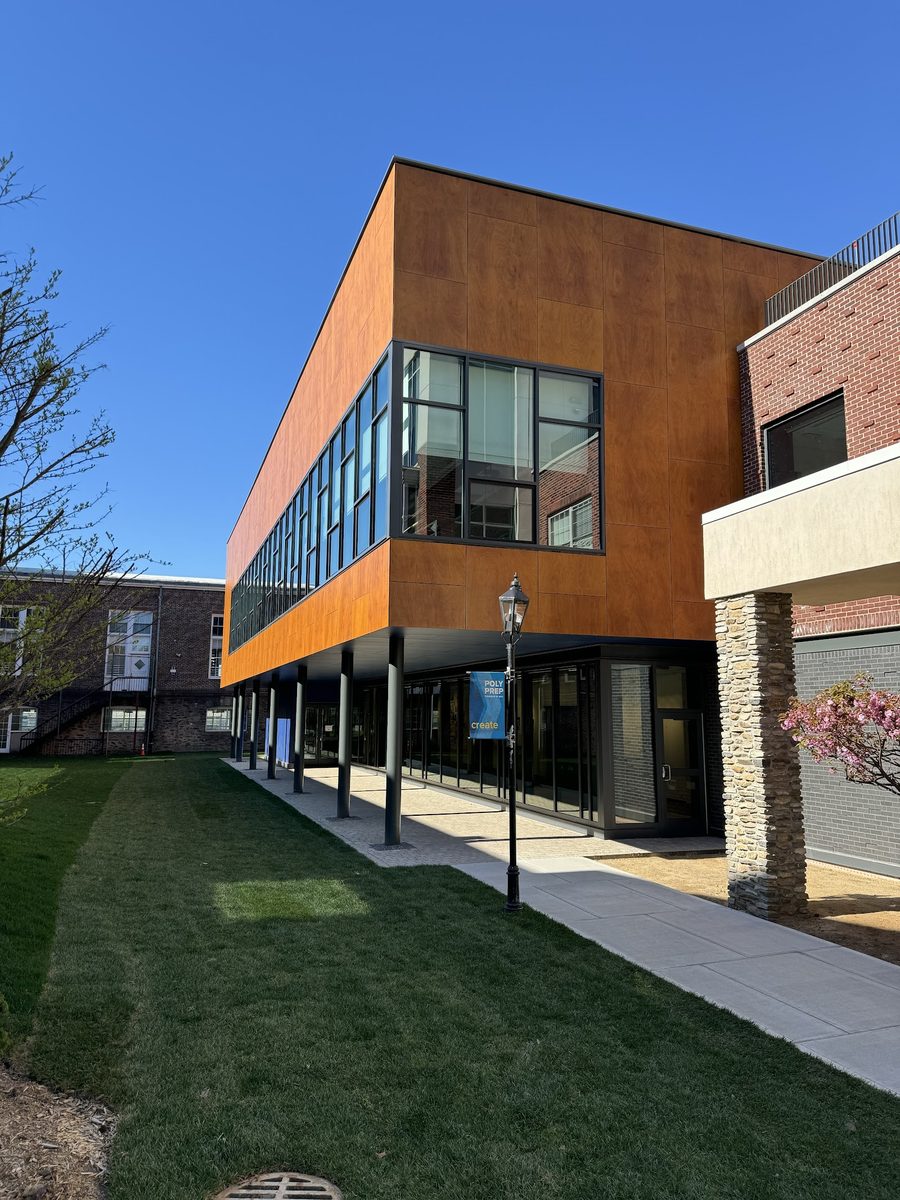
Poly Prep Country Day School
Brooklyn · United States
Founded in 1854 as Brooklyn's first boys' school, this day school pairs a Prospect Park mansion with a 25-acre Dyker Heights campus.

Marymount School of New York
New York City · United States
On Fifth Avenue, landmark mansions give way to Bloomberg terminals and classrooms inside the Met.
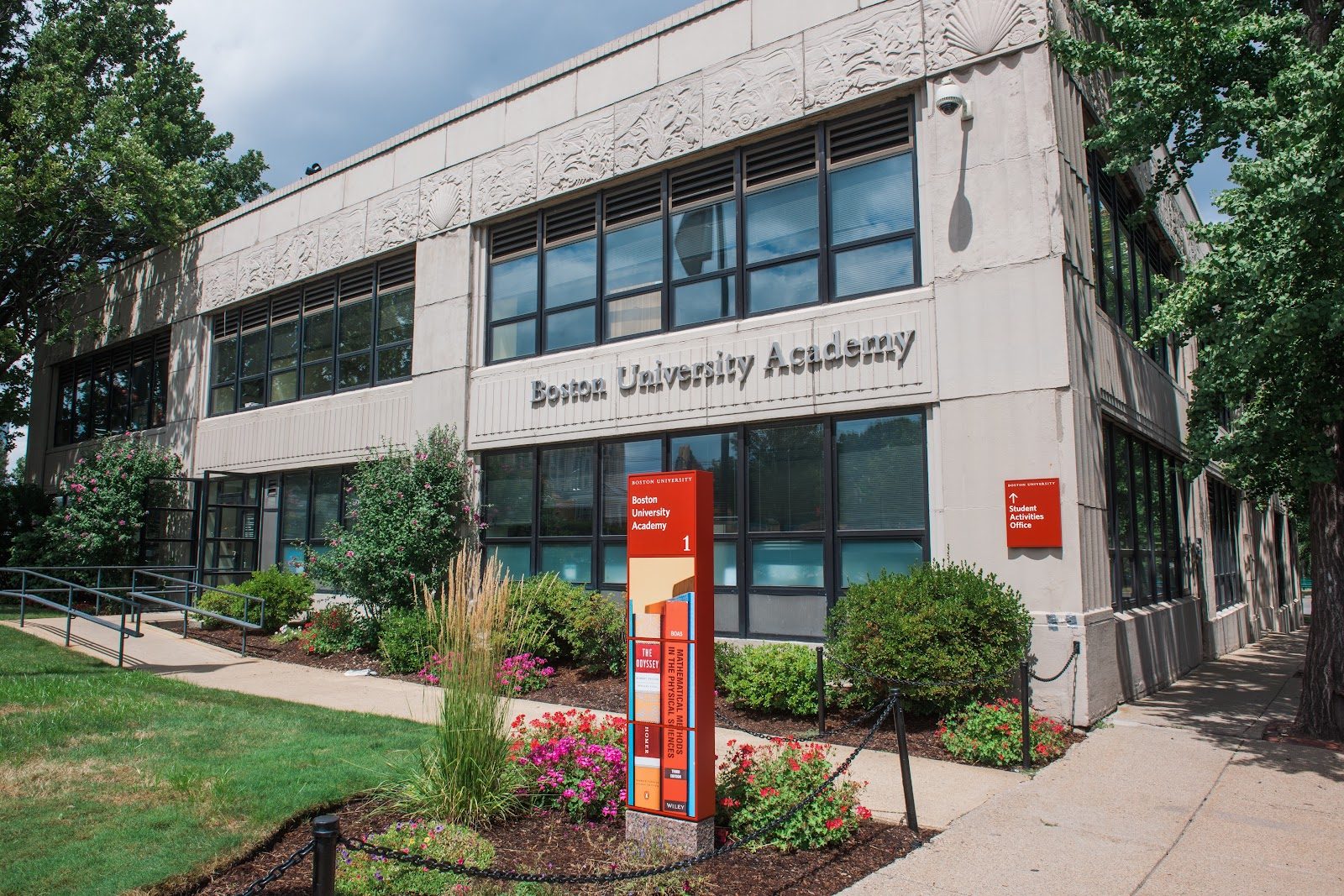
Boston University Academy
Boston · United States
Upperclassmen trade study halls for Boston University lecture halls, banking college credit before graduation.
Same country and curriculum — closest matches within ±10 points either way