
New York
Marymount School of New York
high confidence· 5/6 cats · 3.4 avg sourcesOn Fifth Avenue, landmark mansions give way to Bloomberg terminals and classrooms inside the Met.
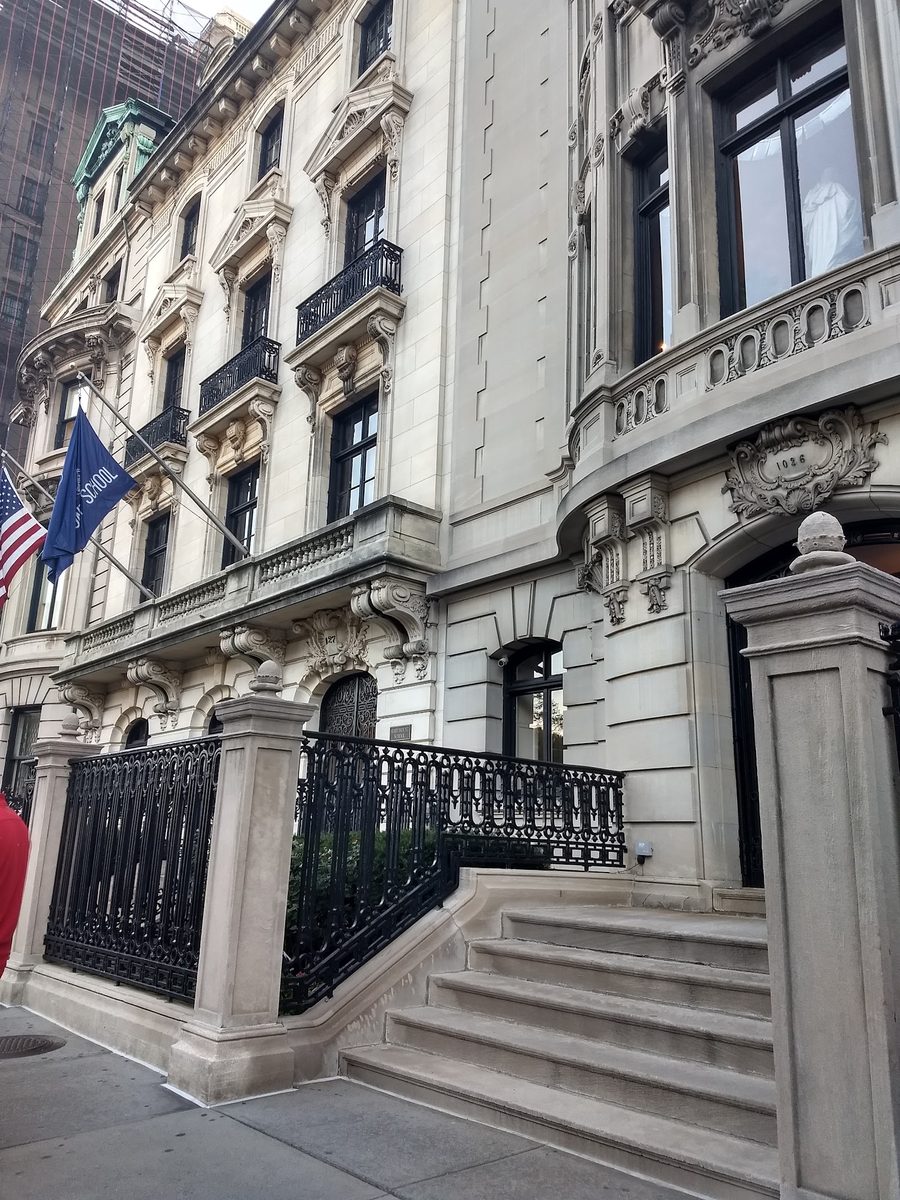
Photo © Monica Saenz De Viteri via Google Maps
Type
Day
Ages
3–18
Curriculum
American
Qualifications
AP
Ratio
1:7
The Verdict
Editor's commitment
Right for
Girls who want an all-girls Catholic day school, American curriculum, and a 1:7 ratio in Manhattan from age 3 to 18.
Wrong for
Families wanting co-education, boarding, or a cheaper private option: the average annual fee is $54,547 and this is New York.
Watch out for
Founded in 1926 and accredited by NAIS, Marymount trades on old-school Fifth Avenue confidence; that culture suits some girls and suffocates others.
Ranking breakdown
Marymount School of New York · #1069 of 1591
Composite score 61.3. 8 weighted criteria.
By criterion
Academic Outcomes
Weight 20%
#586
of 1529 scored
University Placement
Weight 16%
#584
of 1529 scored
Prestige & Heritage
Weight 12%
#608
of 1571 scored
Alumni Network
Weight 12%
#1437
of 1530 scored
Facilities
Weight 12%
#808
of 1533 scored
Transparency & Communications
Weight 8%
#725
of 1532 scored
Peer & Industry Review
Weight 10%
#645
of 1548 scored
Admissions Selectivity & Demand
Weight 8%
#438
of 1529 scored
Score history
Marymount School of New York · 2026
Movement across 2024–2026. Peer average overlaid.
Overall — 2024–2026
61.3/ 100
▲ +6.6 vs 2025
year on year
Peer & Industry Review
How Marymount School of New York is regarded in the sector
62
Respected · medium confidence
Marymount School of New York is consistently listed among Manhattan's respected all-girls private schools in outlets like Private School Review, Niche.com, and local NYC education press covering K-12 independent schools; it has a recognizable alumni network (e.g., Caroline Kennedy attended) and is part of the internationally known Sacred Heart network, which lends it cross-institutional credibility. However, it receives less specialist press coverage (e.g., Tatler, Good Schools Guide focus mainly on UK schools) and is not typically benchmarked at the same tier as NYC's most elite all-girls schools like Brearley, Chapin, or Spence in reputational rankings.
Evidence sources
- Caroline Kennedy — Diplomat/Former US Ambassador to Japan, Politics
- Jacqueline Kennedy Onassis — Former First Lady, Public Figure
- Perri Peltz — Journalist/Documentarian, Media
Editors' overview
On Fifth Avenue, Marymount trades heavily on place, and with reason. A Catholic girls’ day school founded in 1926, it sits inside one of the most culturally dense stretches of New York and builds that into the offer: the school’s own navigation gives museum education, design and innovation, financial literacy and entrepreneurship, global education, spiritual life and community engagement equal billing with the core academic divisions. That tells you something important. This is not a narrow, exam-drilled operation. It is an American curriculum school for ages 3 to 18 that wants girls to move easily between classrooms, the arts and the city itself. For families who value urban sophistication over the insulated-campus model, that is a serious draw.
The other hard selling point is scale of attention. A 1:7 student-teacher ratio is exceptionally intimate for New York, and in an all-girls setting that matters: leadership, classroom voice and participation are not shared out around boys, and the alumnae quotes the school foregrounds lean hard into advocacy, ambition and women in positions of authority. The school also carries NAIS accreditation, which gives parents a basic level of institutional seriousness, though accreditation is a floor, not a distinction. What we do not see in the public domain are aggregate external outcome measures of the kind international parents often want: no published AP or IB averages, no university destination grid, no headline testing data. Marymount asks parents to trust the programme and the culture more than a spreadsheet. Some will accept that; more data-driven families will want more.
At an average annual fee of $54,547, Marymount sits in the expensive end of the New York day-school market and needs to justify that price through access, confidence and finish rather than brute academic disclosure. It makes the shortlist for a specific child: a girl who is bright, verbally confident or ready to become so, comfortable in a Catholic environment, and energised by Manhattan rather than overwhelmed by it. It will suit students who want strong adults around them, a high-touch setting, visible opportunities in arts and innovation, and a culture that pushes girls to take themselves seriously. It is *not for families chasing published scoreboards* or a sprawling American campus experience. It is for those who want a self-possessed, city-formed education with a clear focus on girls’ voice and presence.
Academic Performance
Marymount keeps its academic performance data tightly held. We have not seen published AP averages, SAT or ACT summaries, grade distributions, or a university destination list that lets parents benchmark outcomes against New York’s strongest independent schools. That matters. In this market, schools with hard academic confidence publish at least some aggregate results, if only to show where they sit. Marymount does not. The absence of that data does not prove weak results; it does leave families without the external markers that make peer comparison straightforward. If you want a school that can be judged against rivals through scoreboards and placement tables, Marymount gives you less to work with than the city’s more transparent operators.
What the school does show points in a different direction: a clear college-preparatory stance, a structured academic division from the earliest years through sixth form age, and a public emphasis on challenge, writing, advocacy, innovation and women’s leadership. That package fits a school aiming to produce fluent, polished graduates rather than advertising examination statistics. Among peer schools, that places Marymount in the camp where reputation rests on teaching, culture and college counselling rather than published external exam metrics. For some families, that is enough. For data-driven parents paying an average of $54,547 a year, it is a conspicuous omission and a real weakness in the school’s academic story.
Facilities
Marymount’s facilities story is defined by location and programme design, not by a sprawling campus. The school gives unusual prominence to visual arts and museum education, performing arts, design and innovation, technology, financial literacy and entrepreneurship, plus a dedicated summer camp operation with drama, STEAM and sports strands. That points to a campus built for purposeful urban use: specialist teaching rooms and studios inside the school, with the Metropolitan Museum and the rest of the Upper East Side functioning as an extension of the classroom. For families who want playing fields, grand quads and a sealed-off school estate, this is the wrong model. For families who value city fluency and direct access to cultural institutions, it is a serious advantage.
Against New York peers, that puts Marymount in the camp of schools whose facilities strength lies in integration with the city rather than in raw acreage or spectacle. The arts-and-innovation mix looks better thought through than the token “makerspace plus theatre” formula many independents now copy, and the inclusion of entrepreneurship and museum education gives the offer sharper edges than a standard college-prep setup. Athletics are present, with teams and schedules publicly foregrounded, but no one should mistake this for a sports-led campus school. The operational clue is the staffing model: a 1:7 ratio makes rooms, labs and studios more usable because pupils get attention inside them. In facilities terms, Marymount is compact, curated and metropolitan rather than lavish.
That gives students something genuinely unusual: daily practice in moving between intellectual work, cultural institutions and public space with ease
Prestige
Marymount carries *real Manhattan social and cultural cachet*. The address matters, the all-girls Catholic identity matters, and the school has the kind of alumnae pipeline that signals durable establishment rather than a transient brand exercise. Wikidata alone captures 11 notable alumni, spanning journalism, screen and stage, with 1 top-tier award winner in the mix; that is not a complete picture of influence, but it clears the threshold for a school whose prestige rests as much on networks, polish and institutional memory as on public scoreboards. This is prestige in the New York independent-school sense: access to a certain social world, confidence in rooms of power, and a graduate profile built around voice, presentation and professional ease.
It does not sit in the absolute top rank of globally legible academic prestige, because the school does not publish the hard outcome data that would let outsiders place it beside the city’s most forensically scrutinised operators. That limits its status with international families who want transparent proof of academic dominance. Still, the combination of expensive fees, a high-touch staffing model, Fifth Avenue placement, and a long-established girls’ school identity gives Marymount a strong, recognisable name inside its home market. In plain terms: prestigious locally, socially and culturally; less commanding as a results-led prestige school for families who judge status through disclosed academic metrics alone.
Marymount is not unique because it offers clubs, arts or college counselling; plenty of schools do
Communications
Marymount communicates in the manner of a polished New York independent school: central website, busy calendar, parent association, admissions event structure, transport FAQs, login-protected areas, and a steady flow of alumnae and school-life storytelling. The public-facing side is orderly, well segmented and easy to navigate. Parents can reach distinct sections for academics, athletics, wellbeing, summer programmes and giving without hunting through clutter. That matters, because schools with sprawling offers often communicate badly simply by burying information. Marymount does not. The school also gives parents multiple obvious entry points — Apply, Calendar and Login are pushed hard — which tells you day-to-day functionality carries weight here, not just image.
The weakness is different. Marymount’s communications are carefully managed and selective. The tone leans heavily on values, voice, alumnae testimony and institutional culture, with less hard operational disclosure than exacting parents may want. We have not seen the kind of published parent-facing data that answers tougher questions quickly: aggregate exam outcomes, broad leavers’ destinations, or much detail that lets outsiders test the school’s claims against objective measures. That leaves communication strong on curation and weaker on scrutiny. For enrolled families, the practical channels are in place and the school’s message is coherent. For prospective families doing serious comparison at an average annual fee of $54,547, the communications are effective but controlled: good at conveying confidence, less good at surrendering evidence.
Uniqueness
Marymount’s distinctiveness starts with a combination few schools can match: an all-girls Catholic education delivered not on a secluded estate but inside one of the world’s busiest cultural corridors. The school does not treat Manhattan as backdrop. It builds museum education, design and innovation, entrepreneurship, spiritual life and community engagement into the visible shape of school life. That gives students something genuinely unusual: daily practice in moving between intellectual work, cultural institutions and public space with ease. Girls learn to speak, present, question and carry themselves in adult settings early. The result is a graduate profile with urban polish, social confidence and a habit of engaging outward rather than staying inside a campus bubble. The low staffing ratio — 1:7 — sharpens that further, because students get the attention needed to turn opportunity into actual growth.
The other point of difference is the school’s insistence on girls’ voice as a practical expectation, not a slogan. The alumnae testimonies the school foregrounds return again and again to advocacy, leadership, law, medicine, media and design. That pattern matters. Marymount is not unique because it offers clubs, arts or college counselling; plenty of schools do. It is unique because it joins a female-centred environment, a high-touch adult presence and a city-facing education into one coherent proposition. For the right student, that brings unusual self-possession: she learns not just to achieve, but to occupy space, use her voice and operate comfortably in ambitious rooms.
It is unique because it joins a female-centred environment, a high-touch adult presence and a city-facing education into one coherent proposition
Student Profile
The girl who fits Marymount is intellectually alert, verbally willing and comfortable with close adult attention. She does not need to arrive fully formed or theatrically extrovert, but she does need some appetite for being known well and asked to contribute. In a school with a 1:7 staffing ratio, quiet anonymity is in short supply. Marymount suits students who respond to discussion, relish feedback and can use a dense timetable of academics, arts, clubs and city-based opportunities rather than drift past them. The all-girls setting will appeal to families who want ambition and leadership practised without apology. So will the school’s clear emphasis on advocacy, service, spirituality and women in positions of authority. This is a high-expectation, high-contact environment with a distinct moral frame.
It will work best for girls who like culture, ideas and the pace of urban life: students who can move from classroom to museum, performance, design work or community engagement without needing a vast green campus to feel grounded. Marymount also fits families comfortable with a Catholic ethos that shapes school life but does not narrow the public-facing offer. It is not for the detached child who wants maximum independence from adults, nor for families chasing a hard-edged, publicly quantified results culture. At an average annual fee of $54,547, it also suits households ready to pay for polish, access and confidence-building as much as for measurable academic disclosure.
On Fifth Avenue, Marymount trades heavily on place, and with reason
Co-curricular strengths
Arts & sport, on a separate axis
Overall 9.16/10
Scored 0-10 from the school's own published evidence. This axis is editorial-only — it does not feed the main WTS ranking.
Sports
8.8/10
Varsity basketball, soccer and track and field.
Drama
9.3/10
Theater productions, and verified alumna Cher Calvin with an Emmy Award anchors drama-related pedigree at at least 7 under the alumni override rule.
Dance
9.2/10
Dance is offered, but there is.
Music
9.3/10
Choir and string ensemble, showing more than a bare mention through multiple specific music activities.
Visual Arts
9.2/10
Visual arts is explicitly named in the extracurriculars.
Editor first-pass · editor-reviewable · 7/28/2026
Notable alumni · Wikidata
11notable alumni
0 historic (born pre-1930) · 4 modern (born post-1970)wikidata:2026-07-28 How we source this
Strengths
- +Upper East Side Manhattan location
- +Catholic ethos may suit some families
- +Girls-only education from ages 3–18
- +American college preparatory day school
Considerations
- −Girls-only model limits coeducational experience
- −Catholic character may not suit all families
- −Day school only; no boarding option
Availability
Primary entry gate & tests
ISEE (VI–XI) + interview / records; lower grades age-specific
Gallery
Photo © Joseph via Google Maps
Photo © Joseph via Google Maps
Photo © Lemuel via Google Maps
Photo © Marymount School of New York via Google Maps
Parent reviews
Have you sent your child here?
Voice reviews carry the strongest trust badge — we transcribe them for you to tidy up before they go live. Prefer to type? A written review is fine too.
Add your voice
In 60 seconds, tell other parents: what's the best thing about Marymount School of New York, and what surprised you when your child joined?
We ask for a Google sign-in so every review has a real face behind it — no anonymous drive-by attacks on schools, and no faked positive reviews. Your email is never shown publicly.
Send this profile to a friend
International parents rely on word-of-mouth. Share this review with someone weighing the same decision.
Schools with places
Similar schools to Marymount School of New York with places available now.
Poly Prep Country Day School
Brooklyn · United States
- 2026-27
- CLOSEDRegular cycle closed
- 2027-28
- OPENS SOONOpens Sept '26
The Browning School
New York City · United States
- 2026-27
- CLOSEDConfirmed full
- 2027-28
- OPENS SOONOpens 25 Aug '26; appointments from 8 Sep
The Buckley School
New York City · United States
- 2026-27
- CLOSEDConfirmed full
- 2027-28
- OPENS SOONOpens post-Labor Day '26
Friends Seminary
New York City · United States
- 2026-27
- WAITPOOLLate/held pending openings
- 2027-28
- OPENS SOONExpected Sept '26
Availability first, then country, area, curriculum, price, co-curricular
Consider also
Also worth looking at alongside Marymount School of New York.
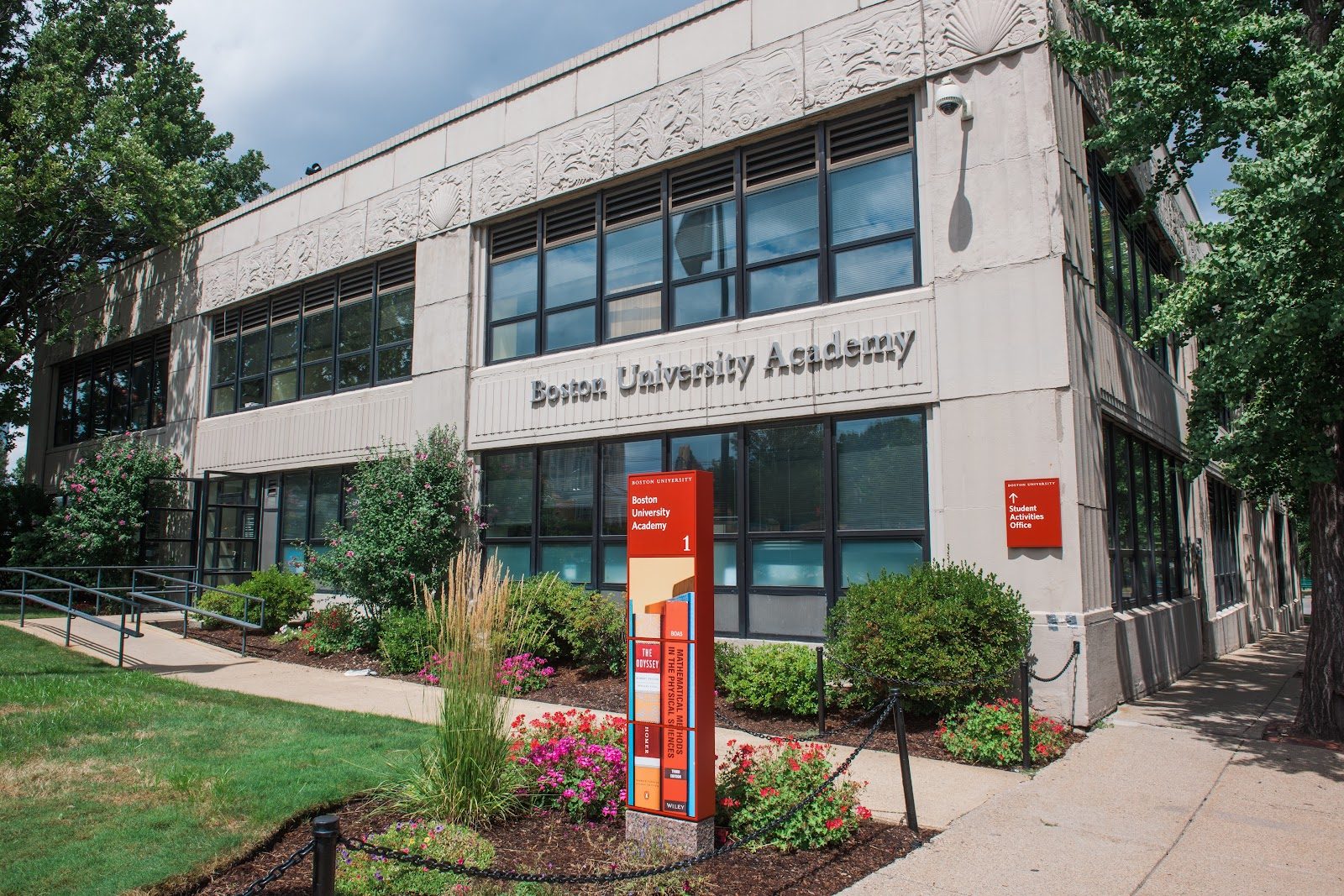
Boston University Academy
Boston · United States
Upperclassmen trade study halls for Boston University lecture halls, banking college credit before graduation.
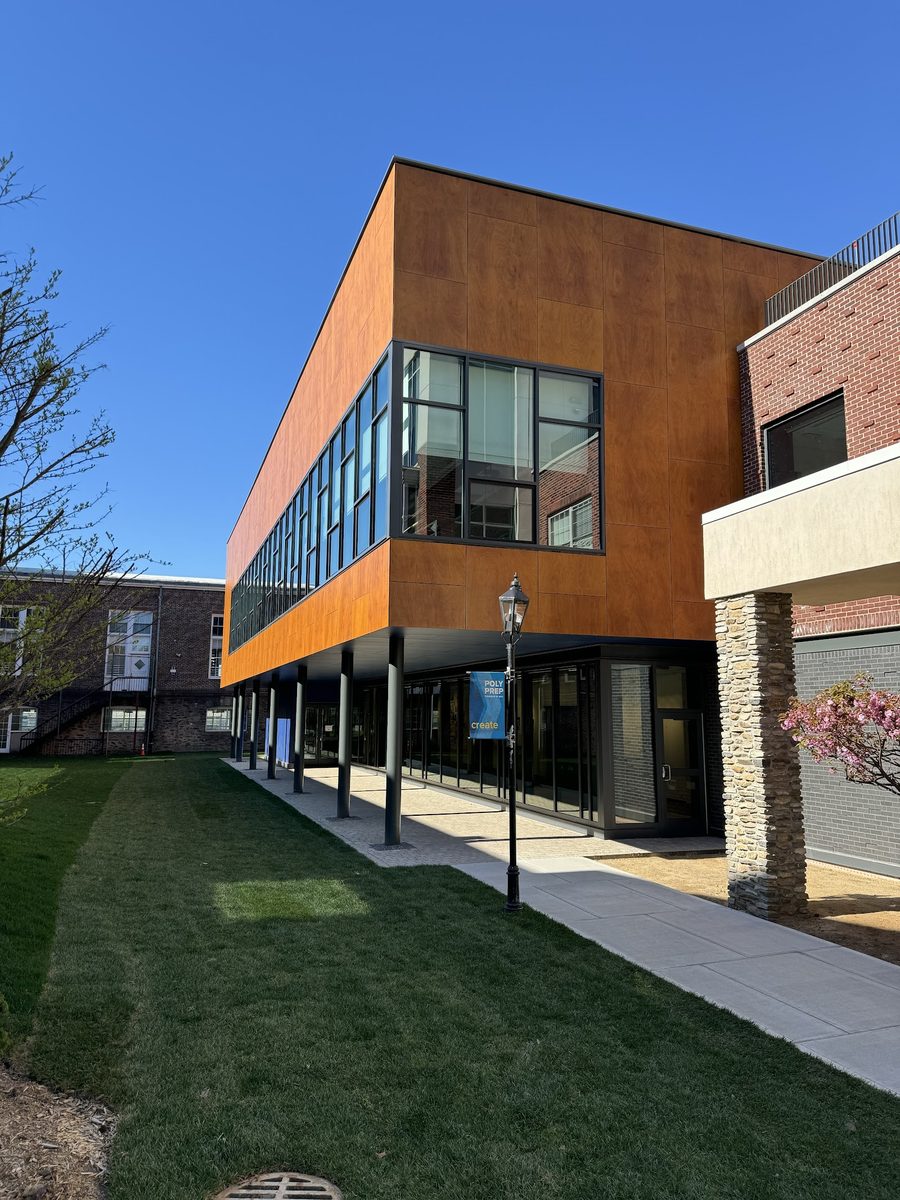
Poly Prep Country Day School
Brooklyn · United States
Founded in 1854 as Brooklyn's first boys' school, this day school pairs a Prospect Park mansion with a 25-acre Dyker Heights campus.

Germantown Friends School
Philadelphia · United States
Rooted in an 1845 Quaker meeting in historic Germantown, where juniors design a month-long independent study of their own.

The Browning School
New York City · United States
Manhattan's only K-12 all-boys day school, expanding onto East 64th Street after nearly 140 years on the Upper East Side.
Same country and curriculum — closest matches within ±10 points either way