
West Midlands
Solihull School
low confidence· 2/6 cats · 3 avg sourcesRooted in a 1560 grammar-school charter, this two-campus Solihull day school still teaches on the historic Malvern Hall estate
Type
Day
Ages
3–18
Curriculum
British
Qualifications
A-Level · GCSE
Ratio
—
The Verdict
Editor's commitment
Right for
Families wanting a serious 3–18 British day school in Solihull, founded in 1560 and accredited by ISI and HMC.
Wrong for
Parents chasing boarding, religious ethos or progressive curriculum experiments; Solihull is a non-religious English-medium British day school.
Watch out for
The average annual day fee is £16,050, and the school spans two town-centre campuses across more than 60 acres.
Ranking breakdown
Solihull School · #960 of 1591
Composite score 61.3. 8 weighted criteria.
By criterion
Academic Outcomes
Weight 20%
#669
of 1533 scored
University Placement
Weight 16%
#649
of 1529 scored
Prestige & Heritage
Weight 12%
#529
of 1580 scored
Alumni Network
Weight 12%
#1391
of 1530 scored
Facilities
Weight 12%
#554
of 1540 scored
Transparency & Communications
Weight 8%
#595
of 1547 scored
Peer & Industry Review
Weight 10%
#636
of 1564 scored
Admissions Selectivity & Demand
Weight 8%
#647
of 1529 scored
Peer & Industry Review
How Solihull School is regarded in the sector
68
Respected · medium confidence
Among Birmingham-area independent schools, Solihull School is generally ranked a solid tier behind the city's academically selective grammar foundations - King Edward's Birmingham and King Edward VI High School for Girls - a distinction reflected in comparative parent forums such as WhichSchoolAdvisor and in Good Schools Guide commentary, which praises its pastoral warmth and sporting culture while noting it is not among the region's 'super-selective' schools. Its HMC membership secures recognition among established national independent schools, and destinations data show a consistent flow into Russell Group universities, including Birmingham, Nottingham and Loughborough, with smaller numbers reaching Oxbridge each year. Independent education press coverage has focused chiefly on the school's 2015 move to full co-education, generally framed as a pragmatic response to demographic and market pressure in the West Midlands rather than an ideological shift, a change regional competitor schools reportedly watched with interest.
- Jonathan Coe — Novelist, Literature
Editors' overview
The first thing that matters at Solihull School is continuity. This is a 1560 foundation still operating as a 3–18 day school in Solihull, on more than 60 acres split across two campuses in the town centre, with teaching still tied to the historic Malvern Hall estate. That gives it a character many newer independents cannot fake: deep-rooted, established, and unapologetically traditional in the best sense. It is also a modern co-educational school, non-religious, English-medium, and firmly within the British independent mainstream through HMC membership and ISI accreditation. Parents looking for flash will find stronger theatre elsewhere; parents looking for a school with institutional memory, civic presence and a settled sense of purpose will put Solihull straight on the shortlist.
The school sells itself hard on academics, and that emphasis fits the profile. Solihull calls itself the leading academic co-educational day school in the Midlands and describes GCSE and A level results as exceptional. No aggregate public results are quoted in the public domain here, so parents should ask for recent outcome data and university destinations in detail. Even without those figures, the shape of the offer is clear: this is a school for children who want a full British education without boarding, and who can use a broad co-curricular programme rather than hide in it. Sport, music, art, drama, debating and public speaking all get explicit billing. That points to a culture that values visible participation and polished all-rounders, not narrow exam machines.
The fee level sharpens its market position. At an average annual day fee of £16,050, Solihull sits in an interesting part of the market: expensive in absolute terms, but less stratospheric than London’s grandest day schools and many boarding-led brands. That matters. It opens access to a school with real history and strong local standing without forcing parents into full-fat metropolitan pricing. For families in the West Midlands who want a serious independent education, daily rather than boarding logistics, and a school old enough to have confidence in its own methods, Solihull is a compelling local heavyweight.
The child who thrives here is bright, organised and happy in a culture of expectation. This is not the place for a family seeking progressive looseness, therapeutic hand-holding or a niche pedagogical experiment. It suits pupils who want structure, who will relish leadership and teamwork, and who are willing to be stretched in the classroom and then pushed onto a stage, a sports pitch or a debating platform. In market terms, Solihull occupies a high-status regional sweet spot: historic, academically ambitious, co-educational, day-only, and substantial enough to offer range without losing its identity.
Academic Performance
Solihull talks like a school that expects to win on results. The public claim is blunt: GCSE and A level outcomes are “exceptional”, and pupils move on to prestigious universities in Britain, the US and elsewhere. What the school does not publish, at least in the public domain, is the data that would let parents test that claim properly: no aggregate GCSE profile, no A level grade distribution, no Oxbridge or Russell Group breakdown, no multi-year trendline. That opacity matters. In a market crowded with academically selective independents, schools that post the numbers invite scrutiny because the numbers carry them. Solihull asks parents to trust the reputation first. For a school with this level of confidence, that is a conspicuous gap.
Even so, the academic shape is clear enough. This is not a school pitching itself on progressive pedagogy, specialist remediation or niche sixth-form pathways; it pitches hard academic ambition within a full co-curricular life. That places it among the region’s serious all-round independents rather than the results-at-any-cost hothouses or the softer pastoral operators. Relative to direct peers, Solihull holds a strong local academic standing but does not give outsiders the published evidence needed to place it securely in the top tier nationally. Parents with high academic expectations should ask for recent public-exam summaries, subject-level performance and university destinations before treating “exceptional” as proven fact.
Facilities
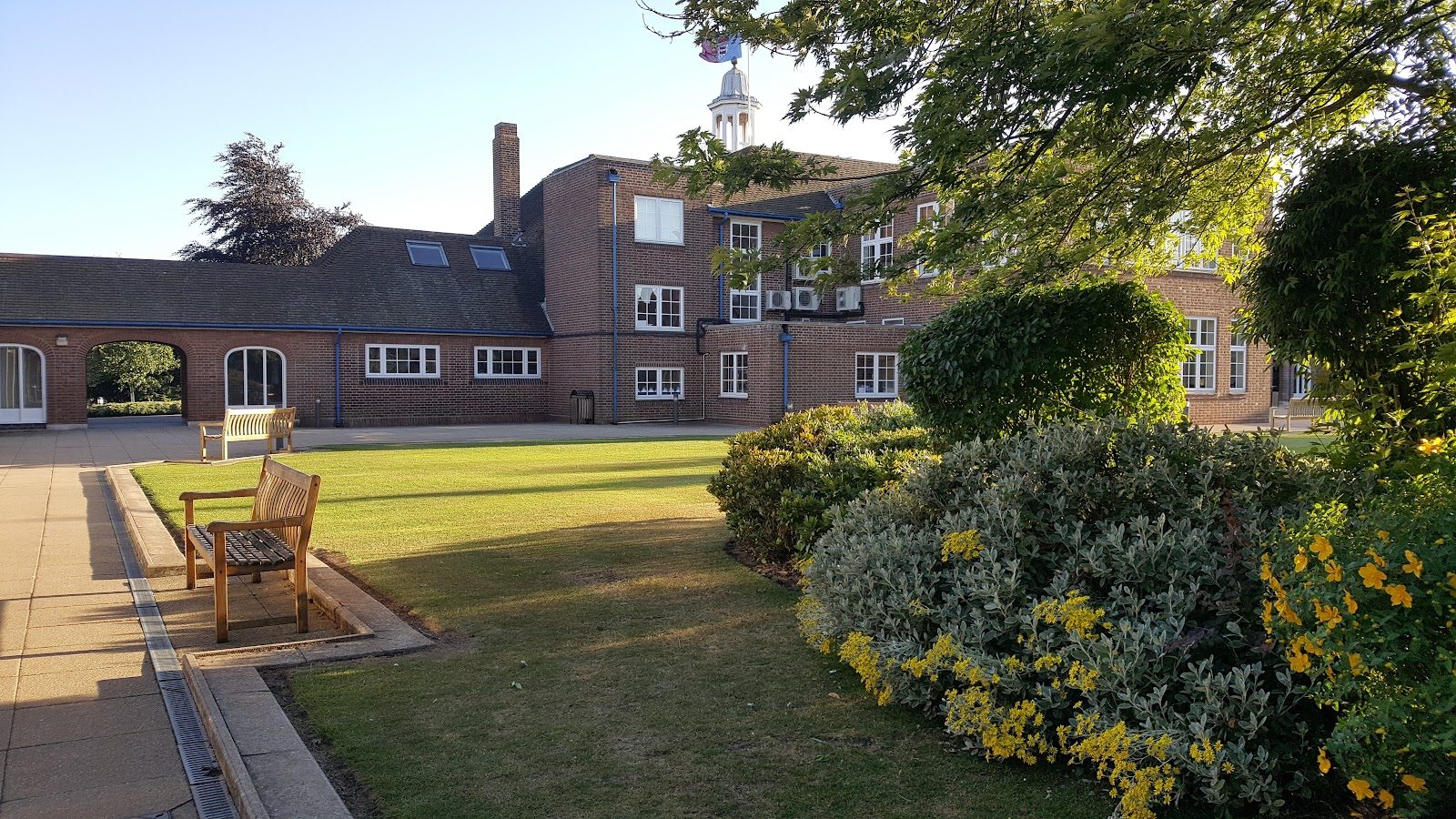
The physical offer is one of Solihull’s stronger selling points. The school operates across two campuses and more than 60 acres in the town centre, which gives it a scale many urban day schools cannot match. That matters most in sport and the practical business of running a full all-through school without every department fighting for space. The school also puts its cards on the table about where it wants visibility: sport, music, art, drama, debating and public speaking all get explicit emphasis. That points to facilities built for a high-participation, public-facing school culture rather than a stripped-down academic shop. The historic Malvern Hall setting adds real architectural weight, but parents should care less about romance than function: the advantage here is room, range and a campus footprint that supports a busy day-school timetable.
Against peer independents, that places Solihull in a strong regional bracket. Many rival day schools offer polished specialist spaces but on tighter sites, with less breathing room for games, rehearsals and whole-school activity. Solihull has the edge on sheer spread and on the sense of a proper school estate rather than a compact city campus. The limit is disclosure. The school does not publish a detailed public inventory of standout facilities, so there is no sharp way to compare theatres, labs, studios or sports provision against the best-resourced competitors. Parents should ask blunt questions on music practice space, indoor sports capacity, science accommodation and what has been upgraded recently. The estate sounds substantial; the detail still needs testing.
The first thing that matters at Solihull School is continuity
Prestige
Solihull carries real regional prestige. Its age matters, but history alone does not confer status; plenty of old schools trade on the past without commanding present-day respect. Solihull still holds weight because it sits in the recognised independent-school establishment through HMC membership, occupies a substantial physical footprint of more than 60 acres, and projects the confidence of a school that expects to compete for ambitious Midlands families rather than merely serve them. In local terms, that makes it a serious name, not a niche operator or a budget alternative. Among West Midlands day schools, it has the kind of standing that travels: employers, universities and neighbouring schools will know it.
That prestige has limits, and they are worth stating. Solihull does not have the automatic national cachet of the most famous London day schools or the old boarding dynasties whose names function as social currency in their own right. Its reputation is *stronger in the region than across the whole country*. The school’s own language leans grandly on exceptional results and elite university destinations, yet it does not publish the hard outcome data that top-rank prestige schools now use to prove their case. That keeps Solihull in the category of *high-status, locally powerful independent* rather than untouchable national giant. For families rooted in the Midlands, that distinction will not matter much; for parents buying pure brand power, it does.
Solihull calls itself the leading academic co-educational day school in the Midlands and describes GCSE and A level results as exceptional
Communications
Solihull’s parent communication has the tone of a school that expects confidence in the institution first and detail second. The public-facing message is polished, old-school and emphatic: academic strength, breadth beyond the classroom, leadership, teamwork, and a child who will be known across an all-through structure spread over more than 60 acres. That gives parents a clear sense of ethos. It does not give them much operational granularity. The school talks in claims — “exceptional” results, prestigious destinations, modern inclusivity, dedicated staff — but publishes little hard data alongside them. That matters because strong communications are not just about warmth or style; they are about usable information, institutional clarity and a willingness to show the workings. On that test, Solihull is persuasive but controlled.
For current families, the school’s scale and split-campus model raise the stakes. Parents need crisp information on who to contact, how decisions are made, what happens where, and how the junior and senior parts join up. The website extract gives a broad front-door message rather than evidence of that machinery in action. There is nothing chaotic here; the tone is too established for that. But there is a patrician reserve to the way the school speaks. Families who value directness, published detail and routine transparency on outcomes will want more. Families content with a high-trust relationship and a school that communicates authority before explanation will find the style familiar.
Uniqueness
What marks Solihull out is not novelty but inheritance with scale. Plenty of independent schools trade on old foundations; fewer still run as a substantial all-through day school on a proper historic estate while keeping a broad public-facing culture alive across childhood and adolescence. The split-site structure over more than 60 acres gives the school a rhythm that many urban day schools cannot match: younger children are not squeezed into a token prep annex, and older pupils are not boxed into a purely academic senior factory. That breadth matters. It gives students room to grow into the place, not just pass through it, and it supports a school identity built around institutional confidence rather than churn.
The student experience that follows is distinctive in a second way. Solihull pushes the classic independent-school ideal of the polished all-rounder with unusual directness: leadership, teamwork, sport, music, art, drama, debating and public speaking all sit near the centre of the offer, not at the decorative edges. For the right child, that brings real advantages — repeated chances to perform, compete, speak up and take responsibility in a school with high expectations and a strong sense of itself. The drawback is plain too. Pupils who prefer anonymity, specialism or a looser culture will find the model demanding and, at times, unforgiving. Solihull’s uniqueness lies in that blend of historic weight, day-school practicality and a culture that expects students to be visible.
The public claim is blunt: GCSE and A level outcomes are “exceptional”, and pupils move on to prestigious universities in Britain, the US and elsewhere
Student Profile
The pupil who fits Solihull is able, busy and comfortable with pressure. This is a school for children who do not want to drift at the edges. They need enough academic confidence to cope with a fast pace, and enough social confidence to take part beyond lessons. The school puts leadership, teamwork, sport, music, art, drama, debating and public speaking close to the centre of its identity, so the students who do best here are high-functioning joiners: the kind who will play, perform, compete, organise and speak up. A quiet child can still thrive, but only if that quietness comes with resilience and self-discipline rather than withdrawal. The tone is aspirational, polished and demanding.
It also suits families who value a traditional independent-school culture without a religious frame. There is a broad age range under one institutional roof, across two campuses, which tends to favour children who like belonging to a settled community and can grow into responsibility over time. This does not read as a haven for the eccentric, the deeply unstructured or the child who needs constant therapeutic cushioning. It reads as a school for capable all-rounders and for parents who want standards, routine and visible effort. At an average annual fee of £16,050, it will also attract families who are paying serious money and expect return in the form of opportunity, discipline and social capital, not indulgence.
The student experience that follows is distinctive in a second way
Co-curricular strengths
Arts & sport, on a separate axis
Overall 8.34/10
Scored 0-10 from the school's own published evidence. This axis is editorial-only — it does not feed the main WTS ranking.
Sports
9/10
Massive West Midlands estate hosting historic UK sports traditions; universally famous for its premier varsity rugby, cricket, and field hockey pipelines.
Drama
8.5/10
The Bushell Hall and adjacent theater spaces operate as a professional-grade creative hub for staging multi-genre classical and contemporary productions.
Dance
7.5/10
Kept primarily as an ensemble component to support physical performance blocks inside their large-scale theater tracks.
Music
8.5/10
Staggering musical breadth; supports a world-famous chapel choir, multiple symphony orchestras, and extensive musical scholarships.
Visual Arts
8.2/10
Outstanding studio infrastructure running high-end fine painting, printmaking, and architectural layout modules.
Strengths
- +Founded 1560; unusually deep institutional continuity.
- +All-through 3–18 structure allows one-school progression.
- +Published 2024/25 results are strong: 85% A*–B at A Level, 79% 9–7 at GCSE.
- +World-class sport, with elite music and drama provision.
- +English-medium British curriculum suits UK-bound families.
- +ISI-accredited and HMC member, signalling established standing.
Considerations
- −Day-only model rules out boarding for overseas families.
- −Non-religious ethos may not suit faith-prioritising families.
- −Solihull location lacks the pull of central London.
- −Urban campuses are functional rather than expansive compared with rural rivals.
Availability
Primary entry gate & tests
11+ Written Exams / 16+ Exams
Parent reviews
Have you sent your child here?
Voice reviews carry the strongest trust badge — we transcribe them for you to tidy up before they go live. Prefer to type? A written review is fine too.
Add your voice
In 60 seconds, tell other parents: what's the best thing about Solihull School, and what surprised you when your child joined?
We ask for a Google sign-in so every review has a real face behind it — no anonymous drive-by attacks on schools, and no faked positive reviews. Your email is never shown publicly.
Send this profile to a friend
International parents rely on word-of-mouth. Share this review with someone weighing the same decision.
Schools with places
Similar schools to Solihull School with places available now.
Availability first, then country, area, curriculum, price, co-curricular
Consider also
Also worth looking at alongside Solihull School.

Oakham School
Oakham · United Kingdom
Where a 1584 market-town foundation meets Rutland Water sailing, early co-education, and a long-standing IB Diploma alongside A-levels.
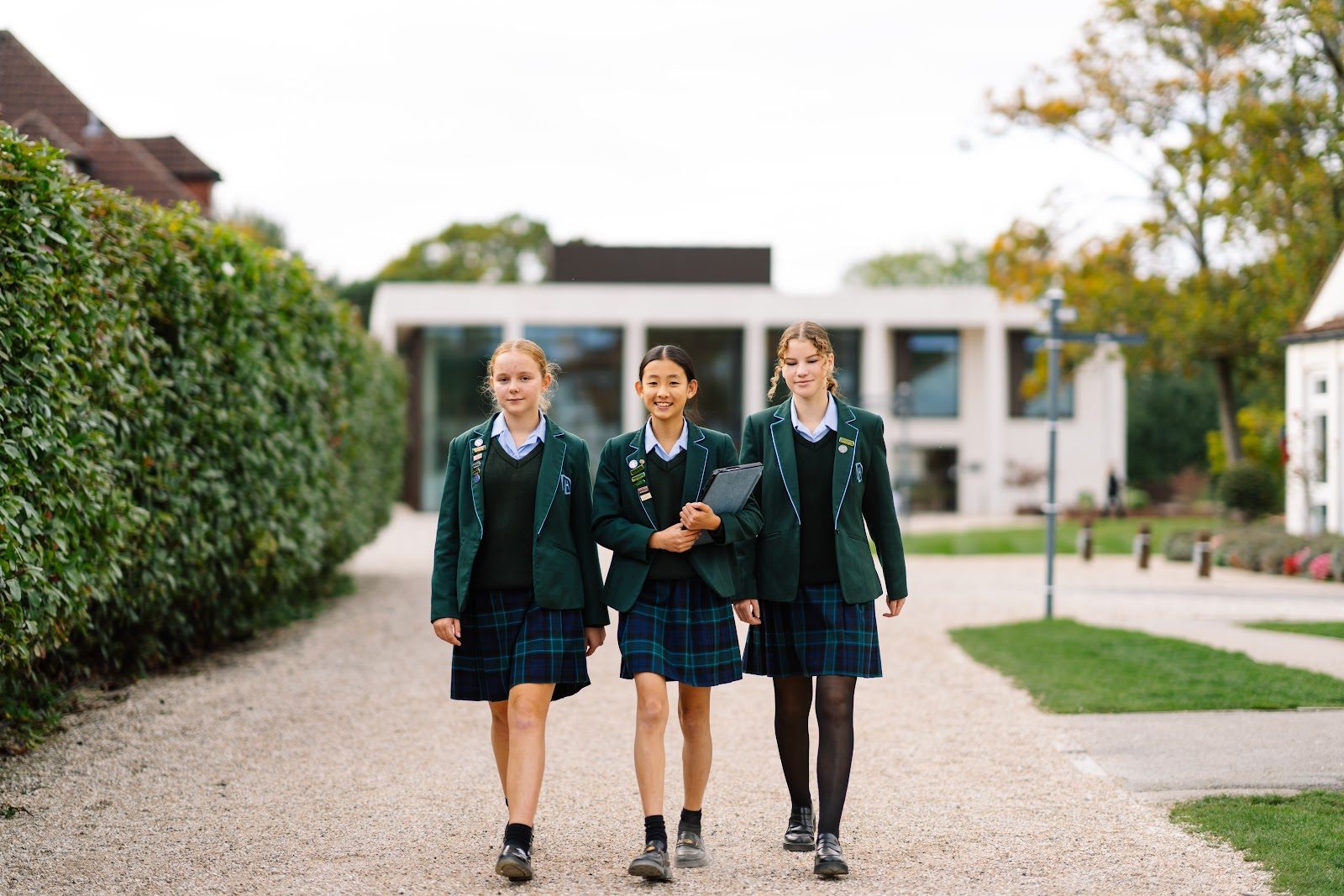
Downe House School
Cold Ash · United Kingdom
Rooted in Charles Darwin's former home, now a 110-acre Berkshire estate where science thrives and Oxbridge ambition runs deep.
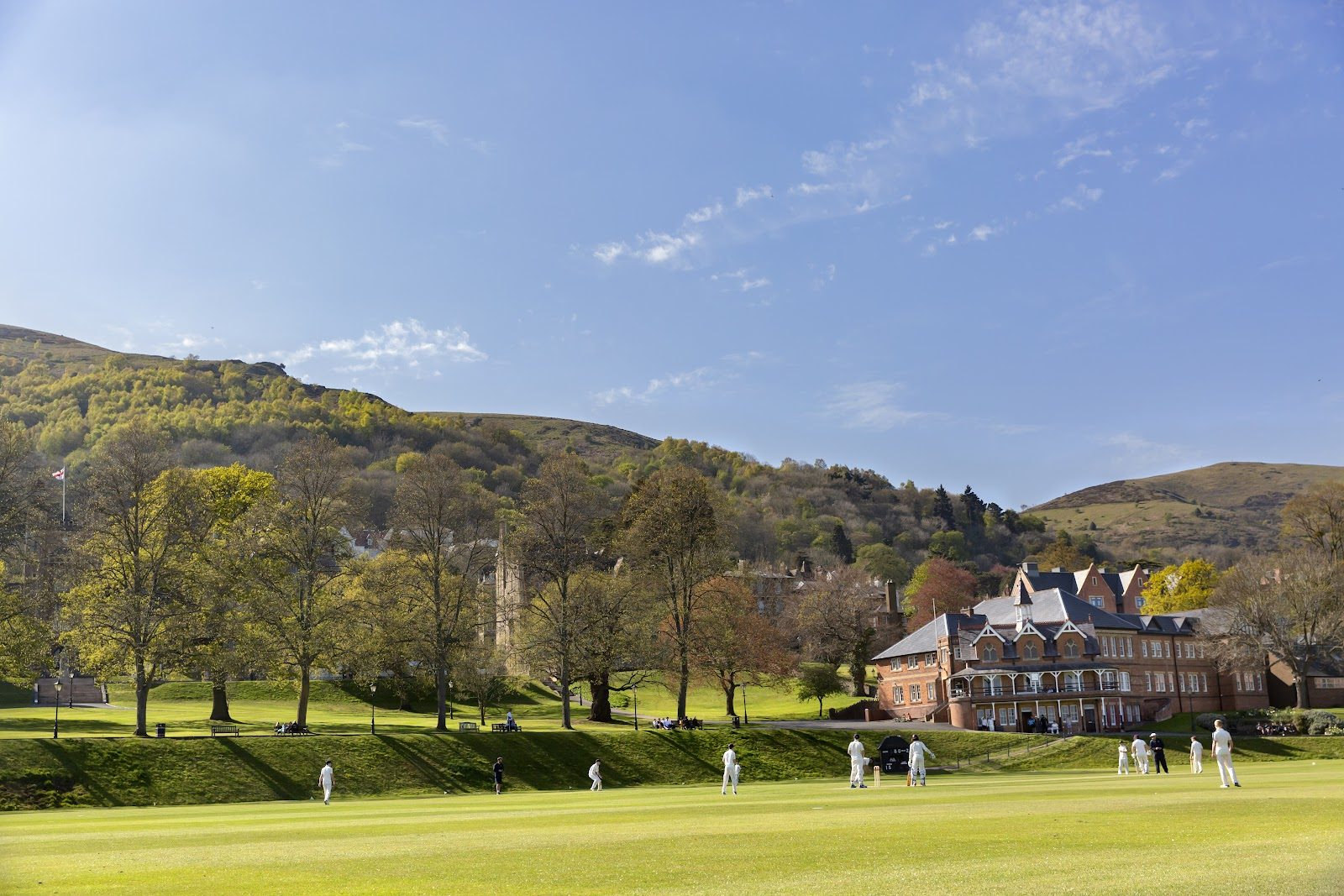
Malvern College
Malvern · United Kingdom
Beneath the Malvern Hills, a campus that once housed wartime radar research has produced four Nobel Prize winners.
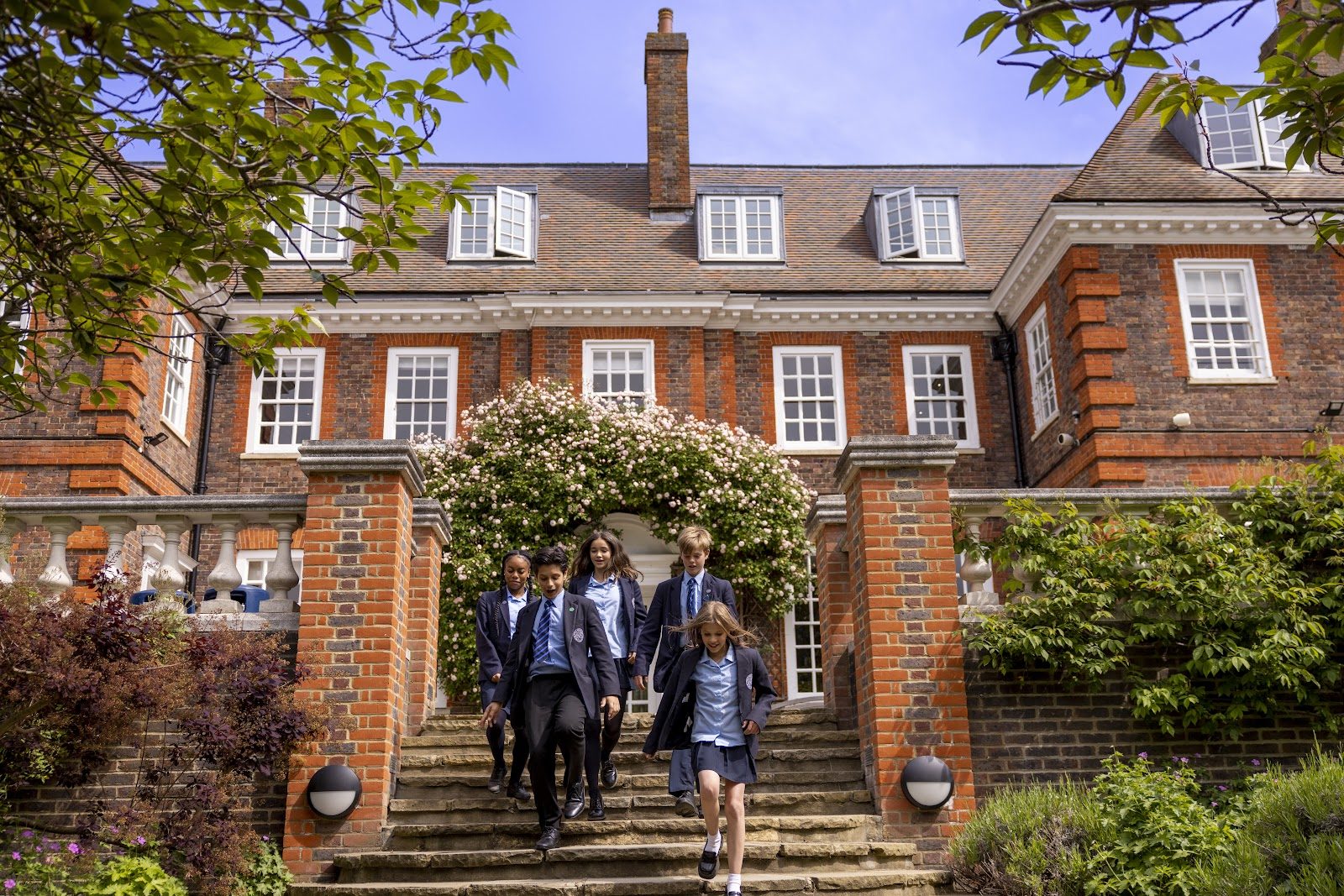
Ibstock Place School
London · United Kingdom
On the fringe of Richmond Park, a Froebel-founded day school has championed co-education since 1894.
Same country and curriculum — closest matches within ±10 points either way