
Ho Chi Minh City
VNU-HCM High School for the Gifted
Affiliated with Vietnam National University, this Ho Chi Minh City school has stacked International Mathematical Olympiad medals since 2003.
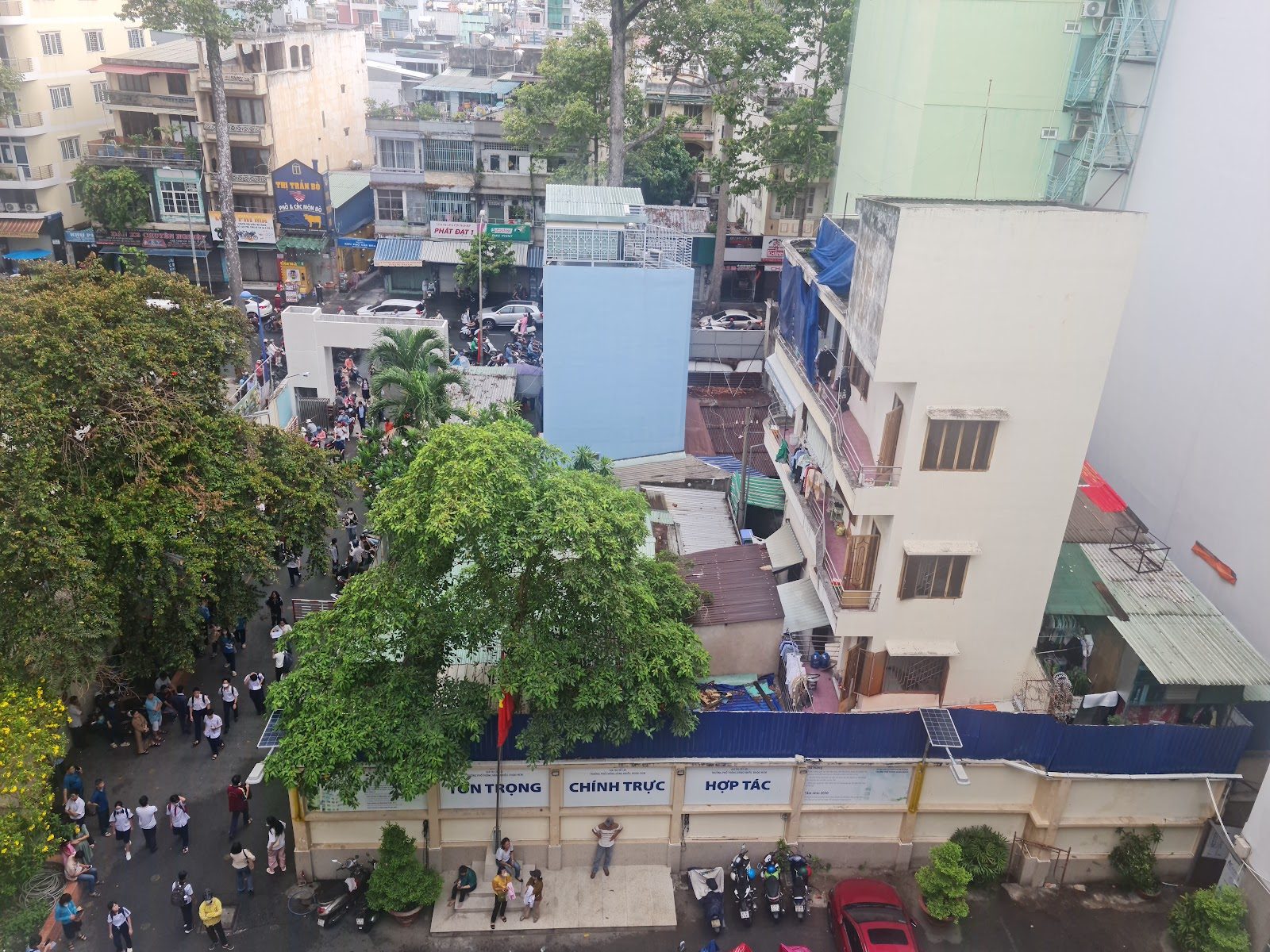
Photo © THIET BI DIEN GFE via Google Maps
Type
Day
Ages
15–18
Curriculum
Vietnamese
Qualifications
Vietnamese national curriculum (gifted track)
Ratio
—
The Verdict
Editor's commitment
Right for
Able 15–18-year-olds who want a Vietnamese specialist school linked to Vietnam National University and a record of 50 international medals.
Wrong for
Families wanting boarding, a broad international curriculum or an English-medium route; this is a 1996-founded Vietnamese day school in Ho Chi Minh City.
Watch out for
At 1,900 students and 150 teachers, the scale is large; the school does not publish aggregate university placements or exam score data.
Ranking breakdown
VNU-HCM High School for the Gifted · #922 of 1591
Composite score 64.3. 8 weighted criteria.
By criterion
Academic Outcomes
Weight 20%
#208
of 1529 scored
University Placement
Weight 16%
#848
of 1529 scored
Prestige & Heritage
Weight 12%
#750
of 1529 scored
Alumni Network
Weight 12%
#1320
of 1529 scored
Facilities
Weight 12%
#1424
of 1529 scored
Transparency & Communications
Weight 8%
#1245
of 1529 scored
Peer & Industry Review
Weight 10%
#1305
of 1529 scored
Admissions Selectivity & Demand
Weight 8%
#35
of 1529 scored
Peer & Industry Review
How VNU-HCM High School for the Gifted is regarded in the sector
62
Respected · medium confidence
Within Vietnam's 'truong chuyen' (specialized school) network, PTNK is consistently ranked alongside Hanoi-Amsterdam and Le Hong Phong as one of the top three feeder schools for national and international Olympiad teams (IMO, IChO, IOI, IBO), a comparison repeatedly drawn in VnExpress, Tuoi Tre and Thanh Nien annual medal-tally reports rather than in Western guides -- WhichSchoolAdvisor and Good Schools Guide do not cover it, as it sits outside the international-school segment they track. Its direct institutional tie to Vietnam National University-HCMC gives it a distinct admissions pipeline: VNU-HCM faculties (Bach Khoa, University of Science) openly favor its graduates, and domestic press coverage centers on placement into these plus scholarship exits to NUS/NTU Singapore, Australian Group of Eight universities and selective US STEM programs. Peer heads of other specialized schools treat it as the benchmark for Ho Chi Minh City, though its profile remains largely a domestic reputation story -- strong within Vietnamese state media and university admissions circles, but with minimal independent international education-press footprint or documented peer-conference presence abroad.
Editors' overview
VNU-HCM High School for the Gifted occupies a rare place in Vietnam’s school market: a specialised public day school for academically exceptional teenagers, attached to Vietnam National University in Ho Chi Minh City and founded in 1996. That university affiliation matters. It gives the school a sharper academic identity than the average selective high school and sets the tone for a serious, competition-driven sixth-form experience. The school teaches the Vietnamese curriculum, with instruction in Vietnamese and English, and it recruits for students with clear subject strength rather than for the broad, polished all-rounder profile prized by many international schools. Its own published numbers are blunt: 1,900 students a year, 150 teachers and lecturers, and 50 international medals and awards. That scale, paired with elite selection, makes PTNK a national academic machine rather than a boutique school.
What puts it on a parents’ shortlist is not pastoral rhetoric or glossy campus theatre, but results culture and intellectual concentration. The school’s stated purpose is to develop students with outstanding performance and subject talent in one subject, two subjects, or a specialist field. The editorial tagline points to the strongest proof point: a long run of International Mathematical Olympiad medals since 2003. That record gives the school a hard-edged academic identity and a competition-bred culture that few schools in the region can match. Parents looking for a gentle, expansive school life with equal weight on sport, arts and social polish will find a narrower proposition here. Parents looking for serious scholarly ambition, close contact with high-performing peers and a route into top Vietnamese universities will find one of the clearest options in the city.
The right student for VNU-HCM High School for the Gifted is bright, fast, self-disciplined and comfortable in an environment where intellectual ranking is part of daily life. This is a school for teenagers who enjoy difficult problems, deep subject study and selective admissions pressure; it suits mathematicians, scientists and other academic specialists more than generalists. It also suits families who value public-sector academic prestige over the broader lifestyle offer of fee-charging international schools. The trade-off is plain: PTNK offers institutional seriousness, peer intensity and a clear meritocratic ladder, but not the softer packaging that international parents sometimes expect. For the right child, that is not a drawback. It is the whole point.
Academic Performance
Academic performance here is defined less by mass-market exam marketing than by elite subject competition and selective university preparation. The school publishes a headline tally of 50 international medals and awards, and its news feed still foregrounds Olympiad results, including a recent APMO gold. That matters. In Vietnam’s specialist-school hierarchy, PTNK sits in the top competitive tier for mathematically and scientifically strong students, and it has the kind of results culture that peers without a sustained Olympiad pipeline cannot fake. Relative to mainstream international schools in the city, the comparison is uneven: those schools sell breadth, overseas admissions counselling and globally familiar qualifications; PTNK sells hard academic proof in high-level subject mastery. For families who care about external evidence of exceptional ability, that is a stronger signal than polished university destination lists.
What the school does not publish is just as important. We have not seen aggregate national exam scores, subject-by-subject pass rates, or university placement tables in the public domain. That opacity limits fine-grained comparison with other selective schools. Even so, the combination of university affiliation, specialist admissions and sustained Olympiad visibility places PTNK among Vietnam’s serious academic engines. It is not a school that needs inflated claims about “holistic excellence”; its standing rests on a narrower, sharper record. For a mathematically gifted teenager, that record carries more weight than glossy averages ever will.
Facilities
The school’s published facilities picture is functional, not expansive. The site foregrounds admissions, notices, fee payment and its LMS more than campus display, which tells you something: PTNK sells academic throughput, not architecture. The hard facts the school does publish are a teaching body of 150 and an annual student population of 1900; that points to a large working campus built to run specialist classes at scale rather than a pampered private-school environment. The most important “facility” in practice is the university linkage itself: access to lecturers, an academic timetable shaped by subject depth, and a setting that reinforces serious scholarly concentration. Families hunting for theatres, aquatics centres, black-box studios or resort-grade sports provision will find the public information thin. The school does not publish a detailed facilities inventory, and that omission matters.
Against peer schools, PTNK sits at the opposite end of the spectrum from Ho Chi Minh City’s international campuses that compete through acreage, specialist blocks and polished co-curricular venues. Its comparative strength lies in intellectual infrastructure rather than lifestyle infrastructure. For a mathematically or scientifically strong teenager, that trade-off works: strong peers, specialist teaching, and an environment built for high-pressure academic work. For parents who equate quality with visible campus investment, the offer is austere and the public-facing detail is sparse. This is a school where facilities support the academic machine; they are not the main event.
For families who care about external evidence of exceptional ability, that is a stronger signal than polished university destination lists
Prestige
Prestige here rests on selectivity, institutional attachment and proof of elite academic production. This is not the prestige of polished campus theatre or international-school social cachet. It is the prestige of a state-backed meritocracy tied to a leading national university, with admissions that filter for subject strength and a culture that prizes ranking, problem-solving and contest performance. In Vietnam, that combination carries serious domestic weight. Among families who know the local academic landscape, PTNK signals that a student has cleared a hard gate and joined one of the country’s high-pressure scholarly tracks. The school’s own headline claim of 50 international medals and awards reinforces that standing, and the sustained Olympiad visibility gives its reputation a harder edge than vague talk of excellence ever could.
That prestige has limits, and parents need to understand them. Outside Vietnam and specialist academic circles, the name does not carry the instant recognition of global private-school brands or internationally examined sixth forms. Its status is deep rather than broad: formidable among those who value mathematical and scientific distinction, less useful as a shorthand in socially minded expatriate networks. Still, for the right family, this is earned prestige, not purchased prestige. The school’s scale — 1900 students and 150 teachers and lecturers — also matters here: PTNK is not an intimate finishing school for the affluent; it is a large, selective public institution built to identify and drive high performers. That gives it a hard-won credibility many expensive schools cannot match.
The students who thrive here are not just bright; they are rank-hungry, fast-processing and comfortable being measured against other top performers every day
Communications
Parent communication is more administrative than relational. The website is busy, current and built around action: admissions registration, entrance papers and answers, results lookup, notices, forms, online fee payment, contact channels, and direct links to the LMS and email. That gives families a clear operating map and, crucially for a selective school, a public archive of admissions mechanics rather than vague promises. The volume of updates also tells its own story. This is not a school that hides routine process behind closed doors. Recent posts cover summer maths programmes, enrolment procedures, cut-off scores and competition results. For parents who want clear procedural information and a no-nonsense paper trail, that is effective.
What the school does not offer in public is equally telling. We have not seen polished parent handbooks in English, detailed pastoral communication, or a strong narrative aimed at international families unfamiliar with Vietnam’s specialist-school system. The tone is institutional, transactional and geared to families who already know how this world works. Even the hotline — 1900 9999 17 — sits inside a communications structure that prioritises throughput over warmth. For local parents, that formula works: fast access to notices, forms and results matters more than glossy messaging. For expatriate or first-time families, the experience risks feeling opaque and hard-edged. Effective, yes — but effective for the initiated.
Uniqueness
What marks PTNK out is the combination of specialist public-school status and direct attachment to a major national university. That creates a school culture that is more exacting than the standard selective high school and far less packaged than the international-school market. Students enter a system built around subject concentration, competitive filtering and intellectual hierarchy. The school’s own description of developing talent in one subject, two subjects or a specialist field is revealing: this is not a broad church trying to make every child equally good at everything. It is a deliberately narrow machine for identifying academic strength early and then sharpening it fast. The headline count of 50 international medals and awards captures that difference better than any mission statement.
For students, the gain is access to a high-voltage peer group and a daily standard that punishes complacency. Bright teenagers do not need to shrink to fit the room here; they are surrounded by others who work at speed and depth. The university link also matters in practical terms, because it reinforces advanced teaching and a more serious academic frame than most schools at this age can sustain. The cost of that uniqueness is plain. PTNK offers less of the curated all-roundness that affluent parents buy elsewhere, and more of the pressure, ranking and subject obsession that drive elite academic outcomes. For the right child, that trade is exceptionally valuable.
It gives the school a sharper academic identity than the average selective high school and sets the tone for a serious, competition-driven sixth-form experience
Student Profile
The students who thrive here are not just bright; they are rank-hungry, fast-processing and comfortable being measured against other top performers every day. This is a school for teenagers who enjoy abstraction, difficult problem sets and the pressure of selective academic company. The strongest fit is the pupil with a clear subject centre of gravity — mathematics first, then the sciences and other examinable disciplines that reward precision, stamina and independent study. A child who needs constant reassurance, broad praise or a soft landing after every setback will struggle. PTNK attracts students who can absorb correction, recover quickly and keep working when the bar moves higher.
Socially, the fit is narrower than at an all-purpose international school. Students do well here when they draw energy from serious peers rather than from a glossy co-curricular scene or a highly curated school life. The school’s own headline of 50 international medals and awards tells you what gets noticed. So does a student body of about 1900: this is a large, selective institution, not an intimate enclave. The right family values meritocratic pressure, academic hierarchy and a school culture that treats intellectual performance as the main event. For the right teenager, that environment is electrifying. For the wrong one, it is unforgiving and not for the faint-hearted.
Its own published numbers are blunt: 1,900 students a year, 150 teachers and lecturers, and 50 international medals and awards
Co-curricular strengths
Arts & sport, on a separate axis
Overall 6.92/10
Scored 0-10 from the school's own published evidence. This axis is editorial-only — it does not feed the main WTS ranking.
Sports
7.3/10
Drama
6.8/10
Dance
6.5/10
Music
7/10
Visual Arts
7/10
Strengths
- +Founded in 1996 as a specialized public school affiliated with Vietnam National University, Ho Chi Minh City, and regarded as one of the three most renowned gifted high schools in the city.
- +Consistently produces medallists at the International Mathematical Olympiad, with several gold, silver and bronze results recorded across successive years.
- +Admits students through a national entrance exam open to applicants from across Vietnam, drawing a highly academically capable cohort into math, physics, chemistry, biology, informatics, English and literature streams.
- +Operates two campuses, including a newer Dong Hoa site inside the VNU-HCM university township with boarding provision and dedicated sports facilities.
- +As a public institution under a national university, it sits within a state-subsidised fee structure rather than the private international-school fee bracket.
Considerations
- −Instruction is entirely in Vietnamese and follows the national curriculum, making it unsuitable for expat children without strong Vietnamese language ability.
- −Entry is via a separate, highly competitive entrance exam (Maths, Literature, English plus a specialised subject paper), which favours students already coached within the Vietnamese system.
- −Students are streamed into narrow subject-specific classes (e.g. a single Maths or Physics class per cohort), offering less breadth than an IB or A-Level programme.
- −The main An Dong campus operates as a day-only, single or two-session school with no boarding, while boarding is available only at the separate Dong Hoa site.
Availability
Primary entry gate & tests
VNU Competitive Entrance Exam
Gallery
Photo © Manh Hung Nguyen via Google Maps
Photo © 4 Cao via Google Maps
Photo © SteveImg via Google Maps
Photo © Minh Anh Đặng via Google Maps
Photo © BN via Google Maps
Photo © Minh Anh Đặng via Google Maps
Photo © Trần Công Danh via Google Maps
Parent reviews
Have you sent your child here?
Voice reviews carry the strongest trust badge — we transcribe them for you to tidy up before they go live. Prefer to type? A written review is fine too.
Add your voice
In 60 seconds, tell other parents: what's the best thing about VNU-HCM High School for the Gifted, and what surprised you when your child joined?
We ask for a Google sign-in so every review has a real face behind it — no anonymous drive-by attacks on schools, and no faked positive reviews. Your email is never shown publicly.
Send this profile to a friend
International parents rely on word-of-mouth. Share this review with someone weighing the same decision.
Schools with places
Similar schools to VNU-HCM High School for the Gifted with places available now.
Availability first, then country, area, curriculum, price, co-curricular
Consider also
Also worth looking at alongside VNU-HCM High School for the Gifted.
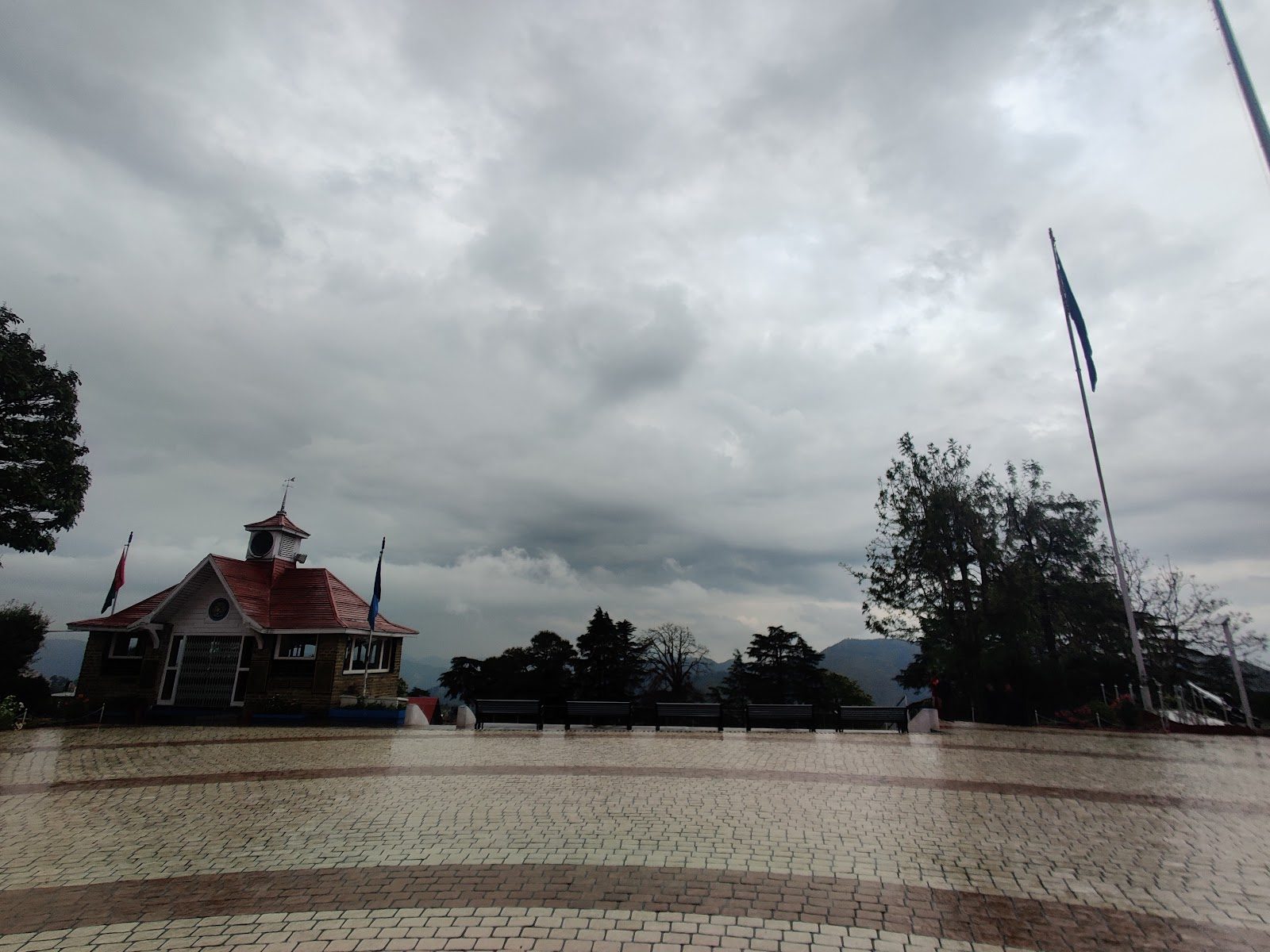
Bishop Cotton School
Shimla · India
Perched on a Himalayan ridge since 1859, this all-boys campus pioneered India's first house system of schooling.
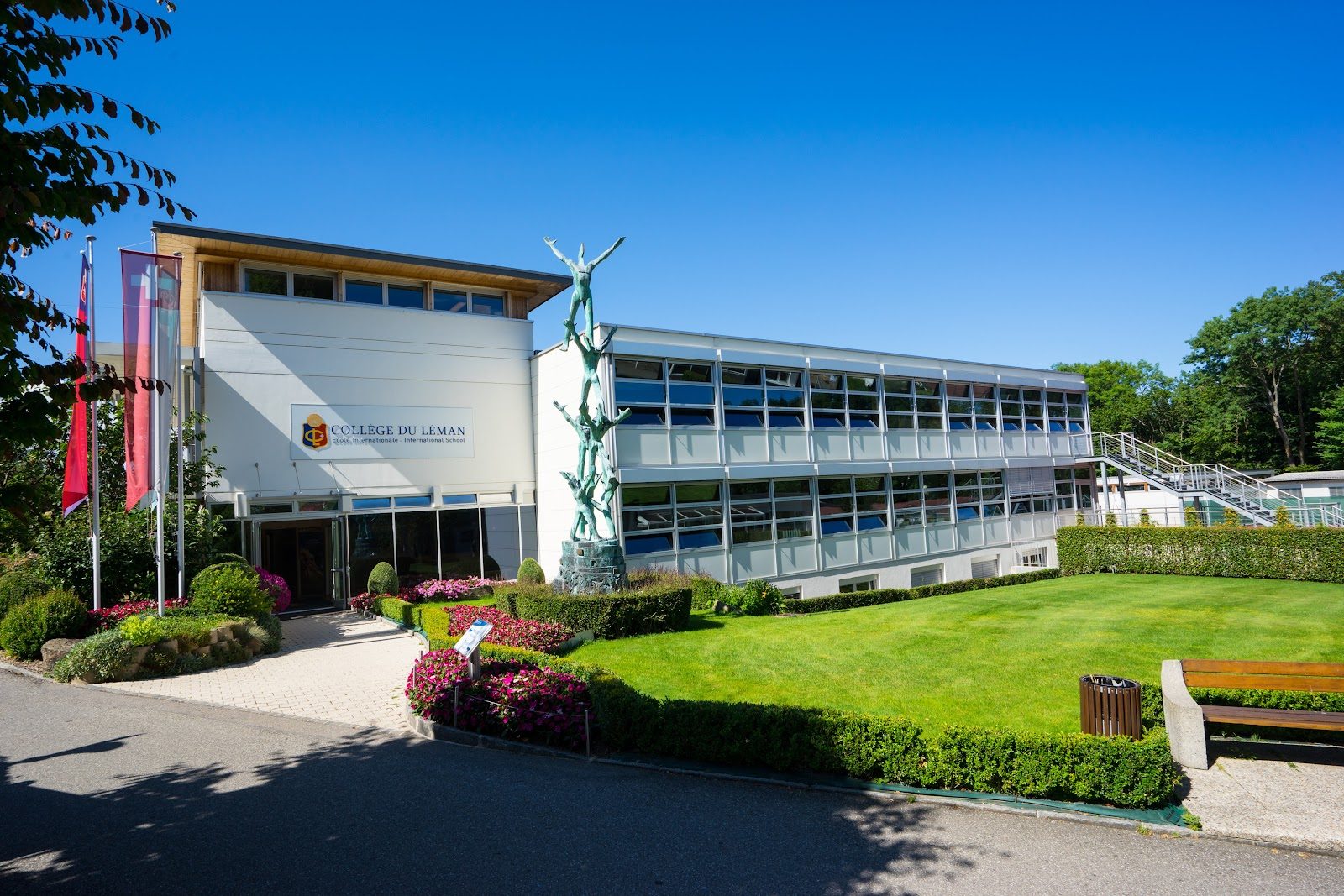
Collège du Léman
Versoix · Switzerland
On the shores of Lake Geneva, Switzerland's largest K-12 campus threads five diploma pathways into one international community.
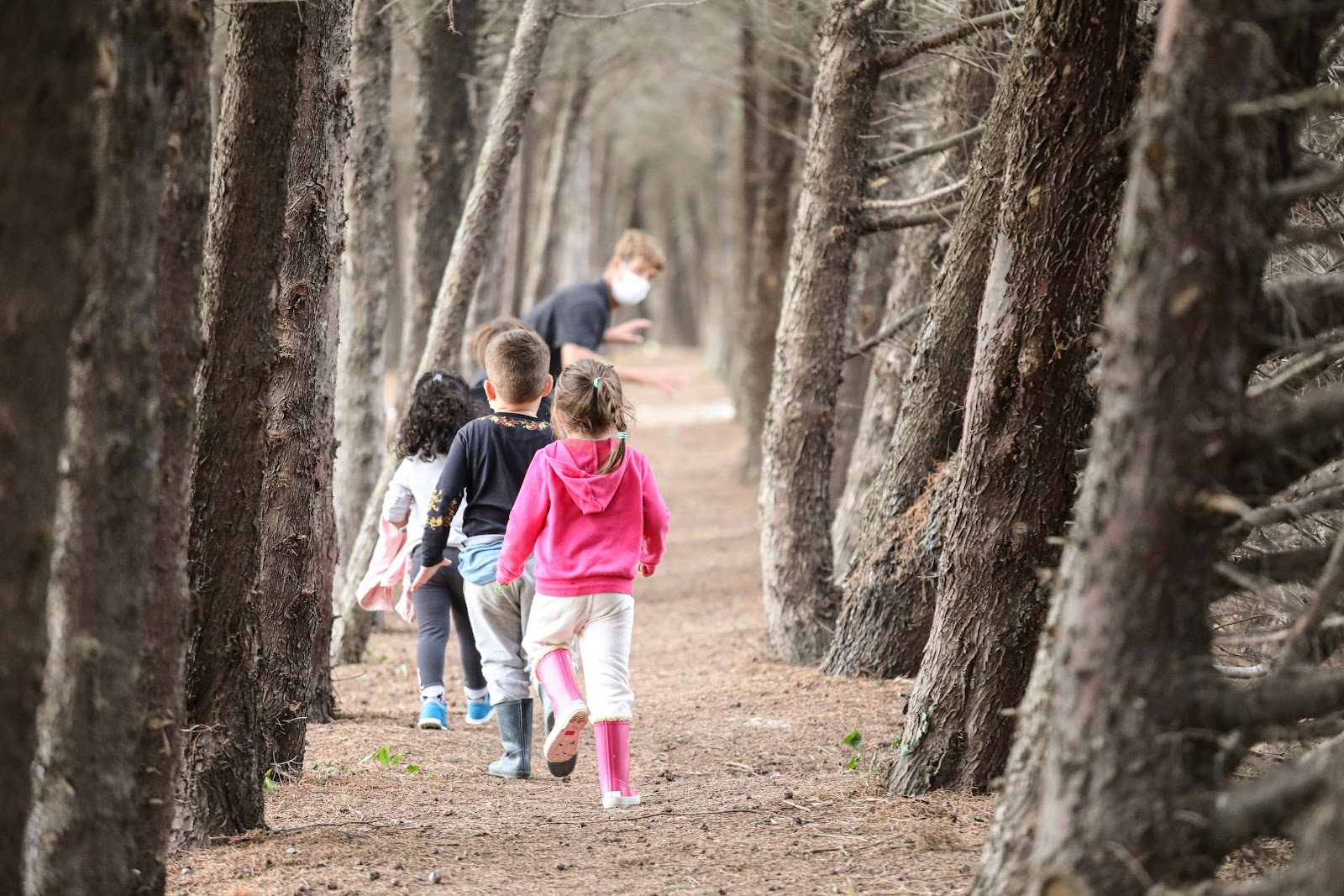
Istanbul International Community School
Istanbul · Turkey
Founded in 1911 as Robert College's sister school, this Bosphorus-side campus was the first in Turkey certified for all three IB programmes.
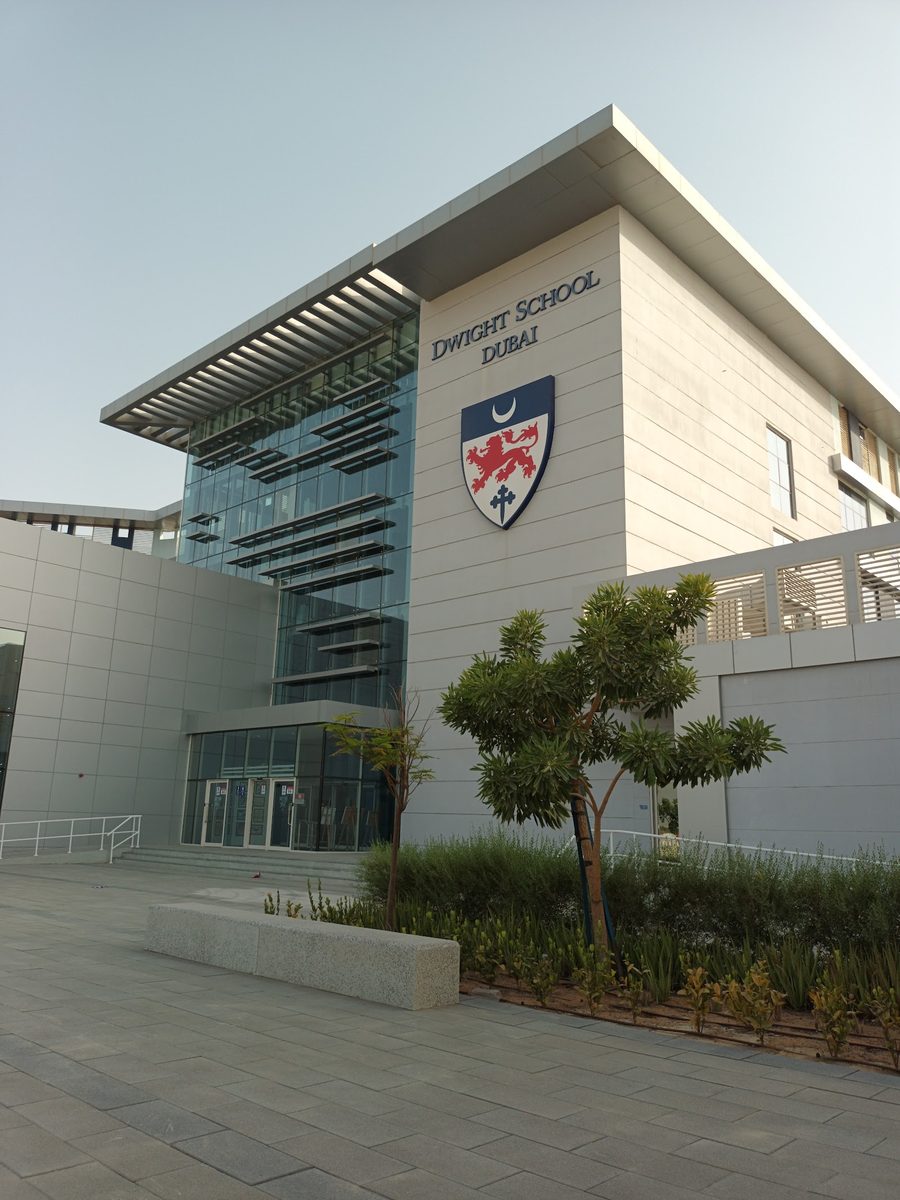
Dwight School Dubai
Dubai · United Arab Emirates
Heir to the New York school that pioneered America's all-through IB diploma, its Dubai Sports City campus runs a student-led Spark Tank incubator.
Same country and curriculum — closest matches within ±10 points either way