
Hanoi
United Nations International School of Hanoi
high confidence· 6/6 cats · 2.94 avg sourcesOne of only two UN-affiliated schools on earth, weaving the Sustainable Development Goals into an IB curriculum spanning 60-plus nationalities
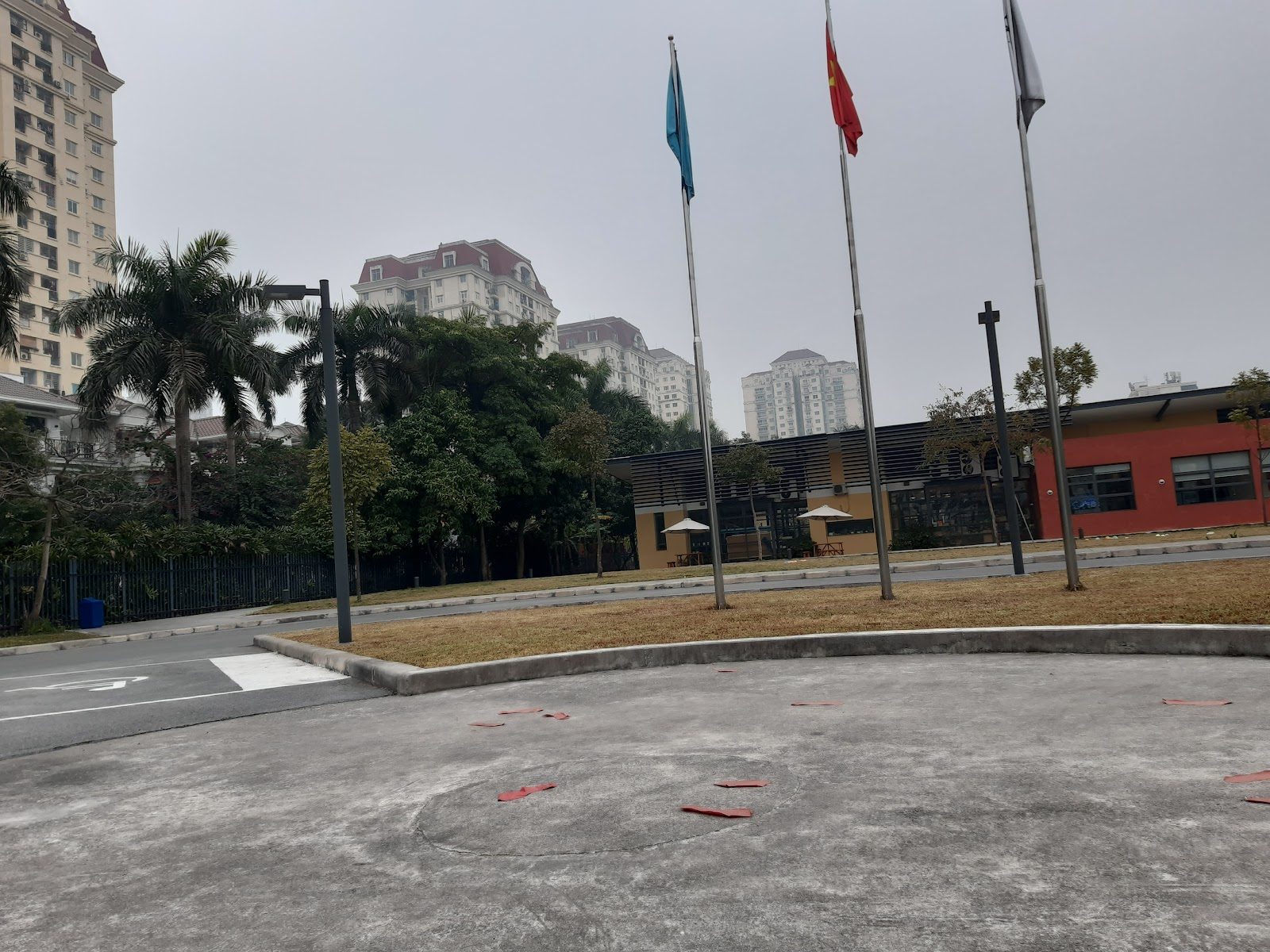
Photo © Sehyeon Choi via Google Maps
Type
Day
Ages
3–18
Curriculum
IB · British
Ratio
—
The Verdict
Editor's commitment
Right for
Families who want a 3–18 English-language day school with IB and British pathways, grounded in UN values across 60-plus nationalities.
Wrong for
Parents chasing scale or headline university results; Class of 2024 had 72 leavers, with one each to Monash, Sydney and AFTT.
Watch out for
The average annual day fee is $25,000, and the school publishes only sparse destination detail despite IBO accreditation and a 1988 founding.
Score history
United Nations International School of Hanoi · 2026
Movement across 2024–2026. Peer average overlaid.
Overall — 2024–2026
76.3/ 100
▲ +36.5 vs 2025
year on year
Peer & Industry Review
How United Nations International School of Hanoi is regarded in the sector
78
Strong · high confidence
UNIS Hanoi occupies a distinct niche at the top of Vietnam's international school market as one of only two schools in the world formally affiliated with the United Nations, a status WhichSchoolAdvisor cites in calling it "one of the most popular and highly regarded international schools in Hanoi" and noting it was the first school in Asia authorised to teach all three IB programmes. The Good Schools Guide is equally emphatic, describing it as the obvious top choice for diplomatic and internationally-minded families and, despite steep fees mostly covered by employers, "a phenomenal school offering a solid education" with unrivalled facilities. Its 37-year history, not-for-profit governance and diplomat-heavy alumni base (including recognisable names in activism and entertainment) give it a peer standing that newer Hanoi entrants lack, though its highly specific UN-affiliated identity means it is sometimes framed as a specialist rather than universal top-tier choice.
Editors' overview
UNIS Hanoi has a claim that almost no other school can make: it is one of only two UN-affiliated schools in the world, and that link is not cosmetic. The school states that it follows the ideals and principles of the United Nations in action every day, which gives the place a distinct ideological centre in a market full of generic “global citizenship” language. Founded in 1988 with support from UNDP in Vietnam, it is a non-profit, English-language day school for ages 3 to 18, enrolling children from Early Years through Grade 12. The mix of IB and British curriculum pathways matters here too: parents get the structure and recognisability of a British-international framework alongside the breadth and philosophical coherence of the IB.
What puts UNIS Hanoi on a serious shortlist is not scale or flash, but institutional clarity. The school is accredited by the International Baccalaureate Organisation, and the school also states that it holds accreditation from CIS and WASC. In a city where international schools can drift into brand theatre, that combination gives parents a cleaner read on governance and academic architecture. The student body spans more than 60 nationalities, which is meaningful in Hanoi rather than decorative, and the average annual day fee across the full age range is $25,000. That places it in the premium tier, but not at the extreme edge of the market. University destinations released for the Class of 2024 are modestly presented rather than inflated: 72 leavers, with named destinations including Monash University, the University of Sydney and the Academy of Film Theatre and Television. That candour is refreshingly free of chest-beating, though families who want a heavily curated list of elite admits will find the published outcomes thin.
The right child for UNIS Hanoi is internationally minded in the literal sense, not the brochure sense: a student who enjoys debate, service, cultural range and a school culture shaped by mission rather than status display. This is a good fit for UN, NGO, diplomatic and mobile professional families, and for local families who want an outward-facing education with a strong moral frame. It is less suited to parents chasing a narrowly exam-drilled environment, a vast super-campus identity, or a school that markets itself through headline-grabbing university placements. UNIS Hanoi’s appeal is more serious than glossy: purpose-driven, cosmopolitan and unusually coherent about what it is for.
Academic Performance
UNIS Hanoi does not publish aggregate IB Diploma results in the sources here, and that limits any hard judgment on academic strength against Hanoi’s top-tier competitors. There is no headline average score, no pass rate, no subject spread and no multi-year trend line. For an IB school, that is a real gap. Schools with strong exam outcomes and confidence in their academic profile publish the numbers. When they do not, parents lose a key comparison point. The university destination list gives only a partial read: 72 leavers in the most recent cohort, with a small handful of named destinations and no broader breakdown by country, selectivity or course concentration. That is thin disclosure, not a serious outcomes dashboard.
That does not place the school in a weak academic bracket; it places it in an opaque one. The school’s UN-rooted mission, non-profit structure and international intake point to a broader definition of success than exam tables alone, and that will suit some families. But relative to peers competing for academically ambitious international families, UNIS Hanoi is less legible. Parents who want hard proof of external examination performance will need to ask directly for diploma averages, pass rates, higher-level subject results and destination depth. Until the school publishes that data, its academic standing rests more on institutional credibility than on publicly testable outcomes.
Facilities
Facilities are not the school’s selling point in the public domain, and that matters. UNIS Hanoi gives parents a clear statement of mission and governance, but it does not publish the kind of detailed campus inventory that stronger operators now treat as standard: specialist labs, performing arts infrastructure, sports provision, maker spaces, libraries, or age-specific learning environments. For a premium-fee school, that is a clear information gap. Parents comparing Hanoi’s upper tier schools will notice that competitors with confidence in their physical plant tend to show it plainly. Here, the school asks families to trust the institutional story more than the bricks, equipment and square footage. That leaves the campus offer under-evidenced.
What can be said with confidence is structural rather than architectural: this is a day school serving children from the early years to the end of secondary education, so it needs a full spread of teaching, play, sport and senior-study spaces to function credibly across that age range. The school’s multinational community — more than 60 nationalities — also raises the bar for communal and pastoral spaces, because schools serving highly mobile families need places that support belonging as much as instruction. Against peers, then, UNIS Hanoi’s facilities profile is hard to benchmark precisely: not because facilities are weak, but because the school does not disclose enough to prove strength. For parents, that makes a campus visit essential rather than optional.
Being one of only two UN-affiliated schools in the world gives UNIS Hanoi a genuinely distinctive place in the sector
Prestige
Prestige here rests on institutional identity more than brute-market glamour. A school tied to the United Nations carries a form of status that most international schools cannot manufacture: not old-boy cachet, not luxury branding, but rare institutional legitimacy. Being one of only two UN-affiliated schools in the world gives UNIS Hanoi a genuinely distinctive place in the sector. That matters to diplomatic, development and internationally mobile families who care about mission, governance and a serious multinational environment. The non-profit structure strengthens that standing. So does the breadth of the student body, drawn from more than 60 nationalities, which gives the school social credibility beyond the polished sameness that defines many premium international campuses.
That said, this is not prestige in the usual arms race sense. UNIS Hanoi does not trade on a parade of elite university offers, nor does it publish the kind of exam data that turns reputation into hard academic proof. That caps its status among families who rank schools by admissions theatre and results tables. Its prestige is therefore real but specialised: strongest among parents who value public-purpose education, international seriousness and a community with actual diplomatic weight; weaker among those chasing a flashier hierarchy of selective placements and brand spectacle. The fee level — an average of $25,000 a year — places it firmly in the premium bracket, but the school’s standing comes from scarcity and mission, not display.
UNIS Hanoi’s appeal is more serious than glossy: purpose-driven, cosmopolitan and unusually coherent about what it is for
Communications
UNIS Hanoi communicates with more discipline than many international schools. The public-facing site gives parents the essentials quickly: governance, leadership, age range, non-profit status and the school’s operating ethos all sit in plain view rather than buried in admissions gloss. That matters. Schools that know what they are for tend to write cleanly, and this one does. The tone is serious, institutionally literate and refreshingly free of lifestyle fluff. The board structure is stated, the head is named, and the school’s UN frame is treated as a working principle rather than a slogan. For internationally mobile families, that kind of communication builds trust because it answers the first-order questions without theatrics.
The weakness is depth. Once parents move past identity and governance, the published picture thins out. There is not enough concrete information on academic results, facilities or the day-to-day mechanics of school life to count as full-spectrum transparency. That creates an uneven communications profile: strong on mission, weaker on proof. The school clearly knows how to articulate purpose to a community drawn from 60-plus nationalities, but it discloses less than top-tier competitors on the practical details that parents use to compare schools under pressure. So the verdict is mixed but clear: communication is coherent and credible at the top level, yet incomplete where scrutiny gets sharper. Families will leave the website with a strong sense of values and a shorter list of hard operational answers than they need.
Uniqueness
What sets UNIS Hanoi apart is not a generic claim to “global mindedness” but a formal UN affiliation that almost no school can match. There are only two schools in that category worldwide, and that rarity gives the institution a clear constitutional identity. The UN link changes the tone of school life: service, intercultural literacy and public-purpose thinking sit closer to the centre than status signalling or exam theatre. The school’s stated commitment to the ideals and principles of the United Nations gives families a sharper read on values than the usual international-school language about citizenship. For students, that brings a community where global issues are not an occasional theme week but part of the school’s operating logic.
The other distinctive feature is the make-up of the community itself. With more than 60 nationalities on roll, this is a genuinely multinational environment rather than a local school with an international badge. That breadth matters in the classroom and beyond it: students learn to work across cultures, navigate difference without fuss, and build the social flexibility that mobile adult life demands. The non-profit model strengthens the picture. It gives the school a less commercial character than many premium international competitors and keeps the focus on mission, governance and continuity. For the right family, the result is unusually coherent: a school where the institutional story, the student mix and the day-to-day ethos point in the same direction.
So the verdict is mixed but clear: communication is coherent and credible at the top level, yet incomplete where scrutiny gets sharper
Student Profile
The best fit here is a child who is comfortable in a classroom where nationality, family background and worldview vary as a matter of daily life, not annual poster-making. With pupils drawn from more than 60 nationalities, this is a school for students who adapt quickly, listen well, and do not need social sameness to feel secure. Diplomatic, NGO and internationally mobile families will recognise the type immediately: children who are used to arrivals and departures, who make friends across age groups and cultures, and who can handle a community with a strong moral and civic vocabulary. The social tone suits students who are outward-facing, socially agile and at ease with difference.
It is less well matched to children who want a single dominant local culture, a tribal sports-first identity, or a school built around hard-edged academic signalling. The UN connection gives the place a serious ethical centre, and that will appeal to students who enjoy discussion about fairness, sustainability and public life rather than treating school as a narrow credentials race. Families paying an average of $25,000 a year are not buying glitz here; they are buying a community with clear values and an internationally mixed peer group. For the right student, that is formative in the best sense. For the wrong one, it will feel earnest, diffuse and short on status theatre.
The other distinctive feature is the make-up of the community itself
Co-curricular strengths
Arts & sport, on a separate axis
Overall 8.42/10
Scored 0-10 from the school's own published evidence. This axis is editorial-only — it does not feed the main WTS ranking.
Sports
8.8/10
The school opened a sports center with two full-sized covered basketball courts and competes internationally in APAC and MRISA across football, basketball, volleyball, swimming, tennis and badminton, giving both a dedicated facility and recurring named fixtures.
Drama
8.5/10
The school opened a new center for the arts including a new theater, and Drama Productions, so there is both a dedicated facility and recurring productions.
Dance
7.5/10
Weight/dance rooms in the sports center, which is sufficient evidence of a dedicated space for dance.
Music
8.8/10
The arts center includes a recording studio and that UNIS provides APAC opportunities in band, orchestra and choir, combining a dedicated facility with named ensembles and competitive festival participation.
Visual Arts
8.5/10
Explicitly names Visual Arts, but the provided evidence does not describe dedicated visual-arts facilities, departments, exhibitions or awards.
Editor first-pass · editor-reviewable · 7/28/2026
Outcomes & destinations
Where students go next
Class of 2024
72 graduates
Top destinations
220 placements
- Academy of Film Theatre and Television· 1
- Monash University· 1
- University of Sydney· 1
- University of Melbourne· 1
- University of New South Wales· 3
- KU Leuven· 1
- Vrije Universiteit Brussel· 1
- Concordia University· 1
- McGill University· 4
- OCAD University· 1
- Queen's University· 1
- University of British Columbia· 7
- Toronto Metropolitan University· 1
- University of Alberta· 1
- University of Calgary· 1
- University of Toronto· 5
- Vancouver Film School· 1
- Western University· 2
- Sciences Po· 1
- MetFilm School Berlin· 1
- University of Münster· 1
- Hong Kong Polytechnic University· 1
- Chinese University of Hong Kong· 1
- Symbiosis International University· 1
- University of Delhi· 1
- Florence Institute of Design International· 1
- Istituto Marangoni Milano· 1
- Tokyo University of Technology· 1
- International Christian University· 3
- Temple University Japan· 1
- Tokyo International University· 1
- Sophia University· 2
- Chung-Ang University· 1
- Ewha Womans University· 1
- Hanyang University· 1
- KAIST - Korea Advanced Institute of Science & Technology· 3
- Korea University· 3
- Seoul National University· 7
- Sogang University· 1
- Sungkyunkwan University· 3
- Yonsei University· 13
- Yonsei University-Underwood· 3
- University of Southampton Malaysia· 1
- University of Amsterdam· 6
- Vrije Universiteit Amsterdam· 2
- Maastricht University· 2
- Delft University of Technology· 1
- NHTV Breda University of Applied Sciences· 1
- Wageningen University & Research· 1
- Erasmus University Rotterdam· 5
- The Hague University of Applied Sciences· 1
- University of Applied Sciences Utrecht· 1
- Radboud University· 1
- Hotelschool The Hague· 1
- Auckland University of Technology· 1
- University of Otago· 1
- Medical University of Warsaw· 1
- National University of Singapore· 2
- Birkbeck, University of London· 1
- Cardiff University· 1
- City University of London· 1
- Courtauld Institute of Art, University of London· 1
- Durham University· 2
- King's College London· 2
- London School of Economics and Political Science· 3
- Met Film School· 1
- Nottingham Trent University· 1
- Queen Mary University of London· 1
- Trinity College Dublin· 1
- University College London· 2
- University of Bath· 1
- University of East Anglia· 1
- University of Glasgow· 1
- University of Manchester· 2
- University of Southampton· 1
- University of St Andrews· 2
- University of Stirling· 1
- University of the Arts London· 2
- University of Warwick· 2
- Writtle University College· 1
- American University of Sharjah· 1
- Bentley University· 1
- Berklee College of Music· 1
- Boston College· 1
- Boston University· 3
- Brandeis University· 1
- Claremont McKenna College· 1
- Colby College· 1
- Colgate University· 1
- College of William & Mary· 1
- Colorado School of Mines· 1
- Columbia University· 1
- Cornell University· 1
- Davidson College· 1
- Drexel University· 1
- Emory University· 1
- Florida State University· 1
- Fordham University· 2
- Furman University· 1
- Harvard University· 2
- Lawrence University· 1
- Liberty University· 1
- Macalester College· 1
- Marist College· 1
- Michigan State University· 1
- New York University· 7
- Northeastern University· 5
- Oberlin College of Arts and Sciences· 1
- Otis College of Art and Design· 2
- Ottawa University· 1
- Pratt Institute· 1
- Purdue University Fort Wayne· 1
- San Diego State University· 1
- School of Visual Arts· 1
- Syracuse University· 1
- Trinity College Dublin - Columbia University Dual BA Program· 1
- Tulsa Community College· 1
- University of Arizona· 1
- University of California, Berkeley· 2
- University of California, Davis· 1
- University of California, Los Angeles· 2
- University of Colorado Boulder· 2
- University of Illinois at Urbana Champaign· 1
- University of Kansas· 1
- University of Massachusetts Boston· 1
- University of Massachusetts Lowell· 1
- University of Michigan Ann Arbor· 1
- University of Pennsylvania· 1
- University of Pittsburgh· 1
- University of Southern California· 2
- Washington and Lee University· 1
- Whitworth University· 1
- Fulbright University· 2
- VinUniversity· 1
Reported by the school. Confirm with admissions.

WTS 300 badge
2025/26 editionUnited Nations International School of Hanoi is one of the World's Top 300 Schools for 2025/26. Claim your listing to add it to your site →
Strengths
- +UNIS Hanoi is a not-for-profit IB World School and one of only two United Nations international schools in the world, giving it a distinctive UN-linked mission and identity.
- +It was a pioneer of International Baccalaureate (IB) education in the Asia-Pacific region and has been authorized to offer three IB programmes since 1997, and is accredited by the Council of International Schools, the Western Association of Schools and Colleges and the International Baccalaureate Organisation.
- +The 1162 students from Early Years (age 3) to Grade 12 (age 19) come from more than 60 different countries, and the school maintains a 20% cap for any one nationality, which was put in place in order to maintain an international and culturally diverse atmosphere.
- +Graduates have gained places at highly selective universities; from the Ivy League universities in the US, such as Harvard, Columbia and the University of Pennsylvania, to top-ranked universities in the UK, such as Durham, London School of Economics and Imperial.
- +The UNIS Hanoi Scholarship Programme provides high achieving Vietnamese students from disadvantaged families admission to UNIS Hanoi with a full (100%) fee waiver until graduation, extending access beyond the expatriate community.
Considerations
- −Fees are among the highest in the city; at kindergarten level, it has some of the highest fees, reaching nearly VND736 million a year, with senior tuition reported as high as roughly $38,000 annually.
- −The school maintains a 20% cap for any one nationality, and the school has limited seats throughout the school and nationality, English as an Additional Language (EAL) and learning support capacities, meaning admission is not guaranteed even for qualified applicants of over-represented nationalities.
- −As a day school only, it offers no boarding option, so it does not suit families seeking a residential schooling arrangement.
- −UNIS and BIS have waitlists — apply 12–18 months in advance for popular year groups, so late-arriving expat families may face delays securing a place.
Availability
Primary entry gate & tests
Academic Record + Priority Lanes
Gallery
Parent reviews
Have you sent your child here?
Voice reviews carry the strongest trust badge — we transcribe them for you to tidy up before they go live. Prefer to type? A written review is fine too.
Add your voice
In 60 seconds, tell other parents: what's the best thing about United Nations International School of Hanoi, and what surprised you when your child joined?
We ask for a Google sign-in so every review has a real face behind it — no anonymous drive-by attacks on schools, and no faked positive reviews. Your email is never shown publicly.
Send this profile to a friend
International parents rely on word-of-mouth. Share this review with someone weighing the same decision.
Schools with places
Similar schools to United Nations International School of Hanoi with places available now.
Whitgift School
Croydon · United Kingdom
- 2026-27
- CLOSEDStandard route
- 2027-28
- PLACES OPENCloses Nov '26
Geelong Grammar School
Corio, Victoria · Australia
- 2026-27
- WAITPOOLSpace-dependent
- 2027-28
- PLACES OPEN
International School of Kuala Lumpur
Kuala Lumpur · Malaysia
- 2026-27
- WAITPOOLSpace-dependent
- 2027-28
- PLACES OPENRolling
British School Al Khubairat
Abu Dhabi · United Arab Emirates
- 2026-27
- WAITPOOLWaitpool / Space-dep.
- 2027-28
- OPENS SOONOpens Sept/Oct '26
Availability first, then country, area, curriculum, price, co-curricular
Consider also
Also worth looking at alongside United Nations International School of Hanoi.
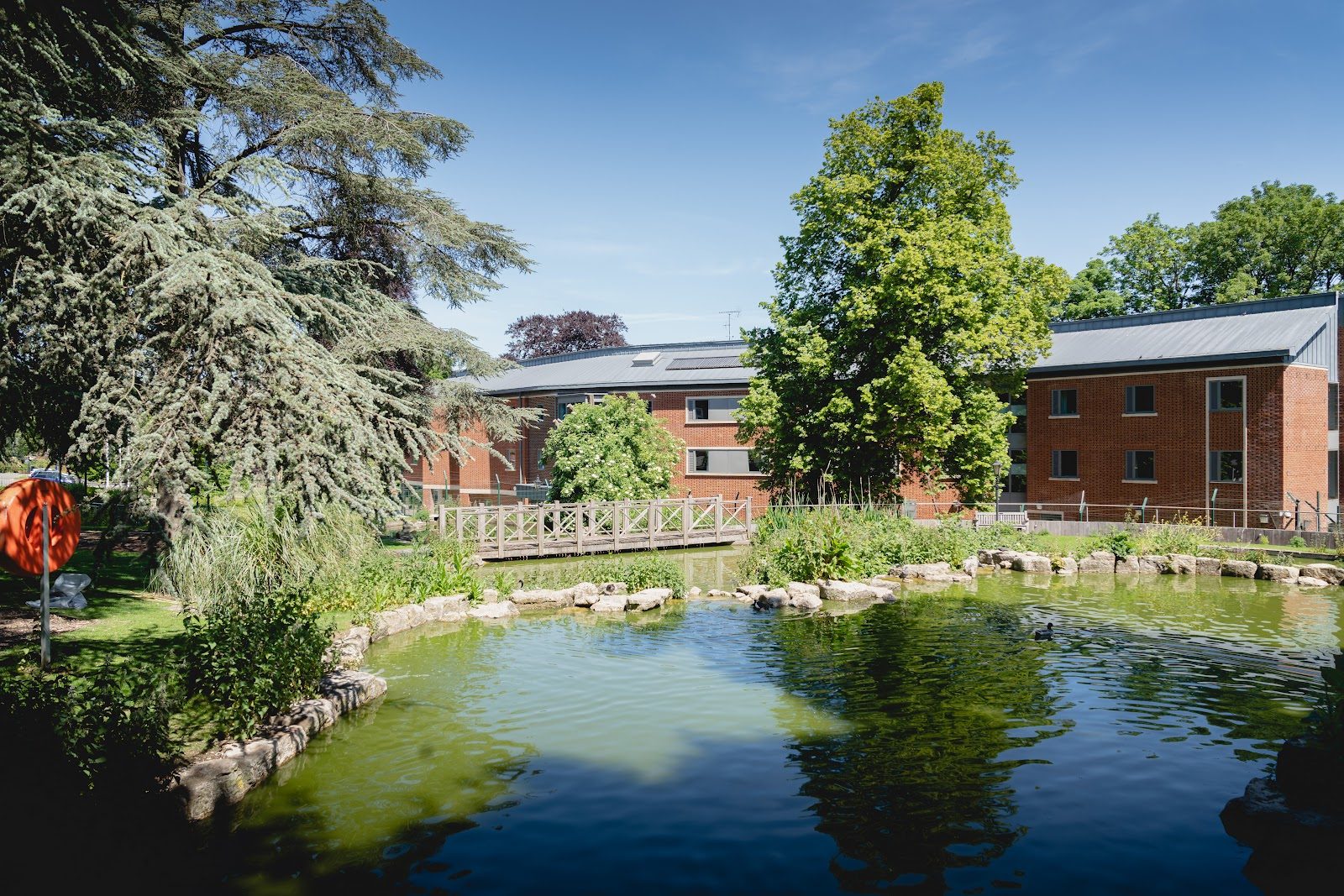
Whitgift School
Croydon · United Kingdom
A 1596 archbishop's foundation set on a 45-acre Croydon park where peacocks roam and bursaries can cover the full cost of fees.
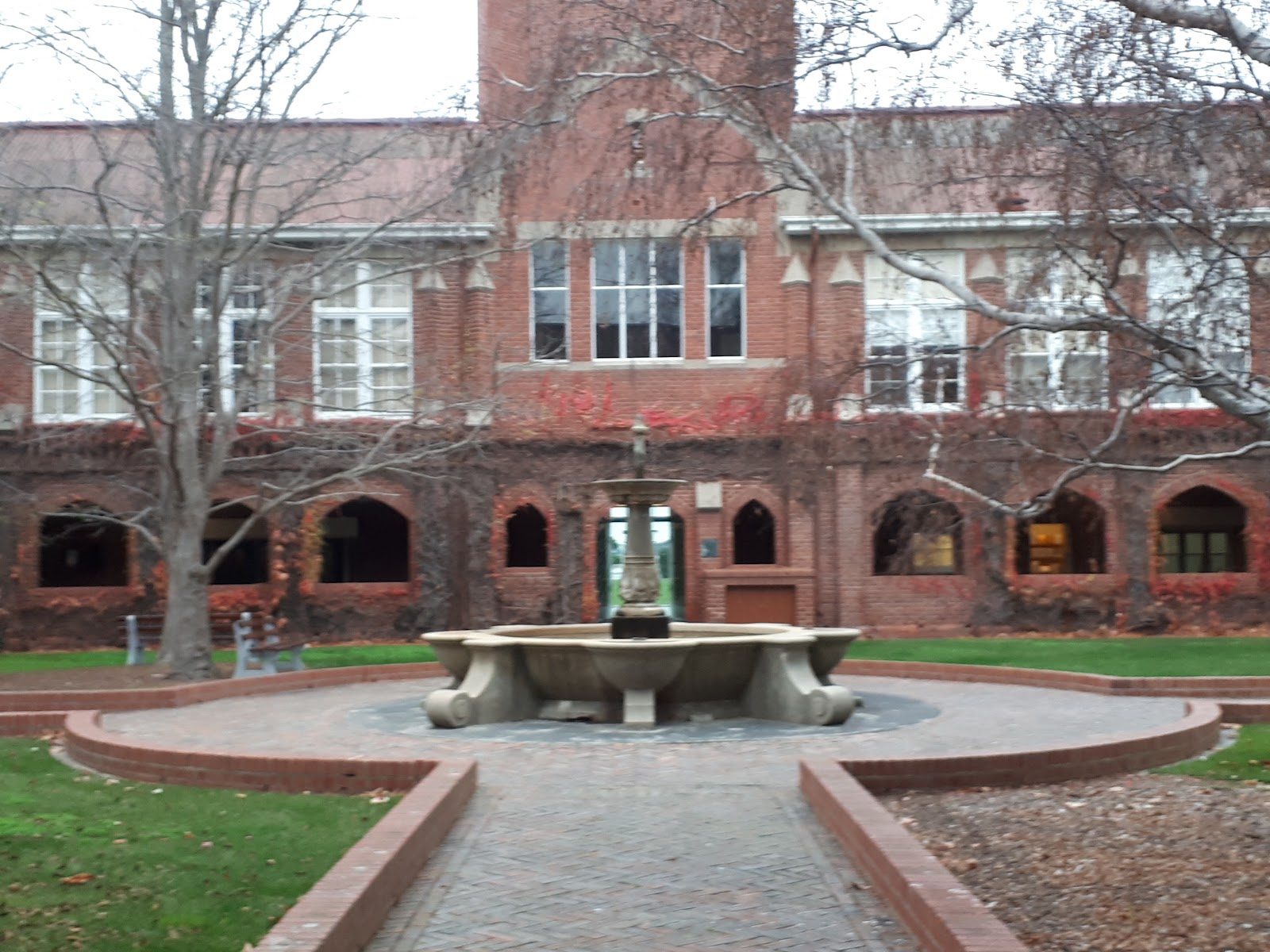
Geelong Grammar School
Corio, Victoria · Australia
Sends every Year 9 to a remote alpine campus, then blends IB and VCE with the wellbeing model it pioneered.
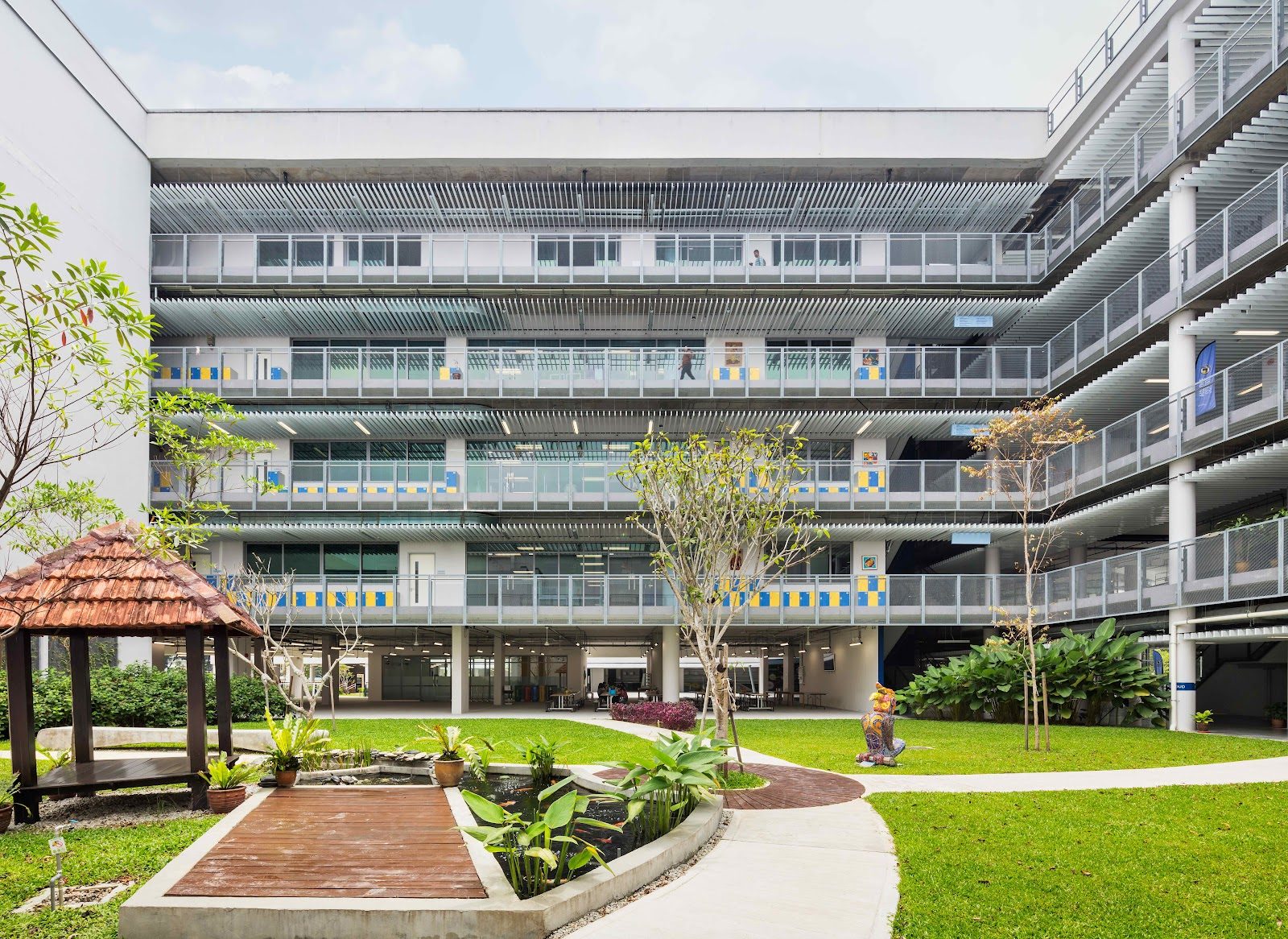
International School of Kuala Lumpur
Kuala Lumpur · Malaysia
Malaysia's longest-running IB World School, pairing a 25-acre Ampang Hilir campus with mandatory Asia-wide service expeditions.
British School Al Khubairat
Abu Dhabi · United Arab Emirates
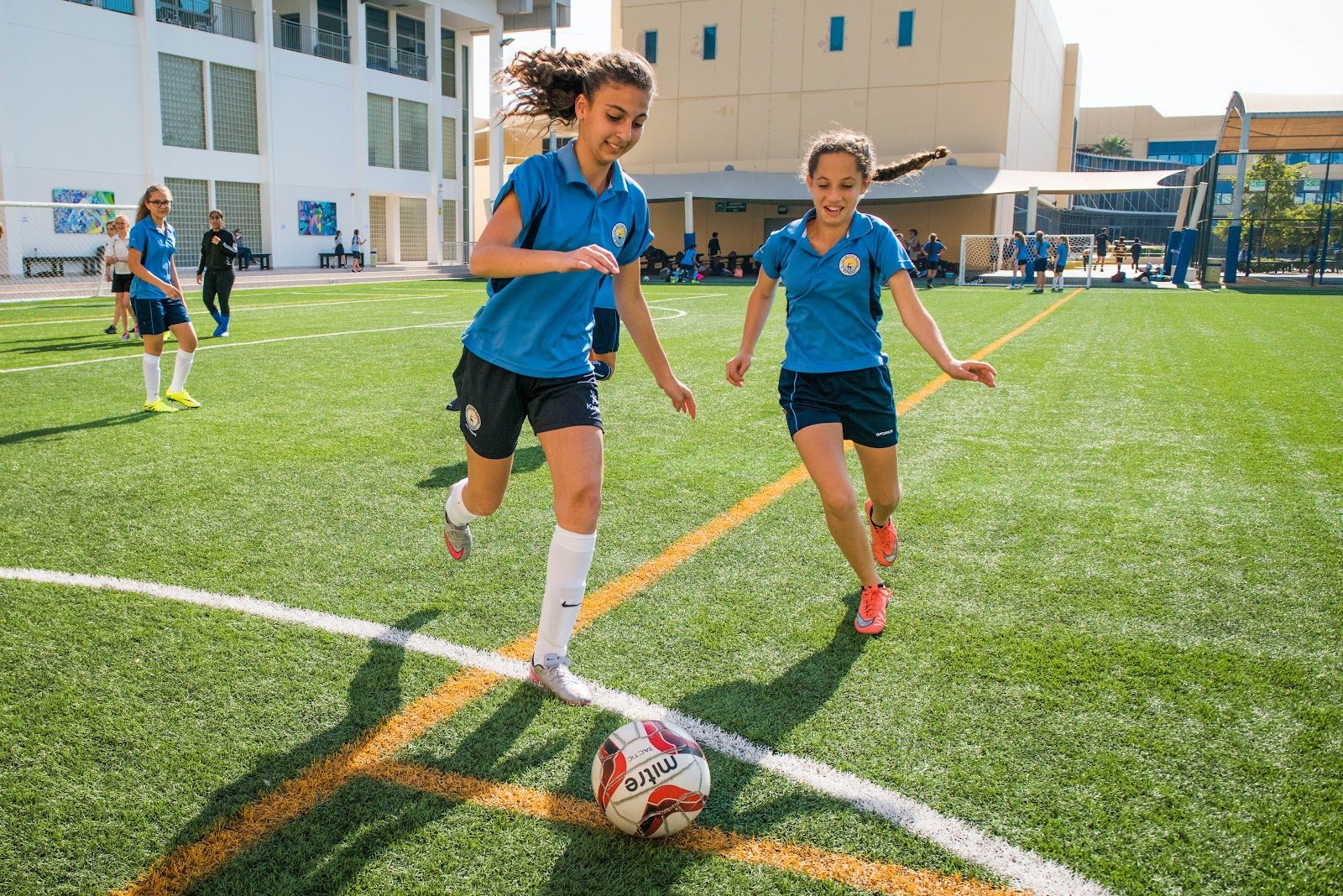
Raised on land gifted by Sheikh Zayed in 1968, this non-profit campus remains the Gulf's longest-running British curriculum school.
Same country and curriculum — closest matches within ±10 points either way