
London
A 1596 archbishop's foundation set on a 45-acre Croydon park where peacocks roam and bursaries can cover the full cost of fees.
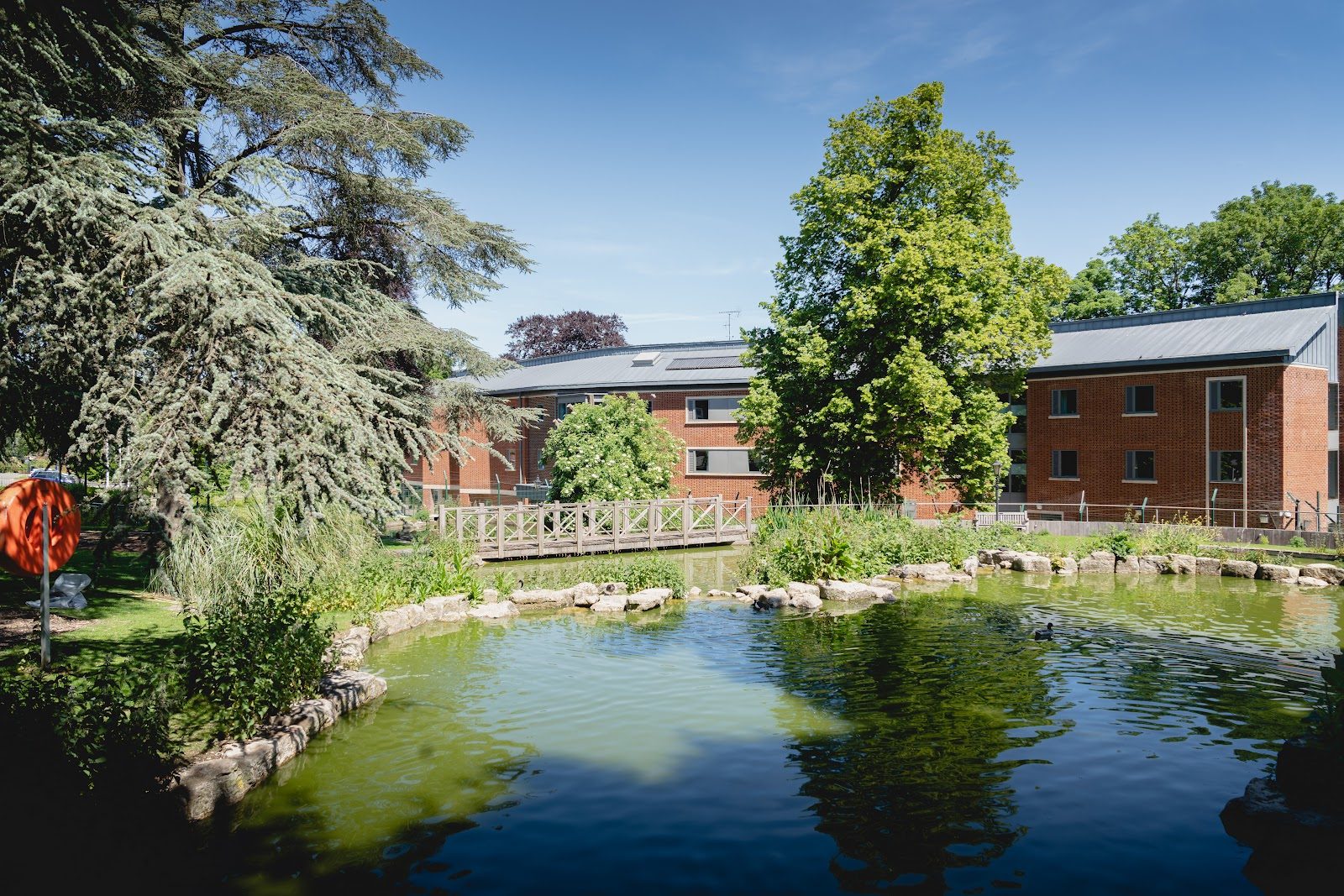
Photo © Whitgift School via Google Maps
Type
Both
Ages
10–18
Curriculum
British
Qualifications
A-Level · IGCSE · IB Diploma
Ratio
—
The Verdict
Editor's commitment
Right for
Boys aged 10–18 who want a serious British education on a 45-acre Croydon campus, with HMC membership and boarding.
Wrong for
Families wanting co-education, a non-Anglican ethos, or anything cheaper than an average £31,000 day fee and £57,000 boarding fee.
Watch out for
Whitgift publishes strong 2026 GCSE and A-level headlines, but no aggregate score tables; at 1596-founded scale, parental scrutiny matters.
Ranking breakdown
Whitgift School · #165 of 1591
Composite score 76.3. 8 weighted criteria.
By criterion
Academic Outcomes
Weight 20%
#208
of 1529 scored
University Placement
Weight 16%
#219
of 1529 scored
Prestige & Heritage
Weight 12%
#199
of 1529 scored
Alumni Network
Weight 12%
#144
of 1529 scored
Facilities
Weight 12%
#207
of 1529 scored
Transparency & Communications
Weight 8%
#289
of 1529 scored
Peer & Industry Review
Weight 10%
#306
of 1529 scored
Admissions Selectivity & Demand
Weight 8%
#229
of 1529 scored
Score history
Whitgift School · 2026
Movement across 2024–2026. Peer average overlaid.
Overall — 2024–2026
76.3/ 100
▲ +16.9 vs 2025
year on year
Peer & Industry Review
How Whitgift School is regarded in the sector
82
Strong · high confidence
Among South London and Surrey independent schools, Whitgift is regularly grouped with Dulwich College, Trinity School and Reigate Grammar as a benchmark boys' day school, reflecting its size, endowment and consistent A-level results. The Good Schools Guide highlights its strong academic breadth and exceptional sports and performing-arts facilities, funded by the Whitgift Foundation's endowment. It appears consistently in the Sunday Times and Daily Telegraph independent-school league tables, typically placing within the top tier for A-level and GCSE outcomes nationally. University admissions patterns show a steady flow to Oxbridge and Russell Group courses, particularly medicine, engineering and law, which is cited by WhichSchoolAdvisor as evidence of strong sixth-form teaching. Its sporting reputation, including producing professional cricketers such as England international Rory Burns, gives it visibility beyond academic league tables in national sports press. Independent education commentary generally frames Whitgift as a high-resource, high-performing option rather than a traditionally elite 'top ten' name, distinguishing it from smaller, more selective London day schools.
Award

Elite Sport 80
World's Top School · The Global Ranking
Whitgift School is featured on our Global Top 80 ranking at #15. This seal is available for the school's marketing team to use on their website, prospectus and social channels.
Editors' overview
Whitgift’s pitch starts with the setting: a boys’ school founded in 1596 on a substantial Croydon campus, with day and boarding places for ages 10 to 18. That combination still matters. In London terms, this is a serious independent school with room to do things at scale: sport, music, cadets, clubs and the sort of institutional life that needs space and money behind it. The school’s own messaging leans hard on breadth, and the public evidence backs that up more than the usual brochure language does. There is a junior years structure from 10 to 13, middle years from 13 to 16, and a sixth form that the school frames as academically demanding. Whitgift also carries HMC membership and ISI accreditation, which places it squarely in the established British independent mainstream rather than the newer aspirational tier.
What puts Whitgift on a shortlist is the mix of old-school heft and access. The fees are expensive: an average annual day fee of £31,000 and an average annual boarding fee of £57,000 across the full age range. That buys a great deal of provision, but the more important point is that Whitgift is not only a school for full-fee dynasties. Its bursaries can cover the full cost of fees, which changes the social proposition of the place. The alumni base is also deep and unusually broad, with 119 notable alumni catalogued in Wikidata across politics, business, science, writing, the arts and 23 elite athletes. That matters because it tells parents what the institution has actually produced over time: not one narrow house style, but a large professional footprint with strong sporting output.
This is a school for boys who want a *big, structured, opportunity-rich education* and can cope with a clear institutional culture. The Anglican foundation is part of the identity, though this does not read as a cloistered or niche religious school; it reads as a large British public-school model in south London with strong pastoral scaffolding and high expectations. Boys who thrive here will want stretch, competition and plenty to join. Boys who need a tiny, informal or radically progressive environment will find Whitgift too traditional, too organised and too invested in collective standards. For families who want a school with history, visible ambition and enough scale to support both scholars and all-rounders, Whitgift is a formidable contender.
An Elite Sport 80 school
Whitgift School in South Croydon sits at rank fifteen on the Elite Sport 80 because it has built one of the most productive sporting programmes of any British boys' school, with a professional-football pipeline that few competitors can match. Over the past decade the school has accumulated more than 300 national titles across sports, and in 2025 it was named the No. 1 Boys' School for Sport. Its co-curricular sport profile is world-class.
The specialisms are football (developed in partnership with Premier League and EFL academies, including Crystal Palace), rugby (a nationally competitive 1st XV), cricket (with several England age-group internationals) and athletics. The school runs a formal sports academy model that dovetails with academy-club training and offers a substantial programme of sport scholarships and awards each year.
Whitgift's football alumni include Wilfried Zaha, Victor Moses, Aaron Wan-Bissaka, Callum Hudson-Odoi and Reiss Nelson, alongside a rolling roster of professional players across the top divisions. In rugby, several England age-group caps have come through the school, and cricket has produced England age-group internationals.
International openness is high. Whitgift is a day school with an established boarding house and admits internationally each year, with a particular pipeline from Africa, mainland Europe and the Caribbean. UK Student visas are handled by the school, and ESL and pastoral support are integrated. Fees for 2026-27 sit at around £31,410 for day pupils and roughly £61,614 for full boarding, with substantial bursary and scholarship provision — 47% of pupils receive some level of fee assistance. For a football-oriented family relocating specifically to plug into the London academy ecosystem while their child completes A-Levels and applies to a top UK or US university, Whitgift is a uniquely well-connected school. Boarding capacity is limited and the football and rugby scholarship windows open early, so overseas families should begin conversations 12-18 months ahead of the intended entry point.
Academic Performance
Whitgift’s published headline outcomes put it in the upper tier of London independent schools, though not in the tiny cluster that dominates national super-selective tables. The school states that its leavers secured 84% Russell Group places, a strong destination figure that points to serious academic traction across the sixth form. It also publicises A-level performance at *double the national average for A/A grades**, which marks a clear gap over the state sector but tells parents less than a full grade profile would. Whitgift does not publish the complete A-level distribution in the extract here, nor any multi-year table that would let families judge consistency against direct competitors such as the most academically ruthless London boys’ schools. That opacity matters. A school asking families to trust its academic strength should publish the whole picture, not only the strongest comparison points.
The broader read is still clear. This is a high-performing, ambitious school with exam results strong enough to feed selective university entry at scale, not a school trading on history while coasting in the classroom. The school’s own GCSE news points in the same direction, though again without a full statistical breakdown in the extract. Relative to peers, Whitgift sits comfortably above the independent-school median and within the bracket of serious academic operators. It does not read as a results factory in the narrowest exam-cram sense; it reads as a large all-round school that still delivers hard outcomes. For families who want credible academic muscle without choosing the most monastic option in the market, that is the key distinction.
Facilities
Whitgift’s facilities strength lies in scale and range, not one trophy building. The clearest public marker is sport: the school has 3 hybrid pitches, which puts it ahead of many London day schools that still rely on a patchwork of hired grounds or more limited on-site provision. Add a large bus network and you get a practical advantage families notice every week: pupils can access a big-school programme without the usual transport grind attached to sprawling outer-London campuses. The co-curricular offer is also unusually broad at 120+ activities, running from conventional staples to niche clubs such as Warhammer and Animal Club. That breadth matters because facilities are only as good as the timetable built around them. At Whitgift, the physical estate supports a genuinely extensive extracurricular life rather than a token list.
Against peers, this places Whitgift in the serious upper bracket for all-round provision, especially among schools inside London’s orbit. The website points to strong music, sport, cadets and science engagement, and the campus model gives the school room to sustain all four at once. What Whitgift does not project is architectural chic or boutique specialism. This is not a designer campus built to impress on an open morning; it is a heavily used, institutionally confident site designed to keep a lot of boys occupied at a high level. Parents choosing between Whitgift and more academically narrow London competitors will read that correctly: fewer urban compromises, more operational breadth, and a facilities package built for boys who want options every day.
The co-curricular offer is also unusually broad at 120+ activities, running from conventional staples to niche clubs such as Warhammer and Animal Club
Prestige
Whitgift carries real London independent-school weight. The combination of deep institutional history, HMC membership, a substantial campus and a long-established public-school model gives it recognition well beyond its local catchment. This is not a boutique school that needs explaining to universities, employers or rival schools. It is a known name. The alumni record strengthens that status: 119 notable former pupils catalogued in Wikidata, with reach across politics, business, scholarship, writing, the arts and elite sport. That breadth matters. Some schools produce one narrow tribe; Whitgift has generated influence across several. The school’s charitable structure and bursary fundraising also add a layer of public seriousness that pure luxury brands do not have. Prestige here rests on institutional substance, not social-media gloss.
That said, Whitgift sits in the high-prestige mainstream, not the rarefied inner circle occupied by the most academically severe or socially mythologised English boys’ schools. Its name carries clout, but not the instant national awe attached to the very top handful. For many families, that is an advantage. The school offers serious cachet without the same level of brittle, self-conscious status theatre. Strong university destinations, visible scale in sport and co-curricular life, and a confident old foundation all support the rating. So does selectivity by implication: schools charging an average of £31,000 for day pupils and £57,000 for boarders, while sustaining this level of output and profile, operate in a commanding tier of the market.
At Whitgift, the physical estate supports a genuinely extensive extracurricular life rather than a token list
Communications
Whitgift communicates with parents in the manner of a large, disciplined institution: centrally, frequently and with a clear preference for official channels over chatty intimacy. The public-facing structure is telling. News stories are updated at pace, there are Headmaster’s letters at key points in the year, podcasts add another layer of access to school thinking, and practical information such as transport is treated as core rather than an afterthought. A school running 16 bus routes and more than 120 activities has no choice but to keep communication organised; Whitgift does. Parents who value order, cadence and visible leadership will find that reassuring. The tone is polished and confident, with little of the forced warmth that weaker schools use to disguise muddle.
The trade-off is obvious. This does not read as a small-scale, hand-held relationship where every family gets bespoke narrative and constant personal outreach. It reads as institutional communication: announcements, term messages, spotlight pieces, and a steady stream of public good news. That works well for clarity and brand control. It works less well for parents who want granular transparency on weaker points, especially academic detail beyond headline wins. Whitgift tells families where the school is going and what it wants them to notice. It is *effective, professional and tightly managed. It is not conversational and it is not radically transparent*. For many families, that is enough. For the more forensic parent, it leaves gaps.
Uniqueness
What sets Whitgift apart is not one badge of prestige but a full-spectrum institutional model that very few London-area boys’ schools still manage to sustain. It combines a major day school with boarding, a charitable foundation, and a bursary culture with real financial force behind it. That matters. Many schools talk about access; Whitgift has raised £170k for its bursary fund in a single giving drive, and the school’s own line is that boys are known, nurtured and challenged inside a large but structured community. The result for pupils is a school with the scale to offer depth, yet enough pastoral intent to stop boys disappearing into the machinery. For the right child, that balance is hard to beat.
The second point of difference is the sheer width of life beyond lessons. Whitgift is not a narrow academic hothouse or a one-sport shop. It runs 16 bus routes, sustains 120+ co-curricular options, maintains a long-standing exchange with a Japanese partner school, and still gives visible space to cadets, theology podcasts, music and specialist clubs that many rivals would cut first. That breadth gives boys room to build an identity beyond grades: scholar, athlete, musician, cadet, club obsessive, or several at once. The campus culture reads as deeply traditional in the best and worst senses: organised, communal, high-expectation, and not very interested in faux informality. Boys who want serious structure and real range will get a great deal from it.
Its name carries clout, but not the instant national awe attached to the very top handful
Student Profile
Whitgift suits boys who want a busy, structured, adult-run school life and have the energy to use it properly. The right pupil here is not waiting to be coaxed into joining in; he wants teams, societies, trips, performances, leadership posts and a timetable that runs beyond the last lesson. With more than 120 activities and a public emphasis on discipline, independence and initiative, the school is built for boys who can carry a full load without falling apart. Athletes will find a strong fit. So will musicians, cadets, keen joiners and academically solid boys who do their best work inside a clear system. The social profile is broader than the fee level alone implies because bursaries can remove the cost barrier entirely, which matters in a school of this scale.
The weaker fit is just as clear. Boys who need a *small, low-pressure, emotionally delicate* environment will struggle with the pace and the institutional character. Whitgift prizes commitment, collective standards and visible participation. A child who dislikes competition, resists structure or wants a looser, more progressive classroom culture will find the place hard going. Equally, this is not the natural home for a boy who wants to specialise narrowly and ignore the rest of school life. Whitgift expects engagement across the board. Boys who thrive here are robust, sociable and purposeful; boys who want anonymity or constant hand-holding will get less from it.
The result for pupils is a school with the scale to offer depth, yet enough pastoral intent to stop boys disappearing into the machinery
Co-curricular strengths
Arts & sport, on a separate axis
Overall 8.62/10
Scored 0-10 from the school's own published evidence. This axis is editorial-only — it does not feed the main WTS ranking.
Sports
9.8/10
Absolute athletic giant; fields nationally dominant rugby, hockey, and football programs across a stunning, manicured South London estate.
Drama
9/10
The spectacular on-campus theater venues function like a professional conservatory environment, mounting elite, large-scale theater productions.
Dance
6/10
Offered primarily as a movement asset within theatrical physical training rather than an independent classical track.
Music
9.5/10
Exceptional music wing supporting top-tier youth orchestras, chamber groups, and a celebrated marching band tradition.
Visual Arts
8.8/10
Highly disciplined fine arts track emphasizing technical portfolio mastery and advanced graphic design suites.
Editor-verified · 8/6/2026
Notable alumni · Wikidata
119notable alumni
58 historic (born pre-1930) · 29 modern (born post-1970)wikidata:2026-07-28 How we source this

WTS 300 badge
2025/26 editionWhitgift School is one of the World's Top 300 Schools for 2025/26. Claim your listing to add it to your site →
Strengths
- +Whitgift's extra-curricular provision was rated a significant strength in an ISI inspection rated Excellent, with every regulatory standard met at the 2025 visit.
- +The school runs a genuinely broad senior curriculum, offering A-Levels, the IB and BTEC and tailoring programmes of study for the individual pupil.
- +Whitgift operates one of the country's larger means-tested support schemes, currently providing 47% of pupils with some level of fee assistance from a bursary or scholarship.
- +Exam results are strong at both GCSE and A-level: in 2025, 87% of GCSE grades awarded were at 7, 8 or 9, with 43% at grade 9, while the 2025 Upper Sixth achieved 62% of grades at A*/A and 90% at A*-B or IB equivalent.
- +Sport is a genuine institutional strength, with the school named the No. 1 Boys' School for Sport in 2025 and having won more than 300 national titles over the past decade.
Considerations
- −Whitgift is a boys' school, so it is not an option for families seeking coeducation.
- −Fees are substantial: for 2026-27, day fees run to around £31,410 a year including VAT, while weekly boarding costs roughly £51,966 and full boarding around £61,614 a year.
- −Boarding is a minority provision rather than the school's core identity: boarders are taken from age 13 and approximately 7% of pupils are full or weekly boarders, with only limited places available.
- −Entry is competitive at every stage: the school takes a small intake at 10+, its principal 11+ round of around 120 places, then smaller 13+ and 16+ cohorts, with the 11+ round the busiest.
Availability
Primary entry gate & tests
11+/13+ Written Exams (Boys)
Gallery
Photo © Felix Tsang via Google Maps
Photo © A Gill via Google Maps
Photo © Jeremy Roe via Google Maps
Photo © Jeremy Roe via Google Maps
Photo © Plato TPT via Google Maps
Recommended reading
Independent write-ups of this school from editorial outlets we trust.
- Whitgift School reviewGood Schools Guide
- Whitgift School — review on WhichSchoolAdvisorWhichSchoolAdvisor
Parent reviews
Have you sent your child here?
Voice reviews carry the strongest trust badge — we transcribe them for you to tidy up before they go live. Prefer to type? A written review is fine too.
Add your voice
In 60 seconds, tell other parents: what's the best thing about Whitgift School, and what surprised you when your child joined?
We ask for a Google sign-in so every review has a real face behind it — no anonymous drive-by attacks on schools, and no faked positive reviews. Your email is never shown publicly.
Send this profile to a friend
International parents rely on word-of-mouth. Share this review with someone weighing the same decision.
Schools with places
Similar schools to Whitgift School with places available now.
Availability first, then country, area, curriculum, price, co-curricular
Consider also
Also worth looking at alongside Whitgift School.
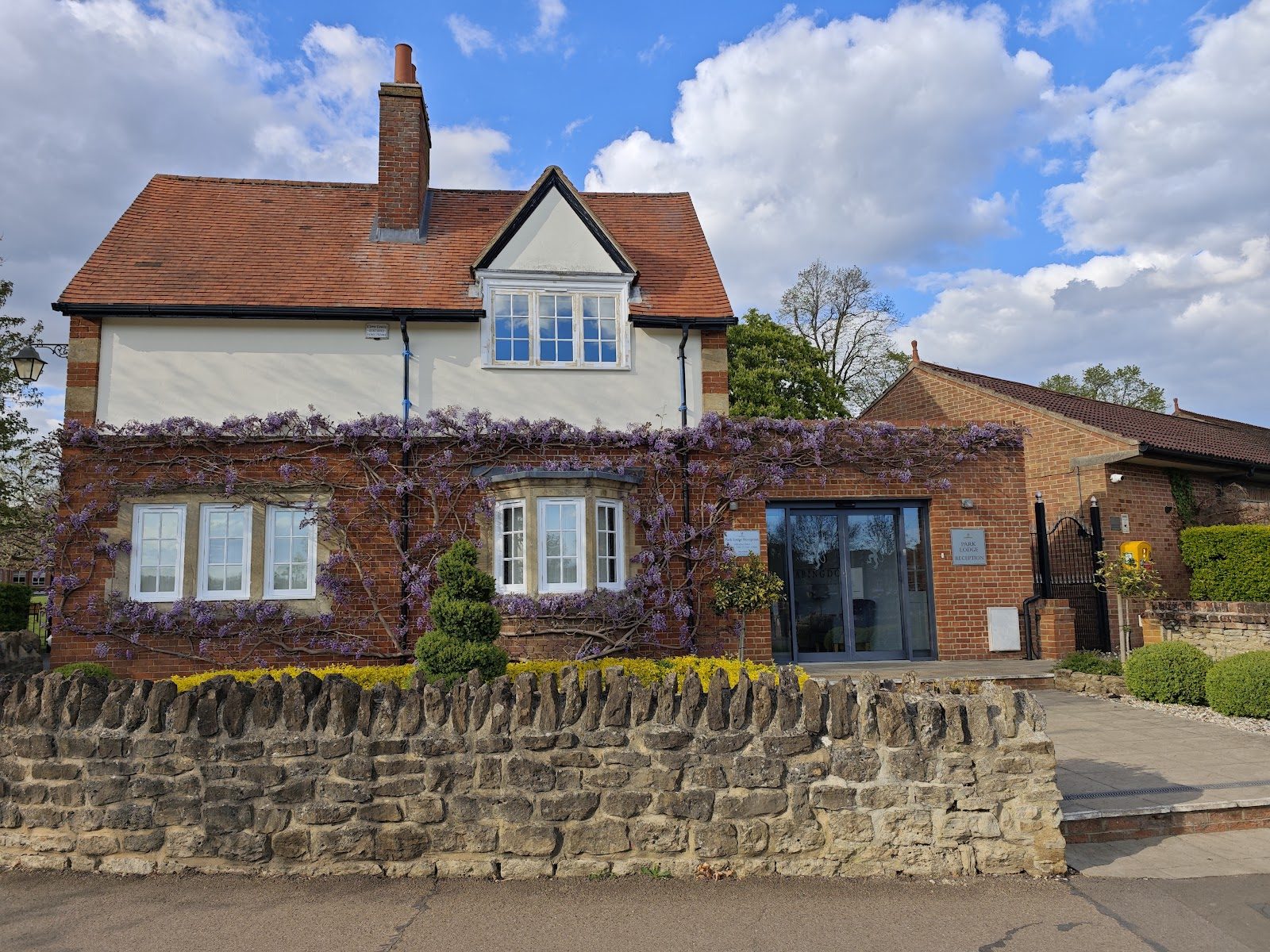
Abingdon School
Abingdon · United Kingdom
On the banks of the Thames just south of Oxford, a nine-century foundation whose boathouse has long fed Oxbridge rowing crews.
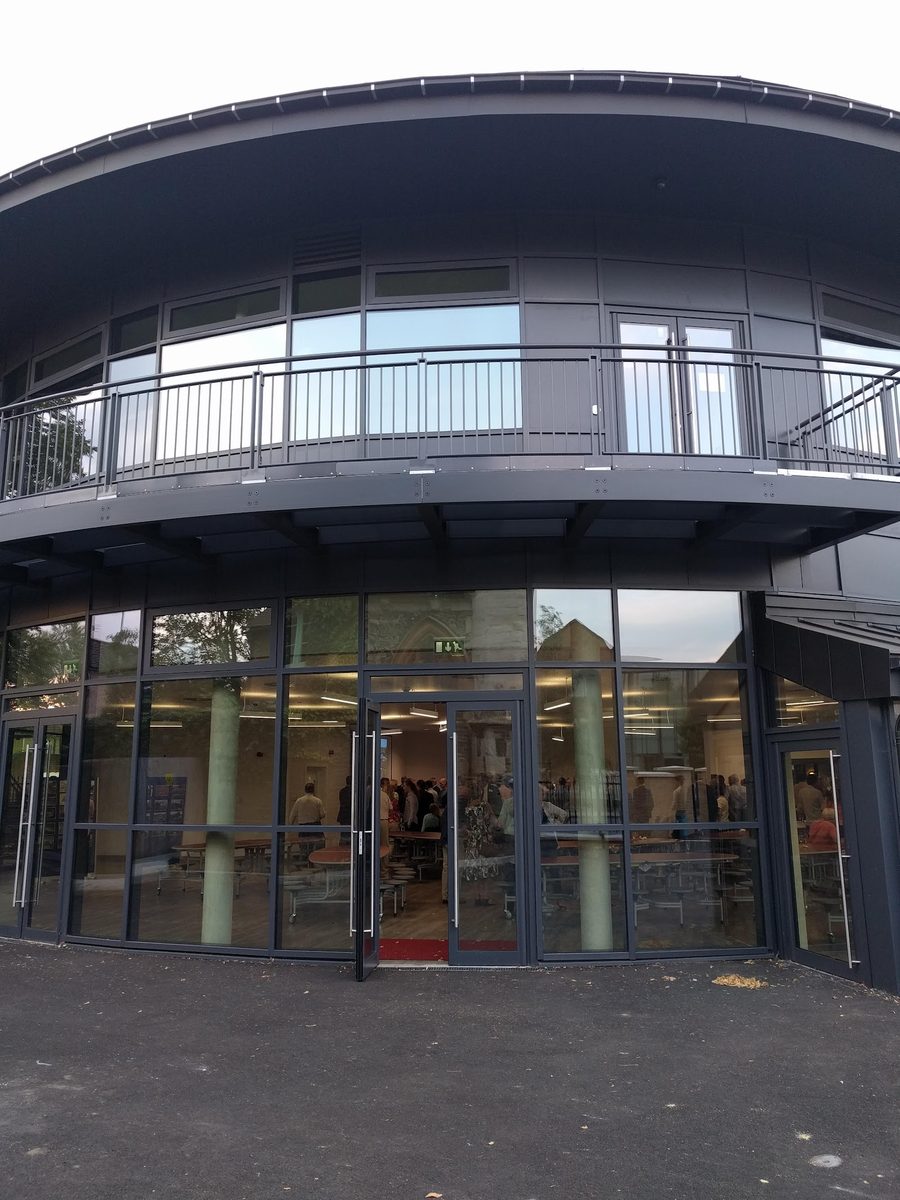
Tiffin School
Kingston upon Thames · United Kingdom
No fees, no let-up: a Kingston grammar school where two-stage testing turns 2,000 hopefuls into a class of 180.
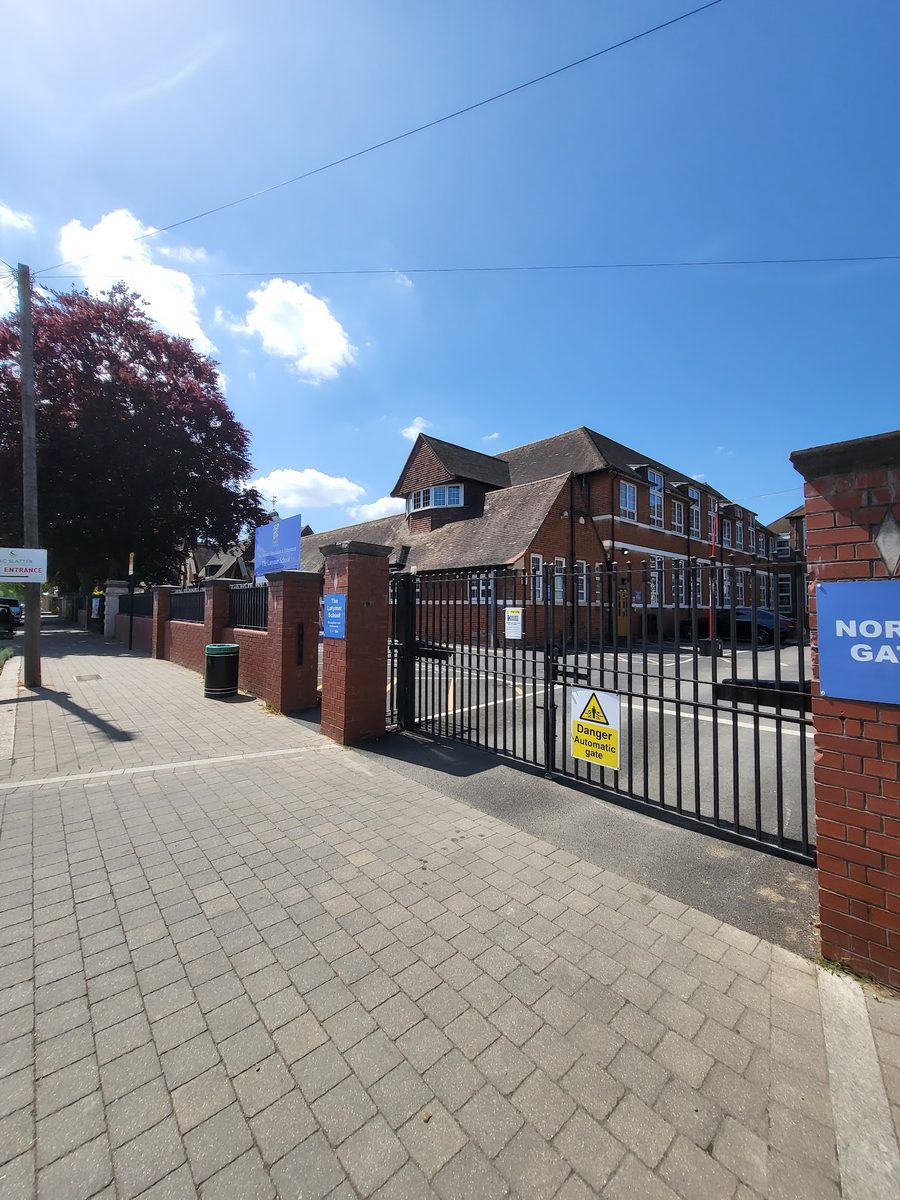
The Latymer School
London · United Kingdom
A 400-year-old state grammar in Edmonton where over 1,000 applicants compete yearly for just 192 places, with Cambridge college endowments still funding leavers.
James Allen's Girls' School
London · United Kingdom
Founded in 1741 in Dulwich, this all-through day school built one of Britain's first school science labs and still leads in STEM.
Same country and curriculum — closest matches within ±10 points either way