
Hong Kong
Equal parts English and Mandarin from day one, capped by a mandatory immersion year in Hangzhou before the IB Diploma.
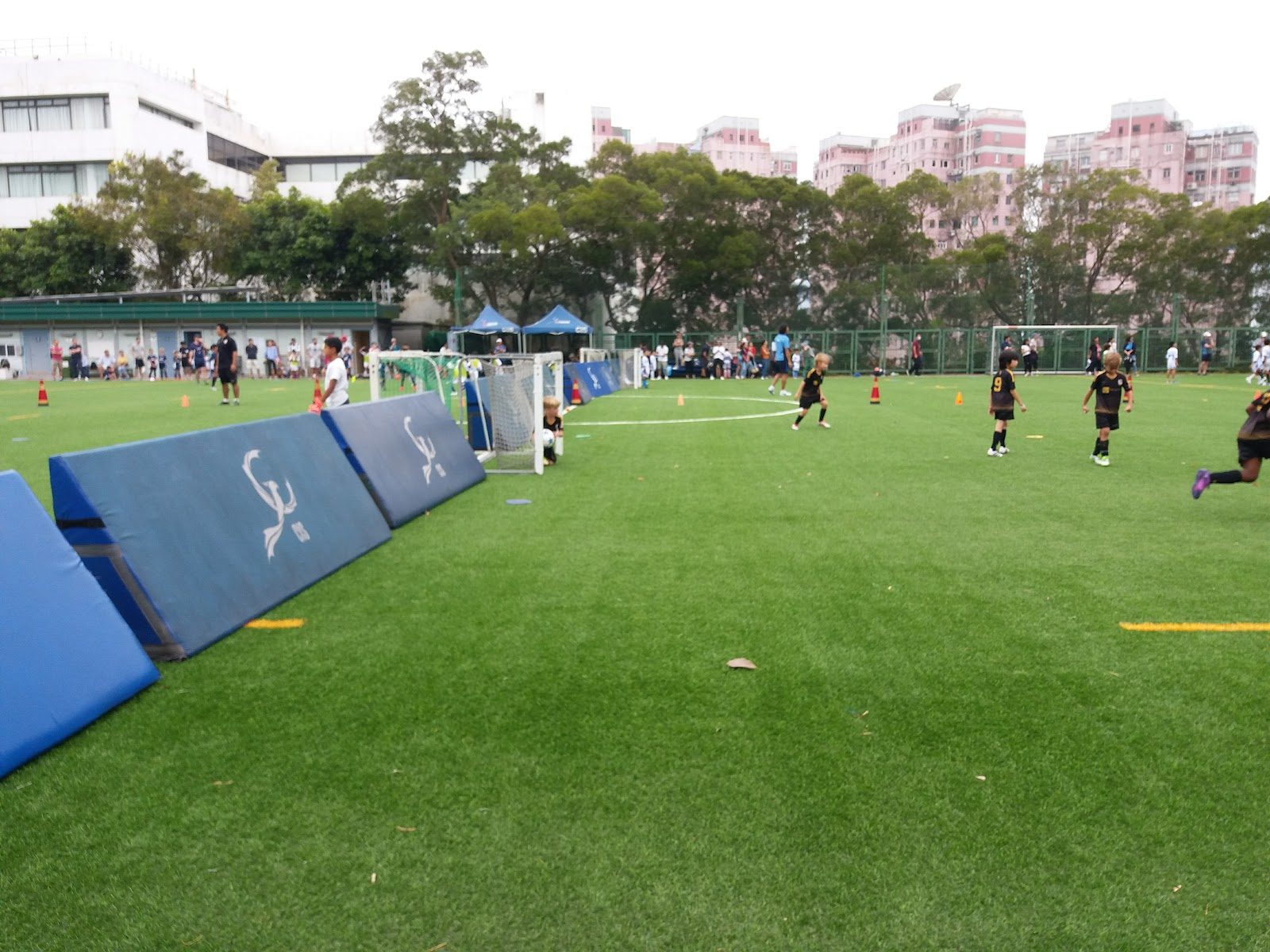
Photo © Man Kit Wong via Google Maps
Type
Day
Ages
3–18
Curriculum
IB
Ratio
—
The Verdict
Editor's commitment
Right for
Families who want English and Mandarin from age 3 to 18, then a mandatory Year 10 residential year in Hangzhou before the IB Diploma.
Wrong for
Anyone unwilling to buy into the whole model: 1,652 students, a compulsory Hangzhou year, and no boarding alternative in Hong Kong.
Watch out for
At HKD 290,000 a year on average, this is expensive, and the Year 10 move to Hangzhou is structural, not an optional add-on.
Ranking breakdown
Chinese International School · #80 of 1591
Composite score 78.4. 8 weighted criteria.
By criterion
Academic Outcomes
Weight 20%
#148
of 1529 scored
University Placement
Weight 16%
#104
of 1529 scored
Prestige & Heritage
Weight 12%
#139
of 1571 scored
Alumni Network
Weight 12%
#104
of 1530 scored
Facilities
Weight 12%
#177
of 1533 scored
Transparency & Communications
Weight 8%
#123
of 1532 scored
Peer & Industry Review
Weight 10%
#134
of 1548 scored
Admissions Selectivity & Demand
Weight 8%
#180
of 1529 scored
Score history
Chinese International School · 2026
Movement across 2024–2026. Peer average overlaid.
Overall — 2024–2026
78.4/ 100
▲ +26.3 vs 2025
year on year
Peer & Industry Review
How Chinese International School is regarded in the sector
82
Strong · high confidence
Chinese International School is consistently placed among Hong Kong's elite bilingual institutions, cited by Aralia Education as "one of the most academically rigorous and respected schools in Hong Kong" and featured in Tatler Asia's curated guide to the city's best international schools, which highlights its distinctive Hangzhou residential year. The Good Schools Guide, via the South China Morning Post, points to an alumni network of more than 6,000 graduates worldwide as evidence of durable sector standing beyond marketing. WhichSchoolAdvisor's independent listing frames CIS as a benchmark dual-language IB provider on Braemar Hill, the first school in the territory to pair Mandarin-English immersion with the IB. Coverage across specialist Hong Kong education guides is dense and broadly unanimous, though CIS sits just below the handful of names that dominate every single 'best of' ranking.
Editors' overview
The defining fact about Chinese International School is not the IB label. It is the bilingual design. English and Mandarin run side by side from the start, and the model reaches its sharpest expression in Year 10, when the entire cohort moves to the school’s Hangzhou study centre for a mandatory residential year. That is a serious commitment, not a branding flourish. In a market full of schools that add Mandarin as enrichment, CIS builds it into the structure of the education. For families who want deep Chinese language acquisition without giving up an international pathway, that alone puts CIS on the shortlist.
Scale matters here too. CIS teaches 1,652 students aged 4 to 18, with more than 140 Year 10 pupils in Hangzhou, and does so with 225 educational staff whose average tenure runs beyond 10 years. That points to institutional stability in a city where staff churn can be a problem. The school was founded in 1983, opened its Braemar Hill campus in 1991, launched the IB Diploma in 1992 and the IB Middle Years Programme in 2002. It holds IB and CIS accreditation, and it has the depth that newer bilingual start-ups do not. The average annual day fee across the full age range is HK$290,000, which places it firmly in Hong Kong’s premium tier. Parents are paying for a distinctive academic architecture, not just a campus and a badge.
The attraction is clear. A child who is intellectually agile, linguistically ambitious and comfortable with a demanding, highly structured school culture will thrive here. A family with genuine commitment to biliteracy will get far more from CIS than one that simply likes the idea of it. The Hangzhou year changes the character of the school: it will suit students who are resilient, independent and ready for full immersion at 14 or 15. It will not suit every child. Some pupils want a more conventional secondary run, more subject flexibility earlier, or a lighter touch around language expectations. CIS is not a soft option.
Its market position is therefore precise. This is not the broadest international school in Hong Kong, nor the cheapest, nor the easiest. It is one of the city’s most distinctive academic propositions for bilingual families: a non-religious day school with 30+ nationalities, an alumni base of 6,000+, and a model that ties Hong Kong international education directly to China rather than treating China as an occasional field trip. Parents choosing CIS are buying into a clear educational thesis. If that thesis fits the child, few schools in Hong Kong do it with this level of coherence.
Academic Performance
Chinese International School occupies an awkwardly opaque position on raw outcomes: the school does not publish aggregate IB Diploma results in the public domain. That matters. In Hong Kong’s top tier, some peers put out average scores, top grades and pass rates every year; CIS does not, so parents cannot benchmark it cleanly on headline attainment. The school’s academic reputation therefore rests less on public score-reporting and more on the structure of its programme, the calibre of families it attracts, and the durability of its standing. That is not the same thing as hard comparative data. For a school with this level of prestige and price, the absence of published whole-cohort results is a real weakness in transparency.
That said, the underlying proposition is academically serious. A dual-language education carried through the full school, followed by a compulsory residential year in mainland China before the final IB stretch, is a demanding route by any standard. Schools do not sustain that model, graduate classes of 102, and build an alumni network beyond 6,000 without sending students on to strong universities and professional careers. Relative to peers, CIS sits in Hong Kong’s academically selective international bracket, but it asks families to accept more uncertainty on measurable public results than schools with a fuller disclosure culture. If you want clean league-table evidence, look elsewhere. If you value intellectual stretch and bilingual depth over published score grids, CIS remains a formidable option.
Facilities
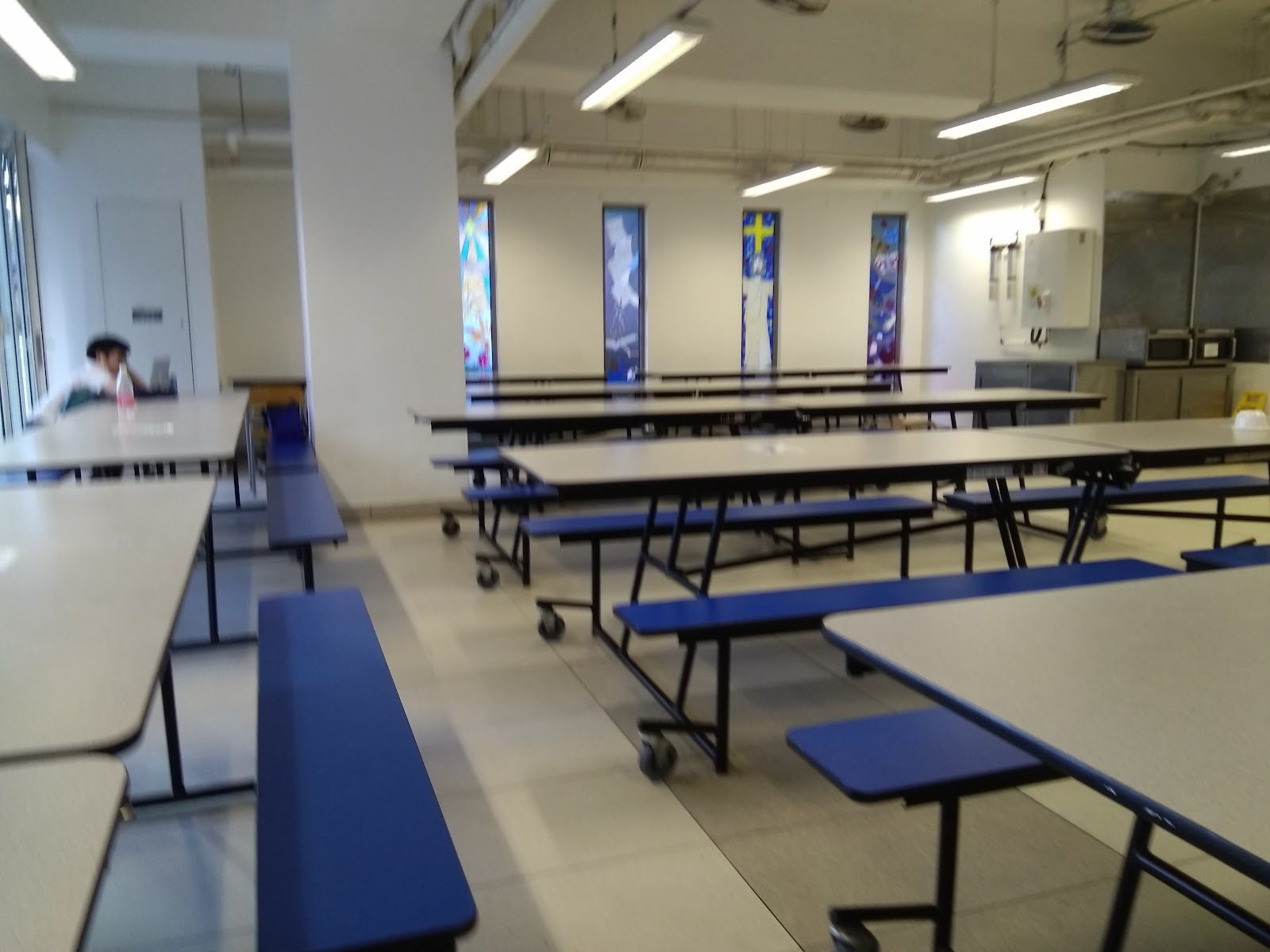
The facility that matters most at Chinese International School is not a theatre or an aquatics complex. It is the dedicated Hangzhou study centre used for the compulsory residential year. Very few peer schools in Hong Kong can claim an off-site academic base that functions as an integral part of the secondary programme rather than an occasional trip venue. That gives CIS a structural advantage in immersion and independence-building that standard city campuses cannot match. On the main Braemar Hill site, the key physical asset is coherence: one established campus, expanded by the New Tower, serving a full age range with enough scale to support specialist teaching and a broad co-curricular life without feeling sprawling. With more than 1,600 students and a graduating class of 102, the school has the critical mass for serious provision.
What is less clear is the glamour factor. CIS does not trade on the kind of hyper-publicised sports or performing-arts infrastructure that some Hong Kong premium rivals use as a selling tool, and parents hunting for a showpiece campus will find flashier estates elsewhere. That is not a trivial point. At this fee level, comparisons with peers will include pool complexes, major theatres, competition-standard sports facilities and extensive outdoor space. Braemar Hill is an urban campus, so land is finite. The school’s facilities read as purpose-built for the educational model rather than architectural theatre. For the right family, that is a strength. For those who equate premium schooling with expansive grounds and headline amenities, it is a limit.
The defining fact about Chinese International School is not the IB label
Prestige
Chinese International School has real standing in Hong Kong’s international market, but its prestige rests on substance more than theatre. The school draws families who want a demanding education tied closely to Chinese language and culture, not a generic expatriate package with a bit of Mandarin bolted on. That gives it a distinctive social and academic cachet. The mandatory Hangzhou year is central to that status: it signals confidence, institutional discipline and a willingness to ask more of students than rival schools do. So does the reach of its community. A school with more than 6,000 alumni worldwide and an annual fund participation rate above 60% has durable loyalty, and loyalty of that kind does not happen by accident. In parent circles, CIS carries the reputation of a school for families who are serious-minded about education and prepared for a demanding ride.
The prestige is not universal. Families chasing public exam bragging rights will find stronger transparency elsewhere, and that matters at this price point. Prestige built on long-term reputation, selective demand and a clear educational model is still prestige, but it is a different kind from schools that publish headline outcomes and trade on visible elite placement. CIS remains high-status, hard to imitate and deeply credible with the audience it serves. Its name carries weight because the model is coherent and the commitment required from pupils is not for the faint-hearted.
The facility that matters most at Chinese International School is not a theatre or an aquatics complex
Communications
Chinese International School communicates with parents in the manner of an established institution that expects close family engagement and has enough internal complexity to require it. The public-facing site is orderly, easy to navigate and stronger on structure than salesmanship: key sections are clearly signposted, the school’s mission is stated plainly, and there is concrete operational detail rather than empty mood-setting. Parent-relevant signals stand out. The school names a community of more than 1,000 families, publishes an annual report, and discloses an average annual fund participation rate above 60%. Those details matter because they point to a culture of organised communication, repeat contact and a parent body that stays involved beyond drop-off and pick-up. For a school with a demanding internal model and a high-commitment family contract, anything less would be inadequate.
The limits sit in transparency rather than frequency. CIS gives parents a clear sense of ethos, scale and community, but it does not publish the kind of headline outcomes data that many fee-conscious families now expect when judging whether communication is fully candid. That omission weakens trust at the margins. Strong communications are not just polished calendars, portals and updates; they also include hard performance disclosure when the stakes are this high. So the verdict is mixed but firm: day-to-day institutional communication looks disciplined, coherent and adult; strategic communication on results remains too guarded.
Uniqueness
What sets Chinese International School apart is not the standard international-school promise of “global citizenship”. It is the decision to make bilingualism structural rather than decorative. Many schools add Mandarin lessons; CIS reorganises a child’s education around two working languages and then tests that commitment with a compulsory year away at its China study centre. That is genuinely unusual. It gives students more than fluency practice. It builds cultural range, intellectual flexibility and a level of independence that classroom language programmes do not deliver. For the right child, this is transformative: adolescence is interrupted, productively, by immersion, distance from home and the need to operate confidently across different settings.
The payoff is a student body shaped by that design. Pupils do not just accumulate exam credentials; they learn to move between linguistic and cultural systems without treating one as an optional extra. That matters in Hong Kong, where plenty of schools talk about East-West synthesis and few hardwire it into the timetable and the teenage years. CIS also has the scale to make this model durable rather than experimental, with a community of over 1,600 students and an alumni network beyond 6,000. The result is a school with a clear intellectual identity. It suits families who want depth, discipline and a serious bilingual education, not those shopping for a softer international experience or a token dose of Chinese.
Chinese International School has real standing in Hong Kong’s international market, but its prestige rests on substance more than theatre
Student Profile
The pupil who fits best here is bright, self-directed and willing to be stretched in two languages every day without treating either as optional. This school suits children who enjoy precision, cope well with high expectations and do not need constant hand-holding to stay on track. It also suits families with the same mindset. A bilingual model of this intensity works only when home and school pull in the same direction. Parents who want the status of bilingualism without the daily effort will hit friction fast. The cohort is also unusually international for a school so rooted in Chinese culture, with 30+ nationalities in the community, so students need social ease across different backgrounds rather than a narrow expatriate comfort zone.
By the secondary years, the fit becomes even more exact. The compulsory residential period away from Hong Kong filters for teenagers with resilience, independence and a measure of emotional steadiness. A child who needs a highly predictable routine, resists challenge or wants adolescence to unfold in a standard day-school pattern will find this model demanding to the point of strain. Equally, a student who is curious about China, comfortable with academic pressure and energised by immersion will get an education that few schools can match. This is not a haven for the half-committed. It is a strong match for the intellectually restless, the culturally agile and the family ready to back a serious long-game rather than chase easy wins.
What sets Chinese International School apart is not the standard international-school promise of “global citizenship
Co-curricular strengths
Arts & sport, on a separate axis
Overall 8.04/10
Scored 0-10 from the school's own published evidence. This axis is editorial-only — it does not feed the main WTS ranking.
Sports
8.7/10
Football, basketball and swimming, and the two multi-purpose sports centres in the redeveloped Phoenix Soaring building plus notable athletic alumni including a Hong Kong national football representative and a Winter Youth Olympic participant.
Drama
7.8/10
Drama Productions, and external evidence adds a notable acting alumna, Isabella Wei, giving both a named recurring programme and alumni pedigree.
Dance
6.5/10
Music
8.7/10
School Orchestra, Concert Band and Choir, and specialist rooms for music, evidencing a solid multi-ensemble programme without stronger evidence of a dedicated named centre, department or awards.
Visual Arts
8.5/10
Specialist rooms for art and design, and Chinese Calligraphy, which supports a solid visual-arts offering but not a clearly named department, major facility or external distinction.
Editor first-pass · editor-reviewable · 7/28/2026
WTS 300 badge
2025/26 editionChinese International School is one of the World's Top 300 Schools for 2025/26. Claim your listing to add it to your site →
Strengths
- +Established in 1983, CIS was the first school in Hong Kong to teach an international curriculum bilingually in English and Mandarin, giving it a long track record with the model.
- +The school is authorised for the full IB continuum (PYP-equivalent primary curriculum, MYP since 2004, and the Diploma Programme since 1991), providing a coherent through-train pathway from Reception to Year 13.
- +CIS is accredited by both the Council of International Schools and the New England Association of Schools and Colleges, having received a 10-year re-accreditation in May 2021.
- +IB Diploma results are consistently strong, with the school reporting a 99% pass rate for the 107 CIS students who sat exams in its most recent published cohort.
- +A distinctive Year 10 residential term at the school's own campus in Hangzhou gives secondary students an extended immersive Mandarin and mainland-China experience not offered by most competitors.
Considerations
- −Tuition is at the upper end of Hong Kong's international-school market, with published annual fees running from roughly HK$246,300 to HK$373,000 depending on year group, on top of a separate annual capital levy.
- −New entrants must pay a substantial non-refundable reservation deposit, currently HK$150,000, which includes the capital levy, before a place is confirmed.
- −Entry is genuinely selective and space-constrained, with assessments offered by invitation only in the lower years and a non-ranked reserve pool used to fill vacancies as they arise, so timing and luck play a real part.
- −The single Braemar Hill/Quarry Bay site sits in a quieter residential pocket of Hong Kong Island, meaning families based in the New Territories or on Lantau face a longer daily commute.
Availability
Primary entry gate & tests
Academic + Language Assessment
Gallery
Photo © Sue Chau via Google Maps
Photo © Alex Shiu via Google Maps
Photo © Li Logan via Google Maps
Photo © Li Logan via Google Maps
Photo © sulimi sulimi via Google Maps
Photo © Roger CPA via Google Maps
Photo © Larry Suen via Google Maps
Photo © kfLeoungGB via Google Maps
Photo © kfLeoungGB via Google Maps
Recommended reading
Independent write-ups of this school from editorial outlets we trust.
- Chinese International School — review on WhichSchoolAdvisorWhichSchoolAdvisor
Parent reviews
Have you sent your child here?
Voice reviews carry the strongest trust badge — we transcribe them for you to tidy up before they go live. Prefer to type? A written review is fine too.
Add your voice
In 60 seconds, tell other parents: what's the best thing about Chinese International School, and what surprised you when your child joined?
We ask for a Google sign-in so every review has a real face behind it — no anonymous drive-by attacks on schools, and no faked positive reviews. Your email is never shown publicly.
Send this profile to a friend
International parents rely on word-of-mouth. Share this review with someone weighing the same decision.
Schools with places
Similar schools to Chinese International School with places available now.
Diocesan Boys' School
Hong Kong · Hong Kong
- 2026-27
- CLOSEDStandard route
- 2027-28
- OPENS SOONExpected late Oct '26
Hong Kong International School
Hong Kong · Hong Kong
- 2026-27
- WAITPOOLVacancy-dependent
- 2027-28
- PLACES OPENPriority 1 Oct/1 Nov
St. Paul's Co-educational College
Hong Kong · Hong Kong
- 2026-27
- CLOSEDStandard route
- 2027-28
- OPENS SOONExpected late Oct '26
German Swiss International School
Hong Kong · Hong Kong
- 2026-27
- PLACES OPENRolling
- 2027-28
- PLACES OPENRolling
Availability first, then country, area, curriculum, price, co-curricular
Consider also
Also worth looking at alongside Chinese International School.
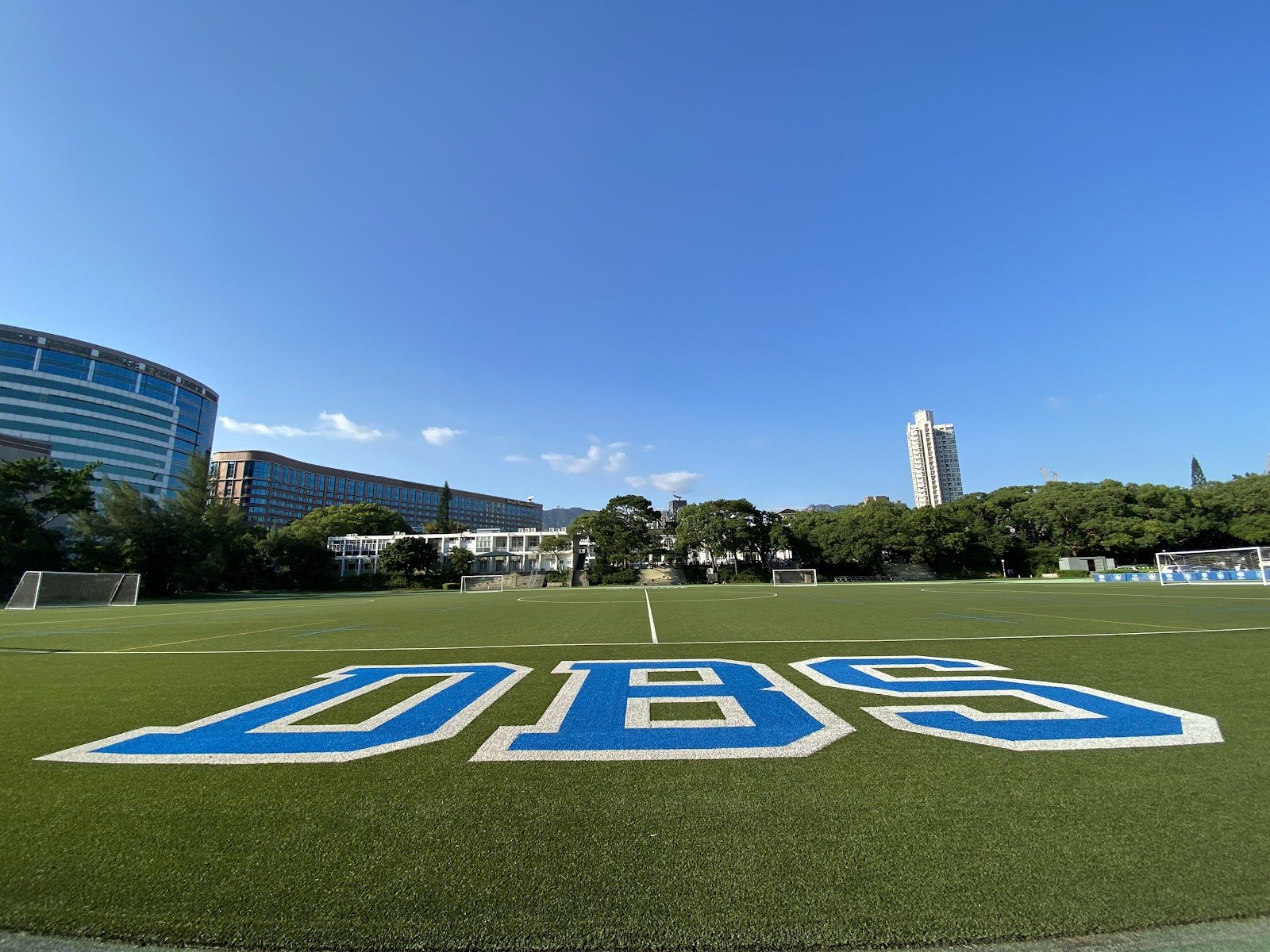
Diocesan Boys' School
Hong Kong · Hong Kong
Founded in 1869 on Kadoorie Hill, this Anglican foundation runs parallel IB and HKDSE tracks around a rare full-size sports field in Kowloon.
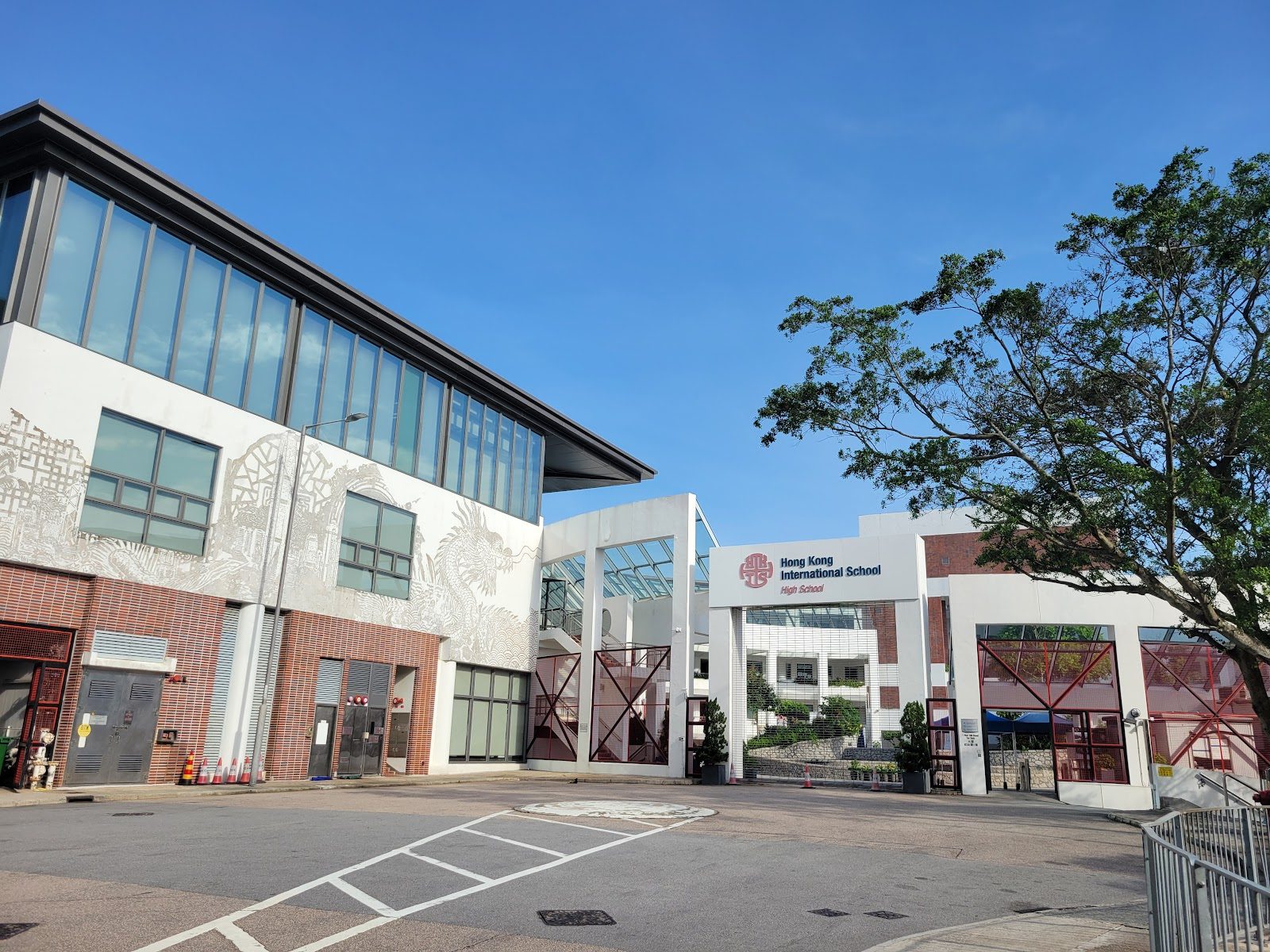
Hong Kong International School
Hong Kong · Hong Kong
Since 1966, an American-style curriculum with Lutheran roots spans two Hong Kong Island campuses framed by mountains and Tai Tam Bay.
St. Paul's Co-educational College
Hong Kong · Hong Kong
Hong Kong's first co-educational school runs DSE and IB side by side on its Mid-Levels campus, posting the city's top IB averages.
German Swiss International School
Hong Kong · Hong Kong
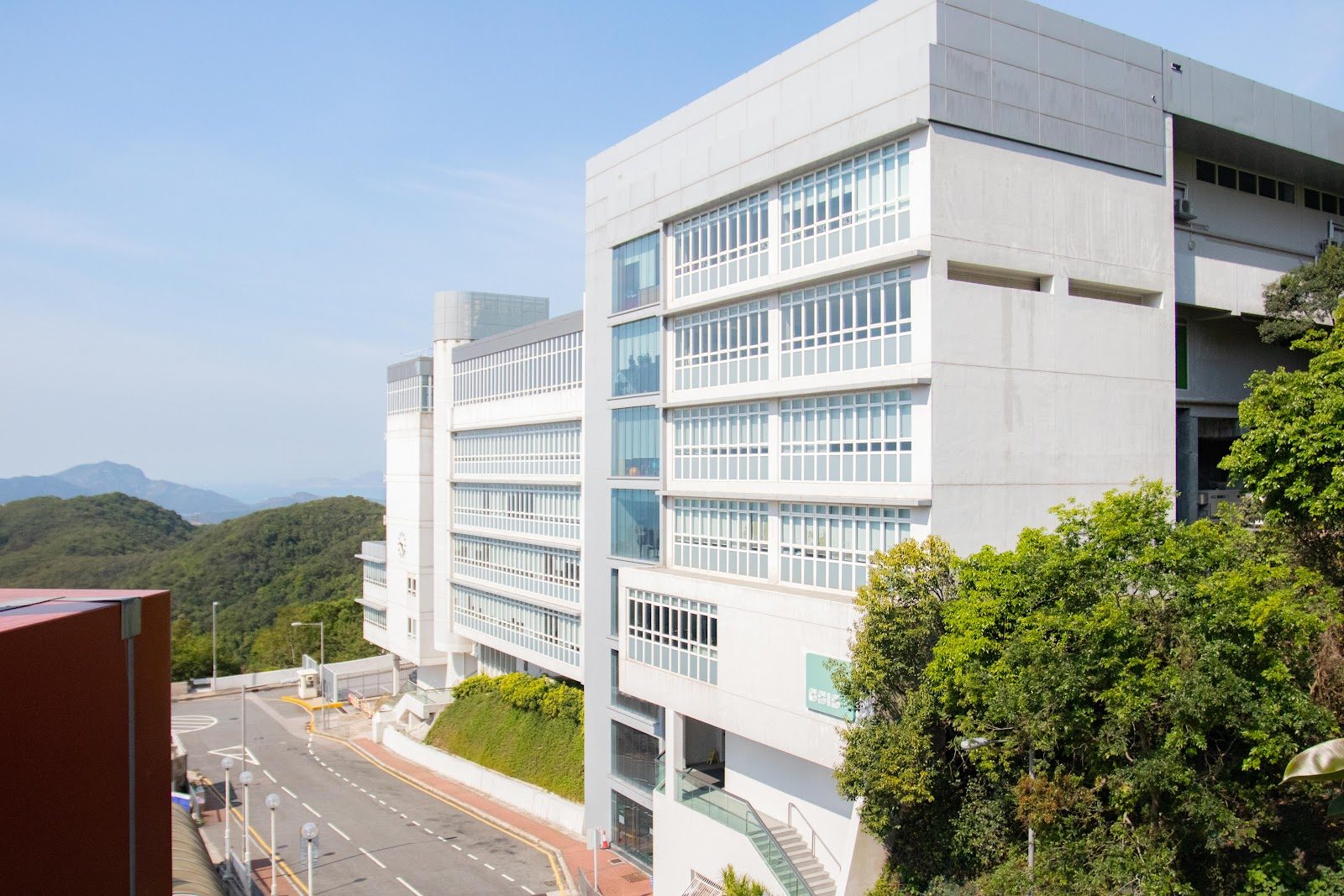
Perched on the Peak since 1969, twin German Abitur and IB streams share one campus and one house system.
Same country and curriculum — closest matches within ±10 points either way