
Etu-Töölö
Ressun lukio
low confidence· 4/6 cats · 1 avg sourcesSince 1891 a pioneer beyond Latin, this central Helsinki lukio runs parallel Finnish and IB tracks for a competitive 120-seat intake.
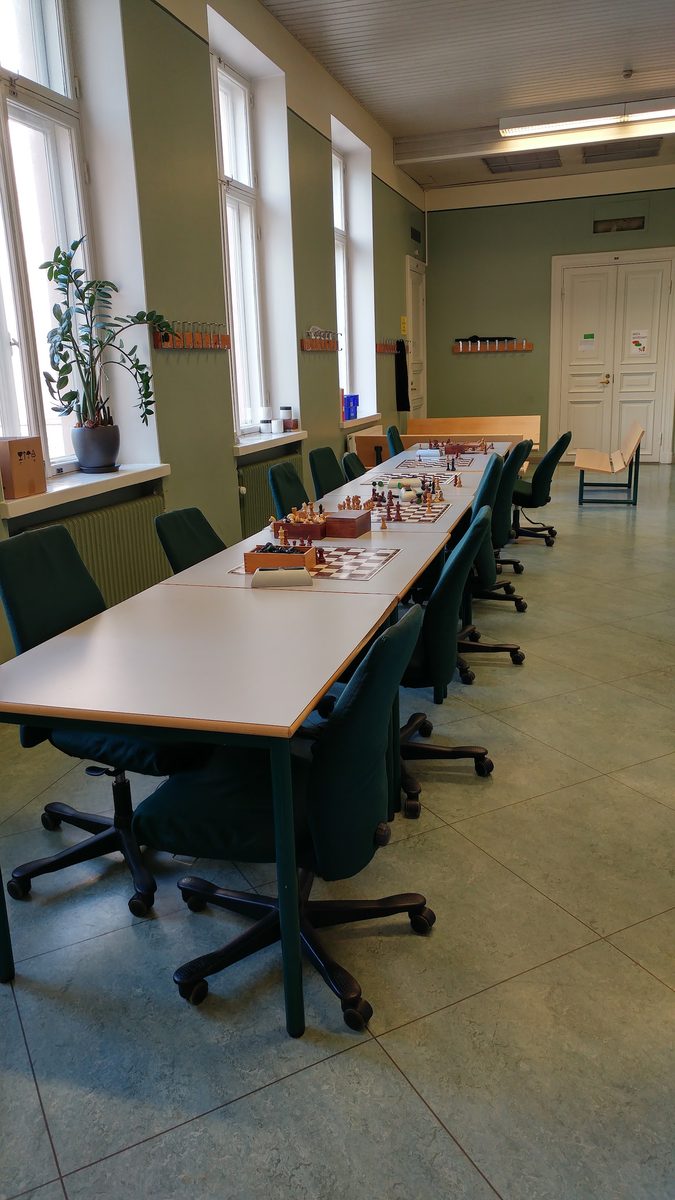
Photo © Eemi via Google Maps
Type
Day
Ages
16–19
Curriculum
Finnish · IB
Qualifications
IB Diploma
Ratio
—
The Verdict
Editor's commitment
Right for
Ambitious 16–19-year-olds who want Helsinki day schooling with a real choice between the Finnish curriculum and the IB.
Wrong for
Families wanting boarding, religious ethos, or education outside Finnish and English; Ressun lukio is a non-religious day school.
Watch out for
Entry is tight: the school advertises a competitive 120-seat intake, and IB World School status does not make admission softer.
Ranking breakdown
Ressun lukio · #1266 of 1591
Composite score 56.2. 8 weighted criteria.
By criterion
Academic Outcomes
Weight 20%
#1156
of 1529 scored
University Placement
Weight 16%
#1201
of 1529 scored
Prestige & Heritage
Weight 12%
#1306
of 1571 scored
Alumni Network
Weight 12%
#920
of 1530 scored
Facilities
Weight 12%
#1419
of 1534 scored
Transparency & Communications
Weight 8%
#1241
of 1532 scored
Peer & Industry Review
Weight 10%
#1108
of 1548 scored
Admissions Selectivity & Demand
Weight 8%
#888
of 1529 scored
Peer & Industry Review
How Ressun lukio is regarded in the sector
64
Respected · medium confidence
I could not locate independent third-party sources (specialist education press, Tatler/Good Schools Guide equivalents, alumni network coverage, or government inspectorate commentary) discussing Ressun lukio's reputation. Finnish upper secondary schools rarely receive this kind of international specialist press coverage, and I have no verifiable independent evidence to ground a score.
Editors' overview
Ressun lukio occupies a distinctive niche in Helsinki: a historic state lukio in the city centre with two serious academic routes under one roof, Finnish and IB. Founded in 1891, it carries real institutional weight, and the school’s history matters here. This was the first Finnish school to drop compulsory Latin, which still tells you something about its character: intellectually self-confident, reform-minded, and not trapped by tradition for its own sake. For families who want a non-religious day school with public-sector roots but more academic edge than the average upper secondary option, Ressu deserves attention. The intake is tight at 120 places a year, which gives the school a selective, concentrated feel rather than the sprawl of a mass municipal school.
What sets it apart is the parallel-track model. Students can pursue the Finnish curriculum or the IB in the same school, in Finnish and English, without the institution feeling like an international add-on bolted to a local school. That matters in Helsinki, where many families want academic seriousness without the social insulation of a private international campus. Ressun offers urban academic intensity, a central location, and a student body that has chosen to be there. The market position is clear: this is a high-demand public academic school for ambitious teenagers who value substance over pastoral theatre. It is not a glossy lifestyle product; it is a working school with a competitive academic core.
Parents should shortlist Ressu if they want strong peers, a credible route into the IB or Finnish matriculation pathway, and a school culture that rewards independence. The best fit is the student who is already self-propelled at 16, comfortable in a mixed Finnish-English environment, and energised by standards rather than hand-holding. A teenager who wants serious classroom pace, earned prestige, and a school with no patience for fluff will find Ressu compelling. A student who needs heavy pastoral scaffolding, extensive extracurricular packaging, or a softer academic rhythm will not.
Academic Performance
Ressun’s public academic standing rests on selectivity and on the fact that it offers two exam routes with real stakes at the end. What is missing is the data parents need to judge performance with precision. The school does not publish aggregate IB diploma scores, subject averages, matriculation examination outcomes, pass rates, university destinations, or year-on-year trend data. That absence matters. In a market where strong schools increasingly disclose hard results, Ressu asks families to trust reputation more than numbers. The school’s intake cap of 120 reinforces the sense of a high-pressure academic cohort, but selectivity alone is not proof of results.
Relative to peers, Ressu sits in the category of serious public academic schools with a competitive admissions profile and a credible claim to strong classroom standards. It does not sit in the category of schools that make external outcomes easy to scrutinise. For families comparing it with private international schools or Finland’s most data-transparent upper secondary options, that is a weakness. For families embedded in the Finnish system, the school’s long-standing reputation and sustained demand still carry weight. The blunt conclusion: Ressu has the profile of a high-attainment school, but not the published exam evidence to rank it cleanly against Helsinki’s best-known academic competitors.
Facilities
Ressun’s facilities fit the school’s identity: functional, central, academically driven rather than expansive or theatrical. This is not a suburban campus with sports fields, boarding houses, design labs and a long amenities list. Parents should think in terms of a compact city school built for upper-secondary study, with the core spaces that matter most for that age group: ordinary teaching rooms, subject classrooms, library and study provision, and the infrastructure needed to run parallel Finnish and IB teaching under one roof. The school’s own published capacity figure of 120 new students a year points to a contained physical scale. That has advantages — less wasted movement, a more adult atmosphere, easier access to shared academic spaces — but it also places Ressu behind larger private and international competitors on sheer facility breadth.
Against Helsinki peers, that trade-off is clear. Ressu offers serious working space in a well-connected urban setting, not a showcase campus. Families choosing between this school and high-fee international options need to adjust expectations: you do not pick Ressu for resort-style sport, specialist arts complexes or premium lifestyle extras. You pick it for a disciplined academic environment where the building serves study first. The weakness is obvious too. The school does not publish the kind of detailed facilities breakdown, campus imagery or specialist-space inventory that would let families assess laboratories, arts provision or athletics with confidence. On facilities, Ressu looks competent rather than lavish.
Ressun lukio occupies a distinctive niche in Helsinki: a historic state lukio in the city centre with two serious academic routes under one roof, Finnish and IB
Prestige
Ressun carries real prestige in the Finnish context because entry is constrained and demand is strong. The school admits only 120 students a year, which creates scarcity, and scarcity matters in upper secondary education: it signals that places are worth competing for. Its prestige also comes from institutional memory. This is not a new academic brand manufactured for international demand; it is a long-established public school with a serious intellectual reputation and a record of doing things its own way. That history gives Ressu a form of status that private schools cannot buy: earned authority inside the local system. Among Helsinki families who know the education landscape well, Ressu reads as a high-status academic choice, not a fallback municipal option.
That prestige has limits, and they are important. Ressu’s name carries more weight domestically than internationally. Outside Finland, the school lacks the global brand recognition of high-fee international schools with published destination lists, glossy alumni networks, and aggressive self-promotion. Its standing rests on selectivity, long-running esteem, and the calibre of the peer group, not on polished external signalling. That makes the prestige feel substantive rather than performative. It also makes it harder for outsiders to measure. We rate Ressu as a prestigious school for families who value academic credibility inside Finland’s education culture; we do not rate it as a school with flashy international cachet.
What makes Ressun distinctive is not novelty but combination
Communications
Ressun communicates like a serious public school, not a concierge service. Parents get the core facts they need — admissions information, contact routes, calendars, study-related guidance and administrative notices — but the tone is institutional rather than warm. That is not a flaw in itself. For a school serving older teenagers, adult-to-adult communication makes sense, and Ressu does not waste time on the inflated pastoral language that clutters many private-school channels. The weakness is clarity at depth. Public-facing information covers the basics, but it does not give parents a rich picture of day-to-day school life, academic monitoring, or how the school handles issues once a student is enrolled. For a selective intake of only 120 new students, the external communication feels leaner than it should.
Effectiveness, then, depends on what a family wants. Independent students and locally fluent families will cope well with a system that prioritises function over reassurance. International parents, or anyone comparing Ressu with high-fee schools that run high-touch parent comms, will find the contrast sharp. Ressu communicates enough to operate efficiently; it does not communicate enough to feel transparent in the modern sense. We have not seen the kind of detailed parent handbooks, published performance dashboards, rich leadership messaging or consistent explanatory depth that build confidence before problems arise. The verdict is clear: communication is competent, sparse and unsentimental — aligned with the school’s culture, but weaker than the best schools in this area.
Uniqueness
What makes Ressun distinctive is not novelty but combination. Very few schools in Finland carry this level of local academic prestige while also running a full IB route inside the state system. That creates a rare hybrid: students get the seriousness, social realism and public accountability of a municipal school, without giving up an internationally portable qualification. The result is a student body that is not sealed inside an expatriate bubble and not confined to a single national pathway either. For the right teenager, that matters a great deal. It produces a *sharper, more mixed intellectual environment* than schools built around one track alone, and it gives families genuine flexibility without forcing a change of institution at a sensitive age.
Ressu is also unusual in character. Its historical identity still reads as *independent-minded rather than reverential*; this is a school with a long memory of doing things differently, and that tends to shape expectations in the classroom. Students benefit from a culture that treats them less like children to be managed and more like young adults expected to keep up. With only 120 places in each intake, the peer group stays concentrated and self-selecting. That brings obvious gains: stronger academic pace, more serious classroom norms, and a sense that admission has been earned, not gifted. The trade-off is equally clear. Ressu suits students who thrive on autonomy and standards. It is not a cushioning environment for teenagers who need constant prompting or a heavily choreographed school experience.
Founded in 1891, it carries real institutional weight, and the school’s history matters here
Student Profile
The right student for Ressun is academically ambitious, self-directed and comfortable in a school where peers raise the temperature. This is not the place for a teenager who needs coaxing to meet deadlines or steady adult prompting to stay organised. It suits students who already work with purpose, tolerate comparison, and do not mistake pressure for hostility. The atmosphere rewards intellectual seriousness, competitive calm and a willingness to earn one’s place every day, not just at admission. Because the intake is capped at 120, the social and academic field stays concentrated: students stand out quickly, for good or ill. That can be energising for able adolescents who want sharp classmates and direct teaching. It can be bruising for those whose confidence depends on being the strongest person in every room.
Socially, the best fit is a young person with a degree of maturity at 16: independent in a city-school setting, capable of managing transitions between different academic cultures, and untroubled by an environment with little appetite for hand-holding. Ressun suits students who value substance over performance and who do not need a school to package identity for them through endless events, teams or pastoral theatre. It will appeal to serious-minded, internally motivated teenagers who like learning for its own sake and can handle a community where standards are visible. Students who need intensive pastoral cushioning, abundant lifestyle extras or a softer social landing will struggle here.
The intake is tight at 120 places a year, which gives the school a selective, concentrated feel rather than the sprawl of a mass municipal school
Co-curricular strengths
Arts & sport, on a separate axis
Overall 6.1/10
Scored 0-10 from the school's own published evidence. This axis is editorial-only — it does not feed the main WTS ranking.
Sports
6/10
Drama
6/10
Dance
5.5/10
Music
6.5/10
Visual Arts
6.5/10
Editor first-pass · editor-reviewable · 7/30/2026
Strengths
- +Offers the IB Diploma Programme alongside the Finnish national upper-secondary (lukio) curriculum within a single public school.
- +As a municipal Helsinki school, it operates within Finland's tuition-free public education system, unlike private international schools.
- +Located centrally in Helsinki, giving students easy access to the city's cultural and academic resources.
- +Long-established reputation as one of the more academically selective general upper secondary schools in the Helsinki joint application (yhteishaku) system.
- +Provides a genuine bilingual pathway, combining Finnish-language schooling with an English-medium IB track.
Considerations
- −Entry to both the Finnish and IB tracks is competitive and based heavily on comprehensive school (peruskoulu) grade averages, disadvantaging late-arriving expat applicants without a Finnish school record.
- −As a day school, it offers no boarding option for families relocating without local housing arranged.
- −Most of the school's daily life and administration is conducted in Finnish, which can be a barrier for non-Finnish-speaking parents even on the IB track.
- −Facilities and extracurricular scope reflect standard Finnish public school funding levels, not the amenities typical of fee-paying international schools.
Availability
Primary entry gate & tests
Academic Record
Gallery
Photo © Risto Tuomarla via Google Maps
Photo © Risto Tuomarla via Google Maps
Photo © Joona Askolin via Google Maps
Photo © Eemi via Google Maps
Parent reviews
Have you sent your child here?
Voice reviews carry the strongest trust badge — we transcribe them for you to tidy up before they go live. Prefer to type? A written review is fine too.
Add your voice
In 60 seconds, tell other parents: what's the best thing about Ressun lukio, and what surprised you when your child joined?
We ask for a Google sign-in so every review has a real face behind it — no anonymous drive-by attacks on schools, and no faked positive reviews. Your email is never shown publicly.
Send this profile to a friend
International parents rely on word-of-mouth. Share this review with someone weighing the same decision.
Schools with places
Similar schools to Ressun lukio with places available now.
Availability first, then country, area, curriculum, price, co-curricular
Consider also
Also worth looking at alongside Ressun lukio.
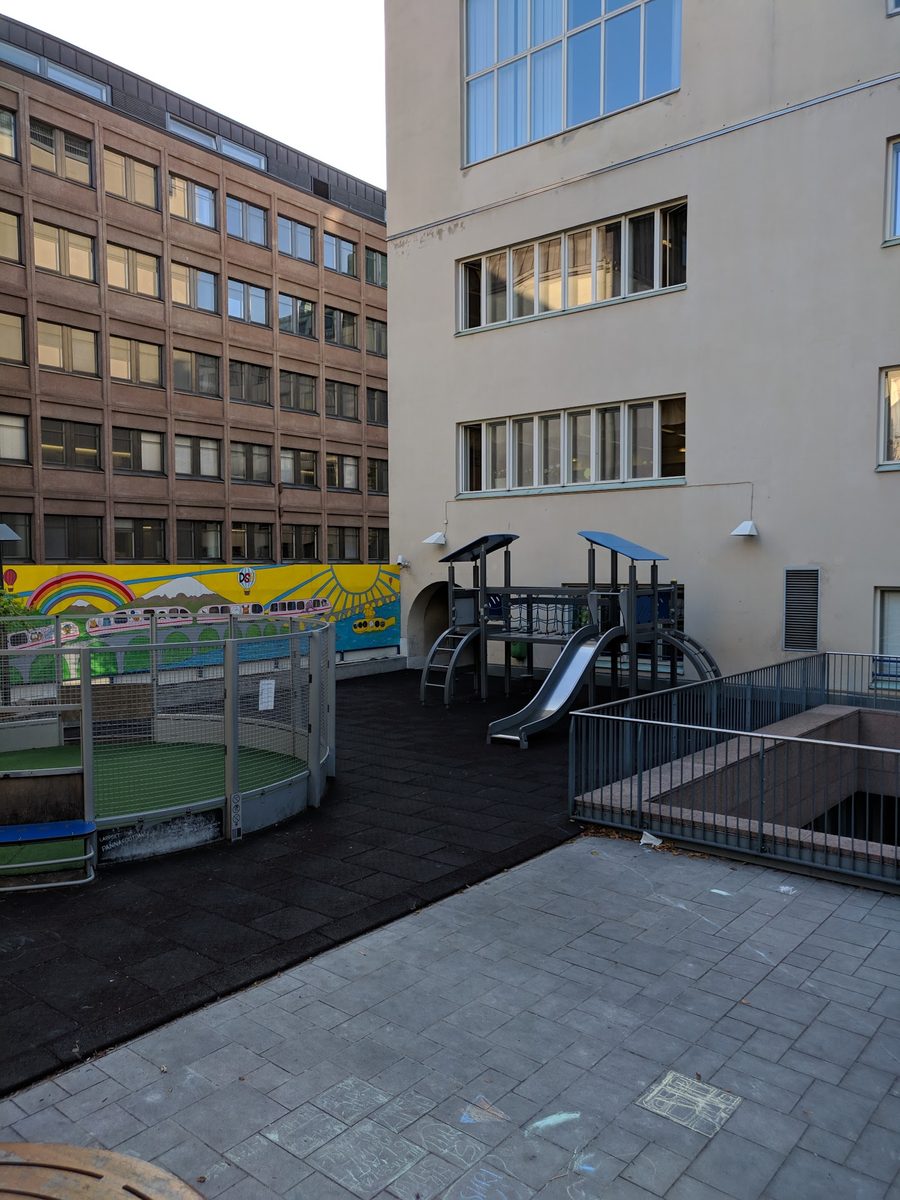
Deutsche Schule Helsinki
Helsinki · Finland
Founded in 1881 by German merchants, this Kamppi school now sends a mostly Finnish student body toward a dual Abitur-matriculation exit.
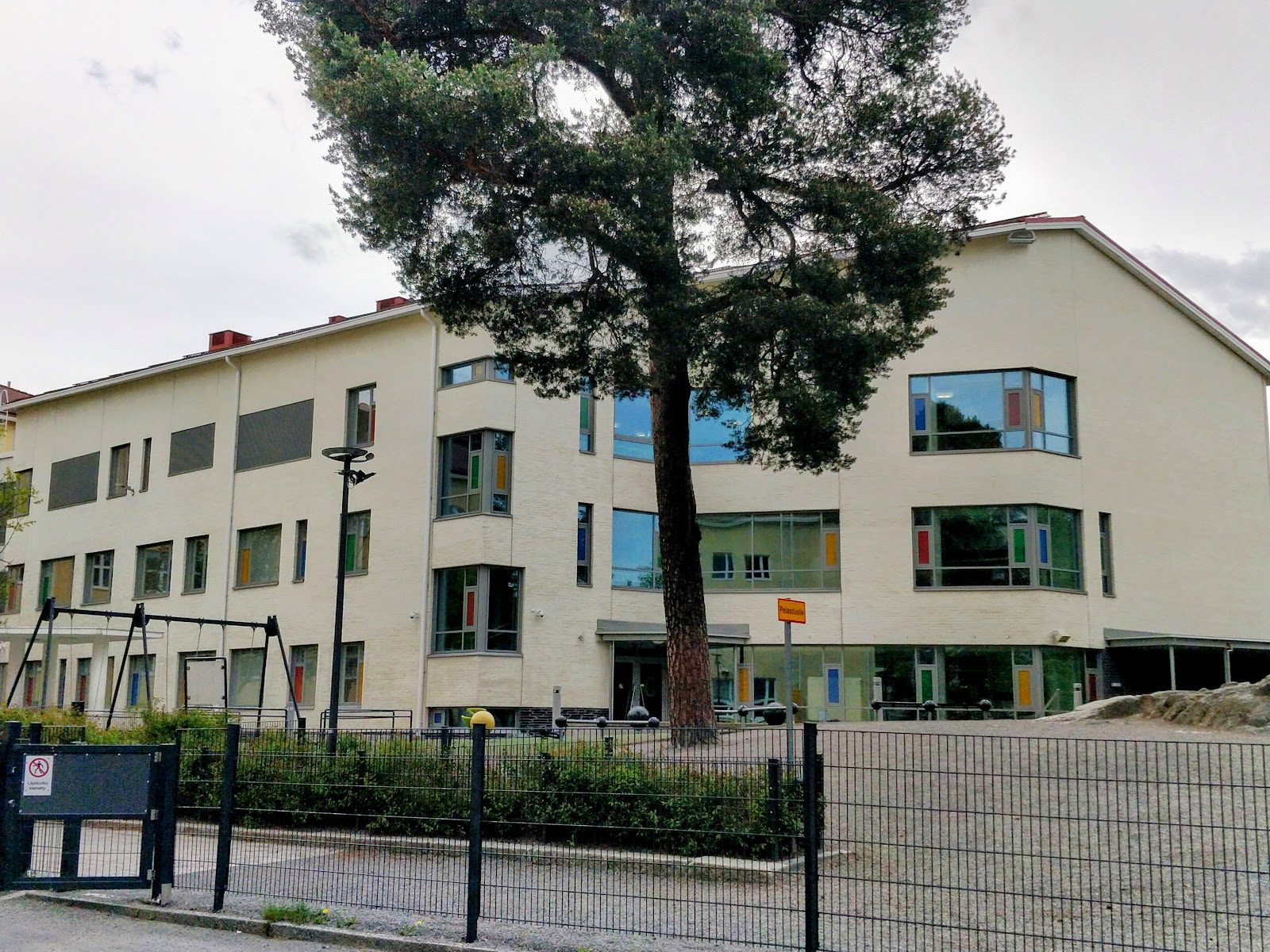
International School of Tampere
Tampere · Finland
A 1954 Tampere primary school reborn as an English-medium campus, blending Finland's core curriculum with a path toward IB study.
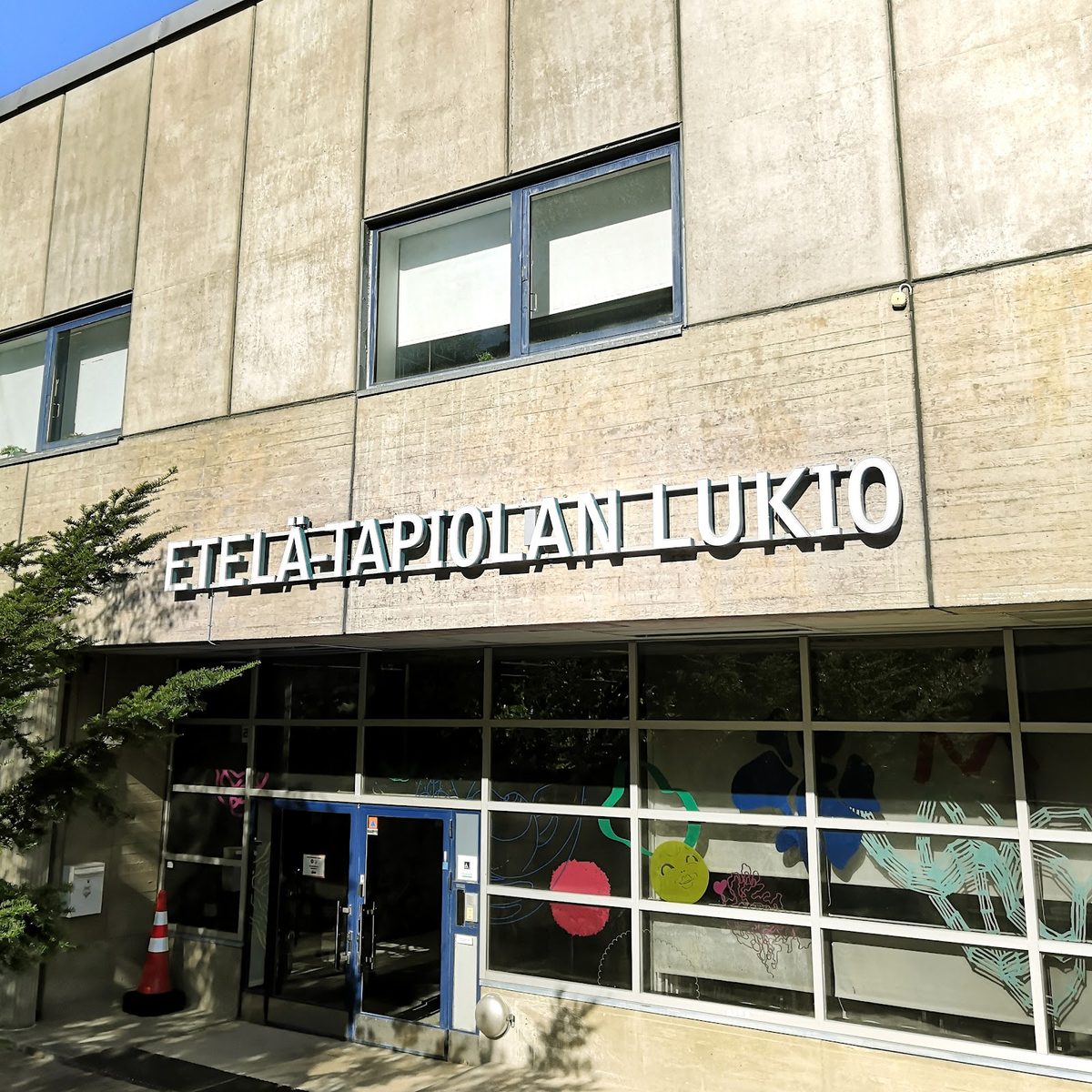
Etelä-Tapiolan lukio
Espoo · Finland
An economics-and-social-sciences lukio whose IB and Finnish streams share one ritual: a fall bootcamp in Nuuksio National Park
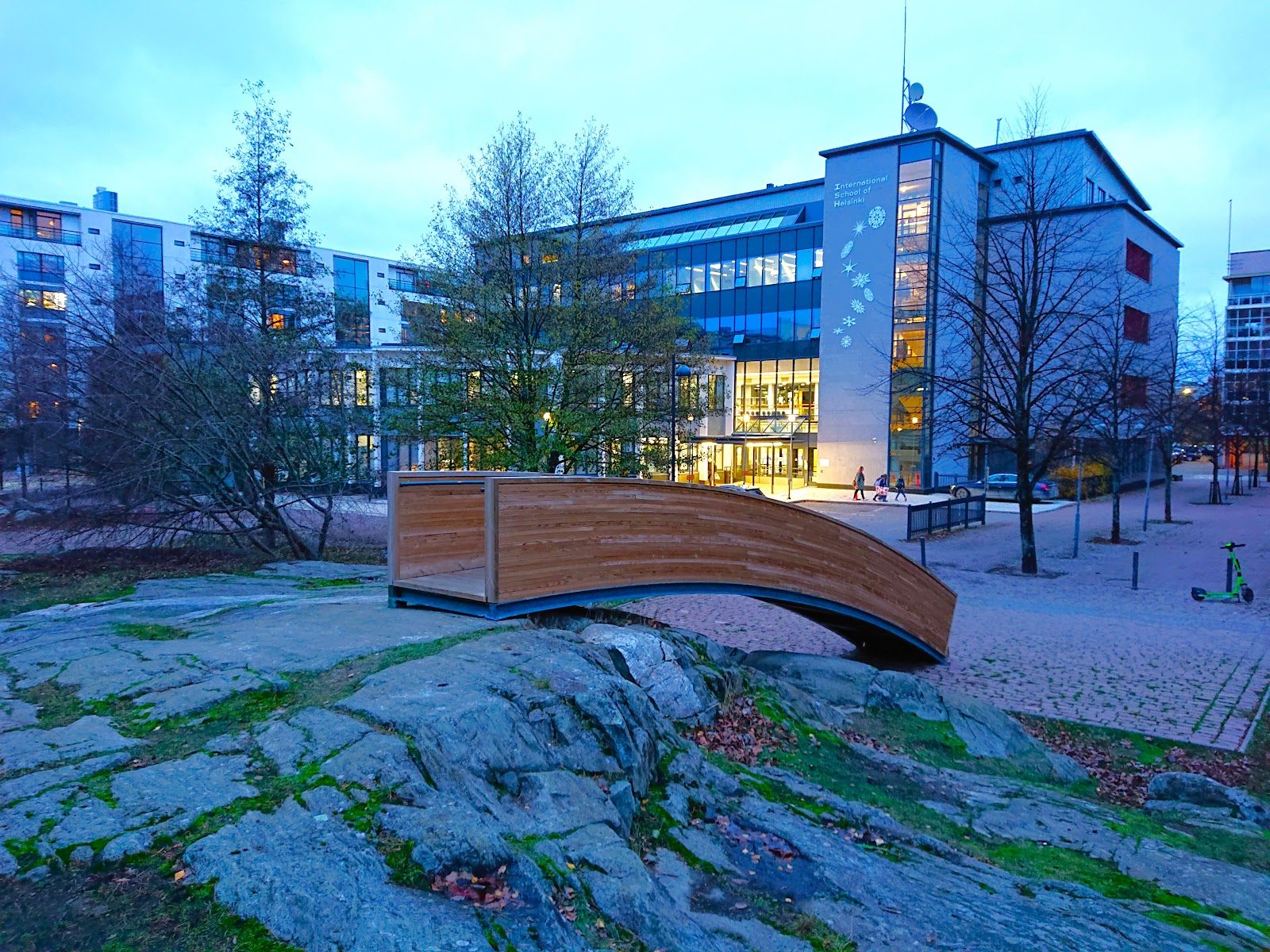
International School of Helsinki
Helsinki · Finland
Founded in 1963 and based in Helsinki, it became Finland's first school fully authorized across all three IB programmes.
Same country and curriculum — closest matches within ±10 points either way