
Italy
Liceo Artistico Porta Romana e Sesto Fiorentino – Fine Arts
New · 2026/27Type
Ages
—
Curriculum
—
Ratio
—
Ranking breakdown
Liceo Artistico Porta Romana e Sesto Fiorentino – Fine Arts · #1267 of 1591
Composite score 56.2. 8 weighted criteria.
By criterion
Academic Outcomes
Weight 20%
No data yet
1529 of 1591 scored
University Placement
Weight 16%
No data yet
1529 of 1591 scored
Prestige & Heritage
Weight 12%
#1
of 1571 scored
Alumni Network
Weight 12%
No data yet
1530 of 1591 scored
Facilities
Weight 12%
No data yet
1534 of 1591 scored
Transparency & Communications
Weight 8%
No data yet
1532 of 1591 scored
Peer & Industry Review
Weight 10%
No data yet
1548 of 1591 scored
Admissions Selectivity & Demand
Weight 8%
No data yet
1529 of 1591 scored
Peer & Industry Review
How Liceo Artistico Porta Romana e Sesto Fiorentino – Fine Arts is regarded in the sector
Insufficient peer signal
We couldn't find enough independent third-party evidence to score this school's peer & industry standing with confidence. It doesn't mean the school isn't well regarded — only that public reputation sources we trust don't yet cover it. This axis is left blank for now and the composite score is median-imputed from the other six categories.
Award
Elite Visual & Fine Arts 76
World's Top School · The Global Ranking
Liceo Artistico Porta Romana e Sesto Fiorentino – Fine Arts is featured on our Global Top 76 ranking at #43. This seal is available for the school's marketing team to use on their website, prospectus and social channels.
Editors' overview
Full editorial coverage forthcoming. This institution has been included in the 2026 Visual Arts & Fine Art audit on the strength of its specialist Fine Art pathway. A long-form editorial review — covering curriculum, faculty, graduate conversion, portfolio provision and international accessibility — will be published as editorial capacity allows. The rank position, country and international-access classification shown on the ranking page have been verified against the methodology.
An Elite Visual & Fine Arts 76 school
The Liceo Artistico Statale di Porta Romana e Sesto Fiorentino, in Florence, Italy, sits at rank forty-three on the Elite Visual & Fine Arts 76 because it is one of Europe's oldest continuously operating art schools, tracing its roots to 1869, and since 1924 it has occupied the former Royal Stables of the Palazzo Pitti on the edge of the Boboli Gardens. Inside that monumental building sits the school's Gipsoteca, a collection of over three thousand plaster casts spanning the Trecento to the Novecento, including a celebrated nucleus of Donatello casts, giving students daily working access to Renaissance sculpture reproductions found in almost no other secondary school in the world.
The specialism runs through the Arti Figurative indirizzo (painting and sculpture) alongside seven further tracks in graphic arts, furniture design, fashion design, jewellery design, ceramic design, graphic design and audiovisual/multimedia work, all delivered through historic ateliers-style laboratori rather than generic classroom art. Beyond the diploma, the school runs a post-diploma Corso di Perfezionamento, a two-year biennale specializing in fine printmaking and art graphics, jewellery and accessory design, and photography, aimed at producing working professionals rather than exam-passers. The current dirigente scolastica is Laura Lozzi, overseeing an institution of roughly 1,336 students across 61 classes.
Alumni verified through independent art-historical sources include Sandro Chia, who studied at the Istituto d'Arte di Firenze from 1962 to 1967 before becoming a leading figure of the Transavanguardia movement exhibited at the Venice Biennale and the Guggenheim; director Franco Zeffirelli; fashion designer Enrico Coveri; sculptor Giuliano Vangi; painter Galileo Chini; and costumier Gabriella Pescucci, who won the Academy Award for Costume Design in 1994 for The Age of Innocence. More recently, students have won a national photography competition tied to the school's 150th-anniversary celebrations and a national Art&Scienza AcrossItaly prize that sent ceramics-design pupils to a CERN masterclass in Geneva.
International openness here is real but narrow: this is a free, state-funded Italian liceo with no boarding and Italian-only instruction, so overseas families relocating to Florence enroll their children through the standard national admissions calendar, with entrance exams required for pupils transferring mid-course from non-artistic backgrounds. The post-diploma Corso di Perfezionamento is more genuinely international, explicitly supporting residence-permit applications through the Florence Questura for enrolled students, at modest fees of roughly 300 euros ministerial tax plus a 300-euro annual contribution. Families should plan a full relocation to Tuscany well ahead of the February pre-enrollment window rather than treat this as a short-term international placement.
Academic Performance
The school follows Italy's state liceo artistico curriculum, a five-year cycle ending in the Esame di Stato. Alongside studio disciplines, students study art history, Italian literature, philosophy, mathematics, and a foreign language, reflecting the national requirement that art education sit within a broader liberal arts framework rather than function as a purely vocational track. Pupils choose among the standard indirizzi introduced in the 2010 reform: Arti Figurative, Design, Grafica, Architettura e Ambiente, Audiovisivo e Multimediale and Scenografia, each carrying distinct technical modules in later years. Assessment blends written examinations with practical portfolio work and a final thesis project. Results are not published as school-specific league tables under Italian practice, but graduates typically progress to fine arts academies, architecture or design faculties, or specialist conservatoires, indicating a curriculum oriented toward technical competence as much as theoretical grounding.
Facilities
Spread across two campuses, the school combines an historic building near Porta Romana, adjacent to the Boboli Gardens, with a second site in Sesto Fiorentino, a town long associated with ceramics manufacturing through the former Richard-Ginori works. Facilities are configured around studio-based teaching rather than sport: painting and drawing ateliers, sculpture and ceramics workshops, printmaking rooms, photography darkrooms, and computer suites for graphic design and audiovisual production. Architecture and design students use drafting studios and model-making spaces. As a state school, sports provision is limited and often shared with municipal facilities rather than housed on site. There is no dedicated science faculty of note, consistent with the school's specialist artistic mission, though basic laboratory teaching is provided to meet national curriculum minimums. The Sesto Fiorentino site benefits from proximity to the town's design and ceramics industry.
This institution has been included in the 2026 Visual Arts & Fine Art audit on the strength of its specialist Fine Art pathway
Prestige
The school's standing rests less on institutional age than on its location within a city whose art education tradition predates the modern Italian state, running back to Florentine workshop and academy models. The current institution took shape through the post-2010 reorganization of Italy's liceo artistico network and subsequent mergers of local art schools, including the Sesto Fiorentino site, giving it a more recent administrative identity than its surroundings suggest. It is a public school without the endowment, alumni networks or international profile of Italy's most storied academies, and its reputation is regional rather than national. Within Florence and its province, however, it is recognized as a legitimate feeder into art and design higher education, benefiting by association from the city's broader cultural weight even though the school itself is a comparatively modest, tuition-free public institution.
The rank position, country and international-access classification shown on the ranking page have been verified against the methodology
Communications
As a state secondary school, communication follows the conventions typical of Italian public education rather than an independent marketing operation. Families receive information through the registro elettronico, the digital platform used for grades, attendance and circulars, supplemented by periodic parent-teacher meetings (colloqui) and an annual open day for prospective students and their families. Formal notices, admissions procedures and curricular details are published via the school's institutional channels and, where applicable, the Ministry of Education's transparency portal, rather than through glossy prospectuses. Social media accounts, where maintained, tend to showcase student artwork, exhibitions and end-of-year shows rather than institutional messaging. There is no evidence of a dedicated press or development office of the kind found at larger private schools; communication is administrative and pedagogical in tone, consistent with its identity as a public arts-focused liceo rather than a marketed private institution.
Uniqueness
What distinguishes the school is its dual-campus structure linking central Florence to Sesto Fiorentino, tying classical academic art training to a town with its own manufacturing and design heritage centered on ceramics. Students benefit from proximity to Florence's museums, workshops and craft ateliers, allowing study visits and practical engagement with a living artisanal culture rather than art history taught purely from books. The breadth of specialisms on offer, from scenography to audiovisual and multimedia design, is broader than many single-site art schools can sustain, reflecting the scale created by merging previously separate institutions. Unlike private international schools competing on facilities or global rankings, its distinctiveness lies in embedding technical art and design training within a public, tuition-free system, situated in a city whose streets, galleries and workshops function as an extended, informal curriculum for its students.
The school follows Italy's state liceo artistico curriculum, a five-year cycle ending in the Esame di Stato
Student Profile
Students are drawn largely from Florence and its surrounding province, including families from Sesto Fiorentino and nearby Tuscan towns, reflecting the school's identity as a local public institution rather than a national or international draw. Because it is state-funded and tuition-free, the intake spans a broad range of socioeconomic backgrounds, unlike fee-charging private schools with more homogeneous enrollment. Pupils typically choose the school out of a specific interest in visual art, design or craft disciplines rather than as a route into elite university tracks, giving the student body a practically minded, vocationally curious character. Many balance academic subjects with significant studio hours from an early stage, and a portion go on to art academies, design schools or architecture faculties. The population is predominantly local and Italian-speaking, with the ordinary demographic mix found in Tuscan public secondary education rather than a deliberately international cohort.
Assessment blends written examinations with practical portfolio work and a final thesis project
Co-curricular strengths
Arts & sport, on a separate axis
Overall 5.42/10
Scored 0-10 from the school's own published evidence. This axis is editorial-only — it does not feed the main WTS ranking.
Sports
3.5/10
Drama
5.5/10
Dance
4.8/10
Music
3.5/10
Visual Arts
9.8/10
Parent reviews
Have you sent your child here?
Voice reviews carry the strongest trust badge — we transcribe them for you to tidy up before they go live. Prefer to type? A written review is fine too.
Add your voice
In 60 seconds, tell other parents: what's the best thing about Liceo Artistico Porta Romana e Sesto Fiorentino – Fine Arts, and what surprised you when your child joined?
We ask for a Google sign-in so every review has a real face behind it — no anonymous drive-by attacks on schools, and no faked positive reviews. Your email is never shown publicly.
Send this profile to a friend
International parents rely on word-of-mouth. Share this review with someone weighing the same decision.
Schools with places
Similar schools to Liceo Artistico Porta Romana e Sesto Fiorentino – Fine Arts with places available now.
Marymount International School Rome
Rome · Italy
- 2026-27
- WAITPOOLSpace-dependent
- 2027-28
- PLACES OPENRolling
American School of Milan
Milan · Italy
- 2026-27
- WAITPOOLSpace-dependent
- 2027-28
- PLACES OPENRolling
The British School of Milan
Milan · Italy
- 2026-27
- WAITPOOLSpace-dependent
- 2027-28
- PLACES OPENRolling
St George's British International School (Rome)
Rome · Italy
- 2026-27
- WAITPOOLSpace-dependent
- 2027-28
- PLACES OPENRolling
Availability first, then country, area, curriculum, price, co-curricular
Consider also
Also worth looking at alongside Liceo Artistico Porta Romana e Sesto Fiorentino – Fine Arts.
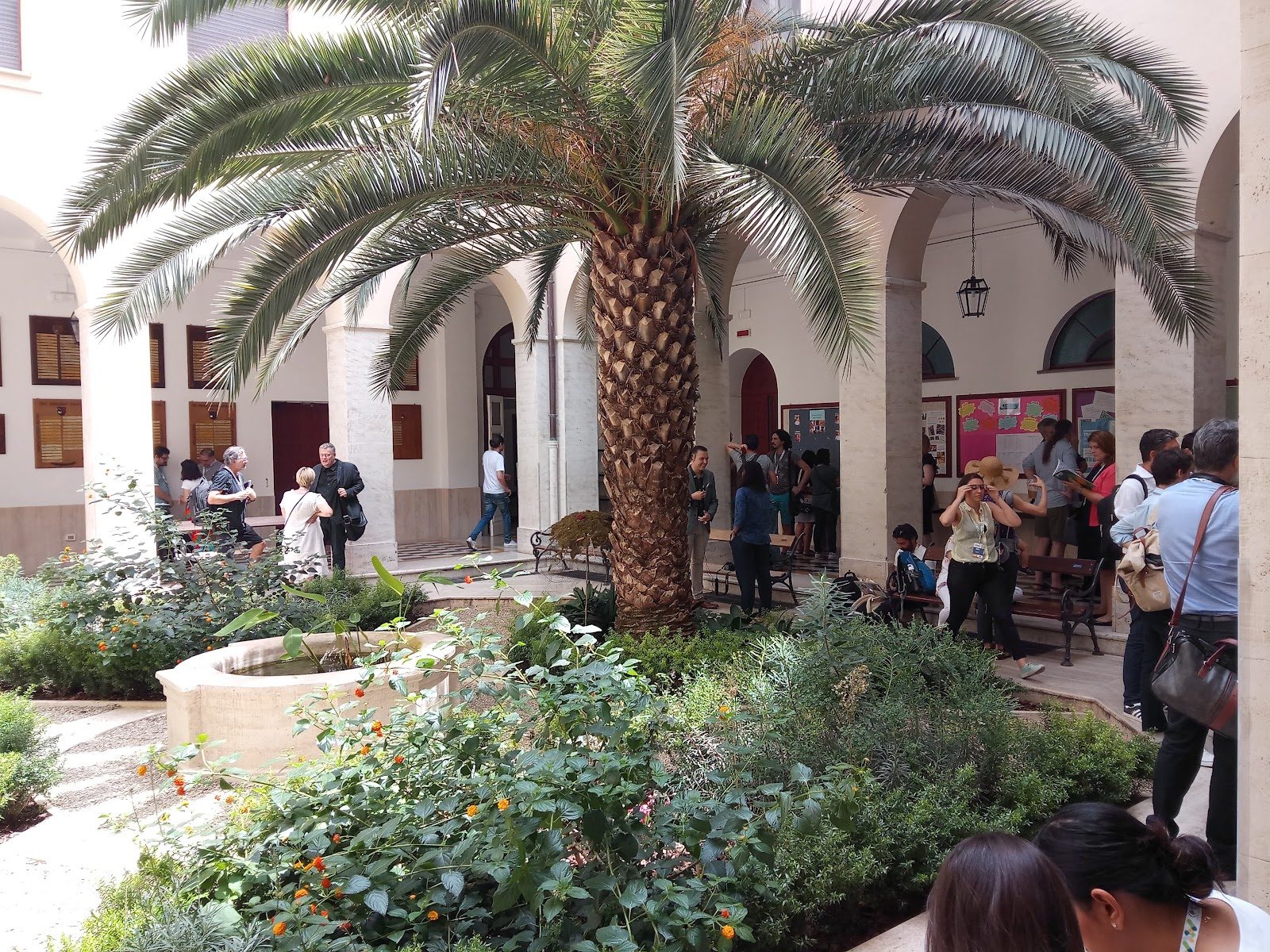
St. Stephen's School Rome
Rome · Italy
At the foot of Rome's Aventine Hill, Italy's first IB Diploma programme pairs classical liberal arts with American college prep.
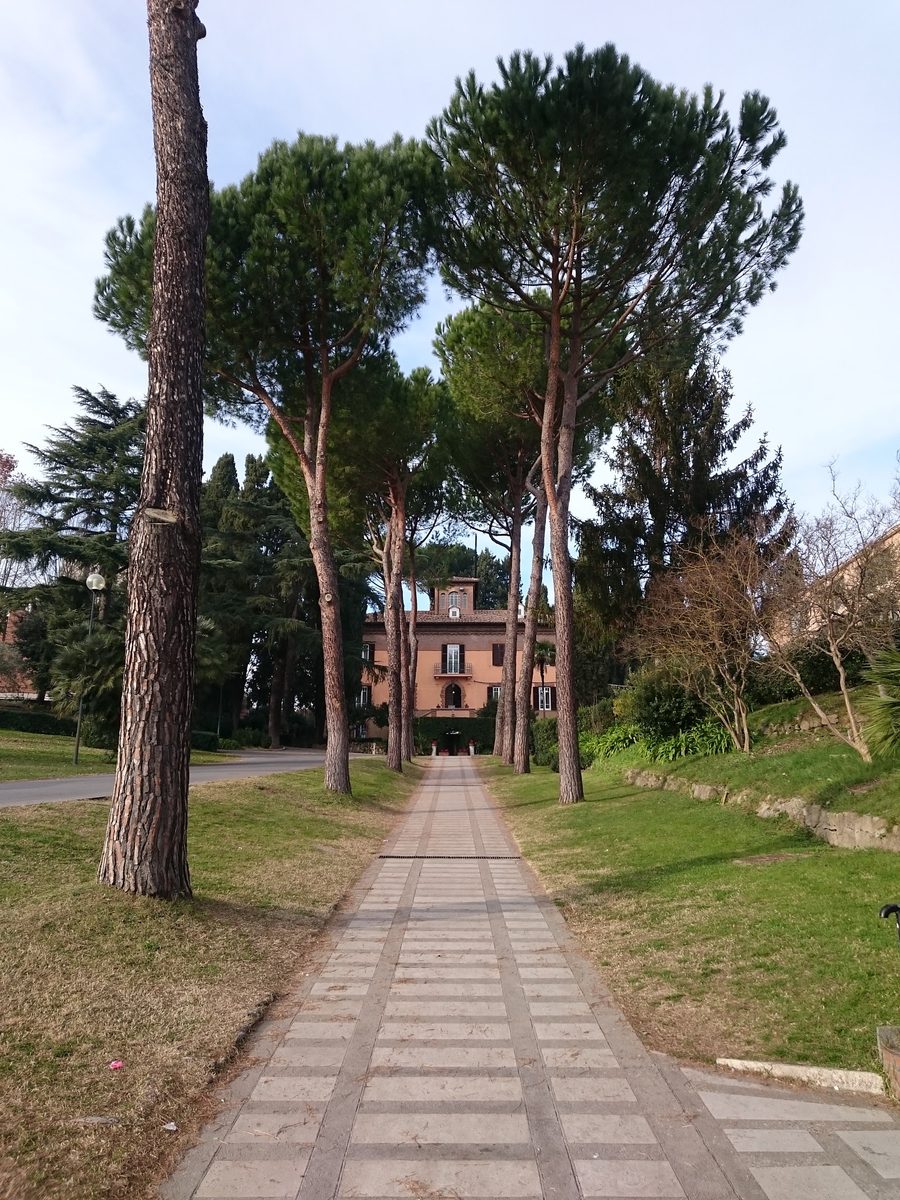
Marymount International School Rome
Rome · Italy
Italy's first international school pairs an American diploma with the IB on 40 acres of protected Roman parkland
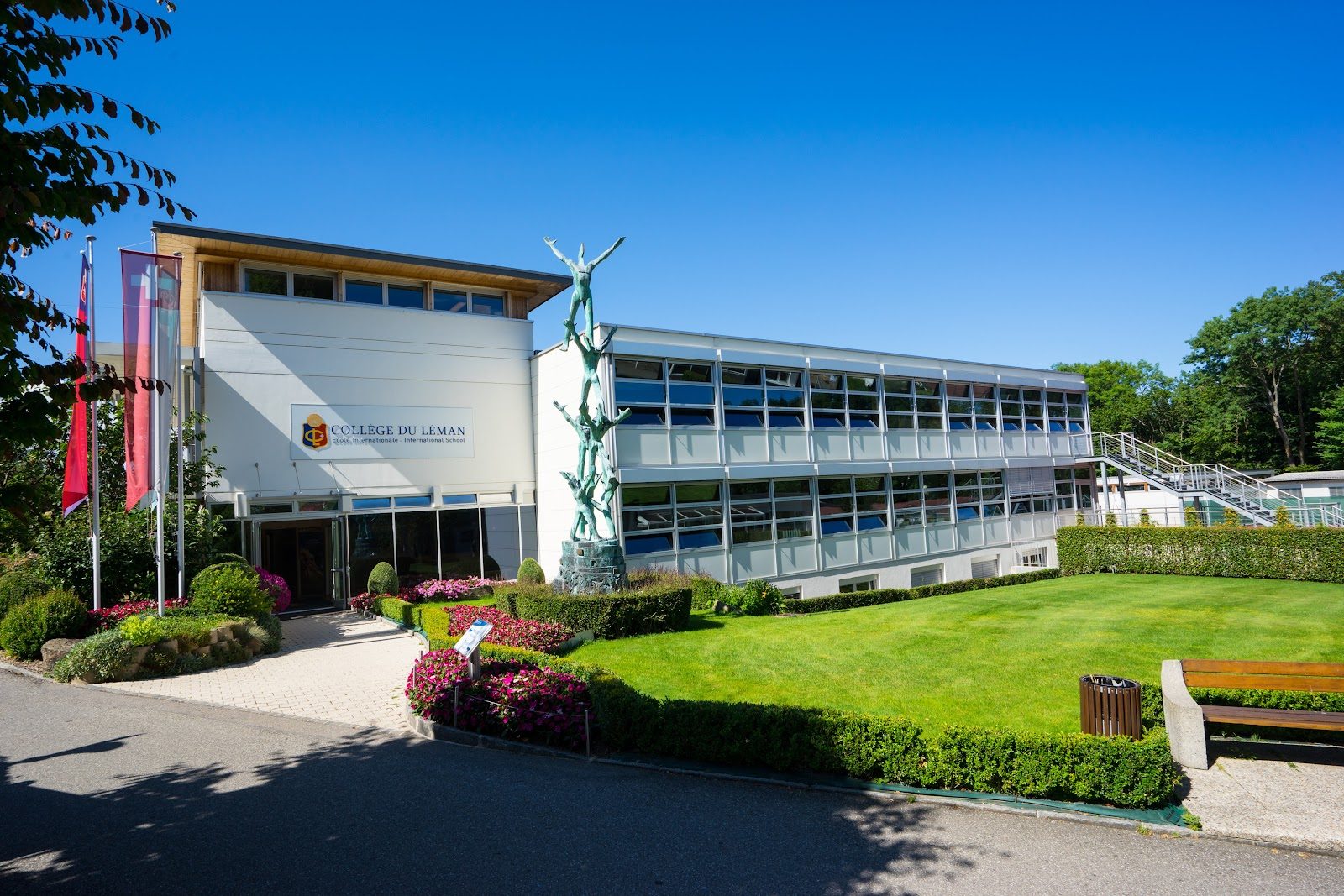
Collège du Léman
Versoix · Switzerland
On the shores of Lake Geneva, Switzerland's largest K-12 campus threads five diploma pathways into one international community.
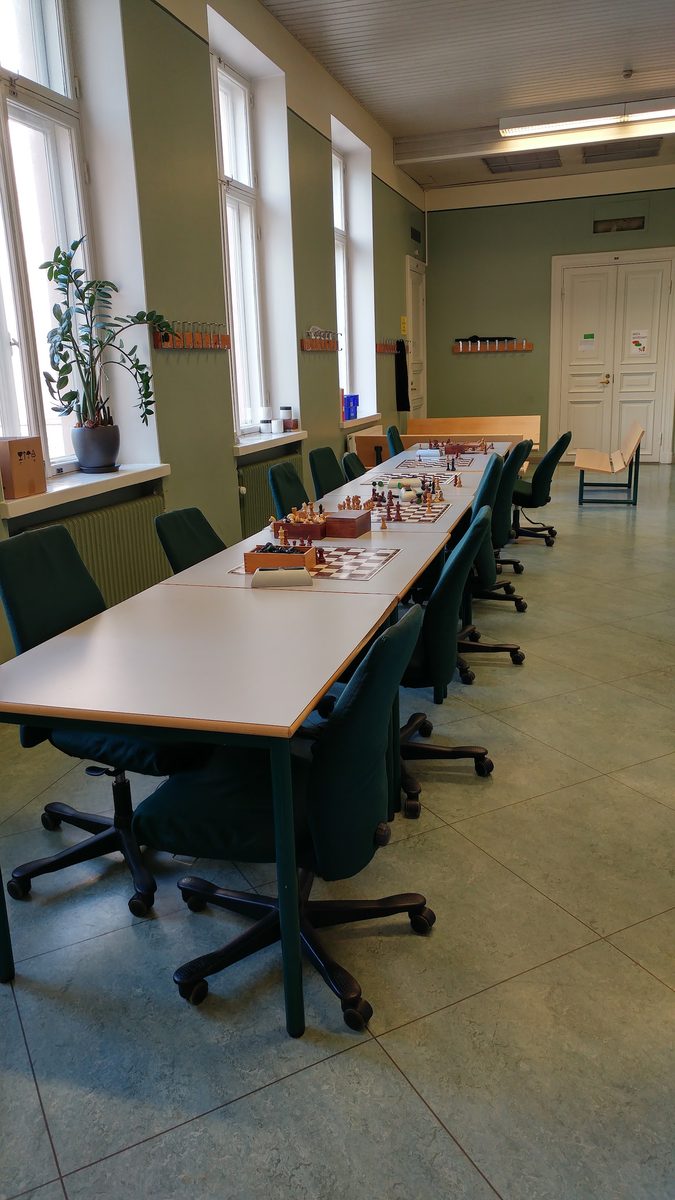
Ressun lukio
Helsinki · Finland
Since 1891 a pioneer beyond Latin, this central Helsinki lukio runs parallel Finnish and IB tracks for a competitive 120-seat intake.
Same country and curriculum — closest matches within ±10 points either way