
Western Cape
South African College High School
Founded in 1829 as the seed of the University of Cape Town, this Newlands campus still nominates boys for Rhodes' original scholarship.
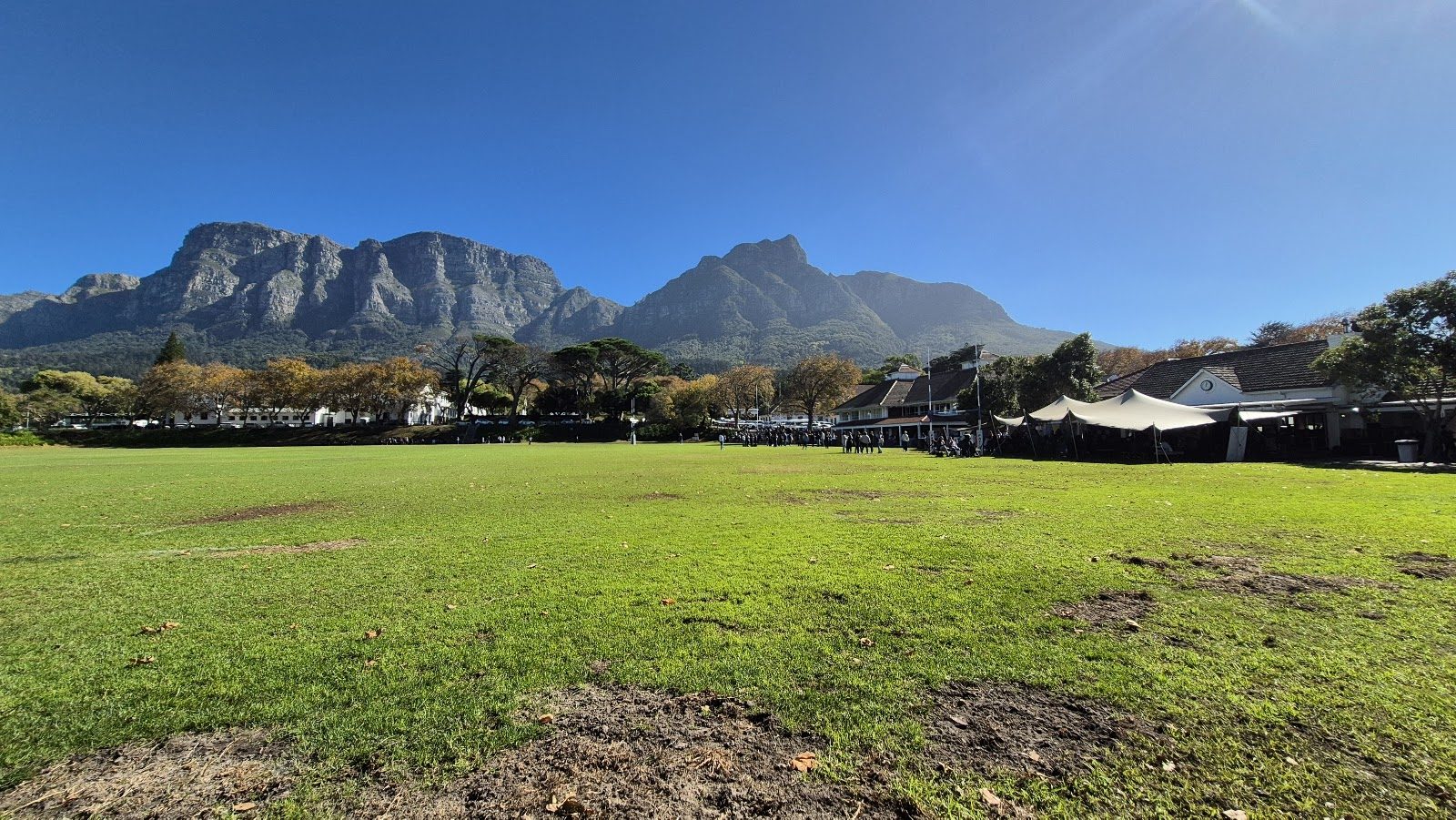
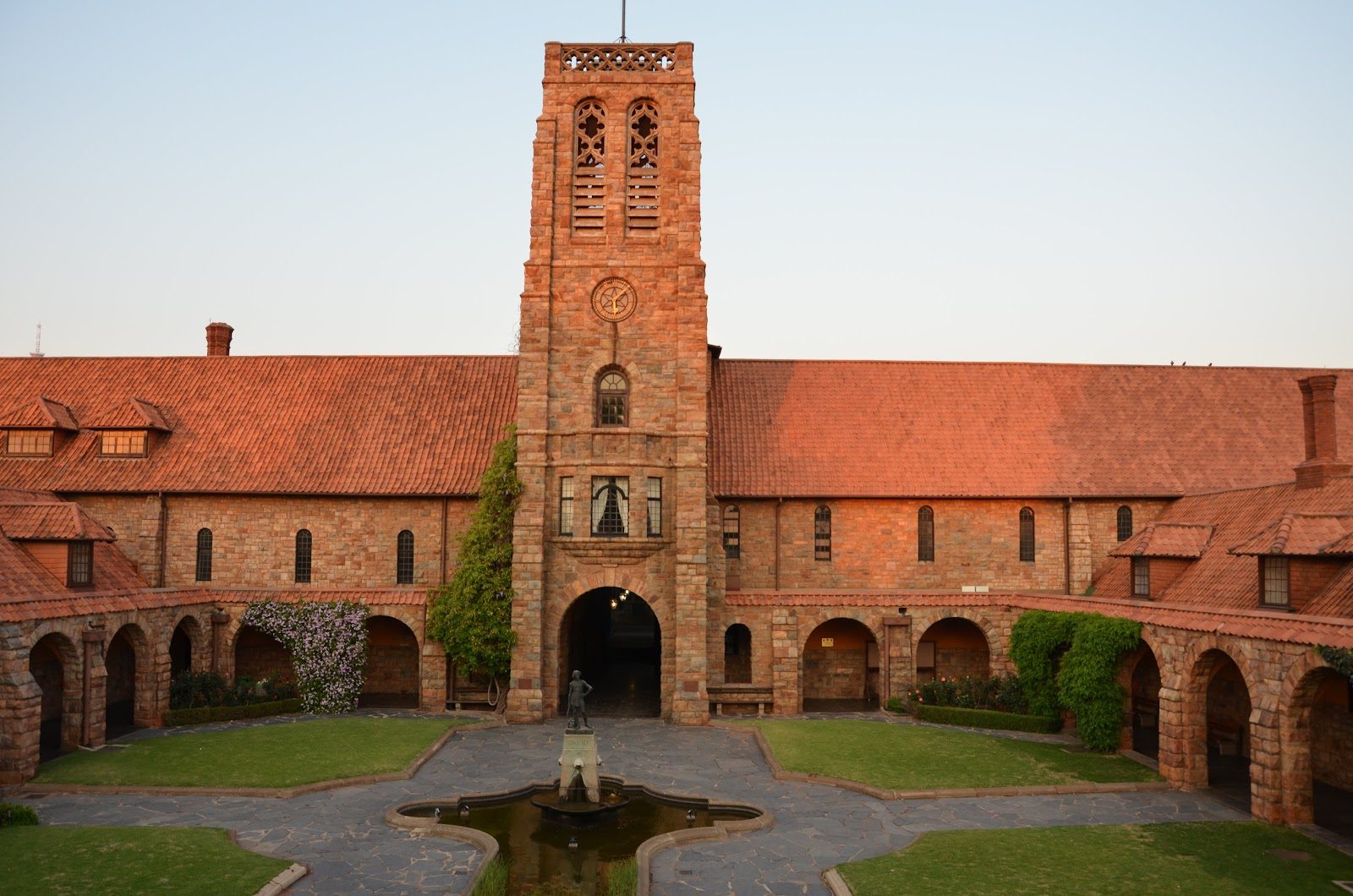
Photo © Bryoni Currin Botha via Google Maps
Type
Day + Boarding
Ages
13–18
Curriculum
IEB · NSC
Qualifications
NSC · IEB
Ratio
—
The Verdict
Editor's commitment
Right for
Boys 13–18 who want a Newlands day-and-boarding school with IEB and NSC, taught in English, and real institutional age: 1829.
Wrong for
Families wanting co-education, a religious ethos, or IB and A-Levels; SACS is non-religious, boys-only, and runs IEB plus NSC.
Watch out for
The heritage is formidable, but published evidence is thin: beyond 1829, Newlands and ISASA/IEB, the school discloses little in public.
Ranking breakdown
South African College High School · #1088 of 1591
Composite score 61.0. 8 weighted criteria.
By criterion
Academic Outcomes
Weight 20%
#512
of 1529 scored
University Placement
Weight 16%
#516
of 1529 scored
Prestige & Heritage
Weight 12%
#139
of 1571 scored
Alumni Network
Weight 12%
#1442
of 1530 scored
Facilities
Weight 12%
#1004
of 1533 scored
Transparency & Communications
Weight 8%
#1019
of 1532 scored
Peer & Industry Review
Weight 10%
#533
of 1548 scored
Admissions Selectivity & Demand
Weight 8%
#760
of 1529 scored
Peer & Industry Review
How South African College High School is regarded in the sector
70
Respected · medium confidence
Among Cape Town's historic 'Big Five' boys' schools, SACS is consistently named alongside Bishops, Rondebosch Boys', Wynberg Boys' and Paul Roos Gymnasium in interschool rugby and cricket coverage, a rivalry regional sports press treats as a proxy for academic-athletic prestige. As South Africa's oldest existing high school (1829), it is repeatedly cited in BusinessTech and other local media 'best public schools' matric-results tables for strong distinction rates despite being a no-fee-comparable government school, a point local press contrasts favourably against costlier independent rivals. WhichSchoolAdvisor's South Africa directory profiles SACS as a heritage academic institution with a markedly loyal Old Boys network feeding into University of Cape Town and Stellenbosch University, both of which informally regard SACS matriculants as well-prepared for competitive faculties like law, medicine and commerce. Its reputation rests more on historical gravitas and public-school access than on marketing-driven private-school rankings, and industry commentary frames it as a benchmark for what a well-run, tradition-rich government boys' school can achieve academically and on the sports field.
- Jan Smuts — Prime Minister of South Africa, Politics
- John X. Merriman — Prime Minister of Cape Colony, Politics
- William Philip Schreiner — Prime Minister of Cape Colony, Politics
Editors' overview
South African College High School occupies rare ground in South African education: a boys’ school founded in 1829, on a Newlands campus, with both day and boarding provision, and a direct institutional link to the origins of the University of Cape Town. That history matters because it gives the school a defined identity rather than a borrowed one. SACS trades on continuity, ritual and academic seriousness. The curriculum is the IEB leading to the NSC, the language of instruction is English, and the school holds IEB and ISASA accreditation. Parents looking for a co-educational, progressive, pastorally expansive environment should look elsewhere. This is a traditional school with a deep historical spine, a clear sense of hierarchy and a serious academic brief.
What puts it on a shortlist is the combination of old-school prestige and public-school reality. SACS is not a boutique international school insulated from its setting; it is a long-established South African institution with a strong local reputation and a boarding arm that extends its reach beyond Cape Town. For families who value institutional weight, earned reputation and a school culture shaped over nearly 200 years, that carries real force. The editorial tagline matters too: this is the school that still nominates boys for Rhodes’ original scholarship. That does not turn every pupil into a scholar, but it signals a culture that prizes intellectual attainment, leadership and competitive distinction.
The caveat is straightforward. A school this traditional does not suit every boy. Some boys thrive in a structured, competitive environment with visible expectations around conduct, commitment and performance. Others chafe. The right student for SACS is academically capable, resilient, comfortable in an all-boys setting, and energised by old Cape confidence rather than intimidated by it. He does not need hand-holding at every turn; he needs challenge, peers who push him, and a school with hard edges as well as opportunities. For that student, SACS has strong appeal: a recognised name, a durable culture and a place in the South African school landscape that few rivals can match.
Academic Performance
SACS carries a strong academic reputation, but the public picture on outcomes is thinner than a school of this standing should permit. We have not seen published aggregate NSC or IEB performance data, no subject-level breakdowns, and no consistent run of distinctions or bachelor-pass figures in the public domain. That matters. In a market where top academic schools trade heavily on external results, opaque reporting limits clean comparison with direct peers. Parents can infer high expectations from the school’s long-standing status and competitive intake, but inference is not data. A school with this level of institutional confidence should publish a sharper results record.
Relative to peers, SACS fits the tier of serious academic boys’ schools that command attention from families aiming at selective university pathways inside South Africa and beyond. The school’s reputation did not arise by accident, and its continued link to Rhodes scholarship nomination carries intellectual cachet. Even so, reputation and exam transparency are not the same thing. On published evidence, SACS sits in the group of schools whose academic culture is clearly high-pressure and performance-conscious, but whose external results are not disclosed in enough detail for us to rank it with precision against the best-reporting independents. That does not weaken the school’s standing; it does leave a gap where hard comparative evidence belongs.
Facilities
SACS benefits first from place. A Newlands site gives it immediate access to the outdoor assets many urban schools lack: mountain backdrop, established playing fields and room for a proper boys’ school sports culture rather than a token games programme squeezed into a city block. For families weighing facilities, that matters more than foyer polish. Schools in this tier live or die by the quality of their sporting infrastructure, the usability of their grounds across the week, and the extent to which campus layout supports a disciplined, high-output routine. On that measure, SACS holds its own against strong South African peers. What we have not seen is a clear public account of specialist academic spaces, performing arts provision, laboratories, design facilities or boarding-house amenity. That silence is a weakness. A school with this status should document its estate with more precision.
Against direct competitors, SACS reads as a campus built for institutional continuity and everyday function, not for showpiece excess. That can work in its favour. The best traditional schools do not need architectural theatre if classrooms, sports areas and houses are well run and heavily used. Still, parents comparing SACS with better-documented independents will want sharper evidence on science, music, technology and residential provision. At present, the public picture points to a school whose physical plant supports its culture of structure and competition, but not one that publishes enough to prove facility leadership across the full co-curricular range.
The curriculum is the IEB leading to the NSC, the language of instruction is English, and the school holds IEB and ISASA accreditation
Prestige
SACS sits high in the South African pecking order because its name carries weight far beyond its own gates. In Cape Town, and well beyond it, the school belongs to the small group of boys’ schools whose reputations are institutionally entrenched, socially legible and academically freighted. The link to the origins of the University of Cape Town gives it more than decorative history; it gives the school a place in the country’s educational formation story. The continued right to nominate boys for Rhodes’ original scholarship adds another layer of distinction. That is not a marketing flourish. It marks SACS as a school with old-establishment authority and a serious claim on intellectual prestige.
That prestige rests on durability, selectivity of reputation and cultural recognition, not on glossy global branding or heavily published outcome data. Parents choosing SACS buy into a network, a code and a standard that South African families recognise immediately. The school’s standing is strongest among those who value traditional male schooling, competitive peer culture and credentials that travel well within elite local circles. The limitation is clear: prestige here is real, but it is also conservative prestige. It favours boys who can use structure, competition and expectation to their advantage. For the right family, that makes SACS one of the more serious-name options in the country.
In a market where top academic schools trade heavily on external results, opaque reporting limits clean comparison with direct peers
Communications
SACS communicates in the manner of an old institution that assumes its community already knows the drill. The public contact points are clear enough: a direct telephone line, a reception email address and a straightforward postal and physical address. There is also a clean signpost to the junior school, which matters for families navigating the wider SACS ecosystem. That baseline works. Parents can identify where to go and whom to contact without digging through layers of branding or admissions theatre. The weakness is depth. The school does not publish much that shows how it keeps current parents informed day to day, how quickly queries are handled, or how clearly academic, pastoral and boarding matters are separated in practice. For a school with this level of stature, the public-facing communications are functional rather than illuminating.
That matters because schools with strong internal culture can drift into closed-shop communication: efficient for insiders, less helpful for new families who need process, tone and expectations spelled out. SACS gives the impression of a school that values directness over hand-holding. Some parents welcome that. Others will read it as institutional opacity. We have not seen a rich news flow, detailed parent-information architecture or a strong public explanation of who handles what beyond central reception. In practical terms, communication looks competent but spare. Established families will manage. First-time parents, international relocators and anyone comparing several schools side by side will want more clarity than a phone number and 1 general email address.
Uniqueness
What sets SACS apart is not novelty but inheritance. Few schools still operate with such a visible institutional lineage: this one did not bolt prestige on later; prestige sits in the foundations. The school belongs to a tiny class of establishments whose identity was formed before modern branding, before the international-schools market, and before parents started shopping for “fit” in the contemporary sense. That gives boys something more durable than polish. They enter a place with settled customs, recognised standards and a long memory about what counts as achievement. The Rhodes nomination link sharpens that inheritance into something concrete. It tells students that scholarship, leadership and public distinction are not extracurricular garnish; they sit near the centre of the school’s idea of success.
That kind of uniqueness brings benefits and costs. The benefit is institutional seriousness: boys absorb high expectations because the culture has carried them for generations, not because a leadership team wrote them into a strategy document. The peer effect matters too. In schools with this level of embedded reputation, boys measure themselves against a strong internal standard and against alumni history that does not let mediocrity hide. The cost is equally clear. SACS offers earned identity, not reinvention. Boys who want constant affirmation or a softer, more therapeutic atmosphere will find the culture hard-edged. Boys who value tradition, competition and belonging to something older than themselves will find rare depth here.
That history matters because it gives the school a defined identity rather than a borrowed one
Student Profile
The boy who fits SACS is not searching for reinvention or emotional cushioning. He is comfortable inside clear hierarchy, responds to pressure, and does not need every rule translated into personal affirmation. He can take correction without drama, hold his ground among confident peers, and treat competition as normal school weather rather than a personal affront. Intellectual ambition helps, but temperament matters just as much: this is a place for boys who can live with scrutiny, standards and the social force of a well-established all-boys culture across 2 modes of school life. Boarders need extra self-management; day boys need enough independence to keep pace without constant adult prompting.
The wrong fit is just as easy to sketch. Boys who need a soft-landing environment, extensive emotional scaffolding or a strongly progressive social ethos will feel the school’s hard edges quickly. So will boys who dislike traditional male group dynamics, resist authority on principle, or want a looser, more personalised atmosphere. Families also need to share the school’s tolerance for earned status and visible expectation. SACS suits boys who gain confidence from structure, ritual and peer challenge, not boys who flourish only when institutions bend around them. At ages 13–18, that makes it a strong match for disciplined, resilient adolescents and a poor match for anyone who reads firmness as hostility.
Parents looking for a co-educational, progressive, pastorally expansive environment should look elsewhere
Co-curricular strengths
Arts & sport, on a separate axis
Overall 7.62/10
Scored 0-10 from the school's own published evidence. This axis is editorial-only — it does not feed the main WTS ranking.
Sports
9.4/10
Drama
6.8/10
Dance
4.5/10
Music
9.6/10
Visual Arts
7.8/10
Strengths
- +Founded in 1829, it claims to be the oldest continuously run school in South Africa, giving it a long institutional history and strong old-boy network in Cape Town.
- +In addition to the normal FET curriculum, boys can take GCSE in Maths and Chemistry from Grade 8, and senior students may choose Cambridge A-level subjects in English, Mathematics, Biology or Chemistry, starting in Grade 10 and completing in Grade 12, giving academically strong pupils an internationally recognised qualification alongside the NSC.
- +2026 day fees are R72,800 for Grade 8 and R71,000 for Grades 9-12, with boarding an additional R79,000 a year, making it markedly cheaper than Cape Town's leading independent schools because it operates as a fee-paying public school.
- +SACS led the Open Schools' Movement of the 1980s and early 1990s, reopening its doors to boys of all races in 1992 ahead of formal legislative change, a notable historical marker of the school's role in desegregation.
- +The school has occupied the historic Montebello Estate in Newlands since 1959, land donated in part by the widow of mining magnate Sir Max Michaelis, giving pupils access to extensive grounds at the foot of Table Mountain shared with the junior school.
Considerations
- −It is an all-boys school, so it is not an option for families wanting co-education or with daughters to place.
- −As a Western Cape Education Department public school rather than an independent institution, applicants must apply through the WCED Admissions Portal, and in practice Southern Suburbs schools fill largely from feeder-zone and sibling categories, with a handful of Cape Town schools dramatically over-subscribed, so families outside the catchment or without local ties face real difficulty securing a place regardless of fees paid.
- −Its claim to be the oldest continuously run school in South Africa is disputed, given a number of older schools such as Simons Town High School, Outeniqua High School, Muir College and Durbanville High School, so prospective parents should treat the school's own heritage marketing with some caution.
- −The rugby-centric, tradition-heavy culture and prefect system rooted in over 190 years of history may not suit boys who prefer a less competitive or less institutionally formal environment.
Availability
Primary entry gate & tests
SACS Internal Assessment (Boys)
Parent reviews
Have you sent your child here?
Voice reviews carry the strongest trust badge — we transcribe them for you to tidy up before they go live. Prefer to type? A written review is fine too.
Add your voice
In 60 seconds, tell other parents: what's the best thing about South African College High School, and what surprised you when your child joined?
We ask for a Google sign-in so every review has a real face behind it — no anonymous drive-by attacks on schools, and no faked positive reviews. Your email is never shown publicly.
Send this profile to a friend
International parents rely on word-of-mouth. Share this review with someone weighing the same decision.
Schools with places
Similar schools to South African College High School with places available now.
Availability first, then country, area, curriculum, price, co-curricular
Consider also
Also worth looking at alongside South African College High School.
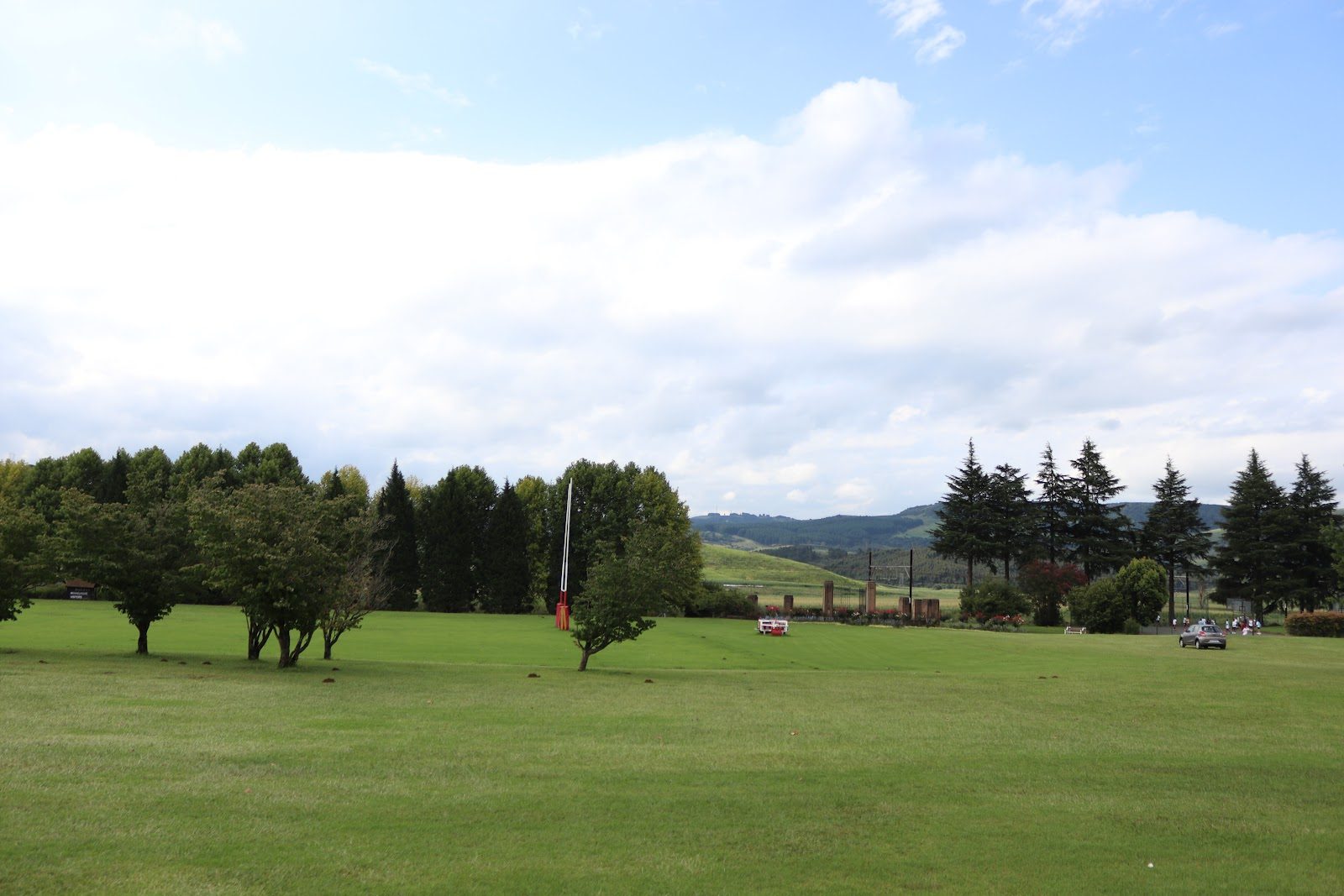
Michaelhouse
Balgowan · South Africa
In South Africa's Midlands, one of the world's few remaining all-boys, all-boarding schools borders a rare mistbelt grassland reserve.
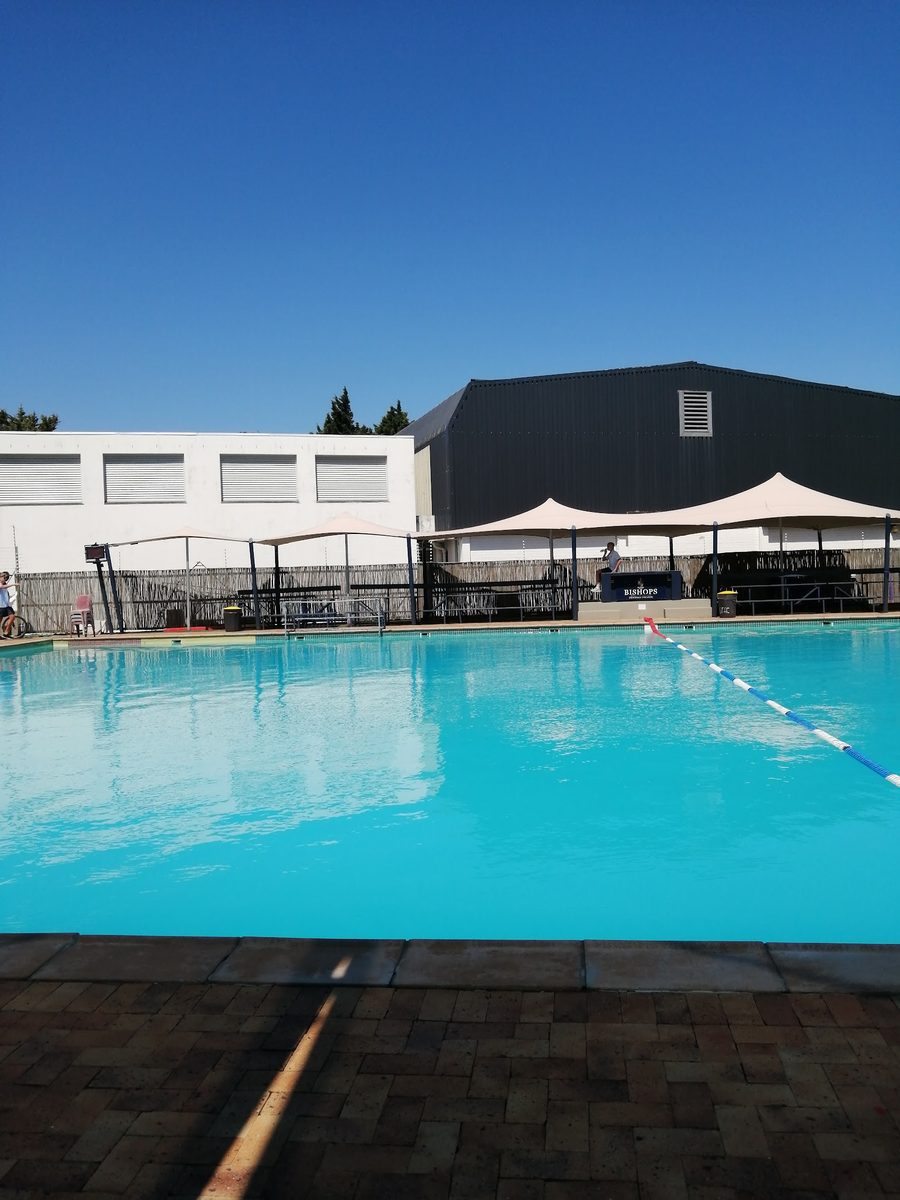
Bishops Diocesan College
Cape Town · South Africa
Founded in 1849 below Table Mountain, home to the oldest rugby field in the southern hemisphere and a storied house system.
Roedean School South Africa
Johannesburg · South Africa
Founded in 1903 by two Cambridge-educated pioneers, this all-girls boarding school still occupies its original Herbert Baker campus in Parktown.
St John's College
Johannesburg · South Africa
Founded twelve years after the Witwatersrand gold rush, this Anglican boarding college blends Herbert Baker quadrangles with a four-house pastoral tradition
Same country and curriculum — closest matches within ±10 points either way