
Île-de-France
Lycée Janson-de-Sailly
high confidence· 6/6 cats · 2.85 avg sourcesA jilted lawyer's bequest built a 16th-arrondissement giant whose prepa classes still funnel thousands into France's grandes ecoles.
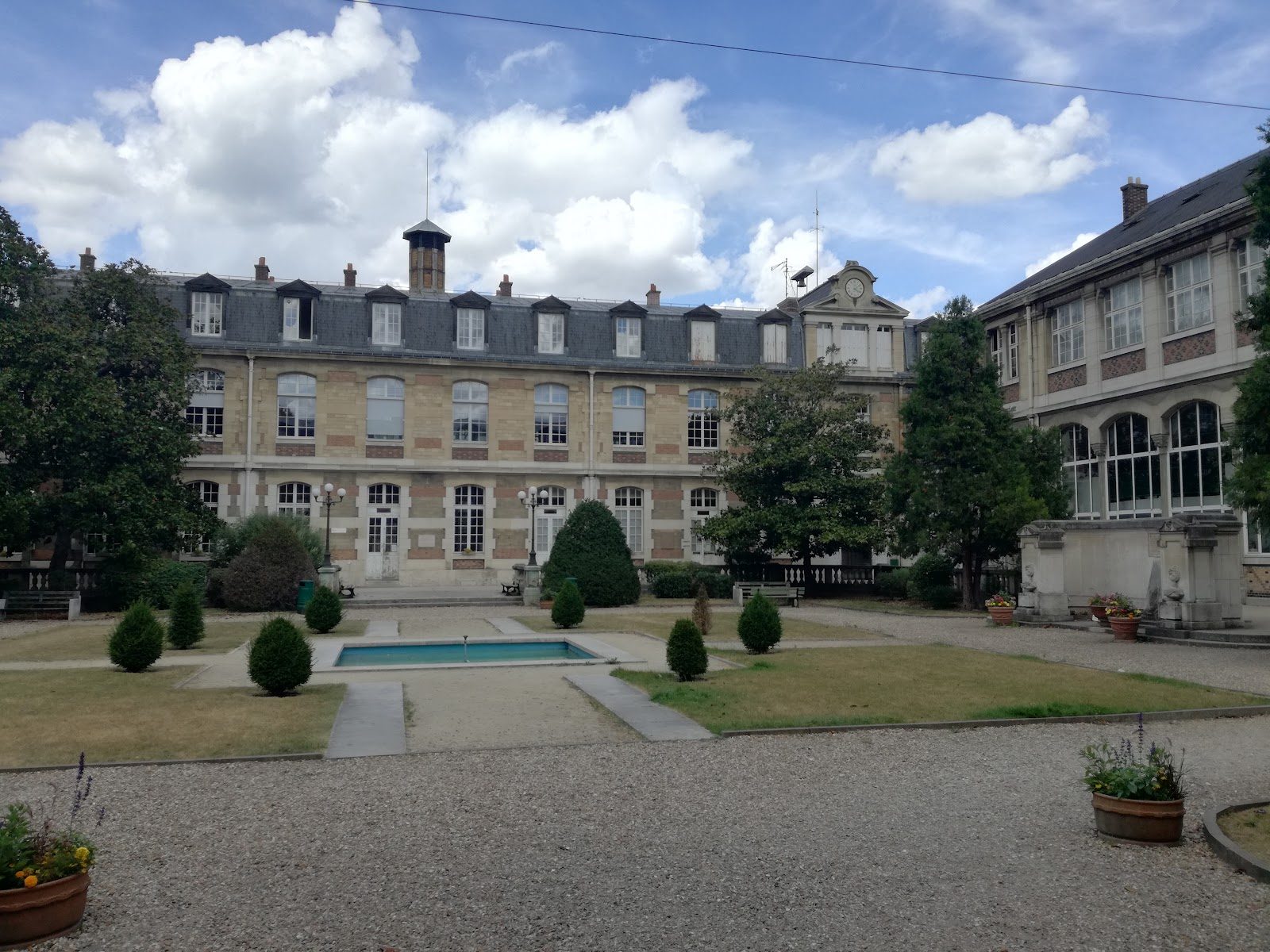
Photo © Negative Frame via Google Maps
Type
Day
Ages
11–20
Curriculum
French Baccalaureate
Ratio
—
The Verdict
Editor's commitment
Right for
Families who want a French Baccalaureate giant: 3,200 pupils, ages 11–20, and a direct pipeline to HEC Paris, Polytechnique and ENS Ulm.
Wrong for
Anyone wanting intimacy, English-medium teaching or international-curriculum flexibility; Janson is French-only, day-only, and built on the French Baccalaureate.
Watch out for
At an average £42,000 a year, this 1881 16th-arrondissement heavyweight trades pastoral cosiness for scale, competition and prepa-driven academic ambition.
Ranking breakdown
Lycée Janson-de-Sailly · #768 of 1591
Composite score 65.6. 8 weighted criteria.
By criterion
Academic Outcomes
Weight 20%
#450
of 1529 scored
University Placement
Weight 16%
#516
of 1529 scored
Prestige & Heritage
Weight 12%
#734
of 1571 scored
Alumni Network
Weight 12%
#518
of 1530 scored
Facilities
Weight 12%
#1382
of 1533 scored
Transparency & Communications
Weight 8%
#1098
of 1532 scored
Peer & Industry Review
Weight 10%
#998
of 1548 scored
Admissions Selectivity & Demand
Weight 8%
#400
of 1529 scored
Score history
Lycée Janson-de-Sailly · 2026
Movement across 2024–2026. Peer average overlaid.
Overall — 2024–2026
65.6/ 100
▲ +17.6 vs 2025
year on year
Peer & Industry Review
How Lycée Janson-de-Sailly is regarded in the sector
92
Top-tier · high confidence
Janson-de-Sailly is consistently cited in French national press (Le Figaro, Le Parisien classement des lycées) as one of the top public lycées in France, particularly for its classes préparatoires feeding into elite Grandes Écoles. Its extensive and well-documented alumni network includes numerous heads of state, Nobel laureates, and prominent intellectuals (e.g., Charles de Gaulle, Georges Pompidou, Marcel Proust references in cultural history), reinforcing its status as a benchmark institution among Parisian public schools. It is routinely referenced alongside Louis-le-Grand and Henri-IV in 'best lycée' rankings and specialist education press covering French secondary education.
Evidence sources
Editors' overview
At Lycée Janson-de-Sailly, scale is part of the point. This 16th-arrondissement state lycée teaches 3,200 students aged 11 to 20, from lower secondary through the hard-edged world of classes préparatoires. That breadth gives it a market position few Paris schools can match: this is not a boutique international campus or a gently curated private school, but a serious French academic machine with a long-established route into the country’s elite higher-education system. Founded in 1881 and teaching in French, it sits squarely inside the French Baccalaureate tradition, with all the intellectual discipline and administrative impersonality that entails.
What puts Janson on a shortlist is not softness, intimacy or glossy facilities. It is throughput, tradition and outcomes at the top end. Recent destinations include École Polytechnique (8), ENS Ulm (6) and HEC Paris (15), which tells parents exactly where this school’s strongest gravitational pull lies: high-achieving students aiming at the grandes écoles pipeline. The alumni record is also enormous. Wikidata alone catalogues 418 notable former pupils, including 107 scientists and scholars, 104 writers and journalists, 91 politicians or statespersons and 74 business and finance figures. That is not a decorative alumni list; it is evidence of a school embedded in the French establishment across several generations.
The trade-off is clear. Janson suits students who thrive in a competitive, exam-led culture, can handle a large institution without hand-holding, and want a direct shot at France’s most selective universities and preparatory tracks. It does not suit families seeking close pastoral wrapping, a bilingual international model, or a school built around individual curation. The published average annual fee of £42,000 also needs treating with caution in market terms: for a French public lycée, that figure does not align neatly with the school’s profile, so the better reading is prestige through academic route rather than fee-driven exclusivity. For the right child — bright, resilient, self-propelled and fully at home in French — Janson remains a formidable Paris option.
Academic Performance
Janson’s academic reputation rests less on glossy headline statistics than on where its strongest students land after school. The available destination data points to a hard-driving, selective culture with real traction at the top end of French higher education: 15 entrants to HEC Paris, 8 to École Polytechnique and 6 to ENS Ulm in the recent cohort cited. Those are not mass-market outcomes. They place the school in the conversation with Paris lycées that feed the grandes écoles through a serious examination pipeline, even if the school does not publish the kind of clean, year-by-year public results tables that make direct comparison easy for parents outside France. That opacity matters. Families can infer strength from destinations; they cannot inspect a full performance dashboard.
Relative to peers, this is not a school trading on broad international university placement or polished Anglo-style disclosure. Its strength sits in the French meritocratic route, and in that lane it is plainly formidable. The large in-house preparatory structure also sharpens its academic identity: high-attaining pupils can stay within one institution as ambitions narrow towards competitive post-school exams. That creates continuity and ambition, but also a pressurised pecking order. For strong Francophone students targeting elite French institutions, Janson operates near the top of the market. For families who want transparent published exam metrics across the whole cohort, it leaves gaps.
Facilities
The defining facility here is not a theatre, pool or design lab. It is scale. Janson runs as a vast academic plant: a single institution carrying pupils from lower secondary through to the high-pressure world of post-school preparatory study, with 3,200 students on site. In Paris terms, that matters. Many peer lycées have strong teaching and long histories, but fewer operate on this footprint or support this breadth of academic stages in one place. For families, that translates into a campus built first for throughput, timetable complexity and subject depth rather than for the curated polish private internationals sell. You get the infrastructure of a major state academic institution, not a boutique school experience.
That brings strengths and limits. A school of this size can sustain serious teaching capacity, specialist classrooms and the administrative machinery needed for a demanding upper-school and preparatory offer. It also carries the institutional heft to function as a self-contained educational city, which distinguishes it from smaller Paris competitors that rely more on intimacy than range. The trade-off is obvious: facilities here serve scholarship before comfort. Parents looking for glossy sports provision, resort-style grounds or a heavily branded performing-arts complex will find stronger physical plant at fee-charging international schools. Parents looking for a hard-working, academically centred environment with the capacity to absorb large numbers and still feed elite ambition will find Janson well equipped for its real job.
For strong Francophone students targeting elite French institutions, Janson operates near the top of the market
Prestige
Janson carries old-regime Paris academic prestige of a very specific kind. This is not luxury prestige, international-brand prestige or social-media prestige. It is establishment prestige built on endurance, scale and the school’s place in the French educational hierarchy. The sheer alumni footprint matters here: 418 notable former pupils catalogued in Wikidata, spread across politics, science, letters, business and the arts, points to an institution woven into national elite formation over generations. That breadth gives the name weight far beyond a single profession or exam cycle. In French terms, “Janson” functions as a recognised signal: demanding schooling, high-ceiling peers and proximity to the republic’s serious intellectual machinery.
The rating stays high because the prestige is earned in substance rather than polish. Recent progression to France’s most selective destinations confirms that the school still converts reputation into outcomes, rather than coasting on nostalgia. Its preparatory classes strengthen that standing further: they place the lycée inside one of the country’s most status-laden academic routes, where reputation is tested by competition, not brochure language. There are limits. This prestige is domestic before it is global, and families chasing Anglo-American name recognition will get less mileage from it than those targeting the French elite track. Even so, within its home market Janson is top-tier, intimidatingly serious and still one of the names that carries automatic respect.
Even so, within its home market Janson is top-tier, intimidatingly serious and still one of the names that carries automatic respect
Communications
Parent communication here follows the logic of the institution itself: formal, centralised and built for a big, impersonal machine. A school operating at the scale of 3,200 students needs standardised channels, clear timetables and firm administrative routines; anything looser collapses under its own weight. That structure has advantages. Families do not need a hand-crafted relationship with every teacher to know that notices, calendars and procedural information matter. In a French state lycée of this size, communication works best when it is functional, document-led and predictable. It works worst when parents expect the high-touch responsiveness of a small private school or the polished customer-service habits of an international operator. Janson’s public-facing profile does not advertise warmth; it advertises seriousness.
That means effectiveness depends on what parents want communication to do. For dates, expectations, academic pathways and institutional rules, a disciplined administrative culture is an asset. It sets terms clearly and keeps the system moving. For nuanced pastoral dialogue, bespoke reassurance or rapid conversational access, the scale cuts the other way. Families need to be comfortable navigating a bureaucratic French school culture in which the institution sets the tone and parents fit into it, not the reverse. There is no sign here of a school built around constant parental hand-holding. For self-sufficient families who value order over charm, that is efficient. For parents seeking close, personal contact, it will feel hard-edged.
Uniqueness
What marks Janson out is the way one institution contains the full arc of French academic selection, from early adolescent schooling to the exam crucible that decides entry into the country’s most coveted higher-education routes. That makes it less a school in the cosy Anglo sense than an educational system in miniature. Pupils do not just study in a place with a strong reputation; they grow up inside a culture where older students are already pushing through the next gate, and where intellectual ambition has public visibility. In a cohort of 3,200, that creates a distinctive social weather: competition is normalised, academic hierarchy is visible, and serious study carries status. For the right student, that is energising. It sets a high bar early and removes any illusion that top outcomes arrive through gentle encouragement alone.
The other point of difference is that Janson’s identity is tied to the French establishment without reducing itself to one narrow tribe. Its former pupils span public life, scholarship, business, literature and the arts, which gives current students a thick sense of institutional continuity rather than a single-track professional myth. Combined with its unapologetically meritocratic route into elite destinations, that breadth tells students two things at once: the standards are exacting, and the possible end points are wider than engineering, finance or the civil service alone. What they get in return for the pressure is access to a serious national network, peers with high academic intent, and a school name that still carries force in the rooms that matter.
In a cohort of 3,200, that creates a distinctive social weather: competition is normalised, academic hierarchy is visible, and serious study carries status
Student Profile
The students who thrive here are not hunting for coddling, social theatre or a gently managed adolescence. They are self-propelled, thick-skinned and academically ambitious enough to tolerate a culture where comparison is unavoidable and standards are public. In a school with 3,200 pupils stretching up into post-school preparatory study, younger students live in sight of older ones working towards the country’s hardest competitive exams. That changes the atmosphere. Intellectual seriousness carries status; drift does not. The best fit is a child who likes strong peers, can absorb pressure without melodrama, and does not need constant adult mediation to stay organised or motivated.
Socially, this is not the right place for every bright child. Large institutions reward independence and punish passivity. Students who need intensive pastoral tending, lots of individual affirmation or a highly personalised learning environment will find Janson hard-edged. Students who are energised by competition, comfortable in a demanding French academic culture and keen to measure themselves against an able cohort will fit far better. The school’s destination record and alumni reach reinforce that identity: this is a place for families who value intellectual capital, institutional reputation and entry into elite French networks over lifestyle extras. For the right student, that is a powerful engine. For the wrong one, it is an unforgiving fit.
It sets a high bar early and removes any illusion that top outcomes arrive through gentle encouragement alone
Co-curricular strengths
Arts & sport, on a separate axis
Overall 7.48/10
Scored 0-10 from the school's own published evidence. This axis is editorial-only — it does not feed the main WTS ranking.
Sports
8.5/10
The extracurriculars explicitly list multiple sports—football, basketball, handball, volleyball, swimming, athletics and tennis—showing a solid multi-sport offering.
Drama
7.2/10
Theatre as an extracurricular, and verified alumni include two star-tier drama laureates—BAFTA-winning actor Philippe Noiret and Academy Award winner Preston Sturges—which anchors drama at a notable-pedigree level.
Dance
6/10
Music
8.2/10
Choir is offered, which is direct but minimal evidence of a music programme with no further detail on ensembles, facilities or staff.
Visual Arts
7.5/10
Editor first-pass · editor-reviewable · 7/28/2026
Outcomes & destinations
Where students go next
300 graduates
Top destinations
162 placements
- École Polytechnique· 8
- ENS Ulm· 6
- HEC Paris· 15
- ESSEC Business School· 12
- ESCP Business School· 10
- École Centrale Paris· 8
- Sciences Po· 22
- Sorbonne University· 35
- Université Paris-Saclay· 20
- Université PSL· 15
- Cambridge· 4
- Oxford· 3
- LSE· 4
Reported by the school. Confirm with admissions.
Notable alumni · Wikidata
418notable alumni
251 historic (born pre-1930) · 26 modern (born post-1970)wikidata:2026-07-28 How we source this
Strengths
- +16th arrondissement Paris location suits central-city families
- +Public day lycée avoids boarding commitment
- +French Baccalaureate offers clear national pathway
- +Large 3,200-student institution offers broad peer group
Considerations
- −French-only instruction limits non-Francophone entrants
- −Public lycée offers no religious ethos
- −Large 3,200-student scale may feel impersonal
Availability
Primary entry gate & tests
District Residency Required
Gallery
Photo © Arnaud via Google Maps
Photo © Benjamin Sawabi via Google Maps
Photo © Anatole H via Google Maps
Photo © Benjamin Sawabi via Google Maps
Photo © Benjamin Sawabi via Google Maps
Parent reviews
Have you sent your child here?
Voice reviews carry the strongest trust badge — we transcribe them for you to tidy up before they go live. Prefer to type? A written review is fine too.
Add your voice
In 60 seconds, tell other parents: what's the best thing about Lycée Janson-de-Sailly, and what surprised you when your child joined?
We ask for a Google sign-in so every review has a real face behind it — no anonymous drive-by attacks on schools, and no faked positive reviews. Your email is never shown publicly.
Send this profile to a friend
International parents rely on word-of-mouth. Share this review with someone weighing the same decision.
Schools with places
Similar schools to Lycée Janson-de-Sailly with places available now.
École Alsacienne
Paris · France
- 2026-27
- CLOSEDStandard route
- 2027-28
- OPENS SOONOpens Sept/Oct '26
The British School of Paris
Paris · France
- 2026-27
- WAITPOOLSpace-dependent
- 2027-28
- PLACES OPENRolling
École Saint-Louis de Gonzague
Paris · France
- 2026-27
- CLOSEDStandard route
- 2027-28
- OPENS SOONOpens Oct/Nov '26
École Jeannine Manuel
Paris · France
- 2026-27
- CLOSEDStandard route
- 2027-28
- OPENS SOONOpens Oct '26
Availability first, then country, area, curriculum, price, co-curricular
Consider also
Also worth looking at alongside Lycée Janson-de-Sailly.
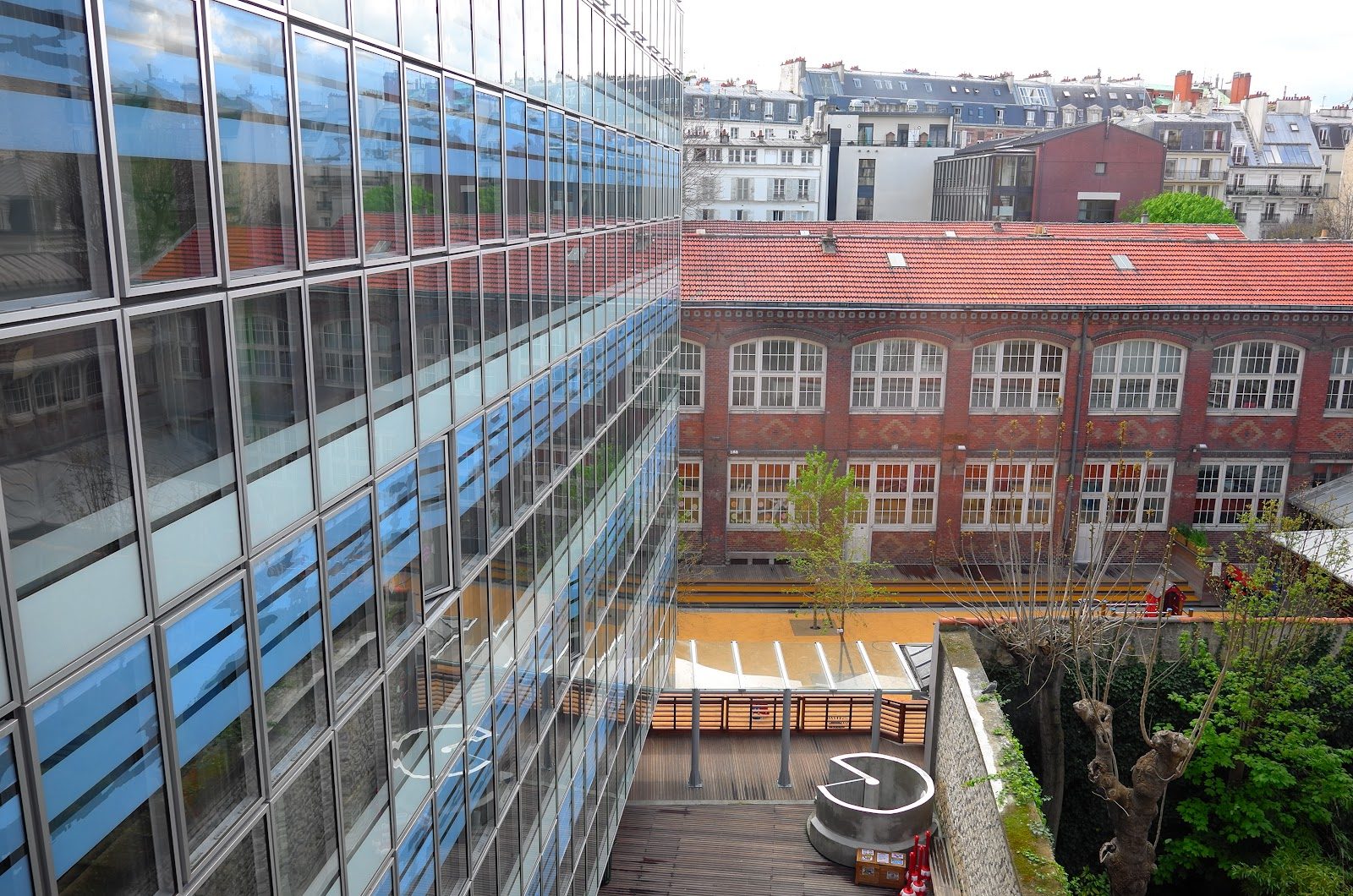
École Alsacienne
Paris · France
Founded by Alsatian refugees in 1874, a Left Bank laboratory for secular, progressive pedagogy that shaped France's republican school system.
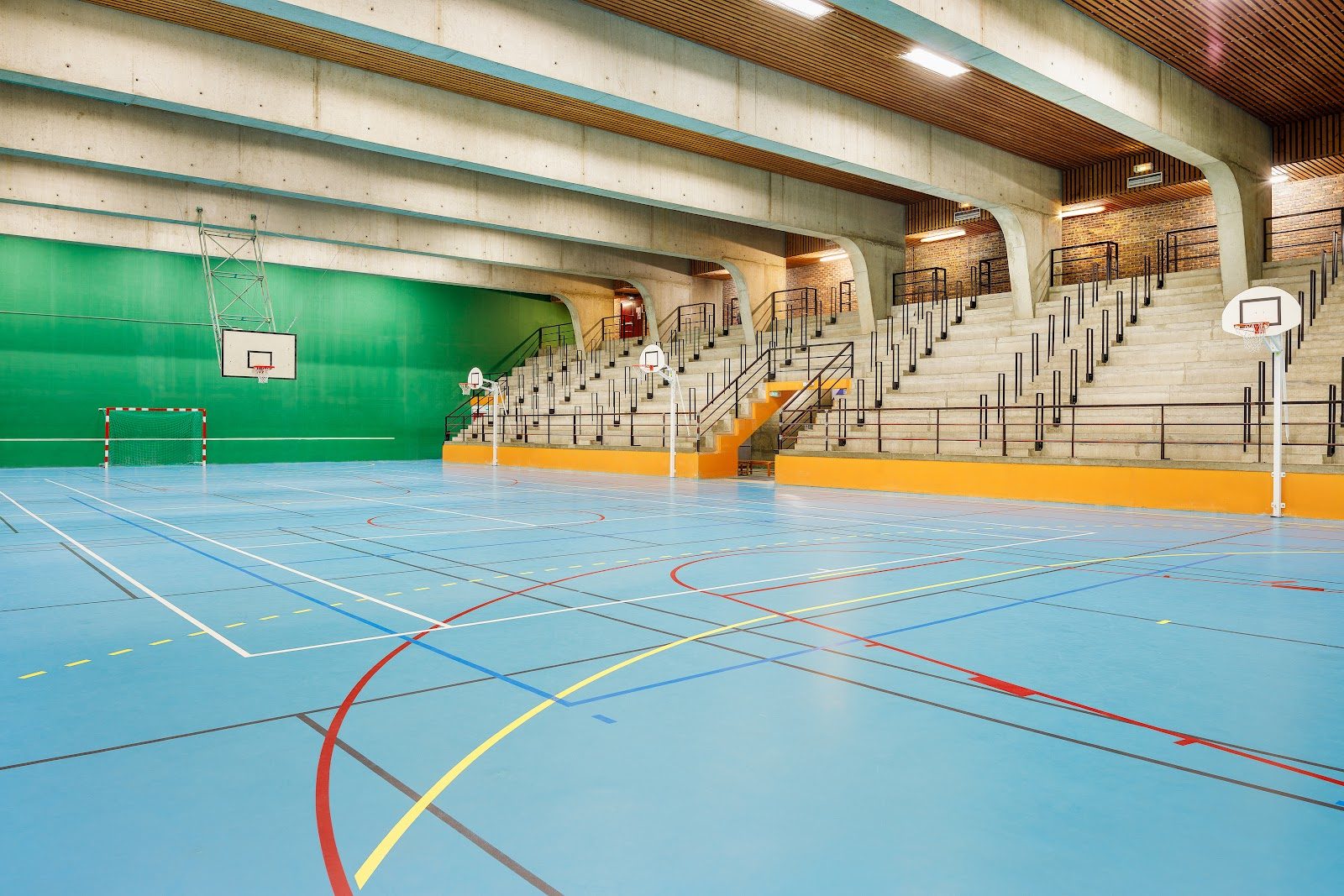
Collège Stanislas de Paris
Paris · France
In Montparnasse since 1804, this Catholic day school channels rigorous bac prep straight into France's grandes ecoles pipeline.
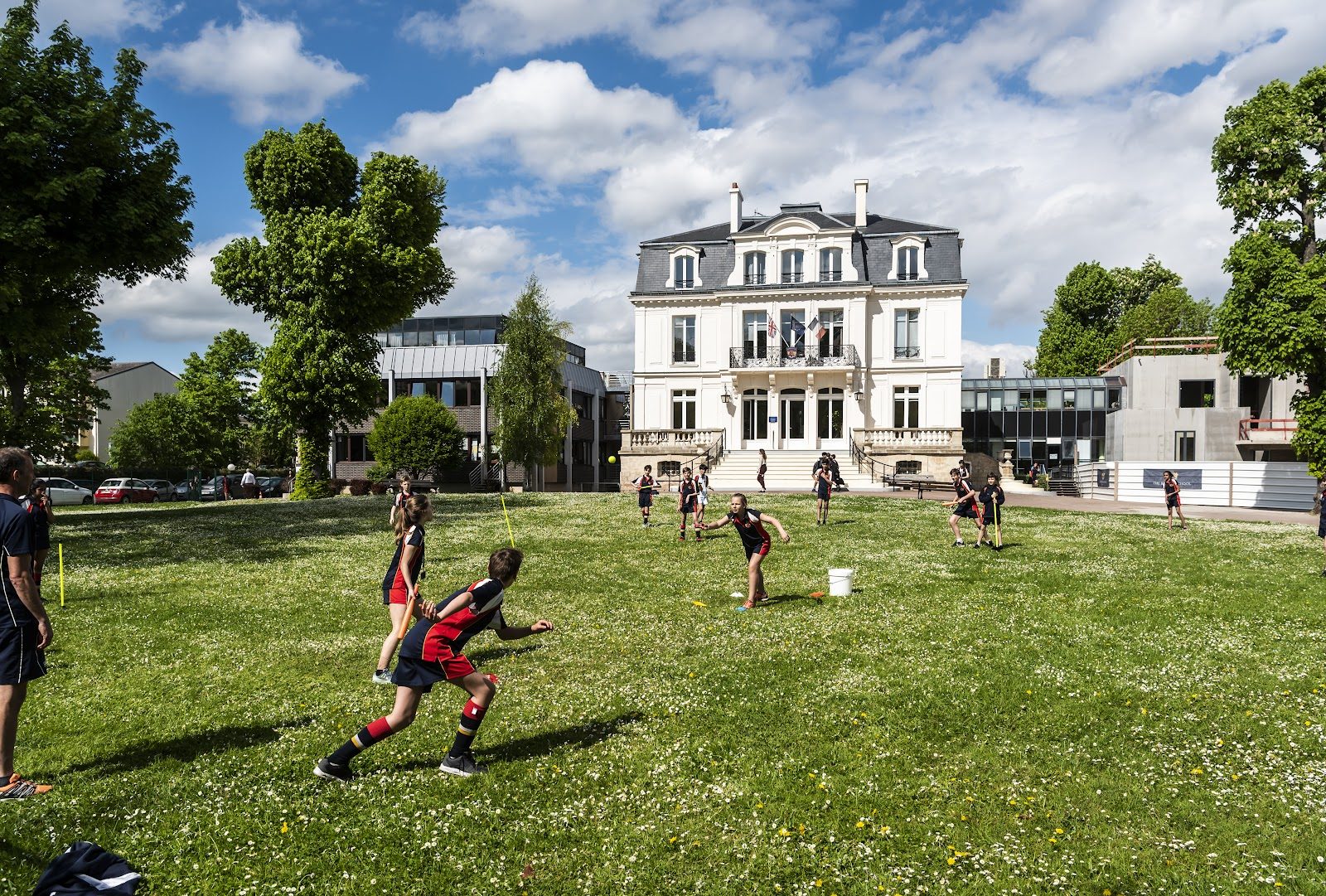
The British School of Paris
Paris · France
The only UK-government-accredited British School Overseas in France, pairing A-Levels and IB on the Seine west of Paris
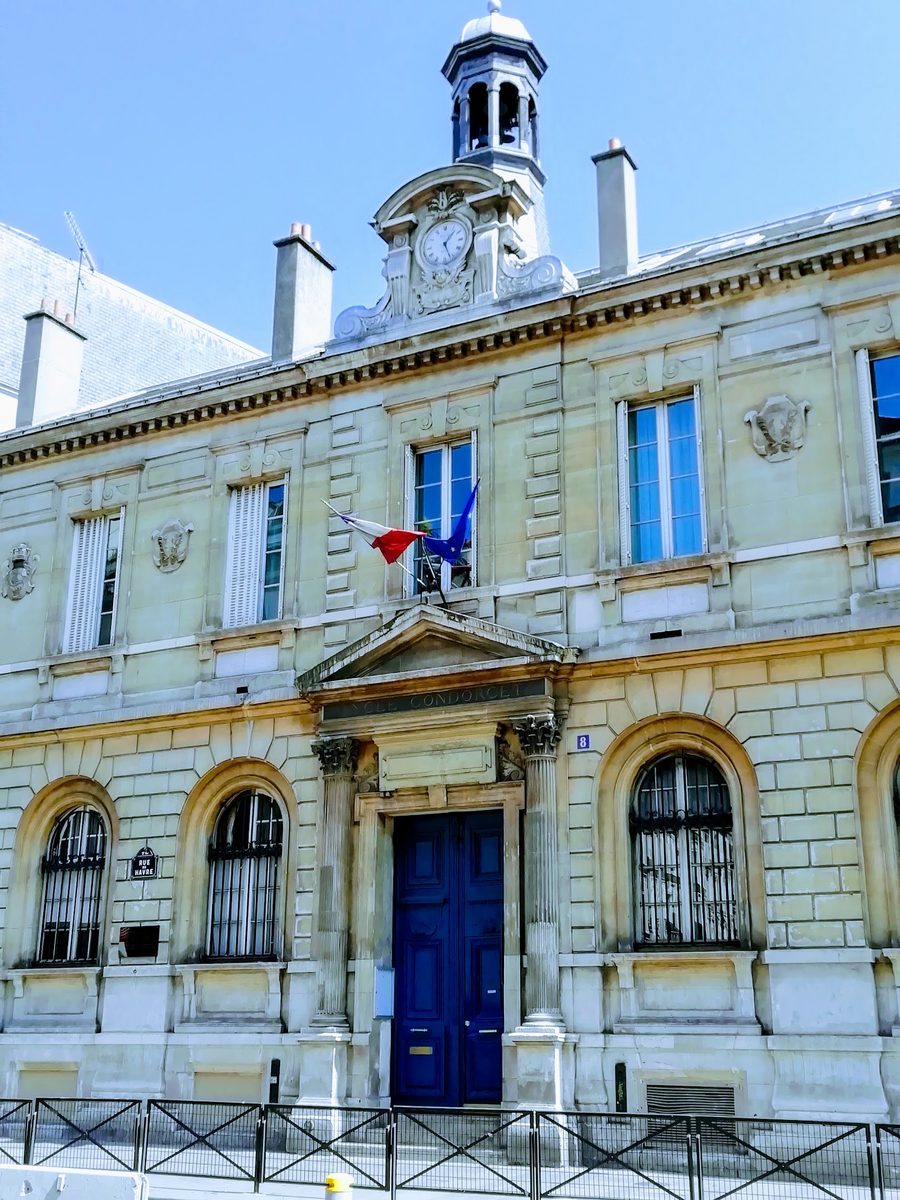
Lycée Condorcet
Paris · France
Housed in a former Capuchin cloister near Saint-Lazare, this boarding-free lycee still funnels day students into France's elite prep classes.
Same country and curriculum — closest matches within ±10 points either way