
Île-de-France
Housed in a former Capuchin cloister near Saint-Lazare, this boarding-free lycee still funnels day students into France's elite prep classes.
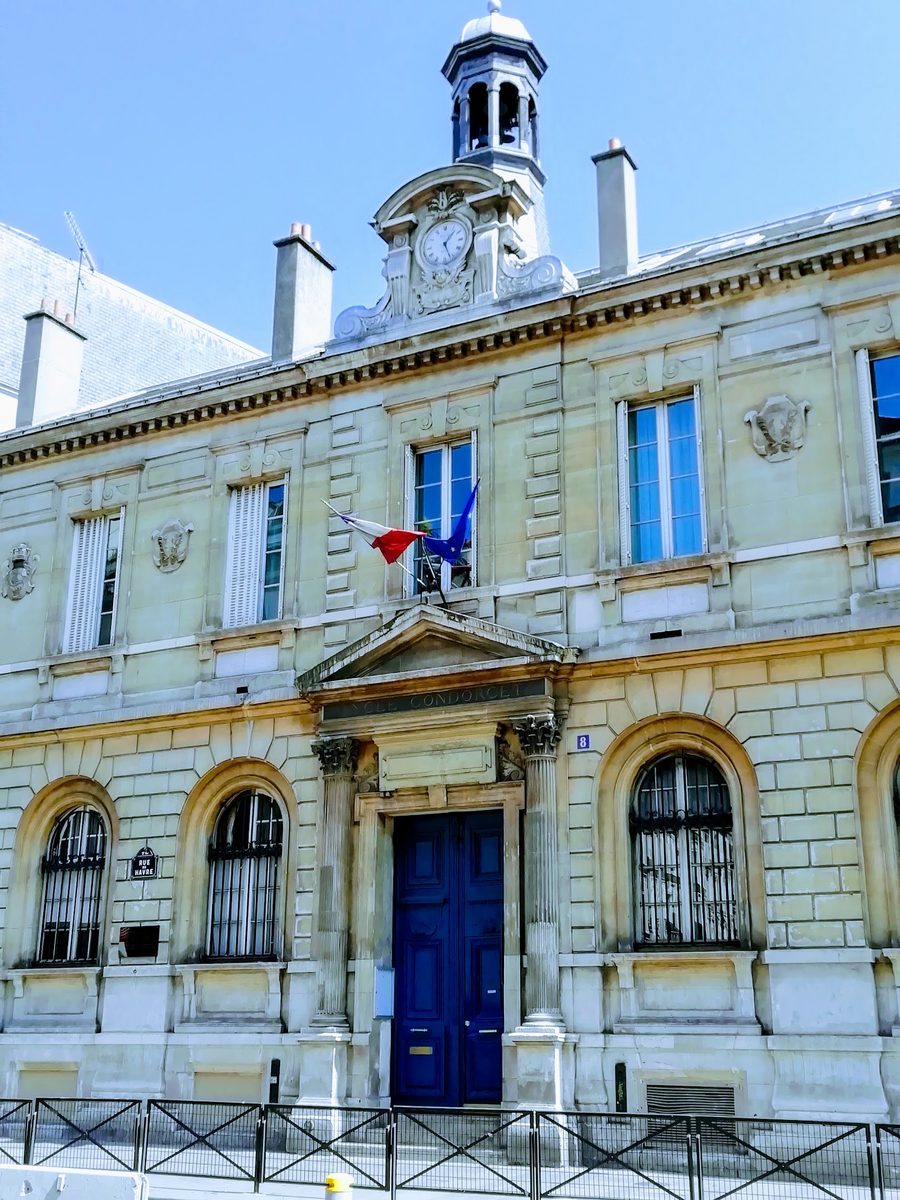
Photo © Nodari Ivaniashvili via Google Maps
Type
Day
Ages
15–18
Curriculum
French Baccalaureate
Ratio
—
The Verdict
Editor's commitment
Right for
French-fluent families in or near central Paris's 9th arrondissement who want a historic, tuition-free public lycee with strong bac results and, for older students, a serious shot at elite CPGE preparatory classes.
Wrong for
Newly arrived expat families needing English-medium, IB, or bilingual instruction, or those outside the school's residential catchment hoping for straightforward lateral entry.
Watch out for
Because it is a French public school, admission to the main lycee is largely dictated by catchment-area residence rather than an open international application process, so families should confirm zoning eligibility before assuming a place is available.
Ranking breakdown
Lycée Condorcet · #951 of 1591
Composite score 62.9. 8 weighted criteria.
By criterion
Academic Outcomes
Weight 20%
#261
of 1529 scored
University Placement
Weight 16%
#305
of 1529 scored
Prestige & Heritage
Weight 12%
#608
of 1571 scored
Alumni Network
Weight 12%
#1441
of 1530 scored
Facilities
Weight 12%
#1004
of 1533 scored
Transparency & Communications
Weight 8%
#821
of 1532 scored
Peer & Industry Review
Weight 10%
#645
of 1548 scored
Admissions Selectivity & Demand
Weight 8%
#334
of 1529 scored
Score history
Lycée Condorcet · 2026
Movement across 2024–2026. Peer average overlaid.
Overall — 2024–2026
62.9/ 100
▲ +20.2 vs 2025
year on year
Peer & Industry Review
How Lycée Condorcet is regarded in the sector
92
Top-tier · high confidence
Lycée Condorcet is one of the historic, most prestigious public lycées in Paris, consistently ranked among France's top schools by Le Figaro and L'Etudiant lycée rankings based on baccalauréat pass rates and 'valeur ajoutée'. Its extensive and widely documented alumni network includes major literary, scientific, and political figures (e.g., Proust, Verlaine associations with the school's predecessor institutions), which is frequently referenced in French education and cultural press. It is routinely cited alongside Louis-le-Grand and Henri-IV as part of the elite tier of Parisian public lycées in national media coverage of secondary education.
Evidence sources
- Marcel Proust — Novelist, Literature
- Paul Verlaine — Poet, Literature
- Henri Bergson — Philosopher, Academia
Editors' overview
Lycée Condorcet occupies a distinctive place in the Paris market because it is not trying to be many things at once. This is a historic, non-religious day lycée in the 9th arrondissement, founded in 1803, and focused squarely on the French Baccalaureate in French. For families who want immersion in the French state academic tradition rather than an international-school hybrid, that clarity matters. Its appeal is partly institutional age and partly location: one of the four oldest high schools in Paris, at 8 rue du Havre, with the cultural weight that comes from two centuries of intellectual life. That gives it a certain serious academic atmosphere and old-Paris gravitas that newer schools cannot replicate.
What is special here is less about facilities or broad curricular choice — neither is the point in the material available — and more about pedigree, continuity and the kind of student body such a school tends to attract. Lycée Condorcet has educated figures including Marcel Proust, Paul Verlaine, Francis Poulenc, Claude Lévi-Strauss and Henri Bergson; that does not guarantee anything for current pupils, but it does signal a long association with French intellectual and cultural life. In market terms, it sits as a high-prestige local lycée rather than a globally packaged international brand. Parents should shortlist it if they value deep French academic immersion, a central Paris setting, and a school identity shaped by scholarship rather than marketing language.
The right student for Lycée Condorcet is likely to be academically capable, comfortable working in French, and motivated by a traditional lycée environment. This is for teenagers who do not need hand-holding or an overtly pastoral sales pitch, and who may thrive on institutional seriousness and high cultural expectations. It is less obviously suited to families seeking multiple curriculum pathways, bilingual delivery, or a deliberately internationalised school culture. In short: if you want a Paris lycée with history, intellectual cachet and a clear French Baccalaureate focus for ages 15–18, Lycée Condorcet earns its place on a serious shortlist.
Academic Performance
Lycée Condorcet is a historic Paris day lycée teaching in French and focused on the French Baccalaureate, but the evidence provided here does not include current bac pass rates, mention-level distribution, or ministry value-added indicators. That matters: for a French public lycée, external examination performance is usually judged less by raw pass rates than by how many pupils secure the baccalauréat, how many do so with honours, and whether the school performs above expectations for its intake. On the information available, Condorcet’s academic standing is best inferred indirectly from its long-established reputation, its status as one of the oldest and most established Paris lycées, and from the intellectual calibre of former pupils rather than from verified contemporary outcomes. Founded in 1803, it is one of the four oldest high schools in Paris.
Relative to peers, that places Lycée Condorcet in the category of historically serious, academically reputed Paris institutions rather than in the realm of aggressively data-publicising private schools. But without verified examination statistics, any stronger claim would be guesswork. Parents should therefore treat it as a credible academic option with clear cultural weight, but ask directly for recent French Baccalaureate results, distinctions and progression data before drawing conclusions about present-day performance against other selective Paris lycées. The school’s prestige is real enough; its measurable exam edge, on the sources supplied, is unproven.
Facilities
Lycée Condorcet’s most important asset is not a sprawling campus but its address and institutional fabric: a long-established academic lycée at 8, rue du Havre in Paris’s 9th arrondissement, founded in 1803 and operating as a day school for older pupils preparing for the French Baccalaureate. For families expecting the sports grounds, boarding houses or purpose-built arts blocks often advertised by larger international schools, this is a different proposition. The appeal is urban rather than expansive, historic rather than purpose-built, and decidedly academic in emphasis. In Paris terms, that central location is practical and culturally rich; in facilities terms, it usually means less physical breadth than one finds at suburban campuses with extensive outdoor space.
Benchmarked against peer schools serving the same age group, Condorcet’s facilities matter chiefly insofar as they support a serious French secondary education in a historic setting. What stands out is the school’s place among the four oldest high schools in Paris, which signals institutional weight more than modern infrastructure. Parents should assume a more traditional physical environment and less campus-style amenity than at newer, better-resourced international schools designed around theatres, athletic complexes and dedicated sixth-form centres. That is not necessarily a weakness: for students who want a clear, no-frills route through the French system, the school’s setting and legacy may count for more than glossy buildings. What is not clear from the available source material is the detail of specialist facilities such as laboratories, sports provision, libraries or arts spaces.
Lycée Condorcet occupies a distinctive place in the Paris market because it is not trying to be many things at once
Prestige
Lycée Condorcet carries serious historic weight within the Paris state system. Founded in 1803, it is not simply old but one of the four oldest high schools in Paris, a fact that still matters in a city where educational hierarchies are deeply sedimented. Its address in the 9th arrondissement and its long association with the French intellectual establishment give it a level of recognition that extends well beyond ordinary public-sector respectability. This is a school whose prestige rests less on glossy international branding than on institutional longevity, Parisian academic cachet and a clear, undiluted commitment to the French Baccalaureate in French.
That said, prestige here should be understood in specifically French terms. For families seeking broad curricular choice, bilingual delivery or an explicitly international profile, Lycée Condorcet is not that sort of school. Its standing comes instead from the density of its cultural and intellectual associations: former pupils include Marcel Proust, Claude Lévi-Strauss, Paul Verlaine, Francis Poulenc and Henri Bergson. That is an exceptionally distinguished roll call, and it reinforces the sense of a lycée embedded in France’s elite academic tradition. We rate its prestige highly because it combines rarity of history, a formidable alumni legacy and the enduring status of a prominent Paris lycée, though its prestige is specialised rather than universal—strongest for families who value the French national pathway above all else.
The right student for Lycée Condorcet is likely to be academically capable, comfortable working in French, and motivated by a traditional lycée environment
Communications
As a historic Paris day lycée serving ages 15–18, Lycée Condorcet operates in a context where parent communication is likely to be functional rather than expansive. The verified facts tell us it is a non-religious French-language school at 8 rue du Havre in the 9th arrondissement, founded in 1803, and focused on the French Baccalaureate. What we cannot verify from the material provided is the actual machinery of communication: no parent portal, newsletter structure, reporting cycle, or published home-school policy appears in the source extract. That absence matters. For international families especially, a school’s communications culture is easiest to judge through the visibility of practical information; here, the publicly available picture is not especially transparent.
That said, the school’s identity is very clearly defined: an established academic lycée with a long institutional memory and no obvious attempt to present itself as a broad international offering. In practice, that usually means communications are geared first to families already comfortable with the French state-school model and with French as the working language. For such parents, the experience may prove perfectly adequate and administratively conventional. For outsiders, however, it may feel hard to access from a distance and *less parent-facing than international schools typically are*. On the evidence available, effectiveness therefore looks mixed: probably sufficient for local families who know the system, but not demonstrably strong in openness or accessibility.
Uniqueness
What distinguishes Lycée Condorcet is not programme variety or international branding, but lineage and setting. Founded in 1803, it is among the four oldest high schools in Paris, and it sits at 8, rue du Havre in the 9th arrondissement: a central urban location that places students inside the intellectual and cultural machinery of the capital rather than apart from it. For families seeking a school firmly rooted in the French system, that matters. This is a day lycée, non-religious, teaching in French, and focused squarely on the French Baccalaureate. The effect is clarity of purpose: older pupils are not distracted by a sprawling all-through structure or a menu of competing curricula.
Its distinctiveness also lies in the kind of tradition it represents. Condorcet is repeatedly described as one of Paris’s most prestigious lycées, but the more useful point is what that prestige consists of: historical seriousness, academic continuity and a long association with major French intellectual and cultural figures, from Marcel Proust and Paul Verlaine to Claude Lévi-Strauss and Francis Poulenc. That does not automatically guarantee a better education, and parents should resist romanticising old names. Still, for students, such an environment can bring a strong sense of scholarly inheritance and a high-expectation atmosphere in which the French Baccalaureate is treated as the main event, not a fallback.
Lycée Condorcet carries serious historic weight within the Paris state system
Student Profile
Lycée Condorcet will suit pupils who want a straightforwardly academic sixth-form experience in central Paris, with little distraction from the core business of preparing for the French Baccalaureate. This is a day school for ages 15–18, taught in French, so it is best matched to teenagers already able to work confidently in that language and ready for a system that assumes cultural and linguistic fluency rather than easing students in gently. Families looking for broad international pathways, extensive hand-holding or a more pastoral, campus-style environment should look elsewhere. The attraction here is intellectual seriousness, a clear national curriculum and the pull of a school founded in 1803, one of the four oldest high schools in Paris.
The likely fit is a student who is self-directed, academically resilient and comfortable in a setting with a long institutional memory. There is prestige here, certainly, but the useful question is whether a child will make practical use of it. Pupils who value tradition, can tolerate a degree of formality and are motivated by strong peers may thrive in an atmosphere that is historic rather than cosy and demanding rather than expansive. It is less obviously suited to those needing a highly personalised framework or a school identity built around extracurricular breadth. In short: a good match for able francophone students who want a classic Paris lycée and are content for the French Baccalaureate to sit at the centre of school life.
For families seeking broad curricular choice, bilingual delivery or an explicitly international profile, Lycée Condorcet is not that sort of school
Co-curricular strengths
Arts & sport, on a separate axis
Overall 5.6/10
Scored 0-10 from the school's own published evidence. This axis is editorial-only — it does not feed the main WTS ranking.
Sports
7/10
A Sports association, and verified alumnus Marcel Jacques Boulenger won an Olympic bronze medal, which anchors sports at at least 7.
Drama
3/10
Drama is explicitly present via the listed Theatre club.
Dance
7/10
Music
4/10
Both Choir and Orchestra, indicating more than a bare mention through multiple named music ensembles, but gives no facility, specialist staff or award evidence.
Visual Arts
7/10
Art workshops, and verified alumnus Daniel Buren is a Praemium Imperiale laureate, which anchors visual arts at at least 7.
Editor-verified · 8/5/2026
Strengths
- +Founded in 1803, it is one of the four oldest secondary schools in Paris and carries a long-standing academic reputation.
- +Alumni include figures such as Henri Bergson, Claude Levi-Strauss, Marcel Proust, Francis Poulenc and Paul Verlaine.
- +As a French state lycee it charges no tuition fees, giving families access to a historic Parisian institution without private-school costs.
- +Recent baccalaureat results were strong, with 99% of the 2025 cohort passing and 87% obtaining a mention.
- +Houses selective post-bac classes preparatoires (hypokhagne/khagne and Maths Sup/Spe tracks) preparing students for entry to France's grandes ecoles.
Considerations
- −No international or bilingual section is listed for the school, so instruction is entirely in French with no dedicated track for non-French-speaking arrivals.
- −The lycee has never operated as a boarding school, so out-of-area or relocating families must arrange their own local housing and daily logistics.
- −Entry to the general lycee is governed by the standard French catchment-area (carte scolaire) system, which can limit access for families moving into Paris from outside the zone.
- −The post-bac preparatory classes are described as 'very selective' on Parcoursup, meaning places are competitive and dossier-based rather than guaranteed.
Availability
Primary entry gate & tests
Affelnet / Academic Dossier
Gallery
Photo © Aimée Chatelard via Google Maps
Photo © Aimée Chatelard via Google Maps
Photo © Aimée Chatelard via Google Maps
Photo © Aimée Chatelard via Google Maps
Photo © Aimée Chatelard via Google Maps
Parent reviews
Have you sent your child here?
Voice reviews carry the strongest trust badge — we transcribe them for you to tidy up before they go live. Prefer to type? A written review is fine too.
Add your voice
In 60 seconds, tell other parents: what's the best thing about Lycée Condorcet, and what surprised you when your child joined?
We ask for a Google sign-in so every review has a real face behind it — no anonymous drive-by attacks on schools, and no faked positive reviews. Your email is never shown publicly.
Send this profile to a friend
International parents rely on word-of-mouth. Share this review with someone weighing the same decision.
Schools with places
Similar schools to Lycée Condorcet with places available now.
École Alsacienne
Paris · France
- 2026-27
- CLOSEDStandard route
- 2027-28
- OPENS SOONOpens Sept/Oct '26
The British School of Paris
Paris · France
- 2026-27
- WAITPOOLSpace-dependent
- 2027-28
- PLACES OPENRolling
École Saint-Louis de Gonzague
Paris · France
- 2026-27
- CLOSEDStandard route
- 2027-28
- OPENS SOONOpens Oct/Nov '26
École Jeannine Manuel
Paris · France
- 2026-27
- CLOSEDStandard route
- 2027-28
- OPENS SOONOpens Oct '26
Availability first, then country, area, curriculum, price, co-curricular
Consider also
Also worth looking at alongside Lycée Condorcet.
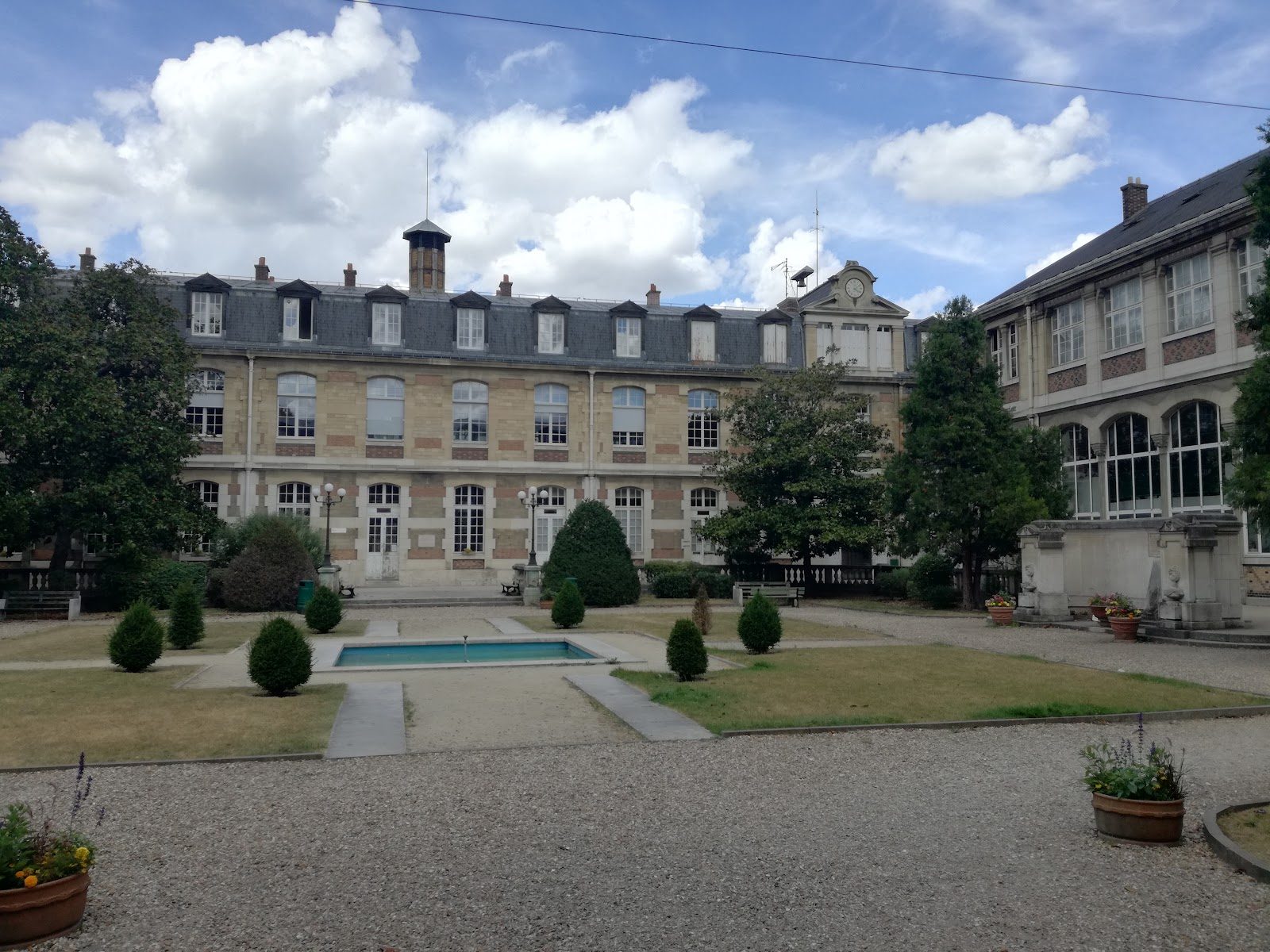
Lycée Janson-de-Sailly
Paris · France
A jilted lawyer's bequest built a 16th-arrondissement giant whose prepa classes still funnel thousands into France's grandes ecoles.
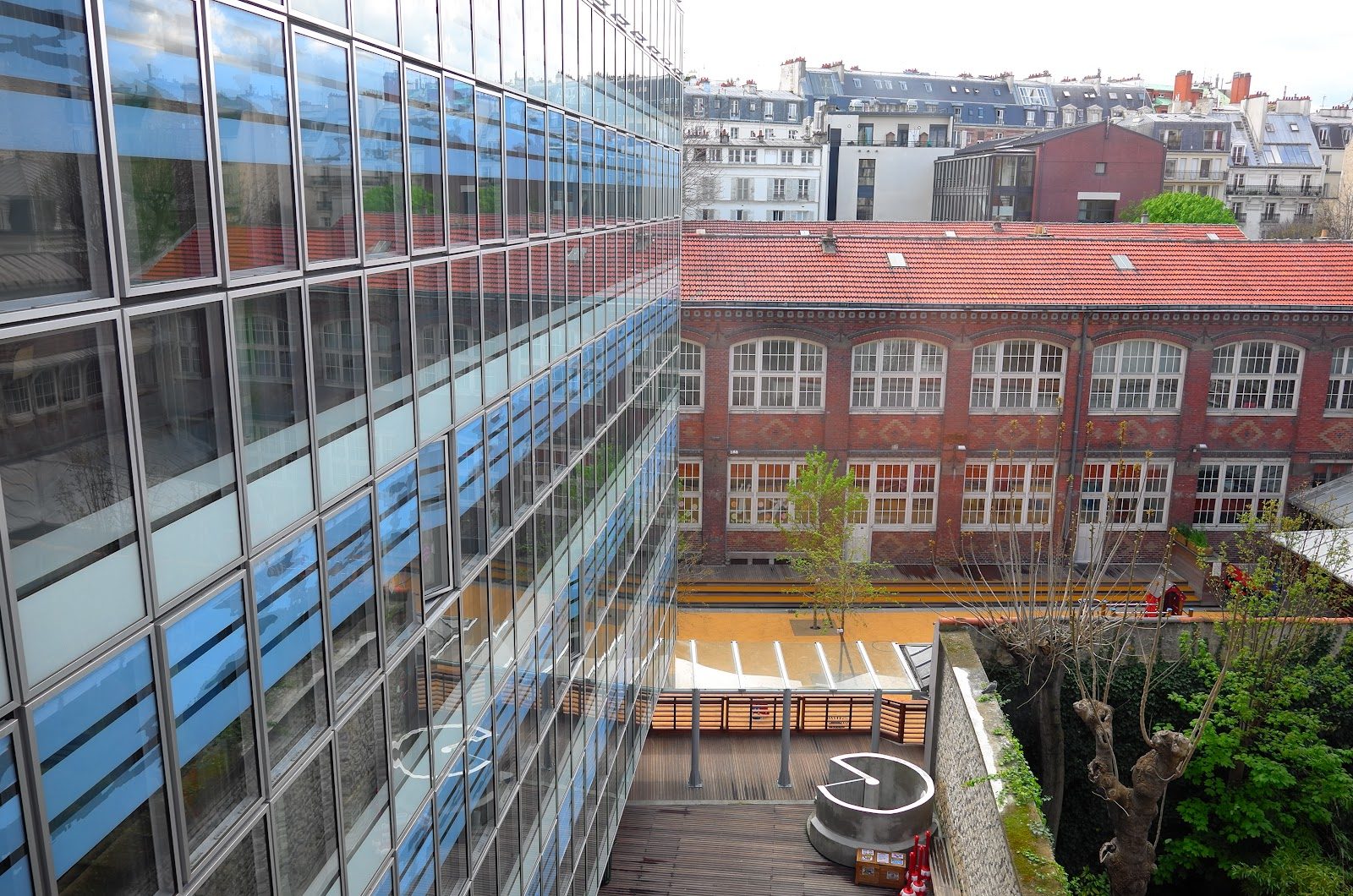
École Alsacienne
Paris · France
Founded by Alsatian refugees in 1874, a Left Bank laboratory for secular, progressive pedagogy that shaped France's republican school system.
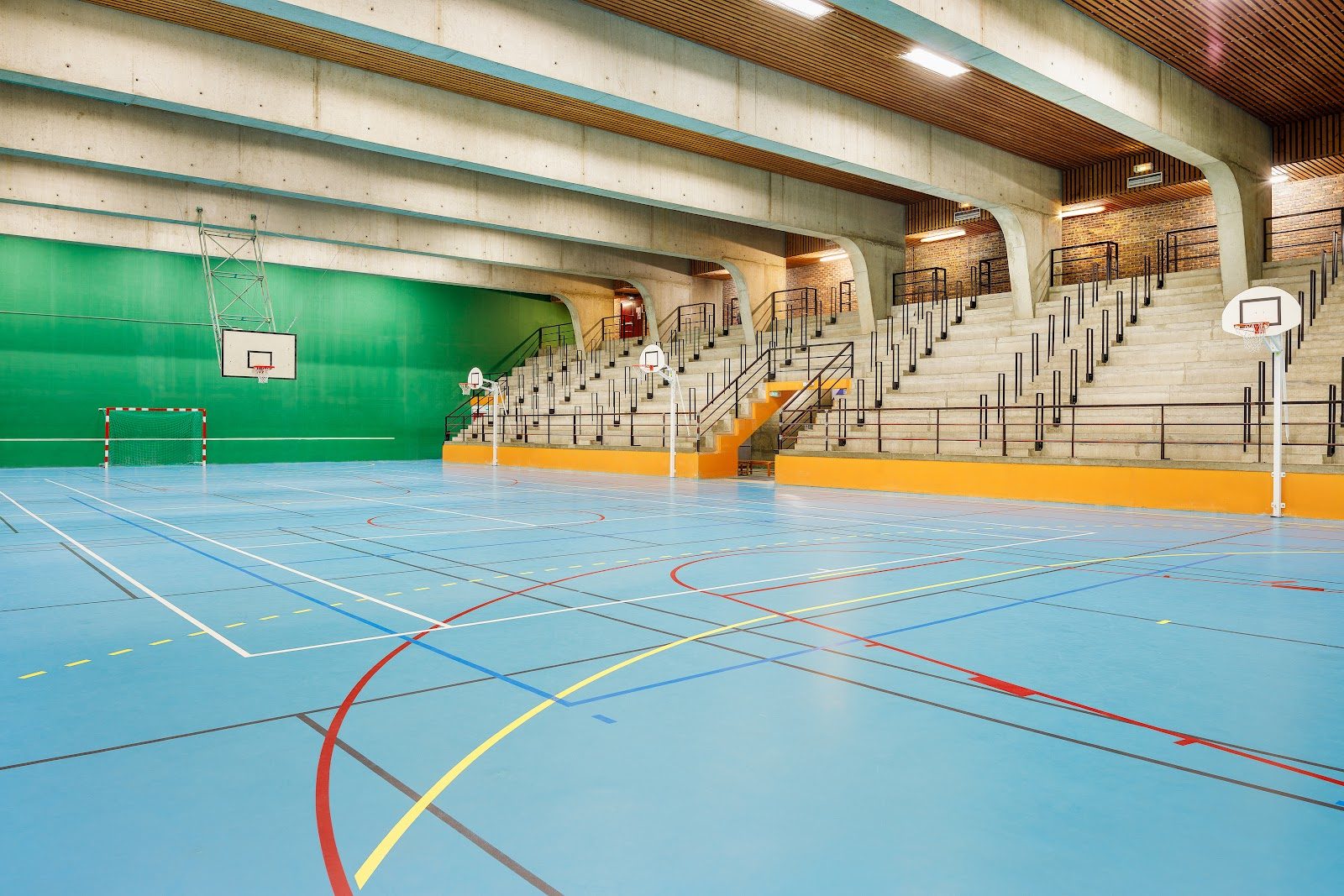
Collège Stanislas de Paris
Paris · France
In Montparnasse since 1804, this Catholic day school channels rigorous bac prep straight into France's grandes ecoles pipeline.
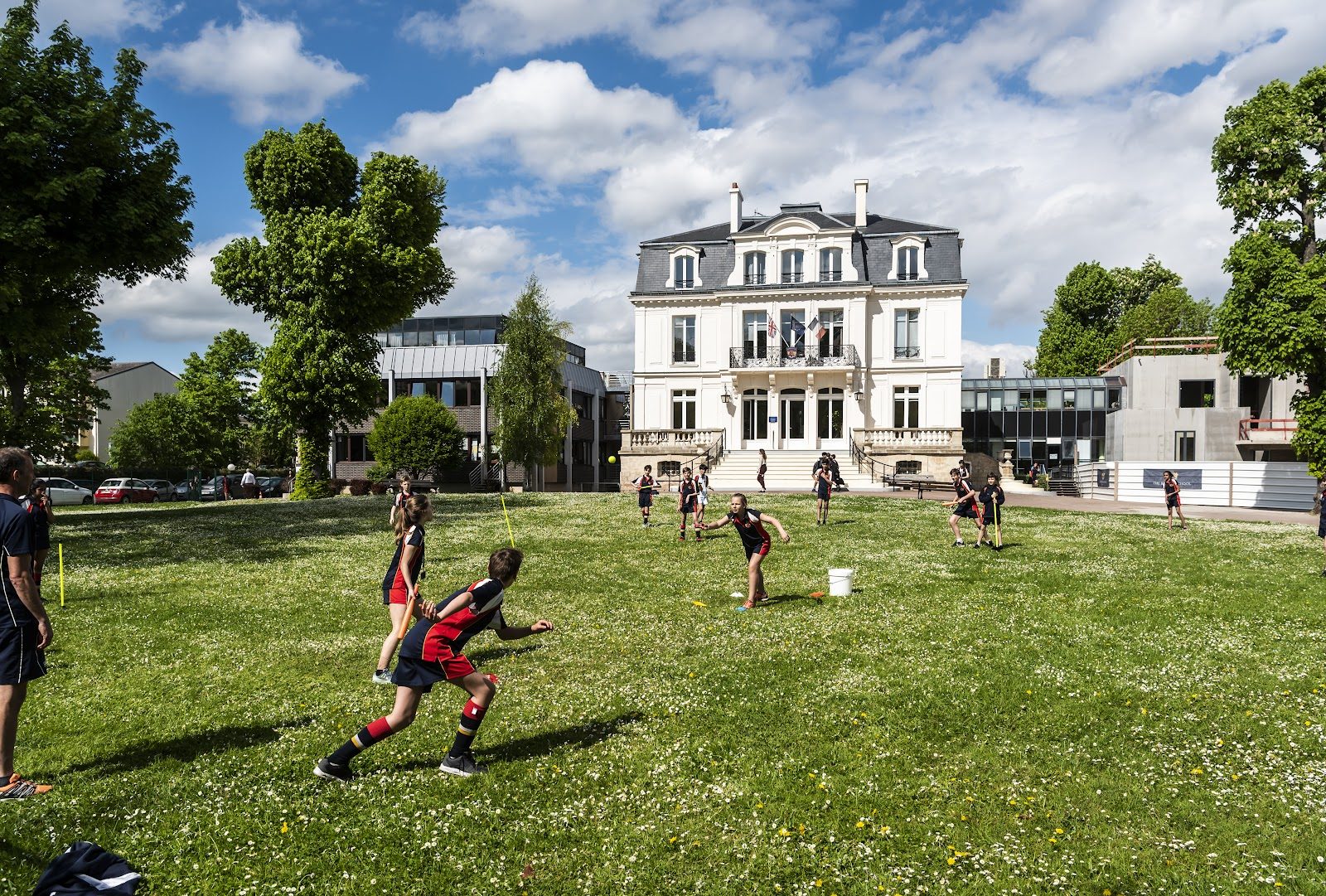
The British School of Paris
Paris · France
The only UK-government-accredited British School Overseas in France, pairing A-Levels and IB on the Seine west of Paris
Same country and curriculum — closest matches within ±10 points either way