
Madrid
Spain's first British school, established 1967 in La Moraleja, with houses named for Locke, Newton and Austen.
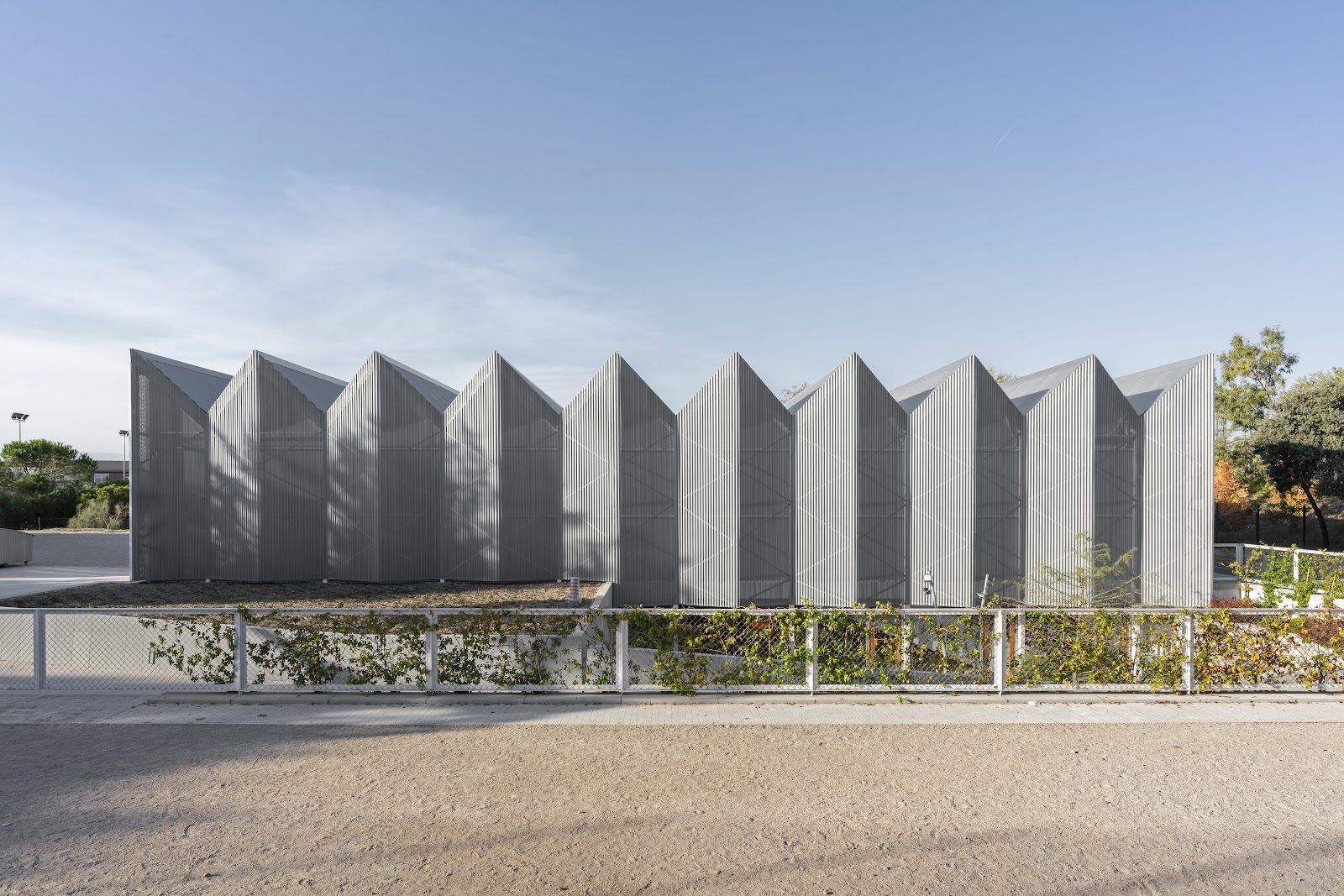
Photo © Runnymede College via Google Maps
Type
Day
Ages
3–18
Curriculum
British
Qualifications
A-Level · IGCSE
Ratio
—
The Verdict
Editor's commitment
Right for
Families wanting British schooling in Madrid with real history: founded in 1967, taught in English, and accredited by NABSS, COBIS and BSO.
Wrong for
Parents chasing bargain fees or boarding will find neither here: this is a day school only, averaging €16,050 a year.
Watch out for
Destination data is thin: Bath leads with 7 places, while Berklee and Bristol take 2 each, which leaves the wider outcomes picture opaque.
Ranking breakdown
Runnymede College · #190 of 1591
Composite score 74.6. 8 weighted criteria.
By criterion
Academic Outcomes
Weight 20%
#208
of 1529 scored
University Placement
Weight 16%
#187
of 1529 scored
Prestige & Heritage
Weight 12%
#289
of 1571 scored
Alumni Network
Weight 12%
#192
of 1530 scored
Facilities
Weight 12%
#559
of 1534 scored
Transparency & Communications
Weight 8%
#123
of 1532 scored
Peer & Industry Review
Weight 10%
#322
of 1548 scored
Admissions Selectivity & Demand
Weight 8%
#400
of 1529 scored
Peer & Industry Review
How Runnymede College is regarded in the sector
74
Respected · medium confidence
I could not verify at least two independent, third-party sources (e.g., Tatler, Good Schools Guide, expat forums with substantive discussion) that specifically assess Runnymede College Madrid's reputation. Without such verifiable evidence, I cannot responsibly assign a score.
Editors' overview
What sets Runnymede College apart is not branding or scale but history and clarity of offer. It opened in 1967 in La Moraleja as Spain’s first British school, and it has kept that identity intact: a non-religious, co-educational day school in Madrid teaching in English from ages 3–18. The accreditations matter here. NABSS, COBIS and BSO place it firmly inside the recognised British-schools ecosystem rather than the looser end of the international market. For parents who want a British education in Spain without boarding, without religious framing and without curricular sprawl, that is a clean, disciplined proposition.
Runnymede belongs on a shortlist because it occupies a scarce niche: an established British day school with a long local presence and a university track that points clearly towards the UK and other international destinations. Recent destination data is concrete rather than puffed up: the University of Bath took 7 students, with Berklee College of Music and the University of Bristol taking 2 each. That does not prove breadth across every course and country, but it does show movement into recognisable universities rather than vague claims about “global pathways”. At an average annual day fee of €16,050, it also sits in an interesting part of the Madrid market: expensive in absolute terms, but not priced like the most inflated prestige internationals. That combination of heritage, British curriculum and a fee line below the city’s ultra-premium tier gives it real market traction.
The student who will thrive here is one who wants a straightforward British academic structure and does not need a sprawling resort campus or an experimental educational philosophy. This is a day school, not a lifestyle product. Families who value continuity from early years to sixth form, English-medium teaching, and a student body drawn from multiple nationalities will find the offer refreshingly direct. Students with clear university ambitions, including those targeting the UK, fit the model best. Children who need a highly alternative environment, extensive boarding culture or a strongly local Spanish curriculum should look elsewhere. Runnymede’s appeal lies in focus: serious schooling, long roots in Madrid, and a British identity that has held since 1967.
Academic Performance
Runnymede does not publish the kind of full academic data that would let parents place it precisely against Madrid’s strongest British schools. We have seen a headline on preliminary A level results and university destinations, but not a run of public, school-wide statistics for A levels, GCSEs or IGCSEs, nor subject-by-subject breakdowns, top-grade proportions, cohort sizes or multi-year trends. That matters. In the upper end of the British international market, serious academic operators put hard numbers in the public domain. When a school does not, parents are left with destination anecdotes and institutional reputation rather than a clean results picture.
That does not mean weak outcomes; it means opaque outcomes. The destinations already cited point to students reaching credible universities, which gives some reassurance that the academic floor is solid. Even so, without published measures such as *A–A rates, 9–7** GCSE performance or average point scores, Runnymede cannot claim the same level of results transparency as the most data-confident peers. The school’s place in the market, then, is clear enough: academically credible, established, and less numerically exposed than the best British schools that publish a complete exam profile every year. For families who want hard proof, that gap needs scrutiny.
Facilities
Runnymede is thin on publicly documented facilities, and that silence matters. We have not seen the school publish the kind of campus breakdown that stronger competitors now treat as standard: no clear public map of specialist buildings, no detailed inventory of science, sport or arts provision, and no hard sense of whether families are buying a compact urban school or a genuinely broad physical plant. That does not make the facilities weak; it makes them hard to assess and harder to benchmark with confidence against Madrid peers that put labs, theatres, pitches and maker spaces front and centre. For a school charging an average of €16,050 a year, parents are entitled to more than ambience and history. They need a concrete account of where children will learn, rehearse, compete and spend downtime.
What can be said is narrower. The school’s house structure — Locke, Newton and Austen — points to a settled internal culture rather than a sprawling resort-style campus, and the long-running library references on the site indicate that books and academic study retain a visible place in school life. That is reassuring, but it is not the same as evidence of exceptional provision. Against top-tier international schools, Runnymede does not publicly project a facilities story built on spectacle or specialist breadth. The working assumption, until the school discloses more, is a campus that is serviceable and traditional rather than architecturally ambitious or lavishly equipped. For some families, that restraint will read as focus. For others, it will read as a gap.
What sets Runnymede College apart is not branding or scale but history and clarity of offer
Prestige
Runnymede carries real local prestige, but it is not the flashiest name in the international-school world. Its status rests on longevity, a clear British academic identity and the social geography of its catchment, not on global brand power or a stream of publicly posted headline results. In Madrid, that still counts for a great deal. A school that has occupied the same niche for decades and continues to send pupils into respected universities earns a durable reputation among families who know the market. The average annual fee of €16,050 reinforces that position: expensive enough to sit in the city’s private upper tier, but not pitched as a luxury product for its own sake.
That is why the prestige here reads as established rather than glamorous. Runnymede has the marks of a school with serious social credibility: continuity, name recognition and an alumni body old enough to matter. The recent destination list also helps. 7 pupils to Bath is a stronger prestige signal than a single Oxbridge anecdote dragged out for marketing use; it points to consistent placement into solid UK universities. The limit on that prestige is public proof. Schools at the top of the prestige ladder publish aggregate exam outcomes and make their academic dominance easy to verify. Runnymede does not. So the verdict is clear: respected, well-entrenched and quietly elite within its own market, but short of the fully evidenced, internationally magnetic prestige of the strongest schools in the category.
That is reassuring, but it is not the same as evidence of exceptional provision
Communications
Runnymede’s parent communications look functional rather than polished. The public site carries a steady stream of school-life and academic posts, plus visible archival depth, so parents get evidence of an institution that records its own rhythms instead of leaving the website static for months. That matters. A live news feed signals administrative discipline and gives families a running sense of what the school chooses to celebrate: results, reunions, ceremonies, fairs, charity activity and library life. There is also clear continuity in the way the school addresses its wider community, with “Old Runnymedians” treated as an active constituency rather than an afterthought. That gives communications a settled, community-minded tone. The weakness is presentation. The page extract itself is cluttered, and the visible spam in the comments area is sloppy. For a school charging an average of €16,050 a year, parents can expect tighter digital housekeeping.
So how effective is it? Effective in cadence, weaker in clarity. The school communicates often enough to prove that things are happening and that leadership values public updates. It communicates less well when parents need hard-edged information: concise performance data, a cleaner facilities picture and a sharper explanation of what distinguishes everyday school life beyond tradition and events. In other words, Runnymede does the institutional diary competently; it does not yet deliver a first-rate parent information service. Families who like a school to feel old-rooted and human will tolerate that. Families who want crisp, modern, highly organised communication will find it behind the best operators in the sector.
Uniqueness
What marks Runnymede out is not novelty but first-mover legitimacy. In a market full of imported brands, franchise logic and schools built around lifestyle imagery, this one has a claim no newer operator can borrow: it opened the route for British schooling in Spain and still trades on that inheritance. That gives pupils something concrete. The school’s identity does not need to be invented afresh every admissions cycle; it already has a settled shape, a recognisable alumni network and the confidence of an institution that has been doing the same core job for decades. The house names add to that sense of continuity. Locke, Newton and Austen are not decorative branding. They root pupils in an older academic grammar that prizes scholarship, discipline and belonging over corporate gloss.
That distinctiveness brings advantages and limits. For the right child, Runnymede offers a clear, unshowy route from early years to university age inside one established culture, with fewer abrupt reinventions than families find in schools still constructing their identity. The recent destinations list supports that picture: 7 pupils to one strong UK university, plus specialist progression to Berklee, points to a school that can deliver both conventional academic exits and a narrower artistic path. The trade-off is that Runnymede’s uniqueness is traditional rather than experimental. It suits families who want depth, continuity and a serious old-rooted atmosphere; it will not satisfy those chasing educational fashion, campus theatre or a heavily publicised aura of disruption.
Against top-tier international schools, Runnymede does not publicly project a facilities story built on spectacle or specialist breadth
Student Profile
The pupils who fit best here are the ones who do not need a school to entertain them into seriousness. Runnymede suits children who are comfortable inside a settled, traditional culture with clear expectations, steady routines and a strong pull towards university. The school takes boys and girls from early childhood through to the end of sixth form, so it works well for families who value continuity and want a child to grow up inside one community rather than reset at each phase. It also fits internationally minded households who want a British education without the theatre of a big global chain. The recent destinations pattern — 7 pupils to one strong UK university, alongside 2 to a specialist music institution — points to a student body that leans academic but leaves room for focused individual ambition.
The less suitable pupil is the one who wants a high-voltage, highly performative school experience built around spectacle, constant novelty or a vast menu of niche options. This feels better matched to students who are self-directed, socially adaptable and content with a school whose appeal rests on depth and continuity rather than flash. Children who thrive on institutional identity, inter-house belonging and a grown-up academic tone will slot in well. Those who need abundant public proof of exceptional results, ultra-modern presentation or a more expansive, buzz-heavy environment may find stronger matches elsewhere. The fee level — an average of €16,050 a year — also places the school with families making a deliberate, long-term private investment rather than a casual lifestyle choice.
Schools at the top of the prestige ladder publish aggregate exam outcomes and make their academic dominance easy to verify
Co-curricular strengths
Arts & sport, on a separate axis
Overall 7.48/10
Scored 0-10 from the school's own published evidence. This axis is editorial-only — it does not feed the main WTS ranking.
Sports
8/10
Drama
8.2/10
Dance
5.5/10
Music
8.2/10
Visual Arts
7.5/10
Editor first-pass · editor-reviewable · 7/29/2026
Outcomes & destinations
Where students go next
Class of 2025
Top destinations
90 placements
- University of Bath· 7
- Berklee College of Music· 2
- University of Bristol· 2
- Brown University· 1
- University of Cambridge· 1
- Carnegie Mellon University· 1
- Universidad CEU San Pablo· 2
- Columbia University· 1
- CUNEF Universidad· 2
- Durham University· 1
- University of Edinburgh· 1
- EHL Hospitality Business School· 1
- ESCP Business School· 1
- University of Exeter· 1
- FTEJerez (Flight Training Europe)· 1
- Harvard University· 1
- Universidad Pontificia Comillas (ICADE)· 2
- Universidad Pontificia Comillas (ICAI)· 4
- IE University· 9
- Imperial College London· 3
- King's College London· 2
- Lancaster University· 1
- Loyola University Chicago· 1
- London School of Economics· 1
- University of Navarra· 2
- Northeastern University· 1
- University of Oxford· 2
- Pace University· 1
- Savannah College of Art and Design· 1
- Sciences Po· 1
- University of St Andrews· 13
- Tecnun School of Engineering, University of Navarra· 1
- Tufts University· 1
- Universidad Alfonso X el Sabio· 1
- University College Dublin· 2
- University College London· 4
- Universidad de Diseño, Innovación y Tecnología (UDIT)· 1
- Universidad Francisco de Vitoria· 1
- University of Michigan· 1
- University of the Arts London· 1
- University of Wisconsin–Madison· 1
- University of Pennsylvania· 2
- University of Southern California· 1
- University of Warwick· 3
Reported by the school. Confirm with admissions.
WTS 300 badge
Runnymede College is one of the World's Top 300 Schools. Claim your listing to add it to your site →
Strengths
- +British curriculum taught in English throughout
- +Day school for ages 3–18
- +Non-religious, co-educational private school
- +Accredited by NABSS, COBIS and BSO
Considerations
- −Day-only; no boarding option
- −Madrid location means no campus outside Spain
- −School does not publish fees here
Availability
Primary entry gate & tests
Academic Record + Interview
Gallery
Photo © Runnymede College via Google Maps
Photo © Runnymede College via Google Maps
Photo © Runnymede College via Google Maps
Photo © Runnymede College via Google Maps
Photo © Runnymede College via Google Maps
Parent reviews
Have you sent your child here?
Voice reviews carry the strongest trust badge — we transcribe them for you to tidy up before they go live. Prefer to type? A written review is fine too.
Add your voice
In 60 seconds, tell other parents: what's the best thing about Runnymede College, and what surprised you when your child joined?
We ask for a Google sign-in so every review has a real face behind it — no anonymous drive-by attacks on schools, and no faked positive reviews. Your email is never shown publicly.
Send this profile to a friend
International parents rely on word-of-mouth. Share this review with someone weighing the same decision.
Schools with places
Similar schools to Runnymede College with places available now.
Availability first, then country, area, curriculum, price, co-curricular
Consider also
Also worth looking at alongside Runnymede College.
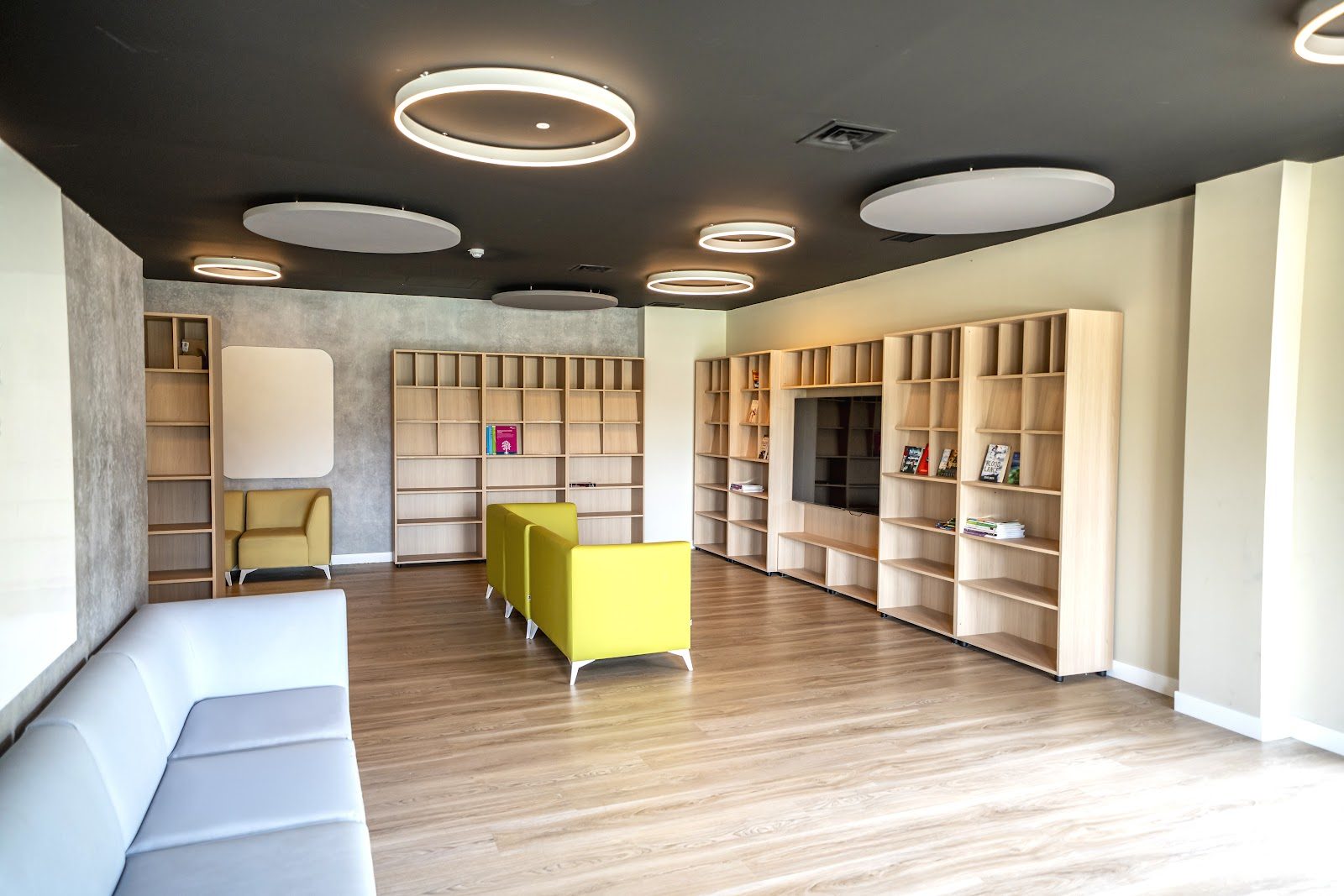
King's College, Soto de Viñuelas
Madrid · Spain
On a 12-acre campus between Madrid and the Sierra de Guadarrama, the only school in the capital offering both A-Levels and the IB in English.
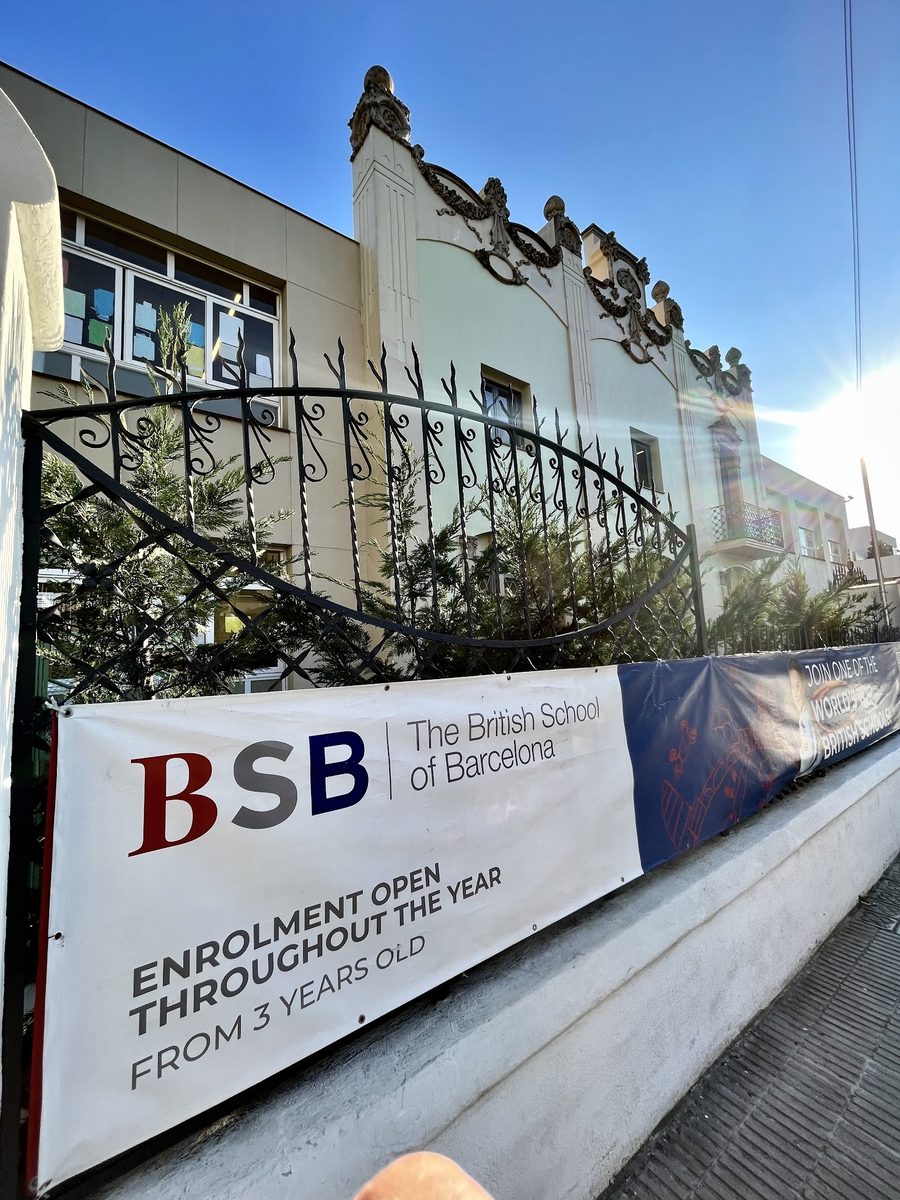
The British School of Barcelona
Sitges · Spain
An intimate Sitges campus for the early years, delivering the English National Curriculum minutes from the beach.
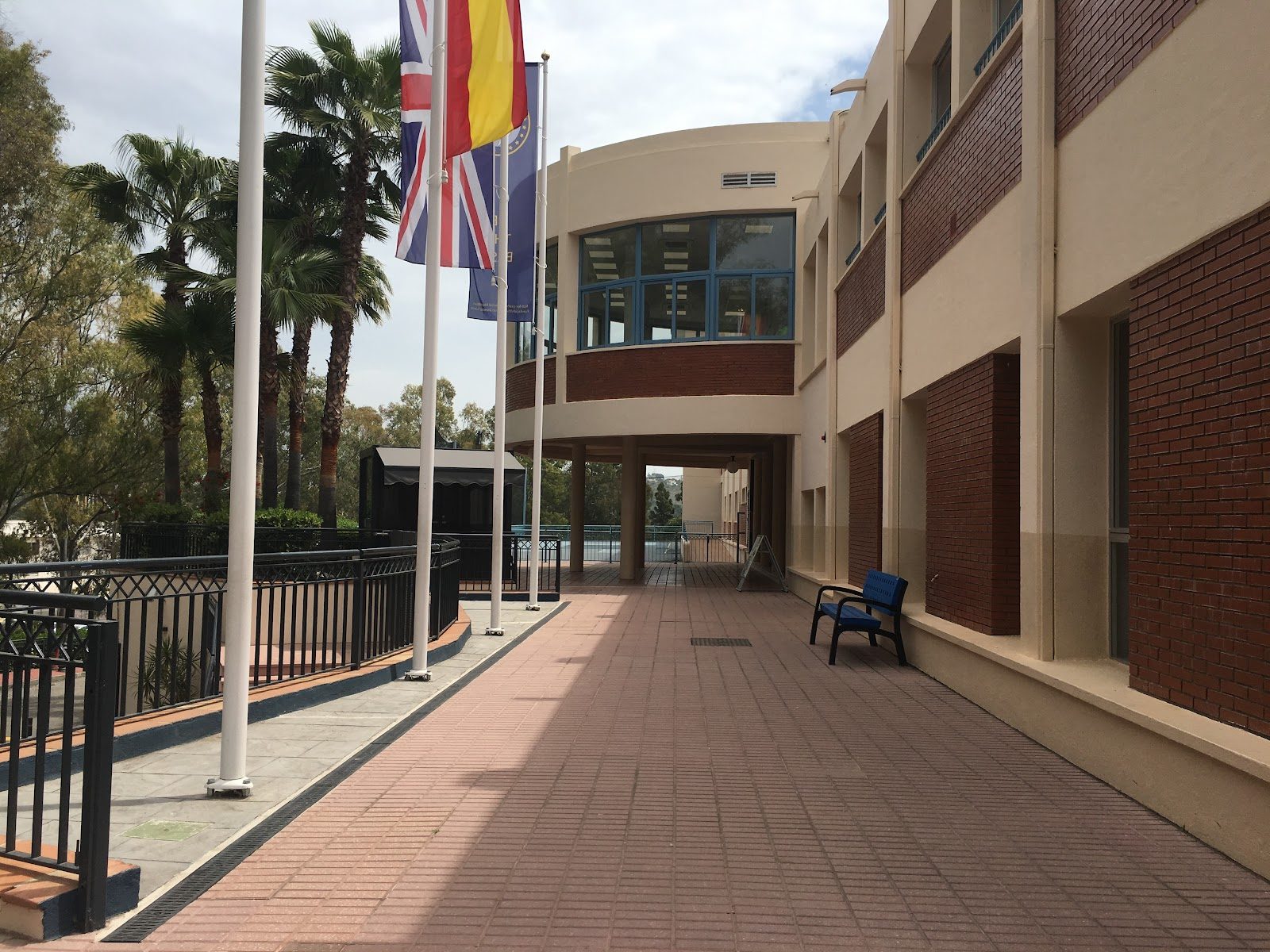
Aloha College
Marbella · Spain
Founded in 1982 by six teachers as a parent-run, not-for-profit trust, among the first in Spain to teach the IB Diploma.
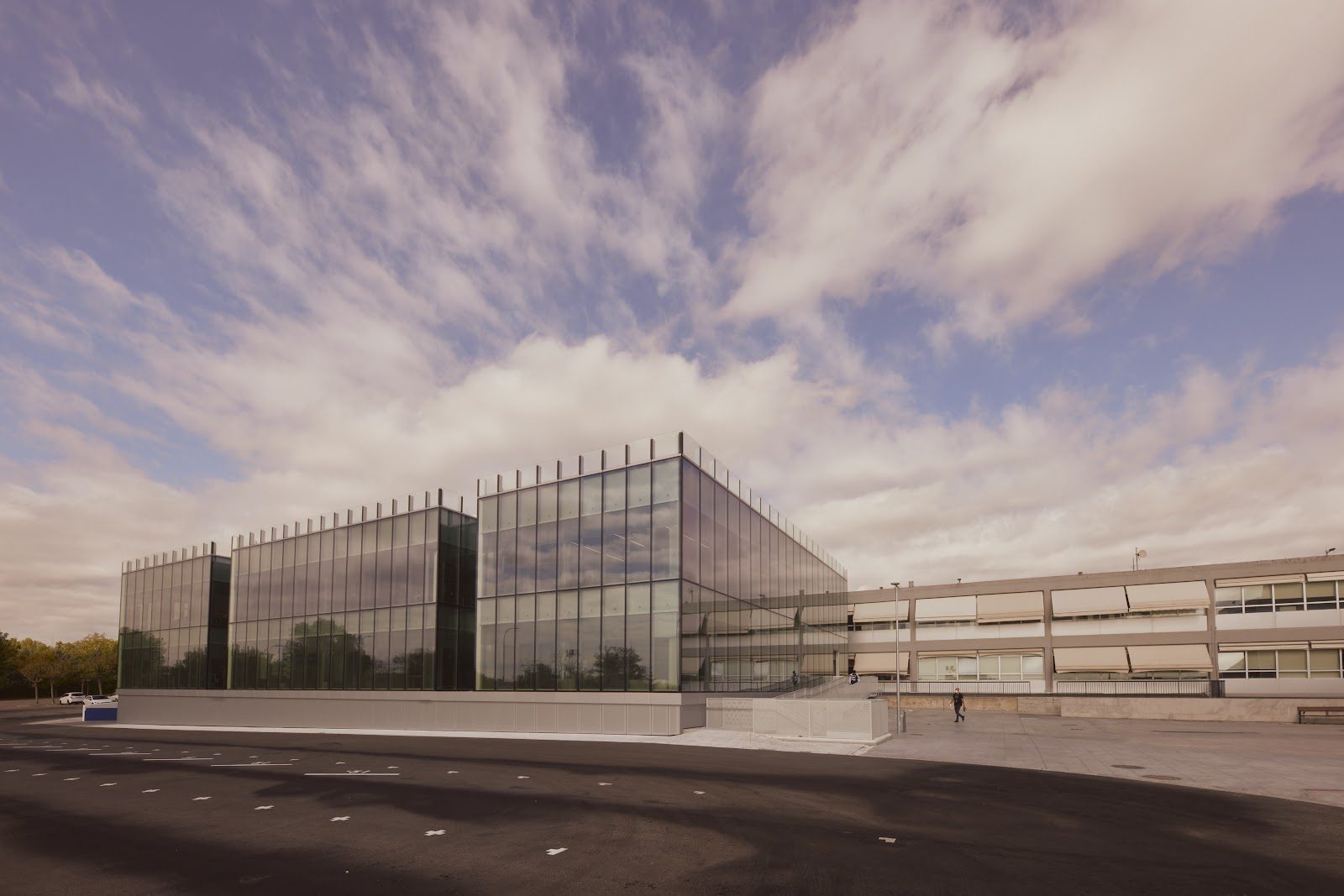
American School of Madrid
Madrid · Spain
On Calle America in Pozuelo, a 1961 founding became the first Spanish school to pair a US diploma with the full IB Diploma Programme.
Same country and curriculum — closest matches within ±10 points either way