
Nonthaburi
Opened in 1951 as Thailand's first international school, it pioneered the country's IB Diploma and runs a wilderness campus in Phetchaburi.
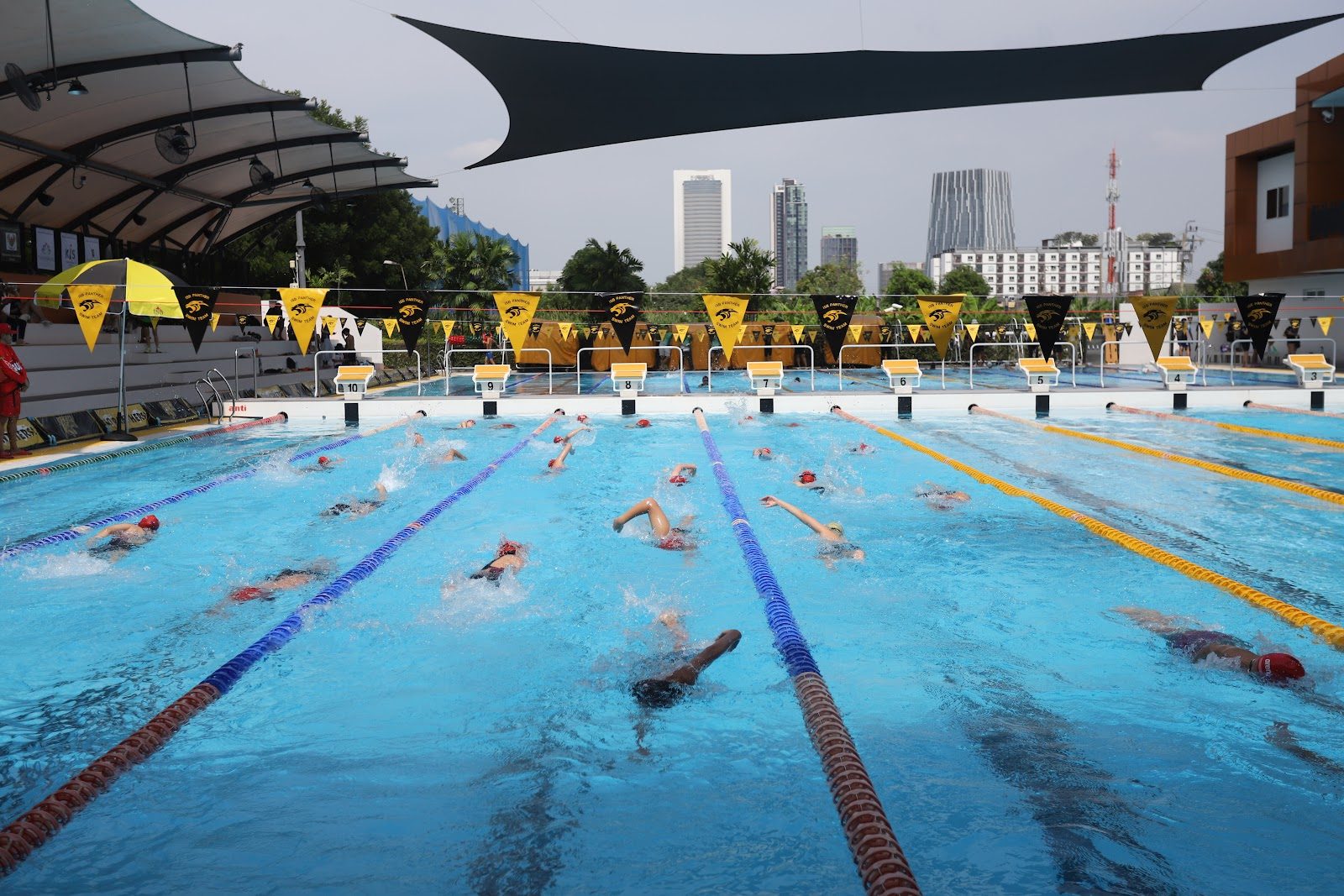
Photo © International School Bangkok (ISB) via Google Maps
Type
Day
Ages
3–18
Curriculum
IB · British
Ratio
—
The Verdict
Editor's commitment
Right for
Families wanting Bangkok pedigree: founded in 1951, ages 3–18, with British and IB pathways on one campus in Nichada Thani.
Wrong for
Parents chasing a central-Bangkok address, boarding, or bargain fees: this is day-only and averages THB 1,097,000 a year.
Watch out for
The school sells multiple senior routes — IB Diploma, AP and its own diploma — so scrutinise pathway depth and destinations beyond Griffith, Monash and RMIT.
Ranking breakdown
International School Bangkok · #189 of 1591
Composite score 74.6. 8 weighted criteria.
By criterion
Academic Outcomes
Weight 20%
#511
of 1529 scored
University Placement
Weight 16%
#263
of 1529 scored
Prestige & Heritage
Weight 12%
#182
of 1571 scored
Alumni Network
Weight 12%
#114
of 1530 scored
Facilities
Weight 12%
#29
of 1534 scored
Transparency & Communications
Weight 8%
#37
of 1532 scored
Peer & Industry Review
Weight 10%
#234
of 1548 scored
Admissions Selectivity & Demand
Weight 8%
#1326
of 1529 scored
Score history
International School Bangkok · 2026
Movement across 2024–2026. Peer average overlaid.
Overall — 2024–2026
74.6/ 100
▲ +22.4 vs 2025
year on year
Peer & Industry Review
How International School Bangkok is regarded in the sector
90
Top-tier · high confidence
ISB is consistently cited as one of Thailand's oldest and most prestigious international schools, regularly featured in Good Schools Guide International and expat parent forums (e.g., ExpatDen, AsiaExpatGuides) as a top-tier choice in Bangkok alongside NIST and Bangkok Patana. It has a large, well-established alumni network with graduates going on to top global universities, and is frequently referenced in regional school rankings and specialist education press covering Southeast Asia's international school sector.
Evidence sources
Award
Elite Entrepreneurship, Economics & Finance 60
World's Top School · The Global Ranking
International School Bangkok is featured on our Global Top 60 ranking at #39. This seal is available for the school's marketing team to use on their website, prospectus and social channels.
Editors' overview
International School Bangkok has two claims that matter in practice, not just in school lore: it opened in 1951 as Thailand’s first international school, and it still operates at the top end of the Bangkok market. The average annual day fee across Pre-K to Grade 12 is THB 1,097,000, which places it firmly in the expensive bracket. Parents paying that level want breadth, institutional confidence and a school that has already built the machinery for multiple university routes. ISB offers exactly that. The school declares IB and British in the verified context, while its own description makes clear that the academic structure is broader than a single-track IB model: students can pursue the IB Diploma, an ISB Diploma, AP courses or hybrid pathways. That matters for families who want strong academic choice rather than being forced into one senior-school mould.
The other point in ISB’s favour is scale with purpose. It runs from age 3 to 18 on one campus in Nichada Thani, with more than 60 nationalities in the community and English as the language of instruction. It is non-religious, independent and not-for-profit, and it pioneered the IB Diploma in Thailand. Those are not cosmetic distinctions. They tell parents that this is an old, deeply established international school with the confidence to build its own identity rather than borrowing prestige from a chain or a religious foundation. The wilderness campus in Phetchaburi adds another layer: this is not a school confined to classrooms and exam corridors. There is a serious commitment to outdoor education and to the American-style idea that school life should extend beyond narrow academics.
This belongs on a shortlist for families who want a full-service, high-cost, internationally mobile education in Bangkok and who value optionality at the top end of secondary school. It will suit students who thrive in a large, unusually cosmopolitan setting, want access to both IB and AP routes, and are comfortable in a school with a long-established expatriate culture. It will appeal less to families seeking a small, intimate environment or a tightly traditional British school. Recent destinations listed in the verified context — Griffith University, Monash University and RMIT — do not give a full picture of outcomes, and the school does not publish aggregate destination patterns here. Even so, the age, fee level, breadth of pathways and alumni footprint — 22 notable alumni catalogued in Wikidata, including politicians, scholars and actors, plus 1 verified major award laureate — mark ISB out as a heavyweight institution with real depth.
Academic Performance
ISB offers unusual senior-school flexibility: students can take the full diploma route, follow the school’s own diploma, build an AP-heavy programme, or combine pathways. That breadth matters, but it also complicates any clean reading of academic performance. The school does not publish aggregate IB results here, and we have not seen school-wide AP score data either. That is a real gap. At this fee level, parents should expect a clear public account of external outcomes: average diploma score, pass rate, subject distribution, and the proportion of students taking each pathway. Without that, direct comparison with Bangkok’s most results-conscious competitors stays frustratingly opaque.
What can be said with confidence is structural rather than statistical. This is a large, long-established school with the machinery to run multiple advanced programmes well, and with university counselling pathways built around different student profiles rather than a single exam culture. That points to a broad-church academic model, not a single-minded hothouse. For some families, that is a strength: more routes, more fit, less coercion into one sixth-form identity. For parents hunting for a school that trades on publicly stated top-line exam numbers, ISB is weaker. Relative to peers, it sits in the premium academic tier on reputation, programme range and institutional depth, but its published external-results picture lacks the hard data that would turn prestige into proof.
Facilities
Facilities are a serious part of ISB’s case. The campus infrastructure covers the areas that matter most in a top-fee all-through school: athletics, performing arts, design and robotics, visual arts, libraries, and dedicated early-years through high-school provision on one site. The standout asset is the Environmental Wilderness Campus in Phetchaburi, which pushes the school beyond the standard Bangkok pattern of polished indoor provision plus sports fields. Plenty of premium schools advertise outdoor education; far fewer run a separate wilderness base that gives the programme real operational weight. That makes ISB stronger than many peers on experiential learning and field-based work, not just on conventional campus hardware. The reference to professional-standard theatres also matters. In this market, arts facilities are easy to overclaim; purpose-built performance spaces with serious scale carry real competitive value for students who need more than a multipurpose hall.
There are also practical advantages that parents will notice day to day. The school states that all classrooms have air filtration systems, which is not a decorative extra in Greater Bangkok but a genuine quality-of-life issue. Security and safeguarding infrastructure also read as well-developed rather than nominal. Against direct competitors, ISB sits in the top tier for breadth of facilities and in a small elite group for outdoor education because of the off-site campus. The missing piece is hard technical detail: the school does not publish the kind of granular facilities data that would let parents compare court counts, theatre capacities, lab specifications or studio inventory line by line.
For parents hunting for a school that trades on publicly stated top-line exam numbers, ISB is weaker
Prestige
ISB carries genuine regional prestige. That status rests on substance, not branding. It holds a rare place in Bangkok’s international-school hierarchy: old enough to shape the market, large enough to sustain serious provision across academics, sport, arts and outdoor education, and independent enough to avoid the templated feel of many chain schools. The community spans more than 60 nationalities, which gives the school social reach as well as academic range. Its alumni record adds weight. Wikidata already captures 22 notable alumni across politics, business, scholarship, media and film, plus 1 major award laureate. That is not trivia; it shows a school with long-standing access to influential international networks and a graduate body that extends beyond one profession or one national circuit.
The prestige is also functional. Parents are not buying a badge alone; they are buying entry into a deep-rooted expatriate institution with established expectations, strong peer groups and a campus culture built for families who plan globally. The not-for-profit structure helps here, because it reinforces the sense that the school invests in programme depth rather than shareholder optics. Its Environmental Wilderness Campus sharpens that identity further: this is a school with the confidence to build a distinctive signature beyond classroom delivery. The limitation is clear. Prestige at this level needs public academic evidence to match public reputation, and ISB does not disclose enough aggregate results data. So the school earns a high-prestige verdict on history, networks, breadth and institutional heft, not on transparent exam proof.
Against direct competitors, ISB sits in the top tier for breadth of facilities and in a small elite group for outdoor education because of the off-site campus
Communications
ISB communicates like a large, confident institution with the staff and systems to keep parents inside the loop. The public-facing site is busy but informative: admissions routes are easy to find, the school explains how the age phases fit together, and there is more than the standard parade of polished images. The “Ask ISB” feature, with responses from students, staff and a parent, signals a school that understands families want direct answers, not just polished copy. The open-campus model, adult education offer and regular hosting of events and matches also matter. They point to a community where communication is not confined to newsletters and portals but reinforced by constant real-world contact. For internationally mobile families, that counts for a lot.
The limitation is precision. ISB gives a strong sense of ethos, breadth and day-to-day life, but it is weaker on the hard information that demanding parents use to judge a school at this price point. We have not seen a clear public dashboard for exam outcomes, destination trends, or the breakdown of who takes which senior pathway. That leaves communications strong on access and culture but less rigorous on accountability. The safety messaging is clear, and the reference to classroom air filtration answers a practical parental concern without fuss. Overall, this is assured, high-volume communication from a school that knows how to talk to families, but it stops short of the forensic transparency that the best schools now provide.
Uniqueness
ISB’s clearest point of difference is not a slogan but a structure: it gives older students more than one serious route through the final years, then supports that with the staffing, counselling and timetable complexity needed to make choice real. Plenty of schools advertise personalisation; far fewer can run diploma, course-based and mixed programmes without forcing students into a tidy marketing narrative. For pupils, that brings tangible value. A strong all-rounder, a specialist STEM student and a humanities-led applicant do not need to fit the same mould to leave with a coherent record for university. Add a community drawn from more than 60 nationalities and the result is a school built for globally mobile families who want continuity without uniformity.
The other feature that sets ISB apart is the Environmental Wilderness Campus. That is a serious institutional commitment, not an annual camp dressed up as philosophy. It gives outdoor education operational weight, ties environmental learning to a permanent site, and widens school life beyond classrooms, pitches and theatres. Students gain more than recreation: they get repeated exposure to challenge, fieldwork, collaboration and managed independence in a setting the school has invested in for the long term. Pair that with a notable alumni base of 22 verified figures across public life, scholarship and the arts, and ISB stands out as a full-spectrum school: academically flexible, socially international and confident enough to build experiences that many competitors still outsource.
International School Bangkok has two claims that matter in practice, not just in school lore: it opened in 1951 as Thailand’s first international school, and it still operates at the top end of the Bangkok market
Student Profile
The best fit is a child who likes range and can use freedom well. This is not a school for pupils who need a narrow script, a fixed identity or a single definition of success. It suits students who want strong academics alongside serious sport, arts, design, service and outdoor learning, and who can move comfortably between all of them. The social environment is unusually international, with more than 60 nationalities in the community, so pupils who are curious, adaptable and at ease with difference will settle faster than those who want a familiar national bubble. The school also works for families who value a deep-rooted expatriate culture: children who have moved countries before, or expect to move again, will find peers living the same pattern.
It is less well matched to the child who wants a small-scale, tightly held atmosphere or who relies on constant adult steering. The school’s size, breadth and confidence bring opportunity, but they also demand initiative. Students need to cope with a high-expectation, high-cost environment where many families are internationally mobile, ambitious and well resourced. The wilderness campus strengthens the case for pupils who enjoy challenge beyond the classroom; those experiences reward resilience, teamwork and a willingness to get uncomfortable. In short, ISB fits the student who wants a full-spectrum school life and has the maturity to make use of it, not the one who needs a quieter, more intimate setting to thrive.
The average annual day fee across Pre-K to Grade 12 is THB 1,097,000, which places it firmly in the expensive bracket
Co-curricular strengths
Arts & sport, on a separate axis
Overall 9.54/10
Scored 0-10 from the school's own published evidence. This axis is editorial-only — it does not feed the main WTS ranking.
Sports
9.7/10
Extensive sports provision, full-sized sports areas and proper training facilities, and names multiple sports including football, basketball, swimming, tennis, volleyball and track and field, which together evidence a strong, broad programme.
Drama
9.5/10
Drama productions are explicitly listed, performing arts facilities, and a verified star-tier drama alumnus, Mary-Louise Parker, anchors this dimension at at least 7.
Dance
9.5/10
Music
9.5/10
School orchestra is explicitly listed and the profile refers to performing arts facilities, which supports a notable music offering with dedicated support beyond a bare mention.
Visual Arts
9.5/10
Specialist teaching spaces and studios, indicating some structured visual arts provision, but gives no named department, facility or specific art activities.
Editor first-pass · editor-reviewable · 7/28/2026
Outcomes & destinations
Where students go next
Class of 2025
Top destinations
295 placements
- Griffith University· 1
- Monash University· 1
- Royal Melbourne Institute of Technology· 1
- The University of Sydney· 1
- The University of Western Australia· 1
- University of Melbourne· 1
- University of New South Wales· 1
- University of Technology, Sydney· 1
- Free University of Brussels· 1
- Katholieke Universiteit Leuven· 1
- Brock University· 1
- Carleton University· 1
- Simon Fraser University· 1
- McGill University· 1
- McMaster University· 1
- OCAD University· 1
- Queen’s University· 1
- The University of British Columbia - Okanagan· 1
- The University of British Columbia· 1
- University of Alberta· 1
- University of Calgary· 1
- University of Guelph· 1
- University of Ottawa· 1
- University of Toronto· 1
- University of Victoria· 1
- University of York· 1
- Western University· 1
- York University· 1
- NYU Shanghai· 1
- Shanghai Jiao Tong University· 1
- University of Michigan - Shanghai Jiao Tong University - Joint Institute· 1
- Aalborg University· 1
- ESSEC Business School· 1
- Constructor University· 1
- EU Business School - Munich· 1
- Würzburg-Schweinfurt University of Applied Sciences· 1
- Hong Kong Baptist University· 1
- The Education University of Hong Kong· 1
- The Hong Kong University of Science and Technology· 1
- The University of Hong Kong· 1
- International Business School· 1
- Christ University· 1
- Trinity College Dublin· 1
- University of Galway· 1
- University of Limerick· 1
- Bocconi University· 1
- Nuova Accademia di Belle Arti Milano· 1
- Universita Cattolica del Sacro Cuore· 1
- Universita Degli Studi di Milano-Bicocca· 1
- International Christian University· 1
- Keio University-Shonan Fujisawa Campus· 1
- Keio University· 1
- Kwansei Gakuin University· 1
- Nagoya University· 1
- Nanyang Technological University· 1
- Rikkyo University· 1
- Ritsumeikan University· 1
- Sophia University· 1
- Temple University, Japan Campus· 1
- The University of Tokyo· 1
- University of Tsukuba· 1
- University of the Sacred Heart· 1
- Waseda University· 1
- Yamanashi Gakuin University· 1
- Yokohama City University· 1
- Monash University, Malaysia· 1
- Erasmus University Rotterdam· 1
- Fontys University of Applied Sciences· 1
- Hotel School, The Hague· 1
- Maastricht University· 1
- Technical University of Eindhoven· 1
- University College Utrecht· 1
- University of Amsterdam· 1
- University of Groningen· 1
- Vrije Universiteit Amsterdam· 1
- Wageningen University· 1
- Zuyd University of Applied Sciences· 1
- Auckland University of Technology· 1
- University of Otago· 1
- University of the Philippines· 1
- Wroclaw Medical University· 1
- Georgetown University Qatar· 1
- National University of Singapore· 1
- SIM Global Education· 1
- Singapore Management University· 1
- Chung-Ang University· 1
- Gachon University· 1
- Korea University· 1
- Seoul National University· 1
- IE University - Madrid Campus· 1
- IE University - Segovia Campus· 1
- Instituto Quimico de Sarria· 1
- Universidad Europea de Madrid· 1
- University of Navarra· 1
- Culinary Arts Academy Switzerland· 1
- EHL Swiss School of Tourism and Hospitality· 1
- Glion Institute of Higher Education· 1
- Les Roches - Switzerland· 1
- Thammasat University· 1
- Chulalongkorn University· 1
- Chulabhorn Royal Academy· 1
- Kasetsart University· 1
- King Mongkut’s Institute of Technology Ladkrabang· 1
- Mahidol University· 1
- Silpakorn University· 1
- Srinakharinwirot University· 1
- BIMM University· 1
- Bangor University· 1
- Bristol, University of the West of England· 1
- Cardiff University· 1
- Condé Nast College of Fashion & Design· 1
- Durham University· 1
- Imperial College London· 1
- King’s College London· 1
- Kingston University· 1
- Liverpool Institute for Performing Arts· 1
- Liverpool John Moores University· 1
- London College· 1
- London Film Academy· 1
- London School of Economics and Political Science· 1
- London South Bank University· 1
- Loughborough University· 1
- Norwich University of the Arts· 1
- Queen Mary University of London· 1
- University College London· 1
- University of Aberdeen· 1
- University of Bath· 1
- University of Bristol· 1
- University of Exeter· 1
- University of Glasgow· 1
- University of Leeds· 1
- University of Manchester· 1
- University of Portsmouth· 1
- University of Sheffield· 1
- University of St Andrews· 1
- University of Stirling· 1
- University of Warwick· 1
- University of Waterloo· 1
- University of the Arts London· 1
- Arizona State University· 1
- Babson College· 1
- Barnard College· 1
- Baylor University· 1
- Bentley University· 1
- Berklee College of Music· 1
- Bethany Lutheran College· 1
- Boston College· 1
- Boston Conservatory at Berklee· 1
- Boston University· 1
- Bowdoin College· 1
- Brigham Young University· 1
- Brown University· 1
- Bryant University· 1
- California Lutheran University· 1
- California Polytechnic State University-San Luis Obispo· 1
- Calvin University· 1
- Carleton College· 1
- Carnegie Mellon University· 1
- Case Western Reserve University· 1
- Catholic University of America· 1
- Chapman University· 1
- Christopher Newport University· 1
- Clark University· 1
- Clemson University· 1
- Colorado School of Mines· 1
- Colorado State University· 1
- Columbia University· 1
- Connecticut College· 1
- Cornell University· 1
- Dartmouth College· 1
- Denison University· 1
- DigiPen Institute of Technology· 1
- Duke University· 1
- Elon University· 1
- Embry-Riddle Aeronautical University-Daytona Beach· 1
- Emerson College· 1
- Emory University· 1
- Fashion Institute of Technology· 1
- Florida SouthWestern State College· 1
- Fordham University· 1
- Franklin W Olin College of Engineering· 1
- George Mason University· 1
- George Washington University· 1
- Georgia Institute of Technology· 1
- Gonzaga University· 1
- Hamilton College· 1
- Haverford College· 1
- Hope College· 1
- Howard Community College· 1
- Howard University· 1
- Indiana University-Indianapolis· 1
- James Madison University· 1
- Knox College· 1
- LIM College· 1
- Long Island University· 1
- Louisiana Tech University· 1
- Michigan State University· 1
- Middlebury College· 1
- Mount Holyoke College· 1
- New Mexico Military Institute· 1
- New York University· 1
- North Carolina State University· 1
- Northeastern University· 1
- Northwestern University· 1
- Old Dominion University· 1
- Pennsylvania State University-Harrisburg· 1
- Pennsylvania State University-Main Campus· 1
- Pepperdine University· 1
- Pitzer College· 1
- Pratt Institute· 1
- Purdue University· 1
- Rice University· 1
- Ringling College of Art and Design· 1
- Roanoke College· 1
- Rochester Institute of Technology· 1
- Rose-Hulman Institute of Technology· 1
- Rutgers University-New Brunswick· 1
- SUNY Buffalo State· 1
- San Diego State University· 1
- San Francisco State University· 1
- Santa Barbara City College· 1
- Santa Clara University· 1
- Sarah Lawrence College· 1
- Savannah College of Art and Design· 1
- School of the Art Institute of Chicago· 1
- Scripps College· 1
- Shoreline Community College· 1
- Smith College· 1
- Southern Utah University· 1
- Spelman College· 1
- Stanford University· 1
- Suffolk University· 1
- Syracuse University· 1
- Tacoma Community College· 1
- Texas A & M University-College Station· 1
- Texas State University· 1
- Texas Tech University· 1
- The New School· 1
- Trinity College· 1
- Tufts University· 1
- United States Merchant Marine Academy· 1
- United States Military Academy· 1
- United States Naval Academy· 1
- University of Alaska Anchorage· 1
- University of Arizona· 1
- University of California-Berkeley· 1
- University of California-Davis· 1
- University of California-Irvine· 1
- University of California-Los Angeles· 1
- University of California-Riverside· 1
- University of California-San Diego· 1
- University of California-Santa Barbara· 1
- University of Chicago· 1
- University of Cincinnati· 1
- University of Colorado Boulder· 1
- University of Delaware· 1
- University of Georgia· 1
- University of Hawaii at Manoa· 1
- University of Illinois Chicago· 1
- University of Illinois Urbana-Champaign· 1
- University of La Verne· 1
- University of Maryland-Baltimore County· 1
- University of Maryland-College Park· 1
- University of Massachusetts-Amherst· 1
- University of Massachusetts-Lowell· 1
- University of Michigan-Ann Arbor· 1
- University of Michigan-Dearborn· 1
- University of Michigan-Flint· 1
- University of Minnesota-Duluth· 1
- University of Montana· 1
- University of Minnesota-Twin Cities· 1
- University of North Carolina-Wilmington· 1
- University of North Georgia· 1
- University of Pennsylvania· 1
- University of Rochester· 1
- University of San Diego· 1
- University of San Francisco· 1
- University of South Carolina-Columbia· 1
- University of Southern California· 1
- University of Texas at Austin· 1
- University of Tulsa· 1
- University of Vermont· 1
- University of Virginia· 1
- University of Washington-Seattle· 1
- University of Wisconsin-Madison· 1
- Utah State University· 1
- Virginia Commonwealth University· 1
- Virginia Polytechnic Institute and State University· 1
- Virginia State University· 1
- Washington State University· 1
- Washington University in St Louis· 1
- Washington and Lee University· 1
- Widener University· 1
- William & Mary· 1
- Worcester Polytechnic Institute· 1
Reported by the school. Confirm with admissions.
Notable alumni · Wikidata
22notable alumni
0 historic (born pre-1930) · 6 modern (born post-1970)wikidata:2026-07-28 How we source this
WTS 300 badge
2025/26 editionInternational School Bangkok is one of the World's Top 300 Schools for 2025/26. Claim your listing to add it to your site →
Strengths
- +International School Bangkok was the first international school in Thailand, founded in 1951 when it initially opened on the grounds of the U.S. Embassy, and it was the first school in Thailand to offer the International Baccalaureate (IB) Diploma Program.
- +ISB serves approximately 1,700 students on a purpose-built campus, drawn from a diverse community of more than 60 nationalities, situated on a 37-acre campus in a gated, family-oriented community where children can walk or ride their bikes to school.
- +The school carries external accreditation from the Western Association of Schools and Colleges (WASC) in the United States.
- +Published outcomes show a 98% IB pass rate, 16% scoring 40+, and a ten-year track record averaging around 35, with results beating the global IB average of 30.58 by at least 2.5 points.
- +As a proudly independent and not-for-profit school, ISB reinvests entirely in the growth and well-being of its students rather than distributing profits to owners.
Considerations
- −Fees sit at the top of the Bangkok IB market: one independent comparison puts oldest-year tuition at approximately US$34,000 per year, and on a results-per-dollar basis it is the most expensive IB point in Bangkok.
- −The campus is located within the community of Nichada Thani, just outside the bustle of Bangkok, meaning a longer commute for families based in central Bangkok who choose not to relocate nearby.
- −English-proficiency thresholds apply from the upper grades: there is a minimum English language proficiency level for entry to Grades 5-12 which increases by division, narrowing the entry pool for older, non-native-English applicants.
- −Support for additional learning needs is not guaranteed: each applicant identified as needing support services is considered based on whether ISB can meet their needs and if there is space in the program.
Availability
Primary entry gate & tests
Academic Record (Expat Priority)
Gallery
Photo © International School Bangkok (ISB) via Google Maps
Photo © International School Bangkok (ISB) via Google Maps
Photo © Jonghwan Lee via Google Maps
Photo © SURAFARM CAFE via Google Maps
Photo © Hyeonjeong Oh via Google Maps
Photo © International School Bangkok (ISB) via Google Maps
Photo © Piyanuch (LeAnne) KASUWAN via Google Maps
Photo © International School Bangkok (ISB) via Google Maps
Photo © International School Bangkok (ISB) via Google Maps
Recommended reading
Independent write-ups of this school from editorial outlets we trust.
- International School Bangkok — review on WhichSchoolAdvisorWhichSchoolAdvisor
Parent reviews
Have you sent your child here?
Voice reviews carry the strongest trust badge — we transcribe them for you to tidy up before they go live. Prefer to type? A written review is fine too.
Add your voice
In 60 seconds, tell other parents: what's the best thing about International School Bangkok, and what surprised you when your child joined?
We ask for a Google sign-in so every review has a real face behind it — no anonymous drive-by attacks on schools, and no faked positive reviews. Your email is never shown publicly.
Send this profile to a friend
International parents rely on word-of-mouth. Share this review with someone weighing the same decision.
Schools with places
Similar schools to International School Bangkok with places available now.
Shrewsbury International School Bangkok
Bangkok · Thailand
- 2026-27
- WAITPOOLSpace-dependent
- 2027-28
- PLACES OPENRolling
Bangkok Patana School
Bangkok · Thailand
- 2026-27
- CLOSEDThai closed / Non-Thai open
- 2027-28
- OPENS SOONThai 1 Sept / Non-Thai rolling
NIST International School
Bangkok · Thailand
- 2026-27
- WAITPOOLSpace-dependent
- 2027-28
- PLACES OPENRolling
Availability first, then country, area, curriculum, price, co-curricular
Consider also
Also worth looking at alongside International School Bangkok.
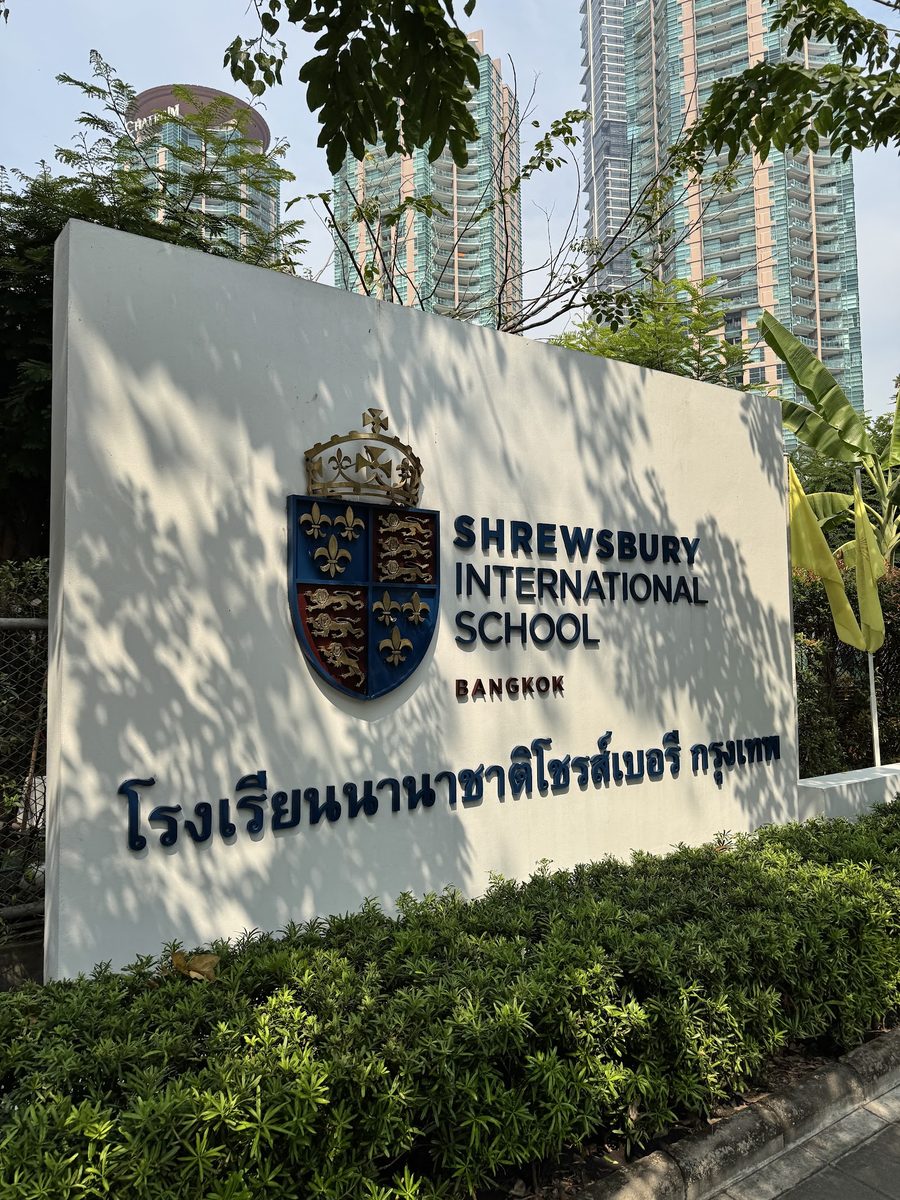
Shrewsbury International School Bangkok
Bangkok · Thailand
A 1552 English public-school pedigree anchors a Chao Phraya riverside campus reachable by its own school boat.
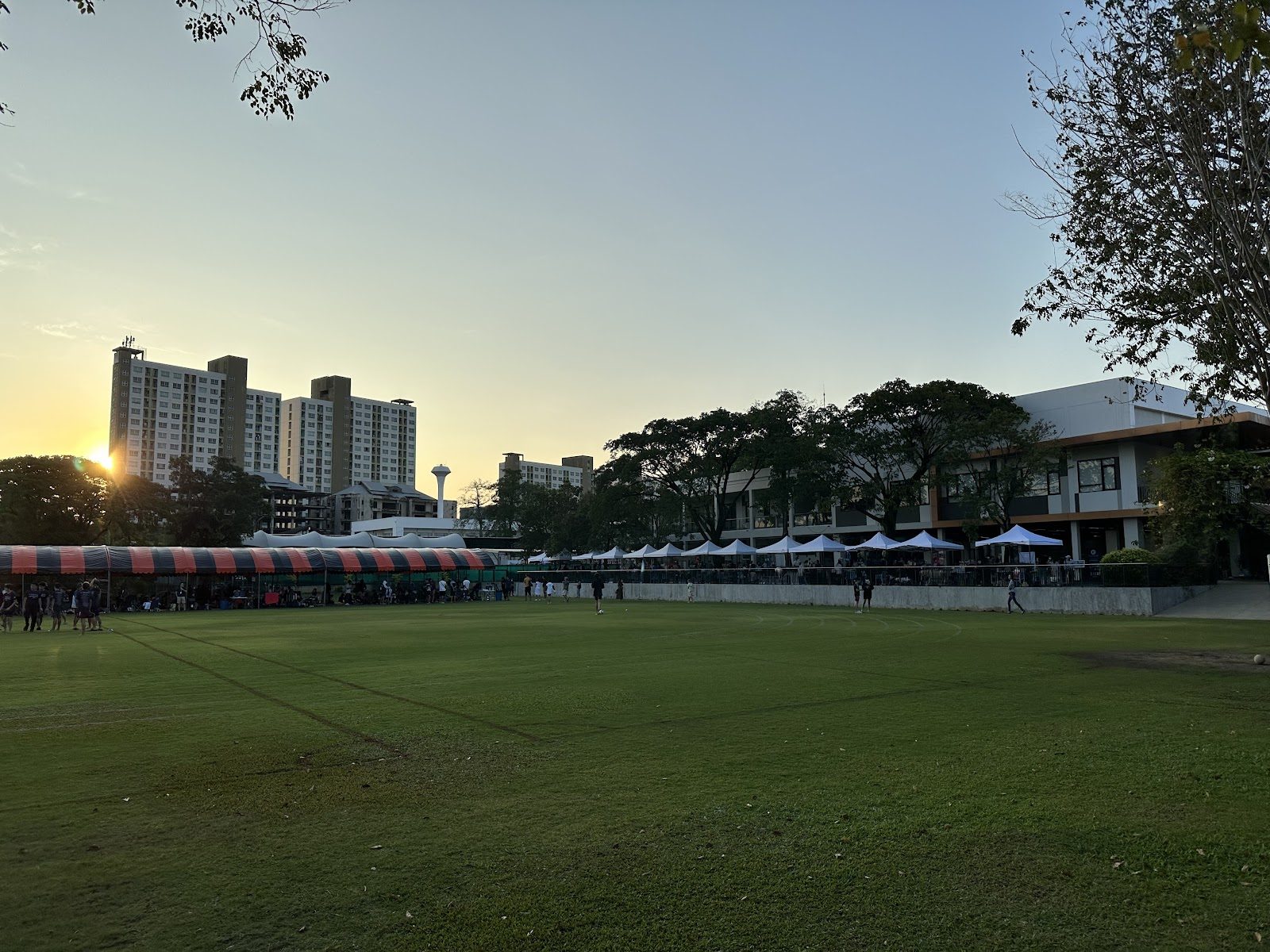
Bangkok Patana School
Bangkok · Thailand
Thailand's first British school, running since 1957, blends English curriculum grounding with IB breadth across a 17-hectare Bang Na campus.

NIST International School
Bangkok · Thailand
Founded in 1992 with United Nations backing, Thailand's first not-for-profit IB World School sits amid downtown Sukhumvit.
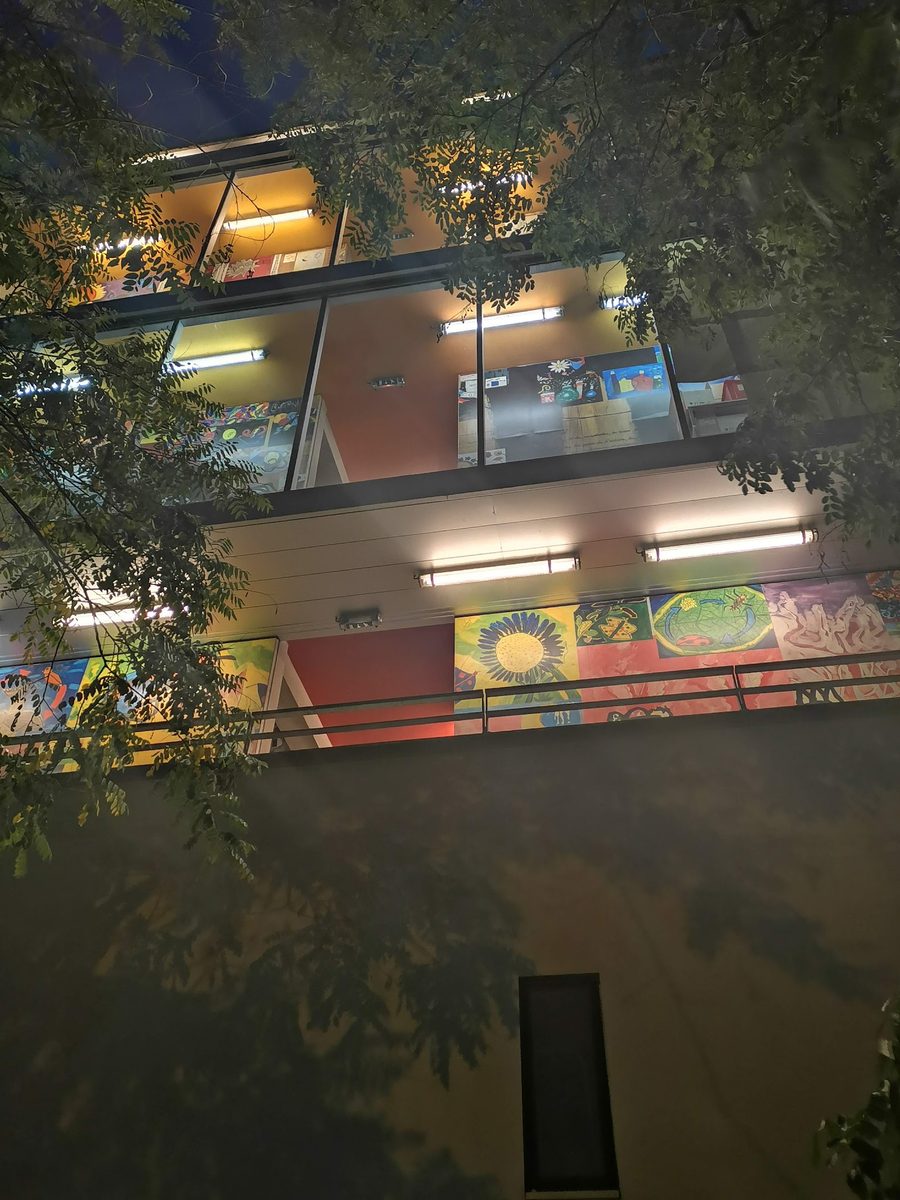
École Jeannine Manuel
Paris · France
Founded by a Resistance veteran, this Left Bank lycee teaches core subjects bilingually and has topped France's rankings for a decade.
Same country and curriculum — closest matches within ±10 points either way