
Tokyo
Aoba-Japan International School
high confidence· 5/6 cats · 3.31 avg sourcesHome to Asia's first online IB Diploma pilot, this Tokyo IB Continuum school pairs the DP with its own Global Leadership Diploma track.
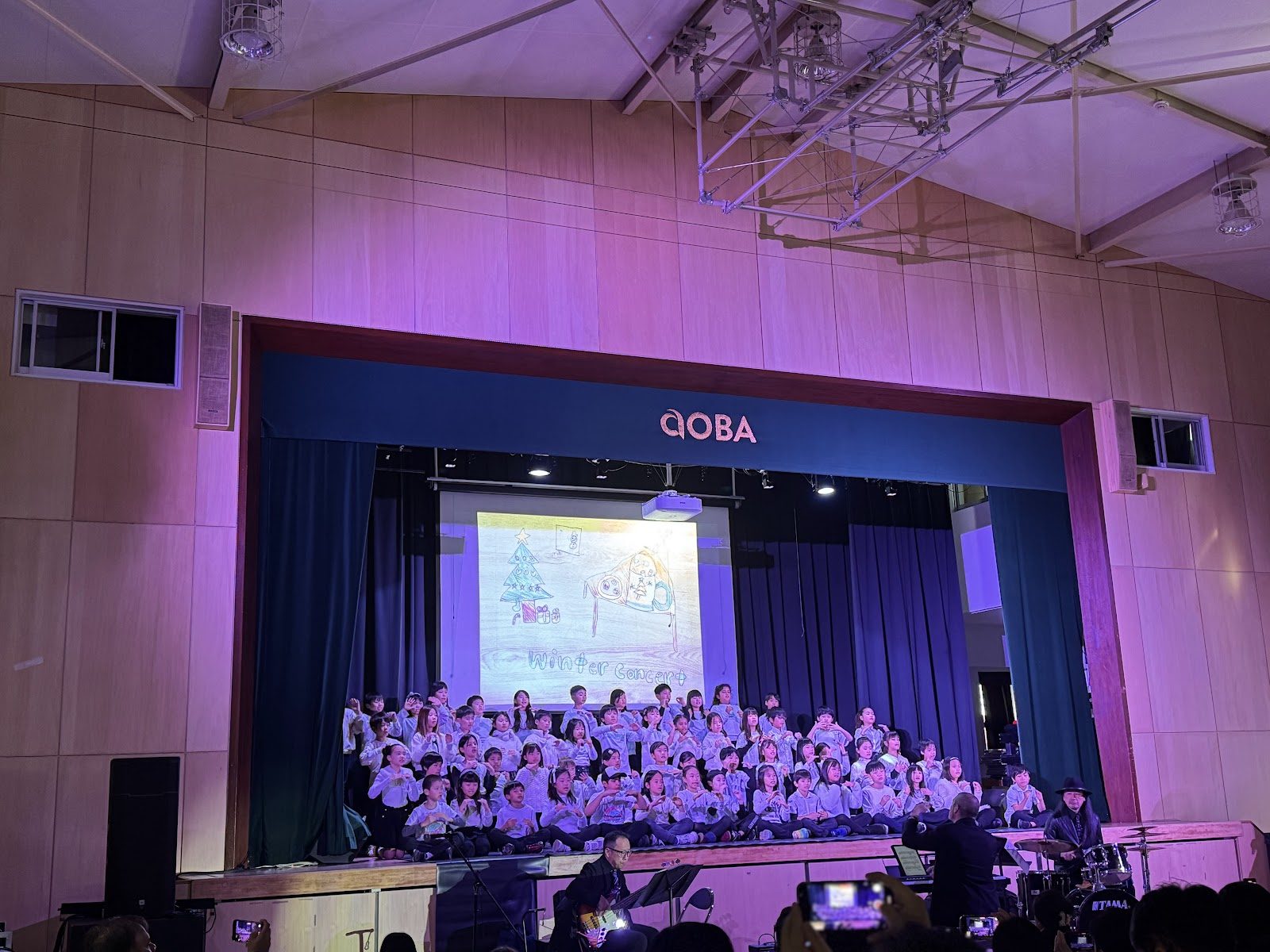
Photo © 陳翔 via Google Maps
Type
Day
Ages
3–18
Curriculum
IB
Ratio
—
The Verdict
Editor's commitment
Right for
Tokyo families wanting an English-medium IB Continuum school from ages 3–18, with CIS, WASC and IB World School accreditation.
Wrong for
Families wanting lower fees or a simpler route: the average annual fee is 2,839,875 JPY, and Aoba adds a Global Leadership Diploma beside the DP.
Watch out for
Three Tokyo campuses in Nerima, Bunkyo and Meguro widen access but complicate logistics; founded in 1976, Aoba is established, not intimate.
Ranking breakdown
Aoba-Japan International School · #857 of 1591
Composite score 65.5. 8 weighted criteria.
By criterion
Academic Outcomes
Weight 20%
#856
of 1529 scored
University Placement
Weight 16%
#848
of 1529 scored
Prestige & Heritage
Weight 12%
#869
of 1571 scored
Alumni Network
Weight 12%
#612
of 1530 scored
Facilities
Weight 12%
#820
of 1533 scored
Transparency & Communications
Weight 8%
#862
of 1532 scored
Peer & Industry Review
Weight 10%
#793
of 1548 scored
Admissions Selectivity & Demand
Weight 8%
#647
of 1529 scored
Score history
Aoba-Japan International School · 2026
Movement across 2024–2026. Peer average overlaid.
Overall — 2024–2026
65.5/ 100
▲ +18.8 vs 2025
year on year
Peer & Industry Review
How Aoba-Japan International School is regarded in the sector
62
Respected · medium confidence
Aoba-Japan International School is consistently included in expat-parent and specialist listings of top Tokyo international schools (e.g., GaijinPot, Tokyo Weekender, Savvy Tokyo 'best international schools' roundups) and has an independent profile on Good Schools Guide International, indicating solid regional recognition. However, it is less frequently benchmarked against elite peers like ASIJ or British School in Tokyo in higher-tier rankings (Tatler, Sunday Times), suggesting a respected but not top-tier reputation.
Evidence sources
Editors' overview
Aoba-Japan International School has built a clear niche in Tokyo: a full IB Continuum school in English, spread across campuses in Nerima, Bunkyo and Meguro, with an extra layer that few competitors offer. The distinctive feature is the school’s role as home to Asia’s first online IB Diploma pilot, paired with its own Global Leadership Diploma track. That combination gives Aoba a more future-facing profile than the standard “IB in Tokyo” formula. It also matters that the school holds CIS, WASC and IB World School accreditation: not decorative badges, but a useful signal of external scrutiny in a market where international schools vary sharply in substance. For parents, the financial reality is plain. The average annual day fee across ages 3 to 18 is 2,839,875 JPY, which places Aoba in the expensive tier of the Tokyo market.
What puts it on a shortlist is not heritage glamour or brute academic mystique, but fit. Aoba suits families who want an English-medium, secular day school founded in 1976, with the continuity of the IB from the early years through to the Diploma, and who value a school that has already engaged seriously with online and blended learning rather than treating it as an emergency workaround. The Global Leadership Diploma track adds a second signal: this is a school that wants students to frame learning in applied, outward-looking terms, not just chase examination credentials. That has appeal for internationally mobile families, for students who are self-directed and comfortable working across platforms, and for children who thrive in an environment with a deliberately global cast.
The trade-off is straightforward. Parents hunting for a single grand campus or a traditional Japanese-school feel will not find it here; Aoba is a multi-campus Tokyo international school, and its identity is tied more to programme design than to old-school institutional romance. Families who want exhaustive public data on outcomes will also hit limits; the school’s accreditations and IB status are clear, but public-facing hard numbers beyond that are thin. The pupils who will get the most from Aoba are those who are academically organised, internationally minded and ready for an education with a modernist edge. Those who need a highly conventional, tightly sheltered school experience, or who want a cheaper route into international education, have stronger options elsewhere.
Academic Performance
Public exam performance is where Aoba asks parents to accept more opacity than the strongest schools in its bracket. The school is an IB World School and runs through to the Diploma, but it does not publish the kind of aggregate outcomes that make comparison easy: no headline Diploma average, no subject-score distribution, no top-score tally, and no multi-year trend line are in the public domain. That leaves a thin evidence base for judging raw academic strength against Tokyo peers that publish hard results. For a school with a distinctive online Diploma association and an explicitly outward-facing academic identity, that gap matters. In editorial terms, this puts Aoba in the opaque camp on outcomes, not the transparent one.
That does not mean weak results; it means unproven results in public. Parents weighing Aoba against schools with a clear record of published IB performance need to ask directly for recent Diploma cohorts, score ranges, university destinations by volume, and evidence on how students on its alternative diploma track fare alongside the standard route. Until the school discloses that data, Aoba sits in a hard-to-rank position academically: credible, serious, and externally accredited, but without the published exam metrics that separate the top-performing tier from the merely plausible. For families comfortable doing due diligence in admissions meetings, that is manageable. For parents who want cold, comparable numbers upfront, it is a weakness.
Facilities
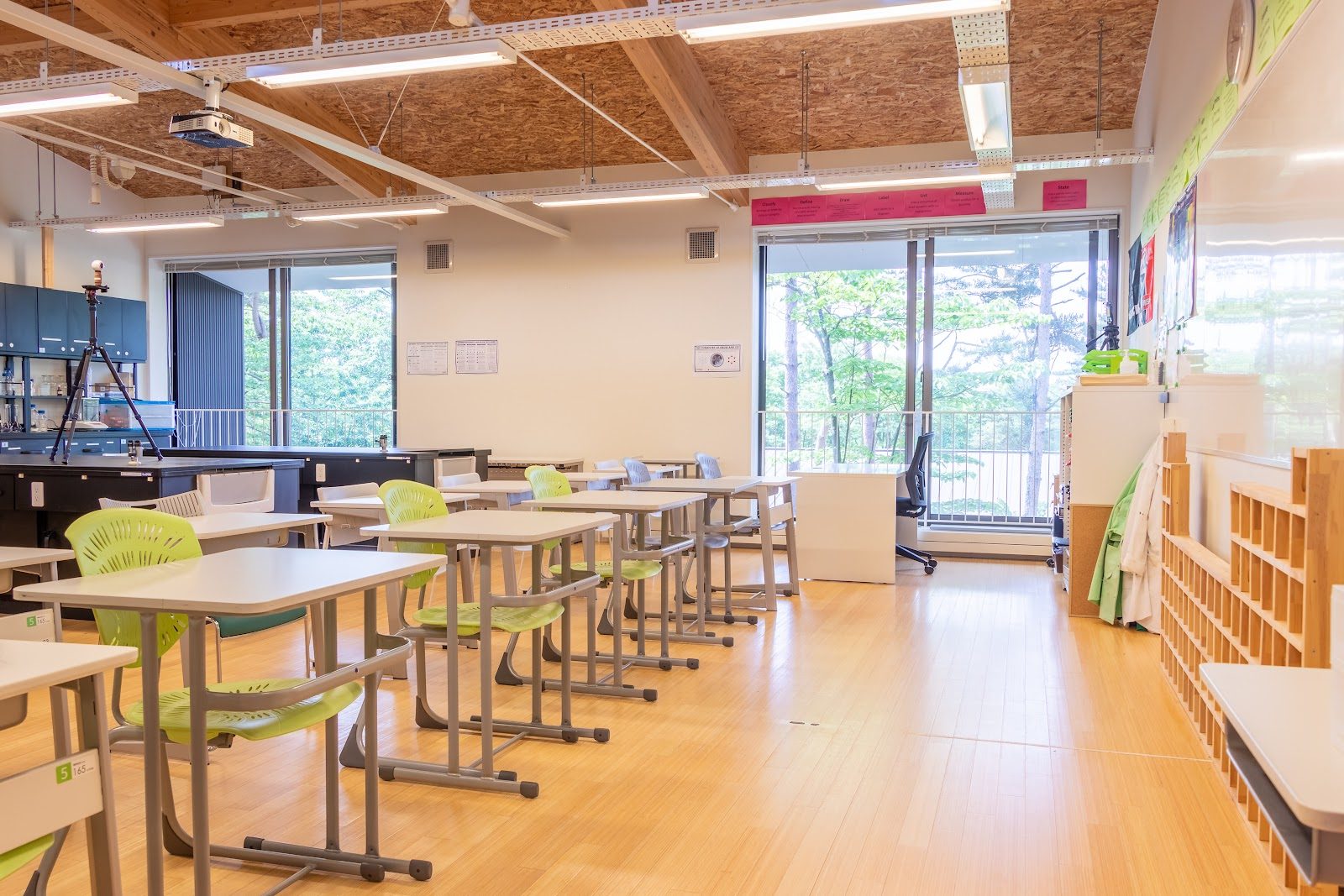
Aoba’s facilities story is shaped by its split-site structure. There is no single flagship campus to rival the showpiece estates some Tokyo competitors use to sell themselves. Parents get a network across 3 locations, which can support age-appropriate provision and easier city access, but it also means a less unified physical identity. That matters in a market where some peer schools trade heavily on one expansive site with standout sports stock, major theatres or a grand central library. Aoba’s strength lies elsewhere: the physical environment serves the programme rather than dominating it. For a school with a serious digital-learning strand, that functional approach makes sense; for families chasing campus theatre and bragging-rights infrastructure, it is a weaker proposition.
Against peers, then, Aoba does not read as a facilities-led school. It reads as an academically designed school whose estate supports delivery across early years to senior levels without turning itself into the main event. We have not seen a public case for exceptional specialist provision in sport, performing arts or high-end maker spaces that would shift it into Tokyo’s facility-rich top bracket. Nor does the school publish the kind of detailed campus inventory that would settle the question cleanly. The practical conclusion is plain: adequate, purposeful, city-adapted facilities, but not the sort that justify the fee on bricks and mortar alone.
The distinctive feature is the school’s role as home to Asia’s first online IB Diploma pilot, paired with its own Global Leadership Diploma track
Prestige
Aoba carries selective appeal rather than blanket prestige. In Tokyo’s international-school market, its status rests on seriousness of purpose and a distinctive institutional idea, not on old-guard cachet, embassy-club social capital or a myth of automatic academic supremacy. The school has 3 campuses, which gives it citywide presence, but not the single-site grandeur that parents often read as prestige. Its strongest badge value comes from being an IB school with recognised external oversight and from staking out a niche around digital delivery and leadership formation. That gives it contemporary relevance. It does not give it the blue-blood aura attached to the most socially coveted names.
We rate its prestige as solid but bounded because the school’s reputation has sharper edges than its fee level might imply. It stands out to families who value educational design, international mobility and a school that has done more than the standard package. It carries less weight with parents who equate prestige with published top-end results, grand facilities, a single flagship campus or a deep bench of famous alumni. The public alumni footprint is thin at 1 verified notable alumnus, and the school does not offset that with a rich public archive of outcomes or institutional mythology. In plain terms: this is earned prestige, not inherited prestige — respectable, forward-leaning, and credible, but not a school whose name alone closes the argument.
For a school with a distinctive online Diploma association and an explicitly outward-facing academic identity, that gap matters
Communications
Aoba’s parent communications fit the school’s academic design: structured, digital-first and built for families who are comfortable managing information across platforms. That suits an internationally mobile parent body and aligns with the school’s wider operating model. It also matters that the school works across 3 sites. A split-campus school needs disciplined messaging on calendars, transitions, transport, events and who is based where; anything less creates friction fast. On that front, Aoba has a practical advantage over schools that rely on institutional charm and informal word-of-mouth. The communication burden is higher here, so systems matter more. The school’s public identity gives the impression of an organisation that understands that reality and treats communication as operational work, not just admissions gloss.
The limitation is depth, not format. Aoba communicates its educational idea clearly, but public-facing disclosure gets thinner when parents move from ethos to proof. That gap is most obvious around outcomes and comparative academic data, where the school asks families to do more legwork than the strongest operators in its fee bracket. In communication terms, that is a real weakness. Good schools do not just explain what they value; they publish enough hard information for parents to test the claim. So the verdict here is mixed: day-to-day communication looks competent and well aligned with the school’s model, but strategic transparency is less convincing. For detail-oriented parents, admissions conversations need to do heavy lifting.
Uniqueness
Aoba’s clearest point of difference is that it treats digital learning as part of the school’s architecture, not as a bolt-on. Being home to Asia’s first online IB Diploma pilot marks it out from the standard international-school pattern, and the practical gain for students is real. Pupils learn in a setting that has already worked through the demands of online delivery, independent study, remote collaboration and platform-based organisation. That matters for older students who are self-propelled, comfortable managing deadlines without constant hand-holding, and interested in a school that takes modern modes of study seriously. It also gives Aoba a more experiment-minded culture than schools that sell a conventional classroom model with a thin digital layer.
The second differentiator is the school’s own Global Leadership Diploma track. That is not a decorative add-on; it signals a deliberate push beyond narrow exam accumulation towards applied work, communication, initiative and outward-facing thinking. For the right child, that mix is distinctive and useful: academic study paired with a framework that asks students to connect learning to action. The trade-off is clear. This model suits pupils who are organised, curious and ready for a degree of autonomy. It is less convincing for families who want a highly traditional school identity, a settled single-campus culture, or a straightforward prestige formula built on public exam data and institutional old-world charm. Here, the school’s uniqueness lies in design, not romance.
There is no single flagship campus to rival the showpiece estates some Tokyo competitors use to sell themselves
Student Profile
The pupils who fit Aoba best are the ones who do not need a school to manufacture motivation for them. This is a good match for children who are organised, digitally fluent and comfortable switching between teachers, settings and expectations without losing momentum. A split-site school with 3 campuses asks more of a student’s adaptability than a single-campus institution with one dominant social centre. So does a model that gives serious weight to online learning and independent management. The children who thrive here are self-directed, internationally minded and happy with a school culture that prizes initiative over spoon-feeding. Families seeking a highly cosseted environment, or a campus experience built around one tight social hub, will find the fit weaker.
Socially, Aoba suits students who are comfortable in a mobile, mixed, modern community rather than one defined by old institutional rituals or a narrow local identity. It will work well for pupils who like connecting academic work to projects, leadership, action and real-world themes, not just accumulating grades. That profile matters across the full age range from 3–18: by the senior years, the school’s design rewards stamina, independence and a willingness to take ownership of learning. Children who need heavy external structure at every step, or who draw confidence from highly traditional school signals, have stronger options elsewhere. Aoba is for pupils who like responsibility early and can handle it.
For the right child, that mix is distinctive and useful: academic study paired with a framework that asks students to connect learning to action
Co-curricular strengths
Arts & sport, on a separate axis
Overall 8.06/10
Scored 0-10 from the school's own published evidence. This axis is editorial-only — it does not feed the main WTS ranking.
Sports
7.8/10
Basketball, Soccer, Swimming, Tennis and Volleyball, showing a solid multi-sport extracurricular offer.
Drama
8/10
Drama Productions, which goes beyond a bare mention of drama by evidencing actual staged activity, but gives no theatre, department, staff or recurring named productions.
Dance
8/10
Music
8.2/10
Choir, which is a clear music activity.
Visual Arts
8.3/10
Editor first-pass · editor-reviewable · 7/28/2026
Strengths
- +Tokyo location suits internationally mobile families
- +Three campuses across Nerima, Bunkyo, Meguro
- +IB curriculum appeals to globally transferable students
- +International school setting in Japan's capital
Considerations
- −Three campuses may mean cross-campus fragmentation
- −Tokyo location likely means demanding commutes
- −Primary sources give few concrete performance details
Availability
Primary entry gate & tests
Academic Record
Gallery
Photo © Masahiko Motono via Google Maps
Photo © ずんだもん via Google Maps
Photo © Masahiro Yamamoto via Google Maps
Photo © Justin Cheng via Google Maps
Photo © Justin Cheng via Google Maps
Photo © Justin Cheng via Google Maps
Photo © Justin Cheng via Google Maps
Photo © Justin Cheng via Google Maps
Photo © Justin Cheng via Google Maps
Parent reviews
Have you sent your child here?
Voice reviews carry the strongest trust badge — we transcribe them for you to tidy up before they go live. Prefer to type? A written review is fine too.
Add your voice
In 60 seconds, tell other parents: what's the best thing about Aoba-Japan International School, and what surprised you when your child joined?
We ask for a Google sign-in so every review has a real face behind it — no anonymous drive-by attacks on schools, and no faked positive reviews. Your email is never shown publicly.
Send this profile to a friend
International parents rely on word-of-mouth. Share this review with someone weighing the same decision.
Schools with places
Similar schools to Aoba-Japan International School with places available now.
Seisen International School
Tokyo · Japan
- 2026-27
- WAITPOOLSpace-dependent
- 2027-28
- PLACES OPENRolling
K. International School Tokyo
Tokyo · Japan
- 2026-27
- WAITPOOLSpace-dependent
- 2027-28
- PLACES OPENRolling
Kaisei Academy
Tokyo · Japan
- 2026-27
- CLOSEDStandard route
- 2027-28
- OPENS SOONOpens Late '26
Availability first, then country, area, curriculum, price, co-curricular
Consider also
Also worth looking at alongside Aoba-Japan International School.
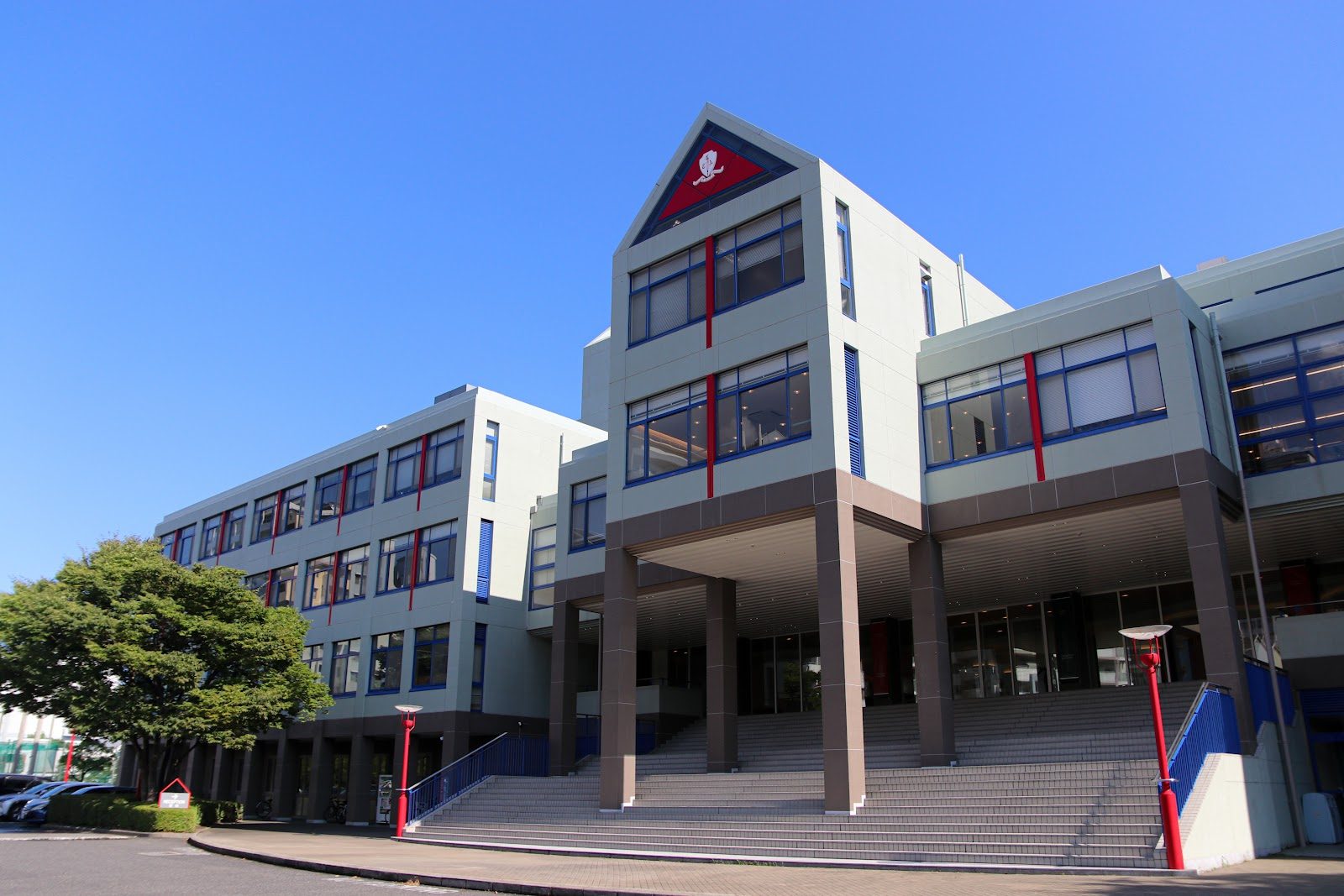
Canadian Academy
Kobe · Japan
On a man-made island in Kobe, a century-old boarding tradition dating to 1929 anchors a full IB continuum since 1980.
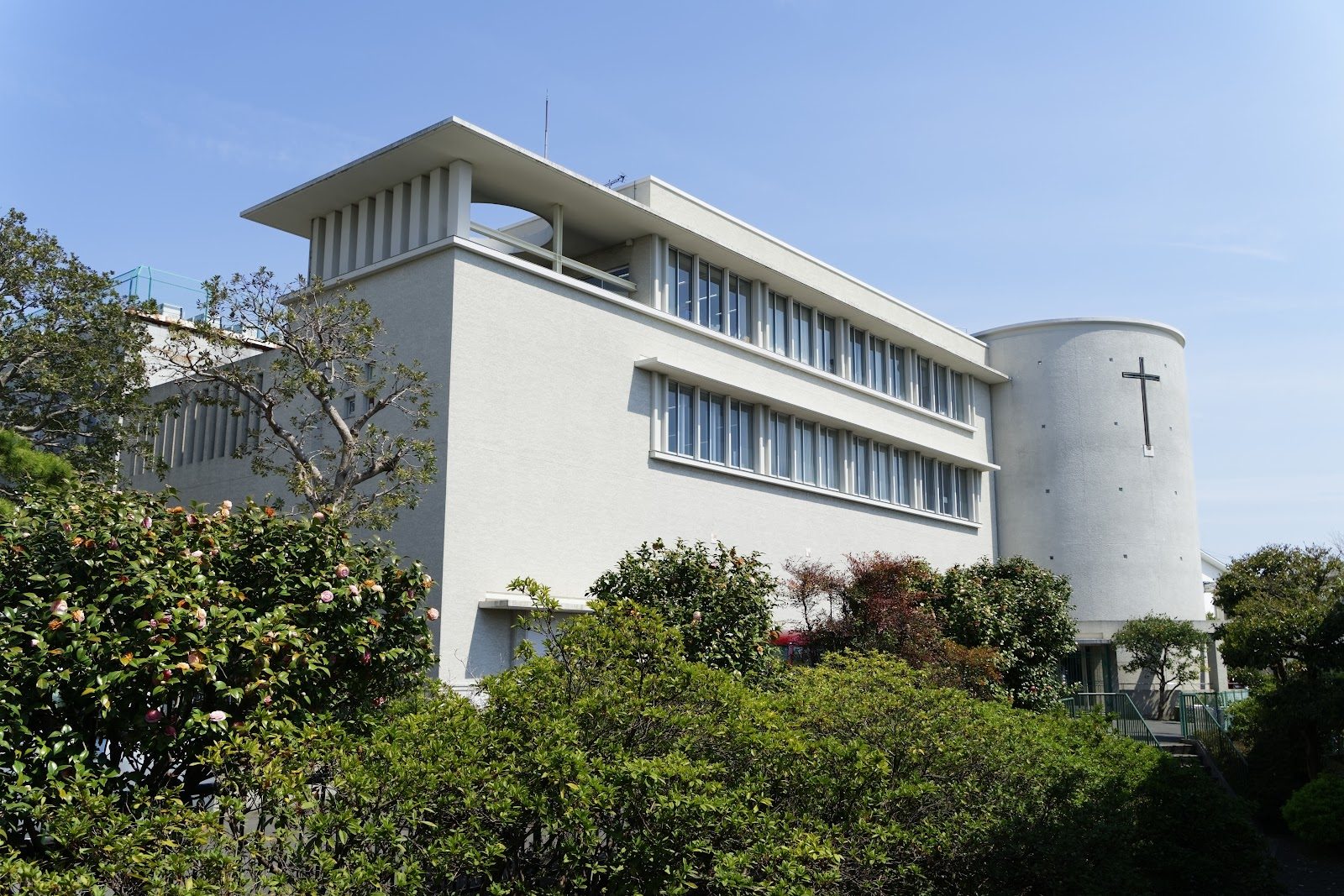
Saint Maur International School
Yokohama · Japan
Founded by missionary nuns in 1872, Yokohama's Yamate hillside campus still runs Asia's oldest international school, Montessori through IB
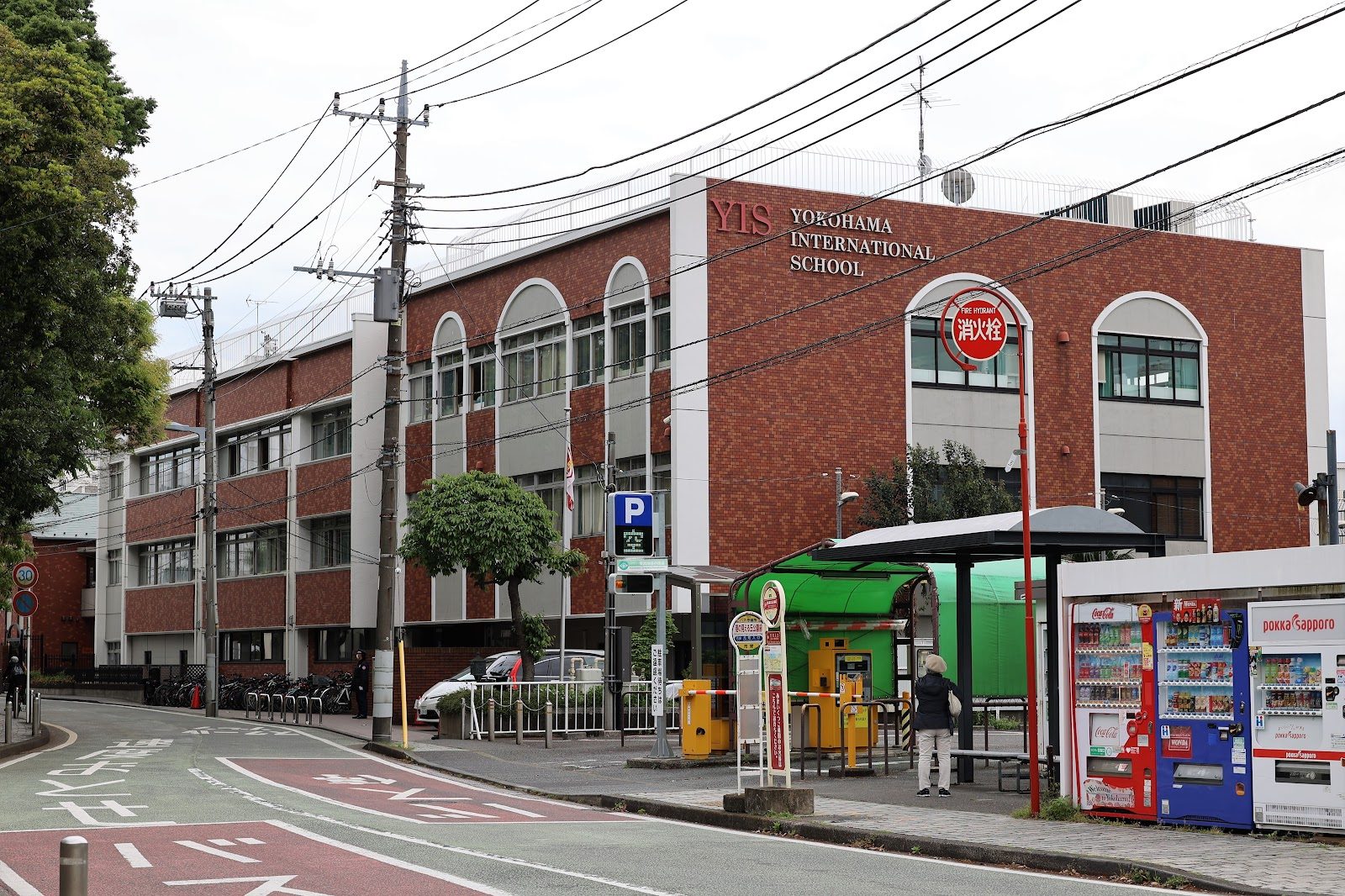
Yokohama International School
Yokohama · Japan
Founded in 1924 as the world's second 'international' school, now an IB campus by Kengo Kuma overlooking Yokohama Bay.
UWC ISAK Japan
Karuizawa · Japan
Japan's only UWC campus, tucked on Mount Asama, where seven in ten students study on need-based scholarship.
Same country and curriculum — closest matches within ±10 points either way