
British Columbia
Mulgrave School
low confidence· 1/6 cats · 2 avg sourcesOn Cypress Mountain's forested slopes, one of only two full IB continuum campuses in Vancouver runs preschool through diploma.

Photo © Mulgrave School, The International School of Vancouver via Google Maps
Type
Day
Ages
3–18
Curriculum
IB
Qualifications
IB Diploma · IB MYP · IB PYP
Ratio
7:1
The Verdict
Editor's commitment
Right for
Families wanting a 3-18 day school with the full IB continuum, a 7:1 ratio and a West Vancouver setting.
Wrong for
Parents after lower-cost private schooling: the average annual fee is CAD 32,433, and Mulgrave is unapologetically premium.
Watch out for
CAIS accreditation signals solid institutional standards, but the school does not publish aggregate IB Diploma results in the public domain.
Ranking breakdown
Mulgrave School · #858 of 1591
Composite score 65.5. 8 weighted criteria.
By criterion
Academic Outcomes
Weight 20%
#791
of 1529 scored
University Placement
Weight 16%
#793
of 1529 scored
Prestige & Heritage
Weight 12%
#878
of 1571 scored
Alumni Network
Weight 12%
#720
of 1530 scored
Facilities
Weight 12%
#822
of 1533 scored
Transparency & Communications
Weight 8%
#863
of 1532 scored
Peer & Industry Review
Weight 10%
#1000
of 1548 scored
Admissions Selectivity & Demand
Weight 8%
#726
of 1529 scored
Peer & Industry Review
How Mulgrave School is regarded in the sector
65
Respected · medium confidence
Among British Columbia's independent day schools, Mulgrave is most often discussed alongside St. George's, Crofton House, York House and Collingwood, though its full IB continuum sets it apart from schools running Advanced Placement or provincial curricula alongside only partial IB offerings. Independent education commentary in Canada tends to place Mulgrave among the country's more internationally oriented schools, a status reinforced by Round Square membership, which puts it in a peer network alongside recognised international schools rather than purely local competitors. University placement, built on IB Diploma results, feeds primarily into UBC and other major Canadian universities, with a smaller but consistent stream to UK and US institutions that admit directly on IB Diploma results. Coverage in UK-oriented guides such as the Good Schools Guide or WhichSchoolAdvisor remains thinner for Canadian schools generally, so Mulgrave's standing rests more on regional and IB-community recognition than on the international league-table exposure enjoyed by comparable UK or US schools.
Editors' overview
On Cypress Mountain’s wooded slope, Mulgrave sells a rare proposition in Vancouver: a full IB continuum from age 3 to 18 on one campus, with no handover between primary, middle and diploma years. That matters. Families who want the IB’s inquiry-heavy, writing-heavy arc do not need to switch schools at 11 or 16, and students get a coherent academic culture from preschool onwards. The school is independent, non-religious and day-only, founded in 1993, with a strikingly low 7:1 student-teacher ratio. It also holds CAIS accreditation, which gives parents at least one external quality marker beyond the school’s own claims. At an average annual day fee of CAD 32,433, Mulgrave sits in the premium end of the Vancouver market, and it prices itself accordingly.
What distinguishes Mulgrave is not mystique but fit. The school’s stated emphasis on sustainability and environmental justice, its location in West Vancouver, and references to spaces such as the SOLE Centre point to a programme built around discussion, projects and applied learning rather than rote grind. That will suit students who like ideas, who enjoy crossing between classroom work, outdoor education and co-curricular life, and who can use a campus community well. The school also pushes hard on wellbeing and community language. Parents should read that as a serious pastoral pitch, not a soft academic one: the IB demands organisation, stamina and intellectual range, and a school running the full continuum has to support students through that long stretch.
Mulgrave belongs on a shortlist for families who want continuity, international-mindedness and a smaller-scale adult-to-student ratio than many big-city independents can offer. It will appeal most to engaged, outward-facing children who thrive in a structured but not narrow academic environment, and to parents who want English-medium education without a religious frame. It is less suited to families hunting for a traditional exam factory, a large urban campus with a sixth-form-only intensity, or a bargain. Mulgrave’s case rests on coherence: one site, one educational philosophy, ages 3 to 18, and enough staff attention at 7:1 to make that breadth feel deliberate rather than diffuse.
Academic Performance
Mulgrave does not publish the hard outcome data that would let parents place it cleanly against Vancouver’s stronger independent schools. We have not seen aggregate Diploma averages, subject score distributions, pass rates over multiple years, or university destination tables with enough detail to judge consistency. That matters. A school running the full IB arc and charging premium fees needs to show what students secure at the end of it, not just what the programme intends to develop. The public-facing emphasis here falls on confidence, resilience, wellbeing, sustainability and community. Those are legitimate priorities. They are not a substitute for clear academic accountability.
There are still useful signals. The school describes its leavers as 87 graduates pursuing postsecondary routes across Canada, the US, Europe and Asia, which points to a cohort with international ambitions and a university-going culture. References to Theory of Knowledge, diverse learning spaces and applied learning fit an IB school that values discussion, writing and independent thought over exam-factory intensity. That will suit many students. It also leaves Mulgrave in an opaque middle ground on performance: strong enough in academic architecture to merit attention, but without the published results that separate a serious academic operator from a school trading on ethos, setting and programme breadth. Parents comparing top-tier independents should ask for multi-year Diploma data in plain numbers.
Facilities
The campus’s strongest facility asset is not a single showpiece building but the way the site supports a broad school day. The school leans hard on dedicated learning spaces, and the named SOLE Centre signals more than branding: it points to provision for self-directed, project-based work rather than a narrow run of standard classrooms. References to backcountry skills, team sport and public speaking also indicate a campus used for more than lessons alone. Add the mountain-side setting and you get an environment with real scope for outdoor education and student activity beyond the timetable. Among Vancouver independents, that puts Mulgrave in the well-resourced all-rounder category rather than the urban squeeze faced by schools working on tighter city plots.
What is less clear is the top-end specialist inventory. The school publicises community, sustainability and wellbeing more readily than laboratories, theatres, design workshops or elite sports infrastructure. That does not mean those facilities are weak; it means the school does not foreground them. For parents benchmarking against peer schools, that matters. Some premium competitors make their capital investment unmistakable with major performing arts venues, standout STEM centres or extensive indoor athletics provision. Mulgrave’s edge lies in coherent use of space, pastoral utility and a campus that supports a wide age range in one place, not in a public parade of arms-race facilities. The low staffing ratio of 7:1 also eases pressure on shared spaces, which counts for a great deal in daily school life.
Parents comparing top-tier independents should ask for multi-year Diploma data in plain numbers
Prestige
Mulgrave has real prestige in Vancouver’s independent-school market, but it is selective prestige, not the old-bank, centuries-deep kind that attaches to legacy institutions. Its standing rests on three things: a rare all-through structure, a full IB continuum on one site, and a staffing model that gives families the sense of high-touch schooling rather than institutional sprawl. The school also carries the social advantages that attach to an affluent North Shore address and a university-preparatory identity. For many international and locally mobile families, that combination carries weight. The graduating cohort of 87 reinforces the impression of a school with enough scale to feel established, but not so much that students disappear into the machinery.
That said, Mulgrave’s prestige is stronger in market position and parent perception than in publicly demonstrated academic dominance. The school projects confidence, global outlook and contemporary values; it does not publish the breadth of outcome data that would place it beyond dispute among the city’s academic heavyweights. That limits the case. Prestige built on setting, fees and institutional coherence is still prestige, but it is a different category from prestige secured by relentlessly transparent results or a long roster of nationally famous alumni. The average annual fee of CAD 32,433 keeps Mulgrave firmly in the premium bracket, and the 7:1 ratio adds genuine substance to that pricing. My rating, then, is high but not untouchable: respected, desirable, and credible, without the commanding inevitability of the very top echelon.
My rating, then, is high but not untouchable: respected, desirable, and credible, without the commanding inevitability of the very top echelon
Communications
Mulgrave communicates in the polished, high-frequency style now standard at expensive independents: a slick website, clear calls to action, prominent admissions deadlines and a steady stream of community storytelling. The front-end execution is strong. Key audiences are signposted fast — prospective families, employees, alumni — and the school keeps important dates visible rather than burying them in a parent portal maze. There is also a consistent institutional voice: upbeat, values-led and tightly managed. References to wellbeing, sustainability, team sport and postsecondary destinations give parents a good sense of what the school wants them to notice. The mention of a graduating class of 87 adds useful scale. So does the application window for 2027–28, which signals a school that plans admissions communication well ahead. On basic clarity, Mulgrave is disciplined, coherent and professionally run.
The limitation is substance. The communication is carefully curated and warm, but it prioritises ethos over hard information. Parents get plenty of tone — confidence, resilience, care, community — and not enough measurable academic disclosure. That imbalance matters more here than at a cheaper, less ambitious school. A campus with a low adult-to-student ratio and premium fees owes families plain reporting on outcomes, programme demands and comparative performance. Mulgrave’s public communication builds trust on culture and belonging; it does not close the case on accountability. For existing parents, that may still work if direct school channels carry the operational detail day to day. For evaluating families, the outward message is persuasive but selective: strong on identity, weaker on evidence.
Uniqueness
Mulgrave’s real distinction lies in continuity with consequence. Very few schools in the city run the whole journey on one campus, and fewer still do it with a coherent intellectual style from the earliest years to university entry. That gives students a rarer kind of stability than the usual independent-school shuffle between junior, middle and senior divisions. Teachers can build habits of inquiry, discussion, reflection and independent work over a long arc instead of restarting the culture every few years. The school also works at an intimate scale: Wikipedia puts cohorts at around 80 students per grade, and the graduating class cited by the school itself stands at 87. That is large enough for peer variety and team life, but small enough for students to be known.
The other point of difference is the setting matched with the school’s stated priorities. Mulgrave ties sustainability and environmental justice to the life of the school, and its mountainside campus gives that agenda more than a token backdrop. References to backcountry skills, outdoor activity, public speaking and self-directed learning spaces add up to a school that wants students to do more than collect grades. For the right child, that brings a grounded, outward-facing education with room for intellectual ambition, practical learning and visible community involvement. The trade-off is clear too: students who want a hard-edged, purely results-driven culture may find Mulgrave’s strengths lie in breadth, coherence and personal formation rather than narrow academic theatre.
The school is independent, non-religious and day-only, founded in 1993, with a strikingly low 7:1 student-teacher ratio
Student Profile
Mulgrave suits students who enjoy school in the fullest sense, not just the examinable parts. The right child here is curious, articulate and comfortable with teachers who expect discussion, reflection and independent thought from an early age. This is a strong fit for children who like moving between academic work, outdoor activity, team sport, service and public speaking without treating any one of them as an afterthought. The school’s own language around wellbeing, community and supporting others points to a culture that rewards engaged citizenship as much as private ambition. With roughly 80 pupils in each grade and a low adult-to-student ratio, there is less room to drift anonymously than in a bigger institution. Students who flourish with attention, structure and visible expectations will do well.
The weaker fit is just as clear. Children who want a hard-driving, narrowly competitive atmosphere, or who measure a school chiefly by exam heat and status display, may find Mulgrave too whole-child in its priorities. It asks for stamina, sociability and a willingness to contribute. It also asks students to buy into a community with a clear moral vocabulary around sustainability and responsibility to others. That will attract families who want their child known well and stretched across many fronts. It will irritate those who want a more transactional model of schooling. Mulgrave is best for the outward-facing, self-directed student who can use a rich school environment well, not the child who wants to keep their head down and do the minimum.
It also holds CAIS accreditation, which gives parents at least one external quality marker beyond the school’s own claims
Co-curricular strengths
Arts & sport, on a separate axis
Overall 8.9/10
Scored 0-10 from the school's own published evidence. This axis is editorial-only — it does not feed the main WTS ranking.
Sports
8.5/10
Drama
9/10
Dance
8.8/10
Music
9/10
Visual Arts
9.2/10
Strengths
- +Ages 3–18 on one West Vancouver campus
- +CAIS-accredited school offers external quality assurance
- +English instruction suits families seeking anglophone schooling
- +Notable athletics, including BC AA golf title
Considerations
- −Day-only school; no boarding for overseas families
- −Canadian curriculum, not IB or British pathways
- −West Vancouver location may mean longer cross-city commutes
Availability
Primary entry gate & tests
SSAT / Internal + Interview
Gallery
Photo © Tony Yin via Google Maps
Photo © Tony Yin via Google Maps
Photo © Tony Yin via Google Maps
Photo © Tony Yin via Google Maps
Parent reviews
Have you sent your child here?
Voice reviews carry the strongest trust badge — we transcribe them for you to tidy up before they go live. Prefer to type? A written review is fine too.
Add your voice
In 60 seconds, tell other parents: what's the best thing about Mulgrave School, and what surprised you when your child joined?
We ask for a Google sign-in so every review has a real face behind it — no anonymous drive-by attacks on schools, and no faked positive reviews. Your email is never shown publicly.
Send this profile to a friend
International parents rely on word-of-mouth. Share this review with someone weighing the same decision.
Schools with places
Similar schools to Mulgrave School with places available now.
Shawnigan Lake School
Shawnigan Lake · Canada
- 2026-27
- CLOSEDRegular cycle closed
- 2027-28
- PLACES OPENActive now
St Michaels University School
Victoria · Canada
- 2026-27
- CLOSEDRegular cycle closed
- 2027-28
- PLACES OPEN2027/28 open; priority 1 Dec '26
Crofton House School
Vancouver · Canada
- 2026-27
- CLOSEDRegular cycle closed
- 2027-28
- OPENS SOONOpens Sept '26
West Point Grey Academy
Vancouver · Canada
- 2026-27
- CLOSEDRegular cycle closed
- 2027-28
- OPENS SOONOpens Sept '26
Availability first, then country, area, curriculum, price, co-curricular
Consider also
Also worth looking at alongside Mulgrave School.
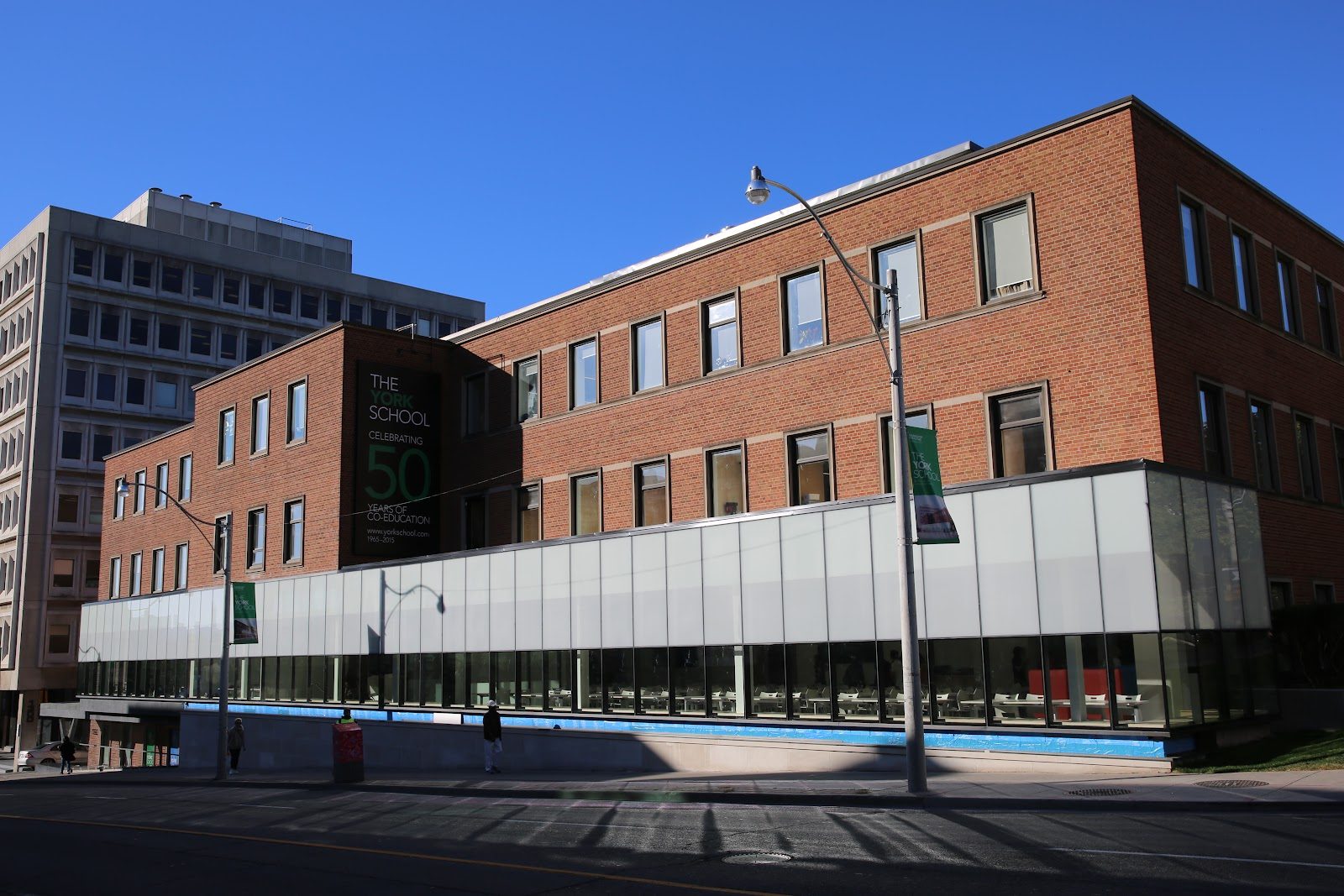
The York School
Toronto · Canada
First English-speaking school in Canada certified for the full IB continuum, JK to Grade 12, on midtown Toronto's Yonge Street corridor.
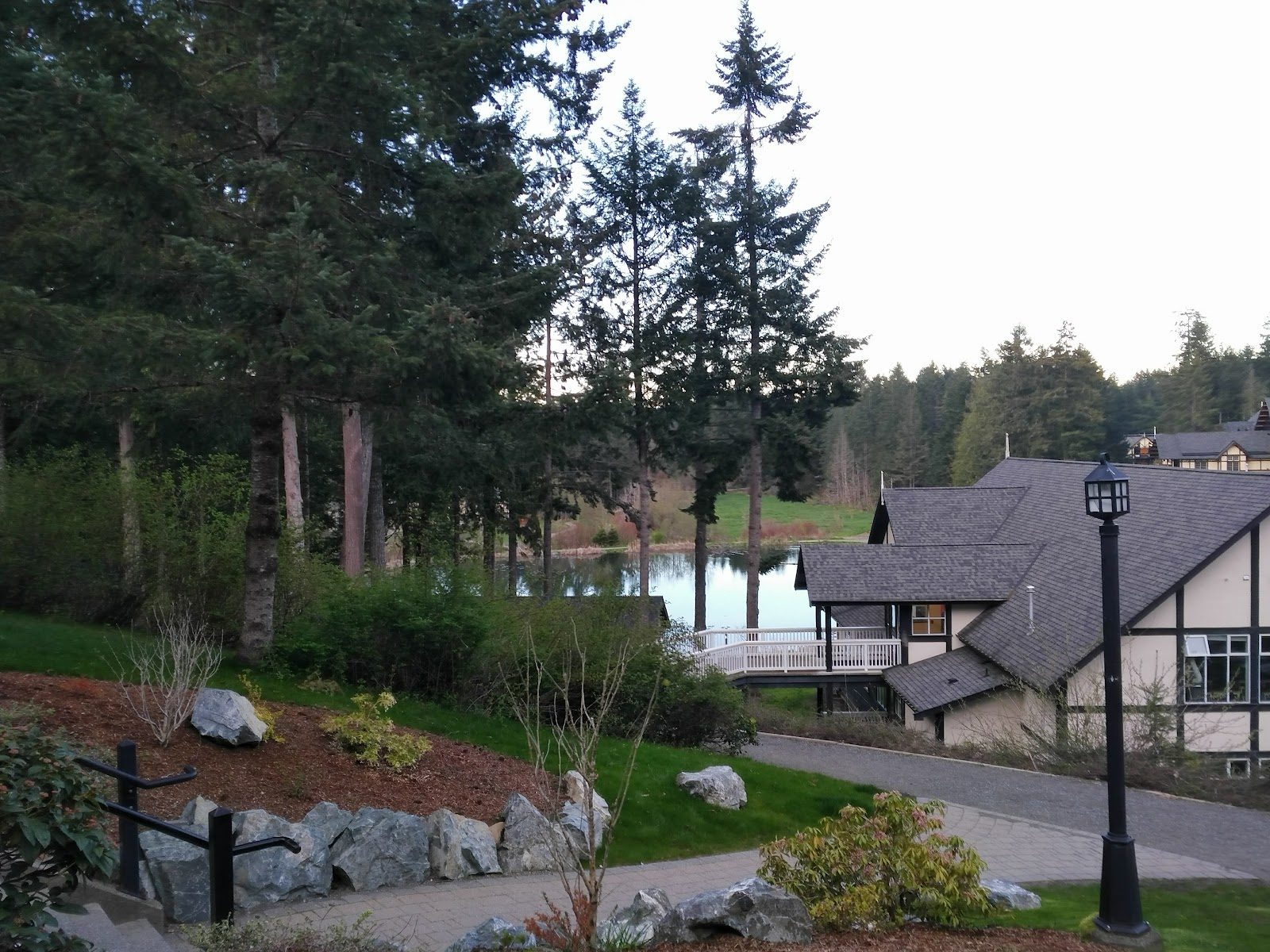
Shawnigan Lake School
Shawnigan Lake · Canada
On a 270-acre Vancouver Island campus, ten boarding houses hold Canada's largest full-time boarding community, a tradition since 1916.
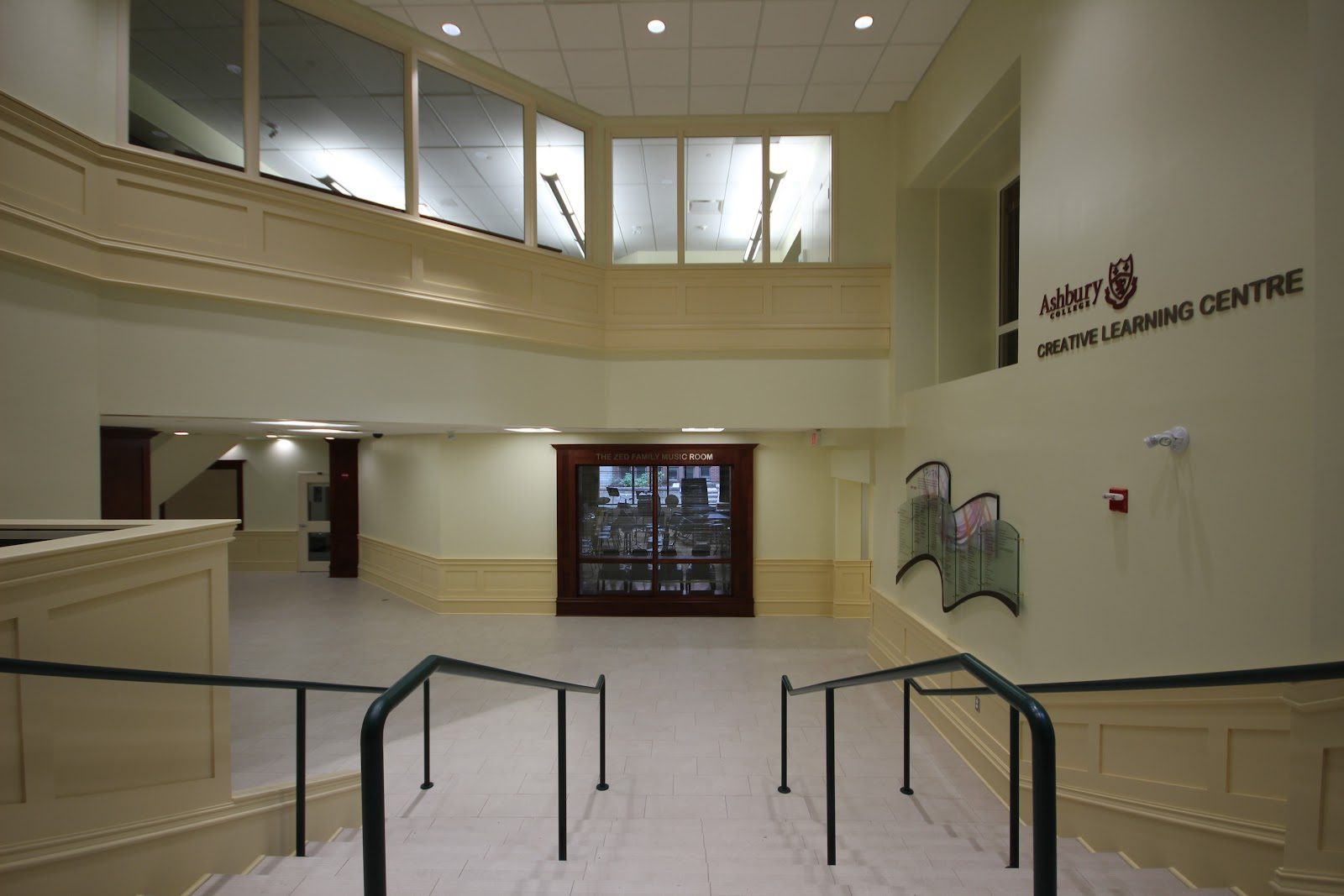
Ashbury College
Ottawa · Canada
Tucked among Rockcliffe Park's embassy residences, this century-old IB pioneer turns diplomatic proximity into a genuine global classroom.

Havergal College
Toronto · Canada
A 22-acre Anglican foundation since 1894, where ten storied houses anchor a rigorous, wellbeing-driven liberal arts curriculum for girls in midtown Toronto.
Same country and curriculum — closest matches within ±10 points either way