
British Columbia
Crofton House School
medium confidence· 5/6 cats · 1.55 avg sourcesWest of Toronto's oldest independent school, a Kerrisdale campus builds IB scholars through its four-quadrant Ivy Compass program.
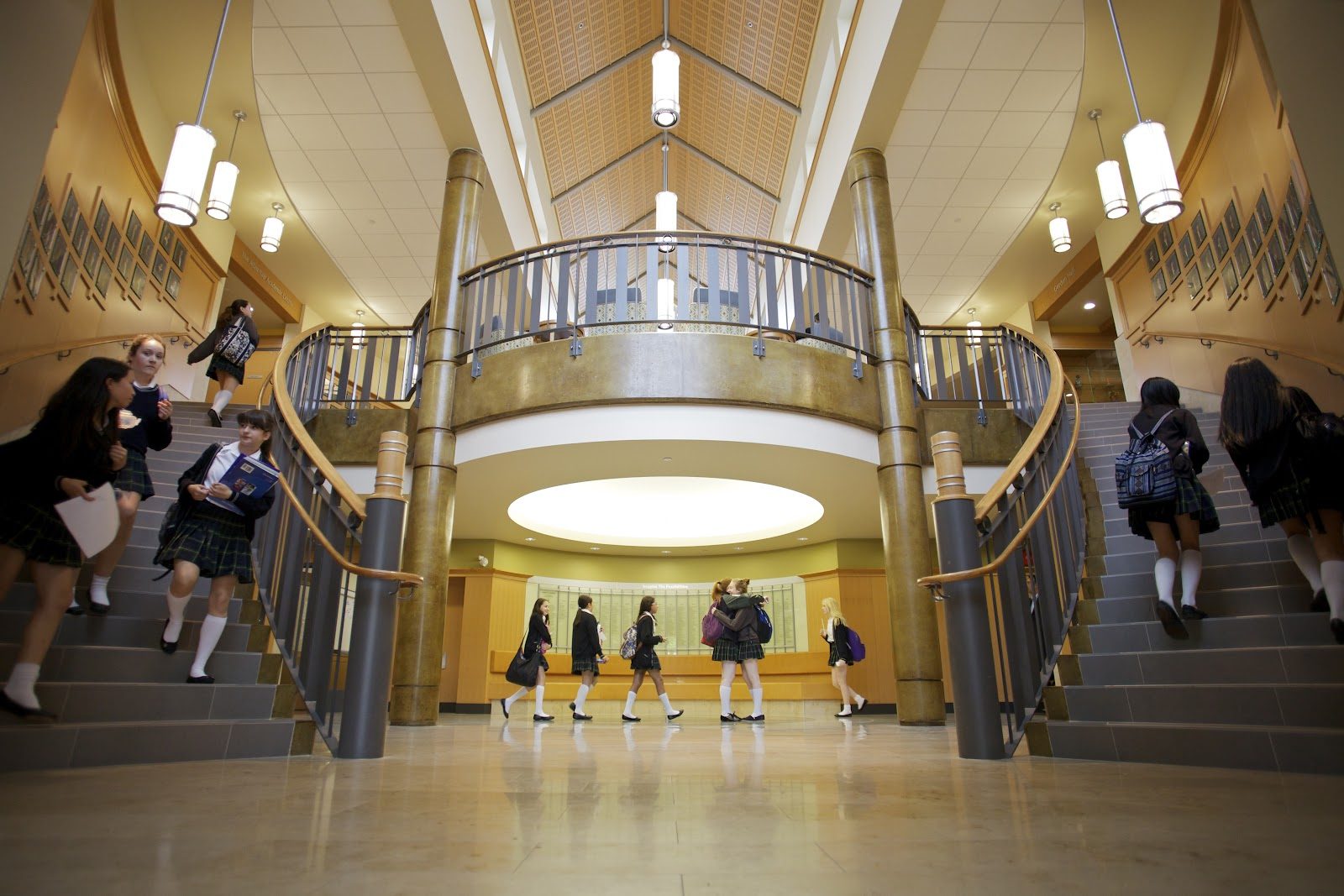
Photo © Crofton House School via Google Maps
Type
Day
Ages
3–18
Curriculum
Canadian · IB · American
Qualifications
AP
Ratio
—
The Verdict
Editor's commitment
Right for
Girls who want a 3–18 all-girls day school with IB and CIS accreditation, rooted in Kerrisdale since 1898.
Wrong for
Families wanting co-education, boarding or a broader university record than a 2018 class of 98 led by single admits to UBC, Calgary and Dalhousie.
Watch out for
At CAD 35,300 on average, Crofton is expensive, and the published destinations list is thin for a school selling university preparation.
Ranking breakdown
Crofton House School · #739 of 1591
Composite score 65.0. 8 weighted criteria.
By criterion
Academic Outcomes
Weight 20%
#449
of 1529 scored
University Placement
Weight 16%
#459
of 1529 scored
Prestige & Heritage
Weight 12%
#526
of 1571 scored
Alumni Network
Weight 12%
#1232
of 1530 scored
Facilities
Weight 12%
#559
of 1534 scored
Transparency & Communications
Weight 8%
#592
of 1532 scored
Peer & Industry Review
Weight 10%
#640
of 1548 scored
Admissions Selectivity & Demand
Weight 8%
#334
of 1529 scored
Score history
Crofton House School · 2026
Movement across 2024–2026. Peer average overlaid.
Overall — 2024–2026
65.0/ 100
▲ +11.2 vs 2025
year on year
Peer & Industry Review
How Crofton House School is regarded in the sector
68
Respected · medium confidence
Crofton House is consistently recognized as one of Vancouver's leading independent girls' schools, regularly appearing in Canadian private school rankings (e.g., Fraser Institute school rankings) and discussed favorably on expat parent forums like Expat Exchange and British Expats for Vancouver relocations. It has a strong regional reputation among Vancouver's independent school peer group (alongside York House, St. George's) but lacks the broader international press coverage (Tatler, Good Schools Guide) that top-tier globally recognized schools receive.
Evidence sources
- Carole Taylor — Businesswoman, former BC Finance Minister; ex-CBC Chair
- Jane Rule — Author, literature
- Nancy Greenwood — Athlete, alpine skiing
Editors' overview
Crofton House trades on three things that matter in Vancouver: history, selectivity and a clear single-sex proposition. This is a girls’ day school in Kerrisdale, founded in 1898, teaching from Junior Kindergarten to Grade 12 and accredited by both the IBO and CIS. The age range, the all-girls structure and the school’s own insistence on “girl-centred education” give it a very specific identity. Parents who want a co-ed environment will strike it off quickly; parents who want an academically serious, high-expectation setting for girls will keep reading. At an average annual day fee of CAD 35,300, it sits firmly in the expensive end of the Vancouver market.
The academic positioning is broad rather than narrow. The declared mix of Canadian, IB and American curricula tells you this is not a school built around one national pathway alone, and the “university-preparatory” description fits that. The destination data supplied here are thin rather than dazzling: the Class of 2018 had 98 leavers, with named destinations including the University of British Columbia, the University of Calgary and Dalhousie University, each with 1 student listed. That does not give parents the usual glossy picture of headline university placements, and the school does not disclose a fuller destinations breakdown here. What it does offer, plainly, is a long-established academic framework, English-medium teaching, and a campus culture organised around female agency and strong adult-student relationships.
Why shortlist it? Because Crofton House offers a disciplined, well-defined version of independent schooling that many rivals struggle to articulate this clearly. It is for girls who thrive in a structured environment, are comfortable with academic challenge, and want a school where leadership, voice and participation are built into daily life rather than bolted on in the sixth form. It is not for families chasing flash. It is for families who want a serious school with a long institutional memory, a strong peer group and the confidence to stay focused on its core brief.
Academic Performance
Crofton House keeps its public academic story tight and, in one respect, frustratingly opaque. The school sits within the small group of Canadian independent schools that can point to external validation through the IB, yet it does not publish the figures parents usually use to judge that claim: no aggregate IB diploma average, no subject score spread, no pass rate, and no year-on-year outcomes table. That matters. Among direct fee peers, especially academically selective girls’ schools, published examination data is one of the cleanest signals of sixth-form strength. Crofton House withholds that signal. Parents therefore have to judge academic performance through institutional reputation, selectivity and university-preparatory intent rather than hard public results.
That does not put the school in a weak bracket; it puts it in a closed-book one. The Fraser Institute reference gives it a measure of external standing within British Columbia, but that is not a substitute for detailed senior-school outcomes, and serious families know the difference. Relative to peers, Crofton House fits the high-expectation, premium tier where strong results are assumed, but not evidenced in the way the best data-publishing schools now provide. The practical conclusion is simple: treat it as an academically ambitious school with a strong local reputation, then ask directly for recent IB outcomes, university offers beyond the small published sample, and the distribution of top grades before treating it as a proven examination powerhouse.
Facilities
Crofton House does not flood the public domain with a long, room-by-room facilities inventory, and that matters. At this fee level, many peer schools publish detailed science, arts and sport provision because facilities are part of the value case. Here, the clearest facility signal is the campus itself in Kerrisdale and the school’s use of that site to support a full through-school experience from the early years to Grade 12. That points to a self-contained, purpose-built environment rather than a stitched-together urban operation spread across multiple addresses. For parents, the practical takeaway is coherence: younger pupils and senior students sit within one institutional setting, which tends to strengthen transitions, shared standards and access to specialist spaces as girls move up the school.
Against premium independent peers, that puts Crofton House in the serious but not showy bracket. It has the profile of a school where facilities serve the academic and co-curricular programme rather than acting as a real-estate spectacle. The weakness is transparency. We have not seen the kind of published detail that would let parents benchmark laboratories, performing arts spaces, indoor sport provision or specialist design rooms against the strongest campuses in the market. So the facilities case rests less on brochure-ready superlatives and more on institutional confidence. That will suit families who value substance over flash; it gives less comfort to those who want hard evidence that a CAD 35,300 annual outlay buys top-tier physical resources as well as reputation.
Crofton House trades on three things that matter in Vancouver: history, selectivity and a clear single-sex proposition
Prestige
Crofton House carries real social and academic cachet in its market. A long-established girls’ school in Kerrisdale already occupies rarefied territory; add a selective intake, a high fee base and a clear university-preparatory identity, and you get a school that sits in Vancouver’s top social tier. Prestige here does not rest on marketing noise. It rests on who applies, who gets in, and the strength of the parent network that forms around a school of this type. The all-girls model sharpens that identity further: this is a school families choose deliberately, not a default independent option. The minimum verified notable-alumni footprint is modest at 2, so Crofton House’s prestige reads more as institutional standing than celebrity output.
The rating stays high because the school combines old-line local status with external validation beyond its own claims. The Wikipedia extract notes a tie for first place in the Fraser Institute’s British Columbia rankings, and that matters in a city where parents watch league-table signals closely. Even so, this is measured prestige, not untouchable global brand power. Crofton House has name recognition and influence in its own city and among Canadian independent-school families; it does not carry the automatic international shorthand of the biggest British or American names. The expensive average annual fee of CAD 35,300 reinforces the exclusivity. So does the leaving cohort of 98 in the destinations data: large enough to signal established scale, small enough to preserve a curated feel.
This is a girls’ day school in Kerrisdale, founded in 1898, teaching from Junior Kindergarten to Grade 12 and accredited by both the IBO and CIS
Communications
Crofton House communicates in a controlled, polished way that matches its institutional temperament. The public-facing site is clean, current and tightly curated: admissions events are easy to find, the school magazine is pushed hard, and the central messages are unmistakable. Parents get a steady stream of identity-led communication rather than a sprawling data dump. That has strengths. A busy family can grasp the school’s priorities quickly, and the tone is consistent across touchpoints. It also has a weakness. The communication strategy favours narrative and values over disclosure. For a school charging an average of CAD 35,300 a year, that leaves gaps where parents expect hard operational detail, fuller outcomes reporting and a more granular account of day-to-day school life.
So the verdict is mixed: disciplined and professional, but also guarded. The prominence given to admissions events signals a school that knows prospective parents need live access to staff and campus context to fill in what the published information does not cover. That matters because this is not a low-stakes purchase or a casual community school; it is a deliberate, high-cost commitment for families over many years. Communication works best here when it is direct and in person. The website does the branding job well. It does the accountability job less well. Parents who value clarity over polish will want to press for specifics early, rather than mistake a refined presentation for full transparency.
Uniqueness
Crofton House’s distinctiveness starts with focus. This is not a school trying to be all things to all families; it is built around a single clear proposition—girls taught in an environment designed expressly for them, with the school’s own identity anchored in female agency, strong relationships and a stated duty to engage with the wider community. That gives the place a coherent internal logic that many broad-market independents lack. The benefit for students is not abstract. In a through-school setting, staff can sustain expectations, habits and confidence over time, and girls do not have to fight for space in classrooms, leadership roles or public voice. For the right child, that produces a high-trust, high-expectation culture with unusual consistency from the earliest years to the end of school.
Its other point of difference is restraint. Plenty of premium schools sell themselves through spectacle—flashy facilities, inflated destination talk, endless rhetoric about innovation. Crofton House’s public case is tighter and more old-school in temperament. That does not make it softer; it makes it more disciplined. Families get a school with a long institutional memory, a defined sense of purpose and a leaving cohort large enough to feel socially substantial at 98 students without tipping into anonymity. The trade-off is clear: this is not a loose, experimental campus culture. It suits girls who want structure, intellectual seriousness and a community where expectations are embedded rather than negotiated.
The age range, the all-girls structure and the school’s own insistence on “girl-centred education” give it a very specific identity
Student Profile
The girls who thrive here are self-motivated, academically switched-on and comfortable in a culture that asks them to participate rather than hide. This is a school for students who value clear standards, close adult attention and a peer group that takes school seriously. It suits girls who want to speak up, take responsibility and use the opportunities of a through-school community over time, not those looking for a loose social scene or a low-pressure ride. The school’s public language about agency, relationships and engagement with wider social issues points to a student body expected to think beyond grades alone. With a leaving cohort of 98, pupils also get a senior community large enough to offer range in friendships and activities without the anonymity of a mass-market school.
The best fit is a girl who likes structure, can handle expectation and does not need constant external theatre to stay engaged. Quietly ambitious students will do well here. So will girls who want leadership and visibility in an all-girls setting rather than competing for space in a co-ed one. The weaker fit is just as clear: families after a more relaxed, eclectic or visibly progressive school culture may find Crofton House too controlled and too polished. This is not for girls who want to drift. It is for those who want a serious education, a strong female peer environment and a school community with a clear internal code.
Parents who want a co-ed environment will strike it off quickly; parents who want an academically serious, high-expectation setting for girls will keep reading
Co-curricular strengths
Arts & sport, on a separate axis
Overall 8.9/10
Scored 0-10 from the school's own published evidence. This axis is editorial-only — it does not feed the main WTS ranking.
Sports
9/10
A structured multi-season athletics programme from Grades 3–12 with regular practices and games, more than half of senior students participating, and verified elite alumnae including Olympian Samantha Lam, Olympic medalist rower Lauren Wilkinson, and professional tennis player Rebecca Marino, which anchors sports at least at 8.
Drama
9/10
The profile and Wikipedia explicitly show multiple drama offerings including Drama Club, House Plays, improv, middle school and senior school musical/theatre productions, indicating visible structured participation across age groups but no named theatre facility, specialist staff, or major competitive pedigree.
Dance
8.5/10
Music
9/10
Choir and orchestra, plus concert choir, stage band, concert band, and orchestra, showing a solid multi-ensemble music programme without evidence here of a dedicated music facility, specialist staff, or major external recognition.
Visual Arts
9/10
Curriculum-based and co-curricular arts education with named activities such as Watercolour Wonders, Clay Creations, Photography, and Studio 65 (Art Club), supporting a solid visual arts offering but with no named dedicated facility or stronger distinction in the provided evidence.
Editor first-pass · editor-reviewable · 7/28/2026
Outcomes & destinations
Where students go next
Class of 2018
98 graduates
Top destinations
40 placements
- University of British Columbia· 1
- University of Calgary· 1
- Dalhousie University· 1
- McGill University· 1
- McMaster University· 1
- Queen’s University· 1
- Quest University· 1
- Ryerson University· 1
- Sheridan College· 1
- Simon Fraser University· 1
- Thompson Rivers University· 1
- University of Toronto· 1
- University of Victoria· 1
- University of Waterloo· 1
- Western University· 1
- Architectural Association School of Architecture· 1
- Boston University· 1
- University of California, Berkeley· 1
- University of California, San Diego· 1
- University of Chicago· 1
- Cornell University· 1
- Georgetown University· 1
- The George Washington University· 1
- Johns Hopkins University· 1
- University of Michigan· 1
- New York University· 1
- Northwestern University· 1
- Pomona College· 1
- Pratt Institute· 1
- University of Southern California· 1
- Stanford University· 1
- The New School· 1
- University of Wisconsin, Madison· 1
- Wellesley College· 1
- London College of Fashion· 1
- Queen’s University Belfast· 1
- University College London· 1
- The University of Edinburgh· 1
- University of Oxford· 1
- University of St. Andrews· 1
Reported by the school. Confirm with admissions.
Strengths
- +Founded in 1898, making it one of Canada's longest-established independent girls' schools, with over a century of institutional continuity in Vancouver.
- +Offers a blended academic pathway combining the BC provincial curriculum with the IB Diploma and Advanced Placement courses, giving university-bound students flexible options.
- +Financial assistance for Grade 8 entrants is structured as a non-repayable bursary and can cover up to 98% of the total cost of attendance for families who qualify.
- +Single 10-acre campus in the Kerrisdale neighbourhood keeps the entire Junior Kindergarten to Grade 12 community on one site rather than split across locations.
- +Small average class sizes of around 18 to 20 students are reported across grades, supporting closer teacher-student contact than many larger day schools.
Considerations
- −Day school only, with no boarding option; the school explicitly frames itself as being for girls living with a parent or legal guardian in the Lower Mainland, which rules it out for families relocating without a local base.
- −Fees sit in the upper range for Canadian day schools, with tuition increasing by at least 4% every year according to the school's own fee policy, adding a compounding cost families must budget for.
- −Admission is competitive and procedural: major entry grades require an SSAT or in-house assessment plus a family interview, with a hard December application deadline that leaves little room for late or opportunistic applications.
- −Places outside the four designated intake grades (JK, SK, Grade 6, Grade 8) are limited and depend on attrition, making a mid-year or off-cycle transfer into other grades difficult to secure.
Availability
Primary entry gate & tests
Grade-specific (SSAT Gr 8; in-house Gr 6/K)
Gallery
Photo © Crofton House School via Google Maps
Photo © Crofton House School via Google Maps
Photo © Crofton House School via Google Maps
Photo © Crofton House School via Google Maps
Photo © Crofton House School via Google Maps
Photo © Crofton House School via Google Maps
Photo © Crofton House School via Google Maps
Photo © Local Buzz via Google Maps
Photo © Crofton House School via Google Maps
Parent reviews
Have you sent your child here?
Voice reviews carry the strongest trust badge — we transcribe them for you to tidy up before they go live. Prefer to type? A written review is fine too.
Add your voice
In 60 seconds, tell other parents: what's the best thing about Crofton House School, and what surprised you when your child joined?
We ask for a Google sign-in so every review has a real face behind it — no anonymous drive-by attacks on schools, and no faked positive reviews. Your email is never shown publicly.
Send this profile to a friend
International parents rely on word-of-mouth. Share this review with someone weighing the same decision.
Schools with places
Similar schools to Crofton House School with places available now.
West Point Grey Academy
Vancouver · Canada
- 2026-27
- CLOSEDRegular cycle closed
- 2027-28
- OPENS SOONOpens Sept '26
Shawnigan Lake School
Shawnigan Lake · Canada
- 2026-27
- CLOSEDRegular cycle closed
- 2027-28
- PLACES OPENActive now
St Michaels University School
Victoria · Canada
- 2026-27
- CLOSEDRegular cycle closed
- 2027-28
- PLACES OPEN2027/28 open; priority 1 Dec '26
St. George's School
Vancouver · Canada
- 2026-27
- CLOSEDRegular cycle
- 2027-28
- OPENS SOONOpens Sept '26
Availability first, then country, area, curriculum, price, co-curricular
Consider also
Also worth looking at alongside Crofton House School.
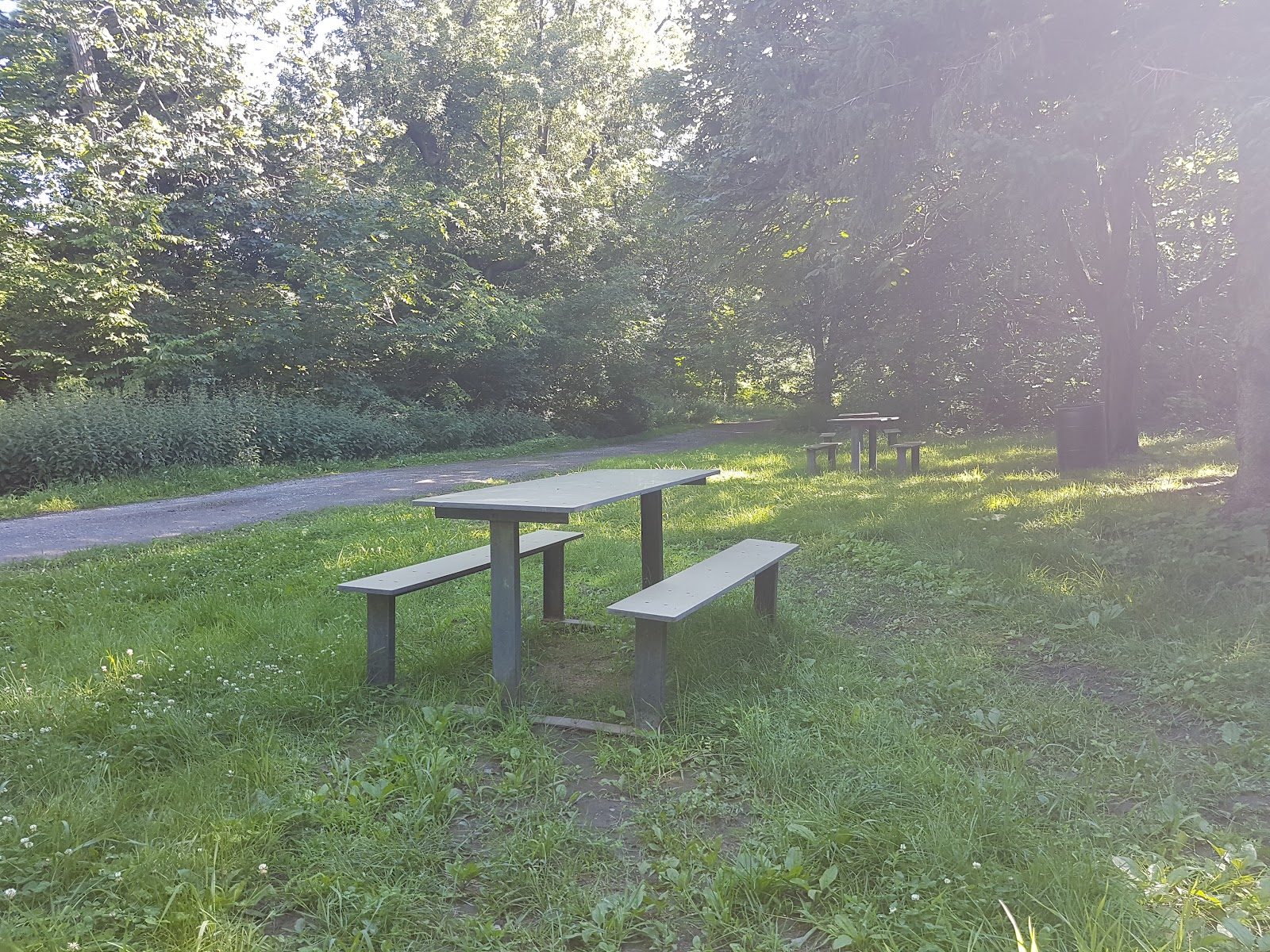
Collège Jean-de-Brébeuf
Montreal · Canada
Once a Jesuit seminary, now a secular Francophone college spanning secondary school and CEGEP, IB-authorized since 1982.
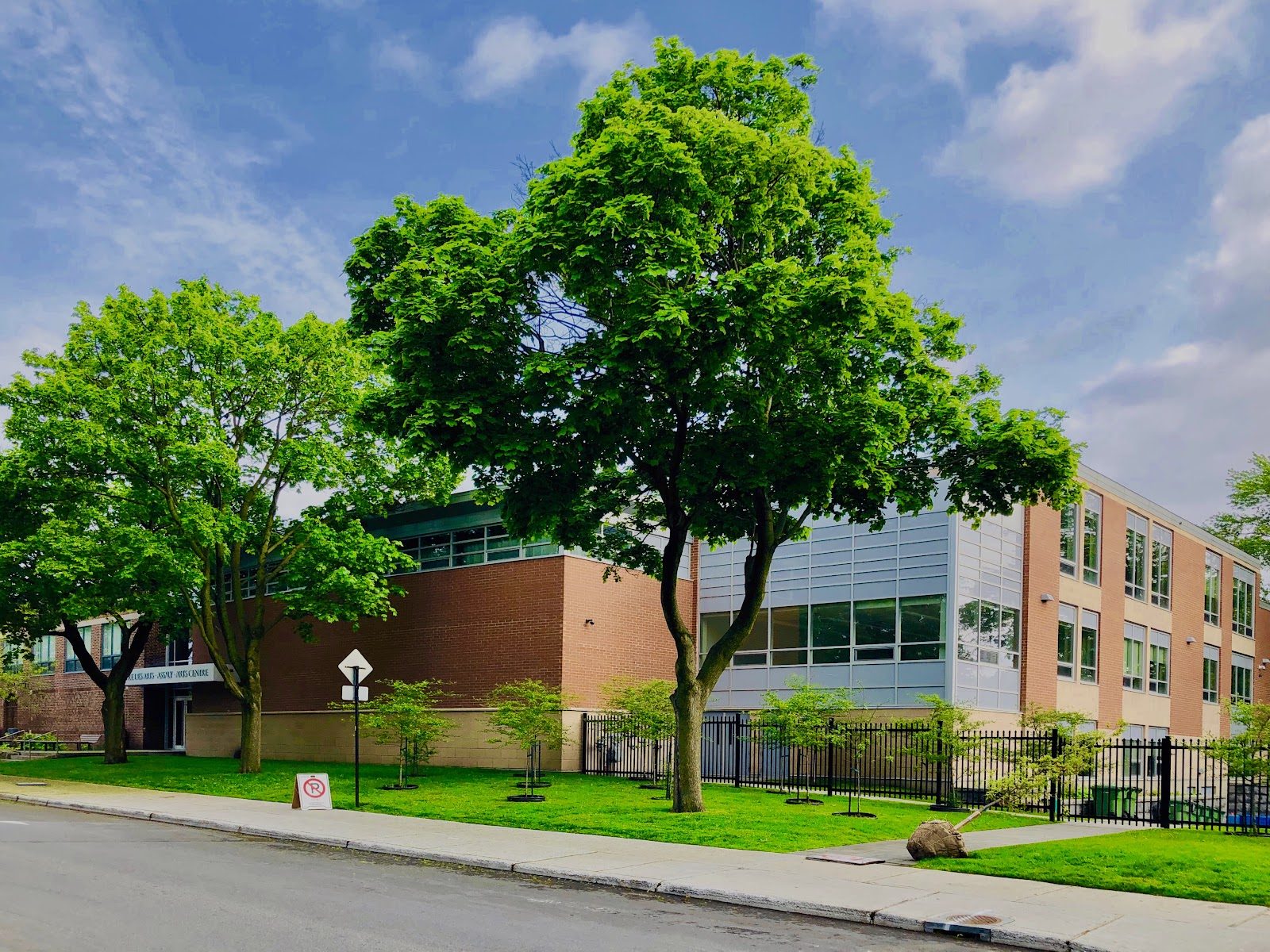
Lower Canada College
Montreal · Canada
Rooted in an 1861 boarding-school lineage, the only English-language Quebec school running both IB Middle Years and Diploma Programmes side by side

West Point Grey Academy
Vancouver · Canada
On an 18-acre Jericho Lands campus above English Bay, a compulsory third language meets a student-run Model UN conference.
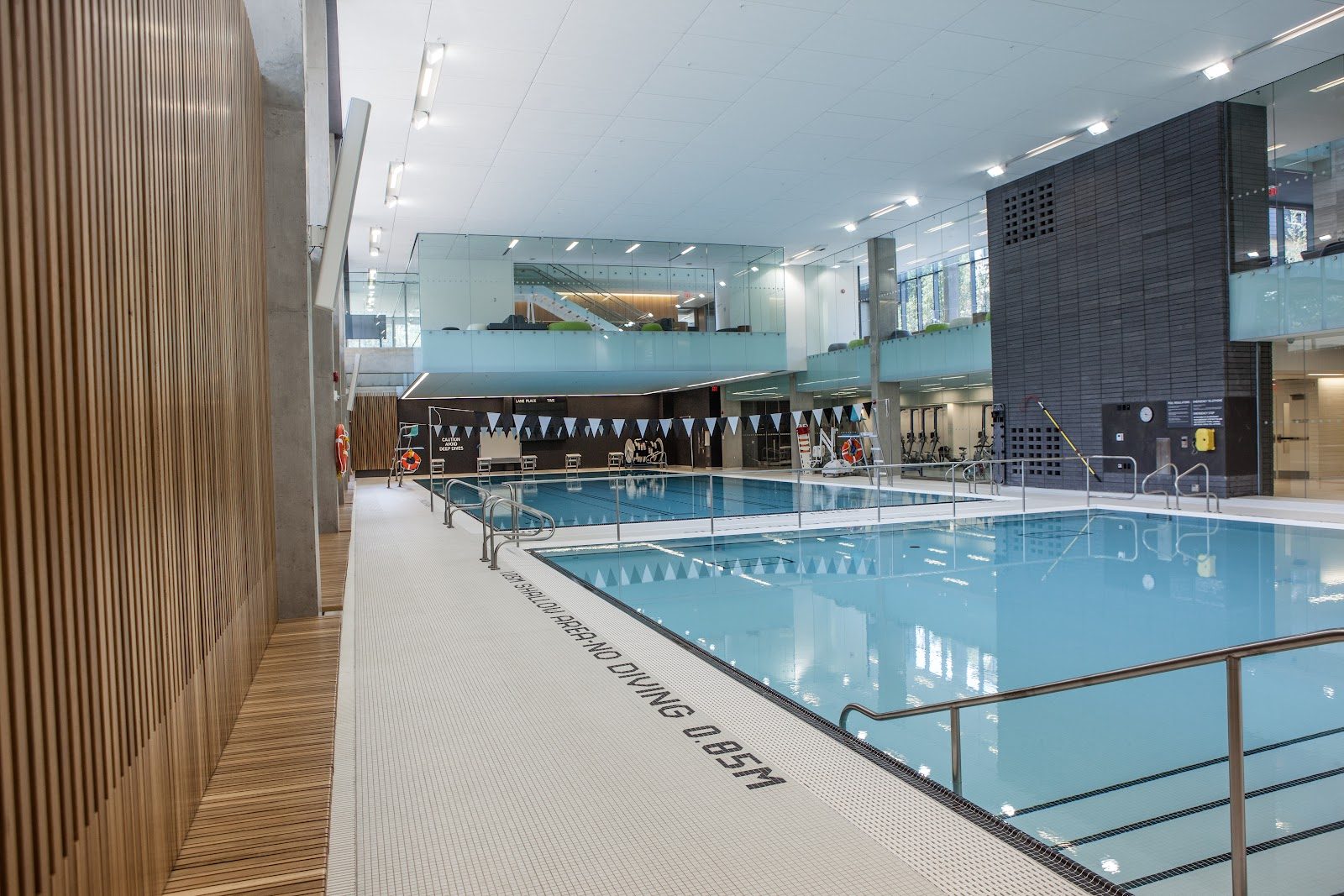
Branksome Hall
Toronto · Canada
Toronto's only all-years IB girls' school, spanning PYP to Diploma with a sister campus on South Korea's Jeju Island.
Same country and curriculum — closest matches within ±10 points either way