
Stockholm County
Stockholm International School
high confidence· 5/6 cats · 2.67 avg sourcesSweden's longest-running international school, teaching the full IB continuum from a historic Norra Latin campus in central Stockholm.
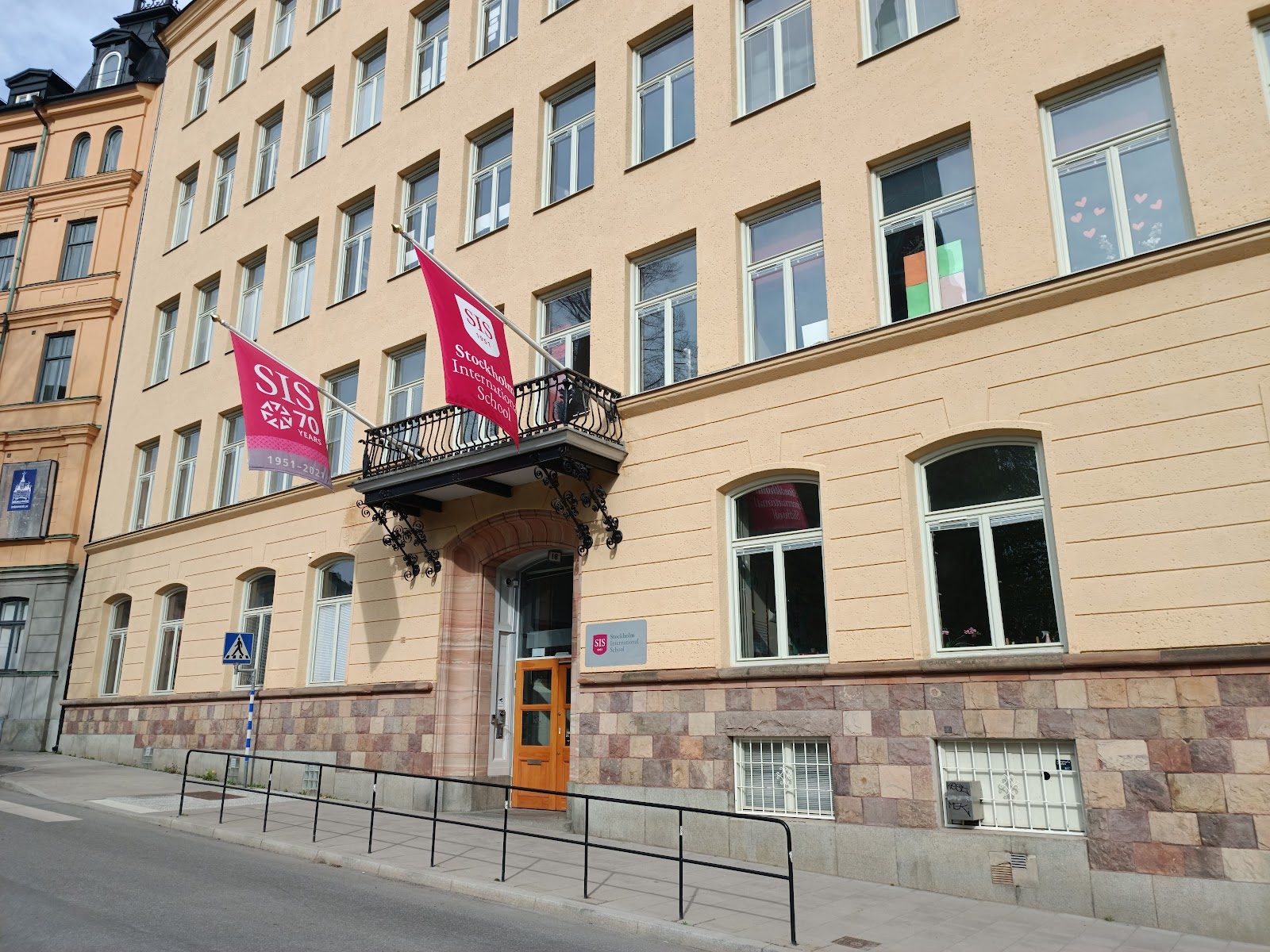
Photo © Taras Martseniuk via Google Maps
Type
Day
Ages
3–18
Curriculum
IB
Qualifications
IB Diploma · IB MYP · IB PYP
Ratio
—
The Verdict
Editor's commitment
Right for
Families wanting Sweden’s oldest international school: founded in 1951, English-medium, non-religious, and running the full IB continuum ages 3–18.
Wrong for
Anyone wanting boarding, a national Swedish curriculum, or one compact campus; this is a day school split between Johannesgatan and Norra Latin.
Watch out for
Central Stockholm is the draw, but SIS publishes no public exam outcomes here; CIS and IB World status confirm structure, not academic transparency.
Ranking breakdown
Stockholm International School · #814 of 1591
Composite score 65.0. 8 weighted criteria.
By criterion
Academic Outcomes
Weight 20%
#857
of 1529 scored
University Placement
Weight 16%
#848
of 1529 scored
Prestige & Heritage
Weight 12%
#854
of 1571 scored
Alumni Network
Weight 12%
#544
of 1530 scored
Facilities
Weight 12%
#968
of 1533 scored
Transparency & Communications
Weight 8%
#922
of 1532 scored
Peer & Industry Review
Weight 10%
#793
of 1548 scored
Admissions Selectivity & Demand
Weight 8%
#647
of 1529 scored
Score history
Stockholm International School · 2026
Movement across 2024–2026. Peer average overlaid.
Overall — 2024–2026
65.0/ 100
▲ +25.7 vs 2025
year on year
Peer & Industry Review
How Stockholm International School is regarded in the sector
55
Credible · low confidence
Stockholm International School appears in general expat-parent forum discussions (e.g., InterNations, Expat Arrivals, r/expats threads) and international-school directories (ISC Research, International Schools Database) as one of several established IB-curriculum options in Stockholm, but it lacks coverage in specialist rankings like Tatler or Good Schools Guide and does not appear to have a distinctive, widely-referenced alumni network or peer benchmarking status. Evidence suggests a credible, locally-known school within the expat community rather than a top-tier internationally benchmarked institution.
Editors' overview
Stockholm International School occupies a distinctive place in the Swedish market. Founded in 1951, it is the country’s longest-running international school and one of the few in central Stockholm delivering the full IB continuum in English from ages 3–18. That matters. Many schools claim internationalism; SIS delivers a complete through-school route with no curriculum switch at 11, 16 or 18. The split-site arrangement is also a real point of difference: younger children are based on Johannesgatan, while the middle and upper school years sit in Norra Latin on Drottninggatan, one of the city’s most recognisable historic education buildings. For families who want a school embedded in the capital rather than parked on a suburban campus, this is a serious urban proposition.
What puts SIS on a shortlist is not glossy novelty but market fit. It serves expatriate, diplomatic and internationally mobile families who need an English-medium education with portable qualifications and a stable academic framework. The IB World School and CIS accreditations add external quality control, but the stronger draw is continuity: one school, one language of instruction, one curriculum architecture across the whole age range. In Stockholm, that combination is hard to replicate. Parents looking for a clean academic line of sight from early years to the IB Diploma will find SIS compelling.
The trade-offs are plain. This is a day school with a city-centre footprint, not a sprawling campus with boarding or extensive playing fields on site. Families prioritising a traditional Nordic outdoor-campus experience or a heavily local Swedish identity will find stronger options elsewhere. SIS suits students who are academically resilient, internationally minded and comfortable in a diverse, fast-moving community where mobility is part of the culture. It fits children who value cosmopolitan energy, adapt quickly, and are happy working in English throughout their schooling.
In short, SIS is special because it combines history, central location and full-journey IB provision in a market where those assets rarely sit together. It belongs on a shortlist for parents who want continuity without compromise, a genuinely international peer group, and a school that understands cross-border family life as a daily reality rather than a branding line. For the right student, SIS offers a clear sense of momentum from nursery to graduation.
Academic Performance
Public exam transparency is the weak point. SIS offers the full IB route, but we have not seen published aggregate Diploma outcomes: no average point score, no pass rate, no subject distribution, no share of bilingual diplomas, and no multi-year trend line. That matters because the IB market in Europe is crowded with schools that publish headline results every year and invite direct comparison. Without that data, parents cannot place SIS with confidence against the stronger-performing IB schools in Scandinavia or the established academic heavyweights elsewhere in northern Europe. The school’s long-standing reputation and central market position carry weight, but reputation is not a substitute for results disclosure. On academic performance, SIS is more opaque than it should be.
That does not mean weak outcomes; it means unverified outcomes. A through-school with a stable IB structure and an internationally mobile intake can produce serious academic ambition, but the public case remains incomplete until the school publishes hard numbers. Parents who are considering SIS for the diploma years should ask for the past 3 to 5 years of IB results, including cohort size, average score, pass rate and highest score achieved. Until then, SIS sits in the category of credible but unproven in public, which is a less secure position than schools that disclose results plainly and let families judge the record for themselves.
Facilities
Facilities are defined first by the split-site model. The younger years are housed on Johannesgatan beside St Johannes Church; the older students work from Norra Latin on Drottninggatan. That gives SIS a distinctly urban physical character and a more adult relationship with the city than suburban international campuses offer. Norra Latin carries the greater architectural weight: a historic education building, central, prominent, and better suited to older students than to early-years play. The trade-off is obvious. Families do not get the sprawling all-in-one campus that many premium international schools use as a selling point. They get 2 city sites, daily movement through central Stockholm, and facilities shaped by existing buildings rather than master-planned land.
Against peer schools, that places SIS in the strong-but-limited category. The Norra Latin setting gives the middle and upper school a serious civic backdrop that many newer schools cannot match, and central access is a real advantage for families who live and work in the city. But schools on larger plots will beat SIS on outdoor space, on-site sports provision and the sheer breadth of specialist facilities under one roof. This is not a campus built to overwhelm on acreage or spectacle. It is practical, high-value urban schooling in well-known premises, with the older students benefiting most from the setting. Parents choosing SIS for facilities are choosing location, character and usability over resort-style scale.
Stockholm International School occupies a distinctive place in the Swedish market
Prestige
SIS carries real prestige in Stockholm, but it is market-specific prestige, not the global cachet of an old British boarding school or the raw academic clout of an outcomes-driven Asian powerhouse. Its standing rests on three things: longevity, centrality and role. It has served the international community for decades, occupies a high-visibility place in the city’s education landscape, and functions as a known quantity for diplomatic, expatriate and internationally mobile families who want continuity without improvisation. In that sense, its name has institutional weight. In Sweden, that matters. There are not many schools with this level of recognition among globally mobile parents, and fewer still that cover the whole age range in one organisation across 2 city sites.
That said, prestige here is stronger on reputation and community position than on published academic proof. The school benefits from being deeply established and from operating out of a historic secondary campus that gives it a certain civic seriousness. It also gains status from the kind of families it attracts: internationally oriented, transient, professional. But prestige without transparent results has a ceiling. The school’s public standing is solid, not untouchable. For parents, that means SIS offers a respected international-school name in Stockholm and a credible social and educational signal, but not the sort of evidence-backed academic prestige that ends debate.
It is a cosmopolitan education in the literal sense, and in this city that remains unusually distinctive
Communications
Parent communication looks functional rather than exemplary. The school serves families whose lives involve moves, logistics and timetable changes, so clarity matters more here than at a settled local school. The split between 2 sites raises the bar further: parents need clean information on routines, transitions, events and who is responsible for what. SIS has the structural reason to communicate well, and there is no room for casual ambiguity. What we do not see in public is the kind of communication architecture that signals exceptional discipline — for example, detailed handbooks, published parent-information systems, or a strong public rhythm of academic reporting. That absence does not prove weak practice inside the school, but it leaves the external picture thin.
Effectiveness, then, sits in the middle ground. A long-established international school with this parent base cannot function without dependable day-to-day communication; families would punish disorder quickly. At the same time, the school does not project the hyper-organised, data-rich communication culture that marks the best-administered international schools. Parents considering entry, especially into the older years, should ask direct questions: how often progress reports go home, how parents contact teachers, how timetable or transport changes are handled, and how the school manages communication across both campuses. Until those answers are clear, SIS reads as serviceable rather than standout on communications — competent enough for operations, not yet a benchmark for transparency.
Uniqueness
What sets SIS apart is not novelty but configuration. Very few schools in this market offer one continuous international pathway from nursery to graduation while remaining rooted in the city centre rather than retreating to an edge-of-town campus. The split across 2 sites sharpens that difference. Younger children learn in a setting that feels more contained; older students move into a grand, historic secondary environment with a more mature rhythm and stronger sense of independence. That progression gives the school a clear internal arc. Students do not just get older; they move through visibly different stages of school life. For internationally mobile families, that matters. It reduces friction, avoids repeated school changes, and gives children a stable institutional home even when family circumstances shift.
The other point of difference is social composition. SIS sits at the intersection of diplomatic, expatriate and globally oriented local families, which creates a student body shaped by movement, transition and cultural range rather than one national mainstream. That brings advantages that are hard to manufacture: children meet peers who have lived in multiple countries, classrooms carry a *genuinely international frame of reference*, and adaptation becomes part of daily life rather than an occasional school slogan. The result is a school that prepares students well for universities and workplaces where mobility, confidence and cross-border fluency are standard. It is a cosmopolitan education in the literal sense, and in this city that remains unusually distinctive.
Many schools claim internationalism; SIS delivers a complete through-school route with no curriculum switch at 11, 16 or 18
Student Profile
The best fit is a child who handles movement well: new classmates, changing family plans, and a peer group shaped by international turnover rather than one settled local cohort. This is a school for students who are comfortable making friends across cultures, joining communities quickly and working within a social environment that can change from year to year. Children who need a deeply rooted neighbourhood identity, a strongly Swedish social frame, or a slow, intimate school culture will find the rhythm harder. SIS suits the internationally mobile, the diplomatically adjacent, and locally based families who want their children educated in a genuinely international social world rather than a local school with an international label. The spread from ages 3–18 also means students can grow up within one institution, which benefits children who value continuity even when life outside school shifts.
Temperament matters. Students who thrive here are *adaptable, self-possessed and socially agile*. Older pupils, in particular, need to be at ease with a more urban, independent pattern of school life and with the expectations that come with a historic secondary setting. This is not the natural home for children who need heavy hand-holding, vast green space, or a cocooning campus atmosphere. It is stronger for students with cosmopolitan confidence, decent organisational habits and the resilience to handle a community where arrivals and departures are part of the culture. For the right child, that environment is expanding rather than unsettling; for the wrong one, it can feel restless and impersonal.
For families who want a school embedded in the capital rather than parked on a suburban campus, this is a serious urban proposition
Co-curricular strengths
Arts & sport, on a separate axis
Overall 7.56/10
Scored 0-10 from the school's own published evidence. This axis is editorial-only — it does not feed the main WTS ranking.
Sports
8/10
Basketball, Football, Swimming, and Volleyball as extracurriculars.
Drama
7.5/10
Drama Club is explicitly named in the extracurriculars list.
Dance
7/10
Music
7.5/10
School Choir is explicitly listed as an extracurricular, but there is no additional evidence of broader ensembles, facilities, or specialist provision.
Visual Arts
7.8/10
Visual Arts appears explicitly in the extracurriculars list, with no further detail about studios, exhibitions, or specialist facilities.
Editor first-pass · editor-reviewable · 7/27/2026
Strengths
- +Founded 1951: Sweden's oldest international school
- +IB continuum for ages 3–18
- +English-medium teaching throughout
- +CIS-accredited, non-religious day school
Considerations
- −Two-site setup splits primary from older students
- −Day school only; no boarding option
- −Central Stockholm locations may mean urban constraints
Availability
Primary entry gate & tests
Academic Record
Gallery
Photo © Taras Martseniuk via Google Maps
Photo © Amir Abdollahi via Google Maps
Photo © Mrs P Reviews via Google Maps
Photo © Dia Pellegrino via Google Maps
Photo © Mateusz Jurek via Google Maps
Parent reviews
Have you sent your child here?
Voice reviews carry the strongest trust badge — we transcribe them for you to tidy up before they go live. Prefer to type? A written review is fine too.
Add your voice
In 60 seconds, tell other parents: what's the best thing about Stockholm International School, and what surprised you when your child joined?
We ask for a Google sign-in so every review has a real face behind it — no anonymous drive-by attacks on schools, and no faked positive reviews. Your email is never shown publicly.
Send this profile to a friend
International parents rely on word-of-mouth. Share this review with someone weighing the same decision.
Schools with places
Similar schools to Stockholm International School with places available now.
Crofton House School
Vancouver · Canada
- 2026-27
- CLOSEDRegular cycle closed
- 2027-28
- OPENS SOONOpens Sept '26
Collège Jean-de-Brébeuf
Montreal · Canada
- 2026-27
- CLOSEDStandard route closed
- 2027-28
- OPENS SOONOpens Sept '26 (exam Oct)
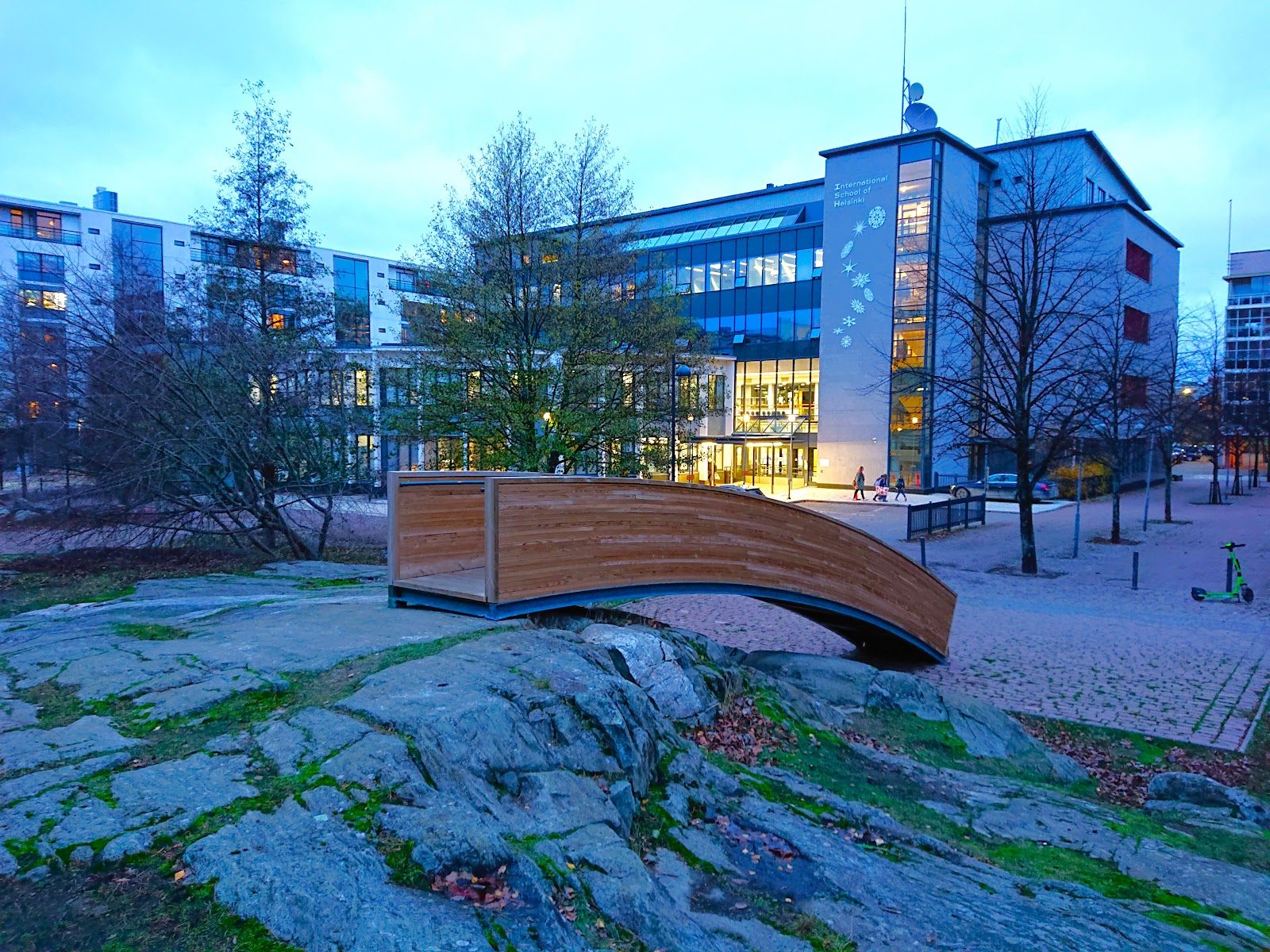
International School of Helsinki
Helsinki · Finland
- 2026-27
- WAITPOOLSpace-dependent
- 2027-28
- PLACES OPENRolling
Markham College
Lima · Peru
- 2026-27
- WAITPOOLVacancy-dependent / enquire
- 2027-28
- PLACES OPEN
Availability first, then country, area, curriculum, price, co-curricular
Consider also
Also worth looking at alongside Stockholm International School.
Bladins International School of Malmö
Malmö · Sweden
Traced to a 1980s Australian submarine contract, this Malmo school became Sweden's first IB Middle Years authoriser.
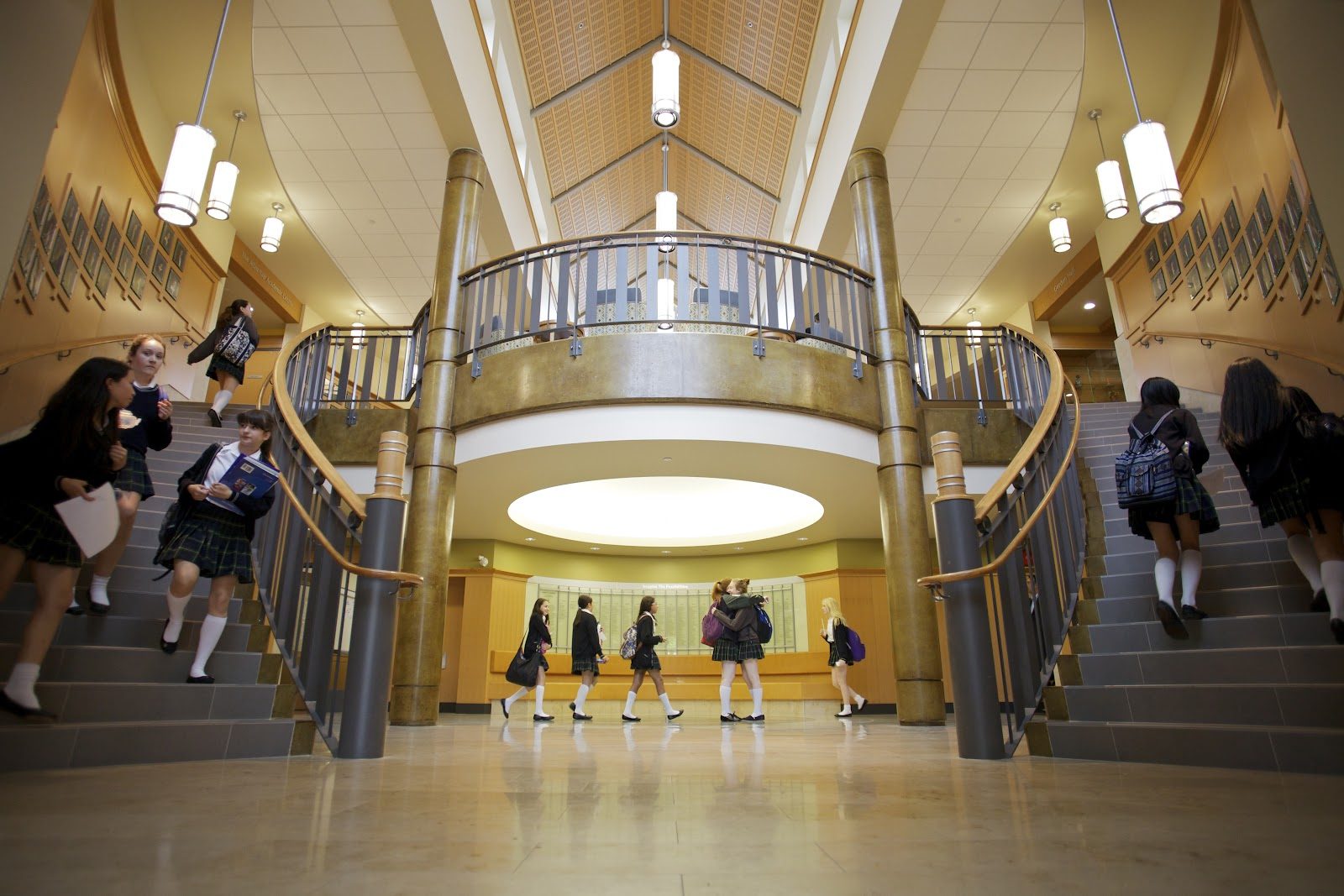
Crofton House School
Vancouver · Canada
West of Toronto's oldest independent school, a Kerrisdale campus builds IB scholars through its four-quadrant Ivy Compass program.
Collège Jean-de-Brébeuf
Montreal · Canada
Once a Jesuit seminary, now a secular Francophone college spanning secondary school and CEGEP, IB-authorized since 1982.
International School of Helsinki
Helsinki · Finland
Founded in 1963 and based in Helsinki, it became Finland's first school fully authorized across all three IB programmes.
Same country and curriculum — closest matches within ±10 points either way